
What Age Should a Child Get a Smartphone: Pros and Cons of Early Phone Use for 2027

Co-Founder and Chief Data Scientist
Smartphone addiction is real. It’s called “nomophobia" or the fear of being without a mobile phone. It can be hard to overcome this addiction in an era where internet use has become ubiquitous. So, naturally, parents are concerned about children having smartphones and often wonder what age should a child get a smartphone.
The smartphone offers unfettered access to the internet and the good things and dangers that come with it. The challenge for parents is to determine when their kids are old enough to absorb the benefits while sidestepping all the negativities.
This article answers the question, “At what age should kids get a phone?" and provides insights into the effects of smartphone usage on kids. In addition, it shines a light on the advantages and disadvantages of having a phone at a young age.
What Age Should a Child Get a Smartphone Table of Contents
- The Average Age Kids Get Their Own Smartphones
- Impact of Smartphone Use on Different Age Brackets
- How to Assess Your Child's Readiness for a Smartphone
- Are There Privacy and Data Safety Risks Parents Should Be Aware Of?
- Should Parents Model Responsible Smartphone Behavior?
- How Can Parents Enhance Their Digital Literacy?
- Disadvantages of Exposing Kids to Phones Too Early
- What Should Parents Look for in a Child-Friendly Smartphone?
- Is My Child’s Smartphone Use Becoming Problematic?
- Are There Legal Regulations to Protect Kids’ Digital Safety?
- Reasons Why Kids Should Have Phones
- Ways to Guide Kids’ Smartphone Use
- Alternatives to Smartphones for Kids
- Can Responsible Smartphone Use Enhance Future Academic and Career Success?
The Average Age Kids Get Their Own Smartphones
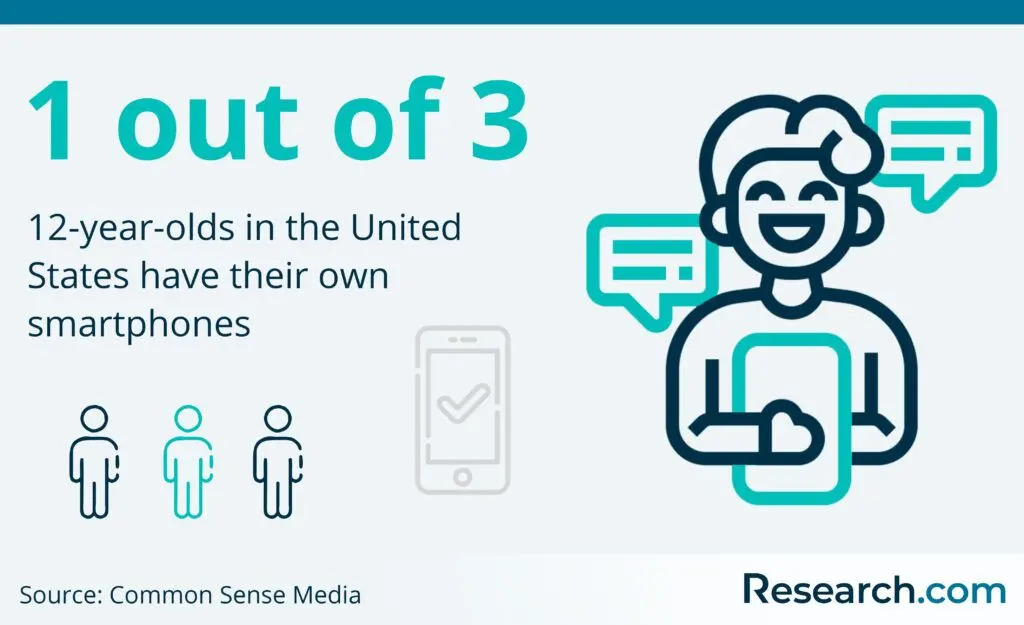
In the minds of parents in the US, what is the average age to get a phone? According to a recent study by Common Sense Media, 53% of kids in the United States have their own smartphones by age 11 . The same study found out that by the age of 12 years, more than a third of kids have their own smartphones. This age is poised to trend even younger in the coming years. Worried parents cannot help but wonder, should there be an age limit on cell phones? Also, when should kids get a phone?
Research suggests that there should be an age limit. But in reality, there are no legal guidelines to determine when parents should hand smartphones to their little ones and how old should you be to get a phone. As such, buying your child a smartphone should be a well-thought and meticulous decision.
On the one hand, many find it risky to let children have their own phone. After all, parental controls can only do so much to protect kids from applications and websites that they should not be exposed to. On the other hand, the use of smartphones can help reinforce schooling. In fact, interactive learning statistics revealed that 44% of parents in the United Kingdom believe its rapid access is a major boost for kid’s education.
The bottom line here is that there are many advantages and disadvantages to smartphone use. The answers to what age should you get a phone for your child are not always as simple as giving an exact figure or range. It will be up to you as a parent or guardian to weigh whether there are more pros than cons or the other way around.
Impact of Smartphone Use on Different Age Brackets
Many parents ask the question, “At what age should a child get a cell phone?" Among the ways to determine whether your child is old enough to have a phone is to understand its impact on their growth and development. Below, we have culled some data on smartphone use among the different age brackets and analyzed how it can affect them in the long-run.
Interested in more data on addiction? Learn more insights on college drug abuse and how families are coping with this problem.
Ages Four to Six
At this age, kids learn best from live, immersive interaction with parents, siblings/agemates, or caregivers. Given the choice, they would briskly opt for playing, talking, or being read to instead of using a smartphone.
Smartphones at a young age deny a child the opportunity to learn social skills from face-to-face interactions with human beings. Ultimately, this makes it difficult for them to develop empathy and read facial expressions. Even worse, constant over-stimulation from smartphone screens is damaging to the brain. It causes the child’s brain to become hardwired to crave easy dopamine from an early age.
For this reason, the Canadian Paediatric Society (CPS) recommends keeping children below the age of two away from digital screens of any form. It is also recommended that parents limit children between the age of two to five years to less than one hour of screen time a day.
Ages Seven to 11
By this time, children are starting to enjoy independence from their parents. They spend most of their time in school and engage in extracurricular activities after school. Because of this, parents feel obliged to hand their children a smartphone to keep in touch when they are away. This is the reason why, in the U.S., 40% of children are introduced to smartphone use at the age of five to 11 .
This is a wise move, given its merits. So, should a 10-year-old have a phone? The situation has a caveat that blurs any definitive answer. There is a risk that children might slide into social media use without their parents’ consent. This poses a serious risk because at this age, the kids’ critical-thinking skills have not kicked in yet. This means they do not understand the essence of posting things on social media or how to respond to the negativity that comes with it.
The kids will be exposed to cyberbullying and the over-reliance on peer validation on social media, which can have a negative impact on their development. To be on the safe side, Common Sense Media advises parents to opt for phones with limited features and no web access for young children and closely supervise their use (Common Sense Media, n.d.).
Ages 12 to 14
Based on child development, children at these ages are transitioning to middle schools, and this is the time many feel entitled to own a smartphone and have access to educational websites for kids, and rightfully so. At this age, most adolescents have developed vital skills, such as problem-solving, impulse control, and critical thinking.
In addition, most parents have clear opinions about when children should have their own smartphone. A 2025 survey by the Pew Research Center found that about 68% of parents think children should be at least 12 years old before owning a smartphone, while a smaller share (26%) say it’s acceptable for children under 12, and 6% believe children should not have their own smartphone at all. So, should a 12‑year‑old have a phone? The answer isn’t the same for every child: age alone isn’t a perfect measure of maturity or responsibility, and parents often consider individual readiness, safety needs, and digital habits when deciding what’s best for their child.
Therefore, while most adolescents are ready for supervised smartphone use, some might still be lagging behind in terms of the level of maturity. To evaluate your child’s readiness, ask yourself the following questions:
- Is your child asking for a smartphone for safety reasons or purely social ones?
- Is the kid ready to wrap his head around the idea of limits to apps downloaded and minutes talked?
- Is the kid mature enough to use the photo, video, and text functions responsibly, not to text during class, or disturb others with conversations?
The founders of mobile technology underscore the need to wait until children are old enough before handing them a smartphone. Steve Jobs, the co-founder of Apple reportedly barred his children from using the iPad when it was released because they were young. You can borrow a leaf from Steve Jobs and wait until the kid is mature enough to possess a smartphone.
Ages 14 to 18
Around this age, a kid’s prefrontal cortex is nearly fully developed. The prefrontal cortex controls cognitive functions such as decision-making, perception, learning, and language ability. It can influence the acquisition of knowledge, reasoning, impulse suppression, planning, and organization.
Most kids in this age group—a common answer to what is a good age to get a phone—are ready to own a smartphone. The idea to let kids in this age group have their smartphones is echoed by Bill Gates. The tech giant co-founder did not let his children own a smartphone until they attained the age of 14 years (Inc). On the other hand, James Steyer, the founder of Common Sense Media, said in an interview with the New York Times that he would wait until his kids are in high school before handing them a smartphone.
That said, high schoolers are still unpredictable and giving them unsupervised internet access can be a detriment to their development and that of their peers. Therefore, it is important to model and teach them good smartphone habits. Parents should also set time when there is no screen time, such as during dinner or bedtime to ensure children are getting enough sleep.
How to Assess Your Child's Readiness for a Smartphone
Determining when a child is ready for a smartphone involves more than just considering their age. It requires an evaluation of their maturity level, sense of responsibility, and overall understanding of boundaries. Start by observing how well your child handles other responsibilities at home or in school. Are they reliable with homework or chores? Can they follow rules without constant reminders? The answers to these questions may provide clarity on whether they are prepared for smartphone ownership.
Another crucial aspect is communication. Engage your child in an open dialogue about why they feel ready for a smartphone and what their intended use will be. Discuss potential risks such as online privacy concerns, cyberbullying, and screen addiction to gauge their awareness. These conversations often reveal gaps in understanding that parents can address before handing over a device.
Parental controls are an invaluable tool for easing children into smartphone use. By enabling restrictions on app usage, internet access, and screen time, parents can create a safer digital environment during the transition period. Additionally, opt for phones with limited features for young users—this ensures they are not overwhelmed by functionalities they may not yet be equipped to handle.
For parents seeking structured approaches to evaluating maturity and readiness, consulting expert resources can be helpful. Broadening your knowledge about technological responsibilities might even inspire personal growth. Those interested in carving a more informed path could explore advanced studies, such as the cheapest online masters in artificial intelligence, which dissect the broader implications of technology on society.
By taking these steps, parents can feel more confident that their decision aligns with their child’s readiness, ensuring a safe and beneficial integration of smartphones into their lives.
Are There Privacy and Data Safety Risks Parents Should Be Aware Of?
In today’s digital landscape, children’s smartphones can expose them to privacy risks that extend beyond screen time concerns. Apps may collect location data, personal information, or usage details without adequate transparency, making it essential for parents to review app permissions and privacy settings regularly. Understanding how data is shared and stored can help in establishing protective measures, such as using secure Wi-Fi and activating privacy modes on devices. Additionally, educating children about digital footprints and responsible online behavior can mitigate long-term risks. Parents are encouraged to remain abreast of emerging best practices through ongoing learning opportunities, such as open enrollment online college courses.
Should Parents Model Responsible Smartphone Behavior?
Parental conduct significantly influences a child’s digital practices. Evidence suggests that children mirror the habits and attitudes displayed by their parents when it comes to technology use. Establishing and maintaining a balanced approach—characterized by set device-free periods during meals or family time—can foster a healthy digital environment at home. Moreover, parents who consciously manage their own smartphone habits provide a live example of self-regulation, thereby reinforcing lessons about discipline and mindful usage. For further insights into creating structured routines in a technology-driven world, consider exploring an accelerated bachelor's degree online.
How Can Parents Enhance Their Digital Literacy?
Developing digital literacy equips parents to navigate evolving online risks and effectively guide their children’s smartphone use. Expanding your knowledge through focused learning—such as exploring online graduate certificate programs—can provide practical insights on cybersecurity, digital privacy, and responsible technology practices. Staying informed of emerging trends enables parents to establish clear digital boundaries and foster safe, informed interactions in the online world.
Disadvantages of Exposing Kids to Phones Too Early
Parents give their kids a smartphone for a variety of reasons. While many see phones as a necessity for staying in contact with their children, others value them for entertainment or educational purposes. According to a 2025 Pew Research Center survey of U.S. parents with children ages 12 and younger, 81% of those whose child has a smartphone say it is to easily contact their child, and many also cite entertainment and learning as reasons for letting kids use one, though fewer parents say they do so to calm their child or prevent them from feeling left out.
Whatever the need, parents should ensure that they give their children smartphones at the right age. This is because exposing the kid to phones too early does not bode well for the child’s growth and development. Some of the dangers of letting a kid use a phone too early include:
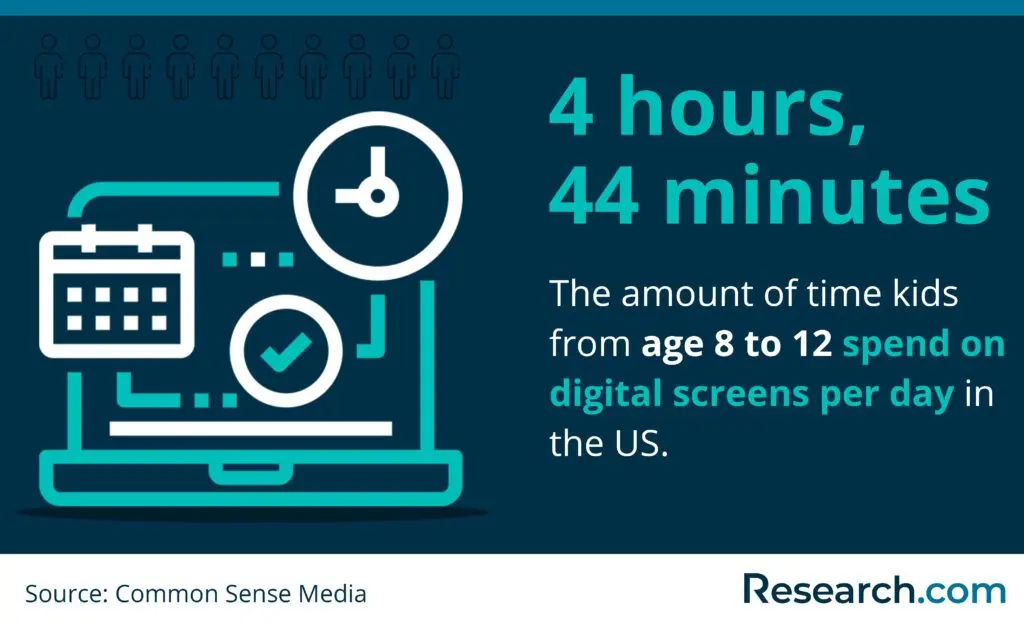
- Alters Brain Development. On average, children in the United States spend several hours a day using screens, including smartphones, tablets, computers, and televisions—often around 4–6 hours daily for those aged 8 to 12. While screens can offer educational opportunities, research shows that excessive screen use is linked to changes in brain development and cognitive functioning. For example, large longitudinal studies of brain development indicate that higher screen exposure is associated with differences in cortical thickness and attention mechanisms, as well as increased risks of attention difficulties and behavioral challenges later in childhood. These neurodevelopmental patterns suggest that prolonged screen time may influence how neural circuits related to executive function and self‑regulation develop over time, although more research is still needed to understand causation and specific mechanisms.
- Impairs Social Skills Development. If a child spent more time on a smartphone than interacting with humans, their social skills development will be impaired. It can also prohibit the development of critical thinking, impulse control, and problem-solving skills.
- Exposes Kids to the Dark World of the Web. Smartphones offer unfettered access to the internet. When kids are allowed to use them unmonitored they can easily end up being redirected to inappropriate content without the parents’ knowledge. There is potential exposure to nudity and violence, all of which could come to haunt the child later in life. The kids can also access sites that promote over-reliance on peer validation, hence creating a way for cyberbullying, which in turn, causes the kids to feel rejected or ostracized.
- Technology addiction at an early age. Too much screen time can cause overstimulation and lead to the production of adrenaline dopamine, which makes them highly addictive. Technology addiction leads to depression, anxiety, and thoughts of suicide. It also causes kids to have a low concentration in class and can greatly undermine family relationships.
What Should Parents Look for in a Child-Friendly Smartphone?
When selecting a smartphone for a child, consider devices that offer comprehensive parental control features and secure operating systems. Opt for models with settings that allow for customized app restrictions, screen time management, and content filters to prevent exposure to inappropriate material. Evaluate the software’s ability to receive timely security updates and support features that promote digital wellbeing. In addition, look for hardware that is durable and user-friendly, along with pre-installed educational tools that can complement learning initiatives, such as the opportunities available through a 6 months degree course.
Is My Child’s Smartphone Use Becoming Problematic?
Excessive smartphone use can manifest as noticeable changes in behavior and routine. Look for warning signs such as a marked decline in academic performance, disrupted sleep patterns, social withdrawal, increased irritability when device access is restricted, or neglect of daily responsibilities. Monitoring these indicators is essential for early intervention and adjustment of usage guidelines. If challenges persist, consider seeking professional advice and expanding your digital literacy through specialized educational pathways such as quick degree programs.
Are There Legal Regulations to Protect Kids’ Digital Safety?
While there are no standardized legal requirements determining when a child should own a smartphone, several regulations and guidelines emphasize digital privacy and online safety for minors. In the United States, for instance, the Children’s Online Privacy Protection Act (COPPA) requires parental consent for collecting data from children under 13, setting a benchmark for developers and service providers. Similar frameworks exist in other regions, underscoring the importance of selecting devices and applications that adhere to strict data protection standards. Staying informed about these legal regulations helps parents ensure that the chosen tools support a secure digital environment and foster responsible technology use, thereby aligning with broader educational and career opportunities, such as pursuing a certificate for high paying jobs.
Reasons Why Kids Should Have Phones
A smartphone, as you know, is a gateway to inappropriate content and a lot of scary stuff associated with the web. But with a strong parental hand controlling device use, it does have perks. Some of the benefits of kids having phones include:
- Easy to track them. One advantage of smartphones is their built-in GPS functionality, which allows parents to monitor their children’s location for safety. According to a 2025 Pew Research Center survey, about 31% of parents report using smartphones or location-tracking apps to keep track of their children, reflecting the growing role of technology in child safety and parental peace of mind. These applications not only help parents monitor movement but also provide children with tools to navigate back home if they become lost or encounter dangerous situations, enhancing overall safety.
- Helps keep pace with Technology. Children need to be tech-savvy to succeed in school and in future jobs. Giving them smartphones at an early age helps them interact regularly with technology. This makes them comfortable with technology and gives them the skills they need to excel even as technology advances.
- Helps Create Indelible Memories. Smartphones come with powerful front and rear cameras. These devices give children the opportunity to take photos of things, hence create beautiful memories. In particular, when the child is on holiday with other family members he/she will capture every moment in photos and keep them forever.
- Aid their Education. Smartphones are not just for fun or for kids to communicate with parents and connect with friends. They are also academically beneficial. In fact, 53% of parents in the U.S. give their children smartphones to help them with education. If kids are learning from home, for example during today’s pandemic, they can download some of the best educational apps for kids. With these apps, children can start learning a new language, improve their math skills, and more.
Ways to Guide Kids’ Smartphone Use
Responsible smartphone use for children is about four things: managing mobile costs, keeping the smartphone safe, being respectful, and sticking to family rules. Regardless of the age you give the kid a smartphone, you must teach them how to tick all these boxes.
The following are some suggestions for teaching children responsible smartphone use:
- First and foremost, create a family contract that outlines smartphone rules and stipulates the consequences of breaking the rules. The contract should clearly state what for, where, when, and how much the child can use a smartphone.
- Parents should model healthy and responsible phone use themselves. To start with, a parent should think about their own technology use. If, for example, parents do not want children to use smartphones during family meals or other activities, they should set a great example for the child.
- Start by giving the kid a cell phone that does not have internet access, and introduce them to smartphones as they grow more responsible.
- To promote safe and respectful use, parents should set the parental controls on the smartphone. They should also check all apps that use location services and switch off unnecessary ones.
- Parents should discourage their children from sharing personal details online or accepting social media friend requests from people they do not know face-to-face.
- Most importantly, warn the child against creating or forwarding humiliating or nasty photos, emails, or text messages.
- Finally, reduce the amount of time the kids spend in front of the screen.
Alternatives to Smartphones for Kids
Before giving children a smartphone, parents can consider various alternatives that promote communication and responsibility without the distractions and potential risks of smartphone use. Here are some suitable options:
- Basic Cell Phones: Basic cell phones allow children to make calls and send texts without internet access. These devices focus on essential communication, minimizing distractions from social media or games.
- Tablets with Restricted Access: Tablets can serve as a middle ground. Parents can set parental controls to limit access to specific apps or websites. This allows kids to use educational apps while reducing exposure to unregulated content.
- Smartwatches for Kids: Kid-friendly smartwatches often come with calling features and GPS tracking. They allow parents to stay connected with their children while providing safety features, such as location tracking.
- Walkie-Talkies: For younger children, walkie-talkies offer a fun way to communicate without the complexities of a smartphone. They encourage outdoor play and teamwork while keeping kids connected.
- Digital Cameras: If kids are interested in photography, a digital camera can be an excellent way to engage their creativity without the distractions of a smartphone. They can focus on capturing memories rather than getting lost in social media.
- Computer or Laptop with Supervision: Providing access to a family computer or laptop can allow children to explore educational content and stay connected with family and friends through supervised communication channels.
- Outdoor Activity Kits: Encourage children to engage in outdoor activities with kits that promote physical play, such as sports equipment or scavenger hunt kits. This shifts their focus away from screens and fosters physical activity.
By exploring these alternatives, parents can help their children develop communication skills and responsibility while delaying the complexities of smartphone ownership.
Can Responsible Smartphone Use Enhance Future Academic and Career Success?
Research indicates that when managed responsibly, smartphone use can contribute to building digital literacy skills that benefit academic performance and long-term career prospects. Controlled exposure to technology not only helps children become adept at navigating digital tools but also encourages problem-solving and self-discipline—traits that are increasingly valued in today’s competitive job market. Furthermore, understanding the digital landscape early on can spark an interest in STEM fields and other technological areas, paving the way for pursuing high-earning career paths, such as degrees that make 100 000 a year.
Is it Time for Your Kid to Have a Smartphone?
A smartphone is an indispensable device that embodies the digital age. As mobile technology evolves, there is no doubt smartphones will continue to change the way we live. It is redefining parenting and one tricky question parents are facing today is, what is the best age to own a mobile phone?
As you have already seen, there is no definitive answer to this question. The onus is on the parent to decide when the time is right to hand their kid a smartphone. Ideally, or as we have seen tech founders do, the right age to give a child a smartphone is when they attain the age of 14 years.
However, this is not a rule that is set in stone. If a parent deems it right to wait until the child is 16 years, it is up to him or her. But whatever the age, parents must ensure that they are doing it for the right reasons. They should not cave in to pressure to give the child a smartphone because they want them to be tech-savvy or because their friends are doing it. To be on the safe side, formulate your own rules, and stick to them to a tee.
Interested in more research articles? Continue your reading on some of the most important women in science.
Key Insights
- Average Age for Smartphones: The average age for kids to get their own smartphones is around 11, with over half of children in the U.S. having a phone by this age. This trend is expected to continue lowering.
- Developmental Impact: Introducing smartphones too early can negatively affect a child's brain development, social skills, and exposure to inappropriate content. It's crucial to balance the benefits of connectivity and educational tools with these risks.
- Age-Specific Considerations:
- Ages 4-6: Not recommended due to critical developmental needs for face-to-face interaction.
- Ages 7-11: Useful for staying in touch, but should have limited features and strict supervision.
- Ages 12-14: Generally acceptable with proper guidance and monitoring.
- Ages 14-18: More suitable due to better cognitive development, but still requires responsible usage and parental oversight.
- Disadvantages: Early exposure to smartphones can lead to altered brain development, impaired social skills, exposure to harmful online content, and potential technology addiction.
- Benefits: Smartphones can provide safety through GPS tracking, aid in education with access to learning apps, and help children become tech-savvy, which is crucial for their future careers.
- Guidance for Parents: Implementing family contracts, setting examples, starting with basic phones, using parental controls, educating on online safety, and managing screen time are essential strategies for responsible smartphone use.
References:
- Abi-Jaoude, E., Naylor, K.T., & Pignatiello, A. (n.d.). Smartphones, social media use and youth mental health. Canadian Medical Association Journal, 192 (6), E136E141. https://doi.org/10.1503/cmaj.190434
- CPS Digital Health Task Force (n.d.). Screen time and young children: Promoting health and development in the digital world. Paediatrics & Child Health, 22 (8), 461468. https://doi.org/10.1093/pch/pxx123
- Chen, B.X. (n.d.). What’s the right age for a child to get a smartphone? The New York Times.
- Common Sense Media (n.d.) What’s the best cell phone for kids. Cellphone Parenting. San Francisco, CA: Common Sense Media.
- Dresp-Langley, B. (n.d.). Children’s health in the digital age. International Journal of Environmental Research and Public Health, 17 (9), 3240. https://doi.org/10.3390/ijerph17093240
- Melanie, C. (n.d). Bill Gates says this is the ‘safest’ age to give a child a smartphone. Inc.com.
- NIH (n.d.). Adolescent Brain Cognitive Development (ABCD) Study. Bethesda, MD: National Institutes of Health.
- Auxier, B., Anderson, M., & Turner, E. (n.d.). 1. Children’s engagement with digital devices, screen time. Parenting Children in the Age of Screens. Washington, DC: Pew Research Center.
- Valdesolo, P. (n.d.). Scientists study nomophobia — Fear of being without a mobile phone. Scientific American.
- Victoria, R., & Michael, B. R. (n.d.). The Common Sense Census: media use by tweens And teens. Common Sense Media.
- Pew Research Center. (2025, October 8). How parents describe their kids’ tech use. Pew Research Center. https://www.pewresearch.org/internet/2025/10/08/how-parents-describe-their-kids-tech-use/
- Adolescent Brain Cognitive Development Study. (2025). Screen time and the developing brain: Are iPad kids at risk? University of Rochester Medical Center. https://www.urmc.rochester.edu/news/publications/health-matters/screen-time-and-the-developing-brain-are-ipad-kids-at-risk
- Wikipedia. (2025, March 12). Screen time. https://en.wikipedia.org/wiki/Screen_time
Other Things You Should Know About What Age Should a Child Get a Smartphone
Smartphone use in children aged 4-6 can lead to potential developmental issues. Excessive screen time may hinder social skills, physical activity, and sleep patterns. Parental guidance is crucial to ensure balanced exposure, emphasizing more interactive and educational content to support healthy development at this critical age.
Early smartphone use can disrupt brain development, impair social skills, expose children to inappropriate content, and lead to technology addiction.
Parents can create a family contract outlining smartphone rules, model responsible phone use, start with basic phones without internet access, use parental controls, educate on online safety, and limit screen time.
Yes, giving a child a smartphone can have benefits such as improving digital literacy, enhancing communication skills, and allowing access to educational resources. Smartphones can help children learn to navigate technology responsibly, provided their use is supervised and guided by responsible adults.
At this age, children generally have developed better problem-solving and critical-thinking skills, making them more ready for supervised smartphone use. Parents should assess their child's maturity and readiness for responsibility before giving them a smartphone.
Parents can prevent technology addiction by setting clear usage limits, encouraging offline activities, educating children about the risks of overuse, and fostering an environment where smartphones are used as tools rather than sources of constant entertainment.


