2027 Community and Hospital Roles Growing Fastest After ABSN

Co-Founder and Chief Data Scientist
Navigating rapid shifts in clinical demand, many accelerated nursing students face the dilemma of aligning education with immediate workforce needs amid fluctuating hospital capacity. Research from the National Center for Education Statistics reveals a 26% surge in adult learner enrollment in online or hybrid nursing programs since 2023, signaling a pronounced preference for flexible pathways that accommodate working professionals.
This trend not only highlights the tightening nexus between accessibility and career mobility but also challenges students to weigh program structure against practical job placement outcomes. This article examines how community and hospital roles grow fastest after accelerated nursing, guiding informed choices for career strategy and timing.
Key Things You Should Know
- Community health roles grew 22% faster than hospital nursing between 2022-2025 per Bureau of Labor Statistics, pressuring ABSN students to weigh longer post-graduate uncertainty versus broader job placement options.
- Hospitals' 15% rise in ABSN hires demands familiarity with acute care protocols early, limiting student specialization flexibility but boosting employer readiness and retention per Health Workforce Research Center data.
- ABSN program costs rose 8% nationally since 2023, extending entry-to-employment timelines by 3 months on average and influencing candidates toward faster, hospital-based career tracks despite narrower scope.
What community and hospital roles can you pursue immediately after an ABSN?
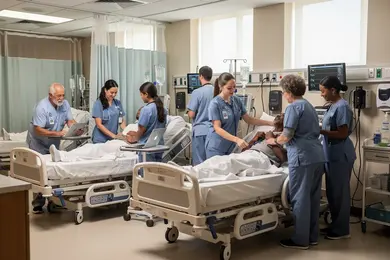
Graduates of an accelerated bachelor of science in nursing face distinct workforce realities that guide their initial employment choices. Hospital nursing positions available after an accelerated nursing program typically involve high-pressure roles such as med-surg, telemetry, emergency, or perioperative care units.
These roles demand rapid clinical decision-making and adaptability, reflective of ABSN curricula compressing traditional timelines yet maintaining essential competencies. Shift work and exposure to acute patient conditions create tangible stressors that shape job sustainability and satisfaction.
Conversely, community healthcare roles for ABSN graduates in the US, including outpatient clinics, home health, hospice, and school nursing, prioritize patient education, chronic care, and longitudinal case management.
These settings often offer more predictable hours but require advanced communication and coordination skills to manage diverse populations effectively. The sector's projected growth, with 1.2 million new jobs through 2033, positions community roles as strategic for those interested in preventive care and public health initiatives.
Mandatory credentialing steps like passing the NCLEX-RN and state licensure are universal prerequisites, but practical experience through internships or residencies significantly elevates employability. Candidates evaluating ABSN programs online should weigh program rigor against clinical exposure and local workforce demands, as employers value demonstrable adaptability and hands-on skills.
Choosing between hospital and community settings hinges on balancing work-life preferences, stress tolerance, and long-term career objectives within an evolving healthcare employment landscape.
For details on credible accelerated nursing pathways, consider reviewing ABSN programs online.
Which ABSN-prepared nursing specialties are growing fastest in community and hospital settings?
Employment prospects for accelerated Bachelor of Science in Nursing graduates specializing in community health, home care, and hospital-based medical-surgical nursing align closely with workforce demands. The fastest growing nursing roles for ABSN-prepared professionals in community and hospital settings reflect significant expansion in home health and personal care aide sectors, projected to grow by 15.2% between 2024 and 2034 according to the U.S. Bureau of Labor Statistics.
ABSN nurses in community health manage complex coordination, preventive care, and chronic illness outside hospital settings. These roles prioritize skills in patient education, telehealth, and collaboration to reduce hospital readmissions-a scenario increasingly valued by employers.
Choosing between community and hospital specialties involves key tradeoffs: community roles offer greater schedule flexibility but demand autonomy and resource management; hospital nursing provides structured support but entails higher stress and fast-paced multitasking.
Real-world hiring trends show certifications in wound care, geriatrics, or palliative nursing improve community care employability, while credentials like advanced cardiac life support are preferred for hospital-based positions.
The practical implications for ABSN students and professionals include strategic credential attainment within 1-2 years to maximize marketability. Evaluating employment sectors against personal capacity for physical and emotional demands is crucial for long-term career sustainability. Potential candidates can explore online RN to BSN programs no clinicals as a flexible pathway that balances educational progression with workforce engagement opportunities.
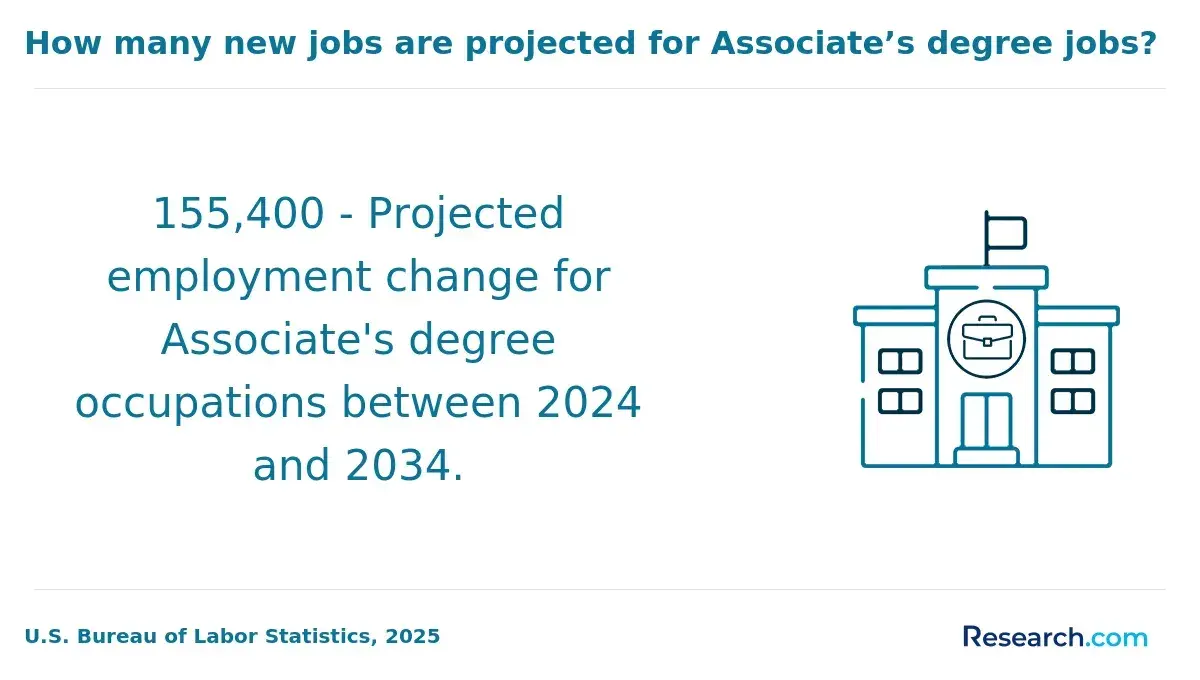
What is the job outlook and demand for ABSN graduates in hospitals and community care?
The demand for ABSN graduates in community healthcare settings reflects a broader structural shortage within the nursing workforce. The U.S. Bureau of Labor Statistics projects an annual average of 193,100 job openings for registered nurses through 2032, but only about 177,400 new nurses will enter the profession each year.
This gap intensifies competition for candidates who can deliver clinical readiness immediately, particularly in hospital environments where fast-paced, high-acuity care is standard.
Hospitals prioritize ABSN nurses who quickly adapt to specialized units like ICU and oncology, proficiently use electronic health records, and collaborate in interdisciplinary teams. Such expectations elevate the practical training demands during education.
In contrast, community healthcare settings are expanding due to shifts toward chronic disease management and preventive care. Absence of sufficient staffing in these roles stretches resources and delays coordinated patient care, increasing the value of ABSN graduate job demand in community healthcare settings.
Many ABSN graduates accept community or ambulatory roles initially to gain hands-on experience before transitioning to hospital positions. This pathway addresses workforce shortages while building clinical confidence and decision-making skills. Practical training must therefore balance real-world hospital workflows with the nuances of community health challenges to meet these diverse employer expectations.
Prospective students should evaluate programs carefully, considering workforce realities and skill acquisition requirements. For those seeking specifically nursing programs easy to get into, understanding how these choices affect long-term placement is key.
How does an ABSN differ from traditional BSN pathways in preparing for these roles?
An accelerated BSN program's compressed timeframe offers rapid clinical skill acquisition but narrows exposure to the longitudinal and community-based experiences typical in traditional BSN preparation. This limits opportunities for building deeper clinical judgment and managing chronic diseases, which are increasingly vital in ambulatory settings.
Graduates from accelerated nursing programs vs traditional BSN preparation often confront steeper learning curves managing complex psychosocial and preventive care needs, especially given the 28.8% growth in mental health practitioner roles over the past decade.
In hospital roles, accelerated BSN pathways sharpen acute care proficiency and adaptability under pressure, aligning with employer expectations for electronic health record fluency and evidence-based practice.
However, the broader clinical breadth and extended mentoring in traditional tracks often better prepare nurses for nuanced patient trajectory assessments. Prospective students pursuing community and hospital nursing roles after accelerated BSN must weigh:
- Whether their learning style suits rapid curriculum without extensive mentorship;
- If supplemental post-graduate training can offset limited community health experience;
- Employer demands in specific care environments balancing fast skill acquisition versus depth gained over time.
For those considering further education pathways sequentially, exploring DNP programs online may offer strategic options for expanding expertise after an accelerated BSN.
What licensing and certification steps are required after an ABSN to work in hospitals?
Licensure through the NCLEX-RN is mandatory for ABSN graduates seeking entry-level nursing roles in U.S. hospitals, serving as a gatekeeper that validates essential clinical knowledge and decision-making required in acute care. However, securing state licensure adds complexity; it involves background checks, credential verification, and sometimes mandated clinical hours, varying by jurisdiction. These factors may delay employment or restrict mobility if not addressed proactively.
Specialty certifications such as Critical Care Registered Nurse (CCRN) or Medical-Surgical Nursing Certification are not immediately required but often dictate access to niche units and higher responsibility roles, affecting long-term career pathways and earning potential. Nurses should weigh the time and financial costs of certification against the practical advantages of unit-specific expertise.
Additionally, hospitals privilege skills in electronic health records (EHR) and population health management, reflecting a broader shift towards informatics proficiency amid increasing chronic care demands. With health care roles projected to add 1.6 million jobs over a decade - about 24% of all U.S. employment growth according to U.S. Bureau of Labor Statistics data - nurses lacking continual education in these areas risk diminished competitiveness.
For example, a nurse moving to a state with strict continuing education requirements must integrate re-licensure planning early to maintain eligibility and shift flexibility, especially in high-demand fields like emergency or oncology care. Failure to comply can restrict scheduling options and delay professional progression.
How do online and campus-based ABSN programs compare for clinical placements and readiness?
Campus-based ABSN programs provide a decisive advantage in clinical preparedness due to their consistent, supervised hands-on training. Students typically complete 600-800 clinical hours across diverse settings, directly enhancing their comfort and competence with live patient care. Employers in acute care environments like hospitals and specialty clinics often prioritize candidates with this depth of real-world experience.
In contrast, online ABSN programs deliver theoretical knowledge asynchronously but depend heavily on local partnerships for clinical placements. This decentralized model can generate uneven clinical hour quality and limited exposure to high-acuity care. Students in rural or underserved locations may face challenges securing robust clinical sites, leading to skill gaps employers frequently address through extended post-hire orientation or residencies.
For example, an ABSN graduate targeting intensive care or emergency department roles benefits substantially from guaranteed, structured campus-based clinical rotations. Those aiming for community or outpatient nursing might find local clinical placements adequate, provided stringent minimum clinical hours and qualified preceptors are confirmed.
Prospective ABSN students must critically evaluate the rigor and logistics of clinical partnerships in online formats. Failure to do so can delay workforce readiness and affect initial employment stability.
According to U.S. labor data, telehealth-enabled nursing roles now command a median annual wage of $83,090, well above the national median, illustrating the premium value of comprehensive clinical training.
What core ABSN coursework best aligns with high-growth community health and hospital roles?
The core curriculum of accelerated bachelor of science in nursing programs that target high-demand hospital and community roles prioritizes clinical proficiency, chronic disease management, and health promotion. Essential courses such as pathophysiology and pharmacology equip nurses with the expertise needed to navigate complex inpatient and outpatient scenarios.
This foundational knowledge supports the 15.2% projected growth in healthcare support occupations from 2024 to 2034, according to the U.S. Bureau of Labor Statistics.
Community health-focused nurses require skills in health education, preventive care, and addressing social determinants of health. These areas are typically emphasized in population health and community nursing coursework, preparing graduates to develop outreach initiatives for chronic illnesses like diabetes and hypertension. Meanwhile, hospital-centric ABSN tracks often include clinical practicums designed to sharpen decision-making and acute care technical skills under supervision.
Tradeoffs appear in program intensity: accelerated formats may compress content, sometimes limiting exposure to advanced health policy and leadership training. Students targeting community health roles should confirm whether their curriculum integrates patient advocacy and interprofessional collaboration, which are vital for effective care coordination.
For example, hospital nurses frequently manage electronic health records and coordinate multidisciplinary teams, skills gained through informatics modules, whereas community nurses emphasize behavioral health interventions and cultural competence embedded in public health nursing. Prospective students must assess these curricular distinctions to align education with evolving workforce demands.
What are typical salaries for ABSN graduates in leading community and hospital roles?
Entry-level registered nurses graduating from accelerated bachelor of science in nursing programs face a clear salary divide shaped by employer type and location. Hospitals in metropolitan areas generally offer between $65,000 and $75,000 annually, reflecting higher acuity, certification demands, and Magnet recognition standards requiring a BSN.
Community nursing roles, often in public health or nonprofit sectors, pay about 5-10% less, typically ranging from $60,000 to $70,000, but can provide more flexible schedules and broader skill application in health education and social determinants.
This divergence is not only about initial pay but also about employer expectations and career progression pathways:
- Hospitals expect rapid adaptation to complex clinical environments and additional certifications, which can boost earnings over time but add upfront pressure.
- Community roles may offer slower salary growth but include incentives like loan repayment, especially in rural settings, appealing to candidates prioritizing retention benefits and work-life balance.
Given the forecasted 1.9 million job openings annually through 2034, graduates must weigh immediate salary gains against long-term development in diverse environments. A nurse entering a hospital emergency department after certification could join the higher pay tier, whereas one starting at a rural community center might rely on non-salary benefits and steady, if slower, growth.
Effective salary negotiation demands understanding these tradeoffs along with local market conditions and employer support structures rather than adhering solely to entry-level figures.
How long do ABSN programs take, and what costs should students anticipate?
Accelerated Bachelor of Science in Nursing (ABSN) programs compress comprehensive nursing education into 12 to 18 months, demanding full-time focus and often 30 to 40 weekly clinical rotation hours. This intensity makes maintaining employment during the program difficult, posing a significant tradeoff between expedited licensure and financial stability. For instance, a working professional without employer tuition support must consider lost income alongside program costs and living expenses.
Tuition typically ranges from $30,000 to over $60,000 depending on public or private institutions and location. Additional mandatory fees-such as background checks, uniforms, textbooks, and licensing exam prep-add several thousand dollars, substantially impacting the total financial commitment. Students should factor in these immediate costs versus potential long-term earnings when evaluating entry into the nursing workforce.
Employment growth in health systems and hospitals is projected at 7.9% from 2020 to 2030, creating approximately 490,000 new jobs. ABSN graduates fill a critical niche as healthcare employers increasingly partner with educational institutions to meet demand through accelerated pathways. However, despite strong labor market outcomes, candidates must navigate practical challenges like arranging clinical placements and securing funding without sacrificing work-life balance.
Partnerships offering tuition stipends or loan forgiveness can substantially mitigate financial strain, but such support is unevenly available. Absence of these may require careful emergency fund planning. The decision to pursue an ABSN should be evaluated against these operational realities rather than simplistic assumptions about speed or income potential.
How can prospective students evaluate and choose an accredited, reputable ABSN program?
Choosing an accredited ABSN program directly influences employment prospects and practical readiness. Accreditation by bodies like the Commission on Collegiate Nursing Education (CCNE) or the Accreditation Commission for Education in Nursing (ACEN) signals that the curriculum adheres to industry standards favored by employers. Programs lacking recognized accreditation often struggle to equip students adequately for licensure and job market demands.
Clinical placement availability varies significantly and affects how quickly graduates adapt to diverse healthcare environments. Programs with partnerships across multiple hospital systems and specialty units offer a wider scope of hands-on experience, which is essential given that healthcare employment is projected to generate about 24% of all U.S. job growth from 2023 to 2033.
Licensure exam pass rates above 85% are a more tangible indicator of program quality than marketing claims, correlating with clinical competence. Graduates from programs with strong pass rates tend to secure employment faster, especially if their schools maintain active hiring pipelines with local health networks, shortening the time from graduation to employment.
Cost considerations must be balanced against financial aid and program flexibility. Part-time or hybrid models may help working professionals maintain income but extend completion time, which can delay entry into higher-paying nursing roles.
Faculty expertise and student resources like simulation labs should inform program selection since these directly impact skill development necessary for today's nurse roles. Evaluating these factors through a labor market lens prepares candidates for the real-world tradeoffs inherent in an accelerated nursing path.
Other Things You Should Know About ABSN
Accelerated BSN programs can be more stressful due to their condensed nature, requiring intense study and fast-paced learning. Students should be prepared to handle the workload, but the advantage is a quicker entry into the workforce, particularly into rapidly growing roles in community and hospital settings by 2026.
Clinical placements in ABSN programs often focus more on acute care environments, which align with hospital employer expectations but may limit exposure to community-based care models. Graduates aiming for community roles should evaluate programs offering diverse clinical rotations that include public health, outpatient, or home care to improve readiness and marketability in those sectors.
While an ABSN provides eligibility for the NCLEX-RN licensure, most specialty certifications require additional clinical hours or experience post-licensure. Candidates must plan for time in entry-level RN roles before pursuing certifications in areas like critical care or community health, meaning that specialization readiness is staggered rather than immediate upon ABSN completion.
Program reputation influences employer perceptions and networking opportunities but does not guarantee clinical competence or long-term success. Pass rates on the NCLEX-RN offer a measurable indicator of program effectiveness in preparing students for licensure, making them the more reliable criterion for evaluating programs geared toward sustainable career outcomes.
References
- Nurse Career Paths: 10 Types of Nursing Jobs You Can Pursue as an RN and Beyond https://onlinedegrees.elmhurst.edu/blog/10-nursing-jobs-nursing-career-path
- What is an Accelerated Bachelor of Science in Nursing? | Incredible Health https://www.incrediblehealth.com/blog/accelerated-bachelor-of-science/
- Accelerated BSN Programs: Who Qualifies | Betternurse.org https://betternurse.org/accelerated-bsn-program-guide/
- What Type of Nurse is Most in Demand? | Davis & Elkins College https://www.dewv.edu/what-type-of-nurse-is-most-in-demand-exploring-nursing-specialties/
- Top Non-Bedside Nursing Jobs: 20 to Consider - UMSV ABSN https://absn.mountsaintvincent.edu/blog/alternative-nursing-careers/
- How to Become a Registered Nurse (RN) - Career Guide https://nursinglicensemap.com/nursing-specialties/registered-nurse/
- Healthcare Job Growth Is Propping Up the 2026 Labor Market | Revelio Labs https://www.reveliolabs.com/news/macro/healthcare-job-growth-is-propping-up-the-labor-market-but-can-it-last/
- The Most In-Demand Healthcare Jobs in 2026 | Prolink https://prolinkworks.com/perspectives/most-in-demand-healthcare-jobs-in-2026
- The Fastest Growing Healthcare Careers in 2025 | Vivian Community Hub https://www.vivian.com/community/career-resources/fastest-growing-healthcare-careers-in-2025/
- All About ABSN https://onlinedegrees.rockhurst.edu/blog/all-about-absn-infographic