
2027 Do Employers Pay for Agriculture Degrees: Tuition Reimbursement and Sponsorship Options

Co-Founder and Chief Data Scientist
Many prospective students hesitate to pursue an agriculture degree due to the high cost of tuition and the burden of student debt. In the United States, the average annual tuition for agriculture programs ranges from $9, 000 to $25, 000, causing financial barriers for many. Studies show that over 60% of agriculture graduates carry student loans exceeding $30, 000.
This article, prepared by career planning experts, explores how employer tuition reimbursement and sponsorship programs may alleviate these costs. It examines eligibility, application processes, and the potential benefits, helping readers determine if these options can make earning an agriculture degree more affordable and accessible.
Key Benefits of Employers Paying for Agriculture Degrees
- Employer tuition reimbursement can reduce the average $40,000 agriculture degree debt, easing financial burdens for graduates entering workforce-constrained rural sectors.
- Company sponsorships often include internships, providing practical experience and a direct path to employment post-graduation in agriculture-based industries.
- Funding support encourages workforce retention, with employees more likely to stay long-term when employers invest in agriculture education advancement.
Do Employers Pay for Agriculture Degrees?
Employer-sponsored education benefits like tuition reimbursement are common, with roughly 55% of U.S. employers offering some form of tuition assistance. Companies often invest in employee education when advanced skills can improve business performance, which frequently includes sectors related to agriculture.
Firms in agribusiness, food production, and environmental management see value in supporting workers pursuing agriculture degrees to enhance expertise, productivity, and innovation. Access to employer tuition reimbursement for agriculture degrees can significantly reduce the financial burden for students and professionals seeking career advancement in these fields.
Payment trends for agriculture degree sponsorship programs by employers vary widely depending on the industry's workforce demands and how directly the degree aligns with job roles. Organizations facing shortages in agricultural engineering, crop science, or sustainability are more likely to fund education to attract and retain talent.
Conversely, smaller companies or those outside agriculture may offer minimal support. For students, considering employer priorities alongside degree options is essential when planning career paths, as alignment with in-demand skills can increase chances of tuition sponsorship. Those exploring related fields might also consider programs like SLP online programs as an alternative educational investment with employer support opportunities.
What Types of Tuition Assistance Do Employers Offer for Agriculture Degrees?
Employer-provided tuition assistance is a crucial resource for professionals pursuing an agriculture degree, as it can significantly reduce out-of-pocket costs and financial risk. These benefits not only encourage workforce development but also support the acquisition of specialized knowledge needed in the evolving agriculture industry. Exploring employer tuition reimbursement programs for agriculture degrees can reveal valuable options that make continuing education more accessible and affordable.
Common forms of employer tuition support include:
- Tuition reimbursement: Employers reimburse a portion or the full tuition cost after successful completion of courses, often with annual limits between $2,000 and $5,000. This model helps students manage the direct costs of agriculture degree programs without upfront payments.
- Upfront sponsorship: Some employers directly cover tuition fees paid to educational institutions, providing immediate financial assistance. This option is especially beneficial for those seeking to reduce debt while pursuing agriculture degree sponsorship and funding options.
- Scholarship programs: Internal scholarships offered by employers can support studies focused on agriculture-related disciplines. These awards reduce financial barriers and encourage employees to specialize in fields vital to agriculture.
- Loan assistance: Employers may assist with repayment of student loans as part of their career development efforts. This benefit further lowers long-term financial burdens associated with agriculture education.
By leveraging these types of support, students can mitigate the costs of advanced education in agriculture. For those interested in complementary educational paths, resources like the best online CACREP counseling programs provide additional opportunities for professional development in related fields.
Who Is Eligible for Employer Tuition Reimbursement for Agriculture Degrees?
Eligibility requirements for employer tuition reimbursement are key to planning an effective strategy for funding an agriculture degree. These criteria influence when funding becomes available, which programs qualify, and ultimately, the return on investment (ROI) students can expect. Being aware of these factors helps prospective students and working professionals align their education goals with employer-sponsored opportunities, ensuring smoother access to financial support.
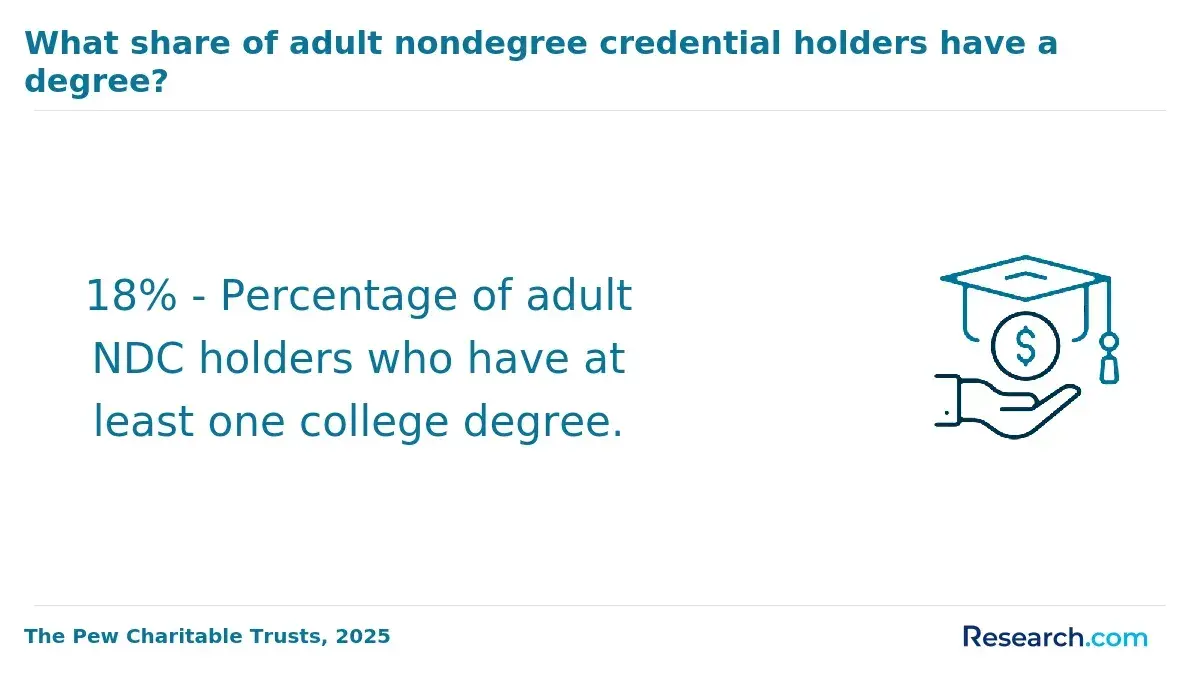
One critical consideration is the employment status: most employer-sponsored agriculture degree programs prioritize full-time employees, while part-time or temporary workers often face restrictions. Length of service or tenure is another common criterion; many employers require a minimum period of continuous employment, typically six months to a year, to demonstrate commitment before granting reimbursement.
The relevance of the agriculture degree to the employee's current role or intended future position is also essential. Employers want to ensure the coursework aligns with job responsibilities and contributes directly to company goals. Academic performance standards such as maintaining a minimum GPA may be required to maintain eligibility for ongoing support.
More complex approval procedures usually involve submitting a formal request detailing course information and how the program fits job requirements. Employers may further stipulate continued employment during and after completion of the degree to discourage immediate turnover following reimbursement.
Those exploring options for funding may also want to consider affordable alternatives such as a cheapest MLIS degree online, which can provide cost-effective pathways alongside employer tuition programs. Understanding the eligibility criteria for employer tuition reimbursement for agriculture degrees and identifying who qualifies for employer-sponsored agriculture degree programs are fundamental steps toward leveraging these educational benefits efficiently.
How Do Employer Tuition Reimbursement Programs Work for Agriculture Degrees?
For students pursuing an agriculture degree while working, understanding employer tuition reimbursement can significantly ease financial burdens and improve educational ROI. These programs reimburse qualifying expenses but operate under specific procedural steps and conditions.
Knowing how reimbursement works helps in planning and maximizing the benefit.
- Course Approval: Employees must submit course or program details for pre-authorization to human resources or benefits administrators. This ensures the coursework aligns with job responsibilities or company objectives related to agriculture before any payment is made.
- Payment and Reimbursement: Tuition is generally paid upfront by the employee. After successfully passing the course, reimbursement is requested by submitting proof of payment along with evidence of course completion, such as official transcripts or grade reports.
- Documentation Requirements: To qualify for reimbursement, employees need to provide receipts or payment confirmations alongside academic records that typically reflect a minimum grade, often a C or better.
- Reimbursement Limits: Employers often set annual maximums on how much they will reimburse, so it's important to review individual company policies to understand benefit caps and coverage scope.
- Performance and Employment Obligations: Maintaining satisfactory academic progress is usually required, along with continued employment for a defined period after reimbursement. Failure to meet these conditions can lead to repayment responsibilities for the employee.
Are Online Agriculture Degrees Eligible for Company Sponsorship?
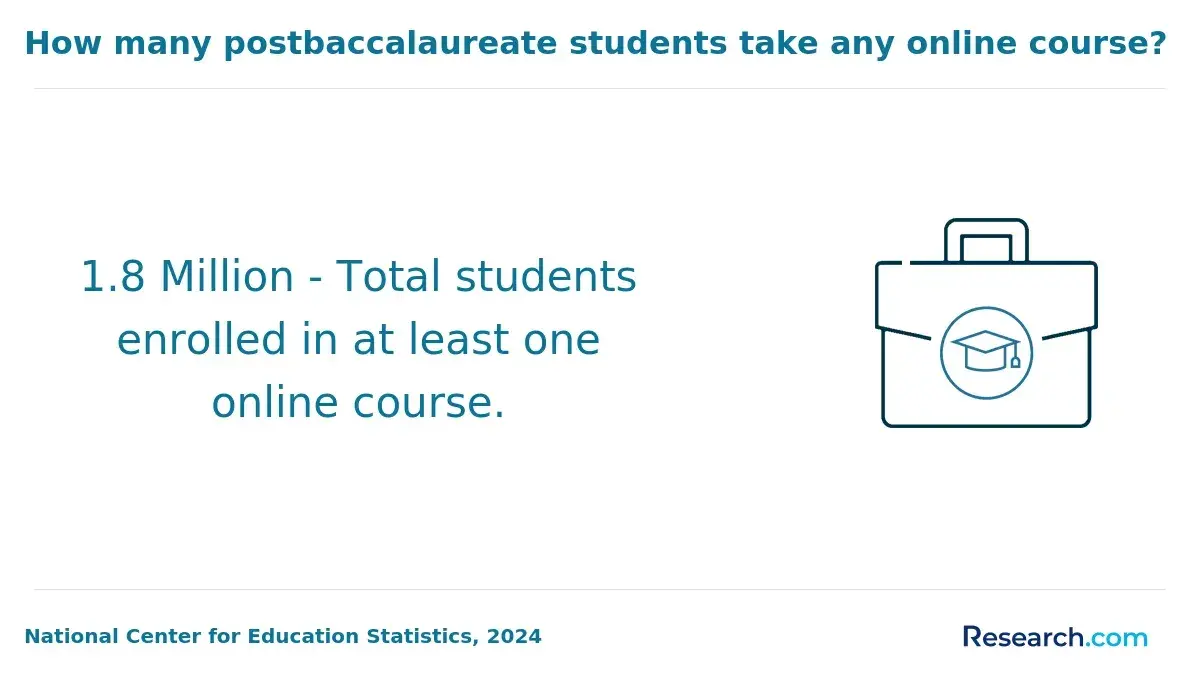
Employer support for online agriculture degrees has grown as perceptions of distance learning improve. While skepticism once limited sponsorship, enhanced program quality and stronger accreditation have shifted attitudes. Studies suggest that about 56% of companies offering tuition reimbursement now recognize online degrees, although acceptance varies widely depending on the sector and employer policies. Despite this upward trend, many firms still assess the value of the online format relative to their workforce development goals before committing to sponsorship.
Key considerations for employers include whether the online agriculture program is accredited by reputable agencies, ensuring educational standards are met. Additionally, the degree's relevance to the employee's current or future role significantly influences support decisions. Employers often look for alignment between the curriculum and organizational objectives, favoring programs that demonstrate rigor and encourage active participation.
How Much Tuition Reimbursement Can You Get for Agriculture Degrees?
Employer tuition reimbursement limits are essential when assessing the affordability and return on investment of an agriculture degree, as they determine how much of the education cost will be covered. About 54% of U.S. employers provide some form of tuition assistance, making these benefits a key factor in reducing out-of-pocket expenses. Understanding these financial caps helps students and professionals realisticly plan for their educational expenses and potential career growth.
Typically, annual tuition reimbursement ranges from $5,000 to $10,000, with many employers imposing lifetime maximums between $20,000 and $50,000. These amounts often vary based on industry relevance, employer size, and job function, with agricultural firms and larger companies tending to offer higher reimbursements. Federal tax guidelines allow employers to contribute up to $5,250 annually in tax-free tuition assistance per employee, which influences how reimbursement programs are structured without providing specific legal advice.
Are There Penalties for Leaving an Employer-Sponsored Agriculture Program Early?
Knowing the potential consequences of leaving an employer-sponsored agriculture degree program before completion is essential for employees considering this opportunity. Nearly two-thirds of tuition assistance programs impose some form of repayment or commitment if the participant exits early, which can significantly affect financial planning and career decisions.
Below are some common penalty situations to consider when evaluating such programs.
- Tuition reimbursement repayment: Many agreements require employees to pay back all or part of the education funds if they leave prior to finishing the degree. This repayment often corresponds to the percentage of the program completed, meaning early departures might trigger partial reimbursement obligations.
- Prorated repayment schedules: Instead of a lump sum repayment, some programs calculate the amount owed based on how far the employee progressed. For example, leaving halfway through might result in owing half of the tuition paid by the employer.
- Early termination clauses: These provisions usually demand employees remain with the company for a set period after graduating. Departing beforehand can lead to financial penalties or loss of access to future educational benefits.
- Impact on future benefits and career prospects: Leaving early can sometimes mean forfeiting eligibility for other company-sponsored training or advancement opportunities. Additionally, it may affect professional references or relationships within the organization.
Can Employer-Paid Agriculture Degrees Improve Long-Term Earning Potential?
Evaluating how employer-sponsored education impacts career earnings is essential for working professionals considering an agriculture degree. Employer-paid agriculture degrees often reduce upfront costs while offering opportunities to enhance skills and qualifications. Studies show that employees with tuition reimbursement programs are 63% more likely to receive salary increases, underlining the financial advantages of employer support in education.
The following factors highlight how employer tuition reimbursement for agriculture degrees can boost your career trajectory:
- Increased Promotion Opportunities: Access to funded education helps employees qualify for advanced roles more quickly. Skills gained through employer-paid degrees often make individuals strong candidates for leadership and specialized positions.
- Faster Career Progression: Employer sponsorship accelerates professional development by minimizing the financial burden, allowing workers to focus on learning without income disruption. This results in quicker advancement compared to peers without such benefits.
- Access to Higher-Paying Roles: Completing an agriculture degree with employer support positions workers to compete for technical and managerial jobs that command higher salaries within the industry.
- Enhanced Skills and Qualifications: Employer tuition reimbursement for agriculture degrees enables learners to acquire relevant, up-to-date knowledge essential for meeting evolving industry demands and improving job performance.
- Return on Investment: Because employees can maintain their current roles while studying, employer-paid education offers a practical return on investment by avoiding lost wages typical of full-time study. This balance strengthens long-term earning potential with employer-paid agriculture education.
For individuals prioritizing financial outcomes, choosing an agriculture degree informed by these benefits aligns with pursuing some of the best majors to make money. Understanding how employer tuition reimbursement affects career advancement can help in making a strategic decision for both education and professional growth.
How Do You Ask Your Employer to Pay for a Agriculture Degree?
Proactive communication and thorough preparation are essential when asking your employer to support your education financially. A recent survey by the National Association of Colleges and Employers found that 76% of employers are more willing to fund education when employees clearly connect coursework to their job performance.
These trends highlight the importance of making a well-structured case to increase your chances of employer sponsorship for your agriculture degree.
- Research Tuition Reimbursement Policies: Review your company's formal tuition reimbursement or education support programs. Understanding specific guidelines ensures your request is tailored correctly and demonstrates that you have taken initiative in learning company benefits.
- Prepare a Business Case: Build a strong argument showing how an agriculture degree directly supports your current responsibilities or future growth within the company. Detail how new skills or knowledge will improve your team's productivity or contribute to company goals.
- Schedule a Formal Meeting: Request a professional meeting with your manager or HR to present your proposal. Keep your discussion focused on mutual benefits rather than personal gain, and be concise to maintain engagement.
- Demonstrate Program Relevance: Highlight specific elements of the agriculture program that align with your job role or industry trends. This demonstrates your commitment to applying what you learn to generate real workplace value.
- Follow Up with Documentation: Send a summary email after the meeting including program details, costs, and timelines. Consistent, professional communication helps maintain momentum and shows your dedication to this educational investment.
For those considering flexible study options, exploring online colleges can be a practical way to balance work and education while seeking employer tuition assistance. Understanding how to request employer tuition reimbursement for agriculture degree programs effectively can significantly reduce education costs and enhance your return on investment.
What To Do If Your Employer Doesn't Pay for a Agriculture Degree?
Financing an agriculture degree without employer support requires careful planning to prevent unnecessary debt and ensure steady progress toward graduation. Approximately 85% of students depend on financial aid of some kind, emphasizing the need to explore diverse funding resources beyond employer programs.
- Federal and State Aid: Applying for Pell Grants, state scholarships, or other government-funded programs can provide non-repayable funds that significantly lower tuition expenses.
- Scholarships and Grants: Numerous agricultural organizations, local groups, and educational institutions offer targeted scholarships that reward academic achievement or community involvement in agriculture fields.
- Personal Savings and Loans: Managing personal resources with care or opting for federal student loans-which usually feature lower interest rates and flexible repayment terms-can bridge financial gaps responsibly.
- Income-Share Agreements (ISAs): This alternative arrangement allows students to pay a portion of their future earnings instead of upfront tuition, easing immediate financial pressure while attending school.
- Part-Time and Online Programs: Choosing flexible program formats can enable simultaneous work and study, reducing the overall cost by spreading expenses over a longer timeline.
Employing these methods can help students sustain financial health throughout their studies when employer funding is unavailable, fostering better access to agricultural education and its career opportunities.
What Graduates Say About Employers Paying for Their Agriculture Degrees
- Edgar: "Completing my agriculture degree felt financially overwhelming at first, with the average cost hovering around $30,000. Thanks to my employer's tuition assistance program, I was able to cover most of these expenses without going into debt. This support not only relieved my financial burden but also accelerated my career growth within the company, allowing me to take on more specialized roles immediately after graduation."
- Shiela: "When I enrolled in the agriculture program, I was concerned about the high costs involved, especially as the program required substantial investment for quality education. Employer sponsorship made it possible for me to pursue my studies with confidence, removing the stress of tuition fees. Reflecting on this opportunity, I realize the degree has opened doors to meaningful projects and leadership positions that might have been unreachable otherwise. "
- James: "The agriculture degree program's expenses were significant, but employer-sponsored tuition coverage was a game changer for me. It enabled me to focus fully on my coursework without financial distractions. Professionally, this sponsorship has been instrumental in securing advanced roles in agribusiness management, proving that investing in education through employer support is mutually beneficial. "
Other Things You Should Know About Agriculture Degrees
In 2027, some employers may offer tuition reimbursement for agriculture degrees not directly tied to an employee's current role. Policies vary, so it's important for employees to check if their company supports academic pursuits that could benefit both the employee's career development and the organization long-term.
In 2027, employers rarely provide tuition support for agriculture degrees unrelated to an employee's current role. Employers typically focus on developing skills directly beneficial to their business needs and objectives. Therefore, tuition support often aligns with achieving mutual professional development goals.
Agriculture degree sponsorships often require recipients to commit to working with the sponsoring employer for a specified period after graduation. The specifics can vary, but commonly, this commitment ensures the employer's investment translates into a skilled workforce contributing directly to their operations.
References
- Employer Tuition Assistance - FAME Maine https://www.famemaine.com/affording-education/pay-for-school/employer-tuition-assistance/
- Tuition Reimbursement Program Opens Door to Degrees, Better Jobs - Greenbridge https://www.greenbridge.com/tuition-reimbursement-program-opens-door-to-degrees-better-jobs/
- Employer Reimbursement and Tuition Deferment Program https://student.worldcampus.psu.edu/finances/paying-your-bill/employer-reimbursement-and-tuition-deferment-program
- Finance for international students https://www.rau.ac.uk/student-life/international-students/finance-for-international-students
- How to Ask Your Employer to Fund Your Education https://www.investopedia.com/articles/professionaleducation/11/convincing-work-fund-education.asp
- 20 CFR § 655.135 - Assurances and obligations of H-2A employers. https://www.law.cornell.edu/cfr/text/20/655.135
- Using Employer Tuition Assistance to Pay For Your Online Education https://online.champlain.edu/blog/employer-tuition-assistance
- 11 Scholarships for Agriculture Students | Agriculture Scholarship https://www.petersons.com/blog/11-scholarships-cultivated-for-agriculture-students/
- Online Agriculture Degrees - Degrees & Guides https://www.academicinfo.net/agriculture


