2027 Comparing Online MBA Cohort Models vs Independent Learning

Co-Founder and Chief Data Scientist
Many prospective students struggle to choose between enrolling in an online MBA cohort model or pursuing independent learning. The decision often hinges on balancing a need for structured guidance and peer interaction against flexible schedules and self-paced study. This dilemma becomes crucial for working professionals seeking an accredited path to pivot into business roles without sacrificing current job commitments.
Understanding the strengths and challenges of each approach helps avoid costly missteps in education and career planning. This article compares online MBA cohort models with independent learning formats, aiming to clarify which option better aligns with different career goals and learning preferences.
Key Things You Should Know
- Online MBA cohort models boost peer interaction and accountability, with 78% of students reporting higher engagement compared to independent learning formats in 2025 studies.
- Independent learning offers greater scheduling flexibility, preferred by 65% of working professionals pursuing MBAs for balancing jobs and education.
- Cohort models tend to yield better networking outcomes, with 42% more graduates securing promotions within a year versus independent learners.
What is the difference between cohort-based and independent online MBA programs?
Cohort-based and independent online MBA programs offer distinct advantages depending on learning preferences and schedules. Cohort-based programs emphasize group enrollment with students progressing together. This structured pacing enhances motivation through peer accountability and fixed deadlines. Typical cohort activities include team projects and live case discussions that support skill development and professional connections.
Independent online MBA program benefits include greater flexibility for students to start courses anytime and learn at their own pace. These programs typically rely on asynchronous materials like recorded lectures and forums, suitable for self-disciplined learners managing irregular work hours or relocations. However, this format offers fewer chances for live interaction and may limit immediate feedback or networking.
Important factors for prospective students include:
- Preference for peer interaction: Cohort programs provide structured engagement; independent options suit autonomous study.
- Scheduling flexibility: Independent programs allow self-paced learning; cohorts require adherence to fixed timelines.
- Career networking: Cohorts often build stronger alumni networks through shared experiences.
Since 58% of MBA students were enrolled in online programs as of fall 2024, surpassing traditional on-campus enrollment, both formats continue to grow. For cost-conscious students exploring options, consider checking the cheapest MBA programs online to find programs aligning with your goals and lifestyle.
Which online MBA model best suits working professionals with time constraints?
Cohort-based online MBA programs significantly outperform independent, self-paced learning models for working professionals managing busy schedules. EntrepreneursHQ (2026) data shows cohort courses have completion rates above 70%, compared to only 10-15% for self-paced programs. This success is largely due to structured timelines, coaching, and peer support that bolster motivation and consistent study habits.
The cohort model's fixed deadlines and synchronous sessions foster accountability by encouraging regular peer interaction and group assignments. These elements reduce procrastination and isolation, common issues in self-paced formats. Personalized coaching in cohorts helps professionals quickly overcome challenges. For instance, a manager in a cohort benefits from scheduled check-ins and peer pressure, making it easier to meet deadlines than a self-paced student who must self-regulate study time.
While self-paced MBA programs offer flexibility suited to those with unpredictable schedules, they demand strong self-discipline and time management, which can be difficult for busy professionals balancing work and family. Low completion rates suggest this model may delay career advancement for many.
When choosing between options, consider your need for community and support. Cohort models are ideal for those seeking structured interaction, whereas independent learning MBA programs for busy professionals may prefer self-paced approaches despite a higher risk of delay. For insights into affordable, accredited programs, explore MBA AACSB online offerings.
How do cohort-based and independent MBA programs differ in accreditation and credibility?
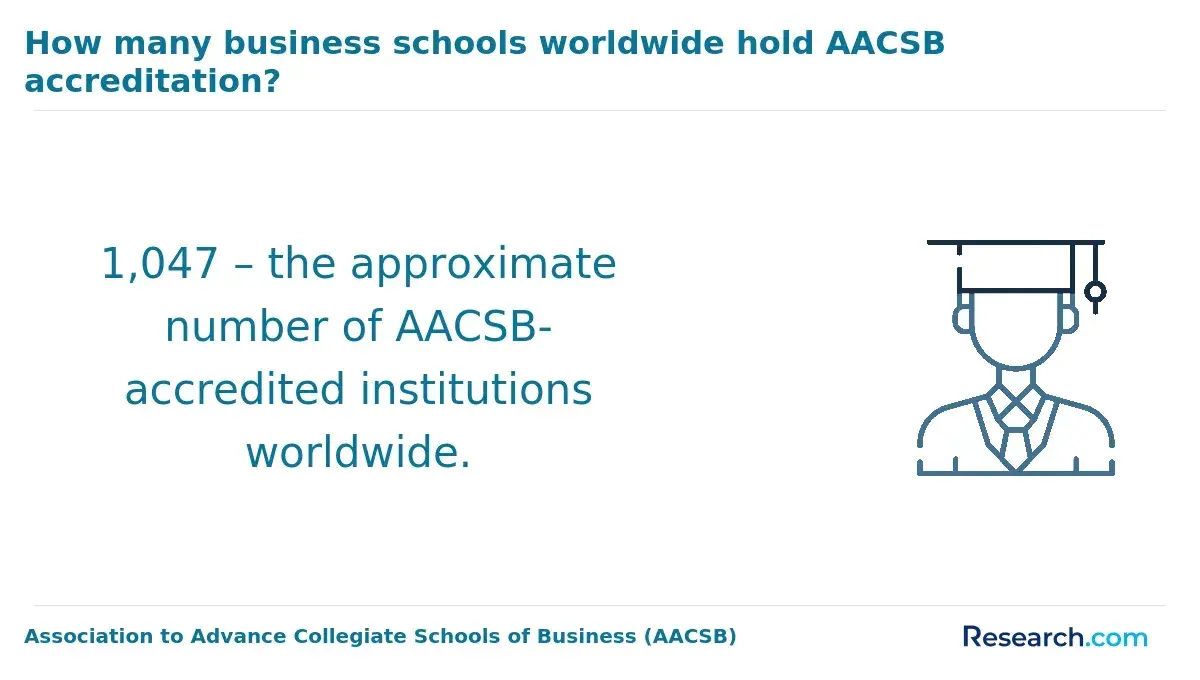
Cohort-based MBA program accreditation standards are important markers of credibility, as these programs often come from universities accredited by recognized bodies like AACSB, AMBA, or EQUIS. Such accreditation ensures standardized curriculum quality, rigorous evaluation, and qualified faculty, factors highly valued by employers. Cohort models also promote networking through shared learning experiences, which boosts job market recognition.
Independent MBA program credibility and recognition vary more widely. Many self-paced online programs target working professionals seeking flexibility, but not all hold traditional accreditation. Some are offered by accredited universities, while others lack recognized credentials, potentially limiting their acceptance by employers or for further education. Prospective students should carefully verify accreditation through official databases or school disclosures before enrolling.
The trend toward flexible online study is growing, with a significant majority of prospective MBA students preferring asynchronous formats. This has encouraged reputable institutions like Indiana University and the University of North Carolina to offer accredited independent models that balance flexibility with formal recognition.
When choosing programs, students should ask:
- Is the program accredited by AACSB, AMBA, or EQUIS?
- How do employers in my industry view this credential?
- Does the program provide verifiable alumni success and networking?
For those exploring cost-effective options, consulting the most affordable executive MBA listings can provide valuable guidance that aligns with accreditation and career goals.
What are the typical admission requirements for online MBA cohort versus independent programs?
Online MBA cohort admission criteria comparison shows that cohort programs typically require a bachelor's degree from an accredited school, competitive GMAT or GRE scores (often with minimum scores around 550 on the GMAT), and two to three years of professional experience. Candidates must submit letters of recommendation and personal statements highlighting teamwork and leadership, as cohorts emphasize peer interaction and collaboration.
In contrast, independent online MBA program entry requirements tend to be more flexible. Many waive standardized test scores and may accept candidates with varying work experience, including some programs that require none at all. Essays and references are often optional or simplified, reflecting the self-paced nature of these programs, where students learn independently without mandatory group work.
Applicants to cohort tracks should be prepared for structured, synchronous schedules, so schools can assess time management and interpersonal skills. Those choosing independent programs must show self-discipline and motivation to overcome higher dropout risks. For example, a study revealed a 44% dropout rate in self-paced online courses compared to 53% in structured cohort models, highlighting persistence challenges across formats.
Prospective students should evaluate their readiness and career goals carefully before applying. For those seeking affordable options without test barriers, exploring online MBA programs no GMAT low-cost offers useful alternatives in the current educational market.
How do program length and time-to-degree compare between cohort and independent MBA formats?
Cohort-based and independent online MBA formats vary significantly in program length and structure. Cohort programs usually run from 12 to 24 months, offering fixed start and end dates that promote a steady pace and synchronized learning. For instance, many cohort MBA students must finish within about 18 months, providing a clear timeline and fostering peer accountability, an advantage for professionals preferring structure.
Conversely, independent learning formats offer greater flexibility, with durations from 18 months up to 36 months or sometimes longer. Learners can accelerate or slow down according to their schedules. This option suits those balancing irregular work hours but demands strong self-motivation to avoid extending the time-to-degree. Some programs allow completion in as little as 12 months by taking heavier course loads, while others permit up to five years.
A study on online teacher courses showed that different support levels, from interactive cohorts to fully self-paced formats, achieved comparable gains in knowledge and beliefs. This implies that well-disciplined independent learners can match cohort peers academically, though possibly over a longer period.
When weighing time-to-degree:
- Cohort MBA programs provide standardized progression for those needing a fixed graduation date.
- Independent formats offer maximum scheduling freedom but require strong discipline to avoid delays.
- Employers emphasize skills and competencies more than completion speed.
Prospective students should assess their time management, career plans, and preference for peer interaction to select the best fit for their goals and learning style.
What is the cost difference between cohort-based and independent online MBA programs?
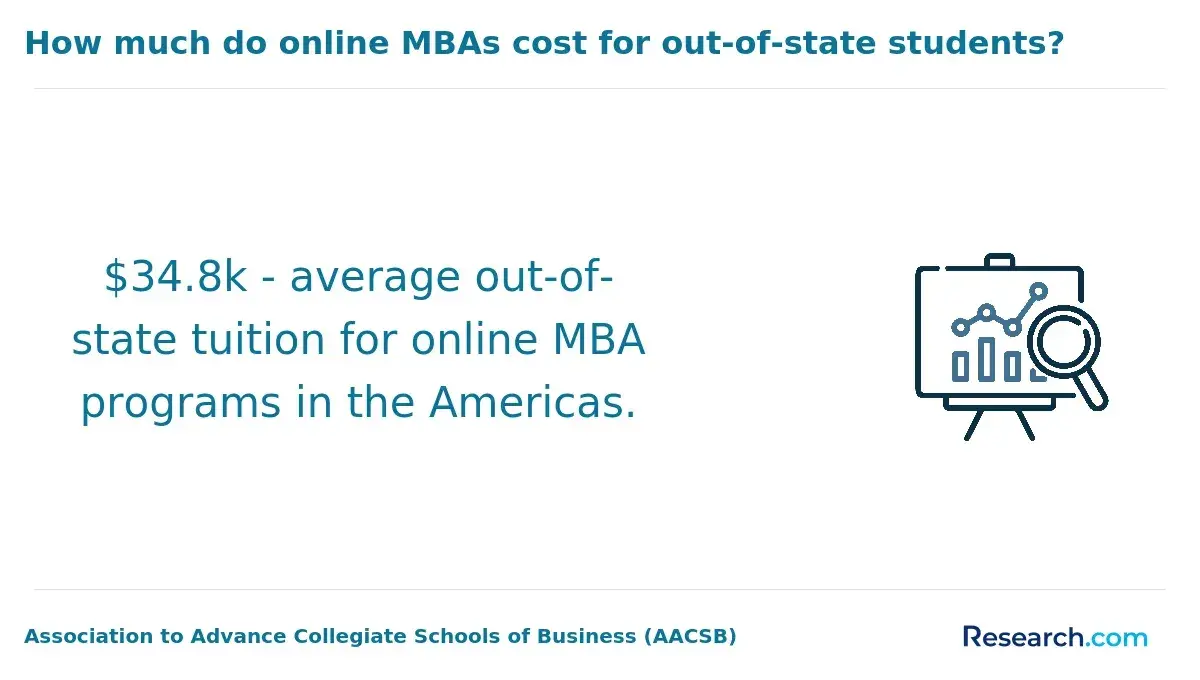
Cohort-based online MBA programs generally cost between $50,000 and $120,000 or more in total tuition, reflecting the value of fixed groups, scheduled interactions, and structured networking opportunities. These programs often include additional indirect expenses such as travel for on-site residencies, synchronous workshops, or mandatory networking events, which can add several thousand dollars to overall costs.
In contrast, independent learning MBA programs typically range from $20,000 to $60,000, offering greater flexibility by allowing students to progress at their own pace without mandatory group meetings. This format reduces overhead and eliminates fees related to live sessions and cohort management, making it appealing for students balancing work and personal commitments.
There are key factors to consider. Cohort programs provide immersive experiences and collaborative peer interaction but come with higher tuition and indirect expenses. Independent programs offer cost advantages and self-paced learning favored by 85% of online students seeking flexibility, according to Strata.
Prospective students should weigh their preferred learning style and schedule when choosing between these options, balancing total costs with the value derived from structured versus flexible program formats.
How do career outcomes and job placement rates vary by MBA learning model?
Career outcomes and job placement rates vary significantly between online MBA cohort programs and independent learning formats. Cohort models tend to achieve higher job placement rates within six months after graduation, thanks to structured peer interactions, networking opportunities, and coordinated career services. These shared experiences foster accountability and often connect students directly with recruiters, enhancing their market visibility.
Cohort participants often engage in group projects and alumni events that can lead to referrals and valuable mentorships, crucial for career advancement. By contrast, independent learning formats offer greater flexibility but usually lack the immediate networking advantages found in cohorts. This can limit short-term job placement success, especially for professionals switching industries or pursuing senior roles, where strong professional connections are important.
However, these programs benefit self-motivated individuals who prefer customizing their course load and pacing to suit personal career goals, such as targeting niche industries or entrepreneurial ventures. Research shows 57% of professionals believe online learning facilitates career growth, highlighting the overall value of well-designed online MBA programs. Yet, cohort structures generally correlate with faster employment outcomes, while independent learning supports long-term, self-directed development.
Key factors prospective students should consider include:
- Need for structured networking to uncover job opportunities;
- Self-discipline and previous experience with autonomous study;
- Industry preferences for collaboration and team skills;
- Availability of specialized career services and employer partnerships in cohort settings.
What curriculum and coursework differences exist between cohort and independent MBA structures?
Cohort-based MBA programs organize students into fixed groups progressing through a set curriculum together. This approach emphasizes synchronized coursework, group assignments, case studies, and presentations, fostering consistent pacing and shared accountability. While cohort models offer limited flexibility, they enhance networking opportunities and real-time feedback through prescribed course sequences.
Independent learning MBA programs offer greater autonomy, allowing students to select and schedule courses based on personal and professional needs. Such programs feature self-paced coursework with recorded lectures, online discussions, and primarily individual assignments. This format suits students balancing full-time jobs or unpredictable schedules by prioritizing flexible engagement.
Collaboration differs markedly between models. Cohorts rely on synchronous teamwork and mandatory group participation. Independent programs use asynchronous tools like discussion boards, optional webinars, and group projects.
Both formats cover core business disciplines such as finance, marketing, operations, and strategic leadership. Cohorts tend to integrate experiential learning through teamwork, while independent learners often engage with material more theoretically and individually.
Online MBA programs remain cost-efficient over in-person options, enabling students to maintain income while completing their studies in 2 to 5 years. Prospective students should weigh the value of consistent peer interaction against the need for flexible pacing to align with their career and lifestyle demands.
How do peer networking and collaboration opportunities differ across MBA learning models?
Peer networking and collaboration vary widely between online MBA cohort models and independent learning formats. Cohort-based programs advance student progress as groups, promoting ongoing interaction through scheduled discussions, group assignments, and live sessions. This structure encourages stronger professional connections vital for career growth. Many cohort programs require team-based projects that simulate real-world business challenges by fostering cross-functional collaboration.
On the other hand, independent learning offers more flexibility but less formal peer engagement. Interaction is usually limited to optional discussion boards or informal social media groups, which may reduce chances for consistent networking. Students in independent formats often must take initiative to build professional relationships, unlike cohort models that naturally facilitate these connections.
Employers often value the teamwork and communication skills developed within cohort settings. Networking benefits in these programs extend beyond academics, including alumni events and career services. Independent learners need to pursue external networking opportunities to make up for fewer built-in channels.
Cohort models offer scheduled, systematic networking through group projects and peer discussions. Independent learning demands self-initiation for professional connections, often relying on external platforms. Additionally, cohort formats provide integrated access to alumni networks and institutional career services. Networking dynamics influence skill development in teamwork, leadership, and communication.
The growth of MBA enrollments is linked to rising online demand alongside fewer exam takers. Recognizing how peer interaction quality influences both education and career prospects is important for prospective students making informed choices.
What salary expectations and ROI should MBA graduates anticipate by program model?
Salary expectations and return on investment vary significantly between online MBA cohort models and independent learning programs. Graduates from cohort-based online MBA programs often report starting salaries between $85,000 and $110,000 annually, while independent learners typically see $70,000 to $90,000. This difference largely stems from cohort programs emphasizing networking, mentorship, and strong employer connections that improve job placement.
Return on investment for cohort models tends to be higher due to better career services and structured peer collaboration, which accelerate promotions and salary growth. A 2024 GMAC report highlighted that cohort MBA graduates experienced average salary increases of 25% within two years, compared to 15% for independent learners. However, tuition for cohort programs can be 20-40% more expensive, affecting initial costs.
Selecting a program requires considering total expenses, including potential lost income during study. Independent learning offers flexibility for working professionals who want to maintain income streams, though salary progression might be slower. Cohort programs suit those seeking rapid career advancement, especially in roles emphasizing leadership and teamwork.
Enrollment in online MBA programs has declined from 215 average students in 2018 to 182 in 2024, reflecting greater selectivity or a preference for personalized learning, which may shift ROI dynamics as programs evolve. Prospective students should balance salary growth, career goals, program costs, and format suitability when deciding on an online MBA path.
Other Things You Should Know About MBA
Switching between cohort-based and independent MBA formats after enrollment is generally uncommon and can be challenging. Cohort-based programs follow a fixed schedule and sequence designed for group progression, while independent programs offer flexible pacing. Students interested in switching should consult program advisors early, as transferability depends on institutional policies and course compatibility.
Online MBA students should be comfortable with digital communication tools such as video conferencing platforms, learning management systems, and collaboration software. Basic proficiency in managing online coursework, submitting assignments electronically, and participating in virtual discussions is also essential. Familiarity with data analysis programs and presentation software can further enhance the learning experience.
Many MBA programs, including online formats, provide accommodations under the Americans with Disabilities Act (ADA) to ensure equitable access. These may include extended testing time, accessible course materials, and adaptive technologies. Prospective students should contact the program's disability services office to understand available support and ensure their needs are met.
References
- Online vs regular MBA cost: A Complete Cost Analysis https://ebsedu.org/blog/online-vs-regular-mba-cost/
- Legitimacy of MBA Accreditation: Ensuring Quality and Value https://www.qahe.org/article/legitimacy-of-mba-accreditation-ensuring-quality-and-value/
- Online MBA vs On-Campus MBA https://www.princetonreview.com/business-school-advice/online-mba-vs-on-campus-mba
- Online MBA Duration and Time Commitment | CU Online https://www.onlinecu.in/blog/cu/how-do-online-mba-programs-compare-by-length-and-time-commitment.php
- How to Calculate ROI of MBA program - MBA & Beyond https://www.mbaandbeyond.com/blog/how-to-measure-roi-mba-programs
- Self-Paced vs Cohort Corporate Training Guide https://www.knowledgehut.com/blog/enterprise/self-paced-vs-cohort-based-corporate-training-programs
- Self‑Paced vs Live Online MBA Programs: Which Is Better in 2026? https://www.bduedu.in/online-mba/self-paced-vs-live-online-mba
- Why Stanford MBA career outcomes look different from other business schools, and what the employability data reveals - The Times of India https://timesofindia.indiatimes.com/education/news/why-stanford-mba-career-outcomes-look-different-from-other-business-schools-and-what-the-employability-data-reveals/articleshow/127883179.cms
- Online vs. Blended MBA: Which Format Suits You Best? https://executiveacademy.at/en/knowledge/executive-education/online-vs-blended-mba-which-one-suits-my-needs-better
- People Education - Business Programs With Best Full Time MBA/PGDM Program for Working Professionals https://www.peopleedu.in/blogdet.aspx