
2027 Most Valuable Fine Arts Degree Programs Ranking in Florida

Co-Founder and Chief Data Scientist
Exploring fine arts degree options in Florida can be exciting yet overwhelming. To help you navigate this journey, this article presents the 2027 Most Valuable Fine Arts Degree Programs Ranking in Florida developed by the Research.com team of data scientists.
By reviewing this ranking, you can discover programs that offer excellent value and strong career potential.
Pursuing a fine arts degree opens doors to creative growth and rewarding opportunities. This guide is designed to support your informed decision-making and inspire confidence as you take the next step toward your artistic future.
Key benefits of getting fine arts degree in Florida
- Salary benefits: Fine arts graduates in Florida can earn competitive salaries such as $109,630 annually for animators and $71,420 for illustrators, showing strong financial potential in creative careers.
- Career paths: Graduates from Florida State University with a fine arts degree often find rewarding roles in animation, graphic design, and illustration, offering diverse opportunities to express creativity.
- Online degree advantages: Earning a fine arts degree online from the University of Florida provides flexible scheduling and access to expert instructors, allowing students to balance work and study effectively.
- Key benefits of getting fine arts degree in Florida
- What can I expect from fine arts degree in Florida?
- Where can I work with fine arts degree in Florida?
- How much can I make with fine arts degree in Florida?
- 2027 Most Valuable Fine Arts Degree Programs Ranking in Florida
- Key Findings
- How long does it take to complete fine arts degree in Florida?
- How Florida Fine Arts Programs Compare to Other States
- What's the difference between online and on-campus fine arts degree?
- Emerging Cross-Disciplinary Specializations in Fine Arts Programs
- What is the average cost of fine arts degree in Florida?
- Student Life and Campus Experience in Fine Arts Programs
- What financial aid is available to fine arts degree students in Florida?
- Student Life and Campus Culture
- What are the prerequisites for enrolling in fine arts degree program in Florida?
- Student Life and Campus Culture
- What courses are typically in fine arts degree programs in Florida?
- What types of specializations are available in fine arts degree programs in Florida?
- How do you choose the best fine arts degree in Florida?
- What career paths are available for fine arts degree students in Florida?
- What is the job market for fine arts degree in Florida?
- Related Fine Arts Rankings for Nearby States
- Top Trending Fine Arts Rankings
What can I expect from fine arts degree in Florida?
The average cost of pursuing a fine arts degree in Florida typically ranges from $6,000 to $8,000 per year at public universities for in-state students. Graduates from institutions like the University of Florida or Ringling College of Art and Design often reflect on how this affordability allowed them to fully immerse themselves in their creative growth without overwhelming financial stress. Many found that manageable tuition costs made it easier to focus on mastering both traditional disciplines like painting and sculpture, and innovative digital media practices that shape the future of art.
Students emphasize the relief of accessing financial aid and scholarships tailored specifically for emerging artists, which many peers secured through dedicated school programs. This support enables hands-on experiences in well-equipped studios and gallery exhibitions, fostering a sense of belonging and confidence as they prepare for careers that blend artistic passion with technological innovation. In Florida's vibrant arts community, the cost-to-value ratio encourages students to envision long-term growth and opportunities without sacrificing quality or ambition.
Where can I work with fine arts degree in Florida?
Graduates with fine arts degrees from Florida institutions like the University of Florida and Florida State University often find themselves thriving in diverse creative roles. Many start careers as art instructors in K-12 schools or community colleges, where their passion turns into inspiring young minds. Working in vibrant cities such as Miami or Tampa, they engage with dynamic galleries and museums like the Pérez Art Museum Miami, taking part in curatorial projects or organizing exhibitions that captivate audiences.
Innovative graduates also tap into Florida's expanding creative industries as graphic designers or illustrators, leveraging digital tools to produce cutting-edge visual content. Some embrace freelance careers fueled by Florida's lively art festivals and tourist-driven markets, relishing the freedom to showcase their work statewide. Others specialize further in art conservation, preserving Florida's rich cultural history-an area growing increasingly important as demand for heritage preservation rises. These varied paths highlight future opportunities for fine arts students, blending traditional roles with emerging trends in a flourishing Florida art scene.
How much can I make with fine arts degree in Florida?
Graduates with a fine arts degree in Florida can expect varied earnings depending on their chosen career path, but many find promising financial opportunities. For example, illustrators typically earn a mean annual wage of around $71,420, reflecting strong demand for creative skills in industries like publishing and advertising. Art therapists in Florida see mean salaries near $75,660, blending artistic passion with helping others, a rewarding path gaining popularity among recent fine arts grads.
Those who combine their fine arts training with digital expertise often secure higher-paying roles. Animators command some of the top salaries, with average earnings about $109,630 annually, benefiting from Florida's growing media and entertainment sectors. Meanwhile, graphic artists earn around $64,700 annually, showcasing the value of versatile design skills across many businesses in Miami and Tampa.
Florida fine arts graduates from schools like the University of Florida or Ringling College often highlight how hands-on projects and local art community connections helped launch their careers. These experiences translate into real-world stability and inspiring creative careers, fueling both financial confidence and artistic fulfillment.
2027 Most Valuable Fine Arts Degree Programs Ranking in Florida
How do we rank schools?
Investing in your education is a significant decision that can shape your future, and the Research.com team understands the importance of making informed choices. To assist prospective students, we have meticulously crafted the "2027 Most Valuable Fine Arts Degree Programs Ranking in Florida." Our commitment to quality, credibility, and accuracy is reflected in the extensive research and analysis conducted to compile this ranking. We utilized the following reputable data sources to ensure a comprehensive evaluation of fine arts programs:
By exploring this ranking, readers will gain valuable insights into the most valuable fine arts degree programs in Florida, aiding them in making informed decisions about their educational and career paths. For more details on our methodology, please visit our Research.com methodology page.
# 1 position
Full Sail University
Bachelor of Fine Arts


# 5 position
Ana G. Mendez University
Bachelor of Arts

# 6 position
Full Sail University
Master of Fine Arts


Key Findings
- Tuition for fine arts degrees in Florida ranges from $6,000 to $8,000 annually at public universities for in-state students and $20,000 to $30,000 at private colleges.
- Additional costs include art supplies, equipment, and studio fees, which can increase the total expenses for students.
- Entry-level salaries for fine arts graduates average between $30,000 and $40,000 per year, rising to $50,000 to $65,000 with experience or specialization.
- Job opportunities are available in cities like Miami, Tampa, and Orlando within galleries, museums, education, theater, and digital media sectors.
- Combining artistic skills with digital technology and gaining internship experience can improve job prospects in Florida's competitive market.
- Accreditation by recognized bodies such as NASAD is important for ensuring education quality and better career opportunities.
How long does it take to complete fine arts degree in Florida?
Completing a fine arts degree in Florida typically spans around four years for most full-time students at popular institutions like the University of Florida or Florida State University. Graduates often reflect on the immersive blend of studio practice and art history courses that shape their experience, making the traditional timeline feel both intense and rewarding.
However, emerging trends suggest an increasing flexibility in completion times. Some students at colleges such as Ringling College of Art and Design have embraced accelerated summer courses or heavier credit loads per semester to graduate sooner, motivated by career ambitions or financial considerations. Others balance part-time study with work or internships, extending their journey but enriching their creative growth.
These shifting dynamics in Florida's fine arts programs evoke positive feelings of empowerment and autonomy, allowing students to tailor their educational paths. The evolving curricula and scheduling options reflect a forward-thinking approach that aligns with diverse lifestyles while maintaining the rigorous standards expected in the art world.
How Florida Fine Arts Programs Compare to Other States
When evaluating the value of a Fine Arts degree, it’s important to benchmark Florida’s programs against offerings in other regions. While Florida’s in-state tuition for a Bachelor of Fine Arts averages $22,609 per year (and $39,895 for out-of-state students), states like Nevada boast some of the nation’s most budget-friendly options. For a clear picture of cost-effective alternatives, explore our Low Cost Fine Arts Degree Programs Ranking in Nevada, where annual tuition can be up to 30% lower than Florida’s. Beyond tuition, graduates’ earning potential also varies regionally. Florida animators average $111,130 annually, outperforming many states, but graphic artists in Nevada report competitive salaries around $62,000-only marginally below Florida’s $64,500. Meanwhile, art teachers in both states enjoy similar median wages near $68,000, reflecting steady demand nationwide. Program length and flexibility further influence ROI. Florida’s on-campus BFA typically requires four years, whereas several Nevada institutions offer accelerated or hybrid paths that can be completed in as few as three years. By reducing time-to-degree, students may enter the workforce sooner and lower overall living expenses. Ultimately, choosing between Florida and other states hinges on balancing tuition, cost of living, and post-graduation salaries. Prospective students should weigh Florida’s vibrant cultural scene and robust job market against Nevada’s lower price tag-using data-driven rankings to identify the optimal path for both budget and career goals.
What's the difference between online and on-campus fine arts degree?
Students pursuing fine arts degrees in Florida often find on-campus programs at institutions like the University of Florida offer immersive studio experiences, with direct access to galleries and workshops that bring vibrant artistic communities to life. Graduates recall moments of spontaneous collaboration in these spaces, where immediate feedback from professors sparks creative breakthroughs difficult to replicate online.
Conversely, those who choose online fine arts degrees from schools such as Florida State University appreciate the flexibility to balance jobs or family while engaging with digital critiques and virtual tutorials. Many online learners reflect on the challenge of substituting tactile studio time with at-home projects, yet value the chance to tailor their schedules, fostering a calm, self-driven creative process.
Looking forward, Florida's expanding internet infrastructure and hybrid program models may bridge these worlds, blending in-person residencies with virtual learning to offer richer, more accessible fine arts education. This evolving approach could empower more students across Florida's diverse regions to thrive artistically without sacrificing flexibility or hands-on experience.
Emerging Cross-Disciplinary Specializations in Fine Arts Programs
As the art world evolves, Fine Arts students increasingly blend traditional studio practice with complementary fields to boost employability and creative impact. One of the most dynamic areas is interior and spatial design, where artistic sensibilities meet functional environments. By combining core Fine Arts coursework-such as Drawing, Color Theory, and 3D Composition-with modules in space planning, material science, and digital rendering, graduates can carve out unique roles in residential, commercial, and exhibition design. • Interior Design Integration: Many universities now offer electives or certificates in interior design principles. For those seeking a fully online pathway, an online interior design degree provides flexible access to courses in AutoCAD, sustainable materials, and client presentation techniques. • Virtual Reality and UX/UI: Emerging studios prioritize immersive experiences. Fine Arts majors with training in VR modeling and user interface design are in high demand for museum installations, product demonstrations, and interactive art. • Creative Technology: Collaboration between art and technology departments leads to courses in projection mapping, generative art, and digital fabrication. These skills open doors to event production, advertising agencies, and tech startups. • Sustainable and Environmental Design: Eco-conscious practices are shaping public art and community projects. Fine Arts students can specialize in upcycling, large-scale installations, and site-specific work that addresses climate resilience. By exploring these cross-disciplinary tracks, Fine Arts graduates strengthen their portfolios, expand their professional networks, and position themselves at the forefront of innovation in both the art world and adjacent industries.
What is the average cost of fine arts degree in Florida?
The average cost of a fine arts degree in Florida varies significantly depending on residency and type of institution. For in-state students attending public universities like the University of Florida or Florida State University, the median total cost is around $15,157, making it a more affordable path for many aspiring artists. Several graduates share that this cost aligns well with their budgeting expectations, allowing them to focus more on creative growth than financial stress.
Out-of-state students face a higher median total cost of approximately $39,881, reflecting the additional tuition charges. Many who moved from other states found the investment worthwhile, especially at institutions known for strong fine arts programs, where the immersive experience deepened their artistic skills and career prospects.
Private arts colleges in Florida, known for specialized training and extensive resources, typically command higher fees, though the median cost still centers around $39,881. Graduates often describe the premium as an investment in unique opportunities, advanced facilities, and close mentorship. This aligns with broader trends where total expenses for fine arts degree Florida can seem steep but are balanced by strong alumni outcomes.
Beyond tuition, students often consider supplies and materials, which vary with their focus area but can add several hundred dollars yearly. Those seeking flexible learning may explore the top online fine arts schools in Florida, combining affordability with convenience, highlighting future trends toward hybrid and digital fine arts education models.

Student Life and Campus Experience in Fine Arts Programs
Florida’s fine arts schools offer much more than rigorous coursework-they provide vibrant communities and immersive campus experiences that can shape your personal and professional growth. Students enjoy opportunities to participate in on-campus exhibitions, collaborative projects, and student-led art clubs that foster creativity and networking. Many programs host annual showcases and art festivals where you can display your work, gain exposure, and build connections with local galleries and industry professionals. For those considering remote study options, exploring the top online fine arts schools in florida can also be a gateway to joining virtual art communities, live-streamed workshops, and online portfolio reviews that simulate the campus experience. These extracurricular opportunities complement academic learning by allowing you to experiment with new mediums, collaborate on interdisciplinary projects, and experience the dynamic art scene that Florida has to offer. Whether you prefer traditional classroom settings or the flexibility of online learning, the supportive peer and mentor networks available in fine arts programs play a crucial role in sculpting not just artists, but well-rounded creative professionals.
What financial aid is available to fine arts degree students in Florida?
Fine arts students in Florida are increasingly benefiting from a mix of traditional and evolving financial aid options that make pursuing their passions more achievable. Graduates from the University of Florida often recall how Pell Grants and Florida Student Assistance Grants eased their tuition burdens, allowing them to focus more on creativity than finances. These need-based aids, combined with merit-focused programs like the Bright Futures Scholarship, open doors for talented students who excel academically and artistically.
Institutions such as Florida State University continue to expand fine arts scholarships, targeting students with extraordinary artistic abilities, which sparks hope for more personalized funding tailored to creative disciplines. Many students describe how institutional work-study roles on campus supplement their income while providing valuable experience within the arts community.
Looking ahead, partnerships with local arts councils and the National Endowment for the Arts may grow, offering innovative grants and fellowships. This evolving landscape promises that future fine arts students in Florida could tap into a wider array of resources, blending financial aid with real-world opportunities to nurture their talents.
Student Life and Campus Culture
Florida’s Fine Arts programs aren’t just about mastering your craft-they also offer a vibrant campus culture and dynamic student life that enrich your overall educational experience. Prospective students can benefit from hands-on art collaborations, community mural projects, and regular campus exhibitions, all of which play a vital role in fostering creative growth and industry connections. Many institutions offer dedicated art spaces, studios, and even student-run galleries where you can display your work, exchange ideas, and build networks that last well beyond graduation. Additionally, campuses often host art festivals, guest lectures by renowned artists, and interdisciplinary collaborations that integrate technology, design, and traditional fine arts, giving you a comprehensive perspective on modern artistic practices. For students who prefer the convenience of digital learning, check out our detailed insights on the top online fine arts schools in florida, where virtual tours and interactive sessions replicate the communal atmosphere of campus life. Embracing both academic rigor and a spirited collegial environment, Florida’s campuses provide a holistic experience where creative expression flourishes alongside personal growth.
What are the prerequisites for enrolling in fine arts degree program in Florida?
Enrolling in a fine arts degree in Florida increasingly means showcasing more than just academic readiness. While a high school diploma or GED remains foundational, graduates from popular programs at Florida State University or the University of Florida often reflect on how their portfolios-vivid collections of diverse work-were central in gaining acceptance. Imagine preparing your strongest pieces in painting, sculpture, or digital media and sharing your creative journey through a thoughtful artist's statement. This personal insight resonates deeply with admissions committees eager to see your passion and potential.
Letters of recommendation from art teachers often serve as affirmations of your dedication, adding warmth and credibility to your application. Though standardized tests like the SAT or ACT may no longer be mandatory at some schools, they can still highlight your reading and writing skills, reassuring programs of your holistic preparedness.
As fine arts education in Florida evolves, expect these prerequisites to expand, possibly integrating digital portfolios or virtual auditions. Embracing these trends can transform the application into an exciting opportunity to express your artistic identity authentically.
Student Life and Campus Culture
Florida's Fine Arts programs not only build critical creative and technical skills-they also offer a vibrant, immersive campus culture that plays a pivotal role in your overall educational experience. Imagine engaging in dynamic art clubs, collaborative projects, and frequent campus exhibitions where you can both display your work and draw inspiration from your peers. Students often thrive in environments that combine rigorous academic training with a thriving social and cultural scene, whether participating in gallery shows, open mic nights, or hands-on workshops hosted by local artists. For those seeking a balance between traditional classroom experiences and online flexibility, exploring the top online fine arts schools in florida can provide additional options that integrate digital collaboration with community events and virtual studio tours. These programs often feature interactive webinars, online portfolios, and remote networking opportunities that mirror the collaborative spirit seen on campus. The campus culture surrounding Fine Arts in Florida further enriches your journey by fostering strong alumni networks, offering mentorship programs, and hosting community engagement events. Together, these elements not only enhance your creative growth but also prepare you for a dynamic career in an ever-evolving art world.
What courses are typically in fine arts degree programs in Florida?
Fine arts degree programs in Florida typically include courses that balance traditional techniques with innovative approaches, preparing students for a dynamic creative future. Graduates from universities like the University of Florida or Ringling College of Art and Design often recall how foundational classes in drawing and composition built their confidence to express ideas visually, while color theory deepened their emotional connection to art.
Students commonly engage in art history and criticism courses, which provide context and sharpen analytical skills, enriching their personal artistic voice. Practical studio art workshops-ranging from ceramics to digital media-are favored for their hands-on learning, making every project feel like an exciting challenge rather than a task.
Emerging trends suggest future curricula will expand digital arts offerings, blending animation, virtual reality, and multimedia, mirroring the evolving art landscape in Florida's vibrant creative communities. Graduates speak warmly of personalized electives like graphic design or photography, which helped them carve unique career paths, fueling enthusiasm about the limitless ways to apply their skills post-graduation.
What types of specializations are available in fine arts degree programs in Florida?
Fine arts degree specializations in Florida encompass a vibrant array of creative paths. Students at renowned institutions like the University of Florida and Florida State University often engage deeply with traditional disciplines such as Painting and Drawing, Sculpture, and Photography. Graduates share how hands-on studio work combined with emerging digital media fuels their passion, fostering strong emotional connections to their craft.
Beyond these classics, Florida fine arts program concentration options now include innovative fields like Animation and Visual Effects, reflecting the state's growing entertainment industry. Many students find this blend of fine arts and technology exhilarating, opening doors to careers in digital storytelling and media production. The opportunities available allow creatives to express themselves uniquely while adapting to future art trends.
For those balancing art with practical needs, exploring an online interior design degree can complement traditional fine arts studies, enriching skill sets and broadening career prospects within Florida's dynamic creative economy.
How do you choose the best fine arts degree in Florida?
Choosing the best fine arts degree in Florida means looking beyond just the classes offered. Graduates from popular universities often share how programs blending traditional techniques with digital innovation prepare them for a dynamic arts career. Imagine studying painting alongside virtual reality art or collaborative design projects with local galleries in vibrant cities like Miami or Tampa. This interdisciplinary approach reflects the growing demand in the creative industries and shapes future-ready artists.
Accreditation and faculty expertise strongly influence program quality. Graduates frequently praise schools accredited by SACSCOC or NASAD for exposing them to established artists and industry connections that amplify learning experiences. The sense of community and mentorship you find at these institutions drives motivation and creative growth, making the journey both challenging and rewarding. For students weighing financial factors, exploring scholarships or comparing tuition through resources like the Low Cost Fine Arts Degree Programs Ranking in Nevada alongside Florida options can help fund their education.
Ultimately, tapping into Florida's rich local art scenes and internship opportunities at museums or galleries adds valuable real-world experience. The best fine arts colleges Florida offers foster not only artistic skills but also lasting connections that open doors post-graduation, turning passion into a sustainable profession.
What career paths are available for fine arts degree students in Florida?
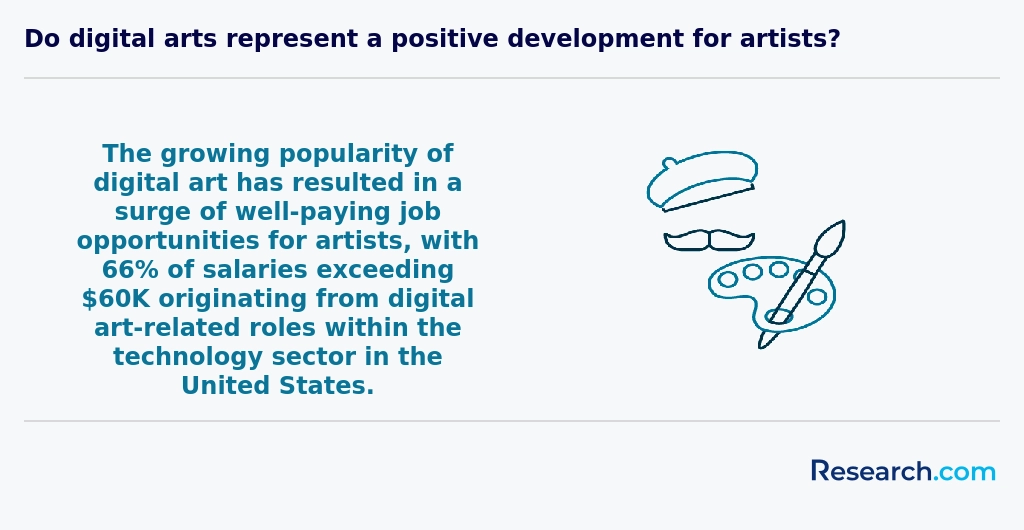
Graduates from Florida's leading institutions, including those known for their fine arts programs, often pursue diverse fine arts career options in Florida that extend beyond traditional paths. Many thrive as studio artists, energized by Miami's dynamic art market and the creative buzz at colleges like the University of Florida or Ringling College of Art and Design. These graduates often share how vibrant local galleries and art fairs fuel their passion and provide real-world platforms to showcase original works.
Others explore innovative roles in graphic design and multimedia art, leveraging digital skills nurtured during their studies. As advertising and media firms across Florida increasingly seek creative professionals, these graduates enjoy exciting prospects that blend artistic vision with technology. This blend opens fresh doors for students, making art degree job prospects Florida not just diverse but forward-looking.
Teaching in K-12 or community settings remains a fulfilling option, with certification enabling graduates to inspire new generations. Post-secondary faculty roles also attract alumni who contribute to digital arts programs. For those seeking flexibility, the best accelerated online degrees for working adults offer a way to advance their careers without pausing their creative journeys.
What is the job market for fine arts degree in Florida?
The job market for fine arts degree holders in Florida is evolving, offering diverse opportunities especially in metropolitan hubs like Miami and Tampa. Graduates from popular institutions such as the University of Florida and Florida State University often find themselves engaged in graphic design, multimedia arts, or gallery management, blending creativity with practical skills. Many share stories of initially freelancing to develop strong portfolios that open doors to teaching or arts administration roles. This hands-on experience aligns well with the Florida fine arts career outlook 2027, which suggests steady growth despite a competitive environment.
Florida's rich cultural scene creates real-life opportunities where graduates contribute to theaters, museums, and creative agencies, often supplementing incomes through entrepreneurial ventures. The balance between a sustainable cost of living and a vibrant arts economy makes the state appealing. Many students examine the financial side closely, comparing tuition costs and career prospects, often turning to resources like best online programs for seniors for guidance on affordable education paths tailored to their needs.
Frequently Asked Questions About fine arts
Fine arts degree students in Florida can maximize their learning by actively engaging in both academic coursework and hands-on experiences. Many Florida institutions, such as the University of Florida and Florida State University, offer access to industry-standard studios and galleries, which are essential for practical skill development.
Students should seek internships and community art projects to build professional networks and gain real-world insights. According to the National Endowment for the Arts, participation in practical experiences significantly improves employment prospects in creative fields.
Additionally, leveraging Florida's annual art festivals and exhibitions can provide critical opportunities for exposure and collaboration with local artists.
The field of fine arts in Florida is evolving with several emerging niches attracting student interest and industry demand. One notable area is digital media arts, which combines traditional fine arts skills with cutting-edge technology like 3D modeling, animation, and virtual reality. This niche benefits from Florida's growing tech sectors and creative industries.
Another emerging specialty is art therapy, where fine arts techniques support mental health and wellness. Florida's healthcare industry expansion is increasing opportunities for art therapists in clinical and community settings.
Environmental art is gaining momentum too, reflecting Florida's unique ecosystems and climate concerns. According to the National Endowment for the Arts, environmental art projects in Florida have increased by 18% over the past five years.
Students interested in these evolving niches can leverage Florida's diverse cultural landscape and growing interdisciplinary programs to find innovative career paths.
Preparing for the job market after earning a fine arts degree in Florida involves building both creative skills and professional connections. Graduates should develop a strong portfolio showcasing their best work, as this is crucial when applying for jobs or freelance projects. According to the National Endowment for the Arts, Florida employs over 90,000 artists and related workers, highlighting a competitive but vibrant job market.
Networking is key: attending local art shows, joining state art organizations, and using platforms like the Florida Division of Cultural Affairs can open opportunities. Additionally, internships during college, especially in Florida's arts hubs like Miami and Tampa, provide valuable real-world experience and contacts.
Finally, graduates should consider strengthening business skills, such as marketing and grant writing, to increase employability and the ability to manage independent projects.
Employers seeking fine arts degree graduates in Florida prioritize strong creative and technical skills. Proficiency in digital media, graphic design, and traditional art techniques is highly valued. According to the Florida Department of Economic Opportunity, skills in software like Adobe Creative Suite enhance job prospects.
Communication and collaboration are also critical. Many fine arts roles require artists to work closely with clients or teams, so employers look for graduates who can clearly express ideas and adapt to feedback.
Additionally, business acumen-such as marketing artwork and managing projects-is increasingly important. Florida's growing arts sector, reported by the National Endowment for the Arts, demands versatile graduates who combine creativity with practical skills.
Finding internships in Florida relevant to a fine arts degree involves leveraging both educational institutions and the state's vibrant arts community. Many universities, including the University of Florida and Florida State University, offer career centers that connect students with local galleries, theaters, and studios.
Florida's arts sector contributes over $15 billion annually to the state economy, creating numerous internship opportunities in museums, public arts organizations, and commercial art firms, according to Americans for the Arts. Students should explore Florida's cultural hubs, such as Miami and Tampa, where internship openings are more frequent.
Additionally, online platforms like Handshake and local internship fairs hosted by colleges are valuable resources for finding programs aligned with fine arts studies.
A fine arts degree in Florida can significantly enhance career mobility and advancement by equipping graduates with valuable creative and technical skills. Many employers in Florida's diverse creative industries seek professionals with formal training in visual arts, design, and multimedia. According to the Florida Department of Economic Opportunity, arts-related occupations are projected to grow by 7% through 2030, slightly faster than the average for all jobs.
Graduates often find opportunities not only in traditional art roles but also in education, digital media, and entertainment sectors. A degree also provides access to professional networks and internships, which are crucial for career growth in Florida's competitive markets.
Additionally, fine arts graduates may benefit from Florida's vibrant arts communities, such as those in Miami, Tampa, and Orlando, offering venues for exhibiting work and gaining recognition. This environment fosters continual professional development and advancement possibilities supported by local and state arts programs.
Studying for a fine arts degree in Florida offers a strong foundation for interdisciplinary roles by combining traditional artistic skills with modern, cross-disciplinary approaches. Many Florida universities integrate courses in digital media, design, and communication, reflecting trends in today's creative industries.
Florida's diverse cultural environment provides practical opportunities for collaboration across fields such as technology, business, and education. For example, the Florida Department of Education emphasizes STEAM (Science, Technology, Engineering, Arts, and Math) initiatives that encourage arts students to engage with other disciplines.
According to the National Endowment for the Arts, art graduates with interdisciplinary training have better employment outcomes, which Florida's programs support through internships and partnerships with local creative industries.
When choosing between a thesis and a non-thesis fine arts degree program in Florida, students should consider their career goals and learning preferences. A thesis program requires original research or a significant creative project, ideal for those interested in academia or advanced study.
Non-thesis programs focus more on coursework and practical skills, which suits students aiming to enter the workforce or develop their artistic portfolio quickly. According to the Florida Department of Education, 35% of fine arts graduates pursue graduate study, suggesting many benefit from thesis experience.
Additionally, program availability varies, so checking individual Florida universities' offerings is essential.
Students in Florida pursuing fine arts degrees have several options to study abroad through their home institutions. Many Florida colleges and universities offer exchange programs or study abroad partnerships, particularly in European countries with rich artistic traditions, such as Italy, France, and Spain. For example, Florida State University and the University of Florida provide curated fine arts study abroad experiences that integrate studio work and art history.
According to NAFSA: Association of International Educators, about 2% of arts students nationwide participate in study abroad programs, a figure that is growing as universities expand global opportunities. Florida's robust higher education system supports students with scholarships and international advising services to facilitate these experiences.
Such programs enable students to develop skills in diverse artistic styles and cultural contexts, critical for a comprehensive fine arts education.
Students pursuing fine arts degrees in Florida can benefit from various part-time job opportunities closely tied to their field. For example, working as an art gallery assistant or curator intern in cities like Miami or Tampa offers hands-on experience with exhibits and art management. According to the Florida Department of Economic Opportunity, arts-related employment is growing by 3.5% annually in the state, highlighting expanding opportunities.
Other options include freelance graphic design, teaching art classes at community centers, or assisting in theater productions. These roles provide practical skills and networking chances essential for future careers. Leveraging local museums and cultural festivals can also enhance real-world learning.
Fine arts students in Florida have access to numerous networking opportunities through the state's diverse arts community. Universities such as the University of Florida and Florida State University host regular gallery openings, workshops, and guest lectures that connect students with established artists and professionals.
Florida's vibrant cities, including Miami and Tampa, offer art fairs, exhibitions, and cultural festivals like Art Basel Miami Beach, attracting national and international artists. These events provide valuable occasions for students to meet influential figures and potential collaborators.
Additionally, organizations like the Florida Arts Council and local artist collectives actively support networking by offering grants, residencies, and conferences. This environment fosters connections that can help students launch successful creative careers in the state.
Alumni networks play a vital role in supporting fine arts degree students in Florida by offering valuable professional connections. Graduates from Florida's arts programs often gain access to a broad community of artists, curators, and educators who share job openings and exhibition opportunities.
These networks foster mentorship, helping students navigate the competitive art world. For example, the University of Florida and Florida State University maintain active alumni groups that organize workshops and career panels. According to the National Endowment for the Arts, 28% of fine arts graduates in the US find employment through contacts, highlighting the advantage of networking.
Furthermore, alumni often collaborate on projects and exhibitions, providing real-world experience important for portfolio development. This support significantly enhances students' chances of succeeding in Florida's vibrant arts scene.
Customizing a fine arts degree program in Florida involves selecting concentrations and electives that align with your career goals. Many Florida universities offer specializations in areas like graphic design, studio art, photography, or digital media. According to the National Center for Education Statistics, students can tailor their coursework by choosing interdisciplinary classes, combining traditional fine arts with emerging technologies.
Additionally, internships and community projects are often available through partnerships between Florida institutions and local arts organizations. These opportunities help students build professional experience and networks. Students should also explore dual-degree options or minors in business or marketing to enhance career flexibility within Florida's growing creative industries.
Fine arts students in Florida often encounter several challenges during their studies. One key issue is funding; many students struggle with the high costs of materials and supplies, as fine arts programs usually require specialized equipment and art supplies not covered by tuition. According to the National Endowment for the Arts, Florida ranks below the national average in state funding for arts education, which can impact available resources.
Another challenge involves finding sufficient professional opportunities. With the competitive nature of the Florida arts market, students face limited internships and job openings relevant to their field.
Balancing practical assignments with academic requirements also proves difficult, as fine arts programs demand significant time in studios and critique sessions alongside traditional coursework.
With a fine arts degree in Florida, graduates can pursue several professional certifications to enhance their careers. One popular certification is the Florida Department of Education's Art Teacher Certification, which qualifies individuals to teach art in K-12 public schools. This requires passing the Florida Teacher Certification Examinations (FTCE).
Another option is certification through national organizations such as the National Art Education Association (NAEA), offering credentials like the National Board Certification for Art Educators. This certification is recognized nationwide and boosts professional credibility.
For those interested in arts administration or curatorial work, certificates in museum studies or arts management from accredited Florida institutions can provide valuable credentials that complement a fine arts degree.
Writing a winning application for a fine arts program in Florida begins with understanding the specific requirements of each institution. Most Florida colleges, including the University of Florida and Florida State University, require a portfolio showcasing your best creative work. This portfolio is critical and should demonstrate technical skill, creativity, and personal style.
Additionally, applicants should submit a clear and concise personal statement outlining their artistic goals and passion for fine arts. According to the National Center for Education Statistics, Florida has 45 institutions offering fine arts degrees, making it important to tailor your application to each program's unique focus.
Letters of recommendation from art instructors or professionals can enhance your credibility. Also, meet all deadlines precisely and double-check application materials for completeness to avoid disqualification. Staying informed about each school's criteria helps maximize your chances of acceptance.
Globally, careers in fine arts are valued for their cultural and creative contributions. In the United States, including Florida, the demand for fine arts professionals remains steady, with the Bureau of Labor Statistics projecting a 4% growth in arts-related jobs from 2022 to 2032. Florida hosts numerous fine arts institutions that emphasize both traditional techniques and innovative digital arts, reflecting global trends.
Internationally, fine arts careers often blend cultural heritage with contemporary practices, influencing the U.S. art market and educational approaches. Florida's diverse population and art scenes benefit students by providing exposure to multicultural perspectives, essential for a modern art career.
Economic opportunities for fine artists vary worldwide, but in Florida, sectors like visual arts, design, and media production contribute significantly, supported by tourism and cultural events.
Gaining practical experience while studying for a fine arts degree in Florida is essential for developing skills and building a professional portfolio. Many Florida institutions encourage students to participate in internships at local galleries, theaters, and museums. For example, the Florida Arts and Culture program often connects students with internships throughout the state's vibrant arts scene.
Students can also engage in collaborative projects, community exhibitions, and live performances, which offer hands-on learning beyond the classroom. According to the National Endowment for the Arts, Florida ranks high in funding for arts internships, supporting these opportunities.
Additionally, joining student organizations or attending workshops within universities helps students network and gain real-world experience.
Choosing the right concentration within a fine arts degree program in Florida involves evaluating your personal interests, career goals, and the strengths of the institutions offering these programs. Popular concentrations include painting, sculpture, graphic design, and digital media, each with unique skill sets and job prospects. According to the National Endowment for the Arts, Florida ranks among the top states for art employment, indicating diverse opportunities for graduates.
Researching faculty expertise and available facilities is crucial, as hands-on experience shapes your artistic development. Consider whether programs provide internships or community partnerships, helping build professional networks in Florida's vibrant arts scene.
Related Fine Arts Rankings for Nearby States
- 2027 Most Valuable Fine Arts Degree Programs Ranking in West Virginia
- 2027 Most Valuable Fine Arts Degree Programs Ranking in Ohio
- 2027 Most Valuable Fine Arts Degree Programs Ranking in Pennsylvania
- 2027 Most Valuable Fine Arts Degree Programs Ranking in Texas
- 2027 Most Valuable Fine Arts Degree Programs Ranking in Oklahoma
- 2027 Most Valuable Fine Arts Degree Programs Ranking in Kansas
- 2027 Most Valuable Fine Arts Degree Programs Ranking in Minnesota
- 2027 Most Valuable Fine Arts Degree Programs Ranking in Connecticut
- 2027 Most Valuable Fine Arts Degree Programs Ranking in Rhode Island
- 2027 Most Valuable Fine Arts Degree Programs Ranking in New York
Top Trending Fine Arts Rankings
References
- Fine Arts Scholarship | North Broward Preparatory School https://www.nordangliaeducation.com/nbps-florida/admissions/scholarships-and-aid/fine-arts-scholarship
- 14 art niche ideas and how to determine yours https://www.gelato.com/blog/art-niche-ideas
- Complete guide to studying Fine Arts - TAI Arts https://taiarts.com/en/blog/guide-to-studying-fine-arts/
- Fine Arts https://www.wits.ac.za/course-finder/undergraduate/humanities/fine-arts/
- Arts, History and Humanities in Global Perspective https://u-paris.fr/language/en/arts-history-and-humanities-in-global-perspective-en/
- Networking - Weaving Your Web as an Art Graduate - Visual Artists Association https://visual-artists.org/resources/networking-weaving-your-web-as-an-art-graduate/
- Alumni Network at Moore https://moore.edu/alumni/
- Alumni network - ESMA https://www.esma-artistique.com/en/outreach/alumni-network/
- Summer Internships | National Gallery of Art https://www.nga.gov/employment-opportunities/summer-internships
- Essential Strategies for Artists to Master the Art of Networking https://www.artworkarchive.com/blog/essential-strategies-for-artists-to-master-the-art-of-networking


