
2027 Best Psychology Degree Programs Ranking in Manhattan

Co-Founder and Chief Data Scientist
If you're considering pursuing a psychology degree in Manhattan, this guide is made just for you. The article presents the 2027 Best Psychology Degree Programs Ranking in Manhattan, carefully crafted by the Research.com team of data scientists.
Our goal is to help you make an informed choice by highlighting programs that truly stand out. Earning a psychology degree can open doors to meaningful career paths and personal growth, making this journey both exciting and rewarding.
Explore the ranking to discover the best options tailored to your ambitions and needs.
Key benefits of getting psychology degree in Manhattan
- Salary for psychology degree graduates: Graduates can earn competitive salaries, such as $76,060 annually for Human Resources Specialists or $83,190 for Marketing Research Analysts, reflecting strong earning potential in Manhattan.
- Career paths: A psychology graduate from a well-known Manhattan college might explore diverse roles including Clinical Research Associate or Survey Researcher, enjoying varied and rewarding opportunities in health, business, and research sectors.
- Benefits of online degrees: Earning a psychology degree online from a respected Manhattan university offers flexibility and convenience, allowing you to balance work and study while advancing your career efficiently.
- Key benefits of getting psychology degree in Manhattan
- What can I expect from psychology degree in Manhattan?
- Where can I work with psychology degree in Manhattan?
- How much can I make with psychology degree in Manhattan?
- 2027 Best Psychology Degree Programs Ranking in Manhattan
- Key Findings
- How long does it take to complete psychology degree in Manhattan?
- Most Crucial Factors to Consider When Choosing a Psychology Program
- What's the difference between online and on-campus psychology degree?
- Licensure Requirements for Psychologists in Kansas
- What is the average cost of psychology degree in Manhattan?
- Top Psychology Program Highlights in Manhattan, KS
- What financial aid is available to psychology degree students in Manhattan?
- Emerging Trends and Future Outlook in Psychology Careers
- What are the prerequisites for enrolling in psychology degree program in Manhattan?
- Licensure and Certification Requirements for Psychology Graduates in Kansas
- What courses are typically in psychology degree programs in Manhattan?
- What types of specializations are available in psychology degree programs in Manhattan?
- How do you choose the best psychology degree in Manhattan?
- What career paths are available for psychology degree students in Manhattan?
- What is the job market for psychology degree in Manhattan?
- Top Trending Psychology Rankings
- See What Experts Have To Say About Studying Psychology
What can I expect from psychology degree in Manhattan?
Understanding the cost of a psychology degree in Manhattan often sparks excitement mixed with careful planning. Graduates from Columbia University recall the intense investment, with tuition nearing $60,000 per year, reflecting the school's prestigious resources and cutting-edge research opportunities. Yet, the adventure of studying psychology here feels priceless, as these students immerse themselves in advanced neuropsychology labs and vibrant city clinics. On the other hand, many students find joy and relief through more budget-friendly routes, like City University of New York (CUNY), where in-state tuition runs under $10,000 annually. These paths open doors to diverse practicum placements and community-focused experiences without overwhelming debt.
Many Manhattan students share how scholarships and financial aid create real possibilities, transforming the daunting price tag into an achievable goal. This balance between cost and rich experiential learning makes exploring psychology in Manhattan not just a degree-but a lively journey through the heart of one of the world's most inspiring urban landscapes.
Where can I work with psychology degree in Manhattan?
Manhattan's vibrant urban jungle offers psychology graduates adventurous career paths that truly connect with the city's pulse. Imagine stepping into a bustling hospital like NewYork-Presbyterian, where graduates from New York University dive into clinical assessments and provide therapy, making real differences in patients' lives every day. For those fueled by curiosity, Columbia University alumni often find themselves immersed in cutting-edge research, unraveling mysteries of the mind through cognitive science or neuroscience.
Picture a dynamic office where organizational psychologists consult for top firms, designing programs that boost employee wellbeing and reshape company cultures-this is a playground for those drawn to corporate psychology. Meanwhile, graduates passionate about social impact collaborate with nonprofits or government agencies like the New York City Department of Health, crafting policies and leading outreach to support the city's most vulnerable communities.
Each path bursts with opportunities to grow, explore, and thrive within Manhattan's unique blend of healthcare, academia, business, and public service, turning a psychology degree into a launchpad for meaningful, exciting careers.
How much can I make with psychology degree in Manhattan?
Graduates with a psychology degree from popular Manhattan schools often find their first roles in dynamic fields like human resources or marketing research-where the energy of the city matches their career ambitions. A Human Resources Specialist in Manhattan, for example, averages around $76,060 annually, while a Marketing Research Analyst enjoys a slightly higher median wage of $83,190, reflecting the vibrant demand for analytical and interpersonal skills in this bustling urban environment.
Imagine a recent graduate stepping into a role as a Clinical Research Associate or Survey Researcher, both offering mean salaries near $62,370. These positions allow for hands-on experience in study design or behavioral data collection, tapping into the city's rich network of hospitals and academic institutions.
Even those starting in roles like Childcare Worker, earning about $32,070, experience the rewarding aspect of applying psychology concepts directly with children, often balancing their work with further studies. These salaries unlock doors to growth, pushing grads to explore further degrees to elevate their earning potential in Manhattan's competitive landscape.
2027 Best Psychology Degree Programs Ranking in Manhattan
How do we rank schools?
Investing in your education is a significant decision that can shape your future, and the Research.com team understands the importance of making informed choices. To assist prospective students in Manhattan, we have carefully developed the "2027 Best Psychology Degree Programs Ranking in Manhattan." Our commitment to quality, credibility, and accuracy is demonstrated through thorough research and analysis conducted to create this ranking.
We utilized the following reputable data sources to ensure a comprehensive evaluation of psychology programs:
By exploring this ranking, readers will gain valuable insights into the best psychology degree programs available in Manhattan, enabling informed decisions about their educational journeys. For more details on our methodology, please visit our Research.com methodology page.

Key Findings
- Psychology bachelor's degrees in Manhattan typically cost between $30,000 and $60,000 per year, with graduate degrees often exceeding $40,000 annually.
- Tuition in Manhattan is higher than the national average due to the city's cost of living and prestigious schools.
- Entry-level psychology salaries in Manhattan range from $45,000 to $60,000, depending on the field of work.
- Experienced psychology professionals can earn more than $90,000 annually, especially with advanced degrees or specializations.
- Manhattan requires clinical psychologists to have a graduate degree, supervised experience, and to pass the EPPP exam for licensing.
How long does it take to complete psychology degree in Manhattan?
Diving into a psychology degree in Manhattan usually means dedicating about four vibrant years to your studies. Graduates from institutions like New York University and The City College of New York often describe their experience as a dynamic journey filled with insightful courses, research projects, and lively campus life. Imagine balancing foundational psychology classes with engaging electives while soaking up the unique energy of the city around you.
Some adventurous students choose accelerated paths, full of intense semesters to finish in three years, embracing the fast pace of Manhattan living. Others savor a slower rhythm, studying part-time and layering their education around work or other pursuits.
For those ready to keep exploring, a master's degree comes next and can take between 1.5 and 3 years. Doctoral programs add even more time-5 to 7 years beyond the bachelor's-offering deep dives into clinical training and research that truly shape your career in psychology.
Most Crucial Factors to Consider When Choosing a Psychology Program
When selecting a psychology degree program in Manhattan, KS, one of the most crucial factors to consider is affordability. Prospective students should research the costs associated with each program, including tuition, fees, and living expenses. For those looking for affordable options, exploring affordable psychology schools in Kansas can provide valuable insights. Additionally, considering factors such as program accreditation, curriculum, research opportunities, and career support services can help students make informed decisions that align with their academic and professional goals. By carefully evaluating these aspects, students can choose a psychology program that not only fits their budget but also provides a comprehensive education and prepares them for successful careers in psychology.
What's the difference between online and on-campus psychology degree?
Choosing between an online and an on-campus psychology degree in Manhattan opens up a world of possibilities. Imagine walking through Fordham University's bustling campus, engaging directly with professors and peers while exploring cutting-edge psychology labs-this hands-on approach brings theories to vibrant life. Graduates often cherish these face-to-face moments, finding that sharing insights in real-time sparks deeper understanding and inspiration.
In contrast, online programs offer the freedom to study from anywhere, perfect for juggling work or family in the city that never sleeps. A student might watch recorded lectures after a busy day and join lively virtual discussions, creating a flexible learning rhythm that suits their pace. However, securing local internships independently in Manhattan's rich mental health scene becomes a self-driven adventure, sharpening their resourcefulness.
Cost and access to urban resources mark key differences too. While on-campus tuition can reach $50,000 yearly, online learners often save on commuting and housing, easing financial pressures without sacrificing accreditation quality. Both paths reflect a personal journey-whether immersed in Manhattan's vibrant campus life or mastering psychology remotely with your own tailored schedule.
Licensure Requirements for Psychologists in Kansas
Becoming a licensed psychologist in Kansas ensures you meet professional standards and can practice independently. Key steps include:
- Education: Complete an APA-accredited doctoral program. For a faster start, consider accelerated psychology programs online that meet state requirements.
- Supervised Experience: Accumulate 3,000 hours of post-doctoral supervision under a board-approved supervisor.
- Examination: Pass the EPPP (Examination for Professional Practice in Psychology) and the Kansas Jurisprudence Exam.
- Application: Submit transcripts, verification of supervised hours, exam scores, and fees to the Kansas Behavioral Sciences Regulatory Board.
Renew your license every two years and fulfill continuing education requirements to maintain active status.
What is the average cost of psychology degree in Manhattan?
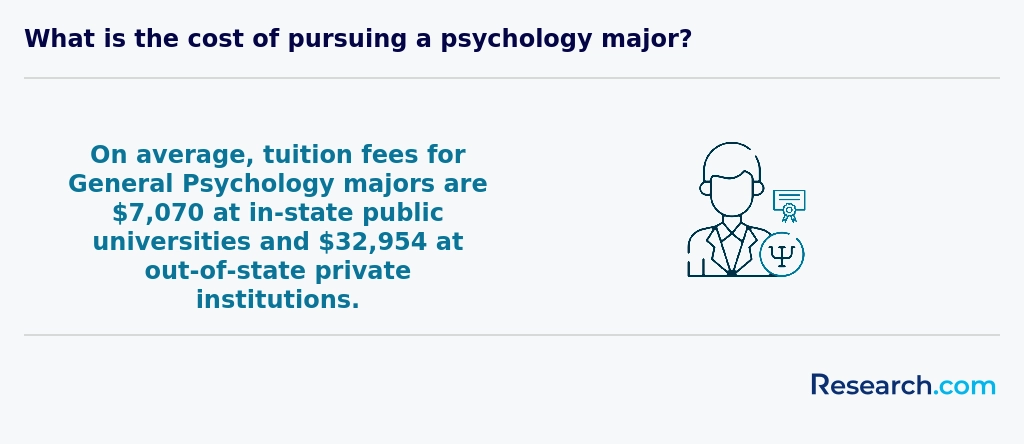
Delving into the average cost of a psychology degree in Manhattan unlocks a dynamic world of tuition figures that vary widely depending on your chosen path. Graduates from prestigious private institutions often recall balancing a tuition around $38,816, a sum that reflects the deep investment in rich academic experiences and expert faculty. At the same time, many students appreciate the more accessible options in schools like the City University of New York, where the in-state tuition sits near $11,221, giving local learners a more affordable route to their dreams.
Those embracing the psychology degree tuition and fees Manhattan landscape often share stories of stretching their dollars cleverly, tapping into scholarships, financial aid, or assistantships that significantly ease the financial load. Imagine walking through NYU's bustling campus, a hub where excitement about psychology combines with awareness of the financial commitment; it's a common reality for many. The additional costs for textbooks, lab materials, and clinical practicums add layers to the budget but also to the adventure of hands-on learning and professional growth.
For psychology students curious about further specialization, graduate programs often present higher tuition fees, sometimes soaring above undergraduate costs, amplifying the need for financial strategies and support. Many students turn to resources to explore specialized career paths, such as those interested in counseling can find guidance linked with washington state lpc jobs, illustrating the diverse career possibilities beyond the classroom walls.

Top Psychology Program Highlights in Manhattan, KS
Explore key offerings from leading local programs to help you decide which path fits your goals:
- Kansas State University (B.A./B.S. in Psychology): Regionally accredited, with dedicated research labs, clinical practica at local clinics, and regular networking events in Manhattan.
- Manhattan Christian College (B.A. in Psychology): Small class sizes, faith-integrated ethics courses, and hands-on internship placements that build professional confidence.
- most affordable accredited online psychology degrees: Flexible online format, competitive tuition, and virtual practicum options ideal for working students.
What financial aid is available to psychology degree students in Manhattan?
Exploring financial aid for a psychology degree in Manhattan reveals a landscape rich with opportunities and challenges. Graduates from institutions like City College and NYU often recall the relief of federal aid through FAFSA, unlocking Pell Grants that can cover up to $7,000-no strings attached. Imagine balancing late-night study sessions fueled by scholarships awarded based on both merit and financial need, many offered via the American Psychological Association, easing the burden on eager minds.
State programs like New York's Tuition Assistance Program (TAP) further brighten the path with grants up to $5,665, helping residents tackle not just tuition but the pricey city living-housing, textbooks, and coffee runs alike. And at schools such as Columbia, psychology graduate students dive into assistantships that pair hands-on research with stipends and tuition waivers, transforming debt worries into invigorating experiences.
Private loans are a last frontier, navigated cautiously to avoid long-term stress. By tapping into these varied sources, students in Manhattan turn financial obstacles into stepping stones along their adventurous journey toward a psychology degree.
Emerging Trends and Future Outlook in Psychology Careers
As the field of psychology continues to evolve, both academic programs and industry practices are adapting to new technological advances, societal shifts, and specialized areas of study. Graduates today are encouraged to look beyond traditional roles by embracing interdisciplinary approaches and expanding their skill sets to include digital literacy, telehealth competencies, and data-driven research methods. For instance, innovative careers are emerging in areas such as telepsychology, behavioral analytics, and performance psychology, where professionals integrate psychological expertise with technological innovations. In Manhattan, KS, graduates can leverage local resources and networking opportunities to stay ahead of these trends. Connecting with professionals in niche fields-like sports psychology careers-can provide insights into specialized techniques used to enhance athlete performance and overall well-being. Additionally, mentoring programs, certification courses, and industry-specific workshops are proving instrumental in equipping graduates with the tools necessary to navigate an increasingly competitive job market. Embracing these emerging trends not only augments career prospects but also promotes a culture of continuous learning and adaptability. As employers place a higher value on innovative thinking and versatile skill sets, those who proactively align their education with evolving industry demands will be better positioned to secure impactful and rewarding roles in the field of psychology.
What are the prerequisites for enrolling in psychology degree program in Manhattan?
Dreaming of diving into psychology in Manhattan? Prepare to gather some solid academic armor. For undergraduates aiming for places like NYU or Hunter College, having a high school diploma or GED is just the start. You'll also need competitive SAT or ACT scores-though some schools are opening doors with test-optional policies, adding a fresh breeze of opportunity. Imagine a graduate recalling how a strong background in biology and social sciences made complex concepts click during their first semester at Baruch College.
Many Manhattan colleges encourage exploring electives in psychology to spark early curiosity and boost your application, reflecting real excitement to understand the mind. For grad programs, the adventure deepens with stricter expectations: a relevant bachelor's degree, possibly GRE scores, plus heartfelt letters of recommendation and stories of research or hands-on work.
Manhattan's psychology gateways also cherish diverse perspectives, making your unique story a treasured part of the tapestry. It's a vibrant path filled with challenges-but the thrill of joining this academic community in the city that never sleeps is worth every step.
Licensure and Certification Requirements for Psychology Graduates in Kansas
Obtaining a psychology degree in Manhattan, KS prepares you academically, but professional practice in Kansas requires state licensure and certification. In Kansas, licensure ensures that practitioners meet rigorous standards in education, supervised experience, and ethical conduct. Psychology graduates typically pursue one of three main credentials: Licensed Psychologist (LP), Licensed Specialist Clinical Social Worker (LSCSW), or Licensed Professional Counselor (LPC). Each path demands specific graduate‐level coursework, a defined number of supervised clinical hours, and successful completion of a state‐recognized examination. Key requirements for Kansas licensure include:
- Education: A doctoral degree in psychology (for LP) or a master’s degree in a related field (for LSCSW and LPC) from an accredited institution.
- Supervised Experience: Between 1,500 and 3,000 hours of post‐degree supervised clinical practice, depending on the license type.
- Examinations: Passage of the Examination for Professional Practice in Psychology (EPPP) for psychologists or the National Clinical Mental Health Counseling Examination (NCMHCE) for LPCs.
- Ethical Standards: Adherence to the Kansas Behavioral Sciences Regulatory Board’s code of ethics and completion of jurisprudence exams where applicable. To map out your career timeline, including supervised hours and exam preparation, explore our detailed guide on how many years does it take to become a therapist. Staying informed about continuing education requirements and renewal deadlines-typically every two years-ensures that you maintain your license in good standing and continue delivering high-quality care to your community.
What courses are typically in psychology degree programs in Manhattan?
Diving into a psychology degree program in Manhattan means embarking on an exciting journey through a diverse curriculum tailored to spark curiosity and insight. At institutions like Columbia University or The New School, students eagerly explore core courses such as developmental psychology, which paints a fascinating picture of human growth from infancy through adulthood. Imagine discussing social psychology theories while observing the dynamic interactions of New Yorkers in bustling city parks-this real-world connection makes learning tangible and thrilling.
Graduates often recall how experimental psychology classes transformed their view of research as they designed studies and analyzed data, gaining hands-on experience that felt like uncovering human behavior's hidden patterns. Abnormal psychology courses bring to life mental health challenges, encouraging empathy and understanding, while cognitive psychology unveils the complexities of memory and decision-making processes in everyday life.
Many students cherish electives like forensic or industrial-organizational psychology, which open doors to niche passions. Internships in Manhattan's vibrant clinical or research centers provide rewarding, on-the-ground experiences that truly prepare students for diverse career paths-all against the backdrop of one of the world's most inspiring urban landscapes.
What types of specializations are available in psychology degree programs in Manhattan?
Diving into psychology degree specializations in Manhattan reveals an exciting spectrum tailored to diverse passions. Many students immerse themselves in clinical psychology, engaging in hands-on practica at bustling hospitals, shaping their skills to help diagnose and treat mental health issues. Counseling psychology offers vibrant opportunities too, where graduates find fulfillment guiding individuals and groups through personal challenges against the city's rich multicultural backdrop.
Others gravitate toward the scientific pulse of cognitive or neuropsychology, joining research teams at prominent universities like Columbia or New York University. Imagine exploring brain-behavior links while collaborating on groundbreaking studies. Industrial-organizational psychology is a magnet for those eager to influence corporate culture amidst Manhattan's dynamic business scene, with internships offering real-world leadership experiences.
Developmental, social, and health psychology open doors to understanding human behavior through lifespan stages and societal impacts, echoing the city's emphasis on public health and policy. With such variety, students often reflect on how their choices align with the most in-demand high paying college majors, making their journey here both thrilling and purposeful.
How do you choose the best psychology degree in Manhattan?
Choosing the best psychology degree programs Manhattan offers is like embarking on a thrilling adventure where each path leads to unique discoveries. Imagine walking the bustling halls of Columbia University, where graduates speak of deep connections with faculty who inspire curiosity and critical thinking. Meanwhile, at New York University, students revel in the vibrant research culture, collaborating with top psychologists in real-world settings that make theories come alive.
Picture yourself weighing the balance between a Bachelor of Arts with its broad exploration and a Bachelor of Science focusing on data and research rigor. Affordable psychology colleges in Manhattan can surprise you with financial aid options, making the journey less daunting. Graduates often recall how smaller class sizes helped them build mentorships that felt more like friendships, enhancing their confidence and practical skills.
Don't overlook the incredible chance to join internships or practicum in the city's hospitals or nonprofits, transforming education into experience. For those curious about licensure, exploring professional counseling organizations new jersey can also illuminate future steps. Embrace this quest with an open heart, and Manhattan's psychology programs will reveal their hidden treasures.

What career paths are available for psychology degree students in Manhattan?
Diving into psychology career opportunities in Manhattan reveals a vibrant landscape where graduates from local universities eagerly step into roles that truly make a difference. Imagine working as a licensed therapist in bustling neighborhoods, helping individuals navigate their mental health while earning between $70,000 and $120,000 annually. Many graduates from Manhattan colleges relish the thrill of research psychology, joining academic institutions and private organizations to assist in studies that push the boundaries of our understanding of the human mind.
Another exciting path lies in industrial-organizational psychology, where professionals improve workplace culture in fast-paced corporate environments scattered throughout the city. Graduates often share how the city's dynamic energy fuels their passion for enhancing employee satisfaction and productivity. Those interested in educational settings find rewarding roles supporting student mental health, reflecting the growing demand for such expertise in New York City schools.
Those curious about psychology degree time requirements in Manhattan appreciate how quickly they can enter these diverse fields, balancing their adventurous spirit with practical planning to build a meaningful career.
What is the job market for psychology degree in Manhattan?
Exploring the psychology degree job opportunities Manhattan offers reveals a vibrant tapestry of career paths. Graduates from renowned institutions like Columbia University and CUNY often describe how their practicum placements in bustling hospitals or community clinics opened doors to clinical and counseling roles, fueling their passion to make a difference. The city's dynamic environment means psychology careers outlook is broad, from supporting students and faculty at New York universities to consulting in corporate offices where industrial-organizational psychologists thrive.
One exciting aspect for students is the synergy between education and real-world experience, with many internships and networking events unfolding across Manhattan's mental health clinics. This hands-on exposure often leads to rewarding positions supported by competitive salaries that reflect the city's cost of living. For those curious about balancing education expenses, public universities provide affordable options, and private university costs vary significantly; check out affordable psychology schools in Kansas for perspective on cost differences elsewhere.
Frequently Asked Questions About psychology
Psychology degree students in Manhattan can maximize their learning by engaging deeply with local research opportunities. Manhattan hosts numerous leading institutions such as Columbia University and New York University, which offer access to cutting-edge labs and internships. According to the American Psychological Association, practical experience through internships significantly improves graduate prospects.
Students should also join psychology-focused organizations and attend conferences in New York City, which is a hub for psychological research and professional networking. Utilizing Manhattan's diverse population for field studies can enhance cultural competence, a vital skill in psychology careers.
Finally, leveraging Manhattan's public libraries and online academic resources helps students stay current with evolving theories and practices in psychology.
The psychology field is expanding with several emerging niches that appeal to students pursuing degrees in Manhattan. One notable area is neuropsychology, focusing on how brain injuries or diseases affect behavior, which is growing due to advances in brain imaging technology. Another rising niche is health psychology, studying how psychological factors influence physical health, an area of increasing importance in New York's diverse urban population.
For example, the New York State Education Department highlights a growing demand for clinical psychologists specializing in trauma and resilience, reflecting local community needs. Additionally, industrial-organizational psychology is gaining traction as businesses seek experts to improve workplace wellbeing and productivity.
Preparing for the job market after earning a psychology degree in Manhattan involves several strategic steps. First, gaining relevant experience through internships or volunteer opportunities in local hospitals, schools, or mental health clinics is crucial. According to the New York State Education Department, such experience enhances employability and practical skills.
Networking within Manhattan's large psychological community can open doors; joining groups like the New York State Psychological Association helps connect with professionals. Additionally, students should consider obtaining licensure or certification if they plan to practice clinically, as New York requires specific graduate training and supervised hours.
Finally, sharpening research and statistical analysis skills is important since many employers seek candidates familiar with data-driven approaches. Familiarity with software like SPSS or R is often expected.
Employers in Manhattan highly value psychology graduates with strong analytical and communication skills. According to the New York State Department of Labor, critical thinking and the ability to interpret complex data are essential for many psychology-related roles. Graduates must also demonstrate proficiency in research methods and statistical software, as these tools support evidence-based decision-making.
Interpersonal skills are equally important. Psychology professionals often work in diverse settings such as hospitals, schools, and corporate environments, requiring empathy and teamwork. Manhattan's competitive job market also favors candidates familiar with ethical standards and cultural competency to address the city's diverse populations effectively.
Finding internships in Manhattan relevant to a psychology degree involves several strategic steps. First, students should leverage resources from their university's career services, which often maintain connections with local hospitals, clinics, and research centers. Manhattan hosts numerous renowned institutions such as NYU Langone Health and the NYC Department of Mental Health, which frequently offer psychology internships.
Networking is crucial. Attending local psychology conferences or joining Manhattan-based professional groups like the New York State Psychological Association can open doors to internship opportunities. Websites such as Handshake and the Internship Finder tool provided by the American Psychological Association also list psychology internships specifically for New York City students.
Additionally, according to the U.S. Bureau of Labor Statistics, internships significantly boost job prospects by up to 20% in mental health fields. Early application-often six months before the start date-is recommended due to high competition in Manhattan's psychology internship programs.
A psychology degree in Manhattan significantly enhances career mobility and advancement due to the city's diverse job market. With over 120,000 jobs related to psychology and mental health reported in the New York metro area by the Bureau of Labor Statistics (2023), demand for qualified professionals remains strong. Graduates can pursue roles in clinical psychology, counseling, human resources, and organizational development, fields that value psychological expertise.
Advanced degrees, such as a master's or doctorate, often accelerate promotion and salary growth, with median annual wages above $80,000 for licensed psychologists in New York. Networking opportunities in Manhattan's academic and healthcare institutions also support career progression.
Studying for a psychology degree in Manhattan offers unique advantages for students aiming at interdisciplinary careers. Manhattan's diverse academic institutions foster collaboration between psychology and fields such as business, healthcare, and technology. This integration equips students with skills that transcend traditional psychology roles.
Many programs emphasize applied research and practical experience, often partnering with local hospitals, nonprofits, and corporations. According to the New York State Education Department, over 60% of Manhattan psychology graduates engage in cross-disciplinary work within five years of completing their degree.
Exposure to Manhattan's multicultural environment also enhances cultural competence, a vital quality for interdisciplinary professionals addressing varied populations. Students graduate prepared to work alongside experts in fields like social work, data science, and education, expanding career opportunities across sectors.
Choosing between a thesis and a non-thesis psychology degree program in Manhattan depends largely on your career goals. A thesis option involves conducting original research and writing a substantial paper, which is ideal if you plan to pursue doctoral studies or research careers. Many Manhattan universities, including CUNY and NYU, offer thesis tracks that help develop strong analytical and writing skills.
On the other hand, non-thesis programs focus more on coursework and practical experiences such as internships. This route suits students aiming for applied psychology roles or immediate entry into the workforce. According to the APA's latest data, approximately 40% of psychology students in New York City choose non-thesis pathways for quicker degree completion.
Consider your schedule and interests: thesis programs often require 1-2 extra semesters focused on research. Non-thesis programs may allow completion within two years but with fewer research opportunities. Discuss your options with academic advisors to align your choice with your professional plans.
Students based in Manhattan who wish to study psychology abroad have several pathways through US higher education institutions offering study abroad programs. Many universities like New York University and Columbia University provide structured exchange programs with partner schools in countries such as the United Kingdom, Australia, and Canada. These programs often allow students to earn credits toward their psychology degrees while gaining international experience.
The American Psychological Association highlights that globally recognized research opportunities and clinical training are key benefits of studying psychology abroad. Manhattan students can thus enhance their education by engaging with diverse psychological theories and practices.
Additionally, these programs typically require students to maintain a minimum GPA, often around 3.0, to qualify. Financial aid and scholarships may be available to help offset costs, making this option accessible for many.
Manhattan offers diverse part-time job opportunities that complement psychology degree education. Many students find roles as research assistants at institutions like Columbia University and NYU, gaining hands-on experience in psychological studies. According to the National Science Foundation, around 40% of psychology undergraduates engage in research assistantships, which enhances their academic and practical skills.
Additionally, psychology students can work as behavioral health aides in local clinics or mental health organizations. These jobs provide direct exposure to patient care and psychological assessments.
Volunteer positions at community centers or non-profits also offer valuable experience in counseling and social services.
Psychology students in Manhattan benefit from extensive networking opportunities supported by the city's dense academic and professional landscape. Universities such as Columbia and NYU offer specialized events, guest lectures, and active psychology clubs that connect students with faculty and alumni. The New York State Psychological Association, headquartered nearby, hosts conferences and workshops that are accessible to students for professional growth.
Manhattan's proximity to numerous hospitals, research centers, and mental health organizations allows students to secure internships and volunteer roles, fostering direct industry connections. According to the APA, networking can increase job placement chances by up to 35% for psychology graduates in urban centers like Manhattan.
Alumni networks play a crucial role in supporting psychology degree students in Manhattan. These networks connect current students with graduates who have established careers, providing valuable mentorship and career guidance. According to the National Association of Colleges and Employers, 85% of jobs are filled through networking, highlighting the significance of such connections in competitive fields like psychology.
In Manhattan, where many psychology professionals work in hospitals, research centers, and private practices, alumni can offer insights into local job markets and internship opportunities.
Additionally, alumni events and online platforms foster relationships that can lead to research collaborations or job placements, benefiting students as they transition into professional roles. These networks enhance students' access to industry knowledge and increase their employability in New York's vibrant psychology sector.
Customizing a psychology degree program in Manhattan involves selecting courses, concentrations, and experiences that align with specific career goals. Many universities in the city offer various psychology tracks, such as clinical, cognitive, or organizational psychology. Choosing relevant electives helps deepen expertise in a chosen field.
Internships and research opportunities are vital for practical experience. Manhattan's diverse population also allows students to engage with multiple community settings, which employers value. According to the National Center for Education Statistics, over 30% of psychology students in New York state pursue internships during their studies.
Additionally, some programs offer flexible schedules or part-time options to accommodate working professionals, allowing degree completion alongside career progress.
Psychology students in Manhattan often face intense competition due to the city's high concentration of prestigious universities. Admission and maintaining high GPAs can be demanding, with some programs requiring a minimum GPA of 3.5 for graduate studies, according to the American Psychological Association. Additionally, the cost of living in Manhattan presents a significant financial challenge; students often balance part-time jobs alongside rigorous coursework.
Access to clinical internships and research opportunities is another hurdle, as many placements have limited spots and require early application. The fast-paced environment also impacts students' mental health, with reports indicating elevated stress levels among urban psychology students compared to national averages.
With a psychology degree in Manhattan, you can pursue several professional certifications to enhance your career opportunities. Common certifications include becoming a Licensed Mental Health Counselor (LMHC) or a Licensed Clinical Social Worker (LCSW), both requiring graduate education and supervised experience. The New York State Office of the Professions oversees these licensures, enforcing strict standards to protect public health.
Many graduates also seek certification as a Certified Alcohol and Substance Abuse Counselor (CASAC), which is in demand across New York City's health services. Additionally, becoming a Board Certified Behavior Analyst (BCBA) is an option for those interested in applied behavior analysis, a growing field in Manhattan.
These certifications often require passing exams and continuing education, reflecting a commitment to professional development in psychology-related careers.
Writing a winning application for a psychology program in Manhattan requires clear focus and thorough preparation. Admissions committees typically look for strong academic records, especially in psychology and related fields like biology and statistics. Manhattan schools, such as New York University and The City College of New York, often emphasize research experience, so applicants should highlight internships, lab work, or relevant projects.
Personal statements must convey genuine interest in psychology and specific career goals. Using data from the American Psychological Association, roughly 60% of psychology applicants in New York City demonstrate research involvement, which increases admission chances.
Letters of recommendation should come from professors or professionals familiar with the applicant's skills and motivation in psychology. Finally, applicants should meet all standardized testing and prerequisite requirements, as Manhattan programs tend to be competitive with acceptance rates around 25%. Staying organized and starting early vastly improves application quality.
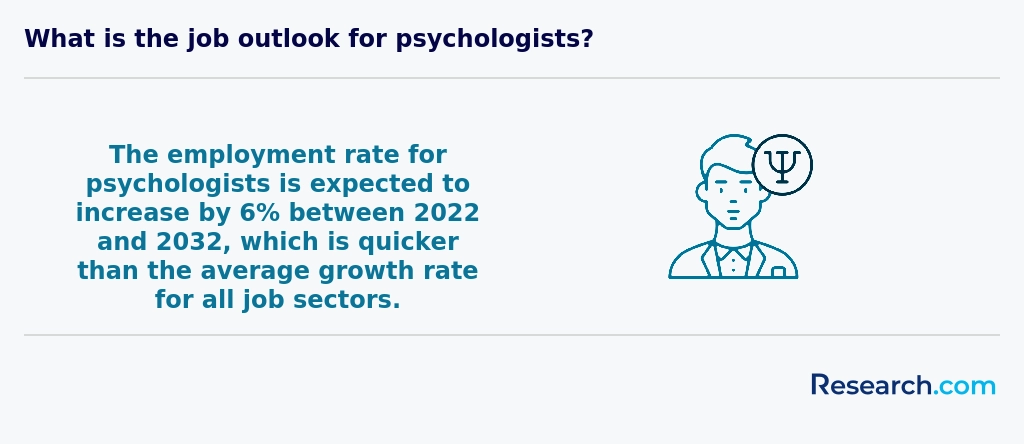
The global perspectives on a psychology career reflect growing demand and evolving professional opportunities. In the United States, including Manhattan, psychology is a dynamic field with diverse paths such as clinical, counseling, and research roles. According to the U.S. Bureau of Labor Statistics, employment of psychologists is projected to grow 8% from 2022 to 2032, faster than the average for all occupations. Manhattan benefits from a concentration of top universities and research centers, offering students access to cutting-edge developments.
Internationally, psychology emphasizes cultural competence and global mental health initiatives. Students trained in Manhattan are likely to encounter a multicultural environment, preparing them for practice in diverse settings. This global awareness is increasingly valued in psychology careers worldwide.
Gaining practical experience while studying for a psychology degree in Manhattan is essential for career readiness. Many local universities offer internships through partnerships with hospitals, mental health clinics, and community organizations. For example, institutions like Fordham University and NYU provide placements that allow students to work directly with clients under supervision.
The New York State Office of Mental Health reports that about 60% of psychology undergraduates in the city engage in some form of internship or research assistance before graduation. Volunteering at nonprofit organizations or participating in lab research also helps build relevant skills and networks.
Additionally, Manhattan's dense clinical and research environment offers unique opportunities for shadowing professionals or attending workshops. These experiences supplement academic learning with hands-on exposure to various psychology fields.
Choosing the right concentration within a psychology degree in Manhattan involves balancing personal interests with career goals. Popular specializations include clinical, counseling, developmental, and forensic psychology. Each offers distinct career paths in New York's diverse mental health and social service sectors.
Manhattan hosts numerous psychology programs accredited by the American Psychological Association, ensuring quality and recognition in the field. According to the New York State Education Department, clinical psychology remains the most in-demand specialization locally, with steady job growth projected through 2030.
Consider your preferred setting-hospitals, schools, or research institutions-as this influences suitable concentrations. Exploring internship opportunities in Manhattan can also help align your studies with practical experience. Consulting academic advisors and reviewing curriculum focus areas are essential steps in making an informed decision.
Related Psychology Rankings for Nearby Cities
- 2027 Best Psychology Degree Programs Ranking in Kansas City
- 2027 Best Psychology Degree Programs Ranking in Wichita
- 2027 Best Psychology Degree Programs Ranking in Lincoln
- 2027 Best Psychology Degree Programs Ranking in Springfield
- 2027 Best Psychology Degree Programs Ranking in Saint Louis
- 2027 Best Psychology Degree Programs Ranking in Minneapolis
- 2027 Best Psychology Degree Programs Ranking in Saint Paul
- 2027 Best Psychology Degree Programs Ranking in Denver
- 2027 Best Psychology Degree Programs Ranking in Boulder
- 2027 Best Psychology Degree Programs Ranking in Chicago
Top Trending Psychology Rankings
See What Experts Have To Say About Studying Psychology
Read our interview with Psychology experts

Elizabeth L. Jeglic Ph.D.
Psychology Expert
Professor of Psychology
City University of New York

Joann Farrell Quinn, Ph.D., MBA
Psychology Expert
Director at the College of Medicine Department of Medical Education
Morsani College of Medicine

Catherine Caldwell-Harris, Ph.D.
Psychology Expert
Associate Professor of Psychology
Boston University

References
- Ontario Psychological Association - Networking and Community Resources https://www.psych.on.ca/become-a-member-(1)/member-services/networking-and-community-resources
- New York Psychology Schools | Psychology Degree Guide https://psychologydegreeguide.org/state/new-york/
- Sample letters in psychology https://www.mystudies.com/en-in/human-and-social-sciences/psychology/letter-model/
- How to help students cope with mental health challenges https://www.eaie.org/resource/help-students-cope-mental-health-challenges.html
- Know more about thesis vs non- thesis: what is the difference? https://studyfans.com/en/blogs/816
- Why Get a Psychology Degree Online? | University of Bridgeport https://www.bridgeport.edu/news/reasons-to-get-your-psychology-degree-online/
- Mental Health Challenges Faced by Psychology Students | The Healthcare Guys https://healthcareguys.com/2023/11/23/mental-health-challenges-faced-by-psychology-students/
- Psychology B.A / B.S. / Minor https://manhattan.edu/academics/programs/psychology
- Skills of a Psychology Major - Psychology Department https://wagner.edu/psychology/skills/
- Psychology Degree Online Programs in New York https://www.onlinepsychologydegrees.com/states/new-york/


