2027 How Much Clinical Experience Do You Need Before Applying to SLP School?

Co-Founder and Chief Data Scientist
Many prospective students struggle to determine the amount of clinical experience required before applying to slp school. Without clear guidance, applicants risk submitting incomplete or noncompetitive applications. This uncertainty can delay career progression and increase the cost of pursuing graduate education. Understanding the typical expectations helps candidates plan relevant volunteer, observation, or internship hours effectively. This article clarifies the recommended clinical experience benchmarks and explores how different programs assess this requirement. It aims to equip readers with actionable insights to strengthen their applications and ensure a smooth transition into slp graduate study.
Key Things You Should Know
- Most U.S. SLP graduate programs require 25-100 hours of clinical observation before applying, with nationally accredited programs often expecting closer to 75 hours.
- Hands-on clinical experience strengthens applications and improves understanding of diverse patient needs across age groups and communication disorders.
- ASHA strongly recommends documented clinical observation hours for program admission, reflecting 2025 standards emphasizing early, varied exposure to real-world settings.
How Much Clinical Experience Do You Need for SLP School?
Applicants to slp school must complete at least 25 supervised observation hours with an ASHA-certified speech-language pathologist, as mandated by ASHA's 2020 Standards. This core clinical experience prerequisite is verified by more than 300 CAA-accredited programs, according to the 2024 CSD Education Survey. These hours demonstrate essential exposure to clinical practice and are required for eligibility.
Clinical experience prerequisites for speech pathology programs often go beyond this minimum, encouraging candidates to gain diverse experience through volunteering, internships, or paid roles in schools, hospitals, or private clinics. Working with various populations-such as pediatric, adult, or rehabilitative clients-helps broaden an applicant's understanding and readiness for graduate study.
Hands-on experience also develops key soft skills like communication and professionalism. Many programs prefer applicants who engage actively with clients rather than simply observing. Proper documentation by a certified SLP supervisor is essential to verify completed hours and clinical activities.
To enhance competitiveness, applicants frequently exceed the minimum required hours and seek varied clinical encounters. Those interested in exploring advanced options may consider online speech pathology graduate programs for flexible learning pathways.
What Counts as Clinical Experience for SLP Applications?
Clinical experience requirements for slp school applications typically include supervised involvement in evaluating, intervening, or observing individuals with communication disorders. These experiences take place in diverse settings such as hospitals, schools, rehabilitation centers, speech clinics, or private practices. Accepted types of clinical hours for slp graduate programs often include assisting licensed speech-language pathologists during therapy, conducting screenings, or documenting patient progress. Volunteering or shadowing professionals in relevant community programs may also qualify, provided these activities are supervised and pertinent to speech pathology.
Working with a wide range of populations and age groups-from pediatric to geriatric clients-enhances your application. Programs value varied clinical exposure involving clients with autism, aphasia, voice disorders, or swallowing difficulties. Passive observation alone usually carries less weight unless combined with active participation or reflective practice.
Structured and verified clinical experience is essential and should ideally include documentation from supervisors specifying responsibilities and hours completed. Many programs set a minimum clinical hour count, commonly ranging from 25 to 100 hours, but quality and variety often outweigh sheer quantity for admissions.
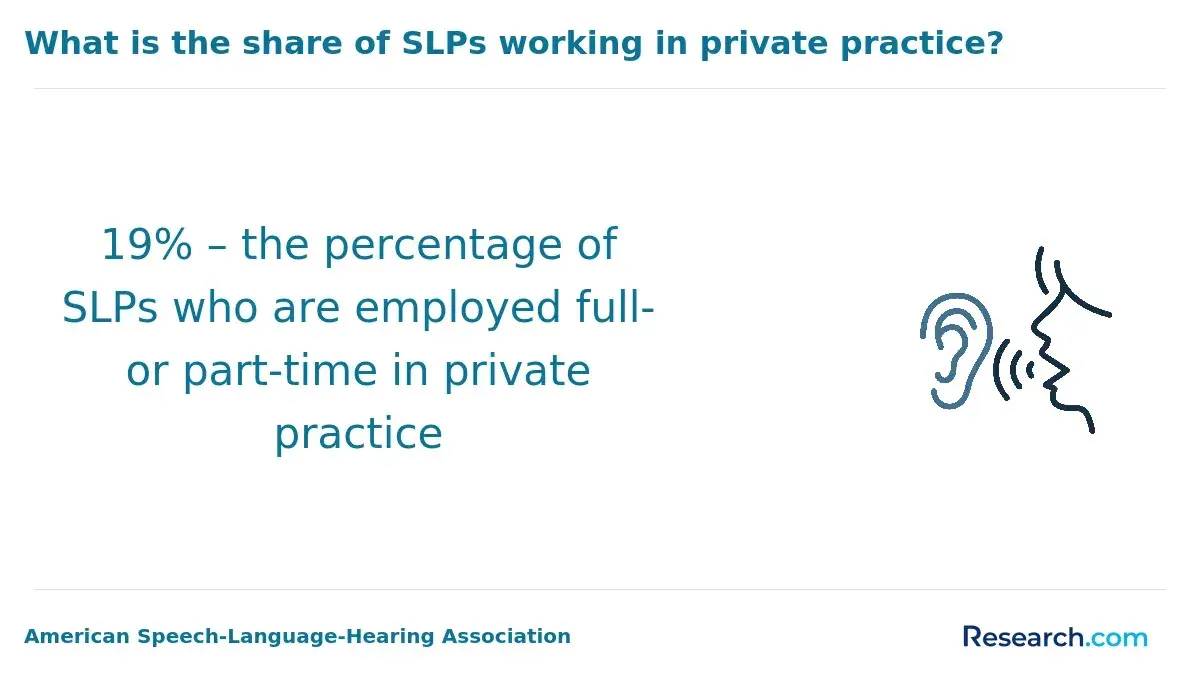
Competitive slp programs accepted only 19% of applicants recently, with some receiving six applicants per available seat. This emphasizes that although clinical experience is crucial to demonstrate readiness and commitment, admissions also depend on a well-rounded profile. For insights on the speech and language pathologist salary and career prospects, referencing these data can aid in planning your path effectively.
Is Clinical Experience Required for SLP Graduate Programs?
Clinical experience is generally not a formal requirement for admission to speech pathology graduate programs, but it remains a valuable asset. According to the 2024 ASHA CSD Education Survey, admissions committees prioritize a strong GPA-typically around a 3.7 mean-and completion of prerequisite coursework over clinical observation hours. In fact, clinical experience ranks below letters of recommendation and personal statements in importance.
Applicants often wonder how many clinical hours are needed before applying to speech pathology school. Programs recognize that candidates come from diverse backgrounds, including direct clinical observation in schools or hospitals as well as volunteer roles or internships. These experiences can strengthen an application but do not replace strong academic performance.
Practical clinical exposure helps demonstrate commitment and understanding of the profession. Admissions committees view clinical observation hours as evidence that candidates grasp professional demands and patient interactions. Those without clinical experience should emphasize academic excellence and secure strong, specific letters of recommendation that highlight their readiness and motivation.
Applicants should prioritize a high GPA and completing prerequisite courses rigorously. When clinical experience is included, it should be clearly explained in personal statements or recommendation letters to show relevant skills rather than as a standalone qualification. For those exploring flexible options, accelerated speech pathology programs may offer an efficient pathway into the field.
How Do You Gain Clinical Experience Before SLP School?
Gaining clinical experience for speech pathology school significantly strengthens your application by providing practical skills and a clear understanding of professional responsibilities. Start by shadowing licensed speech-language pathologists in various settings such as hospitals, schools, rehabilitation centers, or private practices to observe client interactions and daily duties.
Ways to obtain clinical hours before speech pathology program admission include volunteering under supervision, which often involves assisting with therapy materials or administrative tasks, and paid roles like speech-language pathology assistant positions that offer hands-on therapy and patient communication experience. These opportunities remain highly valued by graduate program admissions.
Students should also pursue internships or practicum placements via university partnerships or community programs, which give direct evaluation and treatment experience under professional guidance. Networking with SLP professionals and academic advisors can reveal lesser-known clinical opportunities and mentorships.
Maintaining detailed records of at least 25 to 50 hours of cumulative clinical exposure across varied populations and settings is recommended, as some graduate programs may expect even more. The growing demand for qualified clinicians underscores the importance of substantial clinical experience. The U.S. Bureau of Labor Statistics projects an 18% job growth for SLPs, adding approximately 14,000 new positions annually.
To explore options, prospective students can review SLP master's programs known for accessibility and quality, helping to plan an effective educational path.
What Are Typical SLP Program Admission Requirements?
Admission to most speech pathology programs requires a bachelor's degree with prerequisite courses such as anatomy, linguistics, psychology, and communication sciences. Applicants typically complete 25 to 50 hours of direct clinical observation or volunteer work in relevant settings. Some programs ask for additional hands-on experience like internships or assisting licensed clinicians. Because requirements vary, it's important to confirm clinical hour expectations with each program.
Academic standards often include a GPA between 3.0 and 3.5 on a 4.0 scale. Many programs require GRE scores, although some now waive or lessen this requirement in favor of a comprehensive application review. Strong letters of recommendation focusing on professionalism and relevant experience are essential, as are personal statements that clearly express motivation and understanding of the profession.
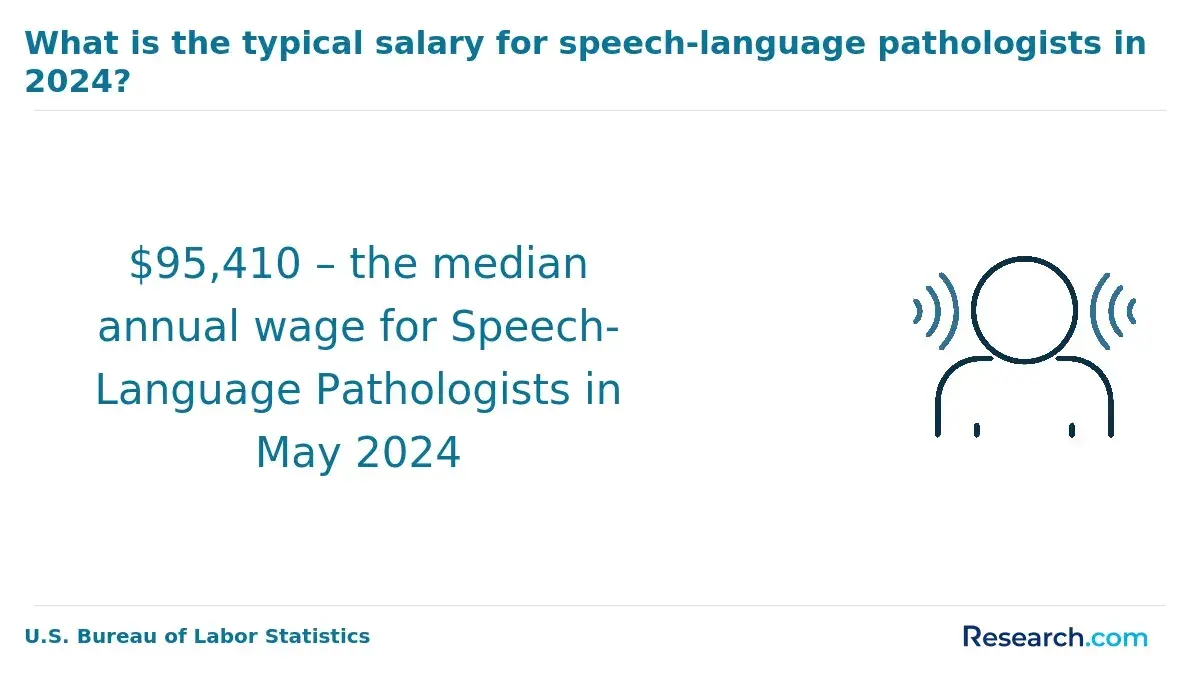
The career outlook for speech-language pathologists is positive, with median wages around $89,290 and the top 10% earning over $128,000 according to BLS Occupational Employment Statistics. This reflects the importance and value of rigorous academic and clinical preparation in the field.
In brief, prospective students should ensure they complete targeted coursework, accumulate sufficient clinical observation hours, maintain a competitive GPA, and prepare for GRE submission or alternatives. Tailoring each application to the specific requirements of individual programs improves chances of acceptance.
How Long Are SLP Master's Programs and What Do They Cost?
Most master's programs in speech pathology last 2 to 3 years, blending rigorous coursework with clinical practicum. Full-time students usually finish in two academic years, while part-time options extend to three or more years, accommodating working professionals and other commitments. Some programs offer accelerated or dual degree paths, impacting overall duration and costs.
Tuition varies widely: public universities charge between $20,000 and $50,000 total, while private institutions may exceed $75,000. Additional expenses include fees, textbooks, and clinical placement costs. Regional differences and residency status also strongly influence tuition rates, with in-state tuition often substantially lower.
Programs commonly offer flexibility for working students via evening or weekend classes. Important practical questions for applicants include the impact of part-time enrollment on graduation timelines and how tuition varies by location.
The return on investment is strong. According to the Georgetown University Center on Education and the Workforce 2025 Report, speech pathology master's graduates recoup tuition within 2.5 years after graduation and gain a lifetime earnings premium of about $1.2 million compared to peers with only bachelor's degrees. This highlights the financial advantage of attending an accredited program despite upfront costs and time commitments.
What Clinical Hours Are Required During SLP Graduate School?
Graduate programs in speech pathology require a minimum of 375 direct clinical hours, as mandated by ASHA, to qualify for professional certification. Recent data from the ASHA 2024 CSD Education Survey indicates that graduating students complete an average of 460 hours, exceeding the requirement by about 22%. This extra experience enhances readiness for clinical practice and certification exams.
Clinical hours involve supervised interaction with clients across various communication disorders in diverse settings such as hospitals, schools, rehabilitation centers, and private clinics. These experiences broaden students' exposure and must be carefully documented to meet accreditation and licensure standards.
Different accredited programs may focus clinical hours on specific populations or areas, like pediatrics or swallowing disorders. Students should review their program's practicum structure to align with career goals.
Advisors often suggest accruing more than the minimum hours to improve job prospects and meet varying state licensure requirements. Those aiming for dual certifications or specialization should consider extra clinical hours targeting these skills.
Online vs. Campus SLP Programs: Clinical Experience Differences?
Campus and online speech pathology programs differ mainly in how clinical experience is arranged. Campus programs usually offer clinical hours within campus-affiliated facilities, providing students with direct supervision and in-person mentorship alongside their coursework. This setup helps develop hands-on skills early through consistent observation. In contrast, online students must independently find and coordinate clinical placements with local healthcare providers, schools, or private practices, requiring strong organization and self-advocacy to meet accreditation standards.
Both formats require approximately 400 supervised clinical hours before graduation. Campus students benefit from established partnerships that simplify securing placements, while online students may experience variability in site quality and availability, which can affect progress.
After graduation, all students must complete a post-graduate clinical fellowship of 1,260 hours to earn CCC-SLP certification. The ASHA Clinical Fellowship Data Report 2025 shows that 98% of clinical fellows finished in 36 weeks, achieving certification within 12 months regardless of program type. This highlights that effective planning leads to timely career advancement.
Prospective students should carefully research available clinical placement support and supervision quality when choosing online or campus programs. Securing high-quality, supervised clinical experience is essential to meet licensure and certification requirements on schedule.
What SLP Certifications and Licenses Are Needed After Graduation?
Certification and licensure are essential steps after completing an accredited speech pathology program to practice professionally. The primary credential, the Certificate of Clinical Competence in Speech-Language Pathology (CCC-SLP) from the American Speech-Language-Hearing Association (ASHA), requires a master's degree, 400 hours of supervised clinical practicum, and a 36-week Clinical Fellowship (CF) with mentorship by a licensed SLP.
State licensure varies but generally follows ASHA standards and requires passing the Praxis Examination in Speech-Language Pathology. Some states also impose background checks or continuing education for license renewal. Graduates must check specific state requirements, as some settings like schools may require extra certification such as a teaching license.
Meeting clinical hour requirements can be challenging. Teletherapy has become a popular option, with 42% of pre-graduate applicants in 2025 using virtual observation hours for supervision, up from 15% in 2022. This method demands thorough documentation and adherence to state rules regarding remote supervision.
Maintaining certification involves ongoing education, typically 30 hours every three years. Prospective professionals should carefully select CF sites that comply with ASHA and state licensing board standards to ensure a smooth licensure path.
What Is the SLP Job Outlook, Salary, and Career Path?
Employment for speech-language pathologists (SLPs) is projected to grow 16% from 2020 to 2030, much faster than the average for all occupations, driven by an aging population and increasing awareness of communication disorders. Entry-level SLPs typically earn median salaries around $80,000 annually, while experienced professionals in hospitals, schools, or specialized settings can earn over $100,000.
Career paths usually start with clinical roles in diverse environments such as hospitals, schools, or private practices. Many SLPs specialize in areas like pediatric speech disorders, neurogenic impairments, or assistive technology, often advancing to supervisory, research, or academic positions. Certification from the American Speech-Language-Hearing Association (ASHA) and state licensure are crucial steps for career advancement.
Tuition for master's programs averaged $45,000 for public in-state students and $95,000 for private programs, according to the ASHA 2024 CSD Education Survey. Increasing program demand has led to changes in clinical experience requirements, affecting how soon students can start practicing clinically.
Prospective students should weigh tuition costs against clinical training opportunities, as programs offering integrated clinical experiences can lower overall expenses and speed up certification. Evaluating regional job market variations and salary trajectories can also guide education and career choices for speech pathology professionals.
Other Things You Should Know About Speech Pathology
In most cases, you cannot work as a licensed speech pathologist with only a bachelor's degree. A master's degree in speech pathology or communication sciences and disorders is typically required for clinical practice and state licensure. Some roles related to speech pathology, such as assistants or aides, may be available with a bachelor's degree but do not allow independent practice.
Yes, volunteer experiences can count toward clinical experience if they involve direct interaction with clients or patients dealing with speech, language, or swallowing disorders. These experiences should demonstrate your exposure to speech pathology settings, such as schools, hospitals, or rehabilitation centers, and provide relevant hands-on work with supervision. Documentation and clear explanation of your role are important for application purposes.
Strong communication skills, critical thinking, and empathy are essential for success in speech pathology programs. Additionally, students must have good observational abilities and patience to work effectively with diverse clients, including children and adults. Academic strengths in biology, psychology, and linguistics also support understanding of the underlying mechanisms of speech and language disorders.
References
- Speech-Language Pathologists: Salary, career path, job outlook, education and more - RaiseMe https://www.raise.me/careers/healthcare/speech-language-pathologists/
- Speech Pathologist Salary and Career Outlook https://teach.com/online-ed/healthcare-degrees/online-masters-speech-language-pathology/career-salary/
- Admission Requirements https://www.ualberta.ca/en/communications-sciences-and-disorders/programs/msc-in-speech-language-pathology/admissions/admission-requirements/index.html
- CCC-SLP Salary and Career Outlook https://speechpathologymastersprograms.com/become-speech-pathologist/ccc-slp-guide/ccc-slp-career-salary/
- After Graduation: Tips for Navigating the ASHA Certification and State Licensure Process - NSSLHA Blog https://blog.nsslha.org/2022/05/24/after-graduation-tips-for-navigating-the-asha-certification-and-state-licensure-process/
- How To Get SLP Observation Hours ? | https://www.therapyabroad.org/how-to-get-slp-observation-hours/
- 10 Ways to Get Clinical Experience for Med School https://www.medschoolcoach.com/how-to-get-clinical-experience-for-medical-school/
- Online Master of Science in Speech-Language Pathology | Maryville University https://slp.maryville.edu/online-programs/online-masters-degrees/speech-language-pathology/
- Online Master of Science in Speech-Language Pathology - General Pathway https://slponline.ithaca.edu/programs/masters-speech-language-pathology-online
- Speech Pathology Graduate Programs | ASHA Comparison Tool https://www.speechpathologygraduateprograms.org/speech-pathology-graduate-programs-comparison-tool/