2027 Praxis Exam Study Timelines for Speech Pathology Students

Co-Founder and Chief Data Scientist
Preparing for the Praxis exam can overwhelm many aspiring speech pathology professionals, especially those balancing work, coursework, and personal commitments. Without a clear timeline, candidates risk inadequate preparation or last-minute cramming that undermines confidence and performance. This challenge can be daunting for individuals transitioning from unrelated fields who must manage a steep learning curve while meeting certification requirements.
Understanding how to structure study efforts effectively is crucial to success. This article outlines strategic study timelines tailored for speech pathology students, aiming to guide readers through efficient preparation steps that enhance readiness and increase the likelihood of passing the Praxis exam on the first attempt.
Key Things You Should Know
- Candidates for the 2026 Praxis exam in speech pathology should allow 3-6 months for focused study, balancing content review with practice tests for best results.
- Approximately 65% of first-time test takers pass, emphasizing the need for early preparation, especially in areas like communication sciences and disorders.
- Utilizing official ETS materials and up-to-date clinical guidelines published in 2024 improves study efficiency and aligns knowledge with current professional standards.
What is the Praxis exam for speech pathology?
The Praxis exam for speech pathology is a standardized test required for certification and licensure as a speech-language pathologist in the United States. It assesses practical skills and foundational knowledge crucial for professional practice, including communication processes, assessment methods, intervention techniques, and key professional issues.
The test includes about 132 selected-response questions covering anatomy and physiology of speech and hearing mechanisms, speech sound disorders, language development and disorders, voice and fluency disorders, and audiology. Passing the Praxis is a mandatory step in many states to obtain the Certificate of Clinical Competence (CCC) from the American Speech-Language-Hearing Association (ASHA) and to meet state licensure requirements. Requirements for passing the Praxis exam in speech pathology vary by jurisdiction, with some states enforcing additional clinical hours or coursework beyond the exam score.
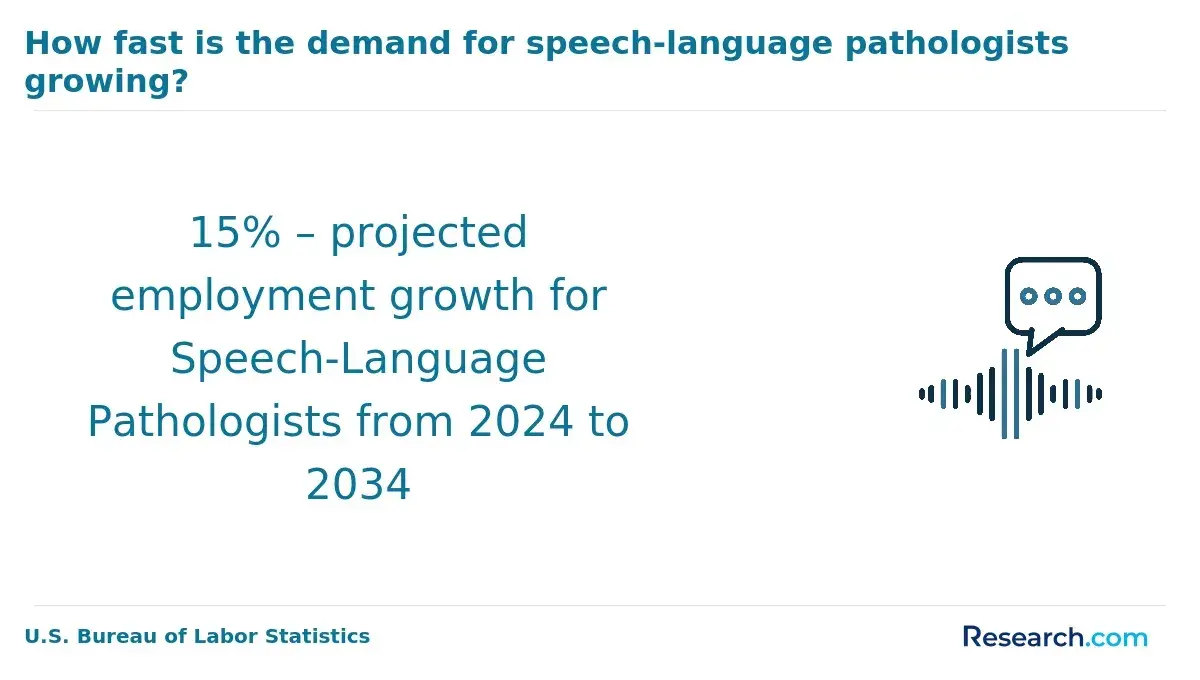
Effective preparation involves using official practice materials, honing in on weaker content areas, and taking timed practice tests to manage time pressure. Candidates facing the exam benefit from systematic study plans addressing the exam's comprehensive scope. Since employment of speech-language pathologists is projected to grow 15% from 2024 to 2034, this certification opens doors in healthcare, education, and rehabilitation fields. Those exploring advanced education options should consider a speech pathologist online degree to enhance skills and career prospects.
When should speech pathology students take the Praxis exam?
Speech pathology students in the United States should plan to take the Praxis exam during the final semester of their graduate program or immediately after completing all required coursework. Most programs recommend scheduling the exam once all core courses and clinical practicum hours are finished, maximizing comprehensive readiness. Attempting the exam too early often results in lower scores and the need for retakes, which can delay certification and employment.
Some students who finish coursework before completing clinical requirements may choose to take the exam after gaining sufficient clinical experience. This strategy reinforces applied knowledge and boosts confidence. Others facing scheduling conflicts or state licensure deadlines might test immediately after graduation to avoid administrative delays. The best timing for speech pathology students to schedule the Praxis test balances readiness with external demands.
Early planning is crucial because Praxis test dates are offered monthly, though availability varies by location. Booking at least three months in advance helps secure preferred dates and reduces stress. Most students benefit from 8 to 12 weeks of focused study before the exam, aligning preparation with their program completion.
According to the Bureau of Labor Statistics, the median annual wage for speech-language pathologists was $95,410 in May. Passing the Praxis promptly helps accelerate entry into this well-compensated field. For those curious about career prospects, explore the highest paid SLP roles to understand the financial potential in this profession.
What is a realistic Praxis study timeline for speech pathology?
A realistic Praxis study timeline for speech pathology students generally spans 8 to 12 weeks, allowing focused preparation without burnout. Early planning ensures time to review key exam domains such as oral communication, comprehension, and linguistic diversity. An effective praxis exam preparation schedule for speech pathology students can be divided into three phases:
- Weeks 1-4: Build foundational knowledge by studying diagnostic and treatment concepts, speech and language development, and professional ethics.
- Weeks 5-8: Focus on practice tests and clinical case applications to improve test skills and knowledge retention.
- Weeks 9-12: Target weak areas identified through practice exams and complete a full-length timed test to mimic exam conditions.
Those balancing full-time work or coursework might extend this timeline to 16 weeks with shorter daily sessions for consistency. Conversely, students coming directly from graduate studies and clinical rotations may prepare effectively in 6 weeks. Using reputable study guides and enrolling in specialized Praxis review courses help manage test anxiety and cover the wide exam content effectively.
Salary incentives, notably the median $116,000 in California, motivate dedicated exam preparation and timely licensure. For learners seeking accelerated paths, fast track speech pathology programs offer options to advance quickly.
Which Praxis score is required for speech pathology certification?
The required Praxis score requirements for speech pathology certification vary by state but typically range between 162 and 175 on the Praxis Speech-Language Pathology Exam (Test Code 5331). Many states set a minimum passing Praxis score for speech pathology licensure at either 162 or 170, with California and Texas often requiring 162 and New York commonly at 170. Candidates should consult their specific state board since some states may also include clinical hour requirements or graduate degree verification alongside the exam score.
Achieving the passing score is vital for licensure and employment in speech-language pathology. Professionals in certain settings, such as skilled nursing facilities, earn among the highest salaries, averaging $113,630 annually. Because the minimum passing Praxis score for speech pathology licensure differs by location, understanding your state's cutoffs helps tailor preparation efforts effectively.
Preparing strategically for the exam includes focusing on core topics like speech sound disorders, language development, and professional issues. Multiple retakes may be allowed but often with yearly limits. To enhance education pathways, exploring SLP master's programs can support both certification success and career advancement.
What are the best study resources for Praxis speech pathology?
High-quality study resources are crucial for success on the 2026 Praxis exam for speech pathology. Official ETS Praxis study guides offer reliable content outlines and sample questions tailored to the exam's rigor. They focus on key areas such as language development, disorders, and intervention techniques, helping candidates target their preparation effectively.
Supplementing these guides with materials like Mosby's Review for the Praxis or Speech Pathology Exam Secrets provides additional practice questions and strategies. These books offer detailed explanations of challenging topics including neuroanatomy and audiology.
Interactive online platforms such as Mometrix and Pocket Prep also support exam readiness by providing timed quizzes and adaptive practice tests that enhance time management skills. These tools track progress and highlight weaker areas for focused study.
Enrolling in formal review courses, whether online or in-person, led by certified speech-language pathologists, can further strengthen understanding through hands-on exercises and peer discussions, which are invaluable for mastering complex clinical content.
Research shows that earning the CCC-SLP credential significantly boosts income potential for speech-language pathologists. Candidates should prioritize study materials and courses that simulate the exam's scope to improve their chances of passing on the first attempt, optimizing both time and expenses.
How do I create a personalized Praxis study schedule?
Begin your Praxis study plan by setting your exam date and working backwards to create a realistic timeline. Take a diagnostic test covering all speech pathology content areas to identify strengths and weaknesses, especially in language development, articulation, or swallowing disorders. Focus your plan on these weaker topics for efficient improvement.
Structure your preparation with weekly goals targeting specific skills or knowledge domains. For example, allocate two weeks to diagnostics and assessments before moving on to treatment strategies. Plan daily study blocks of 1-2 hours, adapting based on your schedule and retention capabilities. Consistency with shorter, focused sessions leads to better long-term retention than occasional lengthy study marathons.
Use diverse study methods such as reading textbooks, reviewing lecture notes, practicing sample questions, and attending webinars. Track progress weekly and adjust your schedule to spend more time on challenging areas.
Account for external commitments like work or clinical hours to prevent burnout. Schedule buffer weeks before your exam for comprehensive review and full-length timed practice tests to build stamina and test-taking confidence.
Note geographic differences in career outcomes, as states like California and New Jersey offer salaries approximately $30,000 higher annually. This awareness can help you focus your preparation and career planning effectively. Ultimately, a customized Praxis study schedule balances diagnostic clarity, targeted content review, and manageable pacing tailored to your lifestyle, supporting systematic progress and confidence on exam day.
What are common Praxis speech pathology exam topics?
The Praxis speech pathology exam evaluates knowledge vital for clinical proficiency in communication disorders. It encompasses human communication anatomy and physiology, focusing on how speech and language functions arise from detailed neuroanatomical and developmental processes.
Key exam content includes developmental and acquired speech-language disorders such as articulation errors, language delays, fluency challenges, aphasia, dysarthria, and voice impairments. Candidates must be adept with assessment and diagnostic methodologies, including both standardized and nonstandardized evaluation techniques.
Intervention techniques cover a broad spectrum of tailored treatment plans, emphasizing evidence-based approaches for diverse populations. Case analysis involving goal setting and treatment adjustments plays a crucial role. Language topics address phonetics, phonology, morphology, syntax, semantics, and pragmatics, spanning both childhood and adult disorders.
Understanding healthcare regulations, documentation, and interdisciplinary collaboration is essential. The exam content effectively prepares candidates for the complex realities of speech pathology practice in diverse healthcare settings.
How to register for the Praxis speech pathology exam?
To register for the 2026 Praxis speech pathology exam, candidates must create an account on the official Educational Testing Service (ETS) website and select their preferred test date and location. Testing centers are available nationwide year-round, but early registration is recommended as slots fill quickly, especially in urban areas. Candidates should have a valid government-issued photo ID and a payment method ready; fees generally range from $120 to $160 depending on location. ETS accepts credit cards and electronic checks, and after payment, candidates receive a confirmation email with appointment details.
Those needing to retake the exam must wait at least 21 days between attempts and follow the same registration steps. Some states or certification programs may require additional paperwork before ETS approves registration, so checking with state licensing boards or graduate programs is advised to avoid delays.
Special accommodations are available for test-takers with documented disabilities or health-related needs; requests and supporting documentation must be submitted during registration for ETS approval.
Practicing speech-language pathologists benefit from the profession's steady growth, with over 212,000 certified professionals nationwide increasing at about 3.3% annually, according to ASHA. Timely registration and thorough preparation align with certification timelines critical for career advancement.
What are passing tips for Praxis speech pathology?
Passing the Praxis speech pathology exam demands focused, strategic preparation tailored to the exam's content areas and their weighting. Prioritize study time based on domain importance, dedicating more hours to sections carrying greater credit. Utilize official study materials and timed practice tests to replicate exam conditions and identify weaker areas.
Break your study schedule into manageable daily goals, such as 1-2 hours for content review paired with practice questions. Employ active learning methods like flashcards, summarizing key concepts, and teaching aloud to boost retention. Incorporate diverse resources including textbooks, accredited online modules, and video lectures.
Overcome challenges by using scenario-based questions to apply clinical knowledge, simulating case studies on language disorders and therapeutic interventions. Regular self-assessment through quizzes helps tailor study strategies effectively.
On test day, ensure familiarity with the computer-based format, get adequate rest, and arrive early to minimize anxiety. Avoid last-minute cramming in favor of light note reviews.
How does Praxis impact speech pathology career paths?
The Praxis exam is essential for advancing a career in speech pathology across most U.S. states. Passing this exam confirms that candidates meet the established knowledge and skill standards required for professional licensure. Not passing can delay eligibility for state licensure and restrict job prospects, thereby affecting both career growth and earning potential.
Passing the Praxis opens various career paths beyond clinical practice, including pediatric speech therapy, neurogenic communication disorders, and voice pathology. It also qualifies professionals for roles in schools and healthcare settings where a state license is required and Praxis scores are verified.
Graduate students and recent graduates should plan Praxis exam preparation early within their academic schedule. Effective strategies include focused test prep courses, practice exams, and study groups that emphasize both core knowledge and test-taking skills.
High achievers can access advanced career opportunities and leadership roles, with experienced speech-language pathologists earning upwards of $120,000 annually, according to salarymap.cc. However, candidates must navigate varying state score requirements and possible retakes by strategically scheduling their exams and dedicating resources to preparation.
Other Things You Should Know About Speech Pathology
Gaps in clinical experience may hinder a student's readiness for the Praxis exam because practical skills reinforce theoretical knowledge. Without consistent clinical exposure, students might find it harder to apply concepts on the exam or during professional practice. It is advisable to maintain steady clinical involvement throughout the program.
Yes, the Praxis exam offers accommodations for eligible test-takers with documented disabilities. These accommodations can include extended testing time, separate testing rooms, or alternative test formats. Candidates should request accommodations well in advance and provide appropriate documentation as outlined by the Educational Testing Service (ETS).
Passing the Praxis exam is only one step in becoming a licensed speech pathologist; each state has its own certification and licensure requirements. These often include additional clinical hours, background checks, and continuing education. Candidates should verify their state's specific post-exam requirements to ensure they meet all criteria for professional practice.
References
- How to Ace Your Praxis Test: 11 Proven Study Strategies https://www.examedge.com/blogs/how-to-study-for-a-praxis-test.cfm
- Register for a Praxis Test https://praxis.ets.org/test-taker/register-process.html
- Praxis® CCC-SLP: Everything You Need to Know About the Exam https://truelearn.com/resource-library/praxis-ccc-slp-everything-you-need-to-know/
- SLP PRAXIS Exam Prep https://www.therapyed.com/slp-praxis-exam/
- Praxis Speech-Language Pathology Practice Questions https://www.240tutoring.com/praxis-prep/praxis-speech-language-pathology-practice-test/
- Top 10 Tips for Badass Speech Students Taking the Praxis https://speechisbeautiful.com/2015/03/top-10-tips-for-badass-speech-students-taking-the-praxis/
- Studying for (AND Passing) the Speech-Language Pathology Praxis https://speechiestudio.com/studying-for-and-passing-the-speech-language-pathology-praxis/
- Now is a great time to become a speech pathologist – here's why https://www.vu.edu.au/about-vu/news-events/vu-blog/now-is-a-great-time-to-become-a-speech-pathologist-heres-why
- Top Careers in Speech and Language Pathology: A Guide https://www.growwithcoral.com/blog/top-careers-in-speech-and-language-pathology-a-comprehensive-guide
- How to Study for the SLP Praxis Exam (with examples!) https://www.communicationcommunity.com/how-to-study-for-the-slp-praxis-exam/