2027 Community-Based Speech Therapy Careers for SLP Graduates

Co-Founder and Chief Data Scientist
Imagine an individual with an unrelated bachelor's degree wanting a fulfilling career shift into community-based speech therapy but unsure where to start. Many face challenges identifying accredited programs that offer flexibility while meeting state licensure requirements. Additionally, understanding job roles beyond traditional clinical settings complicates the decision-making process. This confusion may delay career progress and cause unnecessary expenses.
The article explores viable educational pathways and career opportunities in community-based speech therapy, highlighting flexible, accredited options tailored for non-SLP graduates. It aims to guide readers toward informed choices for entering this growing healthcare field with confidence.
Key Things You Should Know
- Community-based speech therapy careers for SLP graduates are growing rapidly, with employment projected to increase 21% from 2024 to 2034 according to the U.S. Bureau of Labor Statistics.
- Most roles focus on pediatric and geriatric populations, requiring skills adaptable for diverse settings including schools, homes, and outpatient clinics.
- Certification from the American Speech-Language-Hearing Association (ASHA) remains essential, and graduates with bilingual abilities have a competitive advantage in community services.
What Are Community-Based Speech Therapy Careers?
Community-based speech therapy jobs involve delivering speech and language support outside traditional clinical settings, directly within local communities, schools, homes, or workplaces.
Speech-language pathologists (SLPs) working in this area assist diverse groups, including children with developmental delays, adults recovering from strokes, and elderly patients facing neurodegenerative challenges. These roles require flexibility to adapt treatment strategies across varied environments.
Common community speech pathology career opportunities include working in public schools to help children enhance communication skills in educational contexts.
SLPs often collaborate with community health centers or non-profit organizations to serve underserved populations. Home health visits for adults with aphasia or cognitive-communication disorders are also typical. Success in these positions demands strong interdisciplinary teamwork and cultural competence.
These roles emphasize preventive care, family education, and practical communication strategies tailored to daily life. Advocacy to improve awareness and access to communication disorder services is another key aspect.
According to ASHA's 2025 SLP Health Care Survey, the median full-time annual salary for speech-language pathologists in health care settings is $90,000, reflecting competitive compensation for community-based work.
Challenges include managing caseloads across multiple locations and facing limited resources. However, these roles offer significant impact by integrating therapy directly into patients' routines.
Gaining diverse experience and adaptable skills is vital for anyone pursuing community-based speech therapy jobs. Prospective students can explore best online speech pathology programs to prepare effectively for such careers.
What Education Is Required for SLP Community Roles?
Becoming a speech-language pathologist (SLP) in community roles in the United States requires earning a master's degree in speech pathology or communication sciences and disorders accredited by the Council on Academic Accreditation in Audiology and Speech-Language Pathology (CAA).
This education covers essential topics like anatomy, linguistics, neurodevelopment, and clinical methods that prepare professionals to work with diverse populations in schools, clinics, and nonprofits.
For those exploring certification and degree paths for SLP community careers, completing supervised clinical practica, typically around 400 hours-is mandatory to gain hands-on experience with real-world cases.
Certification by the American Speech-Language-Hearing Association (ASHA) through the Certificate of Clinical Competence (CCC-SLP) is usually required or highly preferred. Many states also mandate licensure which may include additional exams or education.
Postgraduate specialized certifications or continuing education focusing on pediatric speech disorders or adult neurogenic communication disabilities can further enhance community-based practice success.
Experts note the importance of understanding multicultural communication disorders and bilingual client needs in community settings.
Online programs offering CAA-accredited degrees provide flexibility for working professionals juggling education and employment. According to the Bureau of Labor Statistics, job growth for speech-language pathologists is expected to rise 15% from 2024 to 2034, adding approximately 28,200 new roles.
Those considering this career should also review compensation trends, including medical SLP salary data to make informed decisions about their professional future.
How Do You Become a Licensed Speech-Language Pathologist?
To become a licensed speech-language pathologist in community settings, candidates must earn a master's degree in speech pathology from an accredited program, which usually takes about two years post-bachelor's. Many students explore options like 5 year speech pathology programs for accelerated pathways.
After coursework and supervised clinical experience, aspiring SLPs are required to complete a clinical fellowship year (CFY) involving roughly 1,260 hours of mentored practice in environments such as schools, hospitals, or community clinics.
The requirements for speech-language pathology licensure in community settings also include passing a national exam administered by the American Speech-Language-Hearing Association (ASHA) or the respective state licensing board. Once licensed, SLPs must maintain their credentials through continuing education, emphasizing the need for ongoing professional development.
In roles outside hospitals, particularly in nursing and residential care facilities, licensed SLPs can expect median annual wages of about $106,500. This highlights the strong career prospects and financial viability of working as a speech-language pathologist in diverse community-based settings.
Additionally, ASHA certification boosts job opportunities and professional credibility. Overall, the journey to licensure focuses on advanced education, hands-on clinical training, and successful exam completion to meet the statutory requirements for practicing legally as an SLP.
What Degrees Lead to Community SLP Positions?
Community-based speech-language pathology (SLP) roles require candidates to hold at least a master's degree accredited by the Council on Academic Accreditation in Audiology and Speech-Language Pathology (CAA).
These degrees provide essential clinical knowledge and hands-on experience through fieldwork in nursing homes, schools, and outpatient clinics, which prepare graduates for diverse community health settings. This emphasis on community-based speech therapy degrees ensures readiness for real-world practice.
A bachelor's degree in communication sciences and disorders offers foundational knowledge but does not qualify one for certification or clinical work. The master's degree is the recognized entry point for licensure and certification by the American Speech-Language-Hearing Association (ASHA).
Examples of relevant graduate programs include:
- Master of Science (M.S.) in Speech-Language Pathology
- Master of Arts (M.A.) in Speech-Language Pathology
- Combined bachelor's/master's programs focused on speech-language pathology
Certification and clinical fellowships following the master's degree are required, especially for community roles in nursing and residential care facilities. Nearly 20% of SLP jobs are in these settings, underscoring the importance of training tailored to aging populations and rehabilitation.
Doctoral degrees like Au.D. or Ph.D. allow for specialization in research or advanced clinical practice but are not mandatory for typical community roles. Graduates pursuing speech language pathology master's programs should ensure their curriculum includes adequate clinical practicum hours and state licensure preparation.
This approach aligns with the demands of employers and supports career advancement in evolving community care environments, matching the focus of many SLP graduate programs for community practice.
What Does an SLP Curriculum Cover for Community Practice?
An SLP curriculum for community practice offers comprehensive training designed for diverse settings such as home health, outpatient clinics, and schools.
Core coursework covers anatomy and physiology of speech and hearing mechanisms, language development across the lifespan, and assessment techniques for communication disorders. Students also learn intervention strategies for conditions like aphasia, dysphagia, and pediatric speech delays, focusing on practical outcomes in daily environments.
Clinical practicum experiences emphasize real-world application, where students develop therapy plans tailored to outpatient or home-based clients, considering cultural and socio-economic diversity. Interdisciplinary collaboration skills are integrated, preparing graduates to work alongside physical therapists, occupational therapists, and audiologists.
Ethical and legal aspects such as patient confidentiality and consent are essential components, especially for community and home health settings. Training in data analysis and outcome measurement equips students to monitor progress and support evidence-based practice.
Notably, 26% of SLP jobs are in offices of physical, occupational, and speech therapists, and audiologists, highlighting the importance of outpatient and home-based care skills.
Specialized modules may include telepractice technology training to deliver remote services effectively. Cultural competence is also emphasized to serve diverse populations with respect.
This curriculum structure ensures graduates are equipped with the knowledge and practical tools needed for immediate impact in community-centered roles, matching workforce demands and expanded career opportunities.
What Are Admission Requirements for SLP Programs?
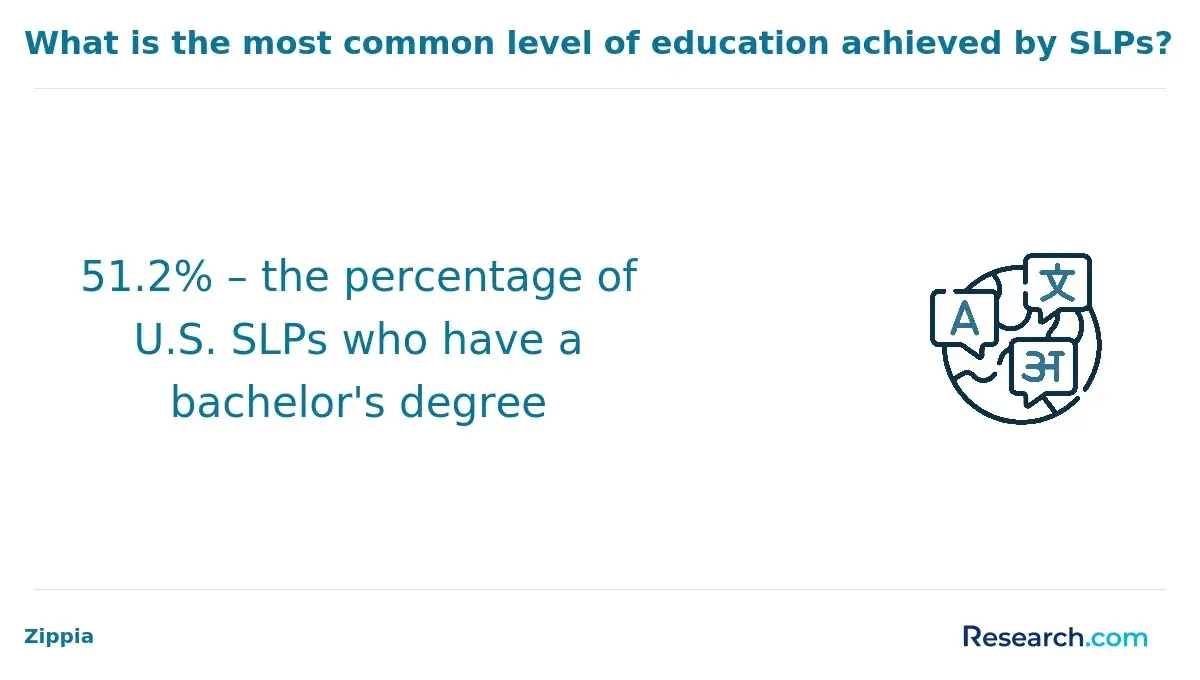
Applicants to SLP programs generally need a bachelor's degree focused on communication sciences or related fields like linguistics, psychology, or biology. Foundational knowledge in anatomy, physiology, and language development is essential. Most programs require a minimum GPA of around 3.0, with more competitive programs expecting higher academic achievement.
Standardized testing such as the GRE may be required, though some schools have made it optional. Prerequisites often include coursework in phonetics, statistics, and child development. Letters of recommendation are crucial, showcasing academic performance and interpersonal skills needed in clinical settings.
Clinical observation hours, usually between 25 and 50, are required in environments like pediatric clinics or schools. This clinical exposure is important because speech/language impairments constitute 19% of all special education services in public schools, per beaminghealth.com. Experience with children or diverse populations strengthens applications.
Applicants must submit personal statements outlining their motivation and goals. Interviews may be part of the process to evaluate communication skills. International students often need TOEFL or IELTS scores. Since requirements vary, checking individual program websites early helps ensure eligibility and smooth preparation of transcripts and documents.
What Is the Cost and Length of SLP Degree Programs?
Speech-language pathology degree programs in the U.S. typically take between two and seven years, depending on the level pursued. A master's degree, which is the standard credential for clinical practice, usually requires two years of full-time study after earning a bachelor's degree.
Doctoral programs, more research-oriented and less common, extend three to five years beyond the bachelor's level. Some students opt for combined bachelor's and master's pathways to shorten total study time.
Costs vary widely by institution and residency. Public universities generally charge $25,000 to $45,000 for a full master's program, while private institutions often exceed $60,000.
Additional expenses can include textbooks, clinical practicum fees, licensing exam preparation, and relocation costs. Part-time study options might extend program length and increase overall costs.
Key practical considerations include the significant time commitment and financial investment. Intensive clinical hours required in many programs may limit opportunities for concurrent employment.
Career changers might consider accelerated post-baccalaureate tracks, although these often come with higher tuition fees. Scholarships, assistantships, and loan forgiveness programs aimed at candidates serving underserved populations or geriatric communities can ease financial burdens.
What Salaries Can SLP Graduates Expect in Community Settings?
SLP graduates pursuing community-based speech therapy roles encounter varied salary ranges influenced by setting, location, and experience. Entry-level positions in public schools usually offer between $50,000 and $65,000 annually, with some districts providing signing bonuses or stipends due to staffing shortages.
Healthcare and private clinics often start salaries higher, typically between $55,000 and $70,000, reflecting the demand for specialized services.
Severe staffing shortages are prevalent in schools, with 79% of SLPs reporting shortages according to Amergis Education. These shortages temporarily raise salaries in some areas but also increase caseloads, often requiring community-based SLPs to manage 60-70 students-well above recommended limits.
Experienced SLPs or those with certifications in areas like fluency or augmentative communication often earn more than $75,000. Salaries in urban and high-cost regions tend to be higher, while rural areas offer lower pay, generally $50,000-$55,000, balanced by lower living costs.
Graduates should weigh salary offers against caseload sizes and available support, negotiating for benefits such as professional development or reduced caseloads to improve job quality and sustainability.
What Is the Job Outlook for Community Speech Therapists?
The demand for community speech therapists is growing rapidly, with the Bureau of Labor Statistics projecting a 21% increase in jobs for speech-language pathologists from 2022 to 2032.
This growth is fueled by greater awareness of speech disorders among children and adults in schools, healthcare, and social service environments. Opportunities are expanding for those entering the profession, especially graduates who are prepared for versatile roles.
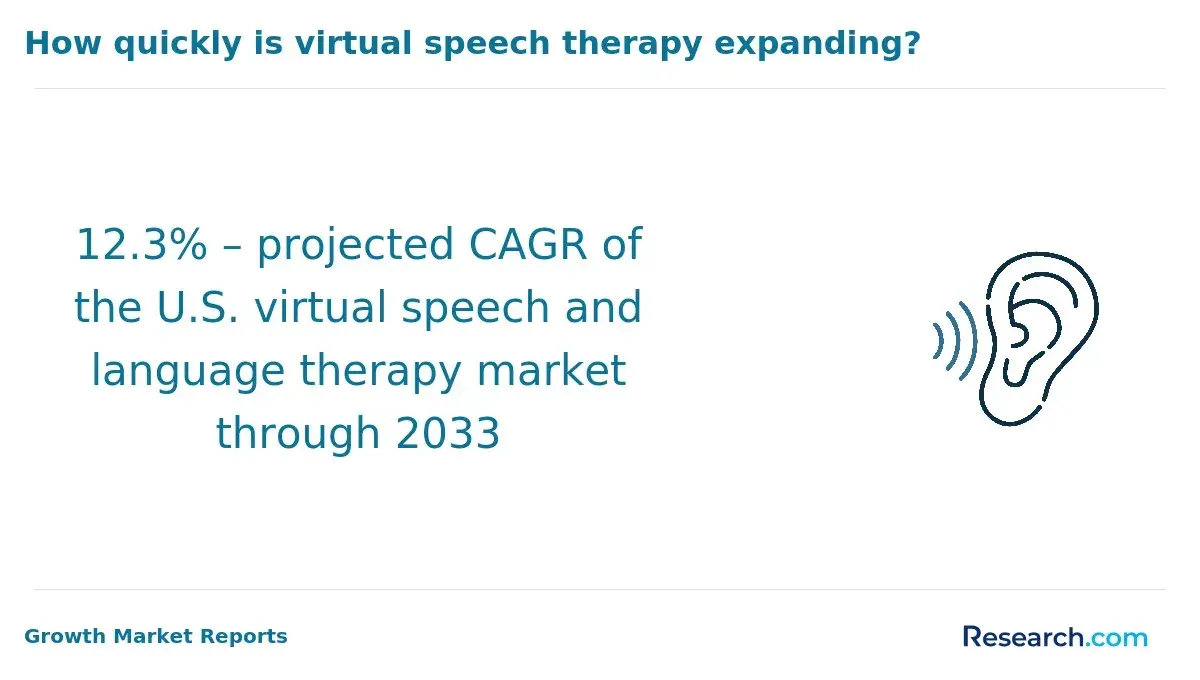
Digital and teletherapy services are reshaping community-based speech therapy. The market for digital speech therapy is expected to grow by 9.8% annually through 2028, creating new remote care roles that improve access for patients in rural or underserved areas.
Proficiency in telepractice technology and virtual communication platforms will give graduates a competitive advantage.
Community speech therapists work in a variety of settings such as public schools, outpatient clinics, rehabilitation centers, and non-profits. They address diverse needs including developmental delays in children, stroke recovery, and communication challenges related to aging.
Key advice for new graduates includes:
- Adaptability to flexible work environments.
- Continuous training in emerging digital tools.
- Certifications in teletherapy.
- Experience with multicultural populations.
- Staying informed on Medicaid and educational funding policies.
These strategies enhance employability and career sustainability in a competitive field.
How to Choose an Accredited SLP Program for Community Careers?
Choosing an accredited speech pathology program designed for community careers involves confirming accreditation by the Council on Academic Accreditation in Audiology and Speech-Language Pathology (CAA). This accreditation ensures the program meets professional standards necessary for certification and effective service in diverse community settings.
Strong clinical training in environments such as schools, rehabilitation centers, and outpatient clinics is essential. Exposure to multilingual and multicultural populations enhances preparedness for community-based roles.
Programs partnered with local agencies or public schools often provide valuable experience handling varied communication disorders across different socio-economic backgrounds.
Flexibility in program length and structure-offering accelerated or part-time options-supports working professionals or those balancing other commitments. Verifying that clinical hours meet state licensure requirements and the Certificate of Clinical Competence from ASHA is crucial.
Faculty expertise in community-based intervention and prevention, along with mentorship from experienced clinicians, strengthens employment prospects in the community sector. According to ASHA, over 210,000 certified speech-language pathologists benefit from 15% projected job growth through 2034, reflecting strong demand.
Reviewing graduation rates, certification exam pass rates, and employment data for community roles provides insight into program quality and relevance. Selecting a program with a robust alumni network in community settings can aid in job placement and career development.
Other Things You Should Know About Speech Pathology
Speech-language pathologists working in community settings often engage in diverse environments such as schools, public health clinics, rehabilitation centers, and nonprofit organizations. These settings allow SLPs to deliver therapy across all age groups, addressing communication disorders within the broader community context rather than exclusively in hospital or private practice environments.
In 2027, SLP graduates in community-based careers face challenges such as navigating teletherapy technology, addressing diverse community needs, and managing high caseloads due to increased demand. Understanding cultural diversity and adapting therapy methods to suit specific local needs also play a significant role in effective practice.
Collaboration is a key component of community-based speech pathology careers. SLPs frequently work alongside educators, occupational therapists, social workers, and medical providers to develop comprehensive care plans. This interdisciplinary approach ensures that clients receive coordinated services that address their communication needs as well as other related challenges.
Yes, there are specialized certifications that speech-language pathologists can pursue to enhance their community-based practice, such as certifications in pediatric feeding and swallowing, autism spectrum disorders, or augmentative and alternative communication (AAC). These certifications, typically offered by professional organizations like the American Speech-Language-Hearing Association (ASHA), help SLPs demonstrate expertise in specific areas relevant to diverse community populations.
References
- MS Speech-Language Pathology FAQ https://www.pacific.edu/healthsciences/programs/speech-language-pathology/frequently-asked-questions
- Admission Requirements https://www.ualberta.ca/en/communications-sciences-and-disorders/programs/msc-in-speech-language-pathology/admissions/admission-requirements/index.html
- NDIS Speech Pathology Jobs | Better Rehab https://betterrehab.com.au/job-openings/speech-therapist-jobs/
- Career Pathways Of Speech-Language Pathology Professionals https://www.therapyabroad.org/career-pathways-of-speech-language-pathology-professionals/
- Community-Based Model of Clinical Education https://www.pacificu.edu/speech-language-pathology-ms/curriculum/community-based-model-clinical-education
- Top Careers in Speech and Language Pathology: A Guide https://www.growwithcoral.com/blog/top-careers-in-speech-and-language-pathology-a-comprehensive-guide
- What Is the Average Salary for Speech Therapists? | Advanced Therapy Clinic https://www.advancedtherapyclinic.com/blog/what-is-the-average-salary-for-speech-therapists
- How to Become a Speech-Language Pathologist - VocoVision https://www.vocovision.com/resources/therapists/how-to-become-a-speech-language-pathologist/
- SLP Salary & Career Settings | High-Demand States for Speech Therapists | ERES https://eres.com/blog/slp-salary-career-settings-high-demand-states
- Speech-Language Pathology Jobs https://thesteppingstonesgroup.com/careers/speech-language-pathology-jobs/