2027 Working in Telepractice After Earning an Online SLP Degree

Co-Founder and Chief Data Scientist
Many graduates with online slp degrees face uncertainty when transitioning to telepractice roles. They often encounter challenges such as understanding remote client engagement, technology requirements, and licensure across states. The rapid shift to telepractice during the pandemic has left some practitioners unprepared for the unique demands of virtual therapy. Navigating these obstacles is critical for effective service delivery in diverse settings and for diverse populations. This article examines the key aspects of working in telepractice after earning an online slp degree and offers practical guidance to help professionals adapt and succeed in remote speech pathology roles.
Key Things You Should Know
- By 2026, telepractice comprises over 35% of speech pathology services nationwide, reflecting widespread adoption accelerated by regulatory support and technological advances since 2024.
- Graduates with online SLP degrees meet all ASHA certification requirements, enabling eligibility for the CCC-SLP credential essential for telepractice licensure across many U.S. states.
- Effective telepractice demands additional skills in digital communication and client engagement, with 78% of employers prioritizing candidates experienced in virtual assessment and intervention techniques.
What is telepractice and how do speech-language pathologists use it in clinical practice?
Telepractice enables speech-language pathologists (SLPs) to deliver clinical services remotely through digital platforms, supporting a range of activities such as articulation therapy, fluency management, cognitive-communication treatment, and language intervention. This flexible approach helps overcome geographic barriers, allowing clinicians to conduct assessments, provide therapy, and collaborate with caregivers without in-person constraints. It also addresses access challenges for clients in rural or underserved areas and those with mobility issues.
Telepractice speech-language pathology in clinical settings requires SLPs to use secure, HIPAA-compliant software to protect client confidentiality. Reliable internet, training in digital tools, and adapting therapy materials for virtual use are essential for effective delivery. State licensure rules vary for telepractice, so clinicians must stay informed to ensure compliance. This method also supports service continuity during circumstances that limit in-person visits, such as public health emergencies.
Implementing telepractice therapy has become increasingly important as the demand for remote education and training grows. The rise of CAA-accredited online and hybrid SLP degree programs ensures that new professionals are equipped for digital service delivery. Prospective students interested in these pathways can explore online SLP programs masters to find affordable and accessible options that prepare them for telepractice and clinical work.
What are the accreditation and licensing requirements for online SLP degrees in the United States?
To practice as a speech-language pathologist in the United States after earning an online SLP degree, students must graduate from a program accredited by the Council on Academic Accreditation in Audiology and Speech-Language Pathology (CAA). This accreditation is essential for meeting high standards of academic and clinical training required by employers and state licensure boards. Accreditation requirements for online SLP degrees in the United States are stringent to ensure quality education.
Licensing criteria for speech pathology online programs in the US generally include:
- Graduation from a CAA-accredited master's or doctoral program
- Completion of a supervised clinical fellowship, usually 1,260 hours over approximately 9 months
- Passing the Praxis Examination in Speech-Language Pathology administered by ETS
- Approval from the specific state's licensing board
Many online programs support students in fulfilling these licensing criteria by facilitating practicum placements in approved local settings. State-specific requirements might also involve jurisprudence exams or continuing education.
Employers often value the ASHA's Certificate of Clinical Competence (CCC-SLP) for licensure portability, though it does not replace state licensure. Graduates benefit from a high employment rate of 96.8%, demonstrating the effectiveness of accredited online pathways.
For those curious about earnings, you can explore how much do speech pathologists make based on various careers and specialties within the profession.
How do online SLP degree programs compare to campus-based programs in terms of clinical training?
Online SLP degree clinical training comparison reveals that programs now provide clinical experiences comparable to campus-based training through advanced technology and structured formats. Both must meet the Council on Academic Accreditation (CAA) requirements, which include a minimum of 400 clinical clock hours necessary for certification eligibility. Online curricula often combine live telepractice sessions with local in-person placements to fulfill these requirements.
The differences between online and campus-based speech pathology clinical practice center on supervision methods. While campus programs typically emphasize direct, in-person clinical observation, online students engage in supervised virtual sessions using video conferencing tools. This model reflects current telepractice realities and prepares students for remote service delivery, allowing them to conduct speech and language assessments or therapy with clients under clinician supervision on digital platforms.
Many online degrees support students in securing local clinical placements to complement virtual experiences, providing diverse hands-on exposure. Coordinating site supervisors and meeting specific state licensure clinical hour requirements can be challenging, but dedicated fieldwork coordinators assist with this. Additionally, the Audiology & Speech-Language Pathology Interstate Compact, launching in September 2025, will facilitate multi-state licensing, enhancing telepractice clinical opportunities after graduation.
Prospective students should carefully review each program's clinical training structure, supervision practices, and integration of telepractice competencies to ensure compliance with ASHA Certification of Clinical Competence (CCC) standards. For those interested in extended study options, exploring 5-year speech pathology programs may offer accelerated pathways aligned with telepractice preparation.
What coursework and clinical practicum hours are required in accredited online SLP programs?
Accredited online slp programs require 75 to 100 semester credit hours of graduate-level coursework covering subjects like anatomy and physiology of speech and hearing, language development, speech and language disorders, audiology, research methods, and ethics. Many programs also include specialized courses addressing dysphagia, neurogenic communication disorders, and multicultural issues in communication sciences. This comprehensive coursework ensures students are well-prepared for certification and state licensure.
Clinical practicum is essential, with the American Speech-Language-Hearing Association (ASHA) mandating at least 400 clock hours of supervised clinical experience, including 375 direct client contact hours and 25 observational hours. To meet these requirements, online slp program clinical practicum requirements often involve partnerships with local clinical sites or telepractice-based experiences. Students may complete placements in diverse settings such as schools, hospitals, and outpatient clinics to develop a broad range of practical skills.
Flexibility in practicum hours is increasing through telepractice options, reflecting growing demand for remote slp services. Many states have adopted permanent licensure flexibilities post-pandemic, expanding opportunities for remote work. Consequently, accredited coursework for telepractice slp degrees is integrating telehealth training to prepare graduates for current service delivery models.
Prospective students seeking accessible options can explore a list of speech pathology graduate programs tailored to different needs and preferences.
What are the admission requirements and prerequisites for online master's degree programs in speech pathology?
Admission to online master's degree programs in speech pathology generally requires a bachelor's degree from an accredited institution, often in communication sciences, biology, psychology, or related fields. Applicants with unrelated degrees may gain eligibility by completing prerequisite courses such as anatomy and physiology of speech and hearing, linguistics, phonetics, statistics, and developmental psychology.
Most programs expect a minimum GPA around 3.0 on a 4.0 scale and may require GRE scores; however, several schools have waived GRE requirements post-pandemic. Relevant healthcare or volunteer experience in speech-language pathology or similar areas can enhance an application but is not always mandatory.
International students should provide proof of English proficiency through TOEFL or IELTS scores. Application materials typically include letters of recommendation, a personal statement, and a resume detailing relevant experience. Some programs also conduct interviews to evaluate motivation and communication skills.
Programs with a telepractice focus may ask for technology competence or introductory remote therapy coursework. According to the SLP Telepractice Guide, seven major telepractice companies actively recruit speech-language pathologists with W-2 employment, offering full benefits and the flexibility of work-from-home arrangements.
Prospective students should review each program's specific admission criteria carefully, as prerequisites and experience requirements can vary significantly.
How long does it take to complete an online SLP degree and what is the typical cost?
Completing an online speech pathology master's degree usually takes two to three years, depending on whether students study full-time or part-time. Full-time enrollment often allows finishing in about two years, while part-time students may need closer to three years to balance work or personal commitments. Accelerated programs can reduce this to around 18 months but require intensive scheduling and study.
Programs typically combine coursework with clinical practicum hours essential for certification. Tuition costs for online master's degrees range widely from $20,000 to $70,000 total, influenced by factors such as public versus private institutions, residency status, and program length. Some charge per credit hour, averaging between $800 and $1,200, with extra fees for clinical placements and materials possible.
Advances in technology through 2025 have notably improved telepractice reliability in speech pathology, with most issues now linked to client-side internet connections rather than platform limitations, according to the SLP Telepractice Guide. This progress helps students gain vital telepractice skills during their remote coursework and clinical practicums.
Prospective students should budget not only for tuition but also for technology upgrades and reliable internet service to meet telepractice requirements effectively.
What is the job outlook and employment demand for speech-language pathologists in telepractice settings?
The demand for speech-language pathologists (SLPs) in telepractice roles is growing rapidly due to regulatory shifts and greater acceptance of remote services. Before the pandemic, only about 11% of SLPs used telepractice, but recent surveys indicate much higher adoption as both providers and clients benefit from remote access.
Key drivers for this trend include:
- State licensure compacts easing cross-state telehealth practice
- Insurance coverage expanding to reimburse telepractice equally with in-person therapy
- Improved access for clients in rural and underserved areas by eliminating travel
- Schools, hospitals, and private clinics adopting flexible telepractice models
These changes create new opportunities for SLPs trained in online service delivery, such as positions in school districts, healthcare organizations, and specialized private practices. Job seekers should be mindful of varying state licensing requirements and consider training focused on telepractice to enhance competitiveness.
The U.S. Bureau of Labor Statistics projects a 21% growth in SLP jobs through 2032, reflecting a faster-than-average increase fueled partly by telepractice. This expansion supplements rather than replaces traditional, in-person roles.
Students and professionals aiming for telepractice careers are advised to develop skills in technology use, remote client engagement, and clinical documentation that align with telehealth protocols. Employers value candidates who can effectively blend clinical expertise with virtual service delivery proficiency.
What salary can speech-language pathologists expect when working in telepractice versus traditional clinical settings?
Speech-language pathologists working in telepractice earn salaries comparable to those in traditional clinical settings, with variations by employer type, location, and specialization. Telepractice salaries generally range from $65,000 to $85,000 annually, while in-person clinical roles vary more widely, from about $60,000 in school settings to $90,000 or higher in hospitals and private practices.
Initial telepractice salaries may be lower due to startup costs and the need to independently build a client base. However, telepractice offers flexibility and reduces commuting expenses, which can help offset these differences. Salaried telepractice positions in educational or healthcare institutions typically align with traditional roles, especially as telepractice becomes more common.
Graduates from online speech pathology programs, such as the Baylor Online Speech-Language Pathology Graduate Program with its 89.63% Praxis pass rate from 2020 to 2023, are well-prepared for telepractice. This preparation supports comparable salary expectations across delivery models.
Consider these factors when evaluating salaries:
- Positions in schools generally offer lower pay but greater job security and consistent hours.
- Hospital and outpatient clinical roles often have higher salaries, including telepractice serving specialized medical clients.
- Private telepractice practitioners set their own rates, providing income potential alongside business risks.
The gap between telepractice and traditional salaries is narrowing. Assessing specific offers based on setting, geography, and personal goals is crucial for prospective and current speech-language pathologists.
What certifications and credentials must SLPs obtain before practicing telepractice independently?
Telepractice for speech-language pathologists (SLPs) requires specific certifications before independent practice. Primary among these is the Certificate of Clinical Competence in Speech-Language Pathology (CCC-SLP) from the American Speech-Language-Hearing Association (ASHA), confirming that clinicians meet key academic and clinical standards.
State licensure is also essential, with many states mandating that SLPs be licensed in their client's state. Some states, such as Texas and California, require additional telepractice training or specialized registration to address unique telepractice regulations concerning privacy, technology, and consent.
Compliance with the Health Insurance Portability and Accountability Act (HIPAA) ensures client confidentiality in virtual sessions. Employers and state boards increasingly demand training on HIPAA-compliant platforms and security protocols. Insurance providers often require telepractice credentialing or attestation before reimbursing services.
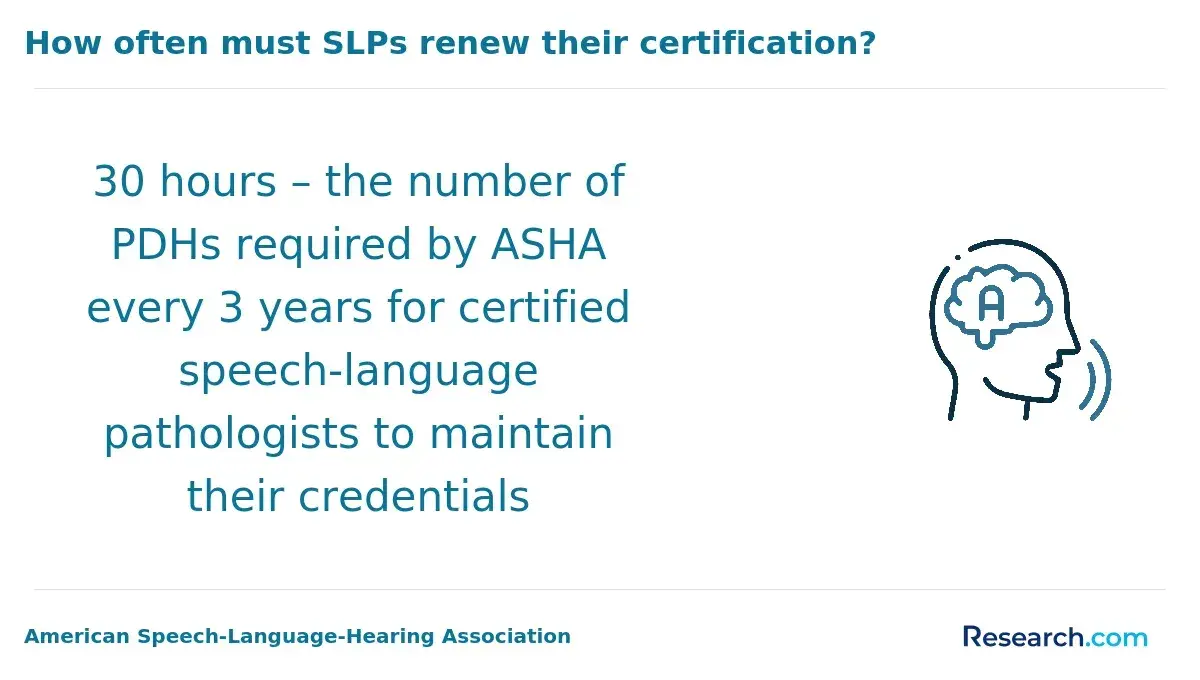
Continuing education units (CEUs) focused on telepractice are becoming mandatory in many states and by professional organizations to maintain current knowledge of best practices in this evolving field.
Key telepractice requirements include:
- CCC-SLP certification from ASHA
- State licensure based on client location
- Training for privacy and technology standards
- Adherence to HIPAA guidelines
- Telepractice-specific continuing education
An increasing number of speech pathology professionals are shifting to telepractice roles, emphasizing the importance of proper certification for legal compliance and quality care. For further detailed guidance, visit the American Speech-Language-Hearing Association website.
How do you choose an accredited online SLP program that prepares graduates for telepractice careers?
Accreditation by the Council on Academic Accreditation in Audiology and Speech-Language Pathology (CAA) is essential for any online speech pathology program aiming to prepare students for telepractice careers. This ensures the curriculum aligns with professional standards and meets requirements for certification and licensure.
Strong programs integrate telepractice-specific training, including remote assessment methods, technological platforms for teletherapy, and ethical concerns related to online service delivery. Look for courses that offer hands-on experience through simulated telepractice or supervised clinical practicums conducted via telehealth.
Clinical placements that include supervised teletherapy internships with diverse populations are vital for gaining real-world competence and confidence in remote client interactions. Faculty with expertise in telepractice and digital health provide up-to-date insights and research-based knowledge.
Flexibility and technological support enhance the learning experience. Quality online speech pathology degrees often offer asynchronous coursework, reliable technology platforms, and accessible student support.
According to a guide by hellonote.com, expansion of online speech therapy degree programs has increased the availability of speech-language pathologists, helping to meet rising demand in rural and underserved areas by emphasizing telepractice readiness.
Other Things You Should Know About Speech Pathology
In 2027, the key skills for success in telepractice include strong communication and technological proficiency, adaptability to new tools, and the ability to engage clients remotely. Additionally, skills in time management and self-motivation are essential for effectively managing virtual sessions and client progress.
Yes, many speech-language pathologists choose to specialize in areas such as pediatric speech disorders, adult neurogenic communication disorders, voice therapy, swallowing disorders, or augmentative and alternative communication (AAC). Specializations often require additional training or certifications, allowing practitioners to develop expertise in targeted clinical populations or techniques.
Successful speech-language pathologists demonstrate strong communication skills, patience, empathy, and critical thinking abilities. They must effectively assess and treat clients while collaborating with families, educators, and healthcare professionals. Organizational skills and adaptability are also crucial, particularly when working in telepractice or managing diverse caseloads.
Continuing education is essential for maintaining licensure and staying current with advances in assessment tools, treatment methods, and technology in the field. Many states require speech-language pathologists to complete a set number of continuing education units (CEUs) regularly. Ongoing professional development enhances clinical skills and supports career advancement opportunities.
References
- Your Guide to SLP Certifications and Specialties https://otpotential.com/blog/slp-certifications-and-specialties
- Speech-Language Pathologist (SLP) Salary Guide | Trusted Health https://www.trustedhealth.com/allied-career-guide/speech-language-pathologist/salary-guide
- Hellonote https://hellonote.com
- Best Online Master’s in Speech Pathology (SLP) Programs for 2025 https://www.onlinemastersdegrees.org/best-programs/speech-language-pathology-slp/
- What Can You Do With a Master's in Speech-Language Pathology? https://slponline.ithaca.edu/blog/what-can-you-do-with-masters-speech-language-pathology-slp
- Why Is Telepractice Training Essential for Speech Therapists? (SLPs) https://ibcces.org/blog/2020/06/11/telepractice-training-essential-speech-therapists-slps/
- Master in Speech-Language Pathology | SLP Online Program | USAHS https://www.usa.edu/college-of-rehabilitative-sciences/master-science-speech-language-pathology-ms-slp/
- Pathways: Speech-Language Pathology Assistant Certification https://www.ashaassistants.org/pathways-speech-language-pathology-assistant/
- SLP Licensure https://www.speechpathologydegrees.com/licensure/slp-licensure
- Online Master's in Speech Pathology: Top Schools https://www.edumed.org/online-schools/masters-programs-speech-language-pathology/