2027 How to Succeed in Virtual Clinical Simulations for SLP Training

Co-Founder and Chief Data Scientist
Many aspiring speech pathologists face challenges adapting to virtual clinical simulations essential for hands-on skill development. Without effective strategies, it becomes difficult to engage fully or translate simulated experiences into real-world competence. Technical glitches, limited feedback, and reduced interpersonal interaction often impede progress in online training environments. This article explores practical methods to navigate these obstacles, enhancing learning outcomes through optimized participation in virtual clinical simulations. It aims to equip prospective students and career changers with actionable insights for succeeding in flexible, accredited speech pathology training programs delivered remotely.
Key Things You Should Know
- Virtual clinical simulations improve practical skills for speech pathology students, with 78% of users reporting increased clinical confidence in 2025 studies.
- Effective success requires mastering virtual communication technologies and patient interaction protocols tailored for speech pathology assessments.
- Integration of evidence-based feedback and adaptive scenarios boosts learning outcomes, aligning with ASHA guidelines and industry competency standards.
What are virtual clinical simulations in SLP training?
Virtual clinical simulation tools for speech pathology offer interactive, computer-based scenarios that replicate real patient interactions. These tools enable students to practice assessment, diagnosis, and treatment planning safely without direct patient contact. They often feature virtual patients with speech, language, or swallowing disorders, fostering clinical reasoning and decision-making skills within a controlled setting.
Interactive virtual clinical training for slp students varies from straightforward case studies with branching decisions to advanced AI-driven platforms that adapt to user responses. For instance, a student may evaluate childhood apraxia of speech, select therapy techniques, and observe virtual patient feedback. Other simulations focus on adult neurogenic disorders, requiring integration of knowledge about stroke-related communication deficits.
According to a survey in the American Journal of Speech-Language Pathology, 64.77% of slp master's programs now incorporate these simulations, mainly at the graduate level. This trend highlights how virtual tools are increasingly complementing traditional clinical practicums by addressing challenges such as limited access to diverse clients, inconsistent clinical site experiences, and scheduling difficulties.
Effective use of simulations involves deliberate practice, reflective feedback, and integration with coursework. Learners benefit from programs combining simulation with live supervision and repeated scenario engagement to enhance clinical outcomes. Prospective students interested in advancing their training and confidence before real-world practice should explore options like an online masters in speech language pathology.
How do virtual simulations prepare SLP students for real clinical practice?
Virtual clinical simulations for SLP training in North America clinical settings create safe, repeatable environments where students develop critical diagnostic and intervention skills. These simulations enable learners to practice assessment techniques and communication strategies by interacting with virtual clients who present diverse speech sound disorders and cognitive-communication deficits. This immersive approach builds clinical decision-making skills development in virtual speech pathology simulations, enhancing reasoning and adaptability without putting real patients at risk.
Students benefit from exposure to less common cases that may not arise during internships, broadening their clinical competence. These simulations provide immediate, objective feedback, fostering focused skill improvement beyond traditional observation or textbook learning. Additionally, they support the development of professional behaviors such as ethical decision-making and rapport building under controlled conditions.
Addressing common concerns about readiness, virtual clinical simulations bridge theory and hands-on practice, preparing students to manage complex clinical judgments and client variability. Evidence from a 2024 study shows significant knowledge gains and high student satisfaction, reinforcing the value of virtual simulations before real patient interactions.
Prospective students should pursue programs offering comprehensive virtual clinical simulations paired with real-world experience for well-rounded preparation in Speech Pathology roles. To understand how much do speech pathologists make in various settings, integrating virtual training can be a strategic step toward these careers.
What are the top accredited programs offering virtual SLP simulations?
Top accredited virtual speech pathology simulation programs in the US include universities like the University of Wisconsin-Madison, the University of Arizona, and the University of Pittsburgh. These institutions integrate technology platforms that mimic patient interactions, assessments, and intervention methods, offering substantial clinical experience for students. Such programs are vital for those seeking leading online clinical simulations for speech pathology training.
The American Speech-Language-Hearing Association (ASHA) endorses simulation tools approved for Clinical Fellowship Clinical Contact (CFCC) hours, allowing students to earn up to 75 direct clinical contact hours through virtual experiences. This approach is crucial for learners in resource-limited settings and aligns with recommendations from recent National Institutes of Health studies.
When choosing a program, prospective students should confirm:
- The simulation platform holds CAA accreditation or ASHA recognition.
- Clinical hours from simulations qualify for licensure requirements.
- There is a range of case scenarios, covering pediatric to adult populations.
- Preceptorship and faculty supervision accompany the simulation experience.
Many programs combine virtual simulations with in-person practicum opportunities, delivering a hybrid learning format. This blend addresses the depth of real patient interactions while providing flexible learning options, including synchronous telehealth simulations and asynchronous case studies that enhance critical thinking.
For those interested in accelerated options, exploring accelerated SLP programs online can provide pathways to advanced clinical training efficiently.
What accreditation ensures quality in virtual SLP training programs?
The Council on Academic Accreditation in Audiology and Speech-Language Pathology (CAA) is the recognized accrediting body that ensures quality in virtual speech pathology training programs. Their standards assess curriculum, faculty credentials, clinical experiences, and student outcomes to uphold rigorous entry-level education requirements in the United States. Without CAA accreditation, students risk enrolling in programs that do not adequately prepare them for certification or licensure.
Virtual clinical simulations must align with CAA standards, particularly regarding clinical competencies and supervised practicum hours. Programs that integrate simulated patients and mannequins effectively build students' readiness for clinical challenges. Research highlighted by Illinois State University found that such simulations increased graduate students' confidence and knowledge in handling medically fragile patients by over 20% across multiple case studies.
Prospective students should verify that both the didactic coursework and clinical simulation portions of a program hold appropriate accreditation. Some institutions may hold regional accreditation but lack CAA recognition, limiting eligibility for the Speech-Language Pathology Certification (CCC-SLP) through the American Speech-Language-Hearing Association (ASHA). Proper supervision and documentation of clinical simulation hours are crucial for licensure boards and professional standards.
To explore quality options, students may refer to a curated list of asha accredited online slp programs designed to meet accreditation standards for virtual speech pathology training programs. Choosing accredited programs from recognized accrediting bodies for online slp clinical education protects students' investment and career prospects.
Can you complete SLP clinical hours through virtual simulations?
Virtual simulations can count toward slp clinical hours, though acceptance varies by state licensure boards and graduate programs. These simulations provide practical, repeatable learning to complement hands-on experience. For instance, telesimulation platforms enable remote interaction with standardized patients, allowing students to practice assessment and intervention techniques in real time. Virtual reality (VR) modules offer immersive clinical scenarios for skill development.
Check your specific program and state licensing board policies, as some allow between 10% and 25% of clinical hours to be completed virtually, especially after changes made during and after the COVID-19 pandemic. Programs accredited by the Council on Academic Accreditation (CAA) often have established guidelines for virtual clinical integration.
A 2024 meta-analysis showed that face-to-face simulations outperformed VR and telesimulation in skill acquisition (p < 0.05), but VR and telesimulation still produced comparable outcomes without being inferior. This supports virtual simulations as valid supplements to traditional clinical training.
Maximize learning by:
- Completing diverse scenarios involving varied communication disorders and populations
- Participating in debriefing sessions with educators to reflect on clinical decisions
- Using virtual tools alongside in-person practica to expand clinical exposure
Confirm program policies early and keep clear documentation of completed hours to ensure they meet certification requirements.
What does the curriculum look like in virtual SLP simulation programs?
Virtual SLP simulation programs provide interactive case scenarios and treatment planning exercises that replicate real clinical experiences. Students engage with patient avatars presenting a variety of speech and language disorders, including articulation issues, fluency problems, voice disorders, and language impairments across different age groups. These simulations promote critical thinking by requiring learners to analyze symptoms, choose diagnostic tests, and design personalized therapy plans.
Many programs feature branching scenarios where decisions impact patient outcomes, enhancing clinical reasoning skills. Integrated feedback systems often offer performance scores and explanations to help students refine their techniques. Curricula vary in complexity, from beginner levels focused on foundational skills to advanced cases addressing multicultural and bilingual clients, preparing students for diverse clinical environments.
However, virtual simulation alone may not suffice. Research indicates that combining simulations with traditional training-such as live supervision, group discussions, and in-person practicums-yields better learning results by balancing theory with hands-on practice.
Prospective students should evaluate whether a curriculum covers their specific areas of interest in Speech Pathology, includes assessment methods, and provides mentorship or faculty support. These factors are essential to align virtual simulation experiences with professional certification standards and clinical competencies.
What are admission requirements for virtual SLP training programs?
Admission to virtual speech pathology training programs typically requires a bachelor's degree in fields such as communication sciences, speech pathology, linguistics, psychology, or related areas. Applicants must submit official transcripts showing a minimum GPA, often around 3.0 on a 4.0 scale, to verify academic preparedness. Many programs expect prerequisite coursework in anatomy, physiology, phonetics, and language development to build a solid foundation before engaging in clinical simulations.
Some institutions may require GRE scores, but this is becoming less common as programs aim to increase accessibility. Letters of recommendation from academic or professional sources and a personal statement outlining career goals and motivation are often required. Technical requirements include reliable internet access and devices compatible with simulation software, such as SimuCase™, which has been demonstrated to improve clinical skills inventory scores significantly (F(8,94) = 3.86, p = 0.001, η² = 0.248), according to ScienceDirect.
Additional requirements might include background checks, immunization records, or proof of liability insurance for virtual clinical components. International applicants generally must provide English proficiency test scores like TOEFL or IELTS. Prospective students should carefully review each program's specific admissions criteria to meet both academic and technical standards before applying.
How long do virtual SLP programs take and what do they cost?
Virtual speech pathology programs generally last between 12 and 24 months, varying by full-time or part-time study and certification level. Certificate or specialization courses are shorter, often 6 to 9 months, while master's degrees with virtual clinical simulations typically span two academic years. Costs vary widely: certificate programs usually range from $5,000 to $15,000, while full graduate degrees with extensive virtual clinical components can cost $15,000 to $40,000.
Additional expenses to consider include technology fees, simulation software, and hardware, which may add $500 to $2,000 annually. Some programs offer financial aid or payment plans, but verifying program accreditation is essential to ensure eligibility for licensure.
Research from Illinois State University highlights that 71% of 77 speech pathology students involved in virtual reality tutorials during COVID-19 reported positive experiences with virtual placements. This supports the effectiveness of virtual clinical simulations in providing immersive and comparable training to traditional settings.
When choosing a program, balance the length and cost with the quality of virtual clinical experiences offered. Selecting accredited programs that integrate proven virtual simulation methods will optimize educational and career outcomes in speech pathology.
What careers and salaries await SLP graduates using virtual training?
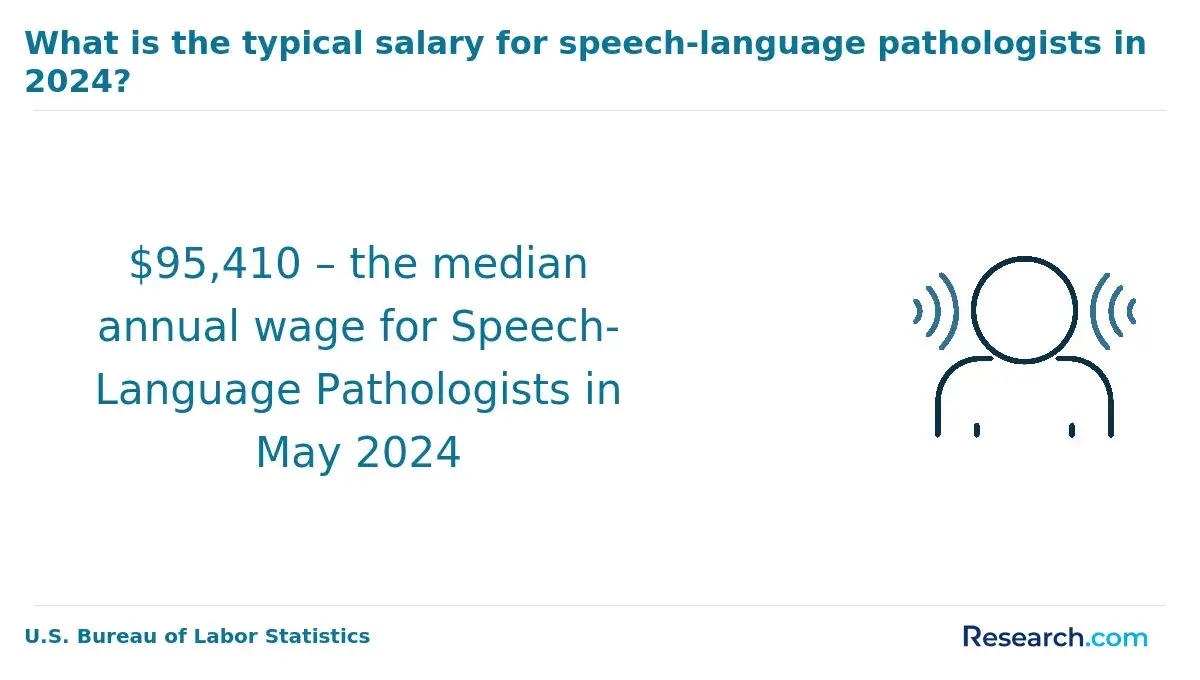
Graduates trained through virtual clinical simulations in speech pathology can access diverse career paths with competitive salaries. Common roles include certified speech-language pathologists employed in schools, hospitals, rehabilitation centers, and private practices. Entry-level salaries generally range from $65,000 to $75,000 annually, while experienced clinicians in specialized settings may earn between $90,000 and $110,000 or more. Telepractice positions are expanding rapidly, often offering salaries comparable to traditional jobs with added flexibility.
Advanced roles such as clinical supervisors, researchers, and educators can command salaries exceeding $100,000, influenced by experience and location. Studies show that virtual simulation training enhances theoretical knowledge and practical skills retention, preparing graduates for complex cases and facilitating quicker professional integration.
Specialization opportunities include pediatric, geriatric, and neurogenic speech pathology. Pediatric speech-language pathologists in urban school districts often start at $70,000+, while hospital-based neurogenic specialists can exceed $95,000. Virtual training equips graduates to handle diverse patient populations confidently.
To boost career prospects, pursuing relevant certifications and highlighting simulation-based competencies during job interviews is recommended. Employers increasingly recognize virtual training as evidence of adaptability and proficiency in telehealth platforms, a rapidly growing sector within the field.
What is the job outlook for SLPs trained via virtual simulations?
Virtual clinical simulations play a crucial role in enhancing the education and job readiness of speech-language pathologists (SLPs). Programs that incorporate interprofessional simulations significantly improve students' ability to apply clinical skills in real healthcare settings. Research from Texas Tech University Health Sciences Center (TTUHSC) highlights how these simulations boost student engagement and readiness, bridging gaps between theory and practice.
The U.S. Bureau of Labor Statistics forecasts a 19% growth in SLP employment through 2032, fueled by increasing demand in schools, hospitals, and rehabilitation centers. Virtual simulations support this growth by providing risk-free and repeatable clinical scenarios that develop proficiency in diagnosing and treating communication disorders while fostering essential teamwork skills.
Prospective students should seek programs emphasizing virtual clinical simulations with strong interprofessional components. This training prepares graduates to adapt quickly and demonstrates the clinical readiness valued by employers, potentially reducing on-the-job training time. Such skills align well with the evolving expectations of integrated healthcare environments.
Employers increasingly prioritize candidates with simulation experience, recognizing it as a predictor of successful transition into clinical roles. This focus, supported by TTUHSC research and national labor data, positions graduates to thrive in the expanding SLP job market.
Other Things You Should Know About Speech Pathology
Success in virtual clinical simulations for SLP training can be enhanced by leveraging digital tools, like interactive platforms, to engage actively with the material. Students should also seek feedback from peers and instructors, manage their time effectively, and continuously reflect on their learning experiences to improve practical skills.
Licensing requirements for speech pathologists vary by state but generally include completing a master's degree, supervised clinical hours, and passing the Praxis exam in speech-language pathology. Virtual training programs must meet state standards for clinical experience to qualify. Graduates should verify their state's specific licensing board guidelines to ensure compliance.
Common challenges include limited hands-on patient interaction and adapting to technology-based communication methods. Students may experience difficulty in interpreting nonverbal cues through virtual interfaces. Overcoming these involves focused training on telepractice skills and frequent feedback from instructors.
Yes, virtual clinical simulations are designed to mirror telepractice settings, offering students practical experience in remote patient assessment and therapy. These simulations help develop competencies in digital communication and clinical decision-making required for telepractice roles. This preparation is increasingly relevant as telehealth expands in speech pathology services.
References
- Top 10 Budget-Friendly Online Master’s in Speech Therapy for 2024 – Specialist Language Courses https://specialistlanguagecourses.com/top-10-budget-friendly-online-masters-in-speech-therapy-for-2024/
- How Do Online CEU Courses Enhance Skills For Speech-Language Pathologists? https://www.knowledgeisnow.com/how-do-online-ceu-courses-enhance-skills-for-speech-language-pathologists/
- Simulation + Clinical Replacement Solutions https://info.atitesting.com/clinical-lab-replacement
- Speech Pathology Clinical Simulations and Observation Videos | Simucase https://www.simucase.com/speech-pathology
- Navigating Clinical Practicum, Clinical Fellowships, and the ASHA Certification Process During COVID-19 - NSSLHA Blog https://blog.nsslha.org/2020/05/26/navigating-clinical-practicum-clinical-fellowships-and-the-asha-certification-process-during-covid-19/
- Essential Insights for Aspiring Speech-Language Pathologists https://eres.com/blog/essential-insights-for-aspiring-speech-language-pathologists
- 8 Things the Best Speech-Language Pathology Programs Have in Common https://www.mghihp.edu/news-and-more/opinions/csd-discussions/8-things-best-speech-language-pathology-programs-have-common
- Can virtual reality plug the gaps in nursing training? https://www.re-solveglobalhealth.com/post/can-virtual-reality-plug-the-gaps-in-nursing-training
- Clinical Simulation for Speech Language Therapy | HealthySimulation.com https://www.healthysimulation.com/clinical-simulation-speech-language-therapy/
- Online Speech Therapy Programs: Pros & Cons | Canada https://speechtherapies.ca/blog/online-speech-therapy-programs/