2027 SLP Jobs in Hospitals vs Schools: Which Environment Fits You Better?

Co-Founder and Chief Data Scientist
Deciding between hospital and school settings poses a significant challenge for aspiring SLPs aiming to align their careers with personal goals and work preferences. Hospitals often demand fast-paced, medically focused interventions, while schools emphasize developmental support across diverse student populations. The choice directly impacts job responsibilities, work hours, and professional growth opportunities.
Without clear insight, candidates risk pursuing roles misaligned with their aspirations or lifestyle. This article explores the distinct environments of hospital and school-based SLP positions, examining key differences to help readers make informed decisions that suit their career and personal needs effectively.
Key Things You Should Know
- Hospital SLP jobs generally offer higher salaries, averaging $75,000 annually, compared to $60,000 in schools, reflecting greater medical specialization demands and funding differences.
- Schools provide more stable, structured hours aligned with academic calendars, while hospital roles often require shift work and flexibility due to patient care needs.
- Speech pathology in hospitals focuses on acute care and diverse medical conditions; school SLPs emphasize developmental disorders and long-term educational support, shaping daily responsibilities distinctly.
What are SLP jobs in hospitals vs schools?
SLP roles in hospital settings vs schools demonstrate significant differences in patient focus and work environments. Hospital-based speech pathologists primarily assess and treat individuals with complex communication, swallowing, and cognitive-communication disorders resulting from stroke, brain injury, cancer, or developmental delays. They collaborate with multidisciplinary teams, tailoring therapy to medically complex cases typically requiring expertise in critical care and medical terminology.
Conversely, differences between hospital and school speech pathology jobs emerge in the focus on childhood communication development. School-based SLPs work with children to improve speech, language, fluency, voice, and pragmatic skills. Their responsibilities include developing individualized education plans (IEPs), partnering with teachers, and supporting social and academic growth within classroom or resource settings, emphasizing early intervention and preventive care.
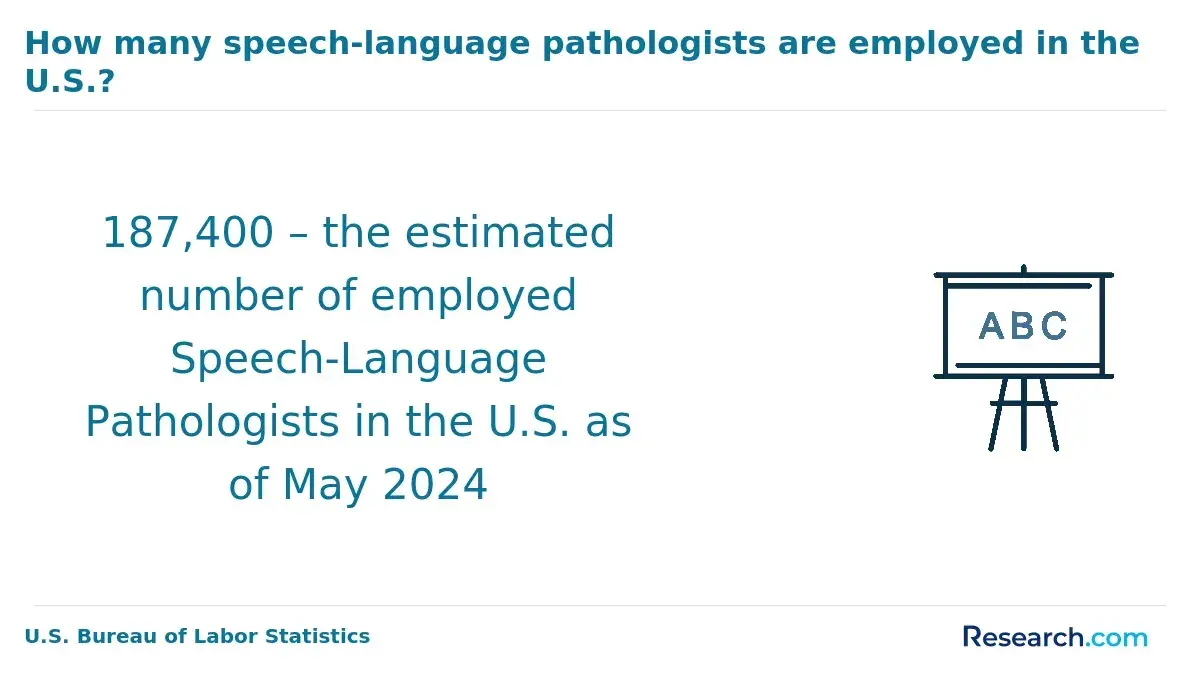
Employment trends reveal growing demand but distinct challenges. According to BLS and ASHA data, the profession is projected to grow 15% by 2034 with about 14,600 new openings annually. Notably, 79% of school-based SLPs report staffing shortages, highlighting higher unmet needs in educational settings compared to hospitals.
Candidates considering careers should evaluate these differences: hospitals require flexibility for varied medical caseloads and shifts, while schools demand strong collaboration with educators and compliance with laws like IDEA. For those seeking advancement, exploring online masters SLP programs can provide the necessary credentials and training to excel in either environment.
What are key differences between hospital and school SLP roles?
Hospital and school speech pathology job responsibilities in hospitals versus schools vary greatly in setting, focus, and patient needs. Hospital-based SLPs typically manage complex cases involving adults with acute medical conditions like stroke or traumatic brain injury. They work within multidisciplinary medical teams and handle medically urgent disorders such as swallowing difficulties. In contrast, school-based SLPs work with children and adolescents, addressing developmental speech, language, and communication disorders that affect educational performance. They collaborate closely with educators to support Individualized Education Programs (IEPs).
Key differences between hospital and school speech pathology roles include:
- Caseload complexity: Hospitals require rapid assessments and treatments of diverse medical conditions, whereas schools focus on developmental and educational speech challenges.
- Work environment: Hospitals often involve shift work and flexible schedules; schools follow academic calendars with predictable hours.
- Documentation: Hospital SLPs emphasize detailed medical progress notes; school SLPs prepare educational reports aligned with state and federal laws.
- Salary: Hospital-based SLPs earn a higher median salary ranging from $91,630 to $99,880, while school SLPs earn around $76,420 median, approximately $15,000 to $23,460 less annually.
Therapists in hospitals may treat immediate health risks like swallowing disorders, whereas school therapists address longer-term issues such as speech sound disorders impacting literacy and social skills. Prospective speech pathologists should consider these distinctions alongside their clinical interests and lifestyle goals. For detailed information on compensation, see how much do speech language pathologists make.
Which SLP environment offers better salary and job outlook?
Speech pathology jobs salary and employment outlook comparison shows that medical settings generally offer higher pay and better growth prospects than schools. Hospitals, rehabilitation centers, and skilled nursing facilities have seen a 40% year-over-year increase in demand, driven by aging populations and patients with neurological or post-surgical speech impairments.
Travel speech pathologist roles in these environments are especially lucrative, with UHC Staffing reporting weekly pay between $2,000 and $3,200. Financial perks such as housing stipends, travel reimbursements, and bonuses further enhance earnings. In contrast, public school speech pathologists face more limited salary growth and fewer financial incentives due to budget constraints and educational policy changes.
Job prospects and average salary for hospital vs school SLPs also differ in work environment and required credentials. Hospitals often require additional certifications and can have more physically demanding roles, while school positions emphasize educational credentials and consistent hours.
For those interested in pursuing this career, exploring accelerated speech pathology programs can help fast-track entry into the field and open doors to diverse specialization options within medical settings. Choosing the right path depends on balancing salary goals, job stability, and preferred work conditions.
What education is required for SLP careers in hospitals or schools?
Careers in speech pathology within hospitals and schools require a master's degree in speech pathology from an accredited program that meets the academic and clinical standards set by the American Speech-Language-Hearing Association (ASHA). Hospital-based roles also require the Certificate of Clinical Competence in Speech-Language Pathology (CCC-SLP), which involves completing a clinical fellowship and passing the national exam. For education roles, state certification or licensure is typically required alongside the master's degree for public school practice.
Hospital SLPs often must meet productivity quotas and manage diverse cases with a strong clinical skill set, while school-based SLPs handle caseloads of 50 to 70 students. School roles emphasize expertise in developmental and educational speech disorders and proficiency in Individualized Education Programs (IEPs).
Additional certifications may benefit professionals depending on the environment. Hospital SLPs might specialize in medical speech pathology areas such as swallowing disorders, while school SLPs may gain skills in bilingual education or assistive technology. Both career paths demand supervised clinical practice but differ in focus, with hospitals prioritizing complex diagnostics and interdisciplinary collaboration and schools emphasizing educational compliance with federal laws like IDEA.
Prospective candidates should carefully evaluate education requirements for SLP careers in hospitals and schools to select programs aligned with their goals. Resources highlighting accessible options, such as speech language pathology master's programs, can help guide informed decisions. Understanding certification and licensing for SLP jobs in healthcare and education is essential to meet professional standards and ensure successful career entry.
How do you become a licensed SLP for these settings?
Becoming a licensed speech-language pathologist (SLP) for schools or hospitals requires earning a master's degree in speech pathology from a program accredited by the Council on Academic Accreditation (CAA). After graduate studies, you must complete a supervised clinical fellowship lasting about 36 weeks of full-time work. This hands-on experience is crucial for developing professional skills under a certified SLP's mentorship.
Both hospital and school settings require the Certificate of Clinical Competence in Speech-Language Pathology (CCC-SLP) from the American Speech-Language-Hearing Association (ASHA) to meet licensure standards. Additionally, states mandate passing the national Praxis exam administered by the Educational Testing Service.
School-based SLPs often need extra credentials such as teaching certification or special education endorsements, while hospitals may require additional certifications related to medical speech pathology, including areas like swallowing disorders or neurological impairments.
What are top accredited SLP degree programs?
Top accredited speech pathology degree programs in the U.S. blend rigorous academics with essential clinical training for hospital and school environments. Notable programs at the University of Iowa, Vanderbilt University, and the University of Wisconsin-Madison hold accreditation from the American Speech-Language-Hearing Association (ASHA). This accreditation confirms that programs adhere to strict standards for coursework, supervised clinical experience, and faculty expertise.
Students should seek programs offering varied clinical placements. For instance, the University of North Carolina at Chapel Hill provides extensive opportunities in hospital-based rehabilitation and educational speech therapy, preparing graduates to work in diverse settings such as pediatric schools and acute care hospitals.
Graduate degrees, usually a Master's in Speech-Language Pathology, are required for certification and licensure. Some schools, including the University of Washington, offer dual-track programs emphasizing medical or educational SLP practice, allowing students to tailor their training to career goals. Online and hybrid programs often require in-person clinical work nearby.
Geography influences earning potential, with California and New Jersey offering top salaries exceeding $112,000 annually. Additionally, rural and critical access hospitals may provide premium pay and relocation bonuses to attract qualified SLPs, making proximity to such facilities a valuable consideration (State-by-State SLP Shortage & Salary Insights).
Evaluate accreditation status, clinical diversity, and alignment with your career goals when choosing a speech pathology degree. Early review of state licensure requirements ensures your program meets standards for your intended practice location.
Online vs campus SLP programs: pros and cons?
Online speech pathology programs offer significant convenience and flexibility, making them attractive to working professionals and those managing family responsibilities. These programs often let students complete coursework on their own schedules, saving on commute time and related expenses. Accredited online programs typically include virtual clinical experiences, though some may require occasional in-person practicums. A drawback is the limited direct interaction with instructors and peers, which can affect hands-on skill development and opportunities for networking.
Conversely, campus-based programs provide immersive, face-to-face learning environments with real-time supervision and feedback during clinical practice. This setup encourages quicker skill acquisition and stronger relationships with mentors and classmates. Students benefit from on-site resources such as labs, study groups, and institutional support. However, attending in person may involve commuting or relocating, potentially increasing financial and time commitments, particularly for those with families or full-time jobs.
Financially, public school speech pathologists often receive comprehensive benefits, including health insurance, pension or retirement matching, and predictable time off such as summers, which can support long-term stability and childcare savings, according to ASHA and Amergis Education. When choosing a program, consider accreditation, clinical placement support, and how the format aligns with your personal circumstances.
What does SLP curriculum cover for hospital and school prep?
SLP curriculum varies greatly depending on whether the focus is hospital or school settings, addressing distinct professional demands. Hospital preparation emphasizes medical speech pathology topics like dysphagia management, tracheostomy care, neurological disorders, and acute rehabilitation. Students gain skills in interpreting medical charts, collaborating with multidisciplinary teams, and applying evidence-based interventions for complex medical cases. Clinical rotations frequently include acute care and outpatient experiences to build practical expertise.
School-based programs concentrate on pediatric communication disorders, language development, literacy, and Individualized Education Program (IEP) planning under the Individuals with Disabilities Education Act (IDEA). Trainees focus on early intervention, social communication, and behavior management, mastering assessment and therapy techniques for articulation, fluency, and cognitive-communication challenges from preschool to adolescence.
Both paths include anatomy, phonetics, and language sciences foundations. Hospital training prioritizes neurogenic and medically complex conditions, whereas school programs emphasize developmental language and learning challenges. Financial factors also play a role: master's programs range from $40,000 to $120,000, with experienced SLPs earning $99,000 to $129,000+ annually in healthcare settings.
What are typical SLP salaries in hospitals versus schools?
Speech-language pathologists (SLPs) in hospitals tend to earn higher salaries, with median annual wages ranging from $85,000 to $95,000. This reflects the clinical complexity of hospital settings where SLPs handle stroke rehabilitation, acute care, and advanced augmentative and alternative communication (AAC) interventions. Additional certifications and specialized expertise often justify these premium earnings.
By contrast, SLPs working in public schools typically earn between $60,000 and $75,000. School salaries are influenced by education budgets, district size, and state funding formulas, often resulting in lower pay than in healthcare environments. Schools offer more predictable hours and job stability, which can be appealing despite the salary difference.
Telepractice has emerged as a growing field, allowing SLPs to reach underserved populations and sometimes earn salaries comparable to hospital positions. This is especially true when providing early intervention and pediatric services remotely. Those considering a career in speech pathology should weigh these compensation differences along with professional goals and lifestyle preferences.
How to choose between hospital or school SLP career?
Choosing between a hospital or school speech pathology career depends on your goals, environment preferences, and specialization interests. Hospitals often require advanced clinical skills in adult care, including dysphagia and cognitive-linguistic therapy, which tend to offer higher compensation, according to UHC Staffing 2026 and BLS Data. These settings expose clinicians to diverse pathologies and interdisciplinary teams, ideal for those seeking complex cases and rapid career growth.
Schools focus on pediatric speech-language therapy, addressing developmental delays, language acquisition, and collaborating within educational systems. They suit professionals who favor routine schedules aligned with academic calendars and who enjoy working with children. Though career advancement may be slower in schools, there are unique opportunities to impact childhood development and advocate for students with communication disorders.
While hospital salaries can be higher due to specialized interventions, private practice ownership often exceeds both. Specializing in dysphagia, cognitive-linguistic therapy, or pediatrics can boost earnings in any setting. Assess your clinical interests and lifestyle priorities to find the best fit for your speech pathology career path.
Other Things You Should Know About Speech Pathology
In hospitals, speech pathologists often treat patients with acute conditions such as stroke, traumatic brain injury, and swallowing disorders (dysphagia). In schools, they primarily work with children who have developmental speech and language delays, articulation disorders, and social communication challenges associated with learning disabilities.
Hospital SLPs typically manage short-term, intensive caseloads focused on medically complex patients requiring frequent evaluations and therapy sessions. School-based SLPs usually have larger caseloads with ongoing therapy for students over the academic year, often balancing direct intervention with collaboration on individual education programs (IEPs).
Both hospital and school speech pathologists must meet continuing education requirements to maintain their licensure and certification. However, specific state or employer mandates may differ; hospital clinicians might prioritize courses on medical conditions and dysphagia, while school SLPs often focus on special education laws and pediatric communication disorders.
Transitioning between hospital and school settings as a speech pathologist in 2027 can be straightforward but requires adaptability. Hospital roles often demand acute care experience and familiarity with medical terminology, whereas school positions emphasize educational and developmental expertise. Networking and professional development can aid transitions.
References
- Medical SLP vs. School SLP: Do I have to choose one or the other? https://www.mghihp.edu/news-and-more/opinions/csd-discussions/medical-slp-vs-school-slp-do-i-have-choose-one-or-other
- Speech-Language Pathologist (SLP) Salary Guide | Trusted Health https://www.trustedhealth.com/allied-career-guide/speech-language-pathologist/salary-guide
- School or Clinical SLP? The Benefits of Both | Aequor https://www.aequor.com/resources/school-or-clinical-slp-the-benefits-of-both/
- Best CAA ASHA Accredited Masters Degree Programs Online https://www.speechpathologydegrees.com/online/best-caa-asha-accredited-masters-programs
- How to Choose Your Speech Pathologist Career Setting https://speechpathologymastersprograms.com/speech-pathology-careers/slp-work-settings/how-to-choose-your-speech-pathologist-career-setting/
- School SLP vs Medical SLP: Which Path Is Right for You? https://www.speechpathologygraduateprograms.org/blog/school-slp-vs-medical-slp/
- Pros and Cons of the School-Based Setting for SLPs https://www.coremedicalgroup.com/blog/pros-and-cons-school-based-slp
- Becoming an SLP https://speechandhearingbc.ca/professional/careers/becoming-an-slp/
- pioneer-healthcare.com: Verifying that you are not a robot... https://pioneer-healthcare.com/blog/steps-to-becoming-a-successful-speech-language-pathologist/
- Best Online Speech-Language Pathology (SLP) Programs 2025 https://onlinespeechpathologyprograms.org/best-online-slp-programs/