2027 The Real Weekly Time Commitment of an Online SLP Program

Co-Founder and Chief Data Scientist
Many prospective graduate students hesitate to enroll in an online SLP program due to uncertainty about the actual weekly time demands. Balancing full-time work, family, and study leaves little room for guesswork on course load. Underestimating the time commitment can lead to stress, burnout, and delayed graduation. Accurately assessing weekly hours is essential to make informed decisions and maintain a sustainable pace.
This article examines the real weekly time investment required for online SLP programs, aiming to clarify expectations and help readers plan their education effectively without compromising other responsibilities.
Key Things You Should Know
- Online SLP programs in 2026 require an average of 15-20 weekly hours, including lectures, assignments, and clinical practicum, reflecting a rigorous but flexible commitment.
- Clinical practicum demands about 40% of time, necessitating real-world client interaction in virtual or local settings to meet certification standards.
- Students report balancing work and study is feasible, but time management skills are critical, with 75% completing programs within the expected 2-3 years.
What Is the Weekly Time Commitment for an Online SLP Program?
The estimated weekly time commitment for an online speech pathology program generally falls between 20 and 30 hours. This time encompasses lectures, readings, assignments, clinical practicum, and study. Many programs offer asynchronous content, providing flexibility, but students must still dedicate focused hours weekly to grasp the complex material.
Clinical hours often represent a significant portion of this commitment. During intensive phases, students may spend 10 or more hours per week completing supervised clinical experiences that require coordination with local providers. For example, some programs combine 15 hours of coursework with 10 hours of clinical practice weekly.
Balancing coursework with external obligations-such as work or family-requires disciplined time management. Accelerated tracks or programs with heavier clinical loads can push the workload beyond 35 hours per week, while part-time options reduce weekly hours but extend program length. This typical weekly hours required for online speech pathology coursework demands consistent effort and planning.
In-person master's programs reflect similar intensity. For instance, at Baylor University, 98.56% of residential master's students completed their degree on time, highlighting the rigorous nature of speech pathology education. This rigor translates to online formats, which also require substantial weekly dedication.
Effective strategies include setting regular study hours, joining peer study groups, and communicating early with instructors. Prospective students interested in program options can explore SLP masters online programs to find a program matching their schedule and needs.
How Many Hours Per Week Does an Online SLP Program Really Require?
Online speech pathology programs usually require a weekly time commitment ranging from 15 to 20 hours for full-time students. This aligns with academic coursework expectations at schools like NYU Steinhardt, where completing 48 graduate-level credits demands consistent effort. Students allocate time to virtual lectures, assignments, clinical simulations, and studying foundational topics to meet learning goals effectively. The weekly time commitment for online speech pathology programs can vary depending on whether a student is enrolled full- or part-time, with part-time students generally spending fewer hours but over a longer duration.
Working professionals balancing employment and studies should plan for a minimum of 10 to 12 hours weekly, which may increase during intensive modules or clinical practicum phases. Clinical experience adds to these requirements, often needing local supervised practice hours to fulfill state licensure criteria. Factors such as the complexity of courses, learning pace, and the need for group collaboration or case study work influence how hours are distributed.
To stay on track and master essential skills, budgeting at least 15 hours per week per course is recommended. Underestimating these demands risks academic setbacks. Those interested in understanding the financial outlook can explore the speech therapist salary to gauge career potential after program completion.
What Does a Typical Week Look Like in an Online SLP Program?
Online speech pathology programs typically demand a well-structured weekly schedule balancing coursework, clinical hours, and preparation. Students spend about 15 to 25 hours weekly on didactic learning, including recorded lectures, live discussions, and assignments. Coursework covers key topics such as anatomy, phonetics, language development, and treatment methodologies, all requiring focused study and participation.
The average weekly time commitment in online speech pathology courses often includes 8 to 10 hours of supervised clinical hours, which count toward the 400 ASHA-required clinical clock hours. However, students usually invest additional time-sometimes 20 to 30 hours weekly-on session planning, documentation, and case reviews, often described as a "hidden load" in forums like Reddit r/slpGradSchool.
Managing these demands means balancing clinical placements that usually occur on weekdays but occasionally require evening or weekend availability with synchronous classes, group projects, and frequent assessments. A typical week might include 8 hours of direct clinical hours, 12 hours of course study, and 6 hours of paperwork and case preparation. Effective strategies include setting daily routines, using digital planning tools, and clear communication with supervisors about workload.
Prospective students should carefully consider this time commitment before enrollment. Those interested might explore speech pathology 5 year programs for accelerated options to streamline their education.
How Do Online SLP Programs Differ from Campus-Based Ones in Time Demands?
Online speech pathology programs present distinct online SLP program time commitment comparison challenges when contrasted with campus-based options. A significant difference lies in the structure of clinical hours, where online students may complete up to 75 ASHA clinical hours through simulation. This allows more control over scheduling but involves mandatory attendance at live debrief sessions that ensure clinical competency and reflective learning. These live sessions add fixed weekly time commitments despite flexible simulation hours.
Campus-based programs typically require students to be onsite for clinical hours multiple days per week. This creates a stable, time-blocked schedule but less flexibility to accommodate personal or professional obligations, especially for working students. Supervision and peer interaction remain more direct and consistent.
Those evaluating the time demands of online versus campus-based SLP programs should expect a combination of asynchronous coursework and synchronous clinical debriefs in online formats. Workload can peak unpredictably during simulation periods. On average, students should allocate 15-20 hours weekly for both coursework and clinical activities depending on program intensity.
Prospective students must assess their ability to manage synchronous attendance amid flexible simulation timing. Working professionals often find online models advantageous but need careful planning to satisfy live participation and clinical hour requirements efficiently. For those exploring options, this easiest SLP masters programs to get into may offer helpful guidance.
What Are the Core Curriculum Components of an Online SLP Master's Program?
Online SLP master's programs combine foundational coursework with hands-on clinical training to prepare students for certification and licensure. Core subjects typically include anatomy and physiology of speech and hearing, language development and disorders, articulation and phonology, voice and fluency disorders, and audiology basics. These are reinforced through practical assignments to deepen understanding of communication across the lifespan.
Clinical practicum requires about 400 direct client contact hours, achieved through partnerships with local clinics or schools despite the online format. This experience is critical for developing evaluation, treatment, and counseling skills.
Students also study research methods, statistics, evidence-based practice, professional ethics, and interdisciplinary collaboration. These elements help students critically analyze scientific literature and navigate healthcare environments effectively.
Part-time enrollment can extend program duration to 36-48 months but does not reduce clinical hour requirements, maintaining a rigorous commitment to both coursework and hands-on learning. Specialized electives may focus on pediatric swallowing disorders or bilingual communication, aligning with individual career goals.
It is essential to confirm that any program meets Council on Academic Accreditation (CAA) standards to ensure eligibility for certification. Planning for this level of academic and professional rigor enables students to balance personal, professional, and educational responsibilities successfully.
Which Accredited Online SLP Programs Offer Flexible Schedules?
Many accredited online speech pathology programs offer flexibility to accommodate working professionals and students managing other commitments. For instance, Idaho State University's online SLP program recommends against maintaining full-time employment during study due to its rigorous workload, which demands around 40 hours weekly. This highlights the importance of balancing coursework and clinical requirements effectively.
Flexibility often includes asynchronous lectures, enabling students to complete coursework at their own pace. The University of Wisconsin-Madison, for example, provides an asynchronous format combined with virtual clinical placements scheduled to fit various time zones and work schedules. Similarly, the University of Northern Colorado offers part-time enrollment options that allow students to spread their studies over 3 to 5 years instead of the usual two-year duration.
Programs like Idaho State University that limit work hours emphasize that full-time jobs alongside online speech pathology studies can be unmanageable. Checking program policies on employment and clinical commitments beforehand is critical for maintaining a sustainable pace and preventing burnout during training.
What Admission Requirements Apply to Online SLP Graduate Programs?
Admission to online speech pathology graduate programs generally requires a bachelor's degree in communication sciences and disorders or a closely related field, with a minimum GPA often around 3.0. Many programs ask for GRE scores, although some have recently waived this requirement. Clinical observation hours, typically ranging from 25 to 100, must demonstrate direct experience in speech pathology settings. Additional materials usually include letters of recommendation, a statement of purpose, and a detailed resume or CV.
Prerequisite coursework is essential, especially for students without a related undergraduate degree. Common prerequisites include anatomy and physiology of speech and hearing, phonetics, audiology, and language development. Programs like ENMU provide online prerequisite tracks that support working students through evening classes and part-time enrollment, but these options may extend the program's duration and increase total costs, sometimes up to $80,000.
International applicants often face extra steps, such as TOEFL scores and credential evaluations. Some programs also prioritize in-state applicants or require clinical residencies within specific states, which can limit eligibility. Carefully reviewing each program's admissions criteria is vital, particularly regarding any in-person clinical requirements and geographical limitations.
Prospective students should prepare to balance coursework, clinical hours, and possible employment. Contacting admissions offices directly can clarify acceptable prerequisite classes and documentation for observation hours, helping streamline application preparation.
What Career Paths and Job Roles Follow an SLP Degree?
Graduates of online speech pathology programs typically find clinical roles in diverse settings such as schools, hospitals, rehabilitation centers, and private practices. In educational environments, speech-language pathologists (SLPs) help children with speech delays, language disorders, and communication challenges, while hospital-based SLPs assist patients recovering from strokes, brain injuries, or surgeries affecting communication and swallowing. Rehabilitation centers offer opportunities for comprehensive post-acute care, and private practice allows specialization in areas like pediatric feeding disorders or voice therapy.
Beyond clinical work, speech pathology degree holders may pursue careers in research or academia, contributing to therapy development or training future clinicians. Other paths include healthcare administration, consulting, or working with technology firms that create speech-related tools and assistive devices. Government agencies and community health programs also employ graduates to enhance access to speech and language services.
The return on investment for speech pathology master's graduates remains strong due to growing demand driven by an aging population and increased recognition of speech disorders. Median salaries align well with the cost of education, supported by clinician shortages that enhance job security. The evolving job market offers multiple pathways for new graduates, combining stable income with rewarding professional experiences.
What Is the Salary Outlook for Speech-Language Pathologists?
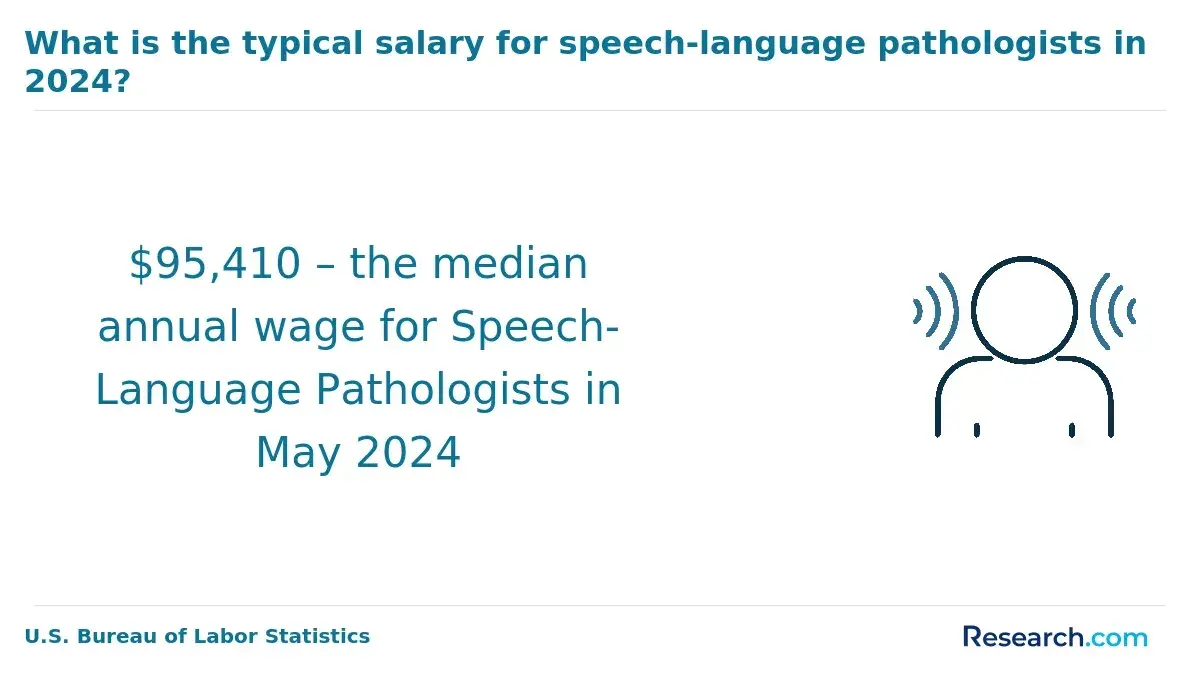
The salary outlook for speech-language pathologists (SLPs) remains strong, fueled by workforce shortages and growing clinical needs. According to the U.S. Bureau of Labor Statistics, the median annual wage for SLPs is about $82,000, with the top 10% earning more than $125,000. Salaries vary by setting and location: school-based SLPs typically earn between $60,000 and $75,000, while healthcare and private practice professionals can exceed $90,000.
Employment prospects improve with strong academic credentials and licensure exam success. For graduates of online speech pathology programs, high completion and Praxis pass rates significantly enhance hiring potential. For example, Baylor University's online and residential programs report a 97%+ three-year completion rate combined with a 95.79% Praxis pass rate, correlating with high employment in this rapidly growing field.
Factors affecting salary include geography, specialty, and experience. Urban areas and states with high demand often provide salaries above the national average. Specialized roles, such as pediatric care or research involvement, may offer premium pay. Entry-level SLPs start near the median wage and advance as they gain clinical expertise.
Evaluating programs with validated outcome data is vital for credentialing success and job marketability. Employment stability, professional growth, and competitive salaries make speech pathology a financially viable career across diverse settings.
How Strong Is the Job Demand for SLPs in the Coming Years?
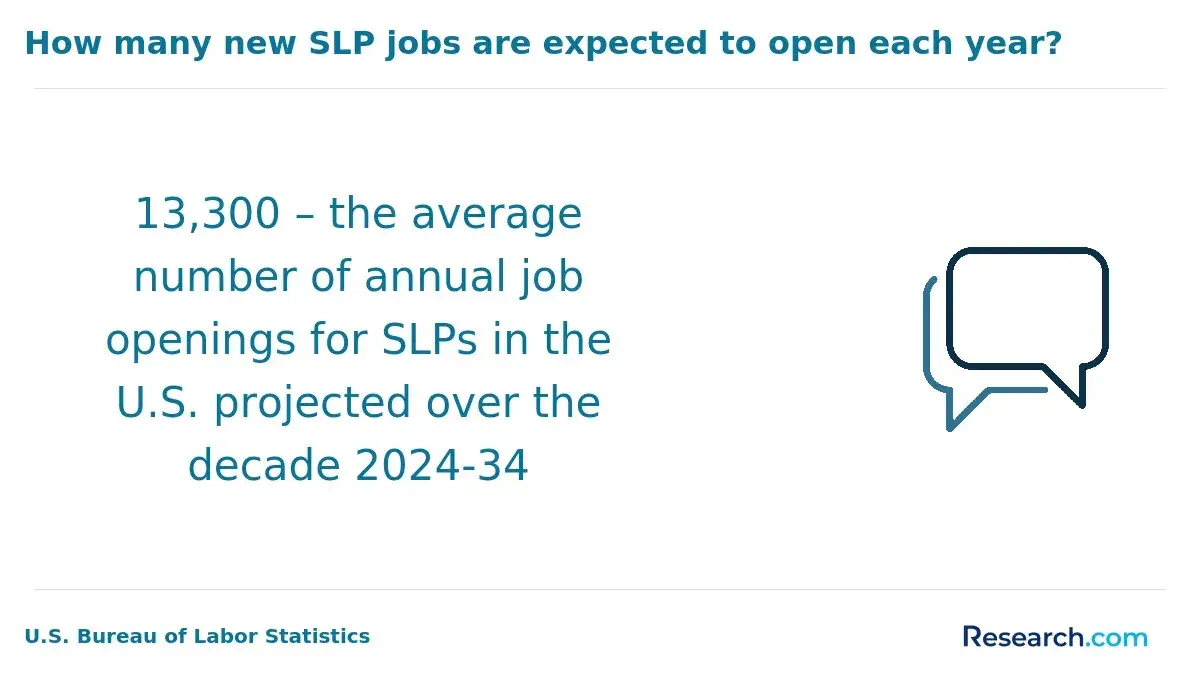
Job opportunities for speech-language pathologists (SLPs) are growing significantly, with a 21% employment increase projected from 2021 to 2031 by the U.S. Bureau of Labor Statistics. This demand stems from aging populations and greater healthcare needs, with roles available in hospitals, schools, nursing homes, and telepractice settings.
Schools remain major employers due to federal requirements for speech-related educational support, while healthcare facilities focus on treating communication disorders linked to stroke, dementia, and other conditions. Telehealth is also emerging as a vital area, expanding job prospects for SLPs.
Prospective students should prioritize timely completion of accredited programs with high certification success rates. For example, the University of Wisconsin-Madison's SLP program reports 100% Praxis pass rates from 2021 to 2023 and program completion rates approaching 100%. These metrics highlight the importance of investing consistent weekly effort to achieve professional certification and ensure career stability. Graduates entering the workforce can expect strong employment conditions but should focus on comprehensive training completed within standard timelines to secure long-term career flexibility.
Other Things You Should Know About Speech Pathology
Yes, clinical experience is a required component of all accredited speech pathology graduate programs, including online ones. Students must complete a specified number of supervised clinical hours, often called practicum or internships, to meet certification standards. These experiences can sometimes be arranged locally to allow hands-on work with clients under professional supervision.
Online speech pathology programs assess practical skills through supervised clinical placements and performance evaluations. Many programs partner with local clinics or healthcare facilities where students complete their hands-on training. Additionally, virtual simulations and telepractice assignments are becoming common methods for skill assessment in remote settings.
Many students in online speech pathology programs balance coursework with full-time employment, but this requires strong time management skills. Programs vary in flexibility, with some offering part-time tracks or asynchronous coursework to accommodate working students. However, students should expect intensive periods around clinical placements and exams that may demand more focused attention.
References
- What Can You Do with a Bachelor’s in Speech Pathology? https://speechpathologymastersprograms.com/speech-pathology-programs/bachelors-speech-pathology/what-can-you-do-with-bachelors-speech-pathology/
- 16 Speech Pathology Career Paths & Outlooks | USAHS https://www.usa.edu/blog/speech-pathology-career/
- Top Careers in Speech and Language Pathology: A Guide https://www.growwithcoral.com/blog/top-careers-in-speech-and-language-pathology-a-comprehensive-guide
- 12 Alternative Careers for Speech Pathologists (SLPs) https://thenonclinicalpt.com/alternative-careers-speech-pathologists-slps/
- Why International Speech Therapists Are Choosing the U.S. in 2025 | ERES https://eres.com/blog/international-speech-therapists-usa-2025
- 22+ Masters in Speech-Language Pathology (MSLP) Online Programs https://onlinespeechpathologyprograms.org/online-masters-mslp/
- Top 10 Budget-Friendly Online Master’s in Speech Therapy for 2024 – Specialist Language Courses https://specialistlanguagecourses.com/top-10-budget-friendly-online-masters-in-speech-therapy-for-2024/
- Online Master's in Speech Pathology: Top Schools https://www.edumed.org/online-schools/masters-programs-speech-language-pathology/
- Online SLP Master's Program - Misericordia University https://www.misericordia.edu/speech-language-pathology/online-slp-masters-program
- Online Master's in Speech Pathology: What to Know https://www.speechpathologygraduateprograms.org/masters-in-speech-language-pathology/