2027 What Makes an Online SLP Program Student-Friendly?

Co-Founder and Chief Data Scientist
Many prospective students face challenges navigating online Speech Pathology programs while balancing full-time work and personal commitments. Uncertainty about program accreditation, practical experience opportunities, and supportive faculty often complicates decision-making. Without clear guidance, students risk investing time and resources in programs that may not meet professional standards or career goals.
This article explores the key features that make an online Speech Pathology program truly student-friendly, highlighting how flexibility, accreditation, and comprehensive support systems can empower students to succeed in their academic and professional journeys.
Key Things You Should Know
- Flexible scheduling and asynchronous coursework in online SLP programs increase accessibility, with over 70% of students balancing education alongside work or family commitments in 2025 data.
- Accreditation by the Council on Academic Accreditation (CAA) ensures program quality and eligibility for certification, a critical factor for licensure and employment success.
- Innovative virtual clinical simulations enhance hands-on skill development, addressing previous student concerns about limited in-person practicum opportunities in remote settings.
What is a Speech-Language Pathology degree and what do SLPs actually do?
A speech-language pathology degree prepares students to become licensed professionals who assess, diagnose, and treat communication and swallowing disorders. Speech-language pathologists (SLPs) assist patients across all age groups, from infants with developmental delays to adults recovering from strokes or brain injuries. Their work often focuses on improving speech clarity, language comprehension, voice modulation, and social communication skills, reflecting the broad job responsibilities of speech-language pathologists.
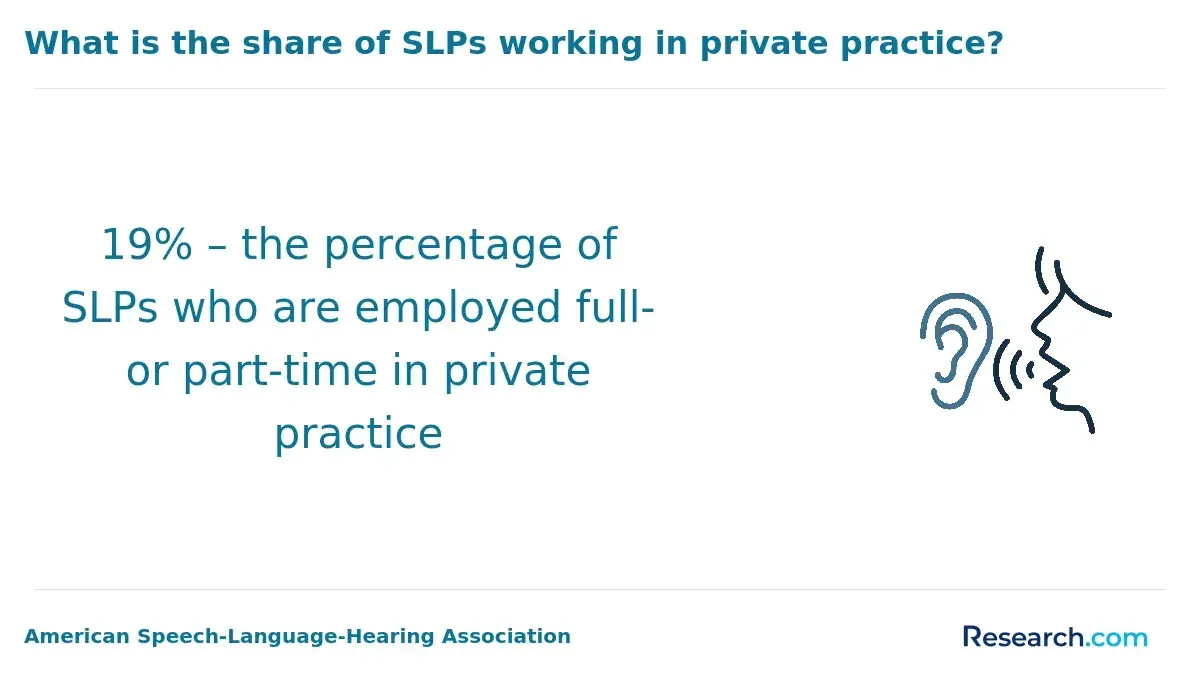
SLPs find employment in diverse settings such as schools, hospitals, rehabilitation centers, and private practices. They collaborate with educators, healthcare providers, and families to develop customized therapy plans-for instance, supporting children with stuttering in schools or addressing swallowing difficulties in healthcare environments.
Educational programs for SLPs generally require a master's degree accredited by the Council on Academic Accreditation in Audiology and Speech-Language Pathology (CAA). These programs blend coursework in anatomy, linguistics, and clinical practice with supervised internships for practical experience. Graduates must pass the Praxis exam, obtain state licensure, and often pursue certification from the American Speech-Language-Hearing Association (ASHA).
Arkansas State University's online-accessible SLP master's program highlights student success with a 100% Praxis pass rate, on-time completion, and employment rate for its recent graduates, as noted by SpeechPathologyGraduatePrograms.org's 2026 rankings. Prospective students may explore various speech therapy masters online options to find accredited and clinically rigorous programs that best suit their needs.
What are the accreditation and licensing requirements for online SLP programs?
Accreditation requirements for online speech pathology programs center largely on recognition by the Council on Academic Accreditation in Audiology and Speech-Language Pathology (CAA), the official accrediting body endorsed by the American Speech-Language-Hearing Association (ASHA). Earning a degree from a CAA-accredited program is essential for eligibility to obtain the Certificate of Clinical Competence in Speech-Language Pathology (CCC-SLP), a critical credential for professional licensure in most U.S. states.
Licensing criteria for online speech pathology graduate programs often include graduation from a CAA-accredited institution, completion of a supervised clinical fellowship, and passing the Praxis exam. State requirements can vary considerably, so prospective students should check with their relevant state licensing boards for specific mandates. Programs that provide flexible clinical practicum options-whether remote or local-can greatly simplify meeting these licensure conditions.
Tuition cost and student outcomes are vital considerations. For instance, Marywood University charges $12,951 annually for its SLP master's program and boasts a 100% Praxis pass rate and full employment for its graduates, earning top affordability and quality scores. Such metrics demonstrate how accredited programs can balance cost-effectiveness with strong career results.
Students exploring this field should also note potential career earnings, such as the NICU SLP salary, which reflects advanced opportunities within specialized areas of speech pathology.
How do online SLP programs compare to campus-based programs in quality and outcomes?
Online speech pathology programs can match campus-based program outcomes when they are accredited and well-structured. Both formats follow rigorous standards set by the Council on Academic Accreditation (CAA), ensuring graduates meet professional competencies. Many top-ranked online programs offer equivalent coursework, clinical practicum experiences, and faculty expertise to traditional programs, which supports equal eligibility for licensing and certification.
Graduates from leading programs-whether online or campus-based-often achieve similar employment success. Verified CAA data from SpeechPathologyGraduatePrograms.org shows a 97.5% employment rate within one year of graduation. This highlights how quality differences between online and traditional speech pathology degrees do not significantly affect career trajectories when accreditation is maintained.
Key distinctions involve flexibility and accessibility rather than educational quality. Online programs benefit working professionals or those in remote areas by providing asynchronous lectures and virtual clinical simulations. Campus-based programs may offer more in-person networking, hands-on lab experiences, and immediate peer interaction, which some students value. Best outcomes arise from programs that integrate synchronous clinical placements in varied settings, regardless of delivery format.
Prospective students should focus on clinical site support, faculty qualifications, and accreditation status rather than delivery mode alone. Consider personal learning styles and external commitments, and confirm clinical hours meet state licensure requirements, as online students might need local supervisors. For those interested, exploring 5-year speech pathology programs can offer accelerated pathways aligned with these standards.
What coursework and clinical experience do accredited online SLP programs require?
Accredited online speech pathology programs require rigorous coursework and supervised clinical experience to meet certification standards. Coursework covers topics like anatomy of speech and hearing mechanisms, language development, phonetics, audiology, neurogenic communication disorders, and evidence-based assessment and intervention methods. These components ensure students master current clinical practices and fulfill accredited online speech pathology programs coursework requirements.
Clinical practicum experience in accredited online speech pathology programs is mandatory, typically exceeding 400 supervised hours stipulated by the Council on Academic Accreditation in Audiology and Speech-Language Pathology (CAA). This includes direct client contact and observation hours. Programs coordinate with vetted local facilities to arrange placements close to students' homes. For instance, James Madison University reported a 100% Praxis pass rate among online students completing supervised clinical hours at local sites, according to OnlineSpeechPathologyPrograms.org 2026 review.
Many programs also incorporate telepractice training to support growing remote service needs. Virtual simulations often supplement in-person hours, enhancing practical skills while offering scheduling flexibility. Prospective students should verify that clinical components meet state licensure and ASHA's Certificate of Clinical Competence (CCC-SLP) requirements.
For those exploring options, researching the speech language pathologist degree can help identify programs that balance accessibility and accreditation standards.
How long does an online SLP program take and what are typical costs?
Online speech pathology master's programs typically take two to three years for full-time students, similar to traditional on-campus timelines. Part-time students can expect programs to last three to five years, accommodating those working or managing other responsibilities. Accelerated options exist, reducing completion time to about 18 months but requiring a heavier course load. Program duration depends on curriculum design, clinical practicum requirements, and the need for prerequisite courses.
Tuition varies widely based on the type of institution, residency status, and format. Costs generally range from $20,000 to $70,000 total. Public universities commonly charge between $20,000 and $40,000 for in-state students, while private and out-of-state tuition can exceed $60,000. Additional expenses include clinical fees, textbooks, technology, and exam preparation. Financial aid, scholarships, and employer reimbursement are sometimes available.
Over 40 ASHA-accredited graduate programs require no prerequisites for master's admissions. This policy allows non-traditional students without a communication sciences degree to enter directly, potentially saving time and tuition. Choosing programs with no prerequisite requirements can shorten study by one to two semesters and reduce costs.
What are the admission requirements and prerequisites for online SLP graduate programs?
Admission to online SLP graduate programs typically requires a bachelor's degree from an accredited institution, usually in communication sciences, speech pathology, or a closely related field. Applicants from other disciplines may be accepted but are often required to complete prerequisite courses such as anatomy and physiology of speech, phonetics, and language development before enrollment. Maintaining a minimum cumulative GPA around 3.0 on a 4.0 scale is generally expected to demonstrate academic preparedness.
While some programs still require GRE scores, many have recently waived this to increase access. Letters of recommendation, usually two or three, are necessary to verify an applicant's academic or professional suitability for graduate-level work. Practical experience through volunteer work, internships, or paid roles involving interaction with individuals who have communication disorders is strongly encouraged or required. These experiences help prepare students for clinical components and enhance application strength.
Additional requirements often include a personal statement explaining career goals and motivation, along with interviews to assess communication skills and program fit. Background checks and health clearances may also be mandated due to clinical practicum demands. Columbia College-SC's online bachelor's program in speech pathology offers an 11:1 student-to-faculty ratio, noted by OnlineU's 2026 rankings to promote high engagement and support.
What is the job outlook and salary potential for speech-language pathologists?
The demand for speech-language pathologists (SLPs) is expected to grow rapidly, with the U.S. Bureau of Labor Statistics forecasting a 21% increase between 2020 and 2030. This growth is fueled by an aging population needing more speech therapy and heightened recognition of speech and language disorders across all ages. Median annual wages reached about $79,060, but earnings vary depending on experience, setting, and location.
Entry-level SLPs in educational or outpatient clinical settings typically start with salaries between $60,000 and $65,000. Those with more experience, especially in hospitals or private practice, can earn $90,000 to $100,000 or more. Specialized roles such as neonatal intensive care or private consulting may offer even higher income.
Online SLP programs, like those at Eastern New Mexico University, offer flexible, affordable options with tuition below $300 per credit hour. These programs, praised in r/slpGradSchool 2024 discussions with 96% student recommendation rates, provide asynchronous courses ideal for working professionals or hybrid master's degree seekers. This flexibility supports balancing clinical hours with work or personal commitments.
Candidates should research local licensure and job market trends, as salary and opportunities can vary widely. Gaining experience through diverse clinical rotations or telepractice can improve job prospects and earning potential in this competitive field.
How do online SLP programs provide hands-on clinical practicum hours?
Online slp programs combine hands-on clinical practicum hours with flexible learning formats. Students complete ASHA's 400-hour requirement through placements at approved local sites such as schools, hospitals, rehabilitation centers, or private practices near their homes. These programs build partnerships with clinical sites, offering a hybrid model that fits working professionals and those with personal commitments without requiring relocation.
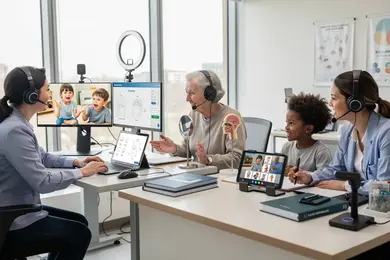
Many programs incorporate telepractice practicums, where students provide supervised services via secure video platforms. This approach aligns with telehealth trends and broadens client diversity access. However, telepractice hours usually complement rather than replace in-person clinical time.
Supervision and feedback often happen remotely through video recordings or live virtual observation, ensuring clinical rigor and meeting ASHA standards while offering geographic flexibility. Students often worry about finding placements independently, but reputable programs assist with site selection, necessary paperwork, and compliance, easing administrative burdens.
Graduates of affordable, ASHA-accredited SLP master's programs with tuition under $75,000 show a strong return on investment. These programs' value are based on U.S. Bureau of Labor Statistics salary data over 10 years, emphasizing accessible clinical training paired with marketable credentials.
What credentials and certifications must SLPs obtain after graduation?
Speech-language pathologists (SLPs) in the United States must earn credentials to practice professionally. The core certification is the Certificate of Clinical Competence in Speech-Language Pathology (CCC-SLP) from the American Speech-Language-Hearing Association (ASHA), which verifies candidates meet national standards of knowledge and skills.
To qualify for the CCC-SLP, candidates need a master's degree from a Council on Academic Accreditation (CAA)-accredited program. As access expands, about 30 mostly online CAA-accredited SLP master's programs are available, with strong outcomes including 95%+ Praxis pass rates, according to OnlineSpeechPathologyPrograms.org.
After graduation, candidates must complete a supervised clinical fellowship lasting around 36 weeks, followed by passing the Praxis Examination in Speech-Language Pathology. State licensure requirements typically mandate holding the CCC-SLP or equivalent credentials.
Additional specialization certificates (e.g., pediatric language or fluency disorders) are optional. Maintaining certification requires ongoing professional development and continuing education, aligned with ASHA or state board standards.
How should prospective students evaluate and choose a reputable online SLP program?
When evaluating online speech pathology (SLP) programs, accreditation by the Council on Academic Accreditation in Audiology and Speech-Language Pathology (CAA) is essential. This accreditation ensures the program meets national standards and qualifies students for licensure and certification exams. Program outcomes like retention and graduation rates also reflect program quality; for instance, Arizona State University Online reports an 85% first-year retention rate and a 68% graduation rate, indicating strong student support.
Hands-on clinical practicum experience is critical. Check that the program offers supervised clinical hours through reputable healthcare or educational partnerships, with local placement support especially important for out-of-state students. A comprehensive curriculum should cover a range of populations from pediatric to geriatric and prepare for national exams such as the Praxis.
Technological accessibility and student support services make a significant difference in the learning experience. Look for programs with reliable online platforms, interactive features, and timely academic advising. Faculty qualifications matter too-prefer instructors with clinical expertise and active research or professional involvement.
Flexibility in scheduling and affordable tuition options are worth considering. Many programs offer part-time, evening, or accelerated tracks, along with scholarships and financial aid opportunities. Ultimately, choose a program that balances accreditation, clinical training, qualified faculty, and student-centered support to enhance your career prospects in speech pathology.
Other Things You Should Know About Speech Pathology
In 2027, a student-friendly online SLP program includes flexible scheduling, interactive and engaging coursework, accessible faculty support, and efficient technology platforms for seamless learning. Programs with ongoing professional development opportunities, such as virtual clinics and community engagement, enhance the overall educational experience.
Speech pathologists treat a broad range of communication disorders including articulation and phonological disorders, language delays, stuttering, voice disorders, and cognitive-communication impairments. They also address swallowing disorders and social communication difficulties, tailoring therapy plans to each client's unique needs across the lifespan.
Cultural competence is essential in speech pathology because communication styles and language use vary widely across cultures. SLPs must understand and respect cultural differences to provide effective, individualized treatment. This competence also involves recognizing dialectical variations and working with interpreters when necessary to ensure accurate assessment and intervention.
Continuing education is a critical aspect of a speech pathologist's career. Most states and professional boards require ongoing professional development to maintain licensure and certification. This includes attending workshops, completing courses in new techniques or technologies, and staying current with research to ensure evidence-based practice.
References
- Online Master of Science in Speech-Language Pathology - General Pathway https://slponline.ithaca.edu/programs/masters-speech-language-pathology-online
- How To Get SLP Observation Hours ? | https://www.therapyabroad.org/how-to-get-slp-observation-hours/
- Best Online Speech-Language Pathology (SLP) Programs 2025 https://onlinespeechpathologyprograms.org/best-online-slp-programs/
- How Much Does It Cost to Become a Speech Pathologist | Advanced Therapy Clinic https://www.advancedtherapyclinic.com/blog/how-much-does-it-cost-to-become-a-speech-pathologist
- Best Online Master’s in Speech Pathology (SLP) Programs for 2025 https://www.onlinemastersdegrees.org/best-programs/speech-language-pathology-slp/
- ASHA-Accredited Online Graduate Programs in Speech Language Pathology (SLP) https://www.onlineeducation.com/healthcare/faqs/which-online-slp-programs-are-asha-accredited
- Master in Speech-Language Pathology | SLP Online Program | USAHS https://www.usa.edu/college-of-rehabilitative-sciences/master-science-speech-language-pathology-ms-slp/
- SLP Licensure https://www.speechpathologydegrees.com/licensure/slp-licensure
- What Is a Speech-Language Pathologist (SLP)? https://www.webmd.com/a-to-z-guides/what-is-a-speech-language-pathologist
- Online Master of Science in Speech-Language Pathology | Maryville University https://slp.maryville.edu/online-programs/online-masters-degrees/speech-language-pathology/