2027 Courses You Can Expect in a Communication Sciences Bridge Program

Co-Founder and Chief Data Scientist
Changing careers into speech pathology can be daunting, especially without a background in related sciences. Many professionals face uncertainty about the necessary coursework that bridges their previous education to this specialized field. A communication sciences bridge program addresses this gap, offering tailored courses to build fundamental knowledge and clinical skills. Understanding the typical curriculum helps prospective students plan their academic journey effectively and anticipate the competencies gained. This article outlines essential courses commonly included in these programs and explains how they prepare candidates for successful graduate study and clinical practice in speech pathology.
Key Things You Should Know
- Bridge programs in communication sciences commonly include courses in anatomy and physiology of speech, language acquisition, and clinical practicum to prepare students for graduate study and certification.
- These programs integrate the latest evidence-based practices with technology use, reflecting a 15% rise in telepractice training due to increasing demand in remote speech pathology services.
- Curricula emphasize multicultural competence and ethical considerations, essential for serving diverse populations in the U.S., aligning with updated ASHA guidelines effective from 2025.
What is a Communication Sciences Bridge Program?
A Communication Sciences Bridge Program is designed for students holding a bachelor's degree in a related field who need to complete prerequisite courses for graduate study in communication sciences and disorders or speech pathology. These tailored programs offer foundational coursework that prepares candidates for master's programs, focusing on subjects such as anatomy, physiology of speech and hearing, linguistics, and introductory clinical practices. Including bridge program courses in communication sciences typically covers areas like:
- Introduction to Speech and Hearing Science
- Phonetics and Phonology
- Normal Language Development
- Auditory Disorders and Assessment
- Neurological Bases of Communication
Bridge programs help students avoid completing a second bachelor's degree by addressing the prerequisite requirements efficiently, saving both time and money. For instance, individuals with degrees in psychology or education can enroll in these programs to gain essential science and communication coursework before applying to graduate schools. Prospective students should confirm that a program's curriculum aligns with their targeted graduate programs and is accredited to support eligibility for the American Speech-Language-Hearing Association's Clinical Certificate of Competence (CCC).
Employment demand for speech-language pathologists is expected to grow significantly over the next decade, making the Communication Sciences Bridge Program overview relevant to those seeking a career in this expanding field. Students interested in advanced education in speech pathology can explore options like the SLP online masters program to continue their academic journey.
What courses are typically in a Communication Sciences Bridge Program?
Communication sciences bridge program core courses generally combine foundational and advanced subjects to fulfill prerequisite requirements for graduate study in speech pathology. These programs often include Anatomy and Physiology of Speech and Hearing Mechanisms, crucial for understanding the biological structures behind communication and swallowing disorders. A study referenced by the American Speech-Language-Hearing Association (ASHA) reported that 95% of bridge program completers strengthened their understanding of anatomical factors linked to dysphagia.
The typical curriculum for communication sciences bridge programs also covers Speech and Hearing Science, which explores acoustic phonetics, auditory processing, and speech production. Introduction to Communication Disorders offers an overview of common speech, language, and swallowing impairments encountered clinically. Courses in Linguistics or Phonetics provide essential knowledge of language sounds and structures, aiding accurate assessment and therapy planning.
Cognitive Neuroscience or Neuroanatomy is frequently included to explain the neural foundations of speech and language functions, while Audiology basics introduce hearing assessment techniques. Some programs add Research Methods and Statistics to prepare students for evidence-based practice. Curriculum variations reflect institutional focus but share the goal of aligning coursework with graduate program prerequisites and accreditation standards.
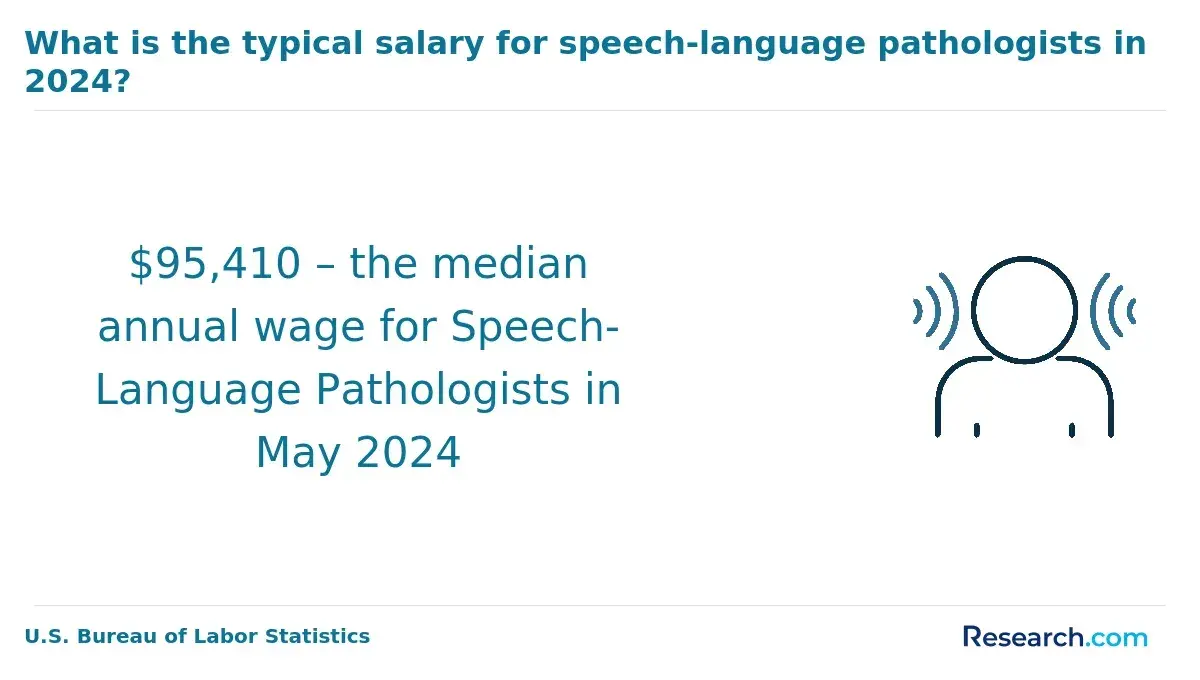
Students considering these bridge programs should also explore career outcomes and earning potential, including the speech and language pathologist salary, to make informed decisions about their education and career path.
What are admission requirements for Communication Sciences Bridge Programs?
Admission requirements for communication sciences bridge programs in the United States typically include a completed bachelor's degree in communication sciences and disorders or a related field. Most programs expect a minimum GPA of 3.0, with some requiring 3.2 or higher. Applicants usually submit official transcripts, letters of recommendation, and a personal statement outlining career goals. While some universities still require standardized test scores like the GRE, these are increasingly optional.
Undergraduate prerequisites for communication sciences bridge programs in the US commonly include anatomy and physiology of the speech and hearing mechanism, phonetics, linguistics, and statistics. If these courses are missing, candidates might need to complete them before or during the program.
Practical experience enhances applications significantly. Many programs request documentation of clinical observation hours ranging from 25 to 50, often gained through volunteering or internships in speech pathology settings. International applicants must demonstrate English proficiency through tests such as TOEFL or IELTS. Background checks and immunization records are typically required for clinical placements.
Admissions committees focus on readiness for graduate-level clinical work and research. Due to a 25% rise in job postings for SLPs specializing in pediatric language disorders, as noted by ASHA's Public Data, showing experience in pediatric settings can be crucial. Prospective students looking for accelerated pathways may explore accelerated speech pathology programs to fast-track their careers.
How long do Communication Sciences Bridge Programs take to complete?
Communication sciences bridge programs typically take between one and two years to complete, depending on factors like program structure, prior academic background, and whether students attend full-time or part-time. Full-time students with related undergraduate degrees often finish within 12 to 18 months, while those with less relevant coursework may need closer to two years to fulfill all requirements.
Accelerated programs condense intensive coursework and clinical experience into shorter periods, while part-time options accommodate working professionals, sometimes extending completion beyond two years. Summer sessions or intersessions may help shorten timelines without reducing content or clinical hours.
Prospective students seeking information on how long communication sciences bridge programs typically take to complete should carefully review curriculum components, including foundational science courses, speech and hearing science, and clinical practicums. These requirements influence program length and scheduling flexibility. Additional certifications or state licensures affect post-program timelines but not the duration itself.
According to ASHA's 2025 Salary Report, professionals with advanced hearing science training in speech pathology-related audiology roles earn about 15% more, with an average salary of $92,000 versus $80,000 for generalists. This wage premium highlights the benefit of investing time in rigorous bridge programs emphasizing advanced competencies.
For those interested in accessible options, a number of online speech pathology programs offer flexible pathways. Considering the average duration of communication sciences bridge programs in the US alongside program quality and specialization opportunities supports better career alignment and workforce entry timing.
What are the costs of Communication Sciences Bridge Programs?
Costs for Communication Sciences bridge programs vary widely due to institution type, location, and program length. Tuition typically ranges from $8,000 to $25,000 for the full curriculum. Public universities tend to offer more affordable rates, especially for in-state residents, while private schools can charge much higher fees. Additional expenses such as textbooks, lab supplies, and technology fees may add $1,000 to $2,500 annually.
Indirect costs like GRE preparation and application fees should also be considered. Some programs require prerequisite courses outside the bridge path, increasing overall costs. Financial aid options are often limited, as many bridge programs don't qualify for federal loans or grants, resulting in out-of-pocket payments for most students.
Employer sponsorships are possible but not guaranteed and generally require work commitments. Scholarships for bridge students are rare but worth exploring through professional associations in the field of Communication Sciences.
Investing in phonetics and phonology courses is strategic. According to the Council of Academic Programs in Communication Sciences and Disorders (CAPCSD) National Survey, 68% of CSD graduate programs reported higher admission rates for bridge students with phonetics coursework, translating to a 12% edge in GRE-like verbal scores. This targeted investment enhances admission prospects and test performance.
Are there online or campus options for Communication Sciences Bridge Programs?
Communication sciences bridge programs offer flexible learning options to meet diverse student needs, including online, campus-based, and hybrid formats. Online programs often provide asynchronous lectures, virtual labs, and remote faculty access, enabling students to progress from any location. Campus-based options feature traditional in-person instruction, ideal for those seeking direct interaction with faculty, peers, and hands-on clinical practice opportunities.
Hybrid programs combine online theory with on-campus practicum components, allowing students to gain vital clinical experience while maintaining schedule flexibility. Some programs require intensive weekend or summer sessions for practical training, with the remainder of coursework delivered online.
When choosing a program, students should confirm accreditation and the availability of clinical placement support to meet state licensure requirements. Given that hearing loss affects one in four U.S. adults aged 65 and older and the CDC projects a 22% increase in Speech Pathology audiology roles by 2030, acquiring comprehensive clinical experience is essential.
Prospective students should assess their personal circumstances and career goals carefully, selecting a program that balances flexibility with adequate clinical preparation. This approach ensures successful training and compliance with certification standards in the field of Speech Pathology.
Which accreditations matter for Communication Sciences Bridge Programs?
Accreditation plays a vital role in communication sciences bridge programs, ensuring quality education and eligibility for professional licensure. The Council on Academic Accreditation in Audiology and Speech-Language Pathology (CAA), recognized by the American Speech-Language-Hearing Association (ASHA), is the primary accrediting body. Programs with CAA accreditation meet strict standards for curriculum, faculty, and clinical training, enabling graduates to pursue the Certificate of Clinical Competence (CCC) from ASHA-a crucial credential for speech pathologists.
State licensure boards require completion of accredited programs for legal practice, making CAA accreditation essential. Without it, graduates may face challenges obtaining licensure or certification, which can limit employment prospects. Clinical experiences connected to accredited programs also align with state and national standards, providing valuable real-world training through internships and externships.
Key benefits of attending a CAA-accredited bridge program include:
- Access to updated curricula reflecting current research and industry needs
- Enhanced eligibility for licensure and ASHA certification
- Improved marketability and job placement support through professional affiliations
According to BLS May 2025 Occupational Employment and Wage Statistics, speech sound disorders SLPs earned a median salary of $88,500, surpassing the overall SLP median by 10%. This underscores the value of specialized training through accredited programs for those focusing on articulation disorders in speech pathology.
What careers follow a Communication Sciences Bridge Program?
Careers after completing a communication sciences bridge program often lead to clinical and research roles such as speech-language pathologists, audiologists, or clinical supervisors in healthcare, schools, rehabilitation centers, and private practices. Many graduates continue to graduate programs, essential for obtaining licensing and certification.
Bridge programs that combine clinical observation with practicum experience significantly boost acceptance rates into graduate studies. According to ASHA's 2025 Graduate Enrollment and Outcomes Report, applicants from these programs had an acceptance rate of 82%, compared to 65% for those without bridge program backgrounds. This improved readiness enables faster entry into clinical careers.
Other career paths include:
- Research roles in institutions focusing on communication disorders
- Developing educational technology for speech therapy
- Administrative or policy work linked to communication healthcare
- Community health and early intervention services for developmental delays or impairments
A master's degree is typically required for client-facing roles. Bridge programs provide structured prerequisites and practical experience, especially valuable for students with limited clinical exposure. Integrated practicum hours are strongly recommended to enhance skills and employability.
Emerging areas such as telepractice and interdisciplinary healthcare collaboration offer expanding opportunities. Graduates proficient in digital communication platforms are increasingly sought for remote speech therapy delivery. Employers highly value bridge program candidates for their comprehensive preparation and higher licensing exam success rates.
What is the salary outlook after a Communication Sciences Bridge Program?
The salary outlook for graduates of a Communication Sciences bridge program varies significantly based on location, work setting, and specialization. Median annual wages typically range from $65,000 to $85,000, with entry-level speech pathologists often starting near the lower end and experiencing steady growth through clinical experience and additional certifications.
Bilingual clinicians, especially those fluent in Spanish, see higher earning potential due to demand driven by U.S. demographic changes. According to ASHA's 2025 Jobs in Speech-Language Pathology analysis, demand for bilingual SLPs surged 30% in 2025, with 40% of openings requiring Spanish proficiency. This offers a competitive edge for bilingual practitioners across various settings.
Employment opportunities exist in hospitals, schools, and rehabilitation centers, where salaries vary:
- School-based positions: $60,000 to $75,000
- Hospital roles/private practice: Above $80,000
Specialized certifications, such as those in multicultural and bilingual speech pathology, can boost salaries by 10-15% compared to monolingual peers. Urban areas with diverse populations present increased job opportunities and salary potential for bilingual clinicians. Additional credentials in telepractice or specialties like pediatric or geriatric care may further enhance compensation prospects.
What is the job demand for Communication Sciences Bridge Program graduates?
Graduates of the Communication Sciences Bridge Program enjoy strong job prospects, particularly when they pursue graduate degrees and ASHA certification, vital for speech pathology careers. The Georgetown University Center on Education and the Workforce 2025 report highlights an impressive return on investment, with speech-language pathology master's degrees earning about 250% ROI over 10 years and lifetime earnings exceeding $2.5 million-outperforming many other health fields.
Employment opportunities span hospitals, schools, rehabilitation centers, and private practices. This growth is fueled by an aging population and increased recognition of communication disorders. For licensed clinical roles, ASHA certification remains critical to gaining the best career options.
Key points for prospective students include:
- The bridge program strengthens graduate admissions prospects, necessary for licensure and higher wages.
- Graduates advancing to master's degrees experience notable salary increases over a decade.
- Speech pathology job growth exceeds the average for health occupations, indicating solid stability.
- Hands-on clinical experience during training greatly enhances employability and satisfaction among employers.
Overall, graduates with this credential are well-positioned for rewarding, stable careers backed by strong financial returns, especially when completing certification and advanced education.
Other Things You Should Know About Speech Pathology
In a 2027 Communication Sciences Bridge Program, typical courses include Introduction to Audiology, Phonetics, Speech and Hearing Science, Language Development, Anatomy and Physiology of Speech Mechanisms, and Clinical Methods. These courses equip students with foundational knowledge necessary for further studies in communication disorders.
Speech pathologists diagnose and treat disorders related to speech, language, voice, fluency, and swallowing. Common conditions include articulation disorders, stuttering, aphasia resulting from stroke, and dysphagia. They also work with individuals experiencing cognitive-communication impairments and social communication difficulties.
Yes, certification is generally required to practice as a speech pathologist in the United States. Most professionals obtain the Certificate of Clinical Competence in Speech-Language Pathology (CCC-SLP) from the American Speech-Language-Hearing Association (ASHA). State licensure is also needed, which varies by location but often requires similar qualifications and supervised clinical experience.
Effective communication and interpersonal skills are crucial for speech pathologists to build rapport with clients and collaborate with other healthcare professionals. Strong analytical abilities help in assessing disorders and developing treatment plans. Patience and adaptability are also important, as therapy often requires individualized approaches over extended periods.
References
- Top Careers in Speech and Language Pathology: A Guide https://www.growwithcoral.com/blog/top-careers-in-speech-and-language-pathology-a-comprehensive-guide
- Best Online Speech-Language Pathology (SLP) Programs 2025 https://onlinespeechpathologyprograms.org/best-online-slp-programs/
- Biola to Launch New Post-Baccalaureate Program for Communication Sciences and Disorders https://www.biola.edu/blogs/biola-news/2023/biola-to-launch-new-post-baccalaureate-program-for-communication-sciences-and-disorders
- 24 Online Speech Pathology Programs https://speechisbeautiful.com/2016/05/24-online-speech-pathology-programs/
- Communication Sciences & Disorders Post-Baccalaureate https://www.pacificu.edu/communication-sciences-disorders-post-bacc
- Communication Sciences and Disorders Post-Baccalaureate Requirements https://www.sxu.edu/admission/transfer/communication-science-post-baccalaureate.html
- Bridge Entry to the Speech-Language Pathology Program https://www.mcdaniel.edu/admissions-cost/graduate-admissions/ms-speech-language-pathology-admissions/bridge-entry-slp
- What Can You Do with a Bachelor’s in Speech Pathology? https://speechpathologymastersprograms.com/speech-pathology-programs/bachelors-speech-pathology/what-can-you-do-with-bachelors-speech-pathology/
- Speech Pathologist Salary and Career Outlook https://teach.com/online-ed/healthcare-degrees/online-masters-speech-language-pathology/career-salary/
- Bridging Program in Speech Language Pathology https://catalog.saintmarys.edu/undergraduate/programs/speech-language-pathology/bridge-program-speech-language-pathology/