2027 Guide to Observation Hours for Future Speech Pathology Students

Co-Founder and Chief Data Scientist
Many aspiring speech pathologists face confusion about the required observation hours needed before graduate program admission. Uncertainty about where to complete these hours, what qualifies as acceptable experience, and how they impact applications causes delays and frustration. This situation often leaves candidates unsure of how to strengthen their profiles effectively.
The article clarifies institutional and certification requirements for observation hours, explores flexible and accredited options, and offers guidance to help future students meet prerequisites confidently while optimizing their preparation for a career in speech pathology.
Key Things You Should Know
- Observation hours are mandatory for most U.S. speech pathology graduate programs, with requirements ranging from 20 to over 100 hours to develop foundational clinical skills before full practicum.
- The American Speech-Language-Hearing Association recommends at least 25 observation hours in diverse clinical settings, emphasizing early exposure improves student readiness and patient outcomes.
- In 2025, surveys show 68% of program applicants who completed over 50 observation hours received higher acceptance rates, highlighting the importance of comprehensive pre-clinical experience.
What are observation hours in speech pathology?
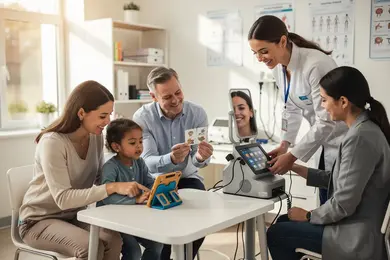
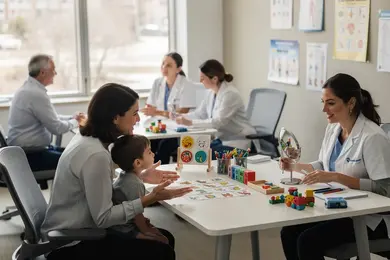
Observation hours in speech pathology are supervised experiences where prospective students shadow certified speech-language pathologists (SLPs) during assessments and therapy sessions. These hours offer firsthand exposure to clinical methods, client interactions, and professional settings, typically conducted in schools, hospitals, rehabilitation centers, or private practices.
Distinct from direct clinical practice, observation hours involve passive engagement, such as watching articulation therapy with children or swallowing evaluations in medical contexts. This experience helps students confirm their interest and better understand the daily SLP responsibilities. Many graduate programs, including those focusing on observation hours requirements for speech pathology students in Australia, mandate a minimum of 25 guided observation hours before admission.
Completing these hours early strengthens graduate school applications and clarifies career goals. Students are advised to coordinate with local clinics or university departments to fulfill these requirements and carefully document all experiences with supervisor feedback for verification. Without completed observation hours, most accredited programs will not consider applications.
For those exploring broader education options, including how to complete required observation hours for speech pathology courses, researching online programs may be helpful. Resources like speech therapy masters online offer flexibility and access to valuable training that complements observation experience.
How many observation hours for speech pathology?
The minimum clinical observation hours for speech pathology programs in America generally range from 25 to 50 hours, with 25 hours being a widely recommended benchmark. According to the ASHA 2025 Certification Data Report, 92% of applicants completing at least 25 observation hours passed the Praxis exam on their first attempt, compared to a 78% pass rate for those with fewer hours. These observation hours provide essential exposure to diverse clinical settings such as schools, hospitals, and private clinics, helping students gain experience with various patient populations.
Prospective students should verify specific requirements for each program early in the application process. Some programs emphasize a minimum number of hours, while others prioritize the quality and diversity of observation experiences. How many observation hours are required for speech pathology students in the US depends on institutional standards and career focus.
Practical advice includes documenting all hours with supervisor contact information, focusing on settings relevant to your career goals, and using observation time to develop meaningful professional connections. Observation hours form a foundation for graduate practicum placements and internships, supporting both exam success and practical skills development. Those interested in long-term career prospects may also explore information about speech language pathologist salary to better understand the financial outlook in this field.
Where to complete speech pathology observation hours?
Speech pathology observation hours are most reliably completed through university-affiliated clinics or faculty networks, which according to the Council of Academic Programs in Communication Sciences and Disorders (CAPCSD) 2025 Workforce Survey, account for 68% of all student placements. These settings offer structured supervision and access to diverse patient groups including pediatric, adult, and inpatient populations, aligning well with academic curricula.
Students seeking the best locations to fulfill speech pathology observation requirements for students will find that university clinics provide direct mentorship from licensed speech pathologists and connections to research clinics or pilot intervention programs. These experiences integrate closely with coursework, enhancing practical learning.
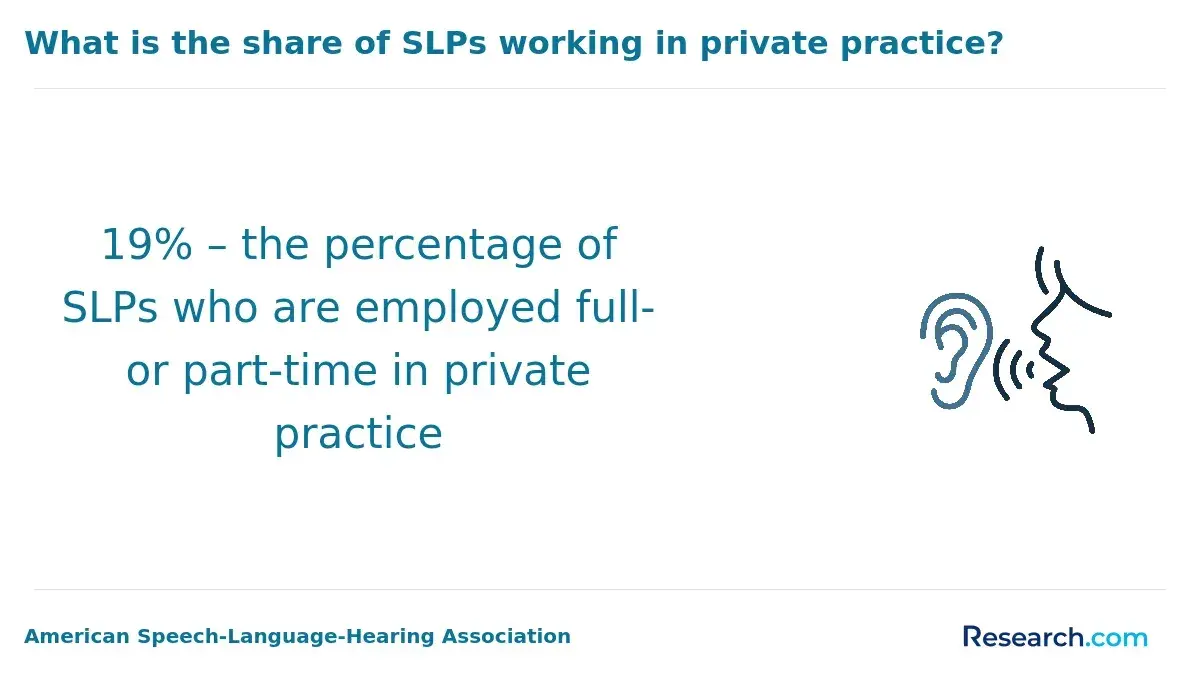
Private practice observation hours represent about 12% of placements and are generally less consistent but may offer unique exposure to specialties like voice therapy, accent modification, or neurogenic communication disorders. Students pursuing private practices should prepare professional outreach plans and flexible scheduling proposals to maximize opportunities.
Additional viable sites include hospitals, rehabilitation centers, and schools, often accessible through academic advisor partnerships. Early contact with placement coordinators is critical since observation requirements and documentation standards vary by program. Proper planning and university support remain essential for securing meaningful hours.
For those exploring accelerated options, resources listing the best 5 year speech pathology programs can provide valuable guidance on aligning observation and educational goals.
What qualifies as speech pathology observation hours?
Speech pathology observation hours requirements in the United States mandate supervised, direct exposure to approved clinical settings where speech language pathology services are provided. These hours involve observing licensed speech pathologists as they assess, diagnose, or treat clients with various communication disorders across age groups. Such experiences give valuable insight into professional duties and client interaction.
Hours spent on administrative tasks, unrelated volunteering, or shadowing unlicensed personnel do not count toward observation requirements. Documentation by the supervising clinician confirming date, duration, and nature of activities is essential; otherwise, hours risk rejection by graduate programs.
Between 2024 and 2025, 15% of applicants were denied admission mainly due to insufficient documentation of observation hours, according to a nationwide analysis. This highlights the critical need for accurate logging in line with speech pathology observation hours requirements in the United States. Students should pursue formally supervised opportunities and request thorough verifications.
Consistent, validated hours across diverse approved clinical settings for speech pathology observation hours enhance an applicant's competitiveness and compliance with accreditation standards. Those exploring SLP master's programs should prioritize these criteria carefully.
How to document speech pathology observation hours?
Maintain a detailed log to accurately document speech pathology observation hours, including the date, duration, setting, supervisor's name, and a description of activities observed. When available, use standardized forms provided by your educational program or clinical site; if none are provided, create a clear and organized personal record. Specify whether the hours were completed in-person or virtually, as virtual observations are increasingly important. For instance, data from the Simucase platform shows that 42% of logged speech pathology hours were virtual, with participants retaining clinical techniques 30% better.
Common documentation tools include electronic spreadsheets and clinical tracking apps endorsed by academic programs. Confirm the required format early to ensure compliance with accreditation and licensure standards. Each entry or batch should have signed verification from supervisors, confirming authenticity-a mandatory step for graduate program applications and state licensure.
Clearly distinguish between passive observation and interactive participation, as typically only active supervised observation hours count toward requirements. Keep original or secure digital copies of supervision confirmations, since audits may occur. When submitting logs, summarize total hours and break down observations by virtual versus in-person settings and the types of environments, such as schools, hospitals, or private clinics, to show a broad range of experience.
Do online speech pathology programs require observation hours?
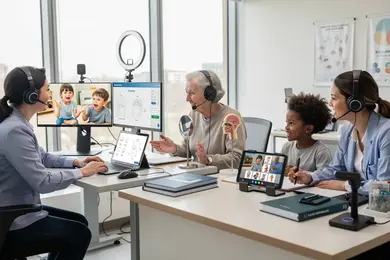
Observation hours are a key requirement for online speech pathology programs, though the number and format vary by program and state licensure rules. These hours provide essential hands-on experience under the supervision of a certified speech-language pathologist (SLP). Some programs combine virtual clinical simulations with live telepractice observation, while others require students to arrange local in-person shadowing.
These observation experiences help students develop clinical reasoning, gain exposure to diverse patient groups, and fulfill accreditation standards set by organizations like the Council on Academic Accreditation (CAA). Typically, students must complete a minimum number of direct observation hours before advancing to supervised clinical practicum.
Students should confirm whether their program offers structured observation placements or if they need to secure them independently. Many online programs assist in finding qualified supervisors and ensure documentation complies with accreditation requirements.
Common issues include incomplete or improperly documented observation logs. An audit from ASHA found 28% of observation logs were disqualified due to missing SLP signatures or lack of reflective discussion, highlighting the importance of accurate record-keeping. Every observation session must be validated by a licensed SLP and include feedback or guided reflection. Proactive planning and communication with program advisors are crucial to avoid delays in certification readiness and ensure observation hours meet all professional standards.
Which speech pathology programs need observation hours?
Most accredited master's programs in speech pathology require applicants to complete observation hours before admission, essential for demonstrating familiarity with clinical environments and foundational skills. Accredited programs under the Council on Academic Accreditation in Audiology and Speech-Language Pathology (CAA) typically mandate between 10 and 25 documented observation hours, varying by institution.
Observation hours must usually be completed in diverse clinical settings such as hospitals, schools, rehabilitation centers, or private practices. Many programs specify supervision by licensed speech-language pathologists to ensure understanding of professional standards and client interactions. For instance, the University of Texas and Boston University require at least 25 observation hours, while other schools accept a minimum of 10.
Non-CSD (Communication Sciences and Disorders) undergraduates gain a competitive advantage by meeting or exceeding these requirements. According to the CAPCSD 2025 Graduate Admissions Trends Report, students with 25 observation hours had a 35% higher acceptance rate into speech pathology master's programs. This highlights the value of observation experience, especially for those without direct academic backgrounds in the field.
Applicants should verify each program's specific observation requirements early and schedule clinical visits accordingly. Some programs may accept virtual observation hours post-2020 but generally require in-person experience unless explicitly allowed. In summary, most speech pathology programs demand 10 to 25 supervised observation hours focused on varied clinical exposure to enhance admission chances.
How to find speech pathology observation opportunities?
To secure speech pathology observation hours, start by reaching out to local clinics, hospitals, and private practices offering speech therapy services. These facilities often accept undergraduate students but fill observation spots quickly, so it's important to contact speech pathologists or clinic managers early via email or phone. Universities with speech pathology programs may also have approved observation sites or partnerships; consult academic advisors for recommendations.
School districts, both public and private, employ speech-language pathologists who sometimes allow observers during sessions. Contact special education coordinators or school speech pathology departments to learn about shadowing protocols and required clearances like background checks and permission forms.
Community centers, rehabilitation facilities, and nursing homes are additional settings offering diverse speech-language populations where volunteering can improve your chances of earning observation hours. Attending professional conferences and joining student chapters of professional organizations also help in networking and finding opportunities.
Be prepared to meet HIPAA regulations and facility-specific requirements such as vaccination records, confidentiality agreements, and dress codes. Undergraduate observation hours boost employability significantly. According to the ASHA 2025 Member Salary Report, speech-language pathologists with over 50 observation hours had starting salaries 18% higher-about $8,200 more annually-in the 2025 job market.
Can observation hours be completed internationally for U.S. programs?
International observation hours can be completed for U.S. speech pathology programs, but students must confirm with their specific graduate programs before proceeding. Many schools accept international placements if clinical experiences meet Council on Academic Accreditation (CAA) standards and supervision is provided by a licensed speech-language pathologist or a credentialed professional recognized by the program.
When planning international observation hours, consider these key points:
- Verify if the program requires documentation outlining supervisor qualifications and observation activities.
- Ensure experiences cover various client populations, communication disorders, and therapy techniques aligned with U.S. clinical training.
- Factor in language and cultural differences that might affect the observation's relevance and evaluation.
- Secure formal written approval from the program's clinical coordinator before starting.
Communication challenges due to distances and time zones highlight the need for detailed agreements upfront. International observation can broaden understanding of speech pathology practices across healthcare systems, benefiting candidates' competitive edge.
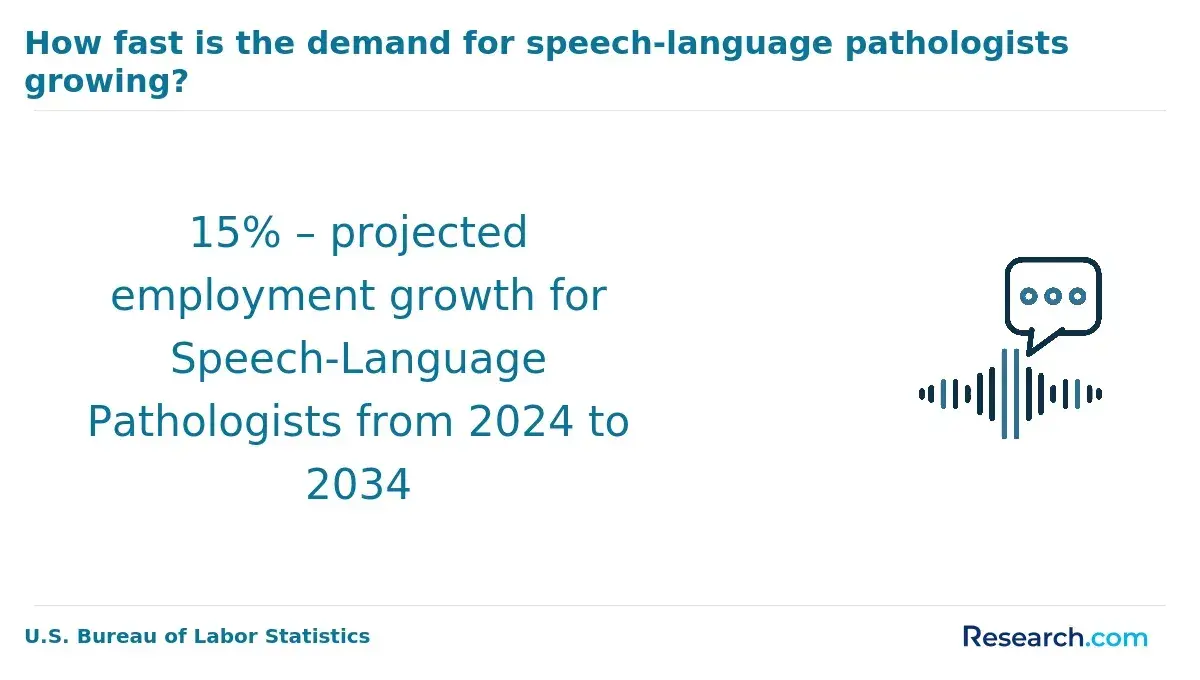
However, a minimum number of domestic observation hours is usually required for state licensure after graduation. Accurate tracking and thorough records of hours, supervisor contacts, and task details are essential. These measures support career readiness in a field where the median annual wage reached $89,290 in May 2025, with an 18.7% projected job growth through 2033, reflecting strong demand for well-prepared speech-language pathologists.
How do observation hours impact speech pathology graduate admissions?
Observation hours play a vital role in speech pathology graduate admissions by showcasing an applicant's commitment and clinical awareness. Graduate programs often require between 25 and 100 hours, emphasizing candidates with diverse and meaningful clinical exposure. Those with limited observation hours may be at a disadvantage compared to peers who demonstrate extensive experience across settings like schools, hospitals, and private practices.
These hours deepen understanding of clinical workflows, patient diversity, and therapeutic communication. Admissions committees value documented observations that highlight specialized areas such as pediatric or adult neurogenic speech disorders, which indicate focused interest and practical knowledge.
Observation hours also impact career outcomes. Speech-language pathologists earning a master's degree typically recover their tuition costs within just over three years, with a 28% annualized return on investment, according to the American Speech-Language-Hearing Association 2025 Economic Survey. Early clinical placements fueled by observation experiences accelerate skill development and employability.
Applicants should aim for at least 50 hours in multiple clinical environments and secure reflective logs or supervisor evaluations. Tailoring hours to meet specific program requirements strengthens applications.
Other Things You Should Know About Speech Pathology
Yes, all U.S. states require speech pathologists to obtain a professional license to practice. Licensure typically involves completing a master's degree in speech pathology, accruing supervised clinical experience, and passing the Praxis examination in speech-language pathology. Requirements vary slightly by state, so it is important to check specific local regulations.
Students typically document observation hours using the official forms provided by their respective speech pathology programs. These forms usually require details such as the date, time spent observing, and the signature of the supervising speech pathologist. Accurate record-keeping is crucial for meeting program requirements.
In 2027, future speech pathology students are generally required to complete a minimum of 25 observation hours. These hours must be under the supervision of a certified speech-language pathologist (SLP). This requirement is essential to gain practical experience and understand the variety of approaches used in the field.
References
- Observation Forms for Speech https://www.teacherspayteachers.com/browse/free
- Speech-Language Pathology Observation Program https://www.salus.edu/admissions/admissions-events/special-programming/speech-language-pathology-observation-program.html
- Students https://speechpathway.net/students/
- Observation Opportunities | SALTS https://www.salts.org.sg/observations
- Observation Hours - Undergraduate & Post-Bacc Student Guide https://www.therapyabroad.org/observation-hours/
- Clinical Observations for Communication Sciences and Disorders Learners (HCD-495-DL) https://www.mghihp.edu/academics/online-prerequisites/clinical-observations-communication-sciences-and-disorders-learners-hcd-495-dl
- Homepage https://speechpathologymastersprograms.com/
- Internships & Job Shadowing - Kindering https://kindering.org/get-involved/internships-job-shadowing/
- Online Master of Science in Speech-Language Pathology - General Pathway https://slponline.ithaca.edu/programs/masters-speech-language-pathology-online
- Pre-Med Shadowing Study Abroad Programs | Atlantis https://joinatlantis.com/