2027 Pediatric vs Adult Speech Pathology Careers: Which Path Fits You?

Co-Founder and Chief Data Scientist
Choosing between pediatric and adult speech pathology careers often leaves prospective practitioners uncertain. Each path involves distinct client needs, settings, and therapeutic approaches, which directly impact job satisfaction and professional growth. For those holding unrelated undergraduate degrees, understanding these differences early is vital to selecting a career that aligns with personal interests and long-term goals.
This article explores the unique challenges and rewards of both pediatric and adult speech pathology fields and offers insights into education and career flexibility. It aims to help readers make an informed decision about which path best fits their aspirations and lifestyle requirements.
Key Things You Should Know
- Adult speech pathology careers focus heavily on neurogenic disorders like stroke and Parkinson's, with an expected 21% job growth by 2032, reflecting increasing elderly populations.
- Pediatric speech pathology emphasizes developmental delays and autism spectrum disorders, requiring specialized training in early childhood communication therapies.
- Salary averages for pediatric and adult speech pathologists differ slightly, with pediatric roles averaging around $79,000 and adult roles often higher due to medical facility demand.
What is the difference between pediatric and adult speech pathology as career specializations?
The primary difference between pediatric and adult speech pathology roles lies in the age groups and developmental needs they serve. Pediatric speech pathologists address communication disorders in children, such as speech delays, articulation issues, and language development challenges. They typically work in schools, clinics, and hospitals where early intervention is critical. In contrast, adult speech pathology focuses on speech, language, and swallowing disorders caused by stroke, brain injury, or neurological diseases like Parkinson's, with work settings including rehabilitation centers and nursing homes. This distinction significantly shapes the skills and expertise required in each field.
Pediatric speech pathology career differences also emerge in caseload dynamics. Pediatric professionals have seen nearly a 70% rise in referrals for speech-language services since 2020, driven in part by pandemic-related factors. This growth demands expertise in developmental disorders such as autism spectrum disorder and apraxia of speech. Meanwhile, adult clinicians must excel in managing neurogenic communication impairments and dysphagia. Both areas require specialized certifications and ongoing education to meet their populations' distinct needs effectively.
Choosing between adult vs pediatric speech pathology roles often depends on work environment preferences and clinical demands. Pediatric speech pathologists usually engage in dynamic interdisciplinary teams involving families and educators. Adult therapists often coordinate with physical and occupational therapists and must be fluent in medical terminology and rehabilitation protocols. For those exploring educational pathways, numerous SLP masters online programs offer tailored curricula to prepare students for either specialty.
What are the educational requirements and credentials needed to become a speech-language pathologist?
Earning at least a master's degree in speech-language pathology from an accredited program is essential to meet the educational requirements for pediatric and adult speech-language pathologists. Typically, students begin with a bachelor's degree in communication sciences and disorders or a related field before advancing to graduate studies. Graduate coursework includes anatomy, physiology, language development, and clinical practicum that provide critical hands-on experience.
The credentials needed to become a licensed speech-language pathologist in the US include obtaining state licensure, which generally requires passing the Praxis Examination in Speech-Language Pathology administered by ETS and completing a supervised clinical fellowship lasting about nine months. Additional state or employer mandates might involve jurisprudence exams or ongoing continuing education.
Certification through the American Speech-Language-Hearing Association, especially the Certificate of Clinical Competence in Speech-Language Pathology (CCC-SLP), is highly recommended for those working in schools and demonstrates adherence to high professional standards and continuous development.
For those aiming to explore advanced roles in research, teaching, or specialized clinical practice, doctoral degrees (PhD or AuD) are available but optional. The master's degree remains the standard credential for entry-level clinical work.
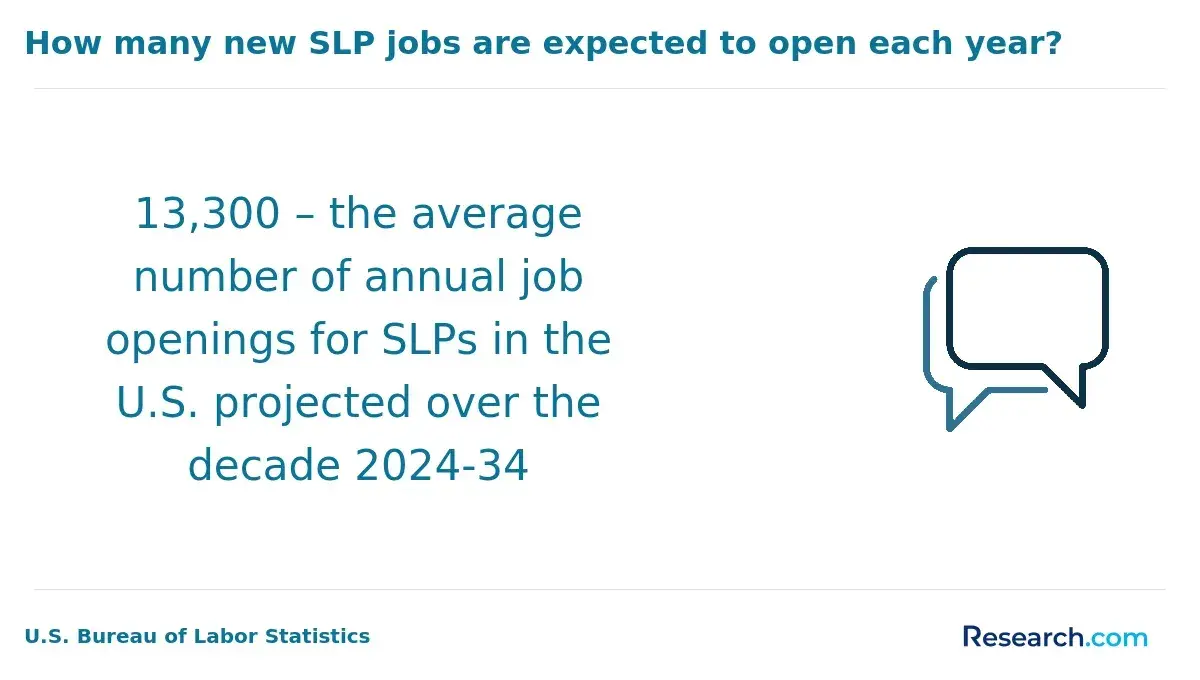
Demand for speech-language pathologists is growing rapidly, with the U.S. Bureau of Labor Statistics projecting 15% job growth over the next decade. This growth highlights the importance of meeting educational and credentialing requirements. For those considering career potential, exploring the speech therapist salary can provide valuable insights.
How do online and campus-based speech pathology programs compare in accreditation and outcomes?
Both online speech pathology program accreditation and outcomes rely on meeting rigorous standards set by the Council on Academic Accreditation in Audiology and Speech-Language Pathology (CAA). These standards ensure students receive comprehensive theoretical instruction combined with supervised clinical experiences needed for certification and licensure.
Campus-based speech pathology program effectiveness comparison shows that on-campus programs often provide extensive hands-on training through affiliated clinics and local healthcare sites, offering practice with diverse populations, including pediatric and adult clients. In contrast, online programs use virtual simulations paired with clinical practicums scheduled at approved local sites, creating flexibility for working professionals or remote learners.
Students should verify CAA accreditation status, the quality of clinical placement support, and alumni success data when selecting between formats. Passing certification exams and job placement rates are generally similar for well-established online and campus programs. However, campus settings may offer stronger networking opportunities through direct faculty mentorship and peer interaction.
Clinical training alignment with career goals is important, especially considering salary differences reported by the Bureau of Labor Statistics: speech-language pathologists working in nursing care facilities earn an annual mean wage of $108,640, significantly higher than the $83,720 reported for those in pediatric-focused elementary and secondary schools. Prospective students interested in accelerated options can explore accelerated speech language pathology programs for faster pathways to enter the profession.
What is the typical curriculum and coursework in accredited speech pathology degree programs?
The typical coursework in accredited speech pathology programs blends foundational science, core communication sciences, and clinical practicum experiences to develop diagnostic and therapeutic skills. Students start with anatomy and physiology of speech and hearing mechanisms, linguistics, phonetics, and developmental psychology, building a solid base for understanding communication disorders.
Advanced courses often address language acquisition, speech sound disorders, stuttering, voice disorders, neurogenic communication disorders, and augmentative and alternative communication systems. Audiology principles are also included to provide a comprehensive understanding of hearing and balance issues.
Clinical practica require supervised hours treating diverse populations across settings like schools, hospitals, and rehabilitation centers. Working with children in elementary school settings reflects data showing 67,640 speech-language pathologists employed in elementary and secondary schools, the largest pediatric employment sector reported by BLS. This aligns well with curriculum requirements for speech pathology degrees focusing on practical experience.
Certification preparation features prominently, emphasizing evidence-based practice, ethics, and readiness for the Clinical Fellowship Year and Praxis exam. Specialized electives may cover bilingual populations or swallowing disorders, addressing the field's growing diversity and complexity.
Prospective students seeking flexible options might explore online speech language pathology programs, which offer various pathways to meet typical coursework and clinical requirements while accommodating different schedules.
What are the licensing, certification, and state-specific requirements for speech pathologists in the U.S.?
A master's degree in speech pathology from a program accredited by the Council on Academic Accreditation in Audiology and Speech-Language Pathology (CAA) is required in all states. Graduates must also complete a Clinical Fellowship Year (CFY), typically consisting of 1,260 hours of supervised professional experience.
Licensure is mandatory nationwide, but specific requirements differ by state. Most states require passing the Praxis Examination in Speech-Language Pathology, administered by the Educational Testing Service, as a key measure of clinical knowledge. Applicants must provide documentation of academic credentials, supervised experience, and exam results to their state licensing board. Additional state-specific demands may include jurisprudence exams or background checks.
Certification from the American Speech-Language-Hearing Association (ASHA), particularly the Certificate of Clinical Competence in Speech-Language Pathology (CCC-SLP), is widely respected. Although this certification supports state licensure, it is not universally required.
Continuing education credits are often necessary to renew licenses annually or biennially. Special rules apply for those working in schools, including additional certifications related to special education.
Speech pathologists focusing on adult care in medical and surgical hospitals have different career opportunities. The Bureau of Labor Statistics May 2023 reported an annual mean wage of $98,790 for 19,290 SLPs employed in these settings, driven by demand for stroke and trauma rehabilitation.
How long does it take to complete a speech pathology degree, and what are typical program costs?
A master's degree is typically required to enter the field of speech pathology, usually requiring about two years of full-time study after completing a bachelor's degree. Accelerated or combined programs may allow completion of both degrees in approximately five years. For advanced careers like a Doctor of Audiology (AuD) or PhD, expect an additional two to four years of study beyond the master's level. Certificate programs exist for assistants or aides but do not lead to licensure as speech-language pathologists (SLPs).
The cost of speech pathology programs varies depending on factors like institution type and residency status. Public universities typically charge between $20,000 and $45,000 for in-state master's tuition, with out-of-state students paying significantly more. Private schools often range from $40,000 to $90,000 or higher. Additional expenses include clinical placement fees, textbooks, and licensing exams. Some online master's programs offer flexible pricing but generally fall within a similar cost range.
Caseload demands in pediatric speech pathology are growing. According to the American Speech-Language-Hearing Association's (ASHA) 2021 survey, 44% of SLPs working with pediatric patients reported increased caseload sizes. This trend highlights the importance of thorough clinical preparation and time investment to meet these challenging workloads effectively.
What is the job outlook and employment demand for pediatric versus adult speech pathologists?
Demand for pediatric and adult speech pathologists reflects differing healthcare needs and demographic trends in the U.S. Pediatric speech pathologists benefit from growing early intervention programs and increased recognition of developmental disorders. Adoption of telepractice plays a significant role, with 43% of pediatric-focused SLPs using remote services to reach underserved areas, particularly in private practices and educational settings. Opportunities abound in schools, outpatient clinics, and specialized pediatric centers.
Conversely, adult speech pathologists work primarily with aging populations affected by stroke, brain injury, and neurodegenerative conditions. Hospitals, rehabilitation centers, and long-term care facilities require adult SLPs, often in multidisciplinary teams handling complex cases. Although adult SLP growth tends to be steadier and sometimes more competitive in urban centers, specialization options such as neurogenic communication disorders and swallowing challenges offer career depth. Choosing between these paths involves reflecting on your career goals, preferred work environments, and interest in technology integration in practice.
What salary and compensation can speech pathologists expect across pediatric and adult specializations?
Speech pathologists working with pediatric and adult populations have distinct salary ranges influenced by their work environments, experience, and demand. Pediatric speech pathologists earn a median annual salary typically between $65,000 and $85,000. This demand is fueled by the prevalence of speech, language, voice, or swallowing disorders affecting nearly 1 in 12 U.S. children ages 3-17, according to the National Institute on Deafness and Other Communication Disorders. These specialists frequently work in schools, clinics, and hospitals.
Adult speech pathologists often see median salaries from $70,000 to $90,000. Their roles in rehabilitation centers, nursing homes, and hospitals commonly involve caring for stroke victims, traumatic brain injury patients, and those with degenerative diseases. The complexity of adult care and healthcare budgets contribute to the higher salaries in this field.
For instance, a pediatric speech pathologist in a public school district might earn around $68,000 annually, while an adult specialist in a hospital ICU could make $85,000 or more. Benefits like health insurance, retirement plans, and continuing education reimbursements also differ significantly across pediatric and adult care employers.
What admission requirements and prerequisites do accredited speech pathology programs typically have?
Accredited speech pathology programs generally require a bachelor's degree in communication sciences, health sciences, or related fields as the initial academic credential. Applicants must complete prerequisite courses such as biology, anatomy, physiology, psychology, linguistics, and statistics to demonstrate foundational knowledge. Most programs expect a minimum GPA around 3.0 on a 4.0 scale, reflecting consistent academic achievement.
Admission to graduate programs offering a Master of Science in speech pathology often involves submitting GRE scores, although some schools have recently waived this requirement. Letters of recommendation are typically mandatory to highlight academic and professional potential. Clinical observation or volunteer experience is strongly encouraged or required to confirm genuine interest and practical exposure.
Interviews may be used to evaluate communication skills, motivation, and professionalism-key traits in this clinical field. International candidates usually need to prove English proficiency through exams such as TOEFL or IELTS. Admission committees carefully assess applicants' preparedness for rigorous clinical training and research demands.
With rising need driven by statistics like the 17.9 million U.S. adults reporting voice issues annually, focusing on prerequisites and program-specific checklists well before deadlines can improve chances. Prospective students should verify all academic and experiential requirements to ensure a strong application.
How should prospective students evaluate and choose a reputable speech pathology program?
Accreditation by the Council on Academic Accreditation in Audiology and Speech-Language Pathology is a fundamental criterion when evaluating speech pathology programs. It ensures that a program meets high educational standards and enables graduates to pursue certification and licensure. Diverse clinical experiences, including pediatric, adult, and specialty settings, help students develop a clear career focus.
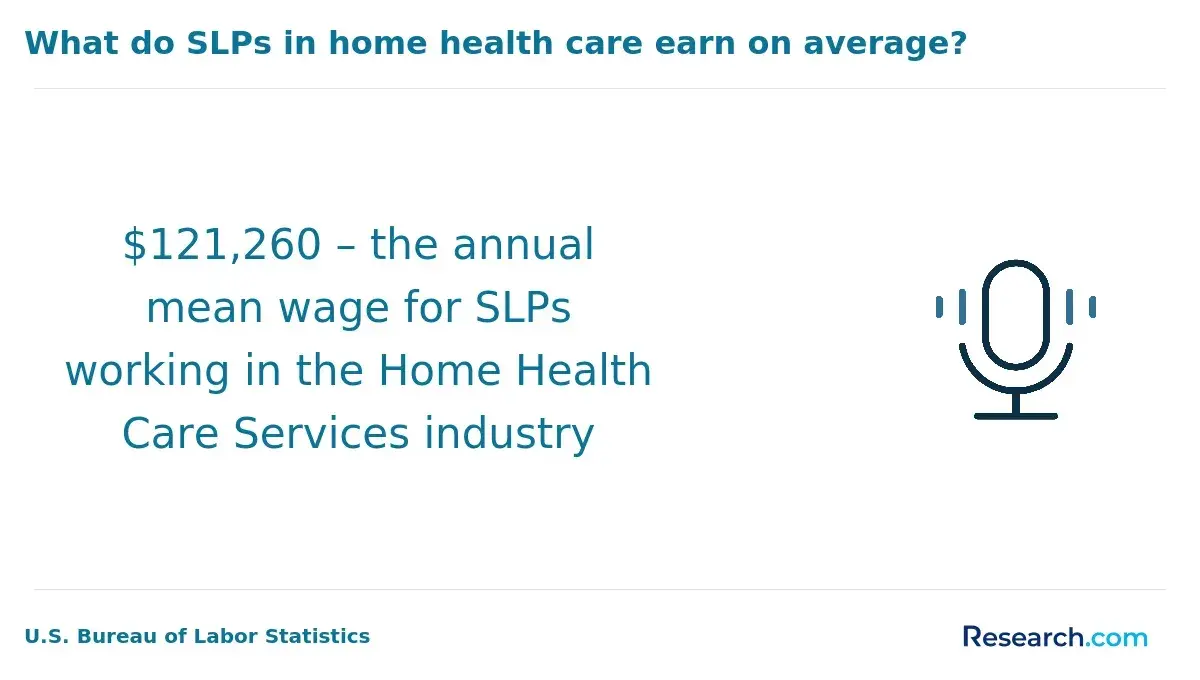
The Bureau of Labor Statistics (BLS) 2023 data highlights that speech-language pathologists in the 90th percentile earn $132,850 annually, often working in adult-focused skilled nursing or home health care. This data stresses the importance of programs offering adult care training. Prospective students should also assess faculty expertise, prioritizing those with active research or clinical leadership roles.
Financial aspects such as tuition, financial aid, and total time to certification must be considered. Students should verify that coursework aligns with their specialty interests and prepares them thoroughly for the Speech-Language Pathology Certification exam and state licensure. Geographic location relative to job market demand is also important, especially for those targeting high-earning adult care or pediatric roles in specific regions.
Other Things You Should Know About Speech Pathology
In 2027, pediatric speech pathologists need skills in child language development, patience, and family collaboration. Adult pathologists should excel in diagnosing neurological language disorders and empathy for recovery. Both require strong communication, adaptability, and the ability to support patient counseling.
Yes, speech pathologists have opportunities in a variety of settings beyond healthcare facilities. These include schools, rehabilitation centers, research institutions, and private practices. Many speech pathologists also engage in community outreach and educational programs to support speech and language development.
Continuing education is crucial in maintaining certification and staying current with advances in speech pathology techniques and technology. Many states and professional organizations require speech pathologists to complete ongoing professional development. This commitment helps practitioners provide evidence-based care and adapt to new challenges in both pediatric and adult populations.
Speech pathologists often work with clients who have complex communication disorders, which can require significant time and emotional investment. Managing caseloads with varied client needs and coordinating with other healthcare or educational professionals can also be demanding. Additionally, securing funding and resources for therapy programs may present challenges, especially in school systems or underserved areas.
References
- Speech-Language Pathology, BS https://www.muw.edu/slp/programs/
- What Degree Is Required for a Career in Speech Therapy? | Advanced Therapy Clinic https://www.advancedtherapyclinic.com/blog/what-degree-is-required-for-a-career-in-speech-therapy
- Top Requirements for Speech Pathology: Your Guide to Success https://www.growwithcoral.com/blog/slp-requirements
- Career changers and mature students | RCSLT https://www.rcslt.org/speech-and-language-therapy/become-a-speech-and-language-therapist/career-changers/
- How to Become a Speech Language Pathologist (SLP): Your Career Guide | GHR Education https://www.ghreducation.com/blog/become-speech-language-pathologist
- How To Become A Speech Pathologist: 6 Crucial Career Steps | USAHS https://www.usa.edu/blog/how-to-become-a-speech-pathologist/
- pioneer-healthcare.com: Verifying that you are not a robot... https://pioneer-healthcare.com/blog/exploring-the-future-speech-language-pathologist-job-outlook/
- How to Become a Speech-Language Pathologist https://www.mghihp.edu/news-and-more/opinions/csd-discussions/how-become-speech-language-pathologist
- The Two Most Important Variables to Consider When Choosing a Graduate Program for Speech Therapy https://speechisbeautiful.com/2018/02/two-important-variables-consider-choosing-graduate-program-speech-therapy/
- Speech-Language Pathologist (SLP) Licensure Guide | Trusted Health https://www.trustedhealth.com/allied-career-guide/speech-language-pathologist/licensure-guide