
2027 Most Popular Concentrations in Journalism Degrees

Co-Founder and Chief Data Scientist
Choosing the right concentration within journalism has become increasingly important as the media landscape evolves. With digital platforms expanding rapidly, nearly 70% of news outlets now emphasize multimedia storytelling, requiring journalists to develop specialized skills beyond traditional reporting. This shift challenges students to select concentrations that align with both industry demands and their career aspirations.
This article explores the most popular concentrations in journalism degrees, helping prospective students understand options such as investigative reporting, data journalism, and broadcast media. By examining key trends and necessary competencies, readers can make informed decisions about the paths that best fit their goals in a competitive market.
Key Benefits of Popular Concentrations in Journalism Degrees
- Specialized concentrations, such as investigative or digital journalism, increase employability by aligning graduates with high-demand industry roles expected to grow 8% by 2030.
- Focused study enhances critical skills like multimedia storytelling, data analysis, and audience engagement, which are pivotal in today's evolving media landscape.
- Concentrations provide targeted networks and internships, improving career placement rates by up to 25%, vital for entering competitive journalism markets.
What Are the Most Popular Journalism Concentrations in 2027?
Interest in specialized journalism study paths is rising as the industry's evolving landscape demands new skills and adaptability. Shifting workforce needs increasingly influence student choices, emphasizing competencies aligned with digital tools and data analysis.
- Public Relations: This remains the most popular concentration, driven by market demand for strategic communication and brand management expertise. Students gain skills in social media management, analytics, and image repair that are essential for modern organizations.
- Broadcast Journalism: As the newest growth area, it focuses on multimedia storytelling and digital video production. The ability to create content across television, streaming, and digital platforms meets the industry's call for versatile multimedia professionals.
- News/Editorial: A traditional staple, this concentration emphasizes editorial integrity and audience engagement while adapting to new digital formats and cross-platform content delivery.
- Photojournalism and Advertising: These established fields continue to attract students interested in visual storytelling and marketing strategy, vital aspects of a fragmented media environment.
- Digital and Data Journalism Specializations: Increasingly, programs incorporate data journalism and multimedia storytelling into all concentrations, reflecting industry demand for journalists who can analyze complex datasets and produce engaging, interactive content.
Among these, investigative reporting and multimedia storytelling are particularly valued for their role in uncovering in-depth stories while engaging audiences through innovative formats. This shift encourages education that blends traditional methods with cutting-edge techniques.
Students pursuing these concentrations often explore top paying 6 month certifications to supplement their skills, enhancing their market readiness in a competitive field.
What Skills Are Required for the Top Journalism Concentrations?
Skill development is crucial for success in specialized journalism study paths, as evolving industry expectations continuously reshape the competencies students need. Mastering these skills helps aspiring journalists adapt to dynamic media environments and meet diverse professional challenges.
- Ethical Reporting and Source Verification: Integrity forms the foundation of credible journalism. Students must excel in ethical reporting practices, fact-checking, and evaluating credible sources to maintain trust and accuracy across all platforms, supporting traditional and digital storytelling demands.
- Core Journalism Skills for Broadcast and Reporting: Excellence in writing, storytelling, and multimedia production is vital. This includes mastering AP style, video and audio editing, and structuring stories effectively for different mediums, ensuring communication clarity and audience engagement.
- Essential Multimedia Journalism Skills for Digital Storytelling: Proficiency in multimedia tools like video editing, podcast production, and digital content optimization equips students to create compelling news across various digital channels, aligning with modern audience preferences.
- Strategic Communication and Public Relations: Building relationships, campaign planning, and ethical messaging empower public relations professionals to influence public opinion and adapt to evolving digital platforms.
- Research and Interviewing Proficiency: Strong research skills and advanced interviewing techniques enable journalists to uncover deeper insights and produce well-informed, resilient content tailored to algorithm-driven media landscapes.
If you're considering further education, exploring the easiest master's degree to get might offer a strategic pathway to strengthen these vital competencies.
Do Different Journalism Concentrations Have Different Admission Requirements?
Yes, different journalism concentrations often have varying admission requirements, reflecting the complexity and focus of each specialization. These differences stem from the need for students to demonstrate prerequisite skills, academic preparedness, or relevant experience depending on the program's standards.
More competitive or advanced tracks typically impose higher GPA thresholds or require specific coursework prior to admission. This ensures students possess the foundational knowledge and commitment necessary to succeed in specialized areas. Such distinctions between concentrations clarify expectations and help align prospective students with programs suited to their academic achievements and professional goals, illustrating journalism concentration admission requirements by school.
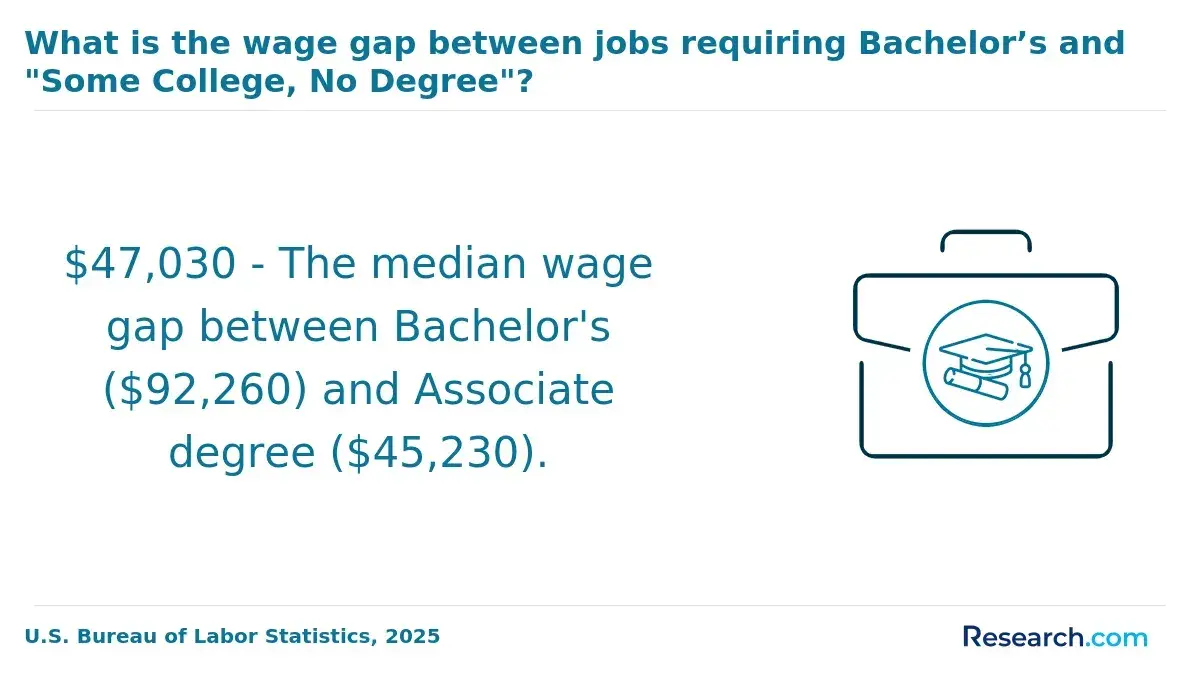
For example, at the University of Southern California, admission to the general journalism major demands a minimum 3.0 cumulative GPA and completion of at least 16 units on campus. However, specialized courses like JOUR 585 Specialized Reporting: Religion require a 3.7 GPA plus instructor approval. Pepperdine University expects students to complete three upper-division courses outside their main journalism concentration, raising coursework expectations.
Besides GPA and prerequisites, some programs may ask for portfolios or relevant professional experience to demonstrate readiness for rigorous concentrations. These specialized journalism program entry standards and prerequisites exist to maintain high-quality outcomes in areas such as investigative or data journalism. Students weighing such options should also consider financial factors like the associates degree online cost when planning their academic path.
Do Specific Journalism Concentrations Require Accredited Programs?
Accreditation is essential for students pursuing specialized journalism concentrations, as it can impact eligibility for certifications and influence career opportunities. Being enrolled in an accredited program often matters when seeking employer recognition or specialized professional pathways.
- Curriculum Consistency: Accreditation ensures all concentrations maintain rigorous, standardized coursework and skill development.
- Instructional Quality: Accredited programs enforce low student-to-faculty ratios, providing more focused guidance in writing and skills classes.
- Employer Preferences: Many media and communications firms prioritize candidates from accredited programs during hiring for entry-level roles.
- Transfer Credit Clarity: Accredited institutions typically facilitate easier acceptance of concentration-specific transfer credits.
- Internship Credit Limits: Accreditation guidelines typically cap internship credit hours to balance practical experience with classroom education.
Is the Quality of Online Journalism Concentration Tracks the Same as On-Campus Programs?
With more students weighing their options between online and on-campus journalism programs, the focus on program quality has become a crucial factor in decision-making. Understanding how these formats compare helps aspiring journalists choose the path that best suits their learning style and career goals.
- Accreditation: Accredited programs, especially those recognized by ACEJMC, maintain consistent educational standards regardless of delivery method.
- Curriculum Standards: Both formats follow the same rigorous curriculum emphasizing fact-checking, editing, research, and ethical journalism practices.
- Faculty Expertise: Programs invest in experienced instructors who bring real-world insight, whether teaching in-person or online.
- Technology and Engagement: Virtual platforms enable multimedia content and frequent assessments that often enhance student interaction and progress tracking.
- Student Support: Online learners frequently report greater access to instructors through digital communication tools compared to traditional settings.
- Hands-On Training: On-campus programs offer more immersive collaboration and networking, while hybrid models increasingly blend online flexibility with in-person experiences.
Which Journalism Concentration Is the Hardest to Complete?
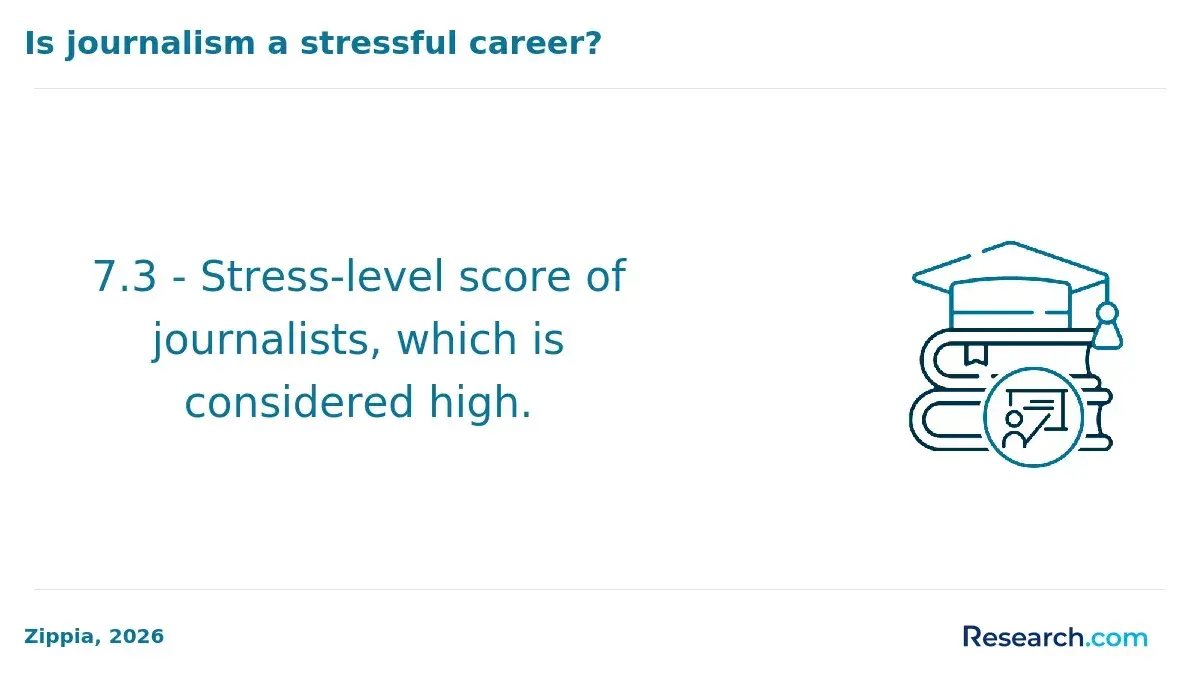
Challenges across journalism concentrations vary depending on course intensity, skill demands, and workload. Some programs combine multiple disciplines and require rapid mastery of diverse technical tools, escalating the difficulty for students.
- Multimedia Integration: Students need to develop expertise in writing, video editing, and audio production simultaneously, each requiring different software and technical acumen.
- Compressed Schedules: Programs often condense skill acquisition into short semesters, pushing students to produce professional-level content under tight deadlines with limited feedback.
- Dual Skill Demands: Balancing written and broadcast journalism challenges students to adapt quickly to distinct storytelling formats and production processes.
- Minimal Mentoring: Upper-level students frequently navigate complex editorial decisions and time constraints with little guidance, simulating real newsroom pressure.
What Careers Can You Get with Each Journalism Specialization?
Various journalism concentrations equip students for distinct roles within media and communications, helping them align their interests with career opportunities. Knowing how each specialization corresponds to specific jobs can guide students toward the most fitting path.
- Investigative journalism: Graduates often become investigative reporters producing in-depth stories for major news outlets, including national newspapers and digital platforms. Careers extend to documentary production, nonprofit media, and fact-checking organizations.
- Digital and multimedia journalism: This specialization leads to roles such as digital reporters, social media journalists, and multimedia content creators, focusing on video, podcasts, and interactive storytelling for online and streaming platforms. Demand for these skills is growing as media entities expand digitally.
- Magazine publishing and management: Professionals pursue editorial roles in consumer or trade magazines, as well as positions in publishing strategy and content management across print and digital formats.
- Entrepreneurial journalism: Graduates frequently launch independent outlets, newsletters, or digital startups, carving out niches as freelance journalists and small media business founders.
What Market Trends Are Shaping the Top Journalism Concentrations in 2027?
Awareness of evolving industry demands helps students select journalism concentrations that enhance their career potential in a dynamic media landscape. The need for multifaceted skills and specialized knowledge is reshaping popular academic paths.
- Multimedia and Digital Storytelling: Employers seek graduates proficient in video, podcasting, and data visualization alongside traditional reporting. This trend promotes concentrations combining skills for diverse platforms.
- Specialized Reporting Areas: Concentrations focusing on investigative, business, or political journalism grow in popularity as depth of expertise becomes a competitive advantage for reporters.
- Public Relations and Strategic Communications: Integrating public relations and advertising skills with editorial experience reflects market demands, with internships encouraging versatility across these fields.
- Broadcast and Visual Journalism Expansion: Programs increasingly offer dedicated tracks for reporting, shooting, editing, and producing to meet rising demand for broadcast news professionals.
What Are the Average Salaries for Popular Journalism Concentrations?
Salary prospects for journalism graduates vary widely depending on the chosen concentration, making this information vital for students when selecting a specialization. Different concentrations command varying compensation levels, reflecting industry demand and expertise.
Business journalism salaries in the United States tend to be among the highest in the field.
- Business Journalism: Business reporters earn substantially more than general journalists, with a median salary of $85,000 according to the Reynolds Center's 2025 annual survey. This specialization outpaces the broader journalism field by at least 30%, driven by strong demand for financial and corporate reporting expertise.
- Investigative Reporting: Investigative journalists typically command higher pay due to the complexity and significance of their work. Their in-depth research and the competitive advantage they provide news organizations justify premium salaries, placing this concentration among the most lucrative.
- Politics and Government Reporting positions also tend to offer higher salaries than lifestyle or general news beats. Experienced journalists covering these critical areas benefit from audience demand and newsroom priority, resulting in elevated salary bands.
- Technology and Finance Reporting generally occupies premium pay tiers within journalism. Specialized knowledge combined with coverage of high-value sectors leads to above-median salaries for professionals in these beats.
Geographic factors also influence earnings, with Northeast journalism careers median salary levels approximately 22.3% above the national average, reflecting regional market strength. For prospective students weighing career investments, it's useful to explore options at a cheapest online school to balance cost with potential return on investment in these high-demand specializations.
How Do You Choose the Best Concentration in a Journalism Program?
Selecting the right concentration in a journalism program is essential to align your education with your career goals and personal strengths. Choosing carefully ensures you develop expertise that supports your future professional aspirations.
- Career Aspirations and Industry Alignment: Consider where you want to work after graduation. Broadcast journalism suits those interested in producing video content and anchoring news segments, while digital and print journalism focuses on writing articles and editorials. Selecting a journalism concentration based on career interests helps target employers and roles that best fit your ambitions.
- Skill Development and Personal Strengths: Evaluate which abilities excite you most. For example, photojournalism involves visual storytelling with technical and creative camera skills, while digital and print journalism requires strong writing and research. Matching your major with journalism concentration goals means aligning core competencies with your talents and growth areas.
- Employment Outlook and Market Demand: Traditional journalism roles face declines of 3-4% through 2032, but fields like digital communication, public relations, and broadcast journalism show better growth prospects. Research the demand for specific concentrations in your desired location or sector to improve job opportunities.
- Program Requirements and Academic Fit: Review the curriculum and prerequisites for each concentration to ensure they suit your academic strengths and schedule. Some programs offer flexible paths or even dual majors; exploring dual degree undergraduate programs can broaden your skills and career options.
- Personal Interests and Passion: Select a concentration that maintains your enthusiasm and motivation over time. Engaging with subjects that inspire you leads to better academic performance and professional satisfaction.
What Graduates Say About Their Popular Concentrations in Journalism Degrees
- Hazel: "Pursuing the investigative journalism concentration truly sharpened my research and storytelling skills. Despite the average cost of attendance being quite an investment, around $20,000 per year, the hands-on experience and networking opportunities made it worthwhile. This path set me up for a rewarding career uncovering important stories. "
- Melissa: "The multimedia journalism program challenged me to master various platforms, from video editing to social media. Reflecting on the $18,000 annual expense, I see it as a smart investment given how versatile my skill set has become. It's opened doors to roles I hadn't imagined before. "
- Enzo: "Specializing in broadcast journalism was intense but incredibly fulfilling. While tuition averaged about $22,000 a year, the professional connections and real-world practice proved invaluable. This concentration gave me a solid foundation to thrive in competitive news environments. "
Other Things You Should Know About Journalism Degrees
In 2027, journalism students are gravitating toward concentrations in digital storytelling, investigative journalism, and multimedia journalism. These tracks reflect industry demands for versatile journalists skilled in online platforms, authoritative reporting, and cross-platform content creation.
In 2027, popular journalism concentrations emphasize skills like digital storytelling, data journalism, multimedia production, and investigative reporting. Programs focus on equipping students with expertise in emerging technologies and multimedia platforms to meet the demands of modern journalism landscapes.
References
- The Future of Journalism in 2025: Top Trends & Innovations https://aaft.com/blog/mass-communication/the-future-of-journalism-trends-and-innovations-for-2025/
- From Newsrooms to Boardrooms: 10 High-Impact Jobs You Can Land With a Journalism Degree https://www.ucumberlands.edu/blog/high-impact-jobs-with-a-journalism-degree
- Top 11 Journalism Skills You Need to Master in 2024 https://aaftonline.com/blog/top-11-journalism-skills/
- What jobs can you get with a journalism degree? https://journalism.uiowa.edu/explore/what-jobs-can-you-get-with-a-journalism-degree
- 10 Journalism Skills Every Modern Journalist Needs to Have https://online.sbu.edu/blog/journalism-skills
- 5 Things To Consider When Choosing The Best Broadcast Journalism School https://www.nyfa.edu/student-resources/choosing-best-broadcast-journalism-school/
- 10 Best Degrees for Journalism | What to study for a career in journalism https://www.collegeconsensus.com/degrees/journalism/
- Top 10 Benefits of Pursuing Journalism and Mass Communication Degree https://www.mangalayatan.in/blog/top-10-benefits-of-pursuing-journalism-and-mass-communication-degree.html


