2027 SLP Careers in Brain Injury and Neurorehabilitation

Co-Founder and Chief Data Scientist
Imagine transitioning from an unrelated undergraduate background into a career focused on supporting patients recovering from brain injury. Understanding the complexities of neurorehabilitation while acquiring the right skills can seem daunting. Many face challenges in finding accredited, flexible education paths tailored to this specialization. This often slows their career pivot and delays entry into a growing job market. Navigating requirements, certification, and hands-on experience is critical for success. This article explores current career opportunities in slp for brain injury and neurorehabilitation, highlighting accessible programs and pathways designed to help professionals make informed decisions and advance efficiently.
Key Things You Should Know
- Demand for speech pathology careers in brain injury and neurorehabilitation is projected to grow 21% by 2030, driven by rising traumatic brain injuries and aging populations.
- Effective neurorehabilitation requires specialized skills in cognitive-communication disorders, emphasizing interdisciplinary collaboration and up-to-date clinical techniques.
- Average annual salaries for speech pathologists in neurorehabilitation range from $70,000 to $100,000, varying by setting, experience, and geographic location.
What are SLP careers in brain injury and neurorehabilitation?
SLP careers in brain injury rehabilitation focus on diagnosing, treating, and managing communication, cognitive, and swallowing disorders caused by brain injuries. Professionals support patients recovering from traumatic brain injuries, strokes, tumors, or neurological diseases, helping restore essential skills like speech clarity, memory, attention, and problem-solving. Therapy plans are tailored to improve language comprehension, oral motor skills, and cognitive-linguistic abilities.
Work environments commonly include hospitals, rehabilitation centers, outpatient clinics, and long-term care facilities. Collaboration with neurologists, occupational therapists, and physical therapists is essential to provide comprehensive care. Common interventions for neurorehabilitation job opportunities for speech pathologists include aiding stroke patients in naming objects or assisting traumatic brain injury survivors in regaining executive functioning for daily life tasks.
The U.S. Bureau of Labor Statistics projects a 15% growth in employment for this specialization by 2032, with 28,200 new jobs expected. This increase is driven by higher survival rates from neurological events and the aging population.
Students and graduates aiming for careers in brain injury rehabilitation need advanced clinical training in neurogenic communication disorders and neuroanatomy. Certification from the American Speech-Language-Hearing Association (ASHA) and clinical fellowships in neurorehabilitation significantly improve job prospects. SLPs must adapt to patient variability and integrate emerging technologies such as telepractice and computer-assisted rehabilitation tools into treatment protocols. Prospective students can explore SLP programs online to begin their education in this field.
What education is required for SLP in neurorehabilitation?
To specialize as a speech-language pathologist (SLP) in neurorehabilitation, candidates must earn a master's degree in speech-language pathology from an accredited program. This graduate-level education covers advanced topics like neuroanatomy, neurogenic communication disorders, and brain injury rehabilitation strategies, aligning with SLP education requirements for neurorehabilitation careers.
After obtaining the degree, completing a supervised clinical fellowship of about 36 weeks full-time is mandatory. This fellowship offers practical experience working with patients affected by brain injuries, stroke, and other neurogenic conditions in hospitals and rehabilitation centers.
Certification and licensure are critical steps. Most states require passing the Praxis Examination in Speech-Language Pathology for licensure. Earning the ASHA Certificate of Clinical Competence in Speech-Language Pathology (CCC-SLP) is highly recommended, especially for those focusing on brain injury rehabilitation. These credentials represent essential certification and training for speech pathology in brain injury rehabilitation.
Given that more than 5.3 million Americans live with brain injury-related disabilities, neurorehabilitation professionals remain in strong demand. Prospective students should seek programs that emphasize clinical placements in neurogenic disorders and offer mentorship by experts in brain injury rehabilitation. Diverse clinical experiences and advanced coursework build competencies essential for this field.
For insights on earnings in this specialization, explore data on speech pathology salary.
How do I become a licensed SLP for brain injury roles?
Candidates aiming to become licensed SLPs for brain injury rehabilitation careers in 2026 must first earn a master's or doctoral degree in speech pathology from a program accredited by the Council on Academic Accreditation in Audiology and Speech-Language Pathology (CAA). These graduate programs include specialized coursework and supervised clinical experiences focused on neurological impairments, including traumatic brain injury (TBI).
After graduation, candidates must pass the Praxis exam in speech-language pathology, administered by the Educational Testing Service (ETS). This exam is required for state licensure and national certification. Each state licensure board then reviews the application verifying education, exam results, and completion of a clinical fellowship (CF).
The CF consists of 1,260 supervised hours working with patients under mentorship in settings such as rehabilitation centers, hospitals, or outpatient neurorehabilitation clinics. This hands-on experience develops essential skills in managing cognitive-communication deficits common after brain injuries, which affect 73% of rehabilitation inpatients with TBI (International Journal of Speech-Language Pathology).
Certification requirements for SLP roles in neurorehabilitation also include the Certificate of Clinical Competence in Speech-Language Pathology (CCC-SLP) from the American Speech-Language-Hearing Association (ASHA). Maintaining licensure requires ongoing professional development and adherence to clinical standards addressing neurological conditions.
Those interested in accelerated training may explore accelerated SLP programs online to meet education requirements efficiently.
What bachelor's and master's programs specialize in neuro SLP?
Bachelor's and master's programs specializing in neuro speech pathology in the US focus on diagnosing and treating communication disorders linked to brain injuries and neurological conditions. At the bachelor's level, students often pursue degrees in communication sciences and disorders (CSD) with coursework emphasizing neurogenic disorders, cognitive-communication deficits, and neurorehabilitation methods. These programs build essential knowledge in anatomy, neurology, and linguistics, preparing students for advanced studies.
Top graduate programs specializing in neuro speech pathology and brain injury rehabilitation offer specialized tracks or certificates, including hands-on experience with traumatic brain injury (TBI) and stroke rehabilitation cases. Students develop skills in evidence-based diagnostic evaluations and interventions for cognitive-linguistic impairments.
Master's degree programs, required for clinical certification and licensure, provide extensive training on neurogenic communication disorders such as aphasia, dysarthria, and apraxia of speech. Clinical practicums typically take place in neurorehabilitation settings like hospitals and rehab centers, often involving interdisciplinary collaboration with neurology and physical therapy.
Given that only 42% of TBI survivors are employed 3-4 years post-injury, with just 34% maintaining stable employment, neuro speech pathologists are critical in enhancing long-term outcomes. Prospective students should explore accredited programs by the Council on Academic Accreditation (CAA) offering clinical rotations in neurorehabilitation and research focused on brain injury recovery.
For those researching options, SLP master's programs provide valuable insights into accessible graduate pathways in this field.
What does the SLP neurorehabilitation curriculum cover?
The slp neurorehabilitation curriculum provides thorough training in assessing, treating, and managing communication and cognitive disorders caused by brain injuries such as traumatic brain injury (TBI) and stroke. Students study neuroanatomy and neurophysiology with a focus on how neurological conditions affect speech, language, cognition, and swallowing.
Core elements include evidence-based evaluation techniques using standardized assessments and functional communication measures designed for neurodiverse populations. Intervention methods cover therapies for aphasia, dysarthria, apraxia of speech, cognitive-communication impairments, and dysphagia. Case studies and simulation exercises enhance skills in developing individualized, patient-centered rehabilitation plans.
Collaboration with healthcare professionals such as neurologists, occupational therapists, physical therapists, and psychologists is emphasized to prepare students for multidisciplinary care settings. Clinical practicum experiences provide hands-on exposure to real-world challenges, including addressing communication barriers in patients with combined physical and cognitive deficits.
Students also learn counseling skills to support patients and families navigating long-term disability and adjustment. Highlighting service gaps, the curriculum prepares clinicians to advocate for comprehensive neurorehabilitation, as 40% of TBI patients report unmet rehabilitation needs one year after injury (Journal of Neuroscience Nursing, 2009). Coursework may include healthcare policy, ethics, and emerging technologies aimed at improving treatment access and outcomes.
What are admission requirements for SLP graduate programs?
Admission to speech pathology graduate programs typically requires a bachelor's degree from an accredited institution, preferably in communication sciences and disorders or a related field. Many programs set a minimum GPA requirement of 3.0, with competitive ones seeking closer to 3.5. Prerequisites often include coursework in anatomy, physiology, linguistics, statistics, and phonetics. Applicants without relevant degrees may need to complete these courses before or during their graduate studies.
Some programs still require GRE scores, but many waive this if applicants show strong academic records. Submission of two or three letters of recommendation from professors or professionals familiar with the applicant's abilities and dedication is standard. A personal statement discussing motivation and career goals is also usually required.
Hands-on experience gained through observation or volunteer work in clinical or educational settings is highly valued, with some programs requiring 25 to 50 hours of observation. International applicants must demonstrate English proficiency via TOEFL or IELTS.
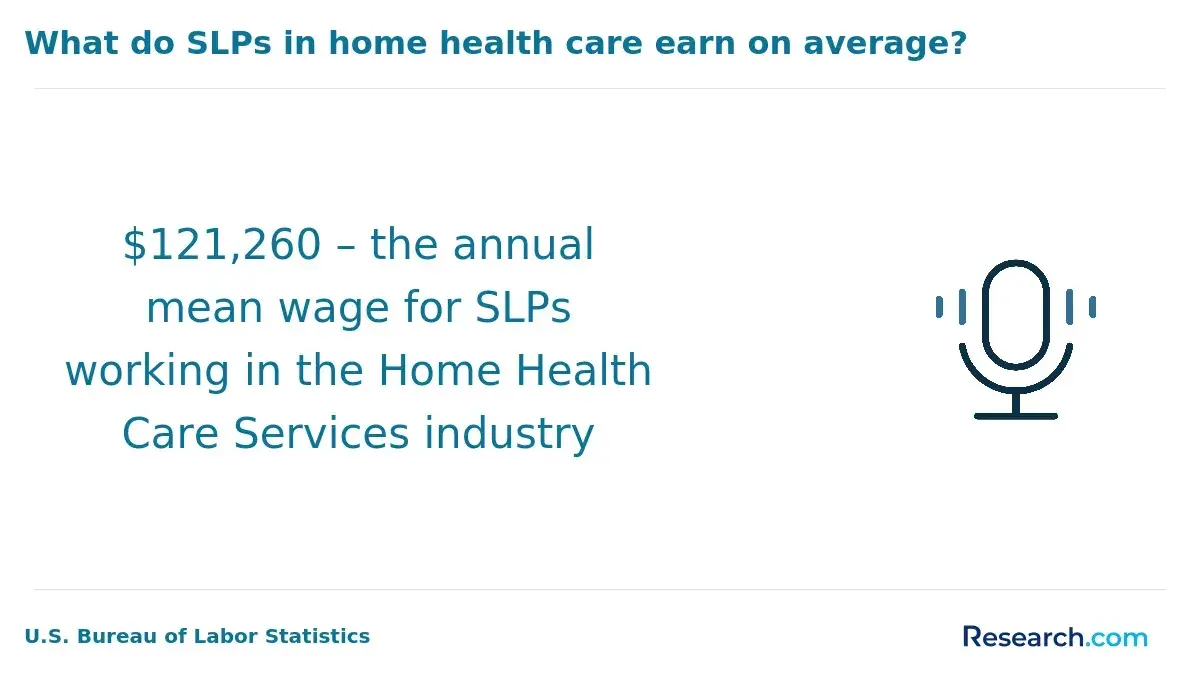
The U.S. Bureau of Labor Statistics reports that speech-language pathologists earn an average salary of $95,410 annually, highlighting the importance of meeting these admission standards to enter a well-compensated profession. Early preparation and understanding specific program requirements improve the chances of acceptance and successful graduation.
Are there online SLP programs for brain injury focus?
Several online SLP programs specialize in brain injury and neurorehabilitation, offering flexible options for advanced study. These programs typically provide certificates or concentrations within master's or clinical doctorate degrees, focusing on assessment and treatment of communication and cognitive impairments after traumatic brain injury (TBI). Coursework often blends asynchronous lectures with synchronous case studies and clinical simulations, making it suitable for working professionals and remote learners.
Programs commonly emphasize cognitive-communication disorders, evidence-based neurorehabilitation practices, and interdisciplinary collaboration. Partnerships with clinical sites allow students to complete supervised practicum hours required for licensure, even when the didactic component is delivered online. This hybrid model ensures crucial hands-on experience for effective treatment of brain injury patients.
Prospective students should confirm program accreditation by the American Speech-Language-Hearing Association (ASHA) and verify that clinical hours can be completed locally. Many curricula incorporate training on telepractice technologies used in outpatient rehabilitation.
Rehabilitation SLPs focusing on memory and cognitive disorders post-TBI most often work in outpatient settings, with about 31% part-time and 17% full-time in such roles (PMC/NIH). Online programs targeting outpatient neurorehabilitation equip students to enter this prominent employment sector.
What is the job outlook for neurorehabilitation SLPs?
The job outlook for neurorehabilitation SLPs remains strong, with employment growth projected between 11% and 18% by 2032, well above the national average for all occupations (U.S. Bureau of Labor Statistics, 2025). This demand is driven by an aging population, increased survival rates after neurological trauma, and advancements in rehabilitation technologies.
Neurorehabilitation SLPs work in varied settings including hospitals, outpatient clinics, skilled nursing facilities, and outpatient rehabilitation centers. The rise in stroke cases, traumatic brain injuries, and neurodegenerative diseases fuels demand for specialists in cognitive-communication therapy and dysphagia management.
Key career opportunities and growth areas include:
- Advanced certifications for specialization
- Interdisciplinary teamwork experience
- Emerging treatments like neuromodulation and virtual reality therapies
- Telepractice to reach underserved or remote populations
Job security and competitive salaries correspond with specialized expertise. Staying current with evidence-based interventions, maintaining state licensure, and obtaining certification further enhance employability.
For those looking to advance in speech pathology, focusing on neurorehabilitation offers a promising and expanding career path aligned with growing healthcare needs.
What salary can SLPs in brain injury earn?
Speech-language pathologists (SLPs) in brain injury and neurorehabilitation in the United States can expect median annual salaries between $75,000 and $95,000, varying by setting, experience, and location. Entry-level SLPs working in hospital-based neurorehabilitation generally earn around $70,000, while those with advanced certifications or employed in specialized inpatient rehabilitation units often exceed $100,000. Positions at the Department of Veterans Affairs or large urban rehabilitation centers typically offer salaries from $85,000 to $110,000.
Salary differences also reflect the patient population and treatment complexity. SLPs working with severe brain injury cases involving complex cognitive-communication impairments usually command higher wages due to specialized expertise and intensive care requirements. Outpatient or community-based roles tend to provide salaries ranging from $65,000 to $80,000.
Employment challenges influence salary prospects indirectly. According to the Brain Injury Association of America (2024), individuals with severe impairments or those unable to drive post-injury face substantial barriers to stable employment. This underscores the important role of SLPs skilled in driving assessment or vocational rehabilitation, which can positively affect funding and pay.
Certification in brain injury specialties, such as the American Speech-Language-Hearing Association's Certificate of Clinical Competence in Brain Injury, may enhance earning potential. Geographic demand is also crucial, as urban centers with high brain injury incidence tend to offer higher pay compared to rural areas.
How to choose accredited SLP programs in neurorehabilitation?
Accredited slp programs with a focus on neurorehabilitation must be evaluated carefully to ensure quality education and effective career preparation. Verify accreditation by the Council on Academic Accreditation in Audiology and Speech-Language Pathology (CAA) to confirm adherence to national standards and eligibility for certification and licensure. Programs offering specialized curriculum or clinical rotations in brain injury and neurorehabilitation provide focused exposure to relevant disorders and therapies, enhancing student competence.
Hands-on clinical experience within interdisciplinary rehabilitation teams, including occupational therapy, physical therapy, and neurology, is essential. Since a brain injury occurs every 9 seconds in the U.S., demand for speech-language pathologists in these settings is high (Brain Injury Association of America, 2021). Look for programs partnered with accredited hospitals or neurorehabilitation centers for practical training with brain injury patients.
Faculty expertise and active research in neurorehabilitation enrich learning and mentorship opportunities. Programs with strong graduate outcomes-high Praxis exam pass rates and employment in neurorehabilitation-reflect effective preparation. Flexible delivery models, such as hybrid or online options, can accommodate working professionals or those balancing personal commitments.
Consider program length and financial aid availability to ensure a fit with your timeline and budget without compromising quality. These factors collectively contribute to a well-rounded education in speech pathology focused on neurorehabilitation.
Other Things You Should Know About Speech Pathology
Speech pathologists specializing in brain injury often work in a variety of healthcare and rehabilitation environments. Common settings include acute care hospitals, inpatient rehabilitation centers, outpatient clinics, and long-term care facilities. They may also provide services in home health settings or specialized neurorehabilitation programs.
Speech pathologists work closely with multidisciplinary teams that include neurologists, occupational therapists, physical therapists, psychologists, and social workers. This collaboration ensures comprehensive care by addressing communication, cognitive, swallowing, and emotional challenges faced by brain injury patients. Effective teamwork improves patient outcomes and rehabilitation progress.
While there is no mandatory certification specifically for neurorehabilitation, some speech pathologists pursue additional credentials like the Board Certified Specialist in Neurogenic Communication Disorders (BCS-NCD). This credential demonstrates advanced knowledge and skills in treating neurogenic speech and language disorders. Such certifications can enhance professional credibility and career opportunities.
References
- 8 Things the Best Speech-Language Pathology Programs Have in Common https://www.mghihp.edu/news-and-more/opinions/csd-discussions/8-things-best-speech-language-pathology-programs-have-common
- Rehabilitation Careers | Moody Neuro https://www.moodyneuro.org/careers/
- Cognitive-Communication Course for Acquired Brain Injury (CCCABI) https://courses.brainandcommunication.ca/pages/about-cccabi
- Master of Arts in Speech-Language Pathology https://clas.wayne.edu/csd/grad/ma
- « Back to Blog https://therapeuticresource.com/blog/ot-pt-and-slp-job-market-outlook-how-to-navigate-job-search-challenges-in-2024-and-beyond
- EXFRM 2715 Neurological Rehabilitation https://www.ualberta.ca/en/rehabilitation/programs/professional-development/micro-courses/neurological-rehabilitation.html
- How to Select the Right Neurorehabilitation Centre for Your Clients - VIM Health https://vimhealthcare.co.uk/how-to-select-the-right-neurorehabilitation-centre-for-your-clients/
- Speech Pathology Programs https://speechpathologymastersprograms.com/speech-pathology-programs/
- Workforce Retention in Neurorehabilitation: Addressing Burnout and Career Sustainability - Neuro Rehab Times https://nrtimes.co.uk/workforce-retention-in-neurorehabilitation-addressing-burnout-and-career-sustainability/
- Speech Language Pathologist / SLP - PRN - Rehab Without Walls® Neuro Rehabilitation https://bebee.com/us/jobs/speech-language-pathologist-slp-prn-rehab-without-walls-neuro-rehabilitation-greater-houston--theirstack-660404449