2027 Clinical Readiness Skills Every Online SLP Student Should Build

Co-Founder and Chief Data Scientist
Imagine beginning an online SLP program feeling unprepared for the clinical challenges that await. Many students struggle to translate theoretical knowledge into practical skills needed for patient assessment and intervention. This gap can hinder confidence and delay professional success.
Addressing such challenges early is crucial for effective learning and licensure readiness. This article outlines essential clinical readiness skills online SLP students should develop, focusing on practical competencies and strategies that bridge academic study with real-world clinical demands.
Key Things You Should Know
- Online SLP students must develop telepractice proficiency as 47% of speech services shifted online by 2025, demanding effective virtual communication and technology skills.
- Mastery of evidence-based assessment tools is critical; 85% of accredited programs emphasize outcomes-driven clinical decision-making aligned with ASHA standards.
- Interprofessional collaboration skills are essential, with 60% of employers prioritizing teamwork with educators and healthcare providers for comprehensive patient care.
What Are Clinical Readiness Skills for SLP Students?
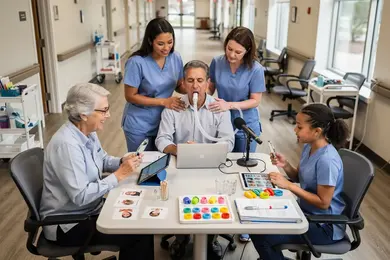
Clinical readiness skills for online SLP students include the practical abilities needed to succeed in diverse clinical settings. These essential clinical competencies in speech pathology education cover thorough assessments, intervention planning, and professional client interactions. Core elements include accurate evaluation techniques, effective communication, ethical decision-making, and cultural competence.
Proficiency in standardized assessment tools remains vital. Notably, 83% of SLP graduate programs use the CALIPSO tool to measure foundational clinical skills, underscoring its importance for demonstrating student competencies (Hays, 2010, cited in ERIC EJ1349678, 2022). Early mastery of these platforms enhances clinical readiness and academic success.
Mastery also involves administering and interpreting diagnostic tests related to speech, language, voice, and swallowing disorders. Practical experience through role-play, virtual simulations, or remote client sessions builds confidence and adaptability. Clinical documentation, such as SOAP notes and progress tracking, supports compliance and collaboration within interdisciplinary teams.
Cultural sensitivity and adherence to ethical standards are crucial. Understanding client diversity and confidentiality guidelines ensures professionalism. Familiarity with telepractice technologies aligns with modern service delivery trends, enhancing preparedness for current clinical environments.
Prospective students exploring advanced training may consider SLP masters online programs to develop these crucial clinical readiness skills for online SLP students and advance their careers in speech pathology.
Why Are Clinical Readiness Skills Essential for Online SLP Students?
Clinical readiness skills for online speech pathology students are vital as they connect academic learning with practical clinical work. Students must master these essential competencies for online SLP clinical training to work effectively with diverse clients, conduct thorough assessments, and create intervention plans. Without these skills, students may struggle during clinical placements, causing delays in certification and job opportunities.
With technology rapidly evolving, adapting to AI-powered tools is a must. AI is expected to automate around 25% of speech pathology administrative tasks like documentation and scheduling, freeing clinicians to focus more on patient care. Online students should develop abilities not only in clinical methods but also in interpreting AI-generated data and managing digital healthcare platforms.
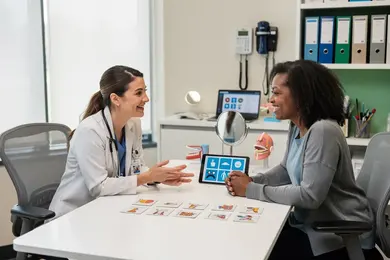
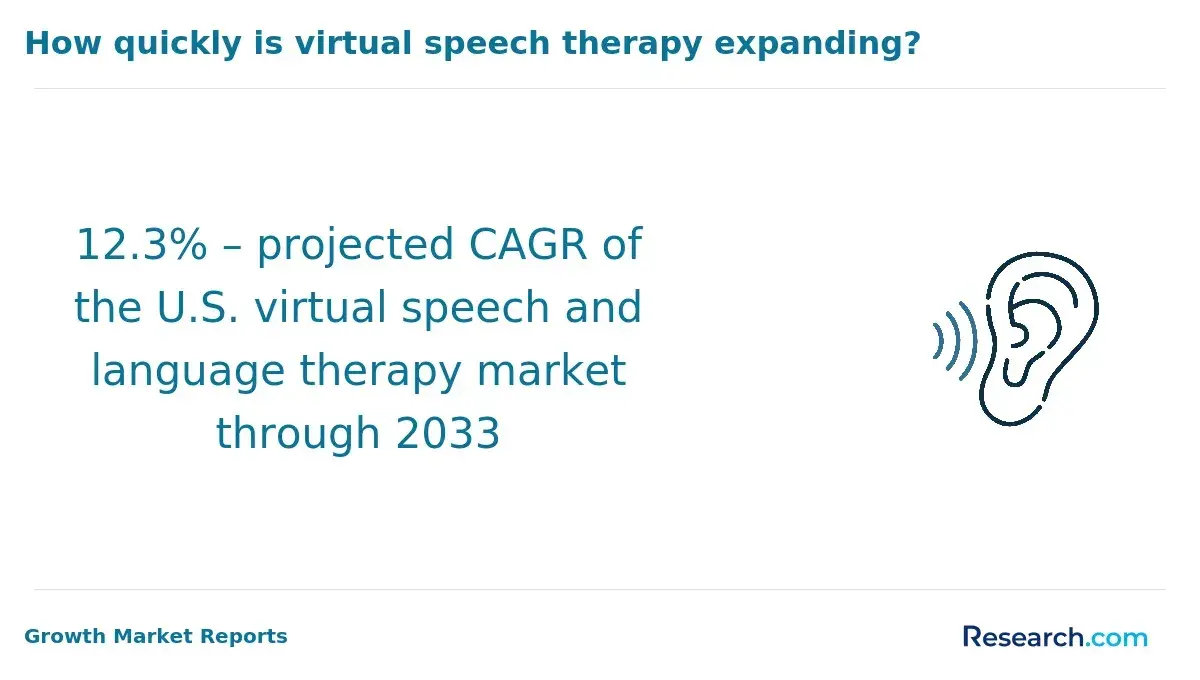
Telepractice simulations help students build client rapport and technical troubleshooting skills, essential for today's clinical environments increasingly reliant on electronic health records and teletherapy platforms. Developing these competencies early boosts confidence and aligns with evolving employer expectations.
Students who cultivate clinical readiness skills for online speech pathology students often face fewer challenges securing placements and adapting professionally. For those considering career prospects, understanding the speech and language therapist salary can also guide career planning decisions.
How Do Online SLP Programs Build Clinical Readiness?
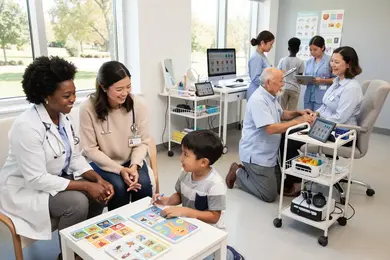
Online SLP programs enhance clinical skills development in online SLP programs through simulation labs, virtual client interactions, and interprofessional training modules. These components integrate up to 75 simulation hours into the 400 required for ASHA CCC-SLP certification, allowing students to practice assessment and intervention skills in realistic, controlled settings. Simulation scenarios often include diverse client profiles that improve diagnostic accuracy and treatment planning before students begin real-world clinical placements.
Interprofessional simulation exercises promote teamwork skills essential for navigating multidisciplinary healthcare settings. Data from USAHS simulation programs show a 40% improvement in teamwork competency among students exposed to these training modules. This collaboration-focused approach is key to preparing online SLP students for clinical practice in diverse healthcare environments.
Virtual clinical practicums with standardized patients help build communication skills and cultural competency, reflecting the growing use of telepractice in Speech Pathology. Additionally, case-based learning and reflective journaling develop critical thinking and self-assessment, addressing common student concerns about clinical readiness and decision-making.
Faculty-supervised clinical hours combined with digital tracking tools ensure students meet competency benchmarks while accommodating individual learning paces. Prospective students can explore fast track speech pathology programs to find options that maximize clinical preparedness for certification and future employment.
What Accreditation Ensures Quality in Online SLP Degrees?
Accreditation by the Council on Academic Accreditation in Audiology and Speech-Language Pathology (CAA) is a key benchmark for quality in online slp degree programs. CAA accreditation confirms programs adhere to rigorous educational and clinical training standards critical for professional competence and eligibility for state licensure and certification from the American Speech-Language-Hearing Association (ASHA). Without CAA approval, graduates might encounter difficulties advancing their careers.
Students should carefully verify the CAA accreditation status when exploring online speech pathology programs. Accredited programs feature comprehensive curricula encompassing foundational knowledge, clinical practicum, and evidence-based practices delivered via advanced technological platforms. Many accredited programs also incorporate clinical simulation, which has shown to reduce student anxiety by 35% and improve clinical readiness by 28%, according to a PMC study on simulation-based learning.
Additional regional institutional accreditation may reflect the overall academic quality but does not replace CAA accreditation specific to the profession. Prospective learners must also consider whether programs offer supervised clinical hours in diverse settings, which strongly influence licensure exam preparation and employment outcomes.
Transparent reporting of outcomes such as graduation rates and certification exam pass rates is vital to gauge program effectiveness. Confirming accreditation status ensures the degree is recognized by employers and licensing boards, a crucial factor for career advancement in speech pathology. For those seeking accessible options, exploring a speech language pathologist degree can be a helpful starting point.
Which Certifications Are Required for SLP Practice?
To practice as a speech language pathologist (SLP) in the U.S., securing the Certificate of Clinical Competence in Speech-Language Pathology (CCC-SLP) from the American Speech-Language-Hearing Association (ASHA) is crucial. This certification requires completing a master's degree, passing the Praxis exam, and finishing a supervised clinical fellowship. Most employers and state licensing boards mandate the CCC-SLP for independent clinical work.
State licensure is legally required across all states, with each board enforcing rules that generally align with ASHA standards. Obtaining a license involves submitting proof of education, clinical hours, and exam results. Practicing without a license can lead to serious legal and professional consequences.
Additional certifications, such as the Lee Silverman Voice Treatment (LSVT) for Parkinson's speech disorders or the Board Certified Specialist in Fluency Disorders (BCS-F), can advance careers but are not mandatory for entry-level practice. Many employers also prioritize communication and presentation skills, which can boost leadership promotion rates by 22%, according to the ASHA workforce survey, 2025.
Key steps for success include ensuring your program offers ASHA-aligned supervised clinical experience, preparing early for the Praxis exam, and verifying your state's licensure process. Understanding and completing these requirements impacts your ability to practice, secure employment, and grow professionally in speech language pathology.
What Does the SLP Curriculum Cover for Clinical Training?
The slp curriculum for clinical training in 2026 emphasizes applied skills for diagnosing and treating communication disorders across all age groups, from pediatric to geriatric clients. Supervised clinical practicum hours, required by accreditation bodies, ensure hands-on experience in assessment techniques for speech, language, cognitive-communication, and swallowing disorders.
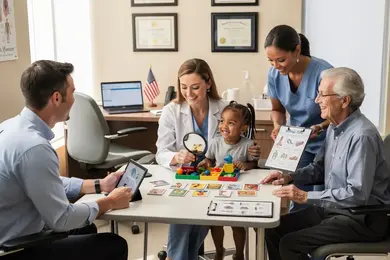
Students develop individualized treatment plans and implement evidence-based interventions tailored to clients' cultural and linguistic backgrounds. Training includes simulated patient interactions, telepractice skills, and collaboration with interdisciplinary teams to prepare students for real clinical environments.
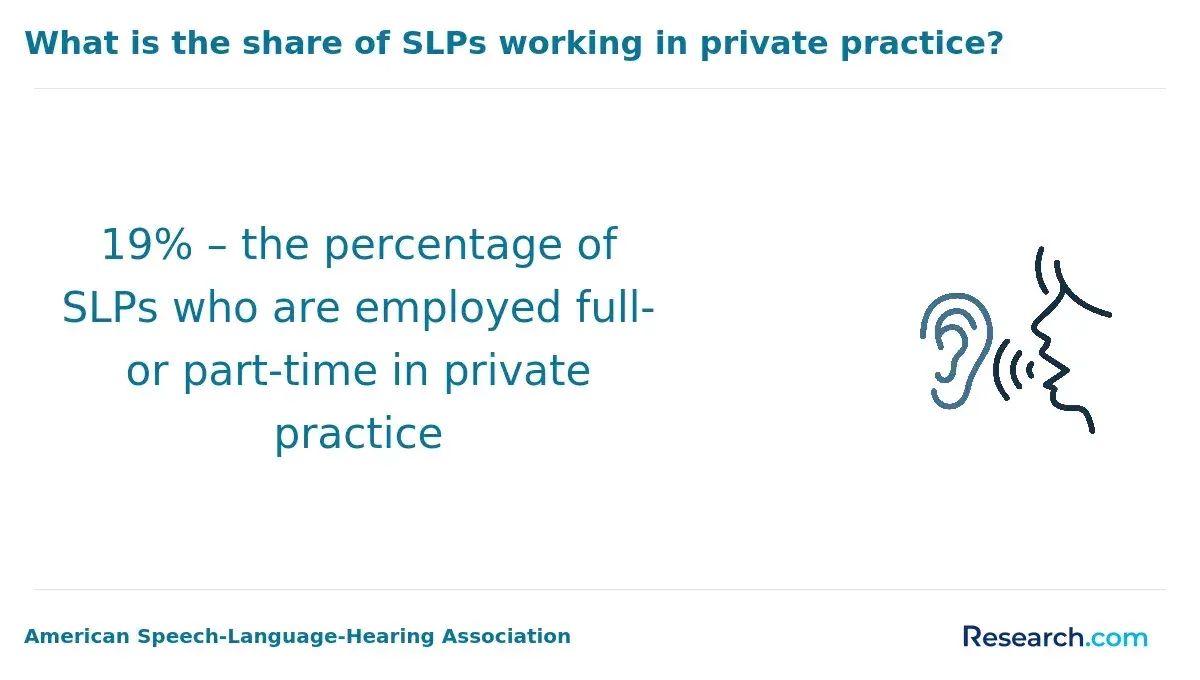
Documentation standards, ethical considerations, and proficiency with electronic health records are also integrated into the curriculum, preparing students for professional and administrative responsibilities. Many programs now address entrepreneurial skills, reflecting industry trends such as an 18% growth in private slp practices between 2023 and 2025 by ASHA private practice analysis. Graduates learn business fundamentals, marketing, insurance billing, and client management, key for those pursuing private or telepractice careers.
Clinical placements vary widely: hospitals, schools, home health, and community clinics expose students to diverse diagnostic challenges. Emphasis is placed on culturally responsive care and effective teamwork with families and healthcare professionals to foster comprehensive clinical competence.
What Admission Requirements Apply to Online SLP Programs?
Admission to online speech pathology programs typically requires a bachelor's degree from an accredited institution, with coursework in communication sciences and disorders, biology, psychology, and statistics. A minimum GPA of 3.0 is common, although competitive programs may expect higher academic performance. GRE scores are often requested but increasingly waived or optional across many programs.
Letters of recommendation are generally required to validate academic abilities and interpersonal skills. Relevant experience through volunteer work or clinical observation-often at least 50 hours-is highly valued or mandatory. International applicants usually need to provide English proficiency exam results such as TOEFL or IELTS.
Background checks and immunization records ensure readiness for in-person clinical placements. Some programs now emphasize leadership and advocacy potential, reflecting industry trends: while 65% of speech pathologists express interest in leadership, only 12% hold formal roles. This growing focus shapes admission criteria and applicant evaluation.
Additional requirements may include personal statements emphasizing career goals or community service and interviews conducted via video calls to assess communication skills essential for clinical success. Early preparation in these areas strengthens applications and enhances chances of acceptance.
How Long Do Online SLP Programs Take and Cost?
Online speech pathology programs generally span two to four years, depending on whether students pursue a master's or doctoral degree. A master's degree-the typical entry-level credential for certification-usually requires about two years full-time. Part-time or accelerated tracks for working professionals can extend this to three or four years. Doctoral programs, mainly for advanced clinical or research roles, often add three to four years beyond the master's level.
Tuition costs vary widely by institution and program type. Public universities often charge under $25,000 for in-state students, while private schools commonly range from $40,000 to $70,000. Total expenses also include fees for clinical placements, materials, and exam preparation. Financial planning should consider scholarships, employer tuition assistance, and federal loans specific to health professions. It's important to verify that clinical practicum requirements align with state licensure standards, as this affects program duration and cost.
Negotiating employment contracts significantly impacts starting salaries. According to the Medbridge SLP compensation trends report from 2025, clinicians who negotiate earn on average 17% more-about $92,000 versus $78,000 for those who do not. This advantage often surpasses raises gained through additional experience, emphasizing negotiation as a key skill for career success beyond education.
What Career Paths and Salaries Await SLP Graduates?
Career paths for speech pathology graduates vary widely, with salary ranges influenced by work setting and specialization. Clinical roles in hospitals, schools, and rehabilitation centers are common. Starting salaries typically fall between $60,000 and $75,000 annually, while experienced clinicians in healthcare, especially in metropolitan areas, may earn over $90,000.
School-based speech-language pathologists (SLPs) usually make between $55,000 and $70,000, depending on district funding and location. Telepractice is a growing field offering new opportunities, but it requires strong digital skills and strict adherence to telehealth ethics. According to ASHA telehealth compliance data, telepractice ethics violations rose by 24% from 2024 to 2025, highlighting the importance of specialized training in digital ethics.
Other options include research, administration, and private practice. Research roles, often requiring advanced degrees, offer salaries ranging from $65,000 to $95,000 depending on the institution and funding. Administrative careers in healthcare or education generally pay between $75,000 and $100,000 and involve management responsibilities beyond clinical work.
Private practice incomes vary greatly; new clinicians may start near $50,000, with potential to exceed $120,000 by building a strong client base and offering specialties like swallowing disorders or pediatric language delays.
What Is the Job Outlook for SLPs in the U.S.?
The job outlook for speech-language pathologists (SLPs) in the U.S. is exceptionally strong, with employment growth expected to outpace many other professions through 2026. Key drivers include the aging population, heightened awareness of speech and communication disorders, and expanded healthcare coverage. According to EducationData.org, 92% of online SLP master's graduates find employment within six months, earning a median salary of $88,500, reflecting robust demand and competitive pay.
Career opportunities extend beyond traditional schools and hospitals to outpatient clinics, rehabilitation centers, and telepractice roles, which are expanding due to technological advances. Specialized expertise in areas such as pediatric speech therapy, aphasia treatment, and augmentative communication can enhance both job prospects and earning potential.
Factors influencing employment include location, workplace type, and certifications. Urban centers typically offer more openings and higher wages, while rural areas may have fewer jobs but greater need. Obtaining certifications like the Certificate of Clinical Competence (CCC) boosts candidate differentiation.
Financially, pursuing an online SLP degree offers a strong return on investment, with graduates earning approximately 3.2 times their tuition cost within a decade. This makes flexible online programs attractive for many seeking stability in healthcare careers.
Other Things You Should Know About Speech Pathology
Speech-language pathologists (SLPs) also work in a variety of other settings including private practice clinics, rehabilitation centers, nursing homes, and home health care. Additionally, some SLPs are employed in research institutions, universities, and corporate environments focusing on communication technology development. This diversity allows SLPs to support clients across the lifespan and in many community contexts.
Cultural competence is vital for SLPs to effectively assess and treat clients from diverse backgrounds. It involves understanding and respecting language differences, cultural norms, and communication styles to provide appropriate interventions. Without cultural competence, assessments and therapy may not accurately reflect a client's abilities or needs, potentially leading to ineffective treatment.
Yes, many SLPs choose to specialize in areas such as pediatric speech disorders, adult neurogenic communication disorders, voice therapy, or swallowing disorders. Specialization often requires additional training or certification but allows the clinician to develop deeper expertise. This focus can improve treatment outcomes by tailoring approaches to specific populations or conditions.
Cultural competence is vital for online SLP students in 2027 to provide effective and inclusive therapy. It ensures they understand and respect diverse backgrounds, behaviors, and languages, which improves patient rapport and treatment outcomes, crucial for success in increasingly multicultural environments.
References
- Homepage https://speechpathologymastersprograms.com/
- Top Speech Pathology Tips for School Readiness — Thrive Health Therapies https://www.thrivehealththerapies.com.au/content-hub/top-speech-pathology-tips-for-school-readiness
- Top 10 Budget-Friendly Online Master’s in Speech Therapy for 2024 – Specialist Language Courses https://specialistlanguagecourses.com/top-10-budget-friendly-online-masters-in-speech-therapy-for-2024/
- Premium Signup Options - The SLP Curriculum https://theslpcurriculum.com/premium-signup-options/
- Admission Requirements https://www.ualberta.ca/en/communications-sciences-and-disorders/programs/msc-in-speech-language-pathology/admissions/admission-requirements/index.html
- 5 Tips to Develop Your Clinical Skills - NSSLHA Blog https://blog.nsslha.org/2019/04/23/5-tips-to-develop-your-clinical-skills/
- Certification program https://www.speechpathologyaustralia.org.au/Public/Public/Become/Certification-Program/Certification-program.aspx
- Be an Informed Consumer - Med SLP Certification https://medslpcertification.com/
- Online Master of Science in Speech-Language Pathology | Maryville University https://slp.maryville.edu/online-programs/online-masters-degrees/speech-language-pathology/
- School Readiness | Their best start to school https://www.talkshop.com.au/how-we-help/school-readiness/