2027 Full-Time vs Part-Time Online SLP Programs: Which Should You Choose?

Co-Founder and Chief Data Scientist
Prospective students often face a tough choice between full-time and part-time online SLP programs. Balancing work, family, and education demands makes this decision critical. Full-time programs may offer faster completion but less flexibility, while part-time routes provide more balance but extend the timeline. Understanding accreditation, clinical requirements, and state licensure pathways further complicates the choice.
Navigating these factors without clear guidance can delay career progress or increase financial strain. This article compares key aspects of full-time versus part-time online SLP programs, helping readers identify the best fit based on their personal circumstances and career goals.
Key Things You Should Know
- Full-time online speech pathology programs typically take 2-3 years to complete, while part-time options allow flexibility, extending duration up to 4-5 years for working professionals.
- Recent data shows full-time students have a 10% higher graduation rate within three years compared to part-time students balancing work and study commitments.
- Both formats meet accreditation standards and prepare graduates for the ASHA certification exam, but part-time programs often offer evening and weekend classes to accommodate diverse schedules.
What is a speech-language pathology degree and what do SLPs actually do?
A speech-language pathology degree programs overview reveals that graduates are trained to assess, diagnose, and treat communication and swallowing disorders such as speech delays, stuttering, voice issues, and aphasia caused by injury or illness. Most students earn a master's degree, the minimum requirement for certification and clinical licensure in the United States. Programs combine anatomy, linguistics, audiology coursework, and clinical practicum hours to develop practical skills essential for professional success.
Roles and responsibilities of certified SLPs vary widely depending on their work setting, which may include schools, hospitals, rehabilitation centers, and private practices. They perform standardized assessments and create individualized treatment plans. School-based SLPs typically support children with language development delays or social communication challenges, while medical SLPs help patients regain communication and swallowing functions after events like strokes or traumatic brain injuries.
Career flexibility is another key benefit in this field. The ASHA 2024 Schools Survey reports that 87.8% of school-based SLPs work 9-10 months annually, which accommodates part-time or hybrid online programs. This arrangement supports maintaining a work-life balance while pursuing advanced education. Prospective students should explore options such as speech pathology online masters programs to find the best fit based on their professional and personal needs.
What are the key differences between full-time and part-time online SLP programs?
The differences between full-time vs part-time online speech pathology program differences mainly involve duration, workload, and completion outcomes. Full-time programs usually require 30 to 40 hours per week, allowing students to finish in two to three years. Part-time options extend over four to six years, accommodating work or caregiving responsibilities but demanding long-term commitment.
Workload intensity affects student engagement. Full-time learners benefit from steady progress, frequent access to faculty, and clinical placements. Part-time students handle lighter weekly loads but face challenges sustaining focus with prolonged coursework exposure. Completion data from Inside Higher Ed (January 2025) reveal a 14% eight-year completion rate for part-time first-time students at major providers like SNHU, emphasizing attrition risks.
Financial implications differ as well. Full-time study may lead to higher short-term costs but faster workforce entry. Part-time enrollment spreads tuition but can increase cumulative expenses. When weighing options, students should assess their time management, career demands, and learning style-key factors in choosing full-time or part-time online speech pathology programs. Clinical experience access also impacts licensure timelines.
Students also benefit from understanding how much does a speech therapist make to align educational plans with career goals.
What accreditation and licensing requirements must SLP programs meet?
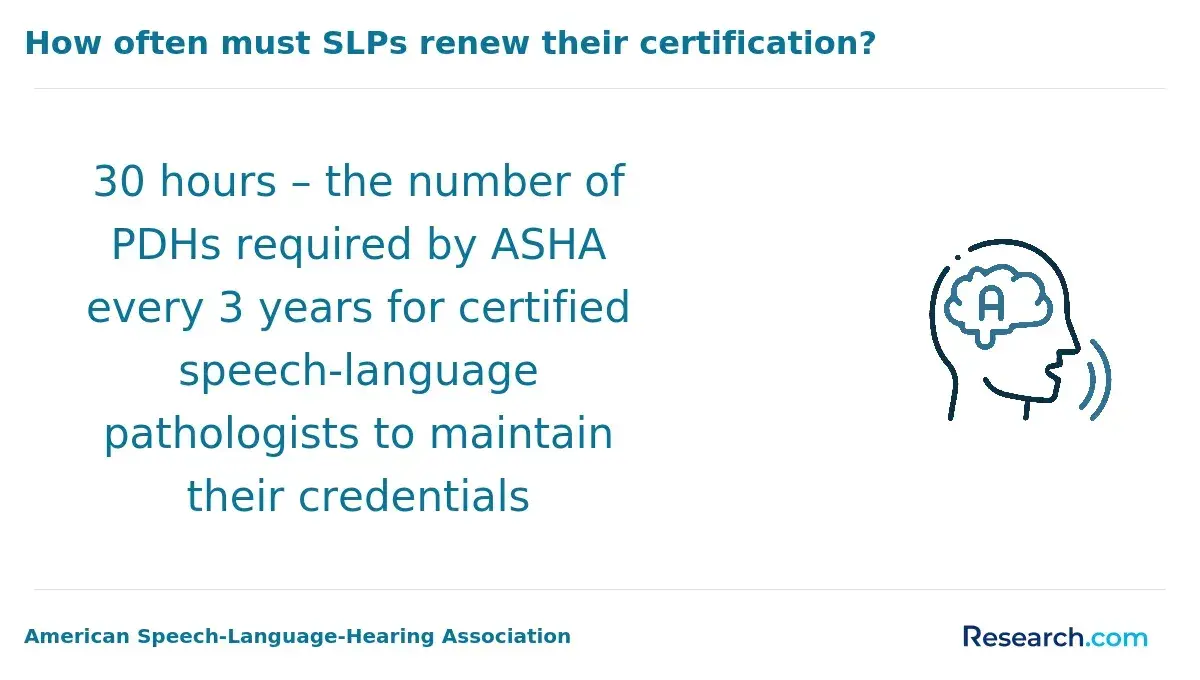
Accreditation standards for online speech pathology programs in the US require candidacy or full accreditation from the Council on Academic Accreditation in Audiology and Speech-Language Pathology (CAA), under ASHA. This accreditation is mandatory for both full-time and part-time programs because graduates must complete CAA-accredited degrees to qualify for the ASHA Praxis exam, which is essential for certification as a speech-language pathologist and state licensure.
Licensing requirements vary by state, with each state setting distinct clinical practicum and coursework mandates. Some states accept fully remote supervised clinical hours, while others require in-person experiences combined with online coursework. Prospective students must confirm that any online program meets their intended state's criteria for licensure to avoid delays or denial after graduation.
Part-time students face additional challenges. Research from Inside Higher Ed highlights that 74% of part-time enrollees in Southern New Hampshire University's online speech pathology cohorts have lower odds of graduating on time, largely due to difficulties in meeting clinical hour requirements and licensure timelines while managing other responsibilities. Those seeking accelerated education options may consider an accelerated SLP master's program that fits their goals and state requirements.
What coursework and clinical practicum hours are required in SLP degree programs?
SLP degree programs balance intensive coursework with clinical practicum hours to satisfy accreditation and certification requirements. Typically, students complete between 60 and 75 graduate credit hours focusing on core subjects such as anatomy, phonetics, neuroanatomy, language development, audiology, and intervention strategies. This foundational coursework supports both practical applications and success in standardized tests.
Clinical practicum hours needed for speech pathology degrees usually total around 400 supervised contact hours, aligning with ASHA standards. Students gain hands-on experience through direct client interaction, assessment, and therapeutic interventions in diverse settings. This practical training ensures that students can effectively apply theoretical knowledge under professional supervision.
Recent trends show increased flexibility, with some programs allowing up to 75 ASHA clinical hours to be completed via simulation. These simulated hours require live debriefing with clinical instructors to meet accreditation standards. Course delivery also varies: full-time programs offer intensive, cohort-based schedules with continuous clinical placements, while part-time programs spread practicum requirements over a longer timeline to accommodate working professionals.
When researching options, consider available ASHA accredited online SLP programs that may offer flexible coursework requirements for full-time and part-time online speech pathology programs through virtual platforms and telepractice technology.
How long does it take to complete an online SLP master's degree?
The time needed to complete an online master's degree in speech pathology depends largely on enrollment status and program design. Full-time students typically finish within 18 to 24 months, which suits those able to manage intensive coursework and clinical rotations at once.
Part-time options, often lasting 3 to 5 years, benefit working professionals or those balancing family commitments by allowing flexible pacing. Some programs even permit adjusting course loads each semester to fit personal schedules.
The sequencing of clinical residencies required by the Council on Academic Accreditation can also impact the overall duration. These residencies are essential for licensure and vary by program, affecting how long students remain enrolled.
Financial factors intertwine with program length. Tuition costs vary widely across 83 programs, with some offering a strong return on investment by boosting earning potential after graduation. Although longer part-time programs may lower initial costs, they may delay workforce entry and subsequent salary growth. Prospective students should assess their availability, finances, career timelines, and licensure requirements carefully.
What are typical admission requirements for accredited online SLP programs?
Admission to accredited online speech pathology programs generally requires a bachelor's degree from a regionally accredited institution, often in communication sciences, psychology, or related fields. Applicants must complete prerequisite courses such as anatomy and physiology of the speech mechanism, linguistics, and phonetics. Many programs expect a minimum cumulative GPA around 3.0, though competitive programs may demand higher. While Graduate Record Examination (GRE) scores are commonly requested, some programs are moving away from requiring them.
Additional requirements include official transcripts, two or three letters of recommendation from academic or professional sources, and a personal statement outlining career goals and motivation. Relevant clinical or volunteer experience in healthcare or communication disorders enhances applications, especially when recent and directly related.
Applicants from non-speech pathology backgrounds might qualify for conditional admission contingent on completing prerequisite coursework. International students often need to submit TOEFL scores to prove English proficiency. Due to clinical practicum placements, background checks and immunization records are frequently required.
The BLS Occupational Outlook Handbook (2025 update) highlights strong employment growth and competitive salaries for speech-language pathologists, supporting a quick return on investment. Online program formats offer flexibility for working professionals but maintain rigorous academic and clinical standards to ensure certification readiness.
What is the average cost of full-time versus part-time online SLP programs?
The average cost of full-time online speech pathology programs varies widely, typically ranging from $20,000 to $50,000 for the complete degree. Part-time students generally face similar total tuition costs, as fees are charged per credit hour. However, spreading credits over more semesters lowers immediate expenses but may increase overall costs due to extended enrollment fees and possible tuition inflation.
For example, Southern New Hampshire University's online speech pathology program charges about $960 per credit hour, making a full-time two-year program near $40,000. Part-time students pay less upfront but remain enrolled longer, which can increase total costs. Additional expenses beyond tuition include technology fees, course materials, and clinical practicum costs.
Financial aid options often differ for full-time versus part-time students and can significantly affect net costs. Time-to-completion impacts cost efficiency: only 36% of Southern New Hampshire University's online enrollees in 2015 graduated within eight years, according to Inside Higher Ed, highlighting the risk of prolonged enrollment inflating expenses and delaying career start. Transparent budgeting and understanding payment plans are crucial for aligning program costs with your financial capacity and career goals.
What career outcomes and job roles are available to SLP graduates?
SLP graduates pursue diverse career paths across education, healthcare, and private practice. Common roles include clinical speech-language pathologist positions in schools, rehabilitation centers, hospitals, and private clinics. Many focus on pediatric care in educational settings, working with children experiencing speech and language delays. Others specialize in adult rehabilitation, addressing stroke recovery or neurological disorders.
Certification requirements remain consistent regardless of work setting, as confirmed by 95.7% of surveyed SLPs (ASHA 2024 Schools Survey). This supports that online and in-person programs equip graduates equally for these roles. Career opportunities extend beyond clinical practice to research, consulting, telepractice, and administrative or academic positions.
Telepractice continues to grow, offering flexible schedules and expanding access to underserved communities. SLPs often specialize in areas such as voice disorders, fluency, cognitive communication, or swallowing therapy, although foundational certification remains the same across these specialties.
Licensure and the Certificate of Clinical Competence (CCC) are mandatory in all states. Graduates should match their workplace choice to their interests-pediatric care in schools or medical-based practice, for example. Online speech pathology programs prepare students to successfully enter these varied fields, providing career flexibility upon graduation.
What is the job outlook and salary potential for speech-language pathologists?
The job outlook for speech-language pathologists (SLPs) is notably strong, with a projected growth rate of 21% from 2024 to 2034, according to the U.S. Bureau of Labor Statistics. This growth outpaces the average for most occupations and reflects rising awareness of communication disorders, an aging population needing therapy for strokes or dementia, and expanded services in education and healthcare settings.
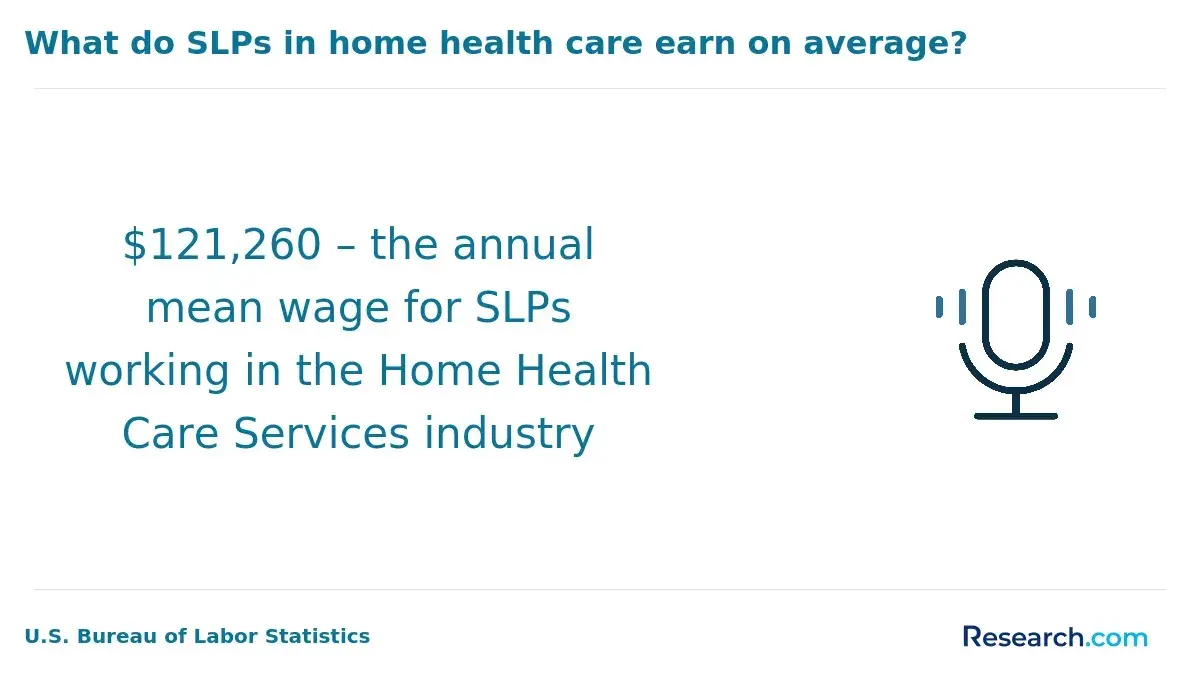
Median salaries for SLPs hover around $83,000 annually, while the top 10% earn upwards of $122,000. Earnings can vary based on the work environment, experience, and location. Salaries typically differ by practice setting:
- Healthcare facilities usually offer higher pay but may involve more demanding schedules.
- School-based positions tend to have steadier hours and benefits but slightly lower wages.
- Private practices or telepractice present more fluctuating incomes tied to client volume and time commitment.
Online SLP programs provide flexible pathways: full-time options prepare students quickly, while part-time programs, like ACU's 36-month MS-SLP track, allow professionals to balance work and study without compromising rigor. Many students also work as speech-language pathology assistants (SLPAs) during training, gaining valuable experience and maintaining income. This combination of workforce demand, flexible education models, and varied salary potential makes speech-language pathology a compelling career choice for many prospective and current professionals.
How should you evaluate and compare online SLP programs before enrolling?
When evaluating online speech pathology programs, prioritize confirming accreditation from the Council on Academic Accreditation in Audiology and Speech-Language Pathology (CAA) to ensure adherence to professional standards. Clinical practicum opportunities are crucial-check if programs offer supervised placements locally or remotely, as this hands-on experience affects licensure eligibility.
Faculty expertise significantly influences educational quality. Investigate faculty credentials and their active roles in research or clinical practice. Consider schedule flexibility carefully; although demand for remote speech pathology degrees has risen sharply, part-time completion rates lag full-time by over 50% at major providers such as Grand Canyon University, according to Inside Higher Ed (January 2025). This highlights the need for realistic self-assessment of your time commitment and program intensity.
Request detailed program guides or speak with admissions counselors for clarity on clinical placements, time management, and licensure. An item-by-item comparison on these points will help identify the best program aligned with your professional goals and circumstances.
Other Things You Should Know About Speech Pathology
Yes, part-time online SLP programs are designed to provide the same clinical experiences as full-time options, though these may be extended over a longer period. Accredited programs ensure that students complete required practicum hours under supervised conditions regardless of enrollment status. Clinical experience is essential and must meet the standards set by certifying bodies.
Accredited online speech pathology programs are recognized by most employers and licensing boards across the U.S. Accreditation from the Council on Academic Accreditation (CAA) in Speech-Language Pathology is the key factor for professional acceptance. Graduates from these programs are eligible for state licensure and certification from the American Speech-Language-Hearing Association (ASHA).
Many students successfully balance full-time employment with part-time online SLP studies. Part-time programs offer flexible scheduling, allowing students to complete coursework in evenings or weekends. However, clinical practicums may require fixed hours during the day, so careful planning and communication with employers and program coordinators are necessary.
References
- Speech Pathology Career Guide https://speechpathologymastersprograms.com/speech-pathology-careers/
- Speech-Language Pathology Online Graduate Program https://www.uwec.edu/speech-language-and-hearing-sciences-department/graduate-program/speech-language-pathology-online
- How Much Does It Cost to Become a Speech Pathologist | Advanced Therapy Clinic https://www.advancedtherapyclinic.com/blog/how-much-does-it-cost-to-become-a-speech-pathologist
- MS Speech-language Therapy Prerequisites & Requirements | USAHS https://www.usa.edu/college-of-rehabilitative-sciences/master-science-speech-language-pathology-ms-slp/ms-slp-admission-requirements/
- Online Master of Speech-Language Pathology | WCU https://westcoastuniversity.edu/online-programs/master-of-speech-language-pathology
- Is Speech-Language Pathology a Good Career? Salary, Demand & Outlook https://www.mghihp.edu/news-and-more/opinions/csd-discussions/speech-language-pathology-good-career-salary-demand-outlook
- Speech Language Therapist Career Guide https://kidscarehomehealth.com/speech-language-therapist-career/
- Career Opportunities for Speech-Language Graduates https://www.albizu.edu/blog/career-opportunities-for-speech-language-graduates/
- Speech Pathologist Salary and Career Outlook https://teach.com/online-ed/healthcare-degrees/online-masters-speech-language-pathology/career-salary/
- Online MSLP Programs with No GRE Requirement for Admissions https://www.speechpathologydegrees.com/online/mslp-no-gre-required