How Do Student Loans Affect Your Credit Score for 2027?

Student Finance & Loan Expert
Having a good credit score is a necessity in modern society, and students are no exception. After all, research from Tally shows that students in the United States hold an average of 5 credit cards, with each student's balance needing to be settled on time to avoid debt. This may add a layer of complexity when facing student loans and education costs.
This guide aims to demystify the perceived complexity by exploring how student loans affect credit score trends and what students can do to manage credit amid loan debt. Drawing from my years as a seasoned career planner, I provide details and present various scenarios that may have a positive or negative on a student's credit.
Key Things You Should Know About How Student Loans Affect Credit Score for 2027
- Consistently making on-time payments on student loans helps build a positive payment history, which raises a student's credit score.
- Many private student loans require a FICO score of at least 670.
- The average balance for all college borrowers is $37,037 per student.
- The average interest rate for subsidized loans in 2024 is 6.53%, while the average for subsidized loans is 8.08%.
- Students can increase their credit scores by maintaining a credit utilization ratio below 30%, which means they should not max out their credit cards.
Table of Contents
- How do student loans affect your credit score for 2027?
- When will a late or skipped payment for your student loan start affecting your credit score?
- What can you do if you cannot pay your student loan on time?
- Do student loans taken out by parents affect student credit score?
- How do credit scores affect new student loans?
- How does refinancing student loans affect your credit score?
- How does student loan forgiveness affect your credit score?
- How does the choice between fixed and variable interest rate loans impact credit scores?
- How do student loans appear on your credit report?
- Should I use student loans to cover living expenses?
- How can students manage their credit score while still in school?
- Can pursuing advanced degrees boost my capacity to manage student loan debt effectively?
- Will my student loans impact my eligibility for other types of credit?
- Can alternative advanced degree programs reduce student loan burdens while protecting credit scores?
- How do student loans with a co-signer affect both my and the co-signer's credit score?
- Do emergency student loans affect my credit score during crises?
- Can professional financial counseling improve my credit management?
- How does choosing the right college major impact my financial resilience with student loans?
- How much do student loans factor into career-specific educational costs?
- Are alternative education credentials a viable option to protect credit scores?
- Do income-driven repayment plans safeguard my credit score?
How do student loans affect your credit score for 2027?
How student loans affect credit score can either be positive or negative, based on the duration of loan payments and how the loan is treated. The general factors that influence an increase or decrease in credit scores are as follows:
Building a Good Score
- On-Time Payments: Consistently making on-time payments on student loans, which are usually long-term, helps build a positive payment history. The average time to repay student loans should always be within the set deadline for one's credit score to increase considerably. Moreover, by managing loans well, students can create a strong foundation for future borrowing.
- Credit Mix: If a student does not have experience with other credit products like credit cards, student loans can help diversify their credit mix. This shows the ability to handle different types of debt, which is also considered in credit scores.
Damaging a Credit Score
- Late Payments: Late payments can cause considerable drops in credit scores, especially if balances remain unsettled for long periods. Late payments can reflect on a credit report for years but their impact decreases over time.
- Default: Defaulting on a student loan can cause a drop in credit scores, which can make it tough for students to obtain loans or low interest rates in the long run. It is crucial to properly manage defaults since they can stay in a credit report for years.
Some Considerations
- Deferment and Forbearance: While these options provide temporary relief from payments, they may not be reflected positively on a credit report. Check with the loan servicer for details on how they might impact the score.
- Credit Score Monitoring: Regularly monitoring credit reports is crucial. This allows students to identify and dispute any errors related to how student loans affect credit score ratings, particularly for negative impact. It is important to note that many private student loans, according to a 2024 report, require a FICO score of at least 670, so long-term credit management is needed in some cases.
The chart below shows the total student loan debt in the United States over the years.
When will a late or skipped payment for your student loan start affecting your credit score?
Missing a student loan payment can occur unintentionally. However, even a single late payment can negatively impact a borrower's credit score. Here are some factors that first-time borrowers need to know when it comes to how student loans affect credit score results:
- Reporting Timeline: The timeframe for a lender to report a late payment (delinquency) to credit bureaus varies depending on the loan type:
- Federal Student Loans: Providers typically wait at least 90 days before reporting late payments.
- Private Student Loans: Private lenders can report late payments much sooner, sometimes as early as 30 days after a missed payment.
- Late Fees: Regardless of when a late payment is reported to credit bureaus, lenders can still charge late fees when a borrower misses a payment.
- Impact on Credit Score: If a late payment is reported, it will stay on the borrower's credit report for up to seven years. The severity of the delinquency also impacts the borrower's credit score. A single late payment may have a less significant impact than a payment several months overdue.
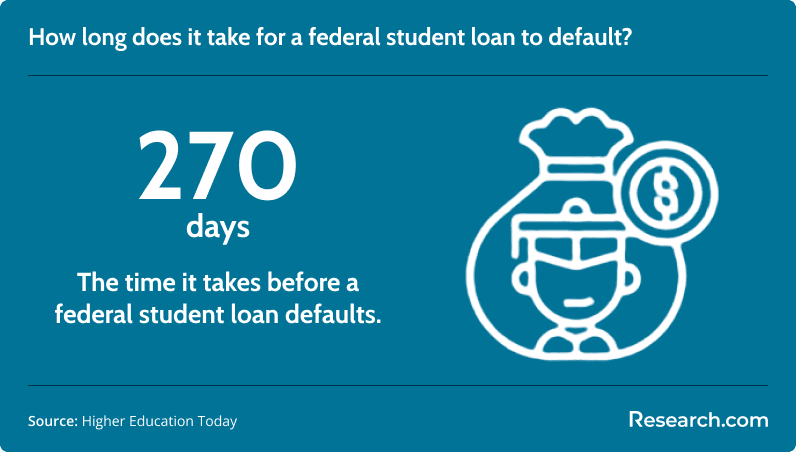
- Default: In the case of federal student loans, if a borrower doesn't make a payment for 270 days (approximately nine months), the loan goes into default. This has a much more severe negative impact on the borrower's credit score than a simple late payment.
What can you do if you cannot pay your student loan on time?
If students do not have the means to pay their balances on time, they need to take a proactive stance by communicating with servicers and availing of financial plans or forbearance as needed. They can find the ideal solution or combination of solutions to properly address their financial concerns.
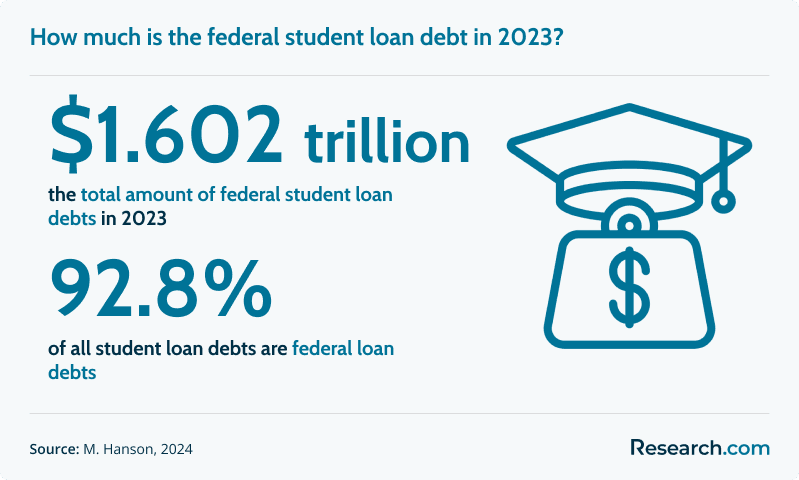
This is crucial since, according to a 2024 report, the average balance for all college borrowers is $37,037 per borrower as of the end of 2023.
I advise students to consider the following options:
- Early Contact with Loan Servicer: Proactive communication is crucial. Students should contact their loan servicer as soon as possible, before missing a payment. Explaining their situation and expressing a desire to maintain on-time payments might open doors to temporary solutions or flexible arrangements from the servicer.
- Income-Driven Repayment (IDR) Plans (For Federal Loans): By adjusting monthly payments based on a borrower's income and family size, IDR plans can significantly reduce the burden. This allows for consistent on-time payments within a student's financial capabilities, adding protection to how student loans affect credit score ratings.
- Strategic Use of Deferment or Forbearance: While interest might accrue on unsubsidized loans during deferment, these programs offer a temporary pause or reduction in payments. Used strategically during short-term financial hardships, they can help avoid missed payments and the resulting credit score hit. However, it's important to understand the specific terms and how they might affect the overall repayment timeline.
- Budgeting and Reduced Spending: Reviewing budgets and identifying areas for spending cuts can free up resources for loan payments. Prioritizing essential needs over wants helps ensure on-time payments and prevent delinquencies that damage credit scores.
- Increased Income Exploration: Students can find ways to make money by doing freelance work or entering part-time jobs. In doing so, they can considerably reduce the financial burden and maintain their credit scores.
Do student loans taken out by parents affect student credit score?
No, student loans taken out by parents typically do not directly affect a student's credit score. Here's why:
- Loan Borrower: Parent PLUS loans and other federal student loans for parents are taken out in the parent's name, making them the borrower responsible for repayment. The student is not the borrower and their credit report won't reflect the loan.
- Co-signing: If a student co-signs on a private student loan with their parent, then the loan will appear on both their credit reports. However, this is less common than parent PLUS loans.
Possible Exceptions
There might be a slight, temporary dip in a student's credit score if a hard credit inquiry is made on their report when a parent applies for a private student loan and lists the student as a borrower or co-signer. This occurs since part of the ownership is assigned to the student. However, the credit score dip is usually minor and recovers quickly.
How do credit scores affect new student loans?
All student loans can affect credit, but good credit may not be necessary to get a federal student loan. Private loans, however, are different. Let us look at both types of loans:
- Federal Loans: Most federal student loans, including all federal loans for undergraduates, do not require a credit check. Federal Direct PLUS Loans, available to parents and graduate students, do require a credit check. However, the credit score doesn’t change the interest rate for PLUS Loans; all PLUS Loans given out in the same year have the same rate.
- Private Loans: Private student loans require a credit check, with a higher score typically resulting in a lower interest rate. Since undergraduates often lack a credit history, a co-signer with good credit may be necessary to secure the loan.
When taking out a federal loan, students should take note of the interest rates of their options. For the reference of first-time borrowers, the average interest rate of subsidized loans in 2024 is 6.53%, while the average for subsidized loans is 8.08%. PLUS loans usually come with 9.08% interest.
How does refinancing student loans affect your credit score?
How student loans affect credit score ratings regarding refinancing is worth considering in some cases. Refinancing student loans means applying for a new loan to pay off the old ones. This process involves a ‘hard credit inquiry,’ which can cause a small, temporary drop in the credit score, usually by around five points. If a student applies to many lenders for refinancing, the score might drop a bit more.
These hard inquiries stay on a credit report for up to two years but usually only affect the credit score in the short term. On the other hand, soft credit inquiries, like checking one's credit score, do not impact the credit rating.
Even though refinancing might cause a slight drop in the credit score at first, it can lead to better credit in the long run. By getting a lower monthly payment through refinancing, students can manage their loans more easily and keep up with payments, which is important for a good credit score. Refinancing can also help students see their financial situation more clearly and encourage them to make positive changes.
Overall, refinancing can offer benefits like lower interest rates and more manageable payments, leading to a stronger credit score in the future.
How does student loan forgiveness affect your credit score?
Loan forgiveness, in regard to how student loans affect credit score ratings, alters the parameters surrounding a loan, thus it can increase or decrease a credit score in various ways. Knowing its effects enables students to leverage this option.
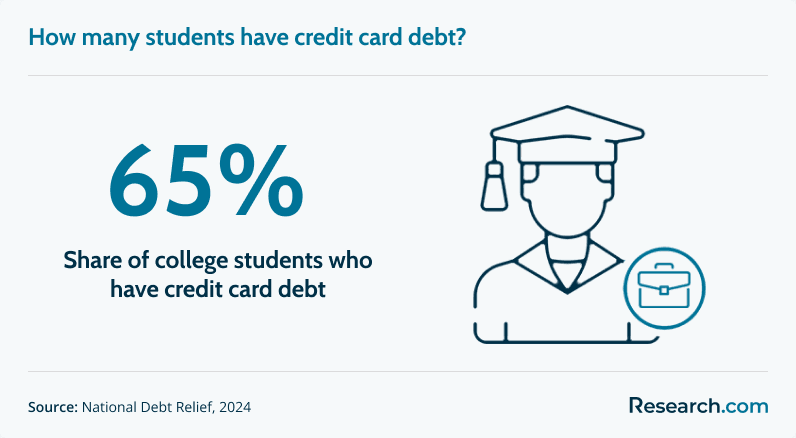
This might be critical information, given that nearly 65% of college students have incurred credit card debt according to 2024 statistics on student loan debt.
Positive Impact on Credit Score
- Reduction in Debt: When a student’s loan is forgiven, the amount of debt they owe is reduced or eliminated, which can improve the credit score by lowering the total debt.
- Improved Credit Utilization Ratio: Forgiveness lowers the credit utilization ratio, which is the ratio of total debt to total credit available. A lower ratio can boost the credit score.
- Better Payment History: Qualifying for forgiveness often indicates that the student has been making on-time payments. A strong payment history is a major factor in maintaining a good credit score.
Negative Impact on Credit Score
- Potential Tax Implications: Some forgiveness programs might result in a tax liability, which could affect a student’s finances and credit score if not managed properly.
- Account Closure: When a loan is forgiven, the account is closed. While this typically has a positive effect, it can sometimes temporarily impact the credit score by reducing the length of credit history.
- Possible Reporting Issues: Delays or errors in reporting the forgiveness could temporarily affect the credit score.
How does the choice between fixed and variable interest rate loans impact credit scores?
Choosing between fixed and variable interest rate loans can influence a borrower's financial stability and, subsequently, their credit score. Fixed interest rate loans have a consistent monthly payment structure, making it easier for borrowers to budget and meet repayment deadlines. This consistency is particularly beneficial for maintaining a positive payment history, a key factor in building and preserving a good credit score.
Conversely, variable interest rate loans may start with lower rates, offering initial affordability. However, these rates are subject to change based on market conditions, potentially increasing over time. Borrowers with variable interest loans may therefore face fluctuating payments, which could pose challenges for timely repayment if their financial situation tightens. Missed or late payments can harm credit scores, underscoring the importance of carefully considering this option.
Before deciding, students should evaluate their financial stability and future earning potential. For borrowers leaning toward stability, fixed interest rate student loans could offer greater predictability and minimize financial surprises that might affect their credit. Alternatively, students expecting higher future income might feel comfortable taking a calculated risk with a variable rate loan.
Understanding these differences helps borrowers make informed decisions that align with their long-term financial goals and credit health.
How do student loans appear on your credit report?
First-time borrowers of student loans might be confused when looking for student loans on their credit reports since they are presented in a certain way. Some terms might also be unfamiliar. With this, here are several points to remember when viewing loans on credit reports:
- Account Type: The loan will be categorized as an "installment loan," indicating repayment occurs in fixed monthly payments over a set term.
- Loan Servicer: The credit report will identify the company or organization responsible for servicing the loan, which is the entity that receives a student's monthly payments.
- Account Status: The report will reflect the current status of the loan. This could be "current" for on-time payments, "deferment" for temporarily paused payments, "forbearance" for temporarily reduced payments, or "delinquent" for past due payments.
- Balance: The outstanding loan amount a student still owes will be displayed.
- Payment History: A credit report will detail the student's history of payments on the loan, including on-time payments, late payments, and missed payments. This information significantly impacts one's credit score, so it is crucial to maintain a positive track record.
- Credit Limit: Unlike credit cards with credit limits, student loans typically will not have a credit limit listed on the report.
Should I use student loans to cover living expenses?
When evaluating the use of student loans for college living expenses, it is critical to balance immediate financial needs with long-term debt management objectives. Borrowers should compare alternative funding options—such as work-study opportunities, scholarships, or part-time employment—with the potential benefits and risks of borrowing extra funds. This assessment should include an analysis of how additional loan amounts might affect repayment flexibility and future credit score stability. It is also essential to align borrowing decisions with a well-structured budget and realistic projections of post-graduation income. For a focused overview on integrating living costs into your financing strategy, please review can I take out student loans for living expenses.
How can students manage their credit score while still in school?
Students can establish a strong credit foundation when they fully understand how credit works, how student loans affect credit score results, and the breadth of options they have when settling dues gets tough. Here are some tips that those not too accustomed to handling credit can leverage while in school:
- Prioritize Timely Payments: Automate payments or set reminders. Consistency builds a positive credit history.
- Optimize Credit Utilization: Maintain a credit utilization ratio below 30% by avoiding maxed-out credit cards and prioritizing balance payments.
- Conduct Regular Credit Report Reviews: Review credit reports annually and rectify any errors to ensure accuracy. Students can obtain a number of free reports each year.
- Utilize Credit Cards Strategically: Credit cards are tools, not free money. Only charge what can be repaid monthly.
- Develop a Budget: Track income and expenses to make informed financial decisions and prevent debt accumulation. Budgeting apps can help.
- Initiate Credit Building Gradually: Start with a secured credit card or small loan, managing them responsibly to build a strong credit profile.
- Minimize Credit Inquiries: Limit credit applications and focus on managing existing accounts to maintain a healthy credit score.
- Understand Student Loan Terms: Grasp repayment plans, interest rates, and fees to effectively manage student loans.
- Communicate with Lenders: Proactive communication with lenders can lead to flexible repayment options.
Can pursuing advanced degrees boost my capacity to manage student loan debt effectively?
Research indicates that investing in further education can be a strategic tool for enhancing long-term financial stability. Earning an advanced degree may open doors to higher income opportunities, which in turn facilitates more manageable student loan repayment and contributes to a stronger credit profile. In particular, exploring options such as highest paying master degrees can provide a clear pathway to lucrative career roles, reducing the relative burden of student debt over time.
Will my student loans impact my eligibility for other types of credit?
Student loans not only influence immediate credit scores but also shape the overall credit profile, which lenders scrutinize when assessing applications for mortgages, auto loans, or personal credit lines. A high debt-to-income ratio can signal potential risks, prompting stricter lending requirements and less favorable interest rates. By strategically managing repayment schedules and minimizing high-interest obligations, borrowers can enhance future borrowing capacity and potentially secure better financial products. Furthermore, considering advanced educational opportunities such as the quickest cheapest masters degree may contribute to a more robust income trajectory, thereby mitigating the long-term credit impact of student loan debt.
Can alternative advanced degree programs reduce student loan burdens while protecting credit scores?
Pursuing streamlined advanced degree options may help mitigate long-term debt accumulation, thereby lessening the strain on credit profiles. Shortened programs often translate to lower cumulative borrowing and reduced interest accrual over time. For instance, candidates can explore opportunities such as 1 year PhD programs online no dissertation needed, which offer an accelerated route that minimizes both tuition exposure and reliance on extensive student loans. Adopting these paths can facilitate faster entry into higher income roles, providing a financial cushion that supports proactive credit management without compromising professional advancement.
How do student loans with a co-signer affect both my and the co-signer's credit score?
How student loans affect credit score results when a co-signer is involved is worth noting. Student loans with a co-signer can lead to either an increase or decrease in credit score, based on how both parties treat the loan, especially when making payments. The general effects for both parties include the following:
For the Borrower
- Building Credit History: When a borrower makes regular, on-time payments on a student loan, it can help build a positive credit history. This is especially beneficial for students who are just starting to build their credit scores.
- Late Payments Decrease Scores: If the borrower is delayed or misses payments, it will hurt their credit score. Late or missing payments are recorded on the credit report and can be reflected for about seven years, which causes a considerable drop in the score.
- Credit Utilization: The amount of the student loan affects the borrower’s credit utilization ratio. This ratio compares how much credit is used versus the total available credit. A high ratio can lower the borrower’s credit score, so it is important to keep it low and make on-time payments.
For the Co-Signer
- Shared Responsibility for Repayment: The co-signer agrees to repay the loan if the borrower fails to do so. This means the loan information, including payment history, will appear on the co-signer’s credit report.
- Improved Credit with On-Time Borrower Payments: If the borrower makes all payments on time, the co-signer’s credit score can also improve. This can help the co-signer build or maintain a good credit history.
- Negative Impact of Borrower Delinquencies: If the borrower misses payments or is late, those late payments will also show up on the co-signer’s credit report and hurt the co-signer’s credit score. Both parties should communicate about payment responsibilities.
- Increased Debt Burden: Co-signing a loan adds to the co-signer’s total debt, which can affect their credit utilization ratio and potentially lower their credit score. It is important for the co-signer to review their own financial situation and keep in mind how student loans affect credit score ratings in this scenario before agreeing to co-sign.
Do emergency student loans affect my credit score during crises?
When immediate financial needs force students into seeking quick funding, emergency student loans can serve as a short-term remedy. However, these loans may involve hard credit inquiries or other credit checks that can temporarily lower credit scores if not managed properly. It is crucial to evaluate repayment timelines and terms to mitigate potential negative effects on credit health. For guidance on managing urgent funding needs while protecting credit, consider exploring emergency student loans as a strategic tool in crisis situations.
Can professional financial counseling improve my credit management?
Professional financial counseling can offer tailored strategies to navigate the complex interplay between student loans and long-term credit health. Expert advisors assess individual financial situations, recommend personalized budgeting techniques, and help optimize repayment plans to minimize credit risk. Additionally, leveraging credit monitoring tools ensures early detection of anomalies, enabling prompt corrective action. Students may also explore resources like cheapest college online to better understand affordable educational options and reduce future financial strain.
How does choosing the right college major impact my financial resilience with student loans?
Selecting a college major that aligns with strong career prospects can improve long-term earnings and enhance repayment capacity. Favorable income potential may reduce the likelihood of missed payments and support better credit management practices over time. In addition, targeting fields that facilitate quicker entry into high-demand industries can lower reliance on extensive borrowing. For further insights on fields that combine strong career outcomes with effective debt management, review the best majors.
How much do student loans factor into career-specific educational costs?
Student loans often serve as a pivotal financial resource for those pursuing highly specialized and typically expensive educational paths, such as veterinary school. These loans not only impact a student's immediate ability to fund their education but also have long-term implications on their financial health and credit score.
For example, individuals considering veterinary education might use student loans to cover tuition, books, and living expenses throughout their academic journey. Given the significant expenses associated with becoming a veterinarian, it's vital to understand how much does vet school cost to make informed financial and credit-related decisions.
Managing credit during and after such a program requires strategic planning. Graduates must weigh the potential salary of their chosen profession against their debt load to determine a feasible repayment strategy. Proactively setting up repayment plans, prioritizing consistent payments, and taking advantage of refinancing options when appropriate can mitigate negative impacts on credit scores while ensuring manageable long-term finances.
Additionally, those in career-specific education often face unique financial pressures, such as internships or residency programs, which may delay income generation. Understanding how these factors intersect with student loans can lead to better preparedness and a clearer path toward building a healthy financial future—both during the educational journey and beyond graduation.
Here's What Graduates Have to Say About How Student Loans Affect Credit Score
"Deciding to go back to school for nursing later in life wouldn't have been possible without student loans. It was nerve-wracking to take on debt at my age, but the flexible repayment options allowed me to manage my monthly payments while still supporting my family. Plus, the consistent on-time payments have built a strong credit history, which helped me secure a fantastic interest rate on a new car loan." - David
"My dream of studying film abroad wouldn't have come true without student loans. The experience was life-changing, but I knew I had to be strategic about repayment. By budgeting carefully and setting up automatic payments, I've been able to stay on top of my debt while still traveling and enjoying life after graduation. The positive impact on my credit score is a bonus, giving me peace of mind about future financial decisions." - Maya
"Student loans allowed me to get a degree from a top university that has opened so many doors. Though the loans added to my monthly expenses, I was able to build excellent credit by making payments on time. This strong credit profile has been invaluable, helping me secure low interest rates when buying a car and renting my first apartment. I'm proud of how I've managed my student debt." - Joel
Are alternative education credentials a viable option to protect credit scores?
Exploring alternative education pathways, such as 6 month certificate programs, offers students a strategy to limit reliance on extensive student loans while still achieving career objectives. These shorter, cost-effective programs can help reduce substantial debt accumulation and minimize long-term credit risks. By aligning educational investments with market-driven outcomes, students may attain robust employment opportunities faster, which in turn supports more proactive credit management practices.
Do income-driven repayment plans safeguard my credit score?
Income-driven repayment plans offer flexible monthly payments that adjust to income variations, reducing the likelihood of missed or late payments that can harm a credit score. These plans help borrowers manage debt more sustainably by aligning repayments with their financial capacity during periods of economic fluctuation, thereby supporting long-term credit stability. Moreover, using structured IDR options can mitigate stress on credit reports during career transitions or financial setbacks. Students exploring specialized financial solutions, such as veterinary student loans, may find that these repayment strategies enhance their ability to maintain a healthy credit profile while managing student debt effectively.
Key Findings
- The average balance for all college borrowers is $37,037 per student.
- Loan forgiveness alters the parameters surrounding a loan, thus it can increase or decrease a credit score in various ways.
- Nearly 65% of college students have incurred credit card debt.
- The average interest rate for subsidized loans in 2024 is 6.53%, while the average for subsidized loans is 8.08%. PLUS loans usually come with 9.08% interest.
- Loan refinancing can offer benefits like lower interest rates and more manageable payments.
- In the case of federal student loans, if a borrower doesn't make a payment for 270 days (approximately nine months), the loan goes into default.
References:
- Brown, J. (2024, June 24). What credit score is needed for a student loan? Bankrate
- Brown, N. (2024, January 5). What’s the average college student credit card debt? National Debt Relief
- Hanson, M. (2024, July 15). Student loan debt statistics. Education Data Initiative
- Luthi, B., Pentis, A., & Lowery, K. (2024, June 19). What is the average student loan debt in 2024 — and what are the impacts? CNN
- Morris, C. (2024, June 11). Does refinancing student loans hurt your credit? Earnest
- Nguyen, N. (2024, May 20). Breaking the debt spiral of federal student loan default. Higher Education Today
- Scott, C. (2021, May 25). What is the average credit score of a college student? Tally
Other Things You Should Know About How Student Loans Affect Credit Score
In 2027, student loans can significantly affect your credit score. Timely payments help build a positive credit history, while missed payments can lead to a lower credit score. Consistently managing student loan payments demonstrates financial responsibility and contributes positively to your overall creditworthiness.
Making timely payments on student loans in 2027 is crucial because it positively impacts your credit score. On-time payments contribute to a good credit history, which can improve your creditworthiness and financial opportunities, such as securing loans or favorable interest rates in the future.