How to Get In-State Tuition for College for 2027

Student Finance & Loan Expert
Even the idea of paying for college can be enough to discourage students from pursuing higher education. High tuition fees can feel like an impossible barrier, especially when you're looking at out-of-state costs. Finding a way to pay less is vital. That's where getting in-state tuition for college becomes so essential. This article is here to help you understand how to qualify for these lower rates.
According to recent data from the NCES, the average in-state tuition at public four-year universities is $9,750. In contrast, out-of-state tuition can soar to $28,297. Understanding how to secure in-state tuition can make a huge financial difference. I've been working in career planning for over ten years. Using my expertise and researching data from credible sources, I've crafted this guide to show you the steps. Reading this article will equip you with the knowledge to navigate the process and save money on your college education.
Key Things You Should Know About In-State Tuition for College
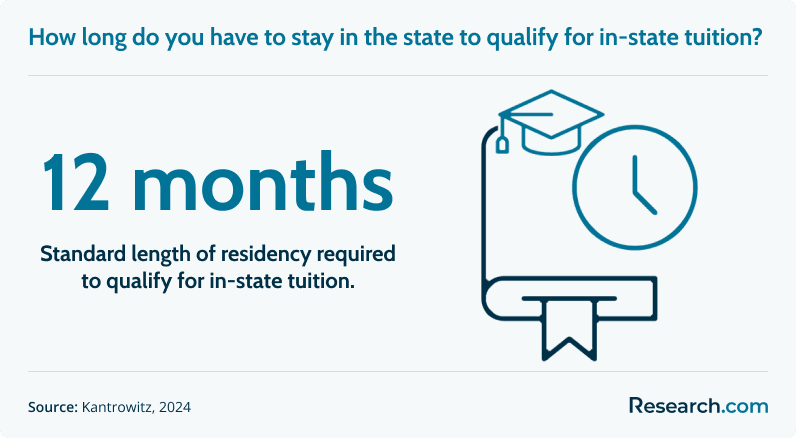
- Establishing residency typically requires living in the state for at least 12 months.
- In-state tuition for public 4-year institutions averages $9,750 annually, while out-of-state tuition averages $28,297 annually.
- In-state tuition at public 2-year institutions averages $3,598 annually, while out-of-state tuition averages $8,565 annually.
- Students can save $18,547 annually by paying in-state tuition instead of out-of-state tuition at public 4-year institutions.
- Total savings over four years of in-state tuition at a public 4-year institution can reach $74,188.
- What are the long-term financial benefits of paying in-state tuition?
- How much can I save with in-state tuition compared to out-of-state tuition?
- What are the residency requirements for in-state tuition?
- What are state reciprocity agreements for in-state tuition?
- How do I establish residency if I move to a new state for college?
- Do my parents need to live in the state for me to get in-state tuition?
- Can I live with relatives in another state to get in-state tuition?
- How can I access alternative financial aid options if I don’t qualify for in-state tuition?
- What to Do If You Face Financial Hardships After Being Denied In-State Tuition
- What factors should I consider when selecting a student loan?
- Can online universities offer comparable benefits and affordability?
- What are the common reasons for being denied in-state tuition?
- Can accelerated degree programs reduce overall education costs?
- How can I appeal a decision if I'm denied in-state tuition?
- How can I get affordable student loans with bad credit?
- Can cosigner release student loans alleviate tuition financial burdens?
- How can I afford out-of-state tuition?
- Can an Accelerated Online Master’s Program Deliver Long-Term Financial and Career Benefits?
- Does in-state tuition eligibility influence future academic pursuits?
- Can online education offer a cost-effective alternative to traditional tuition?
- Does establishing in-state residency provide benefits beyond tuition savings?
What are the long-term financial benefits of paying in-state tuition?
Paying in-state tuition for college offers significant long-term financial benefits, such as lower student loan debt and higher ROI. Here are some of the key advantages:
- Lower Student Loan Debt: In-state tuition costs are much lower than out-of-state rates. This means you can borrow less money and graduate with less debt, easing your financial burden.
- Reduced Interest Payments: With lower student loans, you pay less interest over time. This can save you thousands of dollars in the long run, allowing you to invest or save that money instead.
- Easier Financial Planning: Lower tuition makes budgeting for your college expenses easier. You can allocate funds more effectively, ensuring you cover all your needs without extra financial stress.
- Higher Return on Investment (ROI): The savings from paying in-state tuition increase your ROI on your degree. You get the same quality education at a fraction of the cost, maximizing the value of your investment in higher education.
- Greater Financial Freedom Post-Graduation: Graduating with less debt gives you more financial freedom. You can afford to take lower-paying, fulfilling jobs or invest in other opportunities without being weighed down by large loan payments.
- Improved Credit Score: Lower debt levels help maintain a healthier credit score. A good credit score opens up more financial opportunities, such as lower interest rates on future loans and better credit card offers.
- Ability to Save for Future Goals: Money saved on tuition can be redirected toward other goals. Whether buying a home, traveling, or starting a business, these savings can significantly impact your plans.
- Reduced Financial Stress: Paying less for tuition reduces financial stress during and after college. This allows you to focus more on your studies and personal growth without worrying about finances.
- Access to Local Scholarships and Grants: In-state students often qualify for state-specific scholarships and grants. These additional funds can further reduce the cost of college and your reliance on loans.
- Stronger Local Networking Opportunities: Staying in-state can help build a strong local network. These connections can be valuable for internships, job placements, and career growth within the state.
How much can I save with in-state tuition compared to out-of-state tuition?
Paying in-state tuition can save you anywhere between $5,000 to $20,000 annually in terms of the average cost of college. Additionally, attending a college close to home can save money on living expenses. You may have the option to live with family, reducing or eliminating housing costs. Here's a breakdown of the potential savings based on tuition and fees alone:
- Public 4-Year Institutions
- In-State Tuition and Fees: $9,750 per year
- Out-of-State Tuition and Fees: $28,297 per year
- Annual Savings: $18,547
- Total Savings Over 4 Years: $74,188
- Public 2-Year Institutions
- In-State Tuition and Fees: $3,598 per year
- Out-of-State Tuition and Fees: $8,565 per year
- Annual Savings: $4,967
- Total Savings Over 2 Years: $9,934
What are the residency requirements for in-state tuition?
Residency requirements for in-state tuition vary by state, but there are standard criteria that most states follow. Here are the essential requirements:
- Length of Residency: Most states require you to live in the state for at least 12 consecutive months before you can qualify for in-state tuition for college. This period proves your intent to establish permanent residency.
- Proof of Residency: You need to provide documents such as a state driver's license, voter registration, and tax returns. These documents show that you consider the state your permanent home.
- Financial Independence: Some states require you to prove financial independence from out-of-state parents. This can involve showing your own income and tax returns and not being claimed as a dependent on your parents' tax returns.
- Physical Presence: You must physically reside in the state, not just own property or have a mailing address there. You must have a regular presence in the state, such as attending school or working.
- Intent to Remain: States look for evidence that you intend to stay after graduation. This could include a long-term lease, a job in the state, or other ties that indicate a commitment to living there.
- Legal Status: You must be a U.S. citizen or legal resident. International students must meet additional requirements and may not qualify for in-state tuition.
- Parental Residency: If you are a dependent, your parents must meet the state's residency requirements. This includes their physical presence, proof of residency, and intent to remain in the state.
- Full-Time Enrollment: Some states require you to be a full-time student to qualify for in-state tuition. Part-time students may have different or additional requirements.
The chart below shows the trend in tuition and fees at public 4-year and 2-year institutions over recent years, as reported by the NCES in 2024.
What are state reciprocity agreements for in-state tuition?
State reciprocity agreements for in-state tuition are arrangements between states that allow students to attend college in another state at in-state tuition rates. Here are the key points about these agreements:
- Mutual Benefit: Reciprocity agreements are designed to benefit both states. They allow students to cross state lines for education without facing higher out-of-state tuition fees.
- Eligibility Criteria: Each agreement has specific eligibility criteria. These include residency requirements, enrollment in specific programs, or attending particular institutions.
- Application Process: Students usually need to apply for reciprocity benefits. This can involve submitting proof of residency and meeting the eligibility requirements set by the participating states.
- Program Limitations: Reciprocity agreements often cover specific programs or fields of study. Make sure your chosen major is included in the agreement to benefit from in-state tuition rates.
Not all states have reciprocity agreements. However, several regions in the U.S. have established these agreements to facilitate affordable education across state lines. Here are some common regional agreements:
- Midwest Student Exchange Program (MSEP): States like Illinois, Indiana, Kansas, Michigan, Minnesota, Missouri, Nebraska, North Dakota, and Wisconsin participate in Midwest Student Exchange Program (MSEP). This program lets students attend participating colleges and universities in other member states at reduced tuition rates, often equivalent to in-state rates.
- New England Regional Student Program (RSP): Connecticut, Maine, Massachusetts, New Hampshire, Rhode Island, and Vermont are part of the RSP. It allows New England residents to enroll in out-of-state New England public colleges and universities at a tuition discount if they choose a major not offered by their home-state institutions.
- Western Undergraduate Exchange (WUE): States like Alaska, Arizona, California, Colorado, Hawaii, Idaho, Montana, Nevada, New Mexico, North Dakota, Oregon, South Dakota, Utah, Washington, and Wyoming participate in WUE. Students from these states can attend participating institutions in other WUE states at a reduced tuition rate, capped at 150% of the in-state rate.
- Academic Common Market (ACM): This program includes states in the Southern Regional Education Board (SREB), such as Alabama, Arkansas, Delaware, Florida, Georgia, Kentucky, Louisiana, Maryland, Mississippi, Oklahoma, South Carolina, Tennessee, Texas, Virginia, and West Virginia. The ACM allows students to enroll in out-of-state institutions at in-state tuition rates if their chosen field of study is unavailable in their home state.
How do I establish residency if I move to a new state for college?
Establishing residency in a new state for college involves several steps to improve your eligibility for in-state tuition for college. Here’s a list of key actions you need to take:
- Live in the State for 12 Consecutive Months: Most states require you to live there for at least a year before qualifying for in-state college tuition. This period proves your intent to make the state your permanent home.
- Get a State Driver’s License or ID: Obtain a driver’s license or state ID as soon as you move. This strongly indicates your residency and your intent to stay in the state.
- Register to Vote: Registering to vote in your new state demonstrates your commitment to community involvement. It’s a simple yet effective way to show your intent to remain in the state.
- Work in the State: Find a job and work in the state. Having a job shows that you are financially independent and intend to contribute to the state’s economy.
- File State Taxes: File state income taxes as a resident. Paying taxes in your new state helps prove your residency and shows you contribute to the state.
- Get a Local Bank Account: Open a bank account in your new state. Having financial ties to the state supports your claim of residency.
- Lease or Buy Property: Sign a long-term lease or buy property in the state. A permanent address strengthens your residency claim.
- Register Your Car: Register your car in your new state and get license plates. This shows your intent to stay long-term.
- Sever Ties with Previous State: Minimize your ties to your former state. This means canceling old leases, transferring memberships, and updating all legal documents to reflect your new address.
- Stay Year-Round: Ensure you stay in the state year-round, not just during the school year. Continuous presence shows that you’re not just a temporary resident.
Do my parents need to live in the state for me to get in-state tuition?
Whether your parents need to live in the state for you to get in-state tuition depends on your status as a dependent or independent student. Here's what you need to know:
- Dependent Students: If you are considered dependent, your parents' residency plays a crucial role. Most states require that your parents live in the state for at least 12 months before you can qualify for in-state tuition for college. They need to provide proof of residency, such as state tax returns, a state driver's license, and voter registration.
- Independent Students: If you are independent, your parents' residency does not typically affect your eligibility. You need to prove your residency in the state. This includes living in the state for the required duration and providing proof of financial independence.
- Proof of Dependency Status: Schools often require documentation to verify whether you are dependent or independent. For dependent students, this means showing that you are claimed on your parents' tax returns. Independent students must demonstrate financial independence through their tax returns and income sources.
- Special Circumstances: Some states have special provisions for students whose parents are in the military or work for the government. These students might qualify for in-state tuition even if their parents don't reside in the state year-round. Check your state's specific rules for any exceptions.
Can I live with relatives in another state to get in-state tuition?
Living with relatives in another state can help you qualify for in-state tuition for college, but it depends on several factors and specific state regulations. Here's what you need to know:
- Residency Requirements: Each state has its own rules for establishing residency for tuition purposes. Simply living with relatives may not be enough. You typically need to prove your intent to make the state your permanent home, which often includes residing there for at least 12 consecutive months.
- Proof of Intent to Establish Residency: You must show evidence that you intend to stay in the state long-term. This includes obtaining a state driver's license or ID, registering to vote, filing state taxes, and having your name on utility bills or a lease agreement.
- Financial Independence: Some states require you to demonstrate financial independence from your parents if you live with relatives. This means you must provide proof of income, file taxes, and not be claimed as dependent on your parents' tax returns.
- Legal Guardianship: In some cases, if your relatives are your legal guardians, you may qualify for in-state tuition based on their residency. Documentation of legal guardianship and the guardians' residency is required.
- Special State Provisions: Some states have specific provisions that allow students living with relatives to qualify for in-state tuition. Research the residency policies of the state and the college you plan to attend to understand any unique rules or exceptions.
- Documentation and Consistency: Ensure all documents consistently reflect your new state address. This includes updating your address on bank accounts, health insurance, and school records. Consistent documentation strengthens your residency claim.
The chart below lists the states with the cheapest tuition and fees.
How can I access alternative financial aid options if I don’t qualify for in-state tuition?
Not qualifying for in-state tuition doesn’t mean that earning a college degree is out of reach. Here are some alternative financial aid options that can help ease the financial burden:
- Institutional Scholarships: Many colleges offer merit-based or need-based scholarships for students who don’t meet residency requirements. Check with your institution’s financial aid office to explore available opportunities.
- State Scholarship Programs: Some states provide scholarships or grants specifically for residents, regardless of in-state tuition status. Research state-run educational aid programs to identify options that match your profile.
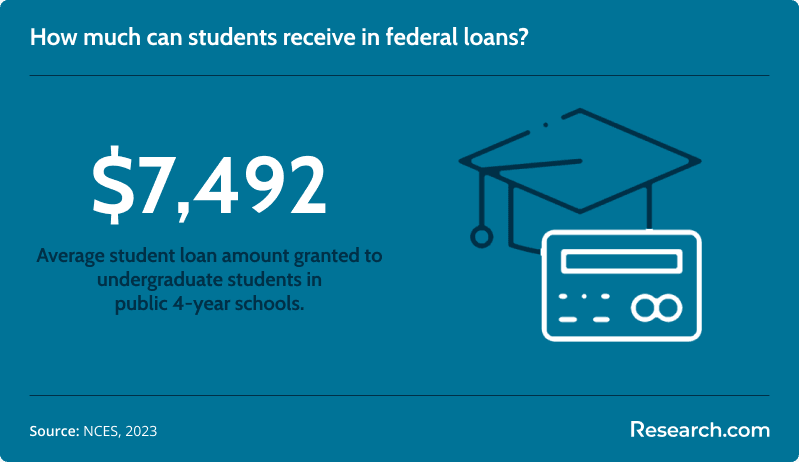
- Federal Student Aid: Completing the FAFSA (Free Application for Federal Student Aid) can open the door to grants, federal loans, and work-study programs, which are valuable resources for managing tuition costs.
- Private Scholarships: Numerous private organizations and foundations fund scholarships for students based on academic achievements, demographics, interests, or career goals. Platforms like Fastweb and Scholarships.com can help you find these opportunities.
- Loan Options for Career-Specific Programs: If you’re pursuing a specialized field of study, such as nursing, you can explore financial aid tailored to your career path. For instance, reviewing options like nursing student loans can provide targeted financial assistance, ensuring you’re adequately supported throughout your academic journey.
- Work-Study Programs: Many universities offer work-study opportunities that allow students to earn money toward their tuition by working on campus or in related positions.
By exploring these alternatives, students who are denied in-state tuition can still achieve an affordable education while minimizing long-term debt.
What to Do If You Face Financial Hardships After Being Denied In-State Tuition
Financial hardships after being denied in-state tuition can feel overwhelming, but there are actionable steps to alleviate the burden and pursue your educational goals. Begin by exploring emergency financial aid options, which may be available through your institution. Many colleges have emergency grants, payment plans, or tuition deferment programs for students under specific financial stress.
Additionally, consider federal and private financing options. If your financial strain includes past-due tuition from a prior semester, applying for private student loans for past due balances can be a necessary step to stay enrolled and maintain progress toward your degree. These loans often come with flexible terms tailored to help students resolve outstanding balances and regain financial stability.
For extra support, look into community-based scholarships. Local organizations often prioritize helping students from their area cover educational costs—even in out-of-state scenarios. Remember to also consult with your school's financial aid office for budget guidance and specialist referrals to help manage financial stress. Though the path may require persistence, these options can enable you to overcome financial barriers and continue your education.
What factors should I consider when selecting a student loan?
When evaluating student loan options, focus on key elements such as interest rates, repayment terms, fees, and eligibility requirements that best align with your financial profile and future earning potential. Federal loans typically offer benefits like income-driven repayment plans and potential loan forgiveness; however, private loans may provide competitive rates based on credit history and financial stability. It is crucial to compare these elements carefully to determine which option will effectively cover your tuition gap while ensuring manageable long-term debt. For a detailed comparison, please refer to discover student loans.
Can online universities offer comparable benefits and affordability?
Online education has evolved to provide rigorously accredited programs that can serve as a viable alternative to traditional on-campus learning. Many online universities now offer structured curriculums, dedicated student support, and interactive learning environments that mirror the quality of conventional institutions. These programs typically feature flexible schedules, lower ancillary costs, and advanced digital resources, making them an attractive option for students seeking to balance cost with academic quality.
What are the common reasons for being denied in-state tuition?
Several common reasons students might be denied in-state tuition include part-time residency and using an out-of-state address. Here are the key factors you need to avoid:
- Insufficient Residency Duration: If you haven’t lived in the state for the required amount of time, usually 12 months, you may be denied in-state tuition for college. States require proof that you’ve established residency for a sufficient period.
- Lack of Proof of Residency: Failing to provide adequate documentation, such as a state driver’s license, voter registration, or state tax returns, can result in denial. You must demonstrate that you consider the state your permanent home.
- Financial Dependence on Out-of-State Parents: It can hurt your application if you are financially dependent on parents who live out of state. States often require proof of financial independence, such as your own income and tax returns.
- Part-Time or Seasonal Residency: Living in the state only during the school year or maintaining a part-time residence can lead to denial. States want to see that you live in the state year-round with no intentions of leaving.
- Using an Out-of-State Address: Using your parents’ or an out-of-state address for essential documents can suggest you don’t intend to stay in the state. Ensure all your records reflect your in-state address.
- Incorrect or Incomplete Application: Providing inaccurate or incomplete information on your residency application can lead to denial. Make sure to fill out all forms accurately and completely.
- Not Filing State Taxes: Failing to file state income taxes as a resident can result in denial. States view tax filing as a critical component of proving residency.
- Delayed State Documentation: Waiting too long to get a state driver’s license, register to vote, or open a local bank account can harm your claim. Promptly updating all state documents is crucial.
- Failure to Meet Specific State Requirements: Each state has unique residency requirements. Failure to meet any specific criteria set by the state can result in denial. Research and adhere to all state-specific guidelines.
Can accelerated degree programs reduce overall education costs?
Accelerated degree programs enable students to complete their education in a shorter timeframe, which can lower cumulative tuition expenses and reduce associated opportunity costs. These programs focus on intensive course schedules and condensed curricula, offering an efficient pathway to earning a degree while entering the workforce sooner. Key benefits include:
• Reduced total cost due to fewer semesters required for graduation
• Faster transition to career opportunities, improving long-term financial stability
• Enhanced competitive edge in the job market through early degree completion
For those aiming to minimize educational expenses while advancing academic and career goals, consider exploring options like the fast track associates degree as a strategic alternative.
How can I appeal a decision if I'm denied in-state tuition?
If you're denied in-state tuition, you can appeal the decision by following these steps:
- Review the Decision Letter: Carefully read the denial letter to understand the reasons for the decision. This will help you address specific issues in your appeal.
- Gather Supporting Documents: Collect all necessary documents that prove your residency status. This may include:
- Lease agreements or mortgage documents
- State driver's license or ID
- Voter registration
- State tax returns
- Utility bills
- Employment records
- Any other documents that support your claim of residency
- Write a Formal Appeal Letter: Draft a letter explaining why you believe the decision was incorrect. Include:
- A clear statement of your intent to establish residency in the state
- A summary of your evidence
- Any additional information that may support your case, such as financial independence or special circumstances
- Submit the Appeal to the Appropriate Office: Find out where to send your appeal. This is usually your college's admissions office or residency determination office. Submit your letter and supporting documents by the deadline specified in the denial letter.
- Request an In-Person Hearing: Some colleges offer the option to request an in-person hearing. If available, this can be an opportunity to present your case directly to a residency officer and clarify any misunderstandings.
- Seek Guidance from a Residency Officer: Contact a residency officer at your college for advice on your appeal. They can provide insights into what specific documentation or evidence might strengthen your case.
- Follow Up on Your Appeal: Regularly check in with the office handling your case to keep track of your appeal status. Ensure all additional information or documents requested are provided promptly.
- Consider Legal Advice: If your appeal is denied again, consider seeking legal advice. An attorney specializing in education law can help you take further steps and understand your rights.
- Prepare for a Possible Reapplication: If your appeal is unsuccessful, prepare for the next application period. Gather any additional evidence of your residency and ensure all criteria are met well in advance.
How can I get affordable student loans with bad credit?
For students facing a low credit score, viable loan options exist that specifically address financial challenges. Lenders may offer tailored products with adjusted interest rates and flexible repayment schedules, recognizing the unique circumstances of applicants with poor credit. It is advisable to compare offers and consider a co-signer or credit improvement strategies to access more competitive terms. For detailed guidance on exploring these alternatives, review how to get a student loan with bad credit.
Can cosigner release student loans alleviate tuition financial burdens?
Student loans equipped with cosigner release options offer an additional avenue to manage tuition expenses without the long-term reliance on a cosigner. These loans allow borrowers to potentially remove the cosigner after meeting predetermined criteria, thereby streamlining financial responsibilities as they progress through their academic and professional careers. Evaluating such loan products involves careful review of interest rates, repayment terms, and release conditions to ensure alignment with your overall financial strategy. For a comprehensive overview of this option, consider exploring cosigner release student loans.
How can I afford out-of-state tuition?
If you’re denied in-state tuition or can’t move to another state, there are still ways to afford out-of-state tuition, including applying for scholarships and grants. Here are some options:
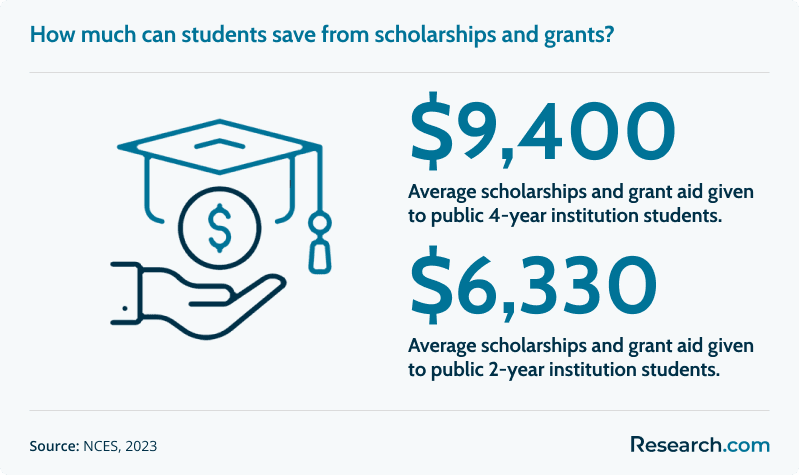
- Scholarships: Many colleges offer scholarships specifically for out-of-state students. These can significantly reduce your tuition costs. Look for merit-based, need-based, and program-specific scholarships.
- Grants: Apply for federal and state grants. Grants, like the Pell Grant, don’t need to be repaid and can help cover tuition costs. Some states offer grants to out-of-state students who meet specific criteria.
- Military Benefits: If you or your parents are in the military, you might qualify for reduced tuition rates. The GI Bill, for example, can cover a large portion of tuition costs, even for out-of-state schools.
- Work-Study Programs: Many colleges have work-study programs that allow you to work part-time on campus. These jobs can offset the cost of tuition and provide valuable work experience.
- Student Loans: Federal and private student loans can help bridge the gap between savings and tuition costs. While loans must be repaid, they can make out-of-state tuition more manageable. Look for loans with favorable terms and interest rates.
- Tuition Payment Plans: Some colleges offer plans that let you spread payments over the year. These plans can make large tuition bills more manageable by breaking them into smaller monthly payments.
- Reciprocity Agreements: Check if your state has reciprocity agreements with neighboring states. These agreements can offer reduced tuition rates at participating out-of-state schools.
- Part-Time Enrollment: If full-time tuition is too expensive, consider enrolling part-time. This can spread the cost over a more extended period and make tuition more affordable.
Can an Accelerated Online Master’s Program Deliver Long-Term Financial and Career Benefits?
Accelerated online master's programs have emerged as a strategic approach for those seeking advanced education without the prolonged financial commitment of traditional pathways. Programs such as the one year online masters degree offer an efficient curriculum designed to develop specialized skills, enhance professional networks, and accelerate career progression—all while reducing overall tuition expenses. Evaluating these programs for accreditation, industry relevance, and return on investment is essential to ensure they meet long-term professional and financial goals.
Here’s What Graduates Have to Say About Their In-State Tuition for College
“Qualifying for in-state tuition was such a huge relief! It made college much more affordable and allowed me to fully focus on my studies without having to worry about being burdened with massive debt. I'm incredibly grateful for this wonderful opportunity.” - Eliad
“Getting in-state tuition was a breeze, and it's putting more money back in my pocket. Now, I can chase my degree without worrying about finances holding me back. It's been a blessing for my education and future.” - Johanna
“The process of securing in-state tuition was worth it. It cut my costs significantly, allowing me to enjoy campus life without constant financial stress. This experience has made my college years much more enjoyable.” - Kristy
Does in-state tuition eligibility influence future academic pursuits?
In-state tuition eligibility during undergraduate studies often shapes the financial approach toward advanced degrees. While many graduate programs implement separate tuition policies, some institutions extend residency benefits to eligible students, reducing the overall cost of continued education. Evaluating these distinctions is essential for making informed academic decisions and planning long-term career investments. For a detailed comparison of doctoral expenses and potential savings, review PhD cost USA.
Can online education offer a cost-effective alternative to traditional tuition?
Accredited online education may serve as a compelling alternative when traditional in-state tuition isn’t attainable. Evaluating accredited institutions that deliver rigorous curricula alongside flexible schedules can help reduce overall expenses without compromising academic rigor. Moreover, these options often provide financial aid opportunities and support systems comparable to on-campus experiences. For further comparative analysis, consider online programs that accept FAFSA to identify programs aligning with both educational and budgetary needs.
Does establishing in-state residency provide benefits beyond tuition savings?
Securing in-state residency not only reduces tuition rates but also increases access to targeted state-specific scholarships, grants, and financial aid programs unavailable to out-of-state students. This status may further enhance opportunities for local internships and employment networks that can positively impact long-term career growth. For students who face challenges meeting residency requirements, exploring accredited online programs with competitive fee structures—such as cheap online degrees fast—can provide a cost-effective alternative while still maintaining academic rigor.
Key Findings
- Students generally must reside in the state for at least 12 months to qualify for in-state tuition.
- Average in-state tuition at public 4-year universities is $9,750 per year, while out-of-state tuition is $28,297 annually.
- In-state tuition at public 2-year colleges is typically $3,598 per year, compared to $8,565 for out-of-state students.
- Opting for in-state tuition at a public 4-year university can save students $18,547 each year.
- Over four years, students can save up to $74,188 by paying in-state tuition at public universities.
References:
- Hanson, M. (2024). Average Cost of College & Tuition. Education Data Initiative.
- Kantrowitz, M. (2024). State Residency Requirements for In-State Tuition. Saving for College.
- National Association of Student Financial Aid Administrators (NASFAA). (n.d). State & Regional College Tuition Discounts. Resources for Students and Parents. NASFAA.
- National Center for Education Statistics (NCES). (2023a). Average amount of grant and scholarship aid and average net price of attendance for first-time, full-time degree/certificate-seeking undergraduate students awarded Title IV aid in degree-granting postsecondary institutions, by control and level of institution and income level: Selected academic years, 2009-10 through 2021-22. Digest of Education Statistics. NCES.
- National Center for Education Statistics (NCES). (2023b). Loans for Undergraduate Students and Debt for Bachelor’s Degree Recipients. Postsecondary Education. NCES.
- National Center for Education Statistics (NCES). (2024a). Average undergraduate tuition, fees, room, and board charges for full-time students in degree-granting postsecondary institutions, by control and level of institution and state: Academic years 2021-22 and 2022-23. Digest of Education Statistics. NCES.
- National Center for Education Statistics (NCES). (2024b). Price of Attending an Undergraduate Institution. Postsecondary Education. NCES.
Other Things You Should Know About In-State Tuition for College
To establish residency, students can start by living in the state for at least 12 consecutive months prior to enrollment. Obtaining a state driver's license, registering to vote, and evidence of employment or paying state income taxes can also support residency claims.
To qualify for in-state tuition in 2027, students typically need to establish residency in the state. This often involves living in the state for at least a year prior to enrollment, proving intent to remain in the state, and demonstrating financial independence. Each state and institution may have specific requirements, so it’s important to verify with the university.