
2027 Best Nursing Schools in Charlotte, NC – Accredited Nursing Degree Programs Online

Co-Founder and Chief Data Scientist
Choosing a nursing school in Charlotte, NC is not just a question of which program is closest or cheapest. The better question is which pathway can get you licensed, clinically prepared, financially supported, and positioned for the kind of nursing role you want. That decision matters because North Carolina continues to face a significant nursing workforce gap, while healthcare systems in the Charlotte-Concord-Gastonia area rely on a steady pipeline of CNAs, LPNs, RNs, nurse practitioners, nurse educators, and advanced practice nurses.
The Bureau of Labor Statistics counted around 25,440 registered nurses in the Charlotte-Concord-Gastonia metro area, which spans parts of North and South Carolina, with a median annual wage of $84,780. Pay can vary by experience, employer, shift, credentials, and specialty. At the same time, NC Nursecast projects that North Carolina will have a deficit of 12,459 RNs, or around 11% of the estimated RN workforce, by 2033.
This guide explains how to become a nurse in Charlotte, NC, how to compare accredited nursing schools, which program level may fit your goals, and what to check before applying. It also covers online and hybrid options, bridge pathways, admissions, NCLEX performance, clinical training, scholarships, advanced certifications, and career return on investment. If you are still comparing flexible options beyond Charlotte, you may also want to review online nursing degree programs.
Quick Answer: What Is the Best Nursing Path in Charlotte, NC?
The best nursing pathway in Charlotte depends on your starting point. New healthcare students who want the fastest entry into patient care may begin with a CNA or LPN program. Students who want to become registered nurses as efficiently as possible often compare ADN and BSN programs. Current nurses who want higher pay, leadership roles, public health, education, informatics, or advanced practice may consider RN to BSN, RN to MSN, MSN, DNP, Ph.D., or post-master’s certificate options.
| Student goal | Pathway to compare | Best fit | Important decision factor |
| Enter healthcare quickly | CNA or LPN | Students seeking direct patient care experience before committing to an RN program | Check whether the program prepares you for the required competency or licensing exam |
| Become an RN | ADN or BSN | Students who want RN licensure and long-term clinical options | Compare NCLEX-RN pass rates, clinical placements, costs, and transfer policies |
| Advance from RN to bachelor’s level | RN to BSN | Licensed RNs who need a flexible completion degree | Look for online delivery, employer reimbursement, and total program cost |
| Move into leadership or specialization | RN to MSN, MSN, or post-master’s certificate | Working nurses seeking education, administration, informatics, public health, or advanced practice | Confirm certification alignment, practicum requirements, and state authorization |
| Pursue doctoral-level practice or research | DNP or Ph.D. in Nursing | Advanced nurses interested in systems leadership, evidence-based practice, academia, or research | Choose DNP for practice leadership and Ph.D. for research-focused careers |
Best Nursing Schools in Charlotte, NC 2027 Table of Contents
- The State of Nursing in Charlotte
- Why Become a Nurse in Charlotte
- Top-Ranked Entry-Level Nursing Programs in Charlotte for 2027
- List of Bridge Programs for Nursing in Charlotte for 2027
- Best Advanced Nursing Programs in Charlotte for 2027
- Clinical Partnerships and Internship Programs Available for Nursing Students in Charlotte, NC
- What Are the Employment Outcomes and ROI for Charlotte Nursing Graduates?
- Scholarship and Financial Aid Opportunities for Nursing Students in Charlotte, NC
- How Can I Bridge from ADN to MSN?
- Career Development through Advanced Certifications
- Are Direct Entry MSN Programs a Viable Path for Non-Nurses?
- Can Online Post-Master’s Certifications Propel Your Nursing Career?
- What Are the Admission Requirements for Charlotte Nursing Programs?
- Are Accelerated Nursing Programs Ideal for Fast-Tracking Your Nursing Career?
- How Do Accreditation and Quality Assurance Enhance Nursing Education?
- How Can You Access Affordable Online Masters in Nursing Education?
The State of Nursing in Charlotte
Nursing Demand
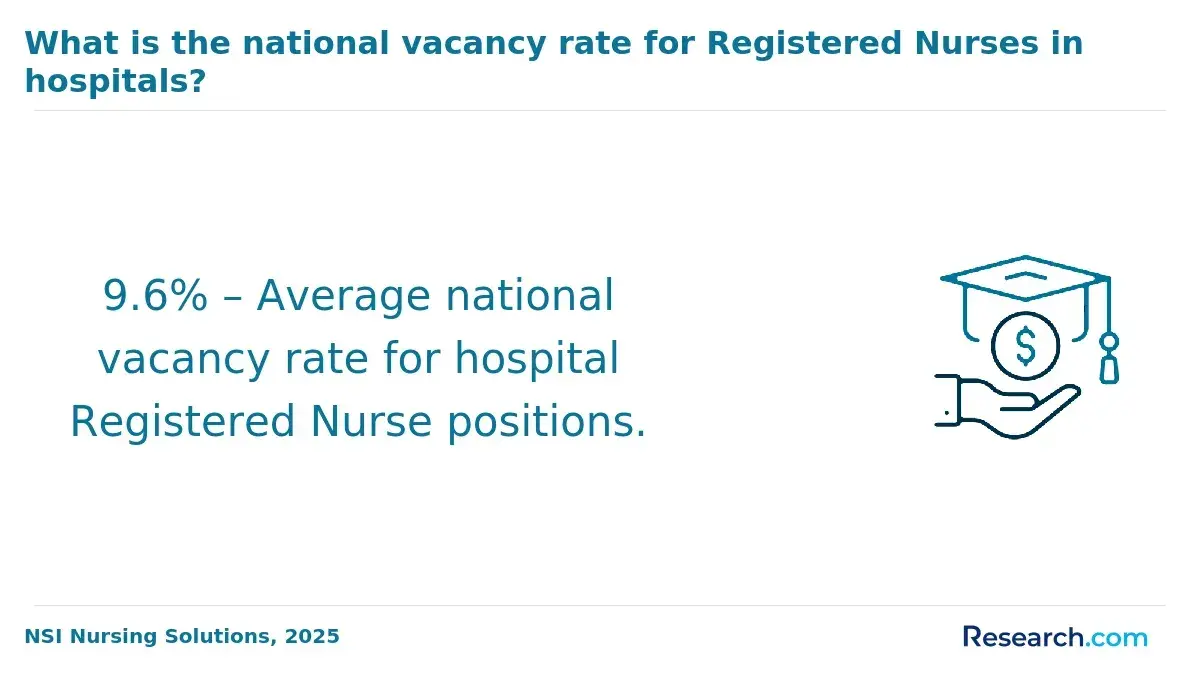
Charlotte’s nursing market is shaped by two overlapping realities: the region has a large healthcare employment base, and North Carolina is projected to need more registered nurses than its current pipeline can supply. About 10% of nursing positions across the nation are unfilled. North Carolina’s projected RN shortage is 20%, equal to a deficit of 25,710, according to HRSA, 2025. That would make North Carolina the second state with the largest RN shortages by 2038.
The education pipeline is another concern. An analysis from the North Carolina Center on the Workforce for Health found that out of the 6,660 RN applications submitted in 2024, only 3,160 enrolled. For Charlotte-area applicants, this means competition for seats can be real even when employer demand is high. It also means students should apply strategically, meet prerequisites early, and consider multiple accredited options rather than relying on one school.
Expanding Charlotte, NC nursing schools and flexible nursing classes can help, but education capacity is only one part of the problem. Workforce retention, wages, clinical faculty availability, and access to rural care also matter. Higher wages, especially in rural parts of the state, have been identified as one strategy to strengthen staffing levels (Baxley, 2025).
NCLEX Pass Rates
NCLEX performance is one of the most useful quality indicators for pre-licensure nursing programs. It does not tell you everything about student support or clinical preparation, but it shows whether graduates are passing the licensing exam needed to begin practice.
The North Carolina Board of Nursing reports that the NCLEX-RN pass rate for first-time test takers was 89% in 2025, slightly above the national rate of 88%. The statewide NCLEX-PN pass rate in 2025 was 95%, compared with the national rate of 87%.
Among Charlotte, NC nursing schools offering associate degree pathways, the following pass rates stood out:
- Central Piedmont Community College: 99%
- ECPI University-Charlotte: 86%
How to Use NCLEX Data When Comparing Schools
Do not choose a nursing program based on one year of NCLEX data alone. A strong pass rate is encouraging, but applicants should also review multi-year trends, program approval status, student attrition, clinical placement access, faculty support, and the number of students tested. A small graduating class can produce large swings in percentages from year to year.
| Quality signal | Why it matters | What to ask before applying |
| NCLEX pass rate | Shows how well graduates perform on the licensing exam | What are the most recent first-time pass rates and multi-year trends? |
| Board approval | Required for pre-licensure nursing education | Is the program currently approved by the North Carolina Board of Nursing? |
| Clinical placement access | Determines whether students can complete required hands-on training | Where are clinical rotations completed, and who arranges them? |
| Student support | Can affect retention, exam readiness, and graduation | Does the school provide tutoring, remediation, advising, and simulation labs? |
| Total cost | Tuition is only part of the financial commitment | What are the full costs for fees, uniforms, exams, background checks, transportation, and supplies? |
Why Become a Nurse in Charlotte
Job Opportunities
North Carolina’s RN employment growth rate is projected at 16% by 2032, with around 7,930 annual openings throughout the decade. For students in Charlotte, this points to a broad employment market across hospitals, nursing homes, home health, ambulatory care, community health, population health, and nursing education.
State records from the NC Board of Nursing show that 4,643 students enrolled in BSN programs across North Carolina in 2024. In the same year, 7% of total RN student enrollment came from the South Piedmont region, which includes Mecklenburg County, where Charlotte is located. This matters because local schools are part of the region’s workforce solution, but limited seats can make early preparation important.
Salary Outlook
In the Charlotte-Concord-Gastonia metro area, there were 25,440 registered nurses with a median annual salary of $84,780. Advanced roles in the same area reported higher earnings: 980 nurse anesthetists earned $238,780, 100 nurse midwives earned $135,420, and 1,530 nurse practitioners earned $130,650 annually. These figures show why many nurses eventually pursue graduate education, specialty certification, or advanced practice roles.
Indeed data reports Charlotte, NC registered nurses earning $39.70 per hour, or $84,727 yearly. By comparison, nurses in Wilmington make $54.99 per hour. These salary differences show why students should evaluate local wages by employer type, specialty, overtime availability, shift differentials, and long-term advancement—not just the citywide average.
Cost of Living
Salary should be interpreted alongside local expenses. Charlotte’s average cost of living wage for one working adult is around $24.19. Based on Indeed’s hourly wage figure, that can consume a substantial share of a nurse’s income before taxes, debt payments, childcare, transportation, and other obligations are considered.
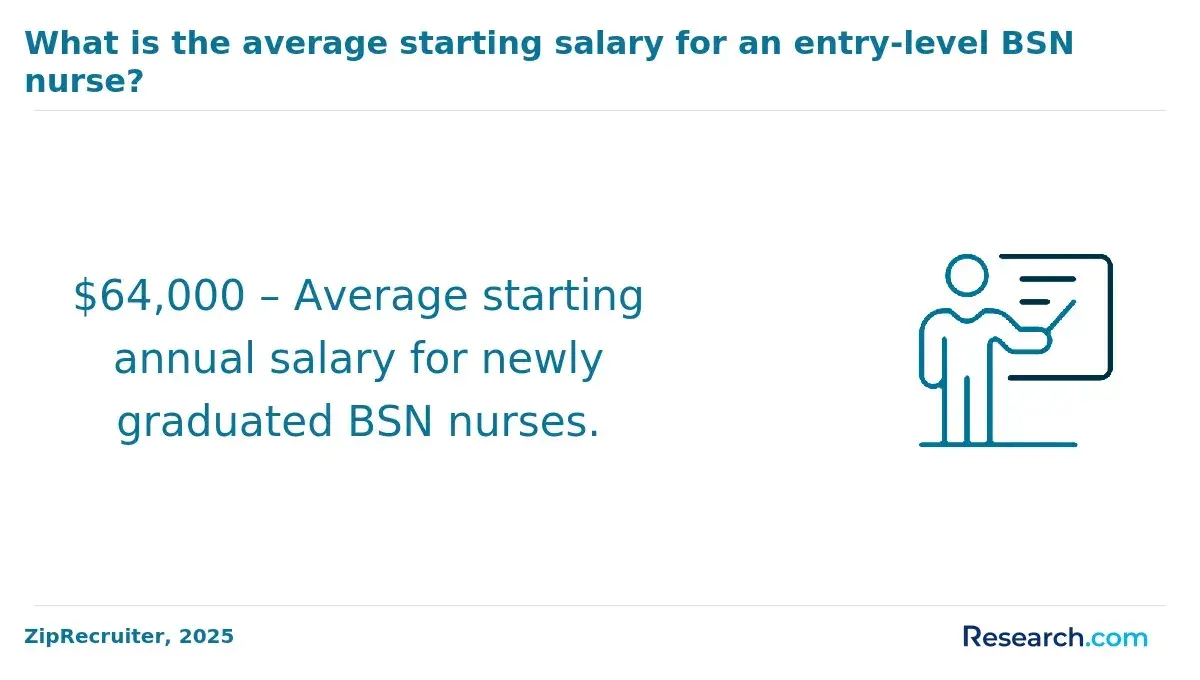
Food alone costs $4,478, and housing is around $16,473. Estimates show that the required annual income before taxes for living in Charlotte is $50,323. These costs make program affordability, debt load, scholarships, employer reimbursement, and the ability to work while studying especially important for nursing students.
What Support Systems Help Nursing Students Succeed?
Nursing school is academically demanding and emotionally intense. Strong programs do more than deliver lectures; they help students build study habits, clinical judgment, test-taking skills, and professional resilience. Before enrolling, ask what support exists and whether it is available to online, evening, part-time, and transfer students.
- Academic support centers: Look for tutoring, skills lab practice, study groups, medication calculation review, exam preparation, time management workshops, and remediation plans for students who fall behind.
- Counseling and wellness services: Nursing students often balance long clinical days, exams, work, and family responsibilities. Mental health counseling, stress management, and wellness resources can help students persist.
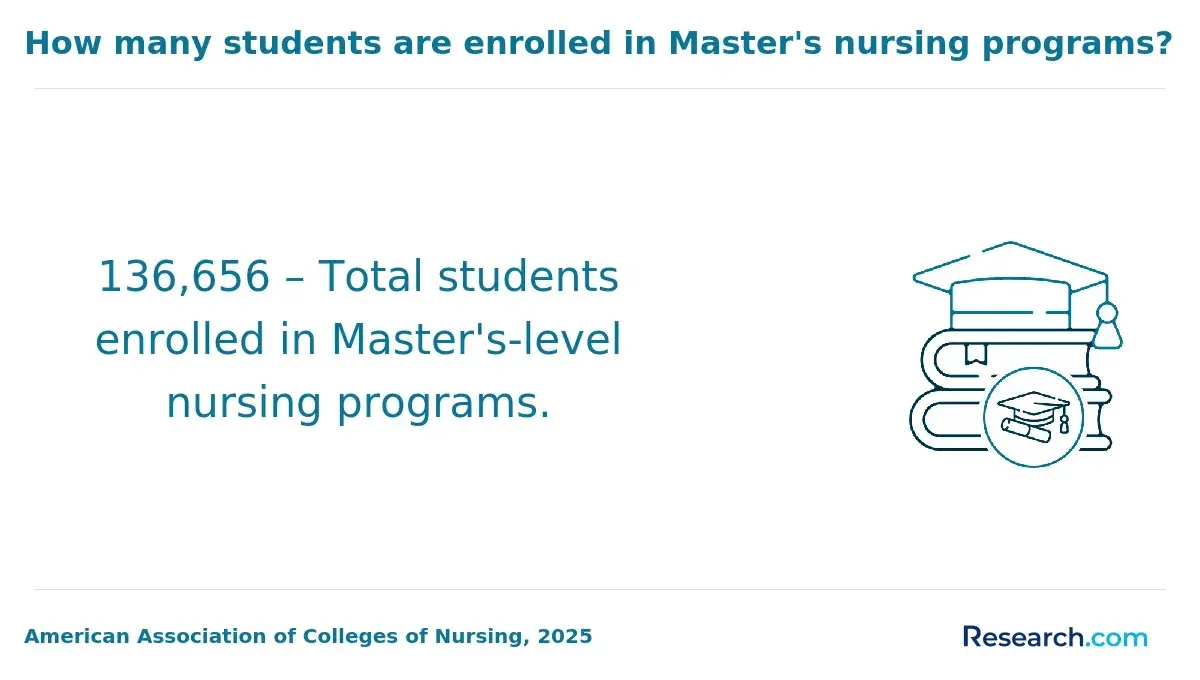
- Financial aid and scholarship guidance: A strong school should help students identify institutional aid, grants, scholarships, loan options, and employer tuition benefits.
- Clinical placement assistance: Schools with established healthcare partnerships can reduce uncertainty around clinical rotations and help students gain experience in hospitals, long-term care, home health, and community settings.
- Mentorship programs: Faculty mentors, peer mentors, alumni contacts, and practicing nurses can help students understand coursework, clinical expectations, specialty choices, and early career planning.
Top-Ranked Entry-Level Nursing Programs in Charlotte for 2027
Entry-level nursing programs are designed for students who want to begin patient care work or become eligible for practical or registered nurse licensure. The right choice depends on how quickly you need to work, whether you want RN licensure, how much time you can commit, and whether you plan to continue into a higher degree.
The programs below are examples of accredited or board-approved nursing education options connected to Charlotte or North Carolina pathways. NCLEX exam pass rates referenced in this guide were obtained from North Carolina Board of Nursing data. This is not a complete ranking of every accredited nursing school in Charlotte, NC, and students should also compare clinical sites, cost, scheduling, admission competitiveness, and outcomes. If you are still exploring long-term specialties, review specialty nursing career choices.
| Program level | Typical purpose | Who should consider it | Key caution |
| CNA | Entry-level patient care support | Students who want healthcare experience quickly | CNA training is not the same as RN licensure |
| LPN | Practical nursing under RN or physician supervision | Students who want a shorter licensed nursing route | Scope of practice is more limited than RN roles |
| ADN | Preparation for NCLEX-RN and registered nurse entry | Students seeking a shorter RN pathway than a traditional BSN | Some employers prefer or require BSN completion over time |
| BSN | Bachelor’s-level RN preparation | Students seeking broader clinical, leadership, and graduate-school preparation | Usually requires more time and a larger upfront investment |
Certified Nurse Assistant (CNA)
Carolinas College offers a Nurse Aide I program that combines online asynchronous study with in-person labs and weekend or evening clinical education. Students can complete the program and become credentialed within 2-3 months. The curriculum focuses on basic nursing skills in a structured healthcare environment.
Central Piedmont Community College offers a Nurse Aide program covering the aging process, patient rights, nutrition management, restorative services, personal and special care procedures, activities of daily living, human body structure and function, common diseases and disorders, death and dying, and the role of CNAs. Clinical experience may take place in hospitals, long-term care facilities, home health agencies, and other healthcare settings.
Students should remember that completing a nurse aide course is not the final step. You still need to pass the separate NC Nurse Aide competency exam before becoming a Certified Nursing Aide.
Licensed Practical Nurse (LPN)
Licensed practical nurses and licensed vocational nurses provide basic medical care under the supervision of registered nurses and physicians. Their responsibilities may include taking vital signs, helping with feeding, supporting patient comfort, monitoring changes, and communicating with families and caregivers.
ECPI University’s College of Nursing, Medical Careers Institute offers an onsite practical nursing program that runs year-round and can be completed in as little as 15 months. The program prepares graduates to contribute to patient and family care, communicate effectively with caregivers, and use critical thinking in cognitive, psychomotor, and affective nursing tasks.
Associate Degree in Nursing (ADN)
An Associate Degree in Nursing typically takes between 1-2 years and is a common route for students preparing for the NCLEX-RN licensing exam. ADN programs can be a practical choice for students who want to become RNs sooner and later complete a BSN through a bridge program.
South Piedmont Community College offers an onsite two-year ADN cohort program focused on integrating safety and quality into nursing care. Students study topics such as anatomy and physiology, microbiology, pharmacology, nutrition, and psychology, and complete clinical rotations in healthcare settings. After two years, graduates may apply to take the NCLEX-RN exam.
Wake Technical Community College offers an ADN program with coursework covering healthcare, nursing practice, and the holistic individual. Graduates may apply to take the NCLEX-RN and seek employment in a range of healthcare roles.
Bachelor of Science in Nursing (BSN)
A BSN is often the best fit for students who want a broader nursing education, stronger preparation for leadership, and a foundation for graduate study. It may also be preferred by employers in certain hospital systems or specialty areas.
The University of North Carolina at Chapel Hill offers a BSN program recognized among the nation’s strong nursing programs and associated with high NCLEX-RN pass performance.
UNC nursing programs are guided by the 11 Carolina Core tenets, which include whole-person care, advocacy for patients and families, technology-supported practice, lifelong learning, and social justice. The program aims to prepare graduates who are compassionate, evidence-informed, effective advocates, and attentive to health equity.
Wingate University’s Levine College of Health Science offers a cohort-based, four-year, on-campus BSN program that prepares students as nursing generalists. The curriculum combines arts and sciences courses with nursing coursework and prepares graduates for the NCLEX-RN and RN roles in diverse healthcare settings.
List of Bridge Programs for Nursing in Charlotte for 2027
Bridge programs help working healthcare professionals move from one credential level to the next without starting over. They are especially useful for CNAs, LPNs, and RNs who want to keep earning income while advancing. Students comparing flexible options can also review online LPN programs.
CNA to LPN
A CNA to LPN pathway can help certified nurse assistants move into licensed practical nursing. Depending on transfer credit, schedule, clinical requirements, and the school’s structure, completion may take a few months to one year. Some coursework may be online, but hands-on labs and clinical hours are still required.
East Coast Polytechnic Institute University’s (ECPI) practical nursing program may be completed faster by students already practicing as CNAs, typically in 6 to 12 months. Much of the coursework can be completed online, but students must still complete in-person skills labs and clinical hours.
LPN to ADN
An LPN to ADN bridge program is designed for licensed practical nurses who want to become registered nurses. This route usually takes two years and prepares graduates to sit for the NCLEX-RN, depending on program completion and eligibility requirements.
Durham Technical Community College offers an Associate Degree in Nursing LPN to ADN Track that covers safety, quality, healthcare, nursing practice, and the holistic individual. Graduates may apply to take the NCLEX-RN exam. The program is offered during the day, and students join the traditional ADN track after successfully completing the first LPN to ADN transition course. It typically takes two years, including coursework and clinical rotations.
RN to BSN
An RN to BSN program is a common next step for registered nurses who already hold an associate degree or diploma and want a bachelor’s degree. It can support advancement into leadership, specialty practice, public health, graduate study, and employer-preferred roles.
The University of North Carolina at Charlotte offers an online RN to BSN completion program and is discussed among affordable online RN to BSN options. The format is 100% online, with no required campus visits and no fixed class meeting times. It can be completed in 12 months full-time, making it suitable for working nurses.
Carolinas College of Health Sciences also offers an online RN to BSN program that can be completed in 12 to 18 months. Students may continue working full-time while progressing toward the degree. Financial aid options may help lower the cost. The program includes coursework and clinical rotations and prepares graduates for continued nursing career growth.
RN to MSN
An RN to MSN pathway allows registered nurses to move directly toward a Master of Science in Nursing. This can be a good fit for nurses who know they want to specialize in administration, education, informatics, clinical leadership, or another graduate-level track.
Queens University of Charlotte offers an online Master of Science in Nursing: RN to MSN pathway for RNs who want to continue working while completing graduate study. The program includes four specialization tracks: Nurse Educator, Nurse Administrator, Clinical Nurse Leader, and Nursing Informatics. It can be completed in 2.5 years.
Best Advanced Nursing Programs in Charlotte for 2027
Advanced nursing programs are best for nurses who already understand the profession and want to move into specialized clinical practice, leadership, education, research, or systems improvement. Before applying, confirm whether the program aligns with the certification, license, or role you want.
MSN
A Master of Science in Nursing is a graduate degree for nurses seeking advanced competencies in clinical leadership, education, administration, informatics, or public and community health. MSN programs can be especially useful for RNs who want roles beyond bedside care but do not necessarily need a doctoral degree.
The UNC Charlotte School of Professional Studies offers three online MSN pathways: Community/Public Health Nursing, M.S.N., Nurse Administration, M.S.N., and Nurse Educator, M.S.N. Students who need more flexibility can also compare online master’s degree nursing programs.
Depending on the track, graduates are expected to meet American Nurses Credentialing Center certification in Nursing Administration or Nursing Administration Advanced (CNAA), demonstrate public health nursing competencies identified by the Quad Council, or meet North Carolina Board of Nursing requirements for Nurse Educators. The programs can be completed part-time in about 27 months.
MSN programs remain attractive to working nurses because they can combine career advancement with flexible study formats, especially when delivered online or part-time.
Post-Master’s Certification
Post-master’s certificate programs serve nurses who already hold an MSN and want to add a focused specialty. This route can be more efficient than earning another full graduate degree, but students must verify certification eligibility, clinical hour requirements, and state authorization. Some online nurse practitioner programs may not offer every desired specialization.
Common nurse practitioner certification areas include:
- NP Adult Gerontology (Acute & Primary Care)
- NP Emergency
- NP Family Nurse Practitioner (FNP)
- NP Neonatal Care
- NP Pediatrics (Acute & Primary care)
- NP Psychiatric Mental Health
- NP Women’s Health
Other nursing certification areas include:
- Forensic Nursing
- Nurse Administration & Management
- Nurse Education
- Nurse Informatics
- Nurse Leadership
- Nurse Midwifery
The University of North Carolina at Charlotte offers a post-master’s Certificate in Adult-Gerontology Acute Care Nurse Practitioner with 20 graduate credit hours. Certificate holders are eligible to take the American Nurses Credentialing Center or American Association of Critical-Care Nurses Certification Corporation exam for adult-gerontology acute care nurse practitioners.
Not every Charlotte, NC nursing school offers every certificate, so nurses should begin with the certification they want, then work backward to identify eligible programs.
DNP
The Doctor of Nursing Practice is a practice-focused doctoral degree. Unlike a research-oriented Ph.D., the DNP emphasizes evidence-based practice, patient care systems, quality improvement, leadership, and translating research into clinical or organizational change.
The UNC Charlotte School of Nursing offers a DNP degree for APRNs and non-APRNs who want to lead evidence-based changes in healthcare. The required DNP project examines a change that affects healthcare outcomes and includes sustainability planning for financial, systems, or political realities, along with evaluation of processes and/or outcomes to inform practice and policy.
The East Carolina University (ECU) College of Nursing offers a DNP program that prepares nurse leaders through doctoral-prepared faculty with expertise in practice, teaching, scholarship, and service.
The ECU program has a distinct focus on rural and underserved populations. It uses technology-enhanced learning, including simulation laboratory classes. Clinical site placements are assisted by the program, personalized faculty mentorship supports student progress, and electives help students tailor their education to specific goals.
Ph.D. in Nursing
A Ph.D. in Nursing is a terminal research degree. It is best suited for nurses who want to conduct scientific inquiry, teach in academic settings, study healthcare systems, or build nursing knowledge through research. Students seeking practice leadership usually compare DNP programs instead.
The University of North Carolina at Chapel Hill offers a Doctor of Philosophy in Nursing supported by a research-intensive university environment. Nearby schools of nursing, medicine, public health, pharmacy, dentistry, and social work, along with UNC hospitals, provide interprofessional education, scientific inquiry, and practice opportunities. The program can be completed within 3-4 years.
Nursing prerequisites and admission requirements in Charlotte, NC vary widely by degree level, school, delivery format, and specialization, so applicants should verify requirements directly with each program.
Clinical Partnerships and Internship Programs Available for Nursing Students in Charlotte, NC
Clinical training is where nursing students convert classroom knowledge into patient care judgment. In Charlotte, clinical partnerships can involve hospitals, long-term care facilities, specialized clinics, community health organizations, and home health agencies. Students should ask how placements are assigned, whether evening or weekend placements exist, and whether online students receive the same placement support as campus students.
- Healthcare system partnerships: Charlotte includes major healthcare institutions such as Atrium Health and Novant Health. Affiliations between schools and healthcare providers can give students access to clinical rotations in areas such as critical care, emergency services, pediatrics, surgical nursing, community health, and long-term care.
- Varied clinical rotations: Rotations help students practice assessment, communication, documentation, medication safety, care planning, and teamwork in real patient care environments. Breadth matters because new nurses often discover preferred specialties during clinicals.
- Internships and early career exposure: Schools such as the University of North Carolina at Charlotte and Queens University may connect students with hospitals and healthcare facilities for internships or career preparation experiences. These experiences can clarify day-to-day nursing responsibilities and may support full-time employment after graduation.
- Specialized training opportunities: Some programs include exposure to telehealth, community health, population health, simulation, or specialty units. These experiences may help students prepare for evolving care models.
- Advanced clinical pathways: Nurses planning to move beyond entry-level RN roles may consider BSN to FNP online programs while remaining connected to Charlotte’s healthcare environment.
What Are the Employment Outcomes and ROI for Charlotte Nursing Graduates?
Return on investment in nursing education depends on more than starting salary. Students should compare total cost, time out of the workforce, ability to work while enrolled, financial aid, employer reimbursement, licensure outcomes, graduation rates, job placement support, and whether the credential unlocks the next role they want.
Charlotte nursing programs may offer career services such as resume workshops, interview preparation, networking events, alumni connections, and recruitment relationships with healthcare employers. These resources can help graduates move from school to work more efficiently, but outcomes vary by school, student performance, license status, and local hiring conditions.
Bridge programs can improve ROI when they let students advance without repeating coursework. For example, students moving from practical nursing into bachelor’s-level preparation may compare LPN to BSN online pathways to see whether the time and cost align with long-term career goals.
| ROI question | Why it matters | What to compare |
| How much will the full program cost? | Tuition alone may understate total expenses | Fees, books, uniforms, exams, background checks, supplies, travel, and lost work time |
| Will I be able to work while enrolled? | Income continuity can reduce borrowing | Online format, evening/weekend options, clinical schedule, and part-time pacing |
| Does the program lead to the role I want? | Not all nursing credentials open the same jobs | Licensure eligibility, certification alignment, employer requirements, and advancement pathways |
| What support exists after graduation? | Career services can improve the school-to-work transition | Recruiting events, employer partnerships, alumni network, and job placement reporting |
Scholarship and Financial Aid Opportunities for Nursing Students in Charlotte, NC
Nursing education can be expensive, but students should not judge affordability by sticker price alone. Grants, scholarships, employer tuition reimbursement, transfer credit, part-time options, and online delivery can change the real cost of a program.
The North Carolina Foundation for Nursing provides scholarships for students pursuing different levels of nursing education, including ADN and BSN programs. Charlotte-area institutions such as Carolinas College of Health Sciences may also offer merit-based or need-based scholarships. Students should also complete the Free Application for Federal Student Aid to determine eligibility for grants such as the Pell Grant and federal loan options.
Healthcare employers in Charlotte, including Atrium Health and Novant Health, may offer tuition reimbursement for employees who continue their nursing education. For working nurses, this can be one of the most valuable ways to reduce out-of-pocket cost while building loyalty with a regional employer.
Working RNs should also compare program formats carefully. Options such as RN to BSN programs without clinicals may help some students manage school, work, and personal responsibilities while reducing scheduling pressure.
How to Reduce Nursing School Costs
- Submit the FAFSA as early as possible and renew it each year.
- Ask each school for a full cost breakdown, not just tuition per credit.
- Look for scholarships tied to nursing, first-generation status, academic merit, financial need, employer partnerships, or service commitments.
- Ask whether transfer credits, prior healthcare credentials, or bridge standing can shorten the program.
- Compare employer tuition reimbursement rules, including required work commitments after graduation.
- Consider lower-cost ADN or RN to BSN routes if they fit your timeline and career goals.
How Can I Bridge from ADN to MSN?
Nurses with an Associate Degree in Nursing may be able to move into graduate study through an ADN to MSN bridge pathway. These programs typically combine bachelor’s-level bridge coursework with graduate nursing courses, allowing qualified RNs to pursue advanced roles without completing a separate traditional BSN first.
This pathway can make sense for experienced RNs who know they want advanced practice, leadership, education, or another MSN-level role. It may not be ideal for nurses who are unsure of their specialty direction, need a slower pace, or want to reduce graduate-level borrowing. To compare eligibility, curriculum design, and outcomes, review this guide to going from ADN to MSN.
Career Development through Advanced Certifications
Advanced certifications can help nurses document specialized expertise, qualify for certain roles, and signal readiness for leadership or advanced practice. They are most valuable when matched to a specific career target rather than pursued simply to add credentials.
Nurses interested in psychiatric mental health, for example, may compare affordable online options such as the cheapest psych NP programs. Becoming a Psychiatric Mental Health Nurse Practitioner can position nurses to serve patients with behavioral health needs, but students must confirm clinical requirements, certification eligibility, state rules, and program fit.
Other certification areas, including critical care, gerontology, informatics, education, and administration, may support advancement in hospitals, clinics, academic settings, technology-enabled care, and community health. UNC Charlotte and Queens University of Charlotte are examples of institutions offering pathways aligned with advanced nursing development.
The best certification is the one that connects directly to your next role. Before enrolling, ask employers, faculty, and working nurses which credentials are recognized in the specialty you want.
Are Direct Entry MSN Programs a Viable Path for Non-Nurses?
Direct entry MSN programs can be a viable option for people who already hold a non-nursing bachelor’s degree and want to enter nursing at an advanced level. Given that 1 in 8 RN positions in NC is unfilled, these programs may appeal to career changers who want a structured, accelerated route into the profession.
However, direct entry MSN programs are not shortcuts around clinical preparation. They can be intensive, expensive, and demanding because students must build foundational nursing competencies while also completing graduate-level expectations. Applicants should compare prerequisites, clinical hours, licensure preparation, certification eligibility, and whether the program’s graduate role matches their career plan. To review flexible options, see direct entry MSN programs for non-nurses online.
Can Online Post-Master’s Certifications Propel Your Nursing Career?
Online post-master’s certificates can help nurses add a focused specialty after earning an MSN. They are especially useful when a nurse wants to shift into family practice, psychiatric mental health, adult-gerontology, education, administration, or another specialty without completing a second full master’s degree.
Flexibility is the main benefit, but students should verify the required clinical hours, preceptor expectations, state authorization, board certification alignment, and whether campus visits are required. Nurses comparing family practice options can review the fastest post master's FNP certificate online pathways to understand how shorter certificate formats are structured.
What Are the Admission Requirements for Charlotte Nursing Programs?
Admissions requirements vary by school and degree level, but most nursing programs evaluate academic readiness, science preparation, communication skills, professionalism, and capacity to succeed in clinical environments. Competitive applicants usually begin planning before the application window opens.
- Prerequisite coursework: Programs commonly review foundational science courses such as biology and chemistry, along with math and English preparation.
- Academic record: GPA expectations vary, and selective programs may place strong weight on prerequisite grades.
- Healthcare exposure: Volunteer work, CNA experience, employment in healthcare, or shadowing can strengthen an application where accepted.
- Entrance testing: Some programs require exams such as the TEAS result to assess readiness for nursing coursework.
- Application documents: Transcripts, recommendation letters, background checks, immunization records, and deadline compliance may all be required.
Students seeking programs with more flexible admissions standards can review guidance on the easiest nursing program to get into, but “easier admission” should never replace accreditation, board approval, NCLEX outcomes, and clinical quality.
Are Accelerated Nursing Programs Ideal for Fast-Tracking Your Nursing Career?
Accelerated nursing programs can be useful for students who want to enter the field quickly, especially those who already hold college credits or a prior degree. These programs compress coursework and clinical learning into a shorter timeline, which can reduce time to employment but increase weekly workload.
They are best for disciplined students who can handle intensive study, clinical schedules, and limited work hours during enrollment. They may be less suitable for students who need a slower pace, extensive remediation, or full-time employment while studying. For shorter-format options, compare programs listed in this guide to a one year nursing degree.
How to Choose the Right Charlotte Nursing School
The best nursing school is the one that fits your license goal, learning style, finances, schedule, and career plan. A program with a strong reputation may still be a poor fit if it lacks the clinical placement support, pacing, or specialty pathway you need.
- Start with your target credential. Decide whether you want CNA, LPN, RN, BSN, MSN, DNP, Ph.D., or a certificate pathway.
- Verify approval and accreditation. Use the North Carolina Board of Nursing’s current list of approved nursing programs in NC before applying.
- Compare NCLEX pass rates and trends. Strong pass rates can indicate effective preparation, but look beyond a single year.
- Ask about clinical placements. Find out where students train, who secures placements, and whether placement delays occur.
- Calculate full cost. Include tuition, fees, supplies, uniforms, technology, exams, transportation, childcare, and lost income.
- Check online requirements. “Online” nursing programs may still require labs, intensives, proctored exams, and local clinical hours.
- Evaluate support services. Advising, tutoring, simulation labs, faculty access, and career services can affect completion and licensure success.
- Confirm the next step. If you plan to bridge later, ask whether credits transfer smoothly into RN to BSN, RN to MSN, or graduate programs.
Common Mistakes to Avoid
| Common mistake | Why it can hurt you | Better approach |
| Choosing only by tuition | A low tuition program may still have high fees, weak support, or limited clinical access | Compare total cost, NCLEX outcomes, graduation support, and placement quality |
| Ignoring approval or accreditation | Unapproved programs may not meet licensure or employer expectations | Verify status with the North Carolina Board of Nursing and recognized accreditors |
| Assuming online means fully remote | Nursing requires hands-on labs, simulations, and clinical hours | Ask exactly when and where in-person requirements occur |
| Applying too late | Prerequisites, exams, immunizations, and documentation can take time | Create an application calendar at least one cycle in advance |
| Relying only on rankings | Rankings may not reflect your schedule, budget, or career goal | Use rankings as one input, then verify outcomes and fit |
| Assuming salary outcomes are guaranteed | Pay varies by employer, specialty, shift, experience, and credentials | Compare local job postings and talk with working nurses in your target setting |
Secure Your Future Through Charlotte, NC Nursing Schools
Charlotte offers multiple routes into nursing, from CNA and LPN training to ADN, BSN, RN to BSN, MSN, DNP, Ph.D., and post-master’s certificate programs. The right route depends on where you are starting and how quickly you want to practice. Students who want a broader overview of degree levels, requirements, costs, and jobs can also review nursing degree requirements.
The most important step is verification. Before committing to any program, review the latest North Carolina Board of Nursing approval information, speak with admissions and financial aid staff, ask about clinical placements, and compare NCLEX results. A strong nursing program should be transparent about outcomes, requirements, costs, and student support.
Nursing scholarships and financial aid in Charlotte, NC can reduce the cost if students apply early and compare options carefully. Continuing education through higher degrees and certifications can also expand career opportunities, but each credential should be tied to a clear role, salary goal, or specialty direction.
How Do Accreditation and Quality Assurance Enhance Nursing Education?
Accreditation, approval, and quality assurance protect students by confirming that a nursing program meets academic and clinical standards. They also matter for licensure eligibility, credit transfer, graduate school admission, employer recognition, and access to some types of financial aid.
Prospective students should verify program credentials through recognized agencies and the appropriate nursing board. Faculty qualifications, curriculum updates, simulation resources, clinical partnerships, NCLEX pass rates, and graduate employment information all help show whether a program is aligned with current healthcare expectations. Students comparing intensive options can also use resources such as accelerated BSN programs as benchmarks for quality questions to ask.
How Can You Access Affordable Online Masters in Nursing Education?
Affordable online MSN programs can be practical for working nurses who need graduate education without leaving employment. Online delivery can reduce commuting and scheduling barriers, but students should still account for tuition, fees, technology costs, clinical placement requirements, and any campus intensives.
To judge affordability, compare the full cost against the career role the degree supports. A lower-cost program is only a good investment if it is properly accredited, fits your schedule, supports required clinical experiences, and prepares you for the credential or promotion you want. For cost-conscious graduate options, review affordable online masters in nursing education.
Key Insights
- Charlotte needs more nurses, but seats can still be competitive: North Carolina is projected to have a deficit of 12,459 RNs, or around 11% of the estimated RN workforce, by 2033, while RN program applications exceed enrollments.
- NCLEX outcomes should guide—but not control—your decision: North Carolina’s 2025 first-time NCLEX-RN pass rate was 89%, just above the national 88%, and the NCLEX-PN pass rate was 95%, compared with the national 87%.
- Choose the pathway that matches your starting point: CNA and LPN programs can build quick entry-level experience, ADN and BSN programs prepare students for RN licensure, and MSN, DNP, Ph.D., and certificate programs support advanced roles.
- Salary potential increases with specialization: Registered nurses in the Charlotte-Concord-Gastonia area had a median annual salary of $84,780, while nurse anesthetists, nurse midwives, and nurse practitioners reported higher annual earnings in the same metro area.
- Cost of living affects real ROI: Charlotte’s required annual income before taxes is estimated at $50,323, so students should compare total program cost, financial aid, employer reimbursement, and ability to work while enrolled.
- Clinical placement quality matters: Strong partnerships with healthcare providers can improve hands-on preparation, specialty exposure, and the transition from student to nurse.
- Never skip accreditation and board approval checks: Before applying, verify that the program is approved, aligned with licensure or certification requirements, and transparent about outcomes.
References:
- American Association of Colleges of Nursing. (2025). 2024-2025 Enrollment and Graduations in Baccalaureate and Graduate Programs. https://www.aacnnursing.org/news-data/all-news/schools-of-nursing-enrollment-increases-across-most-program-levels-signaling-strong-interest-in-nursing-careers
- Baxley, J. (2025). Nursing shortage persists in North Carolina, despite recent improvements. NC Health News. https://www.northcarolinahealthnews.org/2025/09/19/nursing-shortage-persists-in-north-carolina-despite-recent-improvements
- HRSA. (2025). Nurse Workforce Projections 2038. https://bhw.hrsa.gov/sites/default/files/bureau-health-workforce/data-research/nursing-projections-factsheet.pdf
- Indeed. (2026). Registered nurse salary in Charlotte, NC. Retrieved March 2026, from https://www.indeed.com/career/registered-nurse/salaries/Charlotte--NC
- Indeed. (2026). Registered nurse salary in North Carolina. Retrieved March 2026, from https://www.indeed.com/career/registered-nurse/salaries/NC
- Living Wage Institute. (2026). Living Wage Calculation for Charlotte-Concord-Gastonia, NC. Retrieved March 2026, from https://livingwage.mit.edu/metros/16740
- North Carolina Board of Nursing. (2025). North Carolina Pre-Licensure Nursing Education Annual Summary and Trends Report. https://www.ncbon.com/sites/default/files/documents/2025-04/4.21.25%20Final%20NC%20Annual%20Summary%20and%20Trends%20Report%202023-2024.pdf
- North Carolina Board of Nursing. (2025). 2025 NCLEX-RN First-Time Testing Pass Rates. https://www.ncbon.com/sites/default/files/documents/2026-02/2025%20Single%20Yr%20-%20RN_Tonya%20Body.pdf
- North Carolina Center on the Workforce for Health. (2025). Health Talent Alliance 2025 Data Analysis. Retrieved March 2026, from https://workforceforhealth.org/htadata
- NSI Nursing Solutions. (2025). 2025 NSI National Health Care Retention Report. https://nsi.com
- O*NET OnLine. (2026). North Carolina Employment Trends - Registered Nurses. Retrieved March 2026, from https://www.onetonline.org/link/localtrends/29-1141.00?st=NC
- U.S. Bureau of Labor Statistics. (2026). Occupational Employment and Wage Statistics - Charlotte-Concord-Gastonia, NC-SC, May 2024. Retrieved March 2026, from https://data.bls.gov/oes/#/area/0016740
- ZipRecruiter. (2026). BSN Nurse Salary. Retrieved March 2026, from https://www.ziprecruiter.com/Salaries/Bsn-Nurse-Salary
Other Things You Should Know About The Best Nursing Schools in Charlotte, NC
To choose the best online nursing program in Charlotte, NC, in 2027, consider factors like accreditation status, NCLEX-RN pass rates, flexibility in scheduling, faculty expertise, and opportunities for clinical placements. Consult program rankings and connect with current students or graduates for insights to make an informed decision.
In 2027, top nursing schools in Charlotte, NC offer various online programs, including Bachelor's, Master's, and Doctor of Nursing Practice (DNP). These programs are designed to provide flexibility and help students gain practical skills, even in a virtual environment, maintaining the same accreditation standards as in-person programs.
Online nursing programs in Charlotte often include clinical rotations with local healthcare facilities, offering hands-on opportunities in hospitals, clinics, and community health settings to ensure students gain essential practical skills alongside their online coursework.
Charlotte, NC offers several bridge programs, including CNA to LPN, LPN to ADN, RN to BSN, and RN to MSN. These programs provide pathways for career advancement and higher educational attainment.
Admission requirements typically include a high school diploma or GED, completion of prerequisite courses like anatomy, and a minimum GPA of 2.5. Applicants may also need to submit letters of recommendation and complete an entrance exam by programs such as the TEAS or HESI.
In 2027, top schools in Charlotte, NC, like the University of North Carolina at Charlotte and Queens University of Charlotte, offer online nursing degrees, including RN to BSN and MSN programs. These options provide flexibility and are designed to accommodate working professionals seeking advanced education in nursing.


