2027 FAFSA vs Private Loans for Elementary Education Degree Master's Students

Co-Founder and Chief Data Scientist
Consider a career changer pursuing a master's in elementary education who faces a funding dilemma: should they rely on FAFSA federal loans with structured repayment and forgiveness options, or opt for private loans that offer immediate access but carry higher risks? Nearly 40% of graduate students in elementary education programs utilize federal aid, reflecting its popularity but also highlighting funding gaps.
This article examines how FAFSA federal and private loans differ in eligibility, interest rates, repayment plans, and long-term impact on career flexibility. It aims to equip prospective students with clear insights to navigate borrowing decisions and secure the most advantageous financial pathway.
Key Benefits of Comparing FAFSA vs Private Loans for Elementary Education Degree Master's Students
- Understanding FAFSA eligibility helps students access federal loans with fixed interest rates, income-driven repayment, and potential loan forgiveness tied to teaching in public schools.
- Private loans often require credit checks and higher interest rates but may offer larger borrowing limits and flexible repayment schedules tailored to individual financial situations.
- Knowing cost differences and default risks guides students to prioritize federal aid first, reducing overall debt and protecting long-term financial health in the Elementary Education field.
What Is the Difference Between FAFSA and Private Loans for Elementary Education Master's Students?
Prospective elementary education master's students face important decisions regarding financing their degree. Access to federal aid through FAFSA or pursuing private student loans each comes with unique benefits and drawbacks. Below are essential considerations that clarify these funding options.
- FAFSA Is a Financial Aid Application: FAFSA (Free Application for Federal Student Aid) is a form, not a loan itself, that unlocks eligibility for federal student loans such as Direct Unsubsidized Loans and Graduate PLUS Loans. These loans offer standardized interest rates and borrower protections specifically for graduate programs in elementary education.
- Private Loans Are Credit-Based and Contractual: Private loans come from banks, credit unions, or online lenders and require credit approval, often with a co-signer. Terms and interest rates vary by lender and are set by contract rather than federal law, affecting overall borrowing costs and repayment.
- Interest Rates and Repayment Flexibility: Federal loans typically have fixed interest rates and a variety of repayment options, including income-driven plans, which can ease financial burdens post-graduation. Private loans usually have variable rates and fewer repayment choices, increasing financial risk.
- Eligibility and Loan Limits: Federal loans enforce borrowing limits based on FAFSA data to help manage debt levels. Private lenders might allow higher borrowing limits but often at greater cost and with stricter credit requirements, particularly challenging for some students.
- Forgiveness and Deferment Opportunities: Public Service Loan Forgiveness and deferment options are available mostly for federal loans, an important advantage for those entering elementary education careers. Private loans rarely offer such programs.
About 86% of graduate students utilize FAFSA to secure federal aid, emphasizing its priority before considering private loans. This article will further explore eligibility, interest rates, repayment plans, and career impacts to help you navigate financing your elementary education master's degree more effectively. For those seeking additional certification options, consider reviewing BCBA certification programs as part of your professional development.
How Does FAFSA Eligibility Work for Elementary Education Master's Degree Candidates?
Prospective elementary education master's degree candidates must navigate specific federal student aid requirements to access FAFSA funding. These criteria influence both eligibility and award amounts, guiding students on how to prioritize funding sources.
Below are essential factors that affect federal aid qualification for graduate elementary education programs.
- Citizenship and Enrollment Status: Graduate students must be U.S. citizens or eligible non-citizens and enrolled at least half-time in an elementary education master's degree program. Full-time or part-time enrollment status can directly impact the amount and type of federal aid awarded.
- Satisfactory Academic Progress (SAP): Maintaining SAP is mandatory, typically involving minimum GPA thresholds and course completion rates set by the institution. Failure to meet SAP standards may result in suspension of federal aid until compliance is regained.
- Independent Status and Financial Assessment: Graduate elementary education students are automatically classified as independent on the FAFSA, so parental income is excluded from the Student Aid Index (SAI). This independent status generally increases eligibility for both subsidized and unsubsidized federal loans compared to undergraduate applicants.
- FAFSA Annual Filing Timeline: The FAFSA application opens each October 1 for the upcoming academic year. Timely reapplication is critical, as some aid programs have limited funding and require annual updates of financial information.
- Student Aid Index (SAI) and Graduate Applicants: The SAI replaced the Expected Family Contribution (EFC) and assesses financial need based on income and assets. For graduate students, SAI calculations prioritize the student's own financial resources, which often benefits eligibility for federal aid.
Recent data shows over 40% of graduate students in education programs utilize FAFSA funding annually, highlighting its importance before exploring private loans or scholarships. For those exploring flexible educational pathways, options like an accelerated bachelor's degree psychology may offer comparable considerations in federal aid qualification.
What Federal Loan Types Are Available to Elementary Education Graduate Students Through FAFSA?
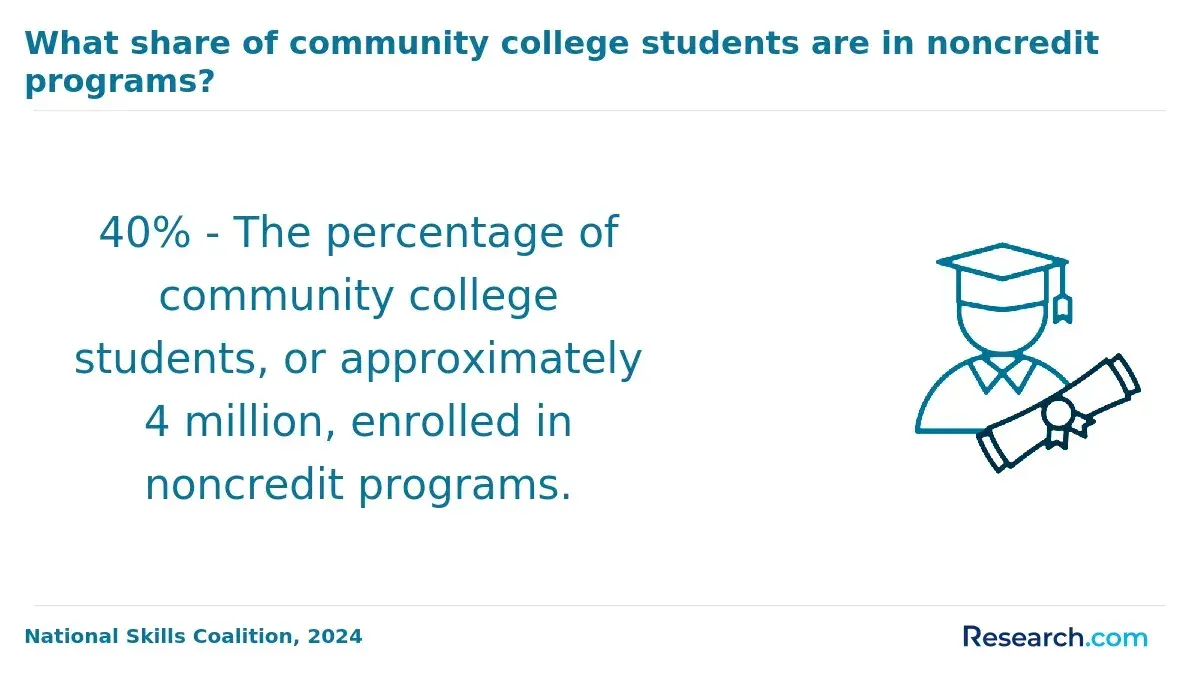
Prospective master's students in elementary education looking to finance their studies often consider federal loans available through FAFSA. These loans provide distinct advantages over private borrowing options. Below is an outline of the primary federal loan types and important benefits associated with them.
- Direct Unsubsidized Loans: Graduate students may borrow up to $20,500 annually with a fixed interest rate of 7.05% for the 2023-2024 academic year. Interest begins accruing immediately, and origination fees are approximately 1.057%. There is no separate aggregate limit aside from the standard graduate borrowing cap.
- Graduate PLUS Loans: These loans cover education costs up to the full cost of attendance minus other aid received, carrying an 8.05% fixed interest rate (2023-2024) and an origination fee near 4.228%. Eligibility includes a credit check, and borrowing can surpass the Direct Unsubsidized Loan limit if justified.
- Income-Driven Repayment (IDR) Plans: Both loan types qualify for IDR plans that tailor monthly payments based on income and household size, easing repayment burdens for education graduates.
- Public Service Loan Forgiveness (PSLF) Eligibility: These federal loans are eligible for forgiveness under PSLF after 120 qualifying payments made while employed in public service roles, including teaching.
- Deferment and Forbearance: Borrowers may temporarily delay or reduce payments due to financial hardships, enrollment continuation, or other approved reasons, offering flexibility not commonly found with private loans.
A professional who transitioned into teaching through an online elementary education master's program shared that navigating federal loan options was initially overwhelming, especially juggling credit checks and fee differences. "Understanding nuances like the upfront fees and repayment flexibility really helped me plan better," he recalled. He also emphasized the relief that programs like PSLF provided, reassuring him that long-term financial strain could be minimized while dedicating his career to education.
What Are the Pros and Cons of Using FAFSA-Based Aid for a Elementary Education Master's Program?
Prospective elementary education master's degree students must weigh the benefits and drawbacks of FAFSA financial aid benefits for elementary education master's students to create a sound funding plan. Below are critical considerations highlighting federal loan features and their role in graduate program financing.
- Fixed Interest Rates and Flexible Repayment: Federal student loans offer steady interest rates, ensuring consistent monthly payments. Additionally, income-driven repayment plans align loan payments with borrowers' earnings, easing financial management.
- No Credit Checks for Unsubsidized Loans: Most federal unsubsidized loans do not require credit history, opening access for students with limited credit. However, graduate students in elementary education programs cannot access subsidized loans, which would otherwise pause interest accrual while in school.
- Borrowing Caps and Loan Fees: Federal loans impose annual and lifetime limits that might not fully cover the costs of some programs. Also, origination fees associated with these loans slightly increase borrowing expenses.
- Impact of Institutional Aid: Awards like fellowships, assistantships, and scholarships aimed at elementary education students reduce federal loan eligibility since financial aid packages factor these amounts into total aid calculations.
- Loan Forgiveness Options: Graduates may qualify for Public Service Loan Forgiveness after making ten years of qualifying payments, significantly reducing debt burden.
Recent trends show about 56% of graduate students rely on federal loans, highlighting FAFSA's importance despite its limits. If federal aid falls short, it's wise to explore scholarships or carefully vetted private loans. For those comparing programs, also consider options like an engineering online degree for financial strategy insights.
How Do Private Student Loans Work for Elementary Education Master's Students?
Graduate students pursuing an elementary education master's degree often face multiple financing routes, with private student loans representing one option that requires careful consideration. Below are essential aspects that clarify how these loans function and what borrowers should expect.
- Types of Lenders: Private loans come from various sources, including national banks, credit unions, fintech companies, and some school-affiliated programs. Each lender offers different conditions and eligibility standards, making it crucial to evaluate several options.
- Underwriting Criteria: Approval typically hinges on a strong credit history, a reasonable debt-to-income ratio, and stable employment. Adding a co-signer can greatly improve approval chances and secure more favorable interest rates, especially when the borrower's profile is less established.
- Loan Lifecycle: The process involves submitting an application, undergoing a credit check, and receiving school verification of enrollment. Approved loans are disbursed directly to the educational institution, with many lenders allowing deferment while the student remains in school before repayment starts.
- Varied Loan Terms: Interest rates, fees, and repayment options differ widely across lenders. Some provide fixed rates, others variable; some offer flexible repayment schedules. Comparing offers from at least three lenders helps borrowers find terms suited to their financial situation.
A professional who completed her elementary education master's degree shared that navigating private loans was initially overwhelming due to differing lender policies and variable interest rates. She recalled, "I had to reach out to multiple lenders to understand the best fit for my budget."
Reflecting on the experience, she appreciated having a co-signer recommend by her family, which simplified approval and lowered costs. Her advice emphasizes patience and thorough research to avoid unexpected burdens after graduation, noting that the right private loan can support academic goals but demands careful planning.
What Are the Pros and Cons of Private Loans for Elementary Education Graduate Students?
For prospective elementary education master's students weighing financial aid options, private loans can offer both benefits and challenges. Below are important factors to consider before deciding if a private loan is the right choice.
Key considerations include:
- No Origination Fees: Private loans often come without origination charges, allowing students to borrow the full amount without initial deductions that reduce funds available for tuition and expenses.
- Flexible Interest Rates: Borrowers can select between fixed rates, which provide predictable monthly payments, or variable rates that may start lower but carry the risk of increasing over time, potentially raising total repayment costs.
- Higher Borrowing Limits: Unlike federal loans capped at certain amounts, private lenders sometimes allow students to finance the entire cost of attendance, which can help cover tuition surpassing federal loan limits.
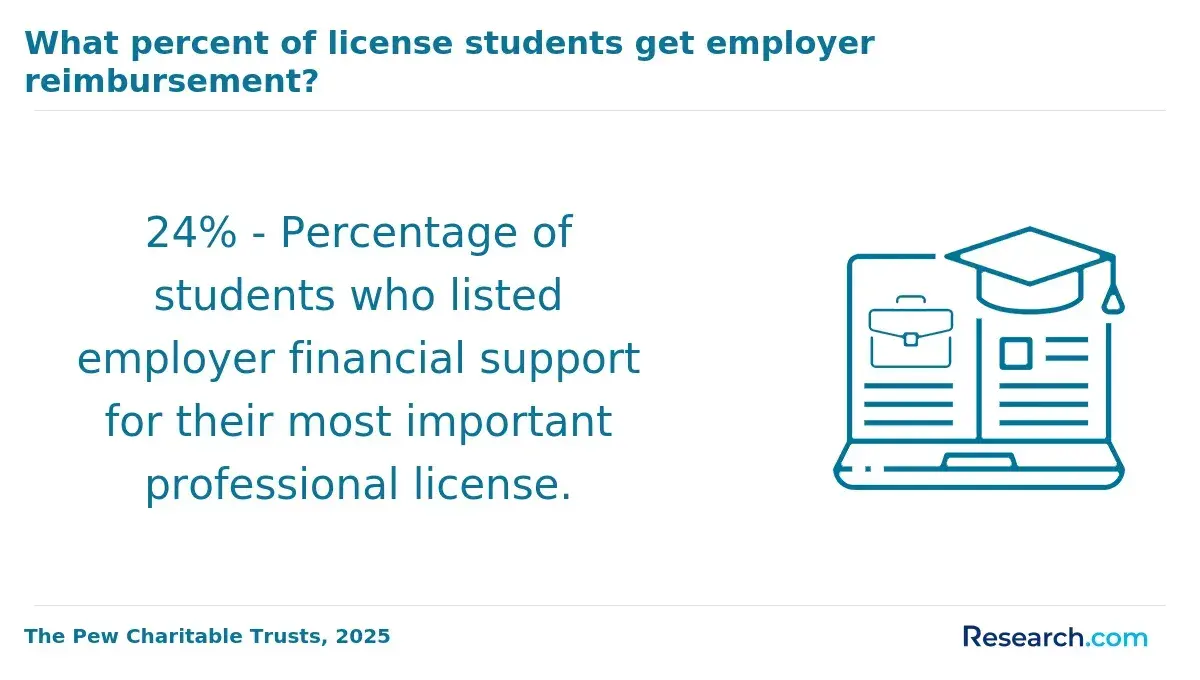
- No Access to Federal Protections: Private loans do not qualify for federal forgiveness programs like Public Service Loan Forgiveness and lack income-driven repayment options, which are critical for elementary education graduates entering lower salary roles.
- Limited Hardship Relief and Stricter Collections: Private lenders generally have fewer deferment or forbearance options during financial difficulty and often pursue more aggressive collection efforts if borrowers default, increasing stress and risk.
While private loans may fill gaps when federal aid is exhausted, elementary education students should carefully assess these trade-offs. Prioritizing grants, scholarships, and federal aid first can minimize dependency on higher-risk private borrowing. For those considering private loans, thorough research into lender terms and repayment obligations is essential to avoid unexpected financial burdens after graduation.
How Do Interest Rates Compare Between Federal and Private Loans for Elementary Education Master's Programs?
Prospective elementary education master's degree students must carefully evaluate the differences between federal and private loan interest rates to make informed borrowing decisions during their studies. Below are key points highlighting these differences and their financial implications.
- Federal Loan Fixed Rates: Federal graduate loans like Direct Unsubsidized and Grad PLUS have fixed interest rates set annually by Congress, providing repayment predictability. For the academic year, direct unsubsidized loans typically carry a rate near 7.05%, while Grad PLUS loans are around 8.05%, offering stable rates throughout the loan's term.
- Private Loan Variable Rates: Private lenders usually offer variable interest rates linked to indices such as the Secured Overnight Financing Rate (SOFR) or the Prime Rate. These rates fluctuate with market conditions, causing monthly payments and total costs to vary and potentially increasing financial uncertainty over a 10-year repayment period.
- Impact of Rate Variability on Total Costs: A private loan with an initial 6% variable rate might cost more than a federal loan if rates rise over time. Rate increases during repayment can lead to total costs surpassing federal fixed-rate loans, complicating budgeting for students.
- Sample Cost Comparison: For a $30,000 loan over 10 years, a federal unsubsidized loan at 7.05% fixed can result in about $40,000 total repayment. Meanwhile, a private loan beginning at a 6% variable rate may exceed $42,000 if interest rates climb, illustrating the risk versus stability trade-off.
- Annual Rate Updates and Research: Federal rates adjust yearly, so students should check StudentAid.gov for current rates and compare private lender offers carefully before borrowing.
What Repayment Options Are Available to Elementary Education Graduates Who Use FAFSA Loans vs. Private Loans?
Prospective elementary education master's students financing their studies should carefully consider the repayment options available through FAFSA federal loans and private student loans, as these choices significantly affect cash flow after graduation. Below are key differences in repayment flexibility, borrower protections, and the impact on early career financial management.
Key factors differentiating federal and private loan repayment plans include:
- Variety of Federal Repayment Plans: Federal loans provide a broad range of plans such as standard, graduated, and extended repayment options, alongside income-driven programs like Income-Based Repayment (IBR), the Saving on A Valuable Education (SAVE) plan, Income-Contingent Repayment (ICR), and Pay As You Earn (PAYE). These income-driven plans adjust monthly payments based on income and family size, offering crucial relief for new elementary education graduates managing modest early-career salaries.
- Limited Private Loan Flexibility: Most private loans restrict borrowers to either fixed monthly payments or interest-only payments while in school. They rarely offer income-driven adjustments, which limits flexibility and can strain graduates facing fluctuating or low incomes.
- Deferment and Forbearance Protections: Federal loans uniquely provide access to deferment and forbearance options, demonstrated during the COVID-19 pandemic when emergency relief eased repayment burdens. Private loans lack uniform policies for such relief, increasing default risk under financial hardship.
- Impact on Early Career Cash Flow: Because salaries for public school teachers often start modestly, federal income-driven plans are vital for budget management. Without income-based options, private loan borrowers may encounter unaffordable fixed payments, elevating default chances.
- Continued Trends in Loan Management: Recent data shows over 40% of federal loan borrowers in education benefit from income-driven repayment plans, highlighting their importance in the field.
When evaluating FAFSA loan repayment plans for elementary education graduates, it is essential to prioritize scholarships and federal loans before considering private funding. Private loans may be necessary but should be a last resort after exhausting federal options. Credit requirements, interest rates, and total cost of attendance also play pivotal roles in this decision-making process.
For more financial planning insights, prospective students can explore resources on the most affordable online psychology degree page, where cost-effective educational paths are outlined.
Is Public Service Loan Forgiveness (PSLF) an Option for Elementary Education Master's Graduates?
For elementary education master's students planning their career financing, public service loan forgiveness (PSLF) offers significant relief from federal student loan debt if eligibility criteria are met. Below are the key PSLF eligibility points relevant to prospective elementary education master's graduates:
- PSLF Eligibility Requirements: To qualify, borrowers must complete 120 monthly qualifying payments while enrolled in an income-driven repayment plan and working full-time for a government or a 501(c)(3) nonprofit employer.
- Common PSLF-Qualifying Careers: Graduates employed by public schools, government education agencies, or nonprofit organizations generally meet PSLF criteria, as these employers are often recognized as eligible public service employers.
- Non-Qualifying Employment: Those working for private schools, for-profit educational companies, or private institutions without 501(c)(3) status usually do not qualify for PSLF benefits.
- Private Loan Ineligibility: Private loans are categorically excluded from PSLF, making federal loans obtained through FAFSA the preferred option for elementary education students seeking public service careers.
- Stay Updated with Official Tools: Prospective students must consult the PSLF Help Tool on StudentAid.gov to verify eligibility and track progress, especially given the recent limited PSLF waiver which illustrates how program rules can change.
According to the U.S. Department of Education, over 20,000 borrowers were approved for PSLF as of 2023, demonstrating increased awareness among public service employees.
Elementary education master's students exploring how to fund their degrees should also consider scholarships, credit requirements, and refinancing options after graduation to manage their total cost of attendance effectively.
Those prioritizing public service often benefit most by exhausting free money and federal loan options before considering private loans, which offer less flexibility and no PSLF eligibility. For additional guidance on affordable degree options, prospective students may explore online accredited colleges that offer graduate programs aligned with their career goals.
How Does Credit History Affect Elementary Education Master's Students Applying for Private Loans?
For prospective Elementary Education master's students exploring private loan options, credit history plays a pivotal role in securing favorable terms. Recognizing the differences between private and federal loans can aid borrowers in planning their financing effectively. Below are key considerations to understand:
- Minimum Credit Score Benchmarks: Private lenders generally require a FICO score between 650 and 700 or above. Recent graduates often face challenges due to thin credit files, which can limit approval chances or lead to higher interest rates reflecting perceived risk.
- Role of Co-Signers: A co-signer with strong credit improves approval likelihood and loan terms. Some lenders allow co-signer release after consistent on-time payments, but co-signers remain legally responsible if the borrower defaults.
- Federal Loan Credit Policies: Direct Unsubsidized Loans do not require any credit check, making them accessible regardless of credit history. Grad PLUS Loans conduct a limited adverse credit review focusing on severe negative marks rather than a credit score.
- Challenges of Thin Credit Files: Without established credit, private borrowing can be difficult or costly. Building credit before applying can enhance eligibility and lower rates.
- Credit-Building Strategies: Prospective students should consider using secured credit cards responsibly, maintaining timely bill payments, and reducing existing debts. Starting these habits months before enrollment boosts chances for favorable private loan approval.
What Is the Total Cost of Attendance for a Elementary Education Master's Program, and How Does It Affect Borrowing Limits?
Prospective elementary education master's students must carefully consider the total cost of attendance (COA) to navigate how federal and private loan options will fit their financial needs. Below are critical points to understand regarding COA, federal borrowing limits, and private loan certification:
- Definition and Components of COA: Institutions calculate COA to include tuition, fees, room and board, books, transportation, and personal expenses, offering a comprehensive estimate of educational costs for the program.
- Federal Loan Limits: Direct Unsubsidized Loans have a fixed cap of $20,500 annually, regardless of COA, while Grad PLUS Loans can cover up to the full COA minus any other aid received, providing more borrowing capacity for higher costs.
- Private Loan Certification: Private lenders usually approve loans based on the school-certified COA, enabling borrowing beyond federal limits, which may be necessary for costly programs but carries higher risk and variable terms.
- Average COA by Program Type: Public universities typically charge between $15,000 and $30,000 yearly, private institutions often exceed $40,000, and online programs usually cost between $10,000 and $20,000 per year.
- Borrowing Full COA Implications: Since federal loans are capped, many students must rely on Grad PLUS or private loans to fill financial gaps, but higher private loan balances can lead to less favorable repayment options and increased financial strain.
What Graduates Say About Comparing FAFSA vs Private Loans for Their Elementary Education Master's Degree
- Benjamin: "Choosing FAFSA to fund my master's in elementary education was crucial because it provided manageable repayment options, which eased my financial burden during school. While the program's cost was significant, the federal aid helped me avoid excessive debt and focus more on my studies. Completing my degree has opened doors to leadership roles in education, aligning perfectly with my career ambitions."
- Peter: "I opted for private loans to cover my elementary education master's degree because I needed faster access to funds and more flexibility in how I used them. Although the cost was higher than I initially expected, the investment was worth it as it accelerated my ability to earn and establish myself professionally. This degree truly transformed my approach to teaching and helped me fulfill long-held educational goals."
- Aaron: "Reflecting on my journey, the affordability of my elementary education master's program was a major factor in choosing FAFSA, as it allowed me to graduate with less debt. The cost was manageable, which meant I could concentrate on gaining practical experience. Earning this degree has been a pivotal step toward achieving a fulfilling career that balances my passion for teaching with personal growth."
Other Things You Should Know About Elementary Education Degrees
Yes, many scholarships and grants are specifically available for students pursuing a master's degree in Elementary Education. These include federal programs such as TEACH Grants, which require a commitment to teach in high-need schools, as well as state-sponsored and university-specific scholarships. Pursuing these funding sources can significantly reduce the need for loans by providing funding that does not require repayment.
Students should first maximize all federal aid options available through FAFSA, including subsidized and unsubsidized loans, before considering private loans. Federal loans offer fixed interest rates, income-driven repayment plans, and loan forgiveness programs tailored to educators. Private loans should be considered only after exhausting federal options, and students need to carefully compare interest rates, fees, and repayment terms between private lenders.
Elementary Education master's students should evaluate several factors before refinancing federal loans into private loans. These include losing federal protections like income-driven repayment and loan forgiveness, comparing interest rates, and considering future earning potential and job stability in the educational field.
References
- Elementary Education Master’s Programs https://www.bridgew.edu/academics/programs-graduate/elementary-education
- Types Of Student Loans & How To Choose One | Bankrate https://www.bankrate.com/loans/student-loans/types-of-student-loans/
- Private student loans: What you need to know https://www.citizensbank.com/learning/what-are-private-student-loans.aspx
- Federal vs. Private Student Loans: Compare Key Differences - NerdWallet https://www.nerdwallet.com/student-loans/learn/student-loans-federal-vs-private-loans
- Federal Loans vs. Private Loans: Which is Better for Me? - Graduate Programs for Educators https://www.graduateprogram.org/blog/federal-loans-vs-private-loans-which-is-better-for-me/
- Does FAFSA Cover Grad School & Masters? | Ascent Funding https://www.ascentfunding.com/blog/does-fafsa-cover-graduate-school-programs/
- Eligibility for Public Service Loan Forgiveness Has Changed Temporarily. Here’s What It Means For Borrowers | U.S. GAO https://www.gao.gov/blog/eligibility-public-service-loan-forgiveness-has-changed-temporarily.-heres-what-it-means-borrowers
- Analyzing the Effects of the OBBB's Student Loan Limits on Tuition - AAF https://www.americanactionforum.org/research/analyzing-the-effects-of-the-obbbs-student-loan-limits-on-tuition/
- M.A.Ed. - Elementary Education - Wingate University https://www.wingate.edu/academics/graduate/education/masters/admissions