
2027 Is Demand for Elementary Education Degree Graduates Growing or Declining?

Co-Founder and Chief Data Scientist
Many recent graduates with an elementary education degree struggle to find stable employment amid shifting budget priorities and regional teacher shortages. According to the U. S. Bureau of Labor Statistics, elementary school teacher employment is projected to grow just 3% from 2022 to 2032, slower than average for all occupations. This slow growth can create uncertainty for those considering this career path or investing in related educational programs. This article examines current demand trends for elementary education degree graduates and offers insights to help prospective students and professionals navigate the evolving job market effectively.
Key Things to Know About the Demand for Elementary Education Degree Graduates
- Employment for elementary education degree graduates remains steady, with about 3% growth projected nationwide through 2032, reflecting stable demand despite regional variations.
- Projected job growth depends on factors such as population changes and school funding, which can either boost or constrain hiring in public and private sectors.
- Specializing in special education or technology integration significantly enhances career prospects due to increasing emphasis on inclusive classrooms and digital learning tools.
What Factors Are Driving Demand for Elementary Education Degree Professionals?
Recognizing the forces behind workforce demand helps prospective students evaluate the long-term value and stability of pursuing an elementary education degree. Several key drivers shape hiring trends and opportunities in this field.
- Industry Growth: Rising populations in many U.S. suburban and rural areas lead to increased enrollment, elevating demand for qualified elementary educators. Steady hiring is expected as school districts expand to serve larger student bodies.
- Demographic Shifts: Higher birth rates and immigration contribute to culturally diverse classrooms. This diversity creates a need for teachers skilled in inclusive education methods, a factor linked to the importance of accreditation for elementary education degree programs that prepare educators for such environments.
- Evolving Skill Requirements: Employers increasingly seek educators proficient with educational technology to integrate digital tools effectively. Candidates with training in these areas are favored in hiring, highlighting the value of accredited elementary education degrees and career opportunities focused on technological adaptation.
- Policy and Funding Changes: Increased public education funding and mandates on student-teacher ratios foster expanded hiring and improved retention through better support and incentives for teachers.
Prospective students interested in specialized education areas might explore BCBA online programs as additional pathways to enhance their careers.
Which Elementary Education Occupations Are Seeing the Highest Growth Rates?
Growth rates are a vital indicator for students considering career paths in elementary education, as they reflect future job availability and economic demand. Employment in education-related fields is projected to grow by 9% through 2031, outpacing the average for all occupations.
Understanding which roles are expanding fastest can help guide training and degree choices within this sector.
- Special Education Teachers: Expected to grow at about 10% over the next decade, these teachers support children with learning disabilities. Increasing awareness and legislative mandates are the main drivers behind this demand, typically requiring a bachelor's degree with specialized certification.
- Instructional Coordinators: With a projected 7% growth rate, these professionals focus on curriculum development and teacher training. Demand is fueled by schools striving to raise educational standards and incorporate new technologies, often requiring a master's degree.
- Preschool Teachers: Growth near 8% is driven by rising demand for early childhood education programs. These roles generally require at least an associate degree, with some positions preferring a bachelor's degree in elementary education or related fields.
- Educational Consultants: Often requiring advanced degrees, consultants help school districts and private institutions improve teaching strategies and ensure compliance with education regulations. Their opportunities are increasing as schools seek expertise to enhance instructional effectiveness.
For those looking to enhance their credentials in this growing field, pursuing an engineering online degree or related education technology programs can complement traditional elementary education training.
Overall, these top elementary education jobs with increasing demand reflect the shifting priorities in education, emphasizing specialized support and innovation.
Which Industries Hire the Most Elementary Education Degree Graduates?
Knowing which industries recruit the most elementary education graduates allows students to evaluate potential career paths and anticipate job market trends. This insight helps with planning stable and rewarding employment.
The leading sectors offer diverse roles where elementary education skills are highly valued.
- Public Education: This sector is the largest employer, encompassing elementary and middle schools. Demand is sustained by state education policies and student enrollment, requiring teachers who can deliver state standards and manage diverse classrooms effectively.
- Private Schools: These institutions often seek educators capable of implementing specialized curricula or individualized teaching approaches. Smaller class sizes create opportunities for graduates to apply personalized instruction techniques.
- Early Childhood and After-School Programs: Roles here focus on foundational academic skills and social growth for younger children, allowing graduates to use their expertise in child development and teaching methodologies tailored to early learners.
- Nonprofit and Community Education: Emerging opportunities exist in organizations that provide tutoring, literacy initiatives, and educational outreach. These roles leverage graduates' abilities to design workshops and programs aimed at supporting underserved communities.
How Do Elementary Education Job Opportunities Vary by State or Region?
Job prospects for graduates with an elementary education degree vary widely across different states and regions due to factors like population growth, education funding, and local policies. These geographic elements play a key role in shaping demand and competition.
Below are several important regional considerations:
- High-Demand States: States with growing school-age populations, such as Texas, Florida, and Arizona, typically show stronger demand for elementary education teachers. These areas often benefit from increased education budgets aligned with rising enrollment.
- Regional Industry Concentration: Urban centers host more schools and diverse student bodies, creating numerous opportunities but also intensifying competition among job seekers. Higher school density in cities means more openings but greater applicant pools.
- Urban vs. Rural Differences: Rural regions usually have fewer vacancies but less competition, offering potentially longer-term job security. Educators ready to work in less populated areas might find more stable positions despite lower salary scales.
- Cost-of-Living Impact: Although some metropolitan areas offer higher salaries for elementary teachers, elevated living expenses can counterbalance financial advantages. This factor affects the overall attractiveness of positions in pricier locations.
- Remote and Hybrid Roles: While less prevalent for elementary education teachers, some complementary educational jobs now allow remote or hybrid work, mainly in tutoring or administrative support roles, emerging in select regions.
Nationally, employment in elementary teaching is projected to grow about 7% from 2022 to 2032, but local growth rates vary significantly, underscoring the importance of regional labor market conditions for career planning.
How Does Degree Level Affect Employability in Elementary Education Fields?
Education level, such as an associate, bachelor's, master's, or doctorate degree, plays a crucial role in shaping job prospects, career growth, and competitiveness within elementary education fields. These degree distinctions often determine the range of available positions and potential for advancement.
Below is a comparison of the elementary education degree levels and their impact on employment opportunities.
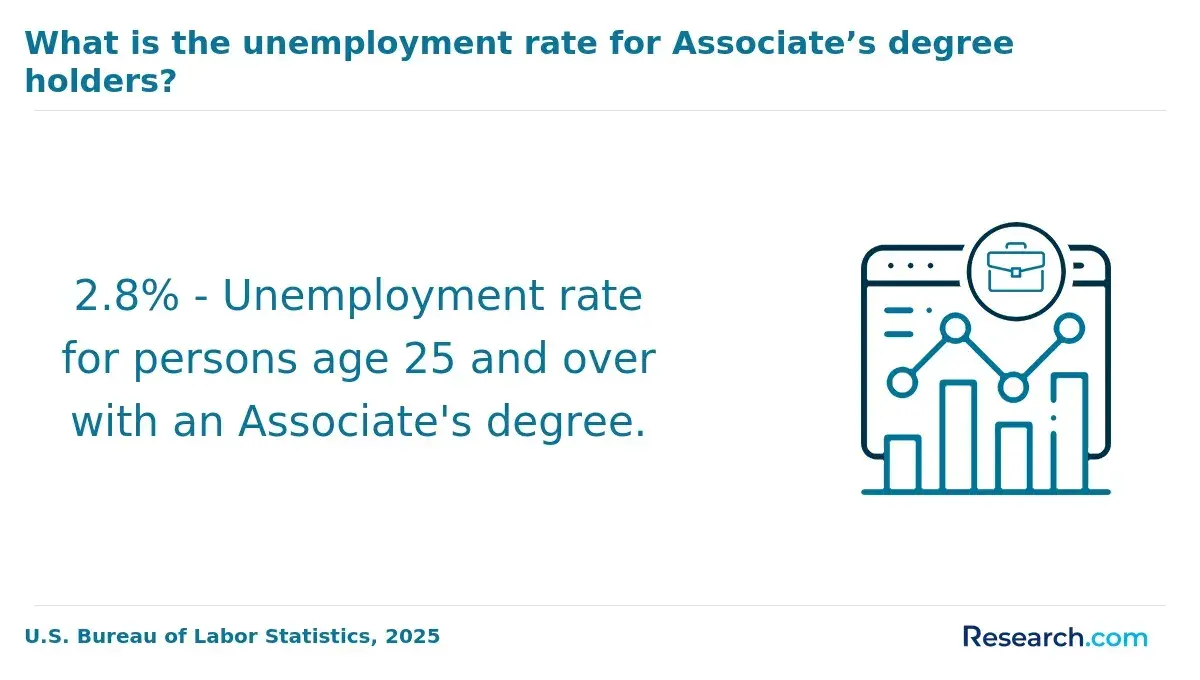
- Associate Degree: Typically prepares graduates for support roles like paraprofessional or teacher assistant positions. These roles offer limited access to lead teaching jobs and are often considered entry-level in the elementary education job market.
- Bachelor's Degree: The standard credential required for becoming a certified elementary school teacher. Most public schools require this degree for entry, making it essential for gaining access to full teaching positions and meeting job market expectations for elementary education graduates in the United States.
- Master's Degree: Opens doors to specialized positions such as curriculum coordinators, instructional coaches, or school administrators. This level can significantly boost salary potential and job security, reflecting the increased demand for experienced education professionals. Those seeking higher qualifications may also explore options like an mlis for career enrichment.
- Doctorate Degree: Focuses on educational leadership, research, and roles in higher education. Graduates often move into administrative leadership, policy development, or college teaching, contributing to shaping elementary education policy and practice at advanced levels.
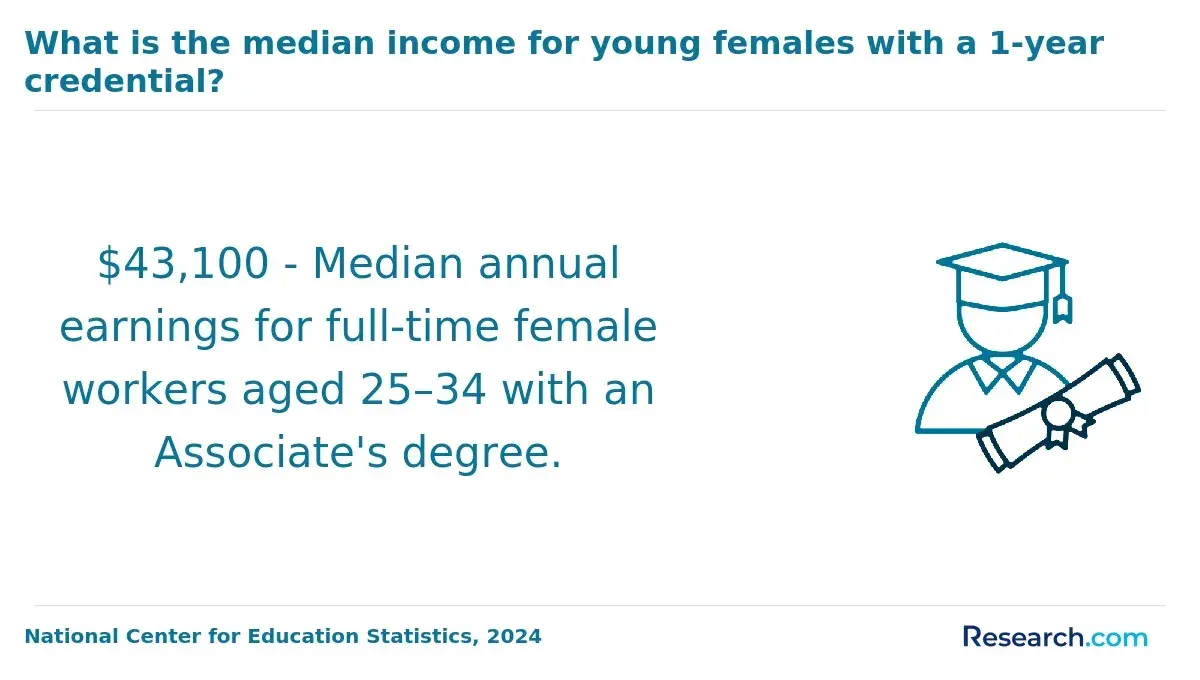
Statistics highlight that individuals with a master's degree or above earn approximately 15-20% more than those with just a bachelor's, underscoring how elementary education degree levels influence both immediate employability and longer-term career success.
What Skills Are Employers Seeking in Elementary Education Graduates?
Knowing which abilities elementary education employers prioritize is vital for graduates aiming to stand out in today's job market. These skills enable educators to effectively support diverse classrooms and meet changing educational demands.
Below are key competencies that hiring officials often seek in candidates.
- Classroom Management: Maintaining a well-organized and respectful learning space is essential. Teachers who skillfully guide student behavior create environments where learners feel safe and engaged, which directly fosters academic success.
- Communication Skills: Proficient verbal and written communication with students, families, and colleagues promotes collaboration and a supportive school community, helping to address challenges proactively.
- Adaptability: Elementary educators must be flexible in teaching methods and curriculum adjustments to accommodate diverse learning styles and evolving standards, increasing their classroom impact.
- Technological Competence: Using educational technology tools effectively enhances both instruction and student interaction, especially in blended or remote learning contexts.
- Cultural Responsiveness: Awareness and respect for students' varied backgrounds contribute to an inclusive classroom atmosphere where all learners feel valued and understood.
How Does Job Demand Affect Elementary Education Graduate Salaries?
Fluctuations in job demand strongly influence starting salaries, wage growth, and long-term earning potential for elementary education graduates. For instance, median annual wages for elementary school teachers rose by about 4% from 2019 to 2023, reflecting changes in regional demand and labor market conditions. These dynamics affect how schools set compensation and benefits to attract and retain qualified teachers.
The following points highlight key ways demand impacts elementary education salaries:
- Starting Salary Adjustments: Schools facing high demand often increase starting salaries to draw new graduates, especially in high-need areas where shortages are more acute. Competitive pay serves as a vital tool to fill these critical vacancies rapidly.
- Retention Incentives: Salary bonuses and other financial incentives help retain experienced teachers in districts with ongoing shortages. These measures can reduce turnover and ensure stability in classrooms.
- Wage Growth Variability: When supply surpasses demand or budget constraints tighten, wage growth tends to slow. This moderation affects both new hires and veteran educators, influencing long-term earning potential.
- Market-Driven Pay Trends: Labor market factors such as regional population growth and teacher retirements alter the balance of supply and demand, directly shaping compensation trends over time. Schools respond by adjusting salaries to align with current needs.
How Is AI Changing Demand for Elementary Education Professionals?
Artificial intelligence is transforming workforce needs within elementary education, with nearly half of U.S. K-12 schools now utilizing AI-based tools. This integration influences both the roles and required competencies for educators in fundamental ways.
Key impacts of AI on demand for elementary education professionals include:
- Automation of Administrative Tasks: AI streamlines grading, attendance, and lesson planning, reducing time spent on paperwork. This allows teachers to dedicate more effort to engaging directly with students and improving learning outcomes.
- Emergence of Specialized Roles: New positions such as AI literacy coaches and technology integration specialists are becoming common. These roles expand career options beyond conventional classroom teaching, enhancing job diversity.
- Evolving Skill Requirements: Digital proficiency and the ability to effectively use AI-driven tools are now critical. Continuous professional development in technology skills is increasingly essential for job stability and advancement.
- Changing Hiring Trends: Schools prioritize candidates comfortable with blended learning models who can leverage data insights for personalized instruction. Adaptability to these modern environments strengthens employability.
Is Elementary Education Considered a Stable Long-Term Career?
Long-term career stability is a crucial consideration for students and professionals evaluating elementary education career paths, as it impacts financial security and professional growth over time.
Several key factors influence the stable long-term career outlook for elementary education graduates and help explain why this field remains resilient.
- Long-Term Employment Trends: Population growth and sustained prioritization of education create a steady demand for qualified elementary educators. This consistent need provides a buffer against sharp employment declines often seen in more volatile sectors, supporting strong job security and growth prospects in elementary education careers.
- Industry Reliance: Elementary teachers function as foundational pillars of the education system, delivering essential skills and knowledge vital to students' academic and social development. This indispensable role ensures ongoing demand, making elementary education careers less susceptible to economic fluctuations.
- Adaptability to Change: The integration of digital tools and remote learning technologies has transformed classrooms. Elementary educators who engage in continuing professional development and adopt modern teaching methods are better positioned to adapt, enhancing their long-term viability in the profession.
- Career Advancement Opportunities: The field offers pathways to roles such as curriculum specialists, administrators, or educational consultants. These options allow elementary education professionals to reskill and grow, maintaining engagement and employment security over time.
For those seeking accessible entry points into this stable career path, exploring the most affordable online colleges can help balance quality education with manageable costs.
Is a Elementary Education Degree Worth It Given the Current Job Demand?
The demand for elementary education degree graduates in the United States remains generally steady, supported by consistent needs in public and private schools nationwide. Employment for kindergarten and elementary school teachers is projected to grow at a moderate pace over the next decade, based on data from the U.S. Bureau of Labor Statistics. This stable growth reflects ongoing hiring activity influenced by population trends, school funding, and state-level educational policies.
While some regions experience stronger demand due to growing student populations, others face hiring constraints related to budget limitations, shaping the overall elementary education degree job outlook in the United States.
Factors such as degree level, skill alignment, and industry requirements significantly shape career outcomes for graduates holding an elementary education degree. Higher degrees, including master's programs with specialized certifications, tend to improve job prospects and salary potential. Additionally, skills aligned with current educational priorities-such as proficiency in digital learning tools, special education, or bilingual instruction-enhance employability in a competitive field.
For those considering the value of an elementary education degree in today's labor market, investing in advanced training or complementary skills, possibly supported by exploring pathways like associates degrees, may represent a practical long-term strategy.
What Graduates Say About the Demand for Their Elementary Education Degree
- Morr: "Pursuing an elementary education degree was one of the best decisions I've made. Not only did it open doors to fulfilling teaching opportunities, but the return on investment has been undeniable-both financially and personally. This degree truly laid the foundation for a rewarding career shaping young minds. "
- Tiller: "Choosing to follow a path in elementary education allowed me to combine my passion for learning with a stable career. Reflecting on my journey, the degree paid off well, providing me with the skills and credibility to advance professionally. It's been a transformative experience that continues to influence my work with children every day. "
- Lior: "With my elementary education degree, I entered the professional world equipped with practical knowledge and confidence. The degree's value extends beyond salary; it empowered me to make meaningful contributions in early childhood development. This educational background has been essential to my ongoing success and leadership in the classroom. "
Other Things You Should Know About Elementary Education Degrees
In 2027, the demand for elementary education graduates is influenced by factors such as student enrollment rates, government education funding, and retirement rates among current teachers. District-specific needs, like special education credentials and bilingual education skills, also play a crucial role in shaping demand.
In 2027, states like Texas, California, and Florida are seeing the highest demand for elementary education graduates. This is largely due to population growth and increased investments in education infrastructure, creating numerous job opportunities for new teachers in these regions.
References
- Aligning Graduate Teacher Education With Labour Market Needs: Strategies For Enhancing Employability In Complex And Dynamic Labour Markets. https://rsisinternational.org/journals/ijriss/articles/aligning-graduate-teacher-education-with-labour-market-needs-strategies-for-enhancing-employability-in-complex-and-dynamic-labour-markets/
- The 10 Highest Paying Jobs With a Teaching Degree [Quiz] https://www.umassglobal.edu/blog-news/highest-paying-jobs-with-a-teaching-degree
- An Overview of Teacher Shortages: 2025 https://learningpolicyinstitute.org/product/overview-teacher-shortages-2025-factsheet
- 5 In-Demand Careers in Education https://www.sacredheart.edu/news-room/news-listing/5-in-demand-careers-in-education/
- High-Paying Master's in Elementary Education Jobs | University of Bridgeport https://www.bridgeport.edu/news/high-paying-masters-in-elementary-education-careers/
- Thinking of becoming a teacher? These are the top skills employers are looking for https://blogs.ucl.ac.uk/ioe/2022/08/16/thinking-of-becoming-a-teacher-these-are-the-top-skills-employers-are-looking-for/
- Skills Employers Look for In Graduates https://careerdc.com.au/resources/what-skills-employers-want/
- The risks of AI in schools outweigh the benefits, report says https://www.npr.org/2026/01/14/nx-s1-5674741/ai-schools-education
- 9 Reasons Why You Should Earn Your B.A. in Elementary Education https://www.stu.edu/news/why-you-should-earn-your-b-a-in-elementary-education/
- Top 8 Reasons For Teacher Demand In Singapore - IPGCE @ UWE https://www.ipgce.com/top-8-reasons-for-teacher-demand-in-singapore/


