2027 AI, Automation, and the Future of History Degree Careers

Co-Founder and Chief Data Scientist
Imagine a recent history graduate struggling to find traditional roles amid growing automation in archives and research. Automated tools now perform routine document analysis, reducing demand for entry-level historians. According to recent data, nearly 45% of historical research tasks are projected to involve AI integration by 2030, reshaping job expectations. This shift challenges graduates to adapt skills and explore emerging opportunities beyond conventional paths.
This article explores how AI and automation impact history degree careers, highlighting strategies to navigate evolving landscapes and maintain professional relevance in a technology-driven environment.
Key Things to Know About AI, Automation, and the Future of History Degree Careers
- AI and automation are transforming history degree careers by automating routine data analysis, freeing professionals to focus on critical interpretation and interdisciplinary research.
- Employers now prioritize digital literacy, data management, and AI comprehension alongside traditional historical analysis skills.
- Automation may reduce entry-level roles but enhances specialization and advancement opportunities by demanding expertise in technologically integrated historical methodologies.
What History Industries Are Adopting AI Fastest?
Assessing which industries adopt AI fastest is key to understanding how demand for history degree careers will develop. This insight directs educational and skill-building efforts toward areas with growing opportunities. The following sectors illustrate the leading advances in history research and AI integration trends:
- Museum and Cultural Heritage Institutions: These organizations employ AI for digital archiving, artifact preservation, and enhancing visitor experiences through virtual reality and interactive exhibits. AI improves access to vast historical datasets, supporting better interpretation and engagement.
- Academic and Research Institutions: AI tools enable advanced analysis of large volumes of historical documents, facilitating pattern recognition and predictive modeling. This accelerates research processes and broadens analytical capacities, which aligns with evolving history research and AI integration trends.
- Media and Publishing: AI automates content curation, fact-checking, and the creation of interactive historical narratives. This makes history more accessible and engaging, reflecting the leading history sectors adopting automation rapidly.
History graduates suited to these evolving fields increasingly require digital literacy and data analysis skills. Those preparing to advance can explore further education options such as an edd degree to enhance competencies that align with future workforce demands shaped by AI technology.
Which History Roles Are Most Likely to Be Automated?
Students and professionals planning History careers should consider how automation impacts job opportunities, especially in academic research and archive management. A 2023 World Economic Forum report highlights that nearly 50% of current tasks in research and data analysis could be automated by AI within the next decade. This shift is particularly important for understanding which roles in history face higher automation risks. Three roles with significant potential for automation include:
- Archival Research Assistants: Tasks like routine document scanning, categorization, and metadata tagging are becoming increasingly automated. AI systems can manage these standardized processes, which reduces the demand for manual labor and alters the traditional workflow in history archive management jobs.
- Data Entry Specialists: These professionals handle entering and digitizing historical records, a repetitive and structured activity. Due to the repetitive nature of these tasks, they are well-suited for automation by contemporary technologies that process data quickly and accurately.
- Transcriptionists: Automated speech recognition tools have improved substantially, decreasing the need for manual transcription of oral histories and interviews. This automation affects roles focused on processing spoken history content for research purposes.
While these roles are susceptible to automation, more interpretive and analytical History tasks remain less affected. Those interested in History careers should explore skills that complement AI to remain competitive. For students seeking flexible and affordable education pathways, programs like the cheapest cacrep-accredited programs online demonstrate the evolving opportunities in higher education aligned with workforce trends.
What Parts of History Work Cannot Be Replaced by AI?
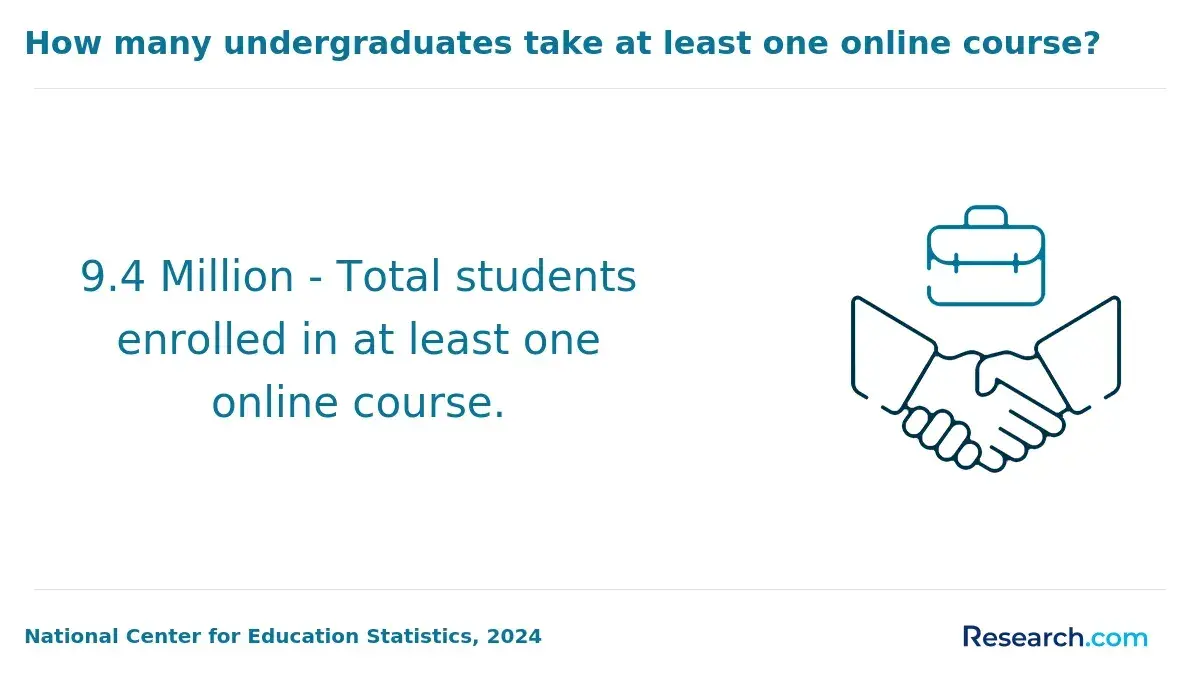
Recognizing which aspects of history work are resistant to AI and automation is crucial for students and professionals aiming to develop complementing skills. Studies indicate that over 70% of jobs requiring complex human abilities, such as empathy and ethical reasoning, remain largely unaffected by full automation. The following points illustrate key areas where human expertise prevails.
- Contextual Interpretation: Understanding historical events within their cultural and social frameworks demands sensitivity to nuances that AI cannot grasp. This creative and interpretative history work requires reading between the lines and appreciating subtleties beyond mere data.
- Ethical Source Evaluation: Assessing conflicting documents involves applying moral judgment to determine the credibility and significance of sources. Such decisions rely on human ethical frameworks that guide meaningful scholarship.
- Archival Research: Conducting original investigations often calls for intuition to uncover overlooked or hidden materials. This deep, hands-on exploration is difficult for AI to replicate effectively.
- Educational Engagement: Roles involving teaching and public history demand interpersonal communication skills and the ability to adapt messages to diverse audiences. These human-centered tasks resist automation due to the need for empathy and engagement.
- Persuasive Argumentation: Crafting compelling historical narratives relies on imagination and storytelling abilities. AI lacks the creative flair necessary for producing original, persuasive discourse within history.
Those interested in advancing in history-related careers may also explore specialized studies like an mlis to enhance skills complementary to AI, ensuring resilience in an evolving job market.
How Is AI Creating New Career Paths in History Fields?
The integration of AI technologies is opening up diverse, innovative roles for history professionals by enhancing how historical data is processed and interpreted. According to a 2023 World Economic Forum report, jobs involving AI in the humanities are projected to increase by 25% in the next five years. The following examples highlight some of these emerging career paths.
- Digital Archivist: These specialists utilize AI to systematically organize and preserve vast digital historical records, improving accessibility compared to conventional archival methods. Proficiency in digital tools and metadata management is essential.
- Computational Historian: Applying machine learning and algorithmic analysis to large datasets, these professionals address complex research questions using quantitative techniques. This role requires strong analytical and programming skills alongside historical expertise.
- Heritage Data Analyst: By interpreting cultural heritage information through AI-enhanced methods, these analysts support museums and educational initiatives, helping to create compelling narratives and informed policies. It combines data science with a deep understanding of cultural contexts.
- AI Ethics Consultant for Historical Research: This role ensures that the use of AI in historical studies adheres to ethical standards, focusing on privacy protection, bias mitigation, and academic integrity. It demands a solid grasp of ethical frameworks and AI technologies.
- Interactive History Experience Designer: These professionals develop AR and VR experiences that vividly recreate historical events, blending technical creativity with subject matter expertise to engage diverse audiences in immersive learning.
These career options reflect a shift toward interdisciplinary skills, combining traditional history knowledge with digital fluency and AI competencies to meet the evolving demands of the field.
What Skills Do History Graduates Need to Work with AI?
As artificial intelligence reshapes research across disciplines, history graduates increasingly need AI-related skills to remain competitive. Recent data indicates that 75% of employers in humanities prioritize proficiency in digital tools and data analysis. Below are key competencies that help history majors effectively collaborate with AI technologies.
- Data Literacy: Mastery of data handling-including formats, cleaning, and analysis-empowers historians to leverage AI for processing extensive archives and identifying trends that would be difficult to discern manually.
- Programming Basics: Understanding coding languages like Python enables graduates to tailor AI applications, streamline repetitive research tasks, and integrate automation into their workflows, improving efficiency.
- Critical Thinking: The ability to scrutinize AI-generated outputs is vital to maintain historical accuracy, ensuring that automated insights are properly contextualized and verified against scholarly standards.
- Digital Archiving Skills: Familiarity with metadata and digital preservation techniques supports effective management of historical records and aligns traditional archival practices with AI-enhanced systems.
- Interdisciplinary Collaboration: Working alongside data scientists and technology experts broadens project potential and fosters innovation, advancing careers where tech and history intersect.
In discussing these competencies with a professional holding a history degree, he revealed how initially overwhelming it was to adopt AI tools without a technology background. "I remember struggling to interpret raw data outputs," he recalled, emphasizing the steep learning curve involved in mastering programming basics alongside historical inquiry. However, by collaborating closely with data analysts and investing time in self-education, he gradually gained confidence. "It's rewarding when you see AI revealing patterns no one had noticed," he said, expressing that persistence and openness to new skills were key to bridging traditional history research with evolving digital methods.
Are History Degree Programs Teaching AI-Relevant Skills?
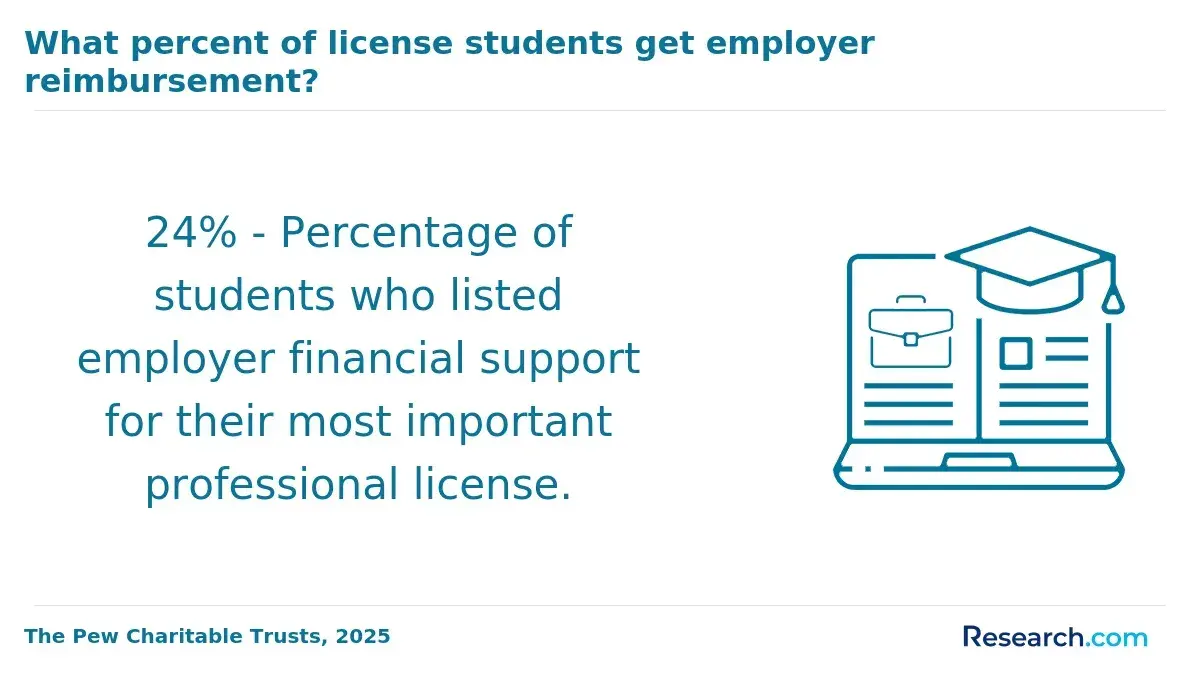
Prospective students should be aware that many History degree programs have yet to fully integrate AI-relevant skills, even though employers increasingly seek graduates capable of using automation and AI to improve research and data interpretation. A 2023 survey revealed that fewer than 40% of U.S. History departments have revised their curricula to incorporate elements of data analysis or digital humanities involving AI. Below are key ways programs are addressing-or falling short on-these essential competencies.
- Digital Humanities Integration: Several programs incorporate projects that teach students coding basics and data visualization techniques applied to historical datasets. This hands-on experience helps students develop a technical foundation alongside traditional History knowledge.
- AI-Assisted Text Analysis: Some courses utilize AI-driven software to analyze large bodies of historical documents, allowing students to handle vast archives more efficiently and uncover patterns that manual review might miss.
- Interdisciplinary Collaboration: There is a growing trend of courses that combine History with data science or computational approaches, fostering skills in both fields to prepare students for complex, technology-driven roles.
- Training Gaps: Despite progress, many programs still offer limited practical AI instruction and rarely focus explicitly on machine learning applications, leaving students underprepared for emerging job market demands.
History curricula that include AI tools often emphasize project-based learning, where students apply methods like natural language processing or algorithmic analysis to historical materials. These experiences enhance technical proficiency and analytical skills, improving graduate employability in research, preservation, and education sectors. Nonetheless, a notable portion of programs remain slow to offer comprehensive AI training aligned with evolving professional expectations.
What Certifications or Training Help History Graduates Adapt to AI?
Pursuing AI-focused certifications and additional training is essential for history graduates to remain competitive in an AI-driven workforce, where technical skills complement traditional expertise. The following certifications and training programs help build practical AI-related competencies relevant to history careers:
- Data Science Fundamentals: This program teaches data collection, processing, and visualization methods that allow history graduates to analyze large datasets and digitized archives effectively, enhancing their ability to derive meaningful insights from historical data.
- Applied Machine Learning: Covering pattern recognition and natural language processing algorithms, these courses equip history majors with tools to automate classification of historical documents and identify trends, expanding research capabilities.
- Digital Humanities: Combining computer science with humanities methods, this training focuses on AI-powered tools for creating interactive exhibits, digital timelines, and improved metadata management, useful for museum studies and public history.
- Ethical AI and Data Governance: Workshops in this area prepare graduates to navigate privacy issues, bias concerns, and ethical challenges when leveraging AI in data-driven historical research and cultural management.
When asked about her experiences adapting to AI, a graduate of a history degree program shared that initially she felt overwhelmed by the technical demands but recognized the necessity of these skills to stay relevant. "At first, the coding and algorithms seemed intimidating, but the structured certifications gave me clear milestones," she explained. She emphasized how mastering ethical AI principles helped her gain confidence in managing sensitive cultural data responsibly. "Knowing how to blend traditional historical analysis with AI tools reshaped my career path, opening opportunities I hadn't imagined. It wasn't just about learning new skills but about transforming how I approach historical materials." Her reflection highlights how blending certifications with professional growth can empower history graduates in an automated future.
How Does AI Affect Salaries in History Careers?
The integration of AI technologies is transforming compensation patterns in history-related professions by shifting required skills and altering job functions. A 2023 study revealed history professionals using AI tools earned an average salary up to 15% higher than those without such expertise, signaling the growing value of technological proficiency. Several key factors contribute to this evolving salary landscape:
- Increasing Demand for Technical Skills: Employers seek historians adept at combining AI capabilities with traditional research, boosting wages for those with specialized digital competencies and multidisciplinary expertise.
- Automation of Routine Tasks: AI reduces the need for entry-level research positions by handling repetitive data processing, while increasing pay for experts who analyze complex information and interpret AI-generated outputs.
- Emergence of New Roles: The rise of positions like digital archivists and data curators highlights lucrative opportunities created by digital transformation, rewarding professionals familiar with both history and advanced technologies.
- Continuous Skill Development: Professionals committed to updating their knowledge and mastering AI-driven tools enhance their market value significantly, reflecting the importance of adaptability in career growth.
These dynamics emphasize the importance of blending traditional history expertise with technical skills to access higher salaries and future-proof one's career path in the evolving job market.
Where Is AI Creating the Most Demand for History Graduates?
Identifying where AI creates the highest demand for history graduates helps students and professionals align their skills with emerging job markets shaped by automation. One significant trend is the projected 20% growth in digital humanities roles over the next decade, fueled by AI-powered research tools and data visualization platforms. Below are key areas where AI is driving demand for history expertise.
- AI-Driven Digital Archiving Jobs: Cultural institutions like museums and archives increasingly use AI to digitize and analyze massive historical datasets, creating specialized roles that combine archival expertise with technical skills. This growth in digital archiving offers history graduates dynamic opportunities to engage with tech-savvy historical preservation methods.
- Automated Cultural Heritage Management: Government and policy sectors employ AI to manage and protect cultural heritage, automating routine tasks while valuing the interpretive insight only history professionals can provide. History graduate careers in automated cultural heritage management focus on balancing AI efficiency with nuanced historical analysis.
- Education Technology: AI enables personalized learning experiences, requiring history experts to curate precise and compelling content for digital platforms. This intersection expands roles for history graduates in developing AI-enhanced educational materials and curricula.
- Media and Entertainment: The industry uses AI to craft historically accurate narratives in digital storytelling, necessitating historians for content validation and cultural context. Demand grows for professionals who can merge historical knowledge with creative and technological innovation.
- Geographic Tech Hubs: Regions such as the United States' technology centers see rising demand as AI startups and research organizations collaborate with academic history departments. These partnerships foster careers focused on creating advanced AI tools for historical research and inquiry.
For students considering their academic trajectory, pursuing an accelerated bachelor's degree with a focus on history and technology integration can provide a competitive edge in these evolving fields.
How Should Students Plan a History Career in the Age of AI?
Proactive planning is essential for students pursuing a history career path as AI and automation become integral to the field, reshaping how historical research and analysis are conducted. To thrive, students must strategically align their skills and knowledge with evolving technology. Consider the following key strategies:
- Digital Literacy: Mastering AI-driven research databases, data visualization tools, and digital archives enables history students to handle large datasets and uncover insights that traditional methods might miss. This skill enhances analytical depth and relevance in a technologically integrated environment.
- Interdisciplinary Expertise: Combining history with data science, information technology, or digital humanities opens new career avenues by bridging traditional scholarship with modern analytical methods. This approach addresses how to plan a history degree career in the age of AI meaningfully.
- Communication and Critical Thinking: While AI processes data efficiently, nuanced interpretation and narrative construction remain unique to history professionals. These abilities ensure graduates can contextualize AI outputs and contribute original perspectives.
- Programming Skills: Learning coding languages like Python or R enhances a history graduate's capacity to develop or manage AI applications tailored to historical research, adding technical versatility.
- Continuous Learning: Staying adaptable through lifelong education helps history graduates integrate emerging AI advancements, maintaining relevance in academia, museums, archives, or cultural heritage organizations where skills needed for history careers with artificial intelligence integration constantly evolve.
For those exploring educational routes, discovering the easiest bachelor degree to get online can provide flexible opportunities to build foundational and tech-forward skills that complement a history-focused career in the digital age.
What Graduates Say About AI, Automation, and the Future of History Degree Careers
- Jerome: "My background in History has been invaluable in navigating the AI-driven landscape of historical research today. The critical thinking and analytical skills I honed allow me to effectively interpret complex data sets generated by automation tools. Thanks to these skills, I've found new career opportunities in digital archiving and AI-assisted historiography that I never imagined would exist. "
- Eduardo: "Reflecting on my journey, I see how AI has transformed the roles available to History graduates, shifting focus from traditional research to data management and algorithmic analysis. The understanding of historical context helps me ensure AI interpretations remain accurate and culturally sensitive, which is key to maintaining the integrity of our work. This fusion of past and future knowledge assures me of long-term career stability within evolving History domains. "
- Lydia: "Integrating AI into History-related careers has redefined my job responsibilities, emphasizing automation in data curation and predictive modeling of historical trends. What I truly appreciate is how my History degree instilled adaptability and deep research methodologies, enabling me to work alongside AI systems effectively. This synergy promises exciting prospects for career growth and innovation in the field. "
Other Things You Should Know About History Degrees
History majors should develop strong analytical and critical thinking skills that complement AI's data processing capabilities. Building proficiency in digital literacy and data management can help graduates adapt to hybrid work environments where automation handles routine tasks. Networking and continuous learning remain crucial for adapting to evolving workplace expectations.
Yes, history professionals must navigate privacy concerns related to digitized archives and personal data used in AI analysis. Compliance with data protection laws and ethical guidelines is vital when handling sensitive historical records. Responsible AI use includes safeguarding individuals' privacy while preserving the integrity of historical information.
AI enhances the ability to process large datasets, uncovering patterns that human researchers might miss, which can improve the scope of historical research. However, reliance on AI tools requires vigilance to avoid misinterpretation. Historians must balance technological insights with traditional methodologies to maintain research accuracy.
References
- Historical Association https://www.history.org.uk/secondary/module/8888/webinar-series-teaching-history-in-the-age-of-ai
- Does AI Require a History Lesson? https://katmarketing.co.uk/katchat/digital-marketing/does-ai-require-a-history-lesson
- AI-proof professions: expert reveals 11 jobs that will not be replaced by robots and should remain in high demand for decades. https://en.clickpetroleoegas.com.br/AI-proof-professions%3A-expert-reveals-11-jobs-that-will-not-be-replaced-by-robots-and-should-remain-in-high-demand-for-decades-flpc96/
- The Impact of AI on the Labour Market https://institute.global/insights/economic-prosperity/the-impact-of-ai-on-the-labour-market
- New AI Roles - John Rector https://johnrector.me/2025/11/19/new-ai-roles/
- What is AI Literacy: The Skill Every Professional Now Needs - Swiss Cyber Institute https://swisscyberinstitute.com/blog/what-is-ai-literacy/
- These are the jobs that are most likely to be automated by AI https://www.techspot.com/news/108869-jobs-most-likely-automated-ai.html
- Piloting responsible and effective use of generative AI in undergraduate History Teaching https://blog.royalhistsoc.org/2025/07/16/piloting-responsible-and-effective-use-of-generative-ai-in-undergraduate-history-teaching/
- The Historian's Role in an Age of AI: An Interview with Marnie Hughes-Warrington and Jo Guldi https://niche-canada.org/2024/11/21/the-historians-role-in-an-age-of-ai/
- AI Innovations in History Teaching and Mapping | Historica https://www.historica.org/blog/ai-innovations-in-history-teaching-and-mapping