2027 Is a History Online Degree Worth It?

Co-Founder and Chief Data Scientist
The rapid expansion of online education has made degrees more accessible than ever, with over 7 million students enrolled in distance learning programs nationwide. Among these, an online history degree attracts those interested in understanding past events while balancing flexible study schedules. The growing availability of accredited programs offers students new opportunities to pursue history without relocating or interrupting their careers.
This article aims to help prospective students assess whether an online history degree is worth it by examining key factors such as financial cost, program flexibility, accreditation standards, job-market outlook, and how employers view online credentials. Understanding these elements can clarify if this educational path aligns with individual goals and professional expectations.
Key Benefits of Online History Degree
- Online history degrees offer flexible schedules, allowing students to balance work and study while accessing diverse courses from accredited universities nationwide.
- Graduates gain skills in critical thinking and research, applicable to careers in education, public service, and cultural institutions.
- The degree supports long-term outcomes by fostering analytical abilities valued in law, journalism, and business, with 85% of history majors employed within a year.
Who Should Choose an Online History Degree Program?
Online learning has become a convenient alternative for many students, offering flexibility that accommodates a variety of personal and professional commitments. This adaptability makes it an attractive option for individuals balancing busy lives while pursuing higher education.
Here are some of the key groups who find an online history degree especially beneficial:
- Working Professionals: These learners can continue their careers while studying, allowing them to immediately apply historical skills such as research and analysis in their jobs. The asynchronous nature of online courses helps them juggle work and education efficiently.
- Students with Geographic Constraints: Individuals living in remote areas, those unable to relocate, or people facing mobility challenges gain access to quality education without needing to commute, overcoming significant logistical barriers.
- Self-Directed Learners: History programs demand strong research abilities and an interest in connecting past events to present-day issues. Students who are disciplined and motivated excel in managing their learning schedules independently.
- Career Changers and Advancement Seekers: Those looking to switch fields or move up in their current roles utilize the transferable skills gained from history studies, such as critical thinking and analytical reasoning, to support their professional growth.
What Are the Pros and Cons of an Online History Degree?
Online history programs have become increasingly popular as they offer a flexible option for students and working professionals seeking to advance their careers without sacrificing other responsibilities. This flexibility makes pursuing a history degree more accessible and practical for many.
Pros of an Online History Degree
- Flexibility and Accessibility: Online history degrees allow students to complete coursework at their own pace, accommodating work, family, or personal commitments. Many programs feature asynchronous classes, which means students can watch lectures and submit assignments when it suits them.
- Lower Costs and Fewer Expenses: Online programs often come with lower tuition rates and eliminate costs related to commuting, housing, and some textbooks. This affordability helps many learners achieve their goals without incurring high debt.
- Career-Relevant Skills: A history degree hones critical thinking, research, and communication skills valuable across public policy, education, museums, or law. Many online programs include capstone projects, and large alumni networks often help graduates find job opportunities.
- Accreditation and Recognition: Accredited online degrees hold equal value to on-campus ones. Employers usually do not differentiate between online and in-person history degrees, supporting the degree's overall credibility.
Cons of an Online History Degree
- Limited In-Person Interaction: Students may miss out on face-to-face discussions with faculty and peers, which can be vital for those who thrive in collaborative learning environments.
- Self-Directed Learning Challenges: Online studies require strong self-discipline and time management. Some students might find managing independent coursework difficult without structured support.
- Technology Requirements: Reliable internet and basic digital literacy are essential. Additional technology or resource fees may add to program costs.
- Potential for Isolation: Without a physical campus, some students feel disconnected from the academic community, which can impact motivation and networking.
For those weighing whether an online history degree is worth it, exploring options like accelerated bachelors degrees online could be a great way to combine flexibility with an efficient path to graduation.
How Do AI-Enhanced Virtual Classrooms Work in Online History Programs?
AI technologies have become central to modern online education by making learning more interactive, personalized, and effective. For students pursuing an online history degree, these tools foster deeper engagement and help overcome challenges in virtual environments. The integration of AI in virtual classrooms involves several key features that enhance historical study experiences.
Key AI features include:
- Intelligent tutoring systems: These analyze each student's progress individually and offer customized feedback, supporting mastery of complex historical concepts at a personalized pace.
- AI chatbots and virtual personas: Students engage with historically accurate AI-driven characters such as Frederick Douglass or Benjamin Franklin, enhancing critical thinking through meaningful conversations.
- Collaborative tools: AI facilitates group assignments by enabling role-playing scenarios and discussions, encouraging teamwork on research projects within virtual history class technology requirements.
- Automated assessment and support: AI grades assignments, summarizes content, and suggests resources, allowing instructors to focus on deeper guidance.
Students interested in accessible and flexible options might explore easy associate degrees to get for foundational study before advancing in history fields.
What Technology Do You Need for an Online History Degree?
Having the right technology setup is essential for success in modern online history programs. Reliable hardware and software not only enhance learning but also enable smooth access to digital archives and virtual classrooms.
Below is a list of the key tools, equipment, and software students should prepare before enrolling in an online history degree program.
- Reliable Computer: A laptop or desktop with at least mid-range specifications, such as an Intel Core i7 12th Gen or AMD Ryzen 7 processor, 16GB of RAM, and a 512GB SSD, is necessary. This meets the minimum computer specifications for online history students to efficiently handle multitasking, advanced research software, and large digital archives.
- High-Speed Internet: A stable internet connection with minimum speeds of 5 Mbps download and 1 Mbps upload is critical. Low latency under 100ms supports smooth streaming of lectures and real-time virtual discussions, which are common in online history coursework.
- Office Productivity Suite: Access to Microsoft Office 365 helps students create essays, presentations, and organize research notes. These applications are vital for submitting polished assignments and sharing findings in digital formats.
- Antivirus Software: Protecting your computer from malware secures your important research data and coursework. Many internet providers offer free antivirus tools to students, which is a practical way to maintain security.
- Backup Storage: External hard drives or cloud storage services like Google Drive and OneDrive are essential for safeguarding your work. They also provide flexibility by enabling file access from multiple devices and locations.
- Webcam and Microphone: Quality audio and video equipment facilitate participation in video meetings, presentations, and oral exams, which are increasingly integrated into online history programs.
- PDF Reader and Citation Management Tools: Software like Adobe Acrobat and citation managers such as Zotero or EndNote are indispensable for working with academic articles and managing sources efficiently, streamlining the research process.
Students should be cautious about relying solely on tablets or Chromebooks, as these often lack compatibility with specialized software required in history programs. Understanding these hardware and software requirements for online history degree studies ensures preparedness and minimizes technical disruptions.
For those considering advanced education paths, exploring options for a cheap online doctorate can provide additional opportunities.
How Long Does It Take to Finish an Online History in 2027?
Program length is a key consideration for students choosing an online history degree, as it impacts planning and balancing other life commitments. Timelines differ across programs depending on course structure and student pace.
Below is a breakdown of typical online history degree completion durations.
- Full-Time Online Track: Most students complete their degree in about four years, typically requiring 120 to 123 credits. Schools offering eight-week terms, such as Ottawa University and Liberty University, provide accelerated options that let students finish faster by taking heavier course loads.
- Part-Time Enrollment: Designed for working professionals or those with personal obligations, this option often extends the program to five years or more. Students might take one or two courses per semester, allowing greater flexibility but a longer timeline.
- Flexible Start Dates and Scheduling: Many programs offer multiple entry points yearly, enabling students to begin studies when convenient. This flexibility supports pacing that fits individual lifestyles and can influence the overall duration.
- Credit Transfer and Accelerated Courses: Transferring prior credits or enrolling in accelerated classes can significantly reduce completion time. Conversely, limited course availability or lower course loads may prolong studies.
Can You Work Full-Time While Completing an Online History Degree?
Balancing a full-time job while pursuing an online history degree is a common challenge for many students aiming to further their education without sacrificing career progress. Understanding the key factors that influence the ability to manage both is crucial for success.
Several elements determine how well students can juggle work and study:
- Flexible Scheduling: Online history programs often use asynchronous formats, allowing students to complete coursework at any time. This flexibility lets learners fit studies around work hours, whether early mornings or late evenings.
- Program Pacing: Many schools offer adjustable enrollment options, enabling students to take as few or as many courses as their workload permits, which helps avoid burnout during busy job periods.
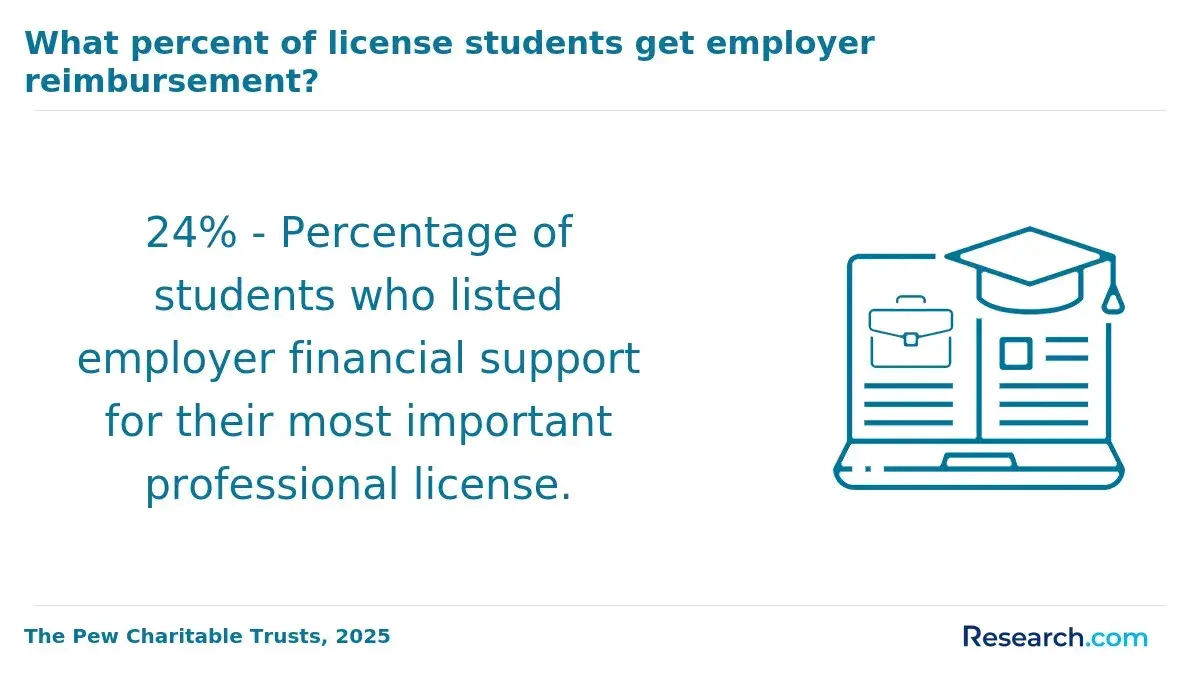
- Employer Support: Having understanding employers who accommodate study schedules can reduce stress and create a more manageable balance between job and academics.
- Time Management Skills: Effective prioritization and planning are essential. Using calendars and breaking assignments into smaller tasks helps maintain steady progress without overwhelming oneself.
How Do Online History Degree Programs Help with Internships?
Internships are essential for students pursuing careers in history, offering practical experience that sharpens skills in research, communication, and project management. They bridge academic knowledge with real-world application, preparing students for professional success.
Online history programs employ various methods to help students secure and thrive in these internships:
- Career Services Support: Dedicated advisors provide personalized virtual guidance on resume building, interview techniques, and identifying internships aligned with students' academic interests and career goals.
- Robust Digital Platforms: Online databases and portals give students access to nationwide internship listings, including opportunities at museums, archives, and historical societies, simplifying the application process.
- Virtual Placement Coordination: Partnerships with institutions offer remote or hybrid internships, enabling students to gain meaningful hands-on experience regardless of geographic constraints.
- Flexible Scheduling and Mentorship: Programs accommodate students' coursework by facilitating virtual internships supported by online mentorship and video communication, ensuring consistent supervision and feedback.
- Networking Opportunities: Through virtual events and collaborations, students connect with professionals and alumni, enhancing their professional network while navigating the field of history.
What Is the Average Tuition Cost of an Online History Program?
Knowing the average tuition cost is vital for students planning to earn an online history degree, as it helps set realistic financial expectations and allows for better program comparisons.
Below is a breakdown of key tuition-related factors that influence the overall expense of these programs.
- Average Tuition Per Credit (Public Institutions): Public universities commonly charge around $337 per credit hour for in-state online students, leading to an approximate total of $40,500 for a full bachelor's degree.
- Average Tuition Per Credit (Private Institutions): Private colleges generally bill higher rates, averaging about $516 per credit hour, which significantly increases total program costs.
- Annual Tuition Range: Annual tuition fees vary widely, with some affordable options near $2,500, while others approach $12,700, depending largely on the institution's pricing and residency.
- In-State vs. Out-of-State Rates: Public schools typically offer reduced tuition for in-state residents. For instance, some institutions charge around $11,000 for in-state online students but triple that for out-of-state enrollees.
- Additional Fees: Beyond tuition, students should anticipate technology, course material, and proctoring fees, which can add several hundred dollars yearly to the total cost.
What Is the Average Salary for Someone with an Online History Degree in 2027?
Understanding the average salary for someone with an online history degree is essential when evaluating the worth of an online history degree program. Knowing potential earnings helps prospective students weigh the investment against future career opportunities.
Below are key salary insights that highlight what graduates can expect in terms of compensation and growth.
- Average Entry-Level Salary: Entry-level salaries for online history graduates typically range from $26,000 to $36,000 per year, depending on the institution and location. For instance, graduates from Troy University report starting salaries near $26,486, whereas Providence College graduates start around $49,659. The overall average starting salary across online programs is approximately $31,187, reflecting diverse geographic and institutional factors.
- Mid-Career and Experienced Salaries: After four years, online history graduates often see salaries rise to between $41,000 and $69,000. According to ZipRecruiter, the average salary for all history majors in the U.S. is about $62,115 annually, with professionals in the 75th percentile earning roughly $72,500. Some top earners, such as online history professors or specialists, can make over $100,000 per year.
- Salary by Industry and Region: Earnings vary significantly by sector and location. Postsecondary history teachers have a median salary of $82,140, while historians average $72,890. Salary differences also reflect regional market conditions, with cities like Lowell, MA, and Irvine, CA, offering salaries above $69,000. These variations underscore the importance of considering local job markets when planning a career.
- Advanced Degrees and Specializations: Graduates pursuing advanced qualifications, including options like 1 year PhD programs online, often improve their earning potential. Specializing in high-demand areas or engaging in research roles can further enhance salary prospects for history majors.
Keeping these trends in mind is crucial for any student or professional considering an online history degree, as they present a realistic view of earning potential throughout one's career.
Which Industries Hire Graduates From Online History Programs?
An online history degree offers a versatile foundation, equipping graduates with critical thinking, analytical reasoning, and strong communication skills applicable across numerous professional sectors. This adaptability opens a wide range of history degree job opportunities in the United States.
Below are key industries hiring online history degree graduates:
- Education and museums: These sectors remain the largest employers, with post-secondary teaching roles expected to grow 15% between 2016 and 2026. Museum curator positions are also increasing, with a 14% projected growth and a median salary of $54,000, valuing both traditional and online history credentials.
- Journalism and media: History graduates use research and writing skills to pursue careers as reporters, editors, and content creators, where critical evaluation of facts and context is essential.
- Government and politics: Federal, state, and local agencies hire historians for research, policy advising, and public education roles, reflecting a steady demand for analytical expertise within the public sector.
- Law and legal services: Graduates contribute as paralegals, legal researchers, or compliance specialists, drawing on their strong research methodologies and attention to detail.
- Research and archives: Opportunities in archival management and research analysis are growing, including remote roles, as organizations increasingly digitize and preserve historical information.
- Marketing and public relations: Historical insight helps professionals craft compelling narratives and strategies that resonate with diverse audiences.
- Business and nonprofit sectors: Graduates apply their analytical skills in development, fundraising, and strategic planning, contributing to organizational success across various industries.
The Bureau of Labor Statistics reports a median annual salary of $72,890 for historians with a master's degree, highlighting the financial viability of these career paths. For those considering educational options, some of the most popular online vocational schools also offer related training, which may complement an online history degree and boost employability.
What Graduates of Online History Programs Say About Their Degree
- Calven: "Pursuing my online history degree was a game-changer. The flexible pace allowed me to balance work and study effectively, and I appreciated how the program focused on critical thinking over rote memorization. Considering the average cost for online history programs is often lower than on-campus options, it was a financially smart choice."
- Eduardo: "Reflecting on my journey, the online history degree provided more than just knowledge; it reshaped my understanding of global events and sharpened my research skills. Although the cost was a consideration, the value I gained in terms of career advancement and personal growth was well worth it."
- Thiago: "The convenience of an online history degree fit perfectly with my busy schedule, and the course materials were engaging and up-to-date. It allowed me to pursue my passion for history without the financial strain usually associated with traditional programs, which was a relief. This degree really opened doors for professional opportunities I hadn't imagined."
Other Things You Should Know About History Degrees
In 2027, an online history degree remains relevant as it provides critical thinking, research, and writing skills applicable in various fields. Graduates can pursue careers in museums, archives, public relations, journalism, and other sectors that value analytical and communication skills.
In 2027, online history degree graduates can pursue careers outside academia in areas such as public history, including roles in museums or historical sites, government positions, research analysis for think tanks, and even roles in the private sector, such as content creation or policy advising in industries valuing historical context.
References
- Field of degree: History https://www.bls.gov/ooh/field-of-degree/history/history-field-of-degree.htm
- Jobs for History Majors: Where Will Your Degree Take You? https://online.maryville.edu/online-bachelors-degrees/history/careers/
- Generative AI, History and Historians, a reading guide https://blog.royalhistsoc.org/2025/10/02/generative-ai-history-and-historians-a-reading-guide/
- Top Online Master’s Degree Programs in History for 2025 https://www.onlinemastersdegrees.org/best-programs/history/
- Is an Online Master’s Degree in History Worth Anything? https://www.trainingskart.com/blog/is-an-online-master-s-degree-in-history-worth-anything
- Internships https://nonprofit.worldhistory.org/volunteer/internships
- THE list of internships for history majors https://employedhistorian.com/history-major/internships-for-history-majors/
- History (B.A. or B.S.) – Oregon State Online https://ecampus.oregonstate.edu/online-degrees/undergraduate/history/
- Online History Degree | Bachelor's BS BA in History | EOU Online https://online.eou.edu/programs/bachelors-history/
- IHR Internships | Institute of Historical Research https://archive.history.ac.uk/funding/ihr-internships