2027 Can You Complete an Online Nutrition Degree Program While Working Full-Time?

Co-Founder and Chief Data Scientist
For many full-time professionals, managing the demands of a 40-plus hour workweek alongside family commitments leaves little time for additional responsibilities, such as pursuing an online nutrition degree. According to the National Center for Education Statistics, over 60% of online adult learners in the U.S. juggle work and study, making time management a critical challenge in this context.
Nutrition programs often require practical assignments and detailed study, which can add complexity to an already tight schedule. This article offers practical insights to help working adults assess if an online nutrition degree fits their lifestyle, enabling informed decisions about balancing career progression with academic goals.
Key Benefits of Completing an Online Nutrition Degree Program While Working Full-Time
- Flexible scheduling allows full-time workers to study nutrition courses during evenings or weekends, fitting education around their jobs and reducing stress.
- Online nutrition programs often include self-paced modules, enabling learners to absorb complex topics like metabolism or diet planning at their own speed.
- Access to virtual labs and nutrition software provides practical experience without needing physical attendance, crucial for professionals balancing work and study.
How Long Does It Take to Complete an Online Nutrition Degree While Working Full-Time?
The time to complete an online nutrition degree while working full-time varies significantly depending on several important factors. For most students, earning an online bachelor's degree in nutrition takes between 3 to 6 years, while master's degrees generally require 18 to 36 months.
Key factors affecting the average time to finish an online nutrition degree while working full-time include:
- Enrollment Status: Full-time students often finish a bachelor's in four years or a master's in 18-24 months. Part-time students, common among full-time workers, usually need extra semesters, extending bachelor's programs to six years or master's to three years.
- Course Format: Many online nutrition programs offer asynchronous or accelerated classes, enabling students to study on their own schedules. These flexible formats help working professionals manage unpredictable hours and may shorten degree completion time.
- Prior Academic Credits: Transfer credits from previous coursework or relevant professional experience can reduce degree requirements, often shaving off a year or more from the total duration.
- Work Schedule and Weekly Study Hours: Master's students typically spend 15-20 hours weekly on coursework. Taking one course per term is standard for those balancing full-time jobs, influencing the length of the program accordingly.
- Program-Specific Requirements: Elements like capstone projects, internships, or supervised practice sometimes require in-person participation, which may extend timelines if daytime availability is limited. Coordinated internships integrated into courses can reduce overall time by up to a year.
For those wondering how long an online nutrition program takes for working professionals, understanding these factors is crucial to planning an effective path to graduation. Additionally, exploring options like 2 year certificate programs that pay well may provide alternative or supplementary credentials to advance a career more quickly.
Is an Asynchronous or Synchronous Online Nutrition Program Easier for Students Working Full-Time?
For students working full-time, asynchronous online nutrition programs are generally easier to manage alongside professional and personal responsibilities. The flexibility to access lectures, complete assignments, and engage in discussions at any time allows full-time workers to balance demanding schedules more effectively.
Course format greatly impacts students' ability to juggle work and study, making asynchronous options ideal for those needing adaptable hours. Many look for a flexible asynchronous online nutrition degree for working professionals due to these advantages.
Asynchronous nutrition programs offer maximum scheduling freedom, fitting well for professionals with unpredictable or rotating shifts, exemplified by Grand Canyon University's fully asynchronous, accelerated 8-week master's degree. In contrast, synchronous online nutrition programs require logging in at set times, which promotes accountability and real-time interaction with peers and instructors.
For instance, Illinois State University's MS in Family and Consumer Sciences provides evening live classes to accommodate working students. While synchronous formats enhance engagement, they offer less flexibility, posing challenges for those with family or shift commitments.
Choosing between asynchronous vs. synchronous formats depends on whether you prioritize flexibility or structured learning. For those wondering what is the easiest degree to get in 2 years?, understanding these distinctions is essential.
What Time Management Strategies Help Online Nutrition Students Working Full-Time?
Balancing a full-time job with an online nutrition program requires strong time management to avoid burnout and maintain academic progress. The right strategies help students stay organized and reduce stress.
Here are five research-supported approaches tailored for online nutrition students working full-time:
- Structured weekly planning: Designate specific blocks for studying, work, and personal commitments using digital calendars to visualize your week and prevent last-minute rushes.
- Goal segmentation: Break large assignments into smaller, focused tasks with deadlines, such as splitting a nutrition paper into research, drafting, and editing stages.
- Daily priority setting: Choose the top three tasks each day that align with your educational and career targets to keep your workload manageable.
- Utilize productivity apps: Employ apps like to-do lists and time trackers to monitor progress and ensure no tasks are overlooked.
- Meal prepping: Prepare nutritious meals ahead to save time and reinforce healthy habits, minimizing decision fatigue on busy days.
One student who completed an online nutrition degree while working full-time shared that managing family responsibilities alongside coursework initially felt overwhelming. She emphasized the importance of treating her study hours as non-negotiable appointments, which helped her stay consistent despite unpredictable work shifts.
She also found that quickly adapting her weekly schedule when unexpected demands arose kept her from falling behind. "It wasn't easy juggling everything," she said, "but learning to be flexible while sticking to core routines made a huge difference."
This experience highlights how a blend of discipline and adaptability is essential for success in such demanding circumstances.
What Are the Biggest Challenges Full-Time Workers Face in Online Nutrition Programs?
Full-time professionals frequently find it difficult to juggle their job duties alongside the demanding coursework required by an online nutrition degree. The intensity of science classes, strict deadlines, and practical requirements creates a challenging environment for those working typical business hours.
The main obstacles these students encounter include:
- Time Management Strain: Managing job responsibilities while keeping up with advanced nutrition courses such as biology and chemistry demands strong organizational skills. Full-time workers often struggle to allocate enough time to study, increasing the risk of falling behind and affecting both their academic results and work performance.
- Supervised Practice Scheduling: Nutrition programs that lead to registered dietitian credentials require extensive supervised practice-often more than 1,000 hours-usually during standard business hours. This makes it hard for employed students to complete these hours without reducing work time or taking unpaid leave, which can cause financial and logistical difficulties.
- Limited Networking and Academic Support: Unlike traditional classrooms, online programs reduce face-to-face interaction, limiting opportunities for peer support and mentorship. This can result in feelings of isolation and less access to timely academic help, which is crucial in a complex field like nutrition.
How Do Online Nutrition Programs Handle Internships for Full-Time Workers?
Internships often present scheduling challenges for full-time workers enrolled in online nutrition degree programs, due to the significant hours required. Still, supervised practice is a mandatory component for eligibility as a registered dietitian nutritionist (RDN) in the United States.
To address these demands, programs have developed various strategies to help students balance work and internship commitments.
Here are five ways online nutrition programs typically support full-time professionals with internship requirements:
- Flexible Scheduling: Programs often allow supervised practice to be completed during evenings, weekends, or stretched over extended periods, occasionally up to 18 months. This adaptability lets students maintain employment while progressing academically.
- Distance and Local Placement: Students are frequently permitted to complete internships at approved facilities near their home or workplace, minimizing travel time and facilitating integration with existing work schedules.
- Credit for Prior Experience: Relevant nutrition-related work, whether paid or volunteer, can sometimes count toward internship hours, reducing the total time needed to meet supervised practice requirements.
- Individualized Internship Planning: Personalized guidance helps tailor internship experiences to fit each student's professional background and schedule while ensuring accreditation standards are met.
- Part-Time Internship Options: Some programs explicitly offer part-time or extended-duration internships, allowing students to proceed more slowly without compromising job responsibilities.
A student pursuing an online nutrition degree while working full-time shared his experience, emphasizing how the program's flexibility was crucial. He described initial concerns about managing internship hours alongside a demanding job but noted that the personalized advisement eased the process.
"They worked with me to arrange local placement close to my workplace, which saved a lot of commuting time," he explained. The option to stretch the internship over several months made it manageable without overwhelming his schedule. Despite occasional stress, he found the balance achievable and appreciated the program's understanding of working professionals' realities.
"It wasn't easy, but having those flexible arrangements made me feel supported throughout," he reflected.
What Technology Do You Need for an Online Nutrition Degree While Working Full-Time?
Having the right technology is essential for working professionals balancing job responsibilities while pursuing an online nutrition degree. Efficient tools enable seamless participation in virtual coursework and help manage time effectively.
Below are the key technology requirements that support full-time students in nutrition programs.
- Modern Computer or Laptop: A reliable, up-to-date computer-preferably a laptop for convenience-is crucial for accessing course materials, attending virtual lectures, and submitting assignments. Nutrition programs often require devices capable of running specialized software, such as dietary analysis tools or statistical programs used in research.
- High-Speed Internet Connection: Fast and stable internet access is necessary to stream lectures, join live discussions, and upload large files without interruption. Many nutrition courses have synchronous components, so a dependable connection ensures real-time participation and prevents missed learning opportunities, aligning with the computer and internet requirements for online nutrition degree programs.
- Webcam and Headset: Clear communication tools like a webcam and quality headset or microphone are essential for virtual classrooms, group projects, and video presentations. These enable nutrition students to conduct virtual counseling sessions or present case studies effectively, fostering interaction despite the distance.
- Up-to-Date Software: Updated web browsers (Chrome, Firefox), office suites (Microsoft Office, Google Workspace), and access to learning management systems (Canvas, Blackboard) are needed to complete assignments, collaborate, and review grades. Nutrition coursework often involves creating presentations, analyzing data, and managing shared documents, making this software vital for working professionals in online nutrition programs.
- Specialized Nutrition Tools and Apps: Access to dietary tracking programs, nutrient databases, and simulation software is often required for practice-based learning. These apps assist in logging food intake, calculating nutrient needs, and evaluating diet plans, which are essential skills for careers in nutrition counseling and community health.
For those exploring advanced education options, what masters degree makes the most money is a helpful resource to consider career return on investment alongside technological readiness.
Can You Qualify for Financial Aid If You Study Online and Work Full-Time?
Financial aid is often essential for full-time professionals pursuing an online nutrition degree, as tuition costs can be high and balancing work with study may limit available funds. Understanding the eligibility criteria for financial aid helps many working students access grants, scholarships, and employer support to make education more affordable.
Key factors influence whether full-time workers qualify for financial aid while studying online nutrition programs.
- FAFSA and Federal Aid: Completing the Free Application for Federal Student Aid (FAFSA) is the main step for accessing federal financial aid, including Pell Grants, Direct Loans, and work-study opportunities. Full-time employment does not disqualify applicants, but income levels can affect eligibility and award amounts. This makes FAFSA eligibility for working professionals a critical consideration.
- Enrollment Status: Financial aid often depends on whether students enroll full-time or part-time. Federal aid programs usually require students to take at least 6 credits per term to qualify, though full-time students tend to receive higher awards. Those balancing work with study might choose part-time enrollment and still obtain significant aid.
- Employer Tuition Assistance: Many employers offer tuition reimbursement or assistance for employees pursuing degrees relevant to their careers, including nutrition. This benefit can supplement federal aid and scholarships, and corporate partnerships with universities may provide additional tuition discounts, easing financial burdens.
- Scholarships and Institutional Aid: Universities and organizations frequently provide scholarships for nutrition students, including those studying online. Eligibility criteria often include academic merit, financial need, professional experience, or association membership, such as with the Academy of Nutrition and Dietetics. Some scholarships require FAFSA completion.
- State and Program-Specific Aid: State grants and specialized scholarships may be available to online students residing in the state or enrolled in accredited programs. Prospective students should check with their institution and state education agencies for local financial aid opportunities tailored to online learners.
For working professionals aiming to minimize costs, researching the most affordable online universities that accept FAFSA is a practical step toward securing aid. Understanding financial aid for online nutrition degree programs empowers learners to navigate funding options effectively while managing full-time employment.
Do Employers Support Employees Pursuing Online Nutrition Degrees in 2027?
Employer support is increasingly critical for full-time professionals pursuing an online nutrition degree, as balancing coursework, clinical requirements, and job duties can be challenging. Workplace policies directly affect a student's ability to manage practicum hours and academic demands alongside their employment.
Understanding common employer support mechanisms can help students navigate these challenges more effectively.
Here are key ways employers typically support or hesitate in supporting employees pursuing online nutrition degrees:
- Tuition Assistance: Some employers offer tuition reimbursement or direct financial aid, easing the financial burden of online nutrition programs. This support is particularly important for those pursuing credentials like Registered Dietitian Nutritionist where upfront costs are high. Employees should inquire about such benefits before enrolling, emphasizing the value of workplace tuition assistance for nutrition programs.
- Flexible Scheduling: Employers that allow shift adjustments, remote work, or compressed workweeks enable students to attend online classes or complete in-person practicums without compromising job responsibilities. This flexibility is vital for nutrition students who must fulfill clinical rotations.
- Career Advancement Incentives: Certain organizations reward employees with promotions or pay raises after completing advanced nutrition degrees. These incentives encourage degree completion and long-term professional growth within the nutrition field.
- Access to Corporate Partner Programs: Universities often partner with employers to offer tuition discounts or tailored online nutrition degrees. Employees benefit from reduced costs and simplified admissions, fostering a supportive learning environment.
- Performance Concerns and Hesitation: Some employers worry that academic commitments might reduce work productivity or availability. This concern can lead to limited schedule flexibility or financial support, especially in high-demand nutrition roles requiring constant presence.
Working professionals interested in nutrition degrees should review employer policies carefully and discuss available options to ensure their academic and career goals align. Exploring resources on top paying trade jobs can also provide insight into career trajectories related to nutrition and allied fields.
Does Completing an Online Nutrition Degree While Working Full-Time Improve Your Salary?
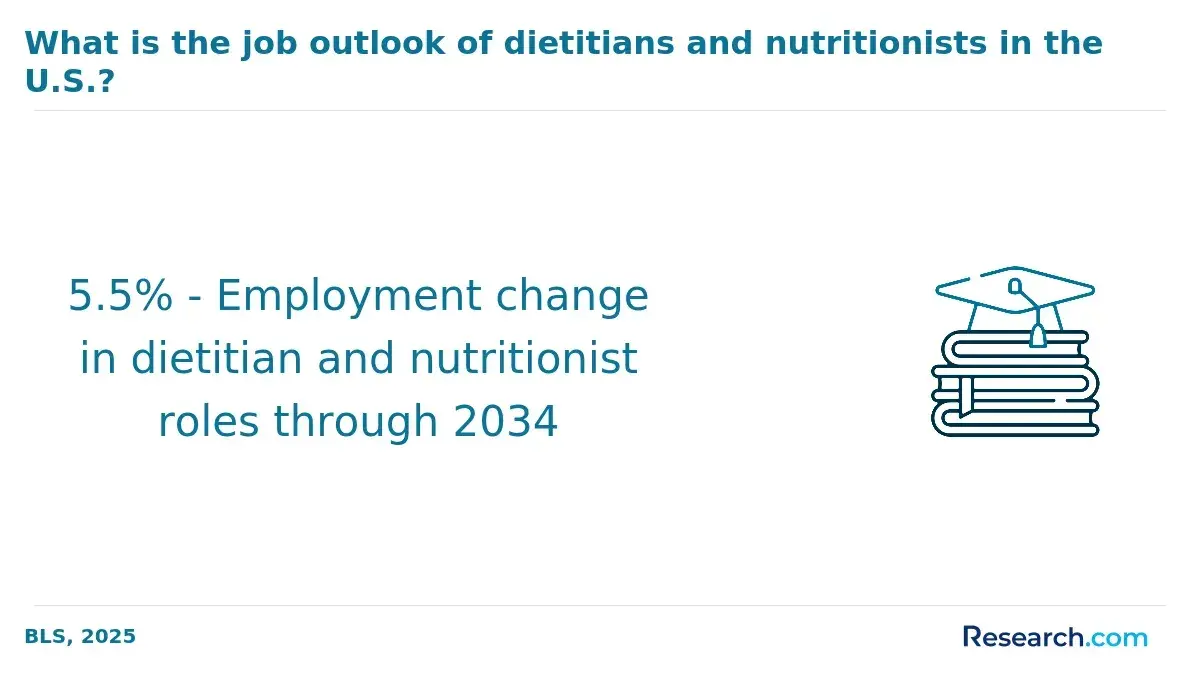
Completing an online nutrition degree can positively affect your salary, but outcomes depend on several factors. Strong industry demand drives median earnings for dietitians and nutritionists to around $73,850, with job growth near 11%. Higher credentials, such as a master's degree, may boost pay by up to 20%, with median salaries near $77,844 for graduates.
Employer acceptance of online degrees has improved, especially if the school is accredited and candidates have relevant work experience. Additionally, earning professional credentials like Registered Dietitian Nutritionist (RDN) status significantly enhances earning potential compared to non-credentialed peers.
Balancing full-time work while pursuing an online nutrition degree often supports career advancement. Employers tend to value students who manage both work and study, recognizing their dedication and organizational skills. This can translate into faster promotions, increased job security, and opportunities to apply new knowledge immediately.
However, salary increases vary by industry sector, geographic location, and employer policies. For instance, urban healthcare employers may offer higher wages and quicker advancement than smaller or rural organizations. Economic shifts and company restructuring also influence post-degree salaries, meaning financial gains are not guaranteed for every graduate.
What Should Full-Time Workers Look for When Choosing an Online Nutrition Program?
Choosing the right online nutrition program is critical for full-time workers, as the program's design can greatly influence their ability to juggle work, studies, and personal life. A flexible and well-structured program often makes the difference between manageable progress and overwhelming challenges.
Consider these essential factors when evaluating your options:
- Flexible Course Scheduling: Programs offering asynchronous or self-paced formats allow working adults to complete coursework around their job and family duties. This flexibility helps maintain consistent progress without sacrificing professional responsibilities.
- Accreditation and Credential Pathways: Selecting ACEND-accredited programs is vital for those pursuing Registered Dietitian credentials or certifications, ensuring the education meets professional standards and is widely accepted by employers and licensing bodies.
- Integrated Supervised Practice: Programs combining coursework with supervised practice simplify licensure requirements and reduce the need to find separate internships, a major advantage for busy professionals balancing multiple commitments.
- Career-Relevant Curriculum: Applied projects and customizable assignments allow students to gain skills directly applicable to their current jobs, enhancing both learning outcomes and career development.
- Support Services for Online Learners: Access to academic advising, technical help, and online peer networks tailored for nontraditional students supports ongoing engagement and success.
What Graduates Say About Completing an Online Nutrition Degree While Working Full-Time
- Robert: "Balancing a full-time job with my online nutrition degree was challenging but incredibly rewarding. The flexible pace allowed me to learn on my terms without sacrificing work commitments, and the affordable tuition made it a smart investment in my future health career. I feel more confident and equipped to make a real difference now. "
- Case: "Pursuing my online nutrition degree while working full-time gave me a unique opportunity to immediately apply what I learned at work and in daily life. Reflecting on the journey, I appreciate how the program's structure respected my busy schedule and how the cost was surprisingly manageable compared to traditional degrees. This experience has truly transformed my perspective on wellness. "
- Sebastian: "As a full-time professional, I valued the streamlined, efficient delivery of the online nutrition degree program, which fit well into my demanding schedule. The financial commitment was reasonable, especially given the career advancement it enabled, enhancing my expertise and opening new doors in my field. This degree was an essential step forward for me. "
Other Things You Should Know About Nutrition Degrees
Balancing full-time work with an online nutrition degree in 2027 can present challenges such as limited study time and increased stress. However, many programs offer flexible scheduling and resources to help students manage their workload and maintain a high quality of learning.
Completing an online nutrition degree while working full-time requires effective time management. Create a consistent schedule, prioritize tasks, and set realistic goals. Use digital tools for organization, and communicate clearly with employers and educators to set expectations. Flexibility and focus are key to balancing work with academic commitments in 2027.
Many online nutrition degree programs offer comprehensive academic support services including tutoring, advising, and technical assistance accessible outside typical business hours. These resources are designed to help working students stay on track despite their busy schedules. Accessing these services proactively can improve learning outcomes and reduce stress.
In 2027, many online nutrition programs provide flexible clinical practicums that accommodate full-time work schedules. Students often coordinate with nearby facilities or utilize virtual simulations to meet experiential learning requirements, ensuring they gain essential, hands-on experience without compromising their job responsibilities.
References
- How to Balance Earning a Nutrition MS | University of Bridgeport https://www.bridgeport.edu/news/balancing-nutrition-ms-degree/
- Workplace health – opportunities for nutrition professionals https://mynutriweb.com/workplace-health/
- Time Management Hacks for Working Full Time and Going to School https://www.umassglobal.edu/blog-news/working-full-time-and-going-to-school
- Best Online Nutrition Degree ACEND | All 14 Programs https://www.nutritioned.org/best-online-nutrition-degree-acend
- Dietetic Internship https://www.nutraco.com/dietetic-internship/
- Nutritional Sciences Master's Degree Online - Penn State World Campus https://www.worldcampus.psu.edu/degrees-and-certificates/penn-state-online-nutritional-sciences-masters-degree
- KADDI - Keith & Associates Distance Dietetic Internship | acend accredited programs | 115 West 3rd Street, Tulsa, OK, USA https://www.kaddi-internship.com/
- Home https://www.husson.edu/online/blog/2024/05/time-management-tips-for-college-students
- Scholarships https://www.eatrightfoundation.org/foundation/apply-for-funding/scholarships
- Dietitians' experiences of nutrition assessment via TeleNutrition: “Video-calls are better than phone-calls, but it's probably difficult for patients to show their ankles on the screen” - Clinical Nutrition Open Science https://www.clinicalnutritionopenscience.com/article/S2667-2685(24)00045-7/fulltext