
2027 Questions to Ask About Online History Degree Programs Before You Enroll

Co-Founder and Chief Data Scientist
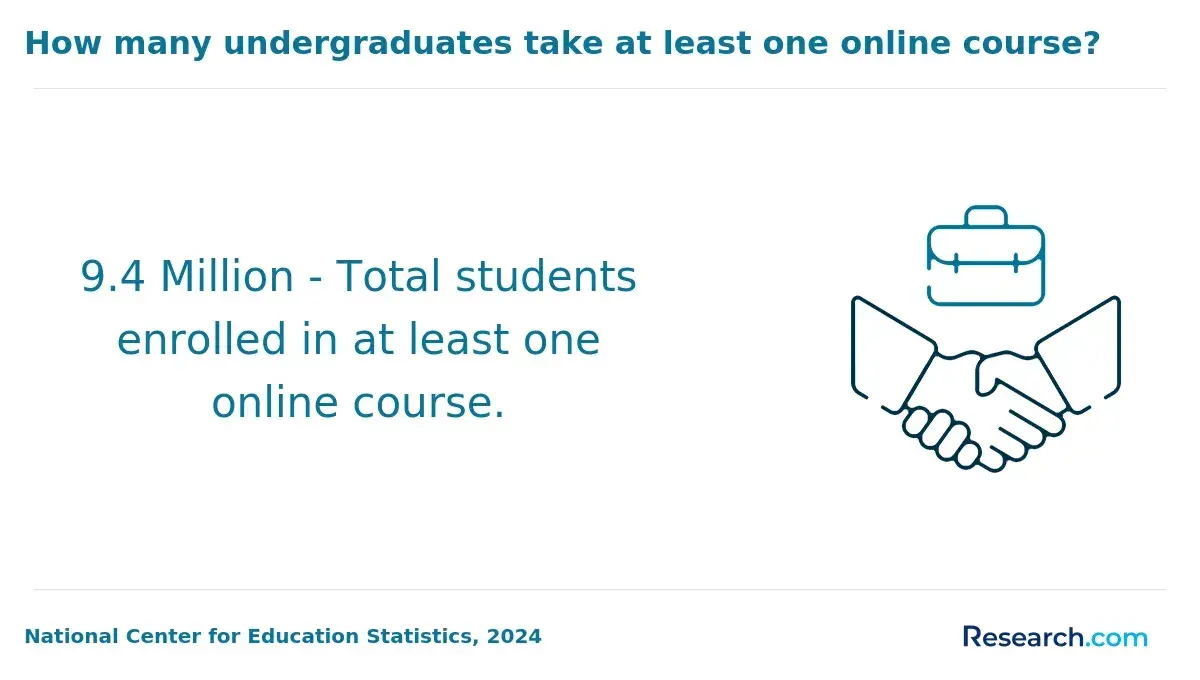
Many prospective students struggle to choose the right online history degree program amid dozens of options. According to the National Center for Education Statistics, enrollment in online history courses has increased by over 25% in the last five years, reflecting growing interest. However, not all programs offer equal value in terms of faculty expertise, accreditation, or career support. Without clear guidance, students risk wasting time and resources on poorly structured degrees with limited job prospects.
This article outlines key questions about career outcomes, program quality, licensure readiness, and costs, helping students make informed decisions before enrolling.
Key Benefits of Enrolling in Online History Degree Programs
- Online history degree programs offer significant flexibility, allowing students to access coursework anytime, which can increase graduation rates by accommodating varied schedules.
- Lower tuition and no commuting costs make online history degrees more affordable, with some students saving up to 40% compared to traditional programs.
- Balancing work, family, and study is easier online, helping nearly 60% of students maintain employment while completing their history degree.
Is the Online History Degree Program Accredited?
Accreditation plays a vital role in an online history degree program because it determines the recognition and credibility of your diploma. An accredited online history degree helps ensure your education meets established standards, which can influence employer acceptance, eligibility for graduate programs, and qualification for licensure.
For instance, around 85% of students in online programs choose accredited institutions to guarantee their credentials hold professional value. Although no accrediting agency focuses solely on history programs, regional accreditors like the Middle States Commission on Higher Education and the Higher Learning Commission validate the overall quality of institutions offering these degrees.
Accreditation status also affects career outcomes since many advanced opportunities require a degree from an accredited program.
To assess if a program is properly accredited, prospective students should verify the institution through the U.S. Department of Education's official databases and ensure the accreditor is a recognized authority. Checking alignment with intended career or further education requirements is also crucial. Because accreditation directly impacts degree value, prioritizing it before enrollment is essential.
Those interested in related fields may explore options among online MSW programs as well, where similar accreditation considerations apply. Overall, accredited online history degrees provide a foundation for respected credentials, smoother licensure processes, and better job prospects.
What Are the Admission Requirements for Online History Programs?
Admission requirements play a crucial role in helping applicants determine eligibility and prepare adequately for academic challenges. Prospective students reviewing online history degree admission criteria benefit from knowing these prerequisites to choose programs that align with their qualifications and career goals.
Key admission requirements for enrolling in online history programs typically include the following:
- High school diploma or equivalent: This foundational credential confirms the applicant has completed secondary education, which is essential for succeeding in college-level coursework.
- Official transcripts: Schools require these to evaluate past academic performance and confirm eligibility for program entry, ensuring students meet minimum standards.
- Standardized test scores (optional in some programs): While many programs waive SAT or ACT requirements, some still request scores to better assess the applicant's academic readiness.
- Personal statement or essay: This component allows applicants to articulate their passion for history and explain their motivation for pursuing the degree, providing admissions committees insight into their commitment.
- Letters of recommendation: These offer an external perspective on the applicant's skills and potential, typically from educators or employers familiar with their capabilities.
Meeting these requirements helps ensure that students are prepared for the rigors of online history study and can thrive in their programs. For those comparing diverse degree options, understanding requirements for enrolling in online history programs aids in making informed decisions.
Students interested in related fields might also explore affordable choices for a business degree online.
What Classes Do You Take in an Online History Program?
Choosing the right online history program involves carefully reviewing the curriculum to ensure it matches your career ambitions and learning preferences. Recent trends show a surge in popularity for these degrees, with enrollment increasing by over 15% in the last few years, underscoring the importance of informed program selection.
Here's a breakdown of the common class types you'll encounter:
- Core courses: These classes cover essential topics like American history, global history, historiography, and research methodologies. They strengthen critical thinking and analytical skills crucial for evaluating historical narratives and supporting arguments.
- Electives: Students can pick from a variety of specialized subjects such as political history, social history, economic trends, and cultural movements. These allow you to focus on areas that align closely with your interests or intended career path.
- Practical components: Coursework often includes projects designed to enhance your ability to analyze primary sources and engage with digital archives, preparing you for roles in education, museums, or public history sectors.
When I spoke with a student currently enrolled in an online history degree program, he shared how navigating the course selection was initially overwhelming due to the wide range of options available. He explained, "It took some time to figure out which electives would best fit my long-term goals, but once I targeted them, the learning felt much more relevant and motivating."
He also mentioned that managing tight deadlines for research assignments was challenging but ultimately helped develop strong time-management skills. His experience highlights how the variety and structure of classes can significantly shape both the academic and professional journey.
How Long Does It Take to Complete an Online History Degree?
Knowing how long an online history degree takes helps students effectively plan their academic and career paths. It also assists in balancing education with work or personal life commitments.
Below are common timelines for completing an online history degree, highlighting different study options and their impact.
- Full-time: Typically completed in about four years, this schedule aligns with standard on-campus timelines and suits students able to dedicate their full attention to coursework.
- Part-time: Often extending to six years or more, this path fits students balancing jobs or family responsibilities, allowing for a lighter course load each term and more flexible pacing.
- Accelerated: Designed to compress degree requirements into two to three years, accelerated programs demand a heavier course load or year-round study, ideal for motivated students aiming to enter the workforce sooner.
- Programs with practical components: Degrees incorporating internships or research projects may lengthen completion time, offering practical experience that enhances skills but requires additional time beyond standard classes.
Factors such as credit transfer policies, course schedules, and individual study habits also influence the total time needed to graduate. Careful evaluation of these elements helps students select programs best suited to their unique situations.
Does an Online History Program Require Internships or Practicums?
Online history programs generally do not mandate internships or practicums, but many offer these opportunities as optional or recommended experiences to supplement academic learning. When available, these hands-on components are often designed to be flexible, including virtual placements or local projects aligned with students' schedules and locations.
Participating in practical experiences supports the development of skills like critical thinking, historical analysis, and professional communication, which are valuable for careers in education, archives, or public history. Nearly 40% of history undergraduates engage in some form of internship or practicum before graduating, reflecting the increasing value of experiential learning in this field.
Prospective students should carefully assess how such requirements or opportunities fit into their personal circumstances and career goals to choose a program that aligns with their needs.
When I spoke with a graduate of an online history degree program about her experience, she shared that although her program didn't require an internship, she pursued a virtual project with a local museum to gain practical exposure. She recalled the initial difficulty of balancing work, coursework, and remote collaboration but found the process rewarding as it deepened her understanding beyond textbooks.
"It was challenging to coordinate meetings across different time zones and learn new archival software independently," she noted, but said the hands-on work gave her confidence for future job interviews and helped her build a network within the field. Reflecting on the experience, she emphasized how seeking out practical opportunities-even when not mandatory-turned out to be a crucial step in transitioning from student to professional.
Can You Get Licensed with an Online History Degree?
Graduates of online history degree programs generally do not receive professional licensure because the field of history itself rarely requires a formal license to practice. Unlike careers in law, teaching, or healthcare, a history degree primarily prepares students for roles in research, education, archival work, or public history, many of which may require certification rather than licensure.
For example, becoming a licensed teacher typically demands completion of a state-approved teacher preparation program and passing certification exams, which some online history programs may include or support through partnerships with accredited institutions.
Students researching online history degree licensure requirements should look for programs that align their coursework and practical experiences with these state standards to ensure eligibility for certification.
Licensure or certification readiness is a key consideration for prospective students evaluating online history programs because it directly impacts employability and career advancement, especially in education or archival management fields. Accreditation and recognition by relevant licensing bodies ensure that graduates meet professional standards.
Employment for historians is projected to grow 2% until 2034 according to the U.S. Bureau of Labor Statistics, a pace considered average, with many roles requiring advanced degrees and sometimes specialized credentials. Those interested in advanced study might explore options such as an MLIS to complement their history degree and qualifications.
How Much Do Online History Programs Cost?
Knowing the cost of online history degree programs is essential for students planning their education investment and comparing options effectively. On average, tuition fees for online history degrees can vary widely, impacting the overall affordability of these programs.
Recent data shows that online program fees have increased by about 3% each year over the past five years, reflecting ongoing changes in the education market.
Below are typical costs associated with online history programs to help prospective students understand key expenses:
- Tuition per credit: Tuition for online history courses typically ranges from $300 to $700 per credit hour depending on the institution and program type. This range results in total tuition costs often spanning from approximately $15,000 to over $40,000 for a full bachelor's degree.
- Additional fees: Many programs include extra charges such as technology fees, application fees, and graduation fees. These supplementary costs can amount to several hundred to more than a thousand dollars annually and cover platform access and administrative expenses.
- Materials and resources: Students may need to budget for textbooks, digital subscriptions, or other learning materials. These expenses vary by program and can affect the total price along with tuition and fees.
- Cost comparison: While some online history programs are more affordable than traditional on-campus options due to lower campus fees, costs vary significantly. Reviewing all expenses, including tuition fees for online history degrees and related costs, helps students make informed decisions.
For those seeking affordable options, it can be helpful to explore resources such as the cheapest online bachelor's degree rankings to identify budget-friendly programs that meet academic needs.
What Financial Aid Is Available for Online History Students?
Understanding financial aid options is essential for prospective students considering online history degrees because it can greatly influence the affordability of their education. Nearly 85% of undergraduate humanities students, including those studying history, use financial aid to help manage the costs of their programs.
Exploring available funding sources can make a significant difference in reducing the financial burden, especially for those seeking scholarships and grants for history students online.
Below are key types of financial aid commonly accessible to online history students:
- Federal grants: These need-based awards, such as the Pell Grant, do not require repayment and are awarded to students who demonstrate financial need through the FAFSA process. Grants can cover a substantial portion of tuition and fees for eligible students.
- Scholarships: Offered by universities, nonprofit organizations, and private donors, scholarships may be merit-based or need-based, often focusing on history or related fields. Applying for multiple scholarships can significantly lower overall education expenses.
- Federal student loans: Available to eligible students with relatively low interest rates and flexible repayment plans, these loans must be repaid but can ease immediate financial pressure during enrollment and completion of studies.
- State aid programs: Many states offer grants or scholarships specifically for residents enrolled in approved online degree programs. These programs often have eligibility requirements related to residency and enrollment status.
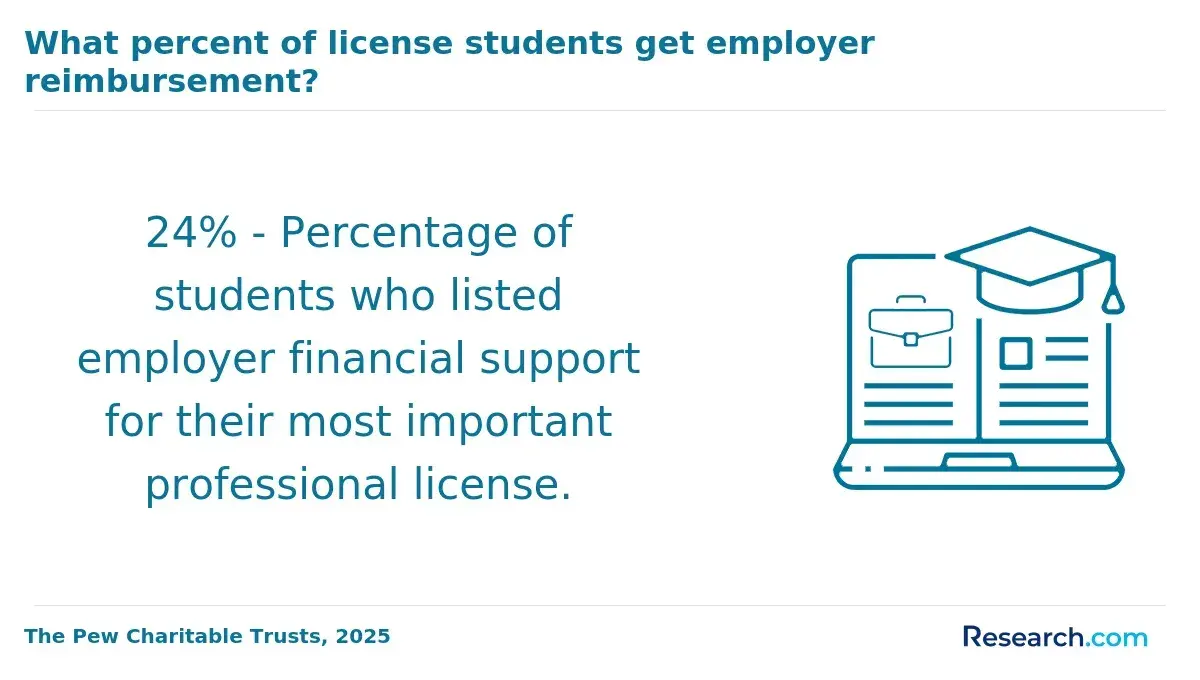
- Employer tuition assistance: Employed students may receive financial support from their employers for continuing education. This benefit can help offset tuition costs if the degree aligns with career advancement goals.
Careful research and timely applications for multiple types of aid are crucial to optimizing financial support. Additionally, students may benefit from exploring online college courses designed to fit their schedules and maximize cost-effectiveness, such as those listed on online college courses.
What Jobs Can You Get With an Online History Degree?
Knowing the career possibilities helps prospective students gauge the value of an online history degree for their future. The U.S. Bureau of Labor Statistics projects a 5% growth for historians and related roles over the next decade, indicating steady demand.
Below are common jobs accessible to graduates of online history programs.
- Historian: Historians research, analyze, and interpret past events using primary sources and archival materials. This role often involves publishing findings or advising organizations, with opportunities to advance into senior research or academic positions.
- Museum Curator: Curators manage collections, plan exhibits, and coordinate educational programs. A history degree provides critical skills in artifact preservation and storytelling, essential for engaging public audiences and career growth.
- Archivist: Archivists organize and maintain important documents and records for institutions. Graduates use their knowledge to ensure historical materials are preserved and accessible, often progressing to lead archival departments.
- Education Coordinator: This role involves developing history-related educational content and programs for schools, museums, or nonprofits. A strong foundation in history helps tailor materials to diverse audiences and advance into administrative positions.
- Research Analyst: Research analysts apply historical methods to collect and assess data for policy, cultural organizations, or business insights. Analytical skills from history studies support career advancement in various sectors requiring strong critical thinking.
What Is the Average Salary for Online History Graduates?
Knowing the potential salary for online history graduates is vital for making informed decisions about which programs to pursue. Salary projections help gauge the financial value of a degree and plan for future career growth.
Recent data shows that historians in the U.S. earn a median annual wage of around $74,050, with employment expected to grow by 6% over the next ten years.
The following factors play a significant role in shaping the earnings of online history graduates:
- Level of education: Higher academic qualifications like master's degrees or doctorates usually lead to better-paying roles, especially within research, teaching, or consultancy. Advanced degrees enhance expertise and open doors to leadership positions.
- Specialization: Areas of focus such as archival science, public history, or cultural resource management can impact salary levels since different sectors value skills uniquely. Choosing a high-demand specialty often results in improved compensation.
- Experience: Entry-level roles typically offer lower pay, but accumulating years of professional practice improves prospects for salary increases and promotions. Experience also correlates with the ability to handle complex responsibilities.
- Geographic location: Pay scales differ widely across regions, with urban centers or states with higher living costs generally providing higher salaries. Location affects both job availability and wage standards.
- Work setting: Employment sectors such as government agencies, educational institutions, nonprofits, or private companies have varying salary frameworks and benefits. The nature of the organization influences total compensation and career advancement opportunities.
What Graduates Say About Enrolling in an Online History Degree
- Jon: "Choosing the online history degree program was a game changer for me, especially considering its reasonable cost compared to traditional schooling. The flexibility allowed me to balance work and study seamlessly, and the comprehensive curriculum truly enriched my understanding of historical contexts. Since graduating, I've seen a significant boost in my career opportunities, all thanks to the practical knowledge I gained. "
- Aisha: "I decided to enroll in the online history degree program after careful consideration of both the price and the program's reputation. The experience was intellectually rewarding but also challenging, pushing me to develop critical thinking skills that have been invaluable in my current role as a researcher. Reflecting on the investment, the cost was well worth the professional growth it fostered. "
- Xavier: "What attracted me to the online history degree was the affordability, which fit perfectly with my budget as a working professional. The course structure was engaging and well-organized, making it easier to absorb complex historical theories and events remotely. Since completing the degree, my credentials have opened doors to new career paths in education and consulting."
Other Things You Should Know About History Degrees
In 2027, employers recognize online history degree programs if they are accredited by reputable organizations. Accreditation ensures that the program meets established academic standards, which can impact your employability and further educational pursuits.
Yes, most online history programs include opportunities for interaction through discussion boards, live video sessions, and group projects. These interactions allow students to engage with faculty and classmates, enriching the learning experience and fostering collaboration. The level of interaction varies by program, so checking specific engagement options is advisable.
Students need reliable internet access and a computer capable of running essential software like word processors and web browsers. Some programs may require additional tools such as video conferencing platforms or access to digital archives and databases. Basic technical proficiency in navigating online learning environments is also important for success.
References
- Online History Degree | Bachelor's BS BA in History | EOU Online https://online.eou.edu/programs/bachelors-history/
- How Online College Degree Programs Can Transform Your Life https://www.tuw.edu/school-news/online-degree-programs-transform-your-life/
- Bachelor of Science in History | Online Degree | King University https://online.king.edu/online-degree-programs/bachelor-of-science-in-history/
- History Degree Programs https://www.academicinfo.net/hist.html
- History Bachelor's Degree Online - Penn State World Campus https://www.worldcampus.psu.edu/degrees-and-certificates/penn-state-online-history-bachelor-of-arts-degree
- Online Programs https://www.una.edu/history/online-programs.html
- History Degree Jobs: A Career Guide for History Majors https://www.coursera.org/articles/history-degree-jobs
- Internships https://www.queensu.ca/history/undergraduate/experiential-learning


