
2027 Online vs On-Campus Cybercrime Degree Programs: Pros & Cons

Co-Founder and Chief Data Scientist
Online cybercrime degree programs have surged in popularity, with recent data showing a 21% increase in online higher education enrollment nationwide. As more students consider this flexible alternative, understanding how online and on-campus formats differ is crucial.
This article examines the key advantages and drawbacks of each option, focusing on flexibility, cost, learning experience, and career outcomes. By providing an expert analysis grounded in current trends and educational research, readers gain a clear perspective to make informed decisions about their cybercrime education path and future professional success.
Key Benefits of Online vs On-Campus Cybercrime Degrees
- Online cybercrime degree programs offer flexible scheduling, allowing students to balance work and study, which is crucial as 63% of online learners in the US are working adults.
- Students enrolled in online cybercrime programs often save on average 40% in costs related to commuting, housing, and campus fees compared to on-campus students.
- On-campus cybercrime degrees provide direct access to campus resources such as labs and face-to-face networking opportunities, which 78% of employers value when hiring graduates.
Are Online vs. On-Campus Cybercrime Programs Structured the Same Way?
Online and on-campus Cybercrime degree programs share core academic content but differ notably in how coursework is delivered and how students engage with the material and each other. These structural differences shape the student experience and can influence the suitability of each format depending on personal circumstances.
The following points compare the main structural elements of online and on-campus Cybercrime programs.
- Course Delivery: Online programs use digital platforms featuring recorded lectures, virtual labs, and discussion forums that students can access anytime and anywhere. On-campus programs require physical attendance, offering face-to-face interaction and access to specialized campus resources like cybersecurity labs.
- Class Schedules: Online degrees typically offer asynchronous learning, allowing students to complete work on a flexible schedule ideal for those balancing jobs or family. On-campus programs have fixed class times, providing routine but less flexibility, which may challenge students with outside commitments.
- Interaction and Collaboration: On-campus students benefit from real-time discussions, group projects, and spontaneous feedback, fostering deeper engagement and networking opportunities. Online learners interact through forums, chats, and video calls, which can reduce immediacy but increase accessibility for remote students.
- Hands-On Learning: Both formats include practical labs and projects; however, on-campus students often have more frequent access to advanced equipment and in-person mentorship. Online programs rely on virtual labs and simulations that offer flexibility but may not fully replicate the immersive experience of physical lab environments.
Are Admission Requirements the Same for Online vs On-Campus Cybercrime Degree Programs?
Colleges and universities maintain consistent academic standards for both online and on-campus cybercrime degree programs to ensure curriculum quality and degree outcomes remain equivalent across formats. However, institutions may differ in how they assess applicants' readiness for the unique demands of online learning, such as self-motivation and time management.
Below is a comparison of key similarities and differences in admission requirements for online versus on-campus cybercrime programs, highlighting common criteria and where they may diverge.
- Academic Qualifications: Both online and on-campus programs typically require a high school diploma or equivalent for undergraduate admissions and a bachelor's degree for graduate study. There is generally no distinction in minimum GPA or prerequisite coursework since schools apply unified standards to maintain the integrity of their programs, reflecting standard on-campus vs online cybercrime program prerequisites.
- Transcripts: Official transcripts from previous institutions are required regardless of delivery mode to verify academic history thoroughly and support consistent admissions evaluation.
- Standardized Test Scores: Many undergraduate programs have moved away from requiring SAT or ACT scores for both formats, though these may still be optional or required in some cases. At the graduate level, GRE or GMAT tests are often waived for online applicants to promote flexible access, while some on-campus programs may retain these testing requirements.
- Work Experience: Typically not required for entry-level undergraduate cybercrime programs, but relevant professional or technical experience may be preferred or required for some online graduate certificates or master's programs, reflecting the career-focused nature of many online offerings.
- Application Materials: Both formats usually request a resume, personal statement, and sometimes letters of recommendation. Online applications often emphasize highlighting self-directed learning skills and digital tool familiarity to demonstrate readiness for remote studies.
- Technical Readiness: Online applicants may need to prove access to reliable technology and internet, an expectation specific to virtual learning environments that is not always explicitly stated for on-campus students.
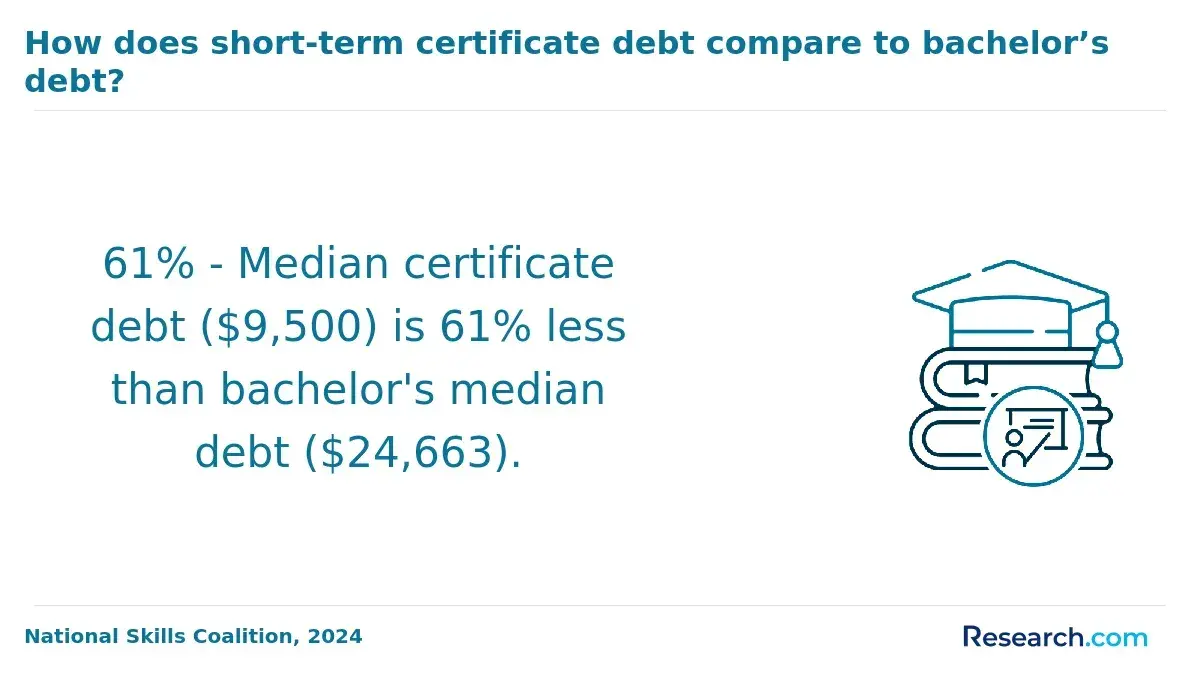
While admission requirements for online cybercrime degree programs closely mirror those of on-campus formats, online programs often provide greater flexibility in scheduling and may offer accelerated terms or rolling admissions. Prospective students interested in exploring short-term pathways might also consider 6 month certifications that pay well, which can complement or supplement formal degree studies.
Do Online Cybercrime Students Receive the Same Academic Support as On-Campus Students?
Universities have significantly expanded their academic support systems to ensure that online cybercrime students receive comparable resources and assistance as their on-campus peers. This investment in virtual platforms and faculty training helps provide equitable access to guidance and skill development regardless of location.
Below is a comparison of the main academic support services available to both online and on-campus cybercrime students.
- Tutoring Services: Both online and on-campus students have access to tutoring, with on-campus learners often benefiting from face-to-face sessions. Online students use virtual platforms for real-time or asynchronous help, sometimes with 24/7 access, allowing flexibility for those with varying schedules.
- Career Counseling: Career guidance, resume workshops, and job placement support are provided to all students. Online learners typically engage via video calls and webinars, while on-campus students attend career fairs and in-person events. Many schools offer virtual networking and dedicated career portals for online students.
- Library Access: Extensive digital resources such as e-books, academic journals, and research databases are available to both groups. On-campus students may also utilize physical libraries and in-person help, whereas online students often access virtual librarian consultations to meet their research needs.
- Faculty Interaction: On-campus students interact with faculty during office hours and lectures, while online students connect through video conferences, discussion boards, and messaging. Universities train online faculty in digital pedagogy to ensure prompt feedback and active mentorship at a distance.
How Long Does It Take to Complete an Online vs an On-Campus Cybercrime Degree?
The time required to complete a cybercrime degree varies notably depending on whether you enroll in an online or on-campus program. Factors such as course delivery format, individual pacing, and scheduling flexibility play crucial roles in determining how long it takes to graduate. Below is a comparison that highlights the typical average completion time for online versus on-campus cybercrime degree programs:
- Online cybercrime degree: These programs usually offer considerable scheduling flexibility, allowing students to progress at their preferred pace. A standard bachelor's degree online often requires about 120 credits and can be completed in as little as 2.5 years through accelerated or competency-based study options, especially for motivated students or those with transferable credits. Part-time study options are common, giving learners the chance to balance education with work or family commitments, though this may extend completion time.
- On-campus cybercrime degree: Traditional on-campus degrees follow a structured academic calendar with fixed semesters and less opportunity to accelerate coursework. A full-time on-campus bachelor's degree typically takes around four years to complete, covering 120 to 126 credits. Part-time study is usually possible but tends to prolong the time needed to graduate. While campus programs provide more direct access to faculty and resources, students generally adhere to the institution's set pace.
- Accelerated and hybrid options: Some universities offer hybrid or fully online accelerated programs where students can earn a bachelor's degree in approximately 2.5 years or a master's degree in around 12 to 18 months. These programs often rely on heavier course loads or mastery-based approaches, making them a good fit for working professionals seeking to advance their careers quickly.
To illustrate, a professional who completed an online cybercrime degree shared that he initially underestimated how much self-discipline and time management it would require. "Balancing work, family, and coursework was challenging, but the flexibility to study evenings and weekends made all the difference," he explained.
Although he began with a part-time pace, he gradually increased his course load when work commitments eased, enabling him to finish in just over three years. He noted, "The ability to progress faster when I was ready helped me stay motivated, unlike my friends on campus who had to follow fixed semesters." His experience highlights how online formats can accommodate personal circumstances without compromising academic goals, even if the timeline varies between students.
Are Online Cybercrime Programs Cheaper Than On-Campus Ones?
Tuition, fees, and additional expenses for online cybercrime programs generally differ from those of on-campus alternatives, often resulting in lower overall costs for online students. However, the exact savings depend on various factors including tuition policies and living expense reductions. This breakdown highlights key cost factors affecting a cost comparison online vs on-campus cybercrime degree programs.
- Tuition and Fees: Online cybercrime programs frequently offer lower tuition rates, with some universities charging a flat fee for all online students regardless of residency. While 74% of colleges maintain the same tuition for both formats, about 18% offer reduced rates exclusively for online learners, and online students often avoid campus-specific fees.
- Living Expenses: A major advantage of affordable online cybercrime degree programs is the significant savings on housing, meals, and commuting. Students studying online generally do not need to relocate or live on campus, markedly lowering total costs compared to traditional students.
- Technology Costs: Although online students must invest in reliable computers and internet access, these costs are typically modest. On-campus students usually require similar technology for coursework, so this factor rarely creates a substantial price gap.
- Financial Aid Availability: Both online and on-campus cybercrime programs provide access to federal aid, scholarships, and grants if accredited. Some institutions also offer specialized financial incentives and flexible payment plans to those enrolled in online degrees.
- Schedule Flexibility and Income Potential: Online programs allow students to maintain employment while studying, reducing income loss and easing financial strain. This capability to earn an income simultaneously adds to the affordability and appeal of online options.
For prospective students comparing cost and program flexibility, understanding these distinctions is essential. Those interested can also explore the easiest master degree to get as part of their broader educational planning.
What Are the Financial Aid Options for Online vs On-Campus Cybercrime Programs?
Both online and on-campus students pursuing cybercrime degrees in the U.S. may qualify for various financial aid options, but eligibility and accessibility often differ depending on program format and the institution's policies. Understanding these distinctions can help students maximize their financial assistance opportunities when choosing between online or traditional campus programs.
Below is an overview that outlines and compares the main financial aid options available for online versus on-campus cybercrime students, highlighting key differences in eligibility and access.
- Federal Financial Aid: Accredited institutions offering either online or on-campus cybercrime programs allow students to apply for federal aid such as Pell Grants, Direct Loans, and Work-Study. Online students must ensure their specific program qualifies and meet enrollment requirements, but typically, award amounts do not differ from those in campus programs.
- State Financial Aid: State grants and scholarships often require residency and may restrict eligibility to students attending schools physically located within the state. Some states extend aid to online learners enrolled in local public institutions, but others limit assistance to campus-based programs. Residency rules and tuition costs for out-of-state online students can vary widely.
- Scholarships and Grants: Both online and on-campus students can seek institutional, national, and private scholarships. Certain scholarships target online learners or specific demographics within cybercrime fields-such as the DoD Cyber Scholarship Program and the (ISC)2 Undergraduate Scholarship-with eligibility criteria generally consistent across formats. Access to scholarships and grants for on-campus cybercrime students remains robust, while online students increasingly benefit from such targeted awards.
- Employer Tuition Reimbursement: Many employers support tuition reimbursement for employees pursuing cybercrime degrees regardless of the format. Online programs often appeal more to working professionals due to their flexibility and asynchronous schedules, allowing easier work-study balance. Employer policies determine eligible schools and reimbursement limits, so verifying coverage for both online and campus programs is important.
- Private Student Loans: Private loans are available to both online and on-campus cybercrime students but depend on factors like accreditation and credit history. Accredited online programs typically meet lender standards, though students should carefully compare interest rates and terms, as cost structures for online tuition and fees can differ from on-campus programs.
Students should prioritize accredited programs to ensure eligibility for financial aid and better future career prospects. Many online cybercrime degrees offer competitive costs per credit compared to campus options, and with up to 134 dedicated online cybersecurity bachelor's programs available in 2025, there are ample choices. For insights into related career paths with competitive pay, exploring the most lucrative college majors can provide useful guidance.
Are Online Cybercrime Programs as Credible as On-Campus Ones?
Accreditation, faculty credentials, and curriculum rigor are essential factors establishing the credibility of both online and on-campus cybercrime programs. Accredited online degrees, such as those recognized by the National Security Agency's Center of Academic Excellence (CAE), adhere to curriculum standards that closely mirror their on-campus counterparts.
Faculty teaching online courses often possess qualifications comparable to those instructing on campus, ensuring consistent academic quality. Many institutions award the same diploma to online and traditional students without distinction, reinforcing equal value in the credential itself. Additionally, online programs frequently integrate industry certifications like the CISSP into their coursework and employ active professionals as instructors, bridging theory and practical application to maintain relevance.
Employer and industry perceptions are shifting, reducing the divide between online and on-campus cybercrime degrees. Current data from CSU Global and other surveys reveal employers prioritize institutional reputation and accreditation status over the mode of delivery. Graduates of accredited online programs report career and salary outcomes comparable to on-campus peers, especially when degrees are earned from well-established, regionally accredited institutions.
Advancements in virtual labs, simulations, and active partnerships with industry leaders enable online students to gain hands-on experience once confined to physical campuses. These innovations in virtual learning technology and expanding employer collaborations continue to enhance the credibility and acceptance of online cybercrime education as a respected pathway in the field.
Do Employers Prefer Online vs On-Campus Cybercrime Degrees?
Employer attitudes toward online versus on-campus Cybercrime degrees have evolved noticeably in recent years, reflecting broader shifts in education and workplace dynamics. Surveys indicate that a substantial majority of recruiters now view online degrees positively; for example, 76% of hiring managers reported that an online four-year degree improved their perception of candidates, while 92% expressed willingness to consider those applicants (ASU Online, 2023). This acceptance is particularly prominent in technology and cybersecurity fields, where demonstrable skills and certifications can outweigh the traditional emphasis on degree format.
Nonetheless, some employers-especially for senior or research-heavy positions-still show a preference for on-campus degrees, valuing the immersive academic environment and networking opportunities they provide. Despite this, growing acceptance of remote and hybrid work models has contributed to diminishing biases against online education, with 83% of executives familiar with online courses ranking those degrees as credible as their on-campus counterparts (Investopedia, cited in Maryville University, 2023).
When employers evaluate candidates with Cybercrime degrees, the reputation of the university, program accreditation, and the individual's proven skills frequently carry greater weight than whether the education was delivered online or face-to-face. Both modalities can lead to robust career prospects and competitive salaries, particularly when combined with industry certifications and practical experience.
The key for students is to select accredited programs from respected institutions that deliver rigorous curricula, regardless of delivery mode. As flexibility, self-motivation, and adaptability become valued traits in today's workforce, candidates from online programs may even have an advantage in demonstrating these qualities. This trend underscores how the evolving nature of work and education is reshaping employer expectations and leveling the playing field for online and on-campus graduates alike.
I recently spoke with a professional who completed her Cybercrime degree entirely online and shared insights on her job search experience. She noted that while some employers initially expressed curiosity about her degree format, her strong portfolio of hands-on projects and certifications quickly shifted their focus to her capabilities. "I found that my ability to manage time effectively and independently was actually an asset in interviews," she explained.
She also highlighted how the flexibility of online learning allowed her to gain real-world experience concurrently, which enhanced her employability. Overall, her journey reflects the growing recognition that success in Cybercrime careers depends more on skills and experience than on where or how a degree was earned.
Do Online vs On-Campus Cybercrime Program Graduates Earn the Same Salaries?
Salary comparisons between online and on-campus cybercrime graduates are increasingly shaped by factors like employer perception, location, and professional experience rather than the degree format alone. In today's workforce, the distinction between online and on-campus cybercrime degree salary comparison online vs on-campus has largely diminished as skills and credentials take precedence.
Here are the main factors influencing salary outcomes for graduates from both learning formats:
- Employer Perception and Accreditation: Most employers in the U.S. now view accredited online cybercrime degrees as equivalent to those earned on campus, especially from reputable institutions. This shift in employer perception of online cybercrime degrees has significantly reduced any salary gaps tied solely to how the degree was obtained.
- Geographic Location: Salary levels differ widely depending on the state or city where a graduate works. High-paying regions such as California and New York offer median wages for cybercrime roles that can surpass $150,000 annually, independent of whether the degree was earned online or in person.
- Cost and Flexibility of Study: Online programs often cost less due to savings on housing and commuting and provide flexible scheduling choices, allowing students to work while studying. These benefits improve overall return on investment but do not directly affect starting salaries after graduation. For students seeking affordable options, exploring the most affordable online universities that accept financial aid can be a strategic move.
- Professional Experience and Certifications: Certifications such as CEH, CISSP, and CompTIA Security+ heavily influence earning potential. Many online programs integrate certification preparation, giving graduates a competitive advantage. Employers prioritize these credentials alongside practical experience regardless of degree format.
- Academic Support and Networking: On-campus programs traditionally provide stronger face-to-face networking and mentoring, potentially leading to higher-paying positions through professional connections. However, online programs have expanded virtual internships and alumni networks, narrowing this gap.
How Do You Decide Whether an Online vs On-Campus Cybercrime Program Is Right for You?
Choosing between online and on-campus cybercrime programs depends greatly on your personal learning preferences, current lifestyle, and long-term professional goals. Both formats ultimately lead to the same degree, but they each offer distinct experiences and advantages. To help guide your decision, consider the following key factors that influence which format fits you best.
- Learning Style: If you benefit from direct interaction, immediate feedback, and structured classroom discussions, the on-campus format may suit you better. Conversely, online programs cater to independent learners who prefer self-paced lectures and digital communication, making them ideal for those comfortable managing their own study schedule.
- Flexibility Needs: Online cybercrime degree flexibility and cost make these programs appealing to students balancing work, family, or other responsibilities. Studying remotely allows you to fit coursework around your existing commitments, providing greater scheduling freedom than on-campus programs with fixed class times.
- Budget: Online degrees often reduce expenses such as commuting, housing, and campus fees, lowering the overall cost of the program. Although tuition rates vary, studying online typically offers economic advantages, with some affordable options highlighted among affordable online colleges for working adults.
- Networking Opportunities: One of the campus cybercrime program networking benefits is the ease of building professional relationships through face-to-face contact with peers and faculty. While online students can connect virtually, in-person networking often leads to more immediate and lasting career connections.
- Access to Campus Resources: On-campus students enjoy direct access to facilities like labs, career centers, and extracurricular activities, enhancing hands-on learning experiences. Online programs may offer virtual alternatives, but some resources and opportunities available on campus could be limited or simulated for remote learners.
Here's What Graduates of Online vs On-Campus Cybercrime Programs Have to Say About Their Degree
- Jasmine: "Completing my cybercrime degree online allowed me to balance my full-time job and family responsibilities seamlessly. The flexibility of the program meant I could study at my own pace without sacrificing quality education. This experience not only advanced my technical skills but also boosted my confidence to pursue a cybersecurity analyst role immediately after graduation. Online learning pushed me to develop strong self-discipline and time management that I still use professionally every day. The support from instructors and classmates, despite the virtual setting, made me feel truly connected."
- Marcus: "Attending my cybercrime degree on campus was transformative in ways I never anticipated. Being physically present fostered a vibrant community where I could engage directly with peers and professors, which enriched my understanding of complex cybersecurity topics. The hands-on labs and immediate feedback prepared me exceptionally well for the challenges I face as a network security engineer. Beyond the technical skills, the friendships and professional networks I built have been invaluable to my career development and personal growth. This immersive environment made all the difference."
- Aaliyah: "The hybrid format of my cybercrime degree struck the perfect balance between flexibility and face-to-face interaction. Being able to attend some classes in person gave me firsthand experience with cutting-edge cybersecurity tools, while the online components allowed me to continue working and gaining practical experience simultaneously. This dual exposure accelerated my readiness for roles in digital forensics, and the adaptability I developed has been crucial in navigating the fast-evolving cyber threat landscape. The combination of formats also enhanced my collaboration skills across diverse teams and technologies."
Other Things You Should Know About Online & On-Campus Cybercrime Degree Programs
On-campus programs typically offer better networking opportunities due to in-person interactions, events, and career fairs. Online programs, however, are improving with virtual networking platforms, forums, and webinars, but they might not yet match the immediacy and depth of face-to-face networking found on-campus.
In 2027, online cybercrime degree programs generally have lower tuition costs due to reduced overheads. Additionally, students save on commuting, housing, and campus fees. On-campus programs, while often providing more comprehensive resources and facilities, typically incur higher overall costs.
References
- Cyber Crime Investigation Jobs, Salary, and Career Outlook https://online.cj.msu.edu/ms-masters-cybercrime-digital-investigation/career-outlook
- Online Classes vs. On-Campus: Which Is Right for You? https://graduate.northeastern.edu/knowledge-hub/online-classes-vs-on-campus/
- Online vs. Offline Cybersecurity Course: Pros and Cons [2025] https://digitaldefynd.com/IQ/online-vs-offline-cybersecurity-course-pros-cons/
- Cybersecurity Bootcamps vs. University Degrees: Which Is Right for You? | Cyber Security District https://www.cybersecuritydistrict.com/cybersecurity-bootcamps-vs-university-degrees-which-is-right-for-you/
- Bachelor of Science inCybersecurity Online or On Campus https://www.albany.edu/cehc/programs/bs-cybersecurity
- Online vs. campus learning | Maryville Online https://online.maryville.edu/blog/earning-your-cyber-security-degree-online-vs-on-campus/
- How Long Does it Take to Earn a Cyber Security Degree Online? https://www.ecpi.edu/blog/how-long-does-it-take-to-earn-a-cyber-security-degree-online
- The Problem With Exclusively Online Degree Programs https://tcf.org/content/commentary/the-problem-with-exclusively-online-degree-programs/
- Cybercrime and Prevention (Online Advanced Certificate) https://www.iona.edu/academics/explore-majors-programs/cybercrime-and-prevention-advanced-certificate
- Cyber Security Salary (Senior, Mid & Entry-Level Pay 2025) https://www.cybersecurityeducation.org/degree/salary/


