2027 Animation Internship Requirements: Hours, Placements, and Supervision

Co-Founder and Chief Data Scientist
How many hours must students complete to fulfill animation internship requirements, and what processes determine their placement? These questions frequently arise among prospective and current students preparing for professional preparation in animation.
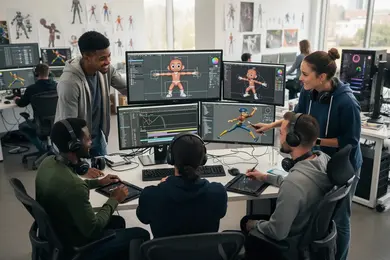
Industry data shows that nearly 65% of animation graduates pursue internships to increase employment prospects, underscoring the importance of understanding these commitments. Internships typically involve hands-on work in studios or production houses, guided by experienced supervisors who ensure skill development and project adherence.
This article explains typical required hours, placement procedures, and supervision standards in animation degree programs, helping students navigate these critical milestones effectively.
Key Things to Know About Animation Internship Requirements
- Required internship hours, often 120-240, must be balanced with academic schedules, influencing students' course loads and necessitating careful time management to meet graduation timelines.
- Placement opportunities depend on industry partnerships and site availability, with competitive processes that may limit student options to local or virtual studios.
- Supervision standards ensure mentorship by experienced professionals, with evaluations based on project quality and learning outcomes, directly impacting students' skill development and academic credit.
Do All Animation Degrees Require an Internship?
Internships are a common component of animation degree programs because they provide vital practical experience and networking opportunities that enhance academic study. For instance, about 70% of animation and digital arts undergraduate programs nationwide include internships or co-op experiences as a graduation requirement.
Several key factors influence whether internships are mandatory in these programs:
- Program Type: Bachelor's degrees like BFA and BS programs frequently require internships, reflecting their emphasis on professional readiness. In contrast, certificate and associate degree programs often treat internships as optional experiences rather than graduation prerequisites.
- Accreditation Requirements: Accredited programs usually need to demonstrate that students gain hands-on experience, often through internships, to meet industry standards set by organizations such as the National Association of Schools of Art and Design (NASAD).
- Specialization Focus: Tracks specializing in areas like 3D modeling or visual effects commonly emphasize internships more than those centered on theoretical or artistic studies, as practical commercial skills are crucial in these fields.
- Alternative Experiences: Some curricula substitute traditional internships with capstone projects, in-house studios, or collaborative assignments with industry partners. These alternatives provide valuable learning opportunities but might not carry the same level of professional immersion.
Prospective students researching animation internship completion requirements in the United States should carefully review specific program details. Exploring related fields, such as an AI online degree, can also offer insights into how experiential learning varies across disciplines.
What Requirements Must Be Met Before Starting a Animation Internship?
Academic programs establish prerequisites for animation internships to ensure students are prepared for professional environments and can contribute effectively. Approximately 85% of internships require candidates to have completed foundational coursework or maintain a certain GPA, highlighting the importance of academic readiness.
Several key eligibility criteria typically must be met before beginning an animation internship:
- Minimum GPA: Students often need to maintain a GPA between 2.5 and 3.0 on a 4.0 scale. This reflects consistent academic performance and confirms that the student is capable of handling internship responsibilities.
- Completed Coursework: Intern candidates usually must finish core classes focusing on animation principles, digital tools, and visual storytelling. This foundational knowledge helps students translate theory into practice during their internship.
- Application Approval: Internship applications commonly require faculty or program coordinator approval. This step verifies the candidate meets academic standards and shows they are ready for the internship experience.
- Portfolio Submission: Some programs ask for a portfolio showcasing relevant projects. This helps assess the student's skills and preparedness for real-world animation tasks.
- Background Checks: When internships involve sensitive settings or proprietary content, background screening may be mandatory to protect both the organization and the intern.
These requirements uphold high standards that benefit students by equipping them with the skills and approvals needed to succeed in competitive creative industries.
How Many Internship Hours Are Required for Animation Degrees?
Internship hours are a vital component of animation degree programs, designed to ensure students gain substantial real-world experience. Typically, these internships span between 120 and 240 hours, with one academic credit usually representing around 40 to 60 hours of practical work.
Several factors shape how many hours are mandated in each program:
- Credit Hour Conversion: Internship hours often align with academic credits, where one credit can equate to 40-60 hours of hands-on experience, influencing the total requirement based on credit load.
- Program Type: Bachelor's degrees generally demand more internship hours compared to certificate or associate programs, reflecting the depth and level of study involved.
- Accreditation Standards: Accredited programs may impose minimum hour requirements to satisfy educational quality criteria and prepare students for professional practice.
- Enrollment Status: Full-time students might concentrate their internship hours into a shorter timeframe with more weekly commitment, whereas part-time students tend to spread hours over a longer period.
A graduate reflecting on how many internship hours are required shared that fulfilling the 180-hour expectation was quite challenging while balancing coursework and personal commitments.
He recalled, "Logging all those hours felt overwhelming at times, especially coordinating schedules with my host company."
Despite the difficulty, he appreciated how the internship offered a firsthand look into studio workflows and industry demands, describing it as an invaluable experience that ultimately enhanced his skills and confidence entering the job market.
Where Do Animation Students Complete Internships?
Internship placement environments play a crucial role in shaping the hands-on experiences of animation students, influencing their career trajectories and skill development. Approximately 60% of animation internships take place within private sector companies, reflecting strong ties to commercial industries.
Exploring the diverse settings where internships commonly occur highlights the variety of opportunities students can pursue.
Below is a list of typical environments where animation students complete internships in the United States:
- Corporate Organizations: Media firms, gaming studios, and advertising agencies provide animation students with practical experience in digital design, visual storytelling, and content creation. These internships often involve participation in commercial campaigns, game production, or film projects.
- Government Agencies: Departments focused on education, public communication, or military training offer internships that emphasize instructional animation. Students develop content intended for wide audiences, supporting public information and training initiatives.
- Nonprofits: These organizations engage animation interns to create educational videos, advocacy materials, and social impact campaigns. Such placements allow students to use animation as a tool for community engagement and positive change.
- Research Institutions: Students assist with projects involving new animation technologies, scientific visualizations, and virtual reality experiences. This setting blends creativity with innovation, expanding technical expertise.
For students seeking typical animation internship placement opportunities near me, understanding these varied settings is essential. Those interested in complementary educational paths may also explore programs offering the cheapest online masters in mental health counseling, which can enhance interdisciplinary skills.
How Are Internship Placements Assigned in Animation Programs?
Internship placements in animation programs are strategically organized to connect students with relevant industry opportunities while supporting their professional growth.
Effective placement systems often rely on a combination of program resources and industry partnerships. A 2023 study found that 68% of animation students secure internships through coordinated institutional efforts rather than independent applications.
Here are common methods programs use to assign internships:
- Faculty-Guided Matching: Internship coordinators assess students' skills and career aims, then recommend placements that align with these factors, ensuring a tailored fit between student and employer.
- Student-Driven Applications: Some programs provide lists of approved internships allowing students to apply directly, giving them autonomy to pursue opportunities that interest them most.
- Centralized Placement Systems: A dedicated office manages all internship applications by collecting materials and distributing them to partner organizations, streamlining the process for both students and employers.
- Partnership-Based Assignments: Established relationships with animation studios and creative agencies facilitate placement offers reserved for the program's students, often with priority consideration.
A Animation degree student I spoke with described her experience as a mix of excitement and uncertainty. She shared that while her program's coordinator provided valuable guidance, she also had to actively research studios and prepare personalized applications.
"It wasn't always clear which internships matched my style, so I had to reach out myself too," she said. This blend of support and independence helped her develop confidence navigating the professional world, ultimately leading to an internship that felt like a natural step for her career path.
Are Virtual or Remote Internships Available?
Remote work has become a significant aspect of internship experiences, especially in creative fields such as animation. A 2023 survey by the National Association of Colleges and Employers found that nearly 60% of internships in creative industries now offer virtual or hybrid options.
This shift allows students to participate in valuable work experiences without being limited by location. Such trends highlight the evolving nature of internships and their increasing adaptability to student and employer needs.
Virtual and hybrid internships in animation programs offer flexibility by enabling students to complete hours either fully online or through a combination of remote and on-site work.
These internships rely on digital collaboration tools including video conferencing, cloud-based project management, and real-time animation software to ensure productive teamwork and effective supervision.
Remote internship opportunities broaden the pool of potential employers, allowing students to connect with studios and companies beyond their immediate geographic area. Nevertheless, the availability and structure of remote internships often depend on the specific policies of degree programs and their industry partners.
Are Part-Time Internships Allowed for Working Students?
Part-time internships are an important option for many students who juggle paid employment with their animation studies. According to the National Center for Education Statistics, nearly 70% of full-time undergraduates in the U.S. hold some form of employment, highlighting the need for flexible internship models.
The following points outline key aspects of part-time internships commonly available within animation programs:
- Scheduling Flexibility: Animation internships often allow required hours to be completed over extended periods instead of full-time blocks. This flexibility enables students to maintain jobs or other commitments while fulfilling internship criteria.
- Employer Accommodations: Participating employers typically offer adjusted start and end times or alternative location options. These accommodations support students balancing work and academic responsibilities effectively.
- Academic Workload Balance: Students must coordinate with academic advisors to ensure internship hours do not interfere with essential coursework. This collaboration helps maintain steady progress toward degree completion alongside gaining practical experience.
- Program Restrictions: Some animation programs impose minimum hour requirements or limit part-time participation depending on the placement type. It is important for students to verify these rules early to plan their schedules appropriately.
These adaptable structures demonstrate how animation education supports working students through flexible internship opportunities designed to fit varied schedules and commitments.
What Supervision Is Required During a Animation Internship?
Supervision is a vital component of animation internships, ensuring students receive both educational support and professional accountability.
Studies show that 70% of internships with formal mentorship programs lead to higher intern satisfaction and skill development. This supervision commonly involves multiple layers designed to enhance the learning experience.
Below are key supervision elements typically expected during animation internships in the United States:
- Faculty Oversight: Academic supervisors from the educational institution maintain regular communication with interns to monitor their progress. They help address learning challenges and ensure the internship aligns with academic goals, supporting compliance with animation internship supervision requirements in the United States.
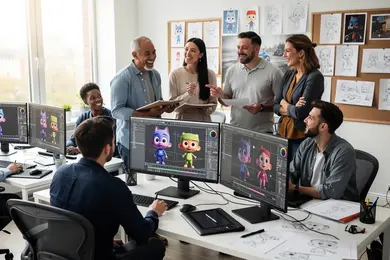
- Workplace Mentors: Interns are usually paired with experienced industry professionals who provide direct mentorship. These mentors offer technical guidance, review completed work, and share insights on industry standards, fulfilling expected mentor support during an animation internship.
- Progress Monitoring: Faculty and workplace mentors often collaborate to evaluate intern achievements through regular meetings and project reviews. This cooperative oversight helps confirm that goals are met and skill acquisition is on track.
- Performance Feedback: Timely and constructive feedback is essential in helping interns refine techniques and improve quality. Supervisors use consistent feedback loops to prepare interns for future professional roles.
Students interested in related fields can explore affordable options, including cybersecurity programs, which often have similar structured internship requirements.
How Are Animation Internships Evaluated?
Evaluating animation internships is essential to ensure students gain valuable skills and professional growth. Research shows that structured internship assessments increase job readiness confidence by 60%, highlighting the importance of thorough evaluation methods.
Below are common approaches used in methods to assess animation internship performance:
- Supervisor Reviews: Direct feedback from supervisors plays a crucial role in evaluating technical skills, creativity, punctuality, teamwork, and adaptability. These reviews offer practical insights into an intern's real-world performance during the internship.
- Reflective Assignments: Students often complete written reflections that critically analyze their experiences and challenges. These assignments help educators track personal and professional development beyond technical skills.
- Performance Benchmarks: Programs set clear benchmarks such as meeting project deadlines or demonstrating proficiency with specific software tools. Tracking these benchmarks ensures students meet industry and academic standards.
- Faculty Assessments: Instructors synthesize supervisor feedback and self-reflections to assign final grades or competency ratings. This comprehensive assessment validates the internship's contribution to the student's experiential learning.
- Learning Outcome Data: Research confirms that students with evaluated internships report higher confidence and skill mastery. Some programs integrate these insights when guiding students toward successful career paths, similar to those found in accelerated business programs focused on measurable outcomes.
What Challenges Do Animation Students Face During Internships?
Internships offer crucial hands-on experience in animation but often come with significant demands and pressures. Over 60% of animation interns report considerable stress related to workload and performance, highlighting common obstacles faced by animation students during internships.
The following challenges frequently arise during these valuable yet demanding placements:
- Time Management: Balancing academic requirements with internship hours proves difficult, requiring strong organization skills to meet both sets of obligations without burnout.
- Workplace Adaptation: Adjusting to the fast pace and collaborative nature of professional animation studios can be overwhelming, especially when students encounter unfamiliar software and team dynamics.
- Transportation and Finances: Internships may be unpaid or located far from campus, making travel arrangements and living costs a significant hurdle for many students.
- Professional Responsibilities: Meeting strict deadlines and accepting constructive criticism challenge interns to quickly develop necessary workplace competencies and resilience.
Successfully navigating these demands is essential for career progression, particularly for those interested in specialized technical roles or leadership positions.
For further insight into specialized programs that enhance skills such as research-driven animation technologies, exploring artificial intelligence degree programs can be beneficial.
What Graduates Say About Animation Internship Requirements
- Leila: "My internship experience was a game changer. I logged over 300 hours in a top-tier studio, which gave me real-world exposure that textbooks couldn't provide. Having a supervisor who guided every step made the learning curve much smoother and helped me build confidence to thrive in my professional career."
- Aaliyah: "Reflecting on my internship, I realize how crucial it was to be placed in varied departments within the animation pipeline. These varied placements deepened my understanding of the craft and workflow. The structured oversight ensured I was developing skills relevant to industry demands, which truly accelerated my career progression."
- Johannes: "Participating in a supervised internship program was a smart decision for me professionally. The hours required pushed me to maintain discipline and the focused mentorship elevated the quality of my work. Ultimately, the experience positioned me competitively in the job market and expanded my industry connections."
Other Things You Should Know About Animation Degrees
In 2027, animation interns are often expected to have proficiency in industry-standard software such as Adobe Creative Suite, Blender, or Maya. Strong understanding of animation principles, storyboarding skills, and the ability to work collaboratively within a team are also essential technical skills.
Yes, internships can involve work with indie developers, multimedia agencies, or educational institutions as long as the projects are directly related to animation production or software skills. Programs usually ensure that any non-traditional setting offers adequate learning opportunities and mentorship.
Interns are generally expected to have proficiency in core animation software such as Maya, Blender, or Adobe Creative Suite before starting. Basic knowledge of storyboarding, character rigging, or 3D modeling is often required depending on the focus of the internship. Programs emphasize applying and expanding these skills during the experience.
Timeliness, clear communication, and collaboration are key professional expectations. Interns must also adhere to confidentiality agreements regarding proprietary content. Demonstrating initiative and openness to feedback is critical for success and positive evaluations.
References
- 8 Steps To Finding An Animation Internship - Skwigly Animation Magazine https://www.skwigly.co.uk/8-steps-to-finding-an-animation-internship/
- Walt Disney Animation Studios - Internship Program https://disneyanimation.com/talent-development/internships/
- Fix animation internship (M/F/NB) | Fortiche Production https://forticheprod.com/job-offers/fix-animation-internship-m-f-nb/
- 15 Animation Internships for High School Students https://www.immerse.education/knowledge-base/15-animation-internships-for-high-school-students/
- A Guide to Internships for Animation in the UK https://studioliddell.com/news/guide-to-internships-for-animation-in-the-uk
- Everything You Need to Know About Animation Internships https://www.tun.com/jobs/animation-internships/
- Top 112 Work From Home Animation Internships https://internshala.com/internships/work-from-home-animation-internships/
- Searching for an Internship in the Animation Industry? Here’s How to Prepare - SCAD HoneyDripper https://scadhoneydripper.com/2023/04/searching-for-an-internship-in-the-animation-industry-heres-how-to-prepare
- Internships — Pixar Animation Studios https://www.pixar.com/internships