
2027 Animation Degree vs. Certificate: Which Should You Choose?

Co-Founder and Chief Data Scientist
Today's students and professionals face important decisions when choosing between earning a degree or a certificate in animation. Both paths can advance a career, yet they differ significantly in time commitment, cost, and depth of study. Degrees often provide a broad foundation, while certificates focus on specific skills. Understanding these differences is crucial for making an informed choice.
Animation degree programs typically span two to four years, offering comprehensive training and industry connections. In contrast, certificate programs may take months, emphasizing practical skills for quicker entry into the job market.
With the animation industry expected to grow 12% over the next decade, selecting the right educational path can impact one's career trajectory and lifestyle flexibility.
Key Points About Animation Degree vs. Certificate Programs
- Animation degrees typically provide comprehensive skill development and theory, enhancing long-term professional growth and offering higher average salaries, with graduates earning 15-25% more than certificate holders.
- Certificate programs focus on practical, specialized skills and shorter completion times, ideal for rapid entry into the workforce or skill enhancement without extensive academic commitment.
- Choosing between degree and certificate depends on career goals: degrees suit leadership or creative director roles, while certificates support technical proficiency in specific animation software or techniques.
What Are the Differences Between Animation Degree and Certificate Programs?
Both animation degrees and certificate programs offer pathways to rewarding careers, but they differ in several important aspects. Recognizing these differences enables students to select the educational choice that aligns best with their personal goals and time constraints.
Here are the main differences between animation degrees and certificate programs:
- Depth of Learning: Degree programs provide comprehensive training that covers broad artistic, technical, and theoretical foundations. Certificates focus on specific skills and software, making them ideal for learners seeking quick, targeted expertise.
- Time Commitment: Degrees typically require several years to complete, which suits students willing to invest in long-term education. Certificate courses usually have shorter durations and appeal to those needing faster entry into the field or skill upgrades.
- Career Advancement: Degrees often open doors to higher-level roles or leadership positions, as they emphasize critical thinking and well-rounded knowledge. Certificates help professionals enhance their portfolios and adapt to industry trends efficiently.
- Cost and Flexibility: Certificates are generally less expensive and may offer more flexible scheduling options, benefiting part-time students or working individuals. Degree programs can demand a larger financial and time investment but provide a more structured learning experience.
How Long Does It Take to Complete a Animation Degree vs. a Certificate Program?
Completion time is one of the most important factors for students deciding between an animation degree vs. certificate program. Understanding how long each path takes can help prospective students plan their education and career goals effectively.
Below is a comparison highlighting the key differences in duration and structure.
- Typical Duration: An animation degree program duration in the US generally requires two years for an associate degree and three to four years for a bachelor's degree, including broader curricula with general education and electives. Animation certificate program length is much shorter, usually six months to one year full-time.
- Flexibility: Both options offer pacing flexibility; students can study full-time or part-time. Part-time enrollment often doubles the timeline, but certificate programs tend to be more streamlined, allowing quicker completion even with part-time study compared to degrees.
- Factors Affecting Timeline: Program structure heavily influences duration. Certificates have focused curricula, while degrees require general education and electives. Prior experience or transfer credits may shorten either path's length.
For those prioritizing rapid entry into the animation field or wanting to build a portfolio quickly, certificate programs offer greater speed and flexibility.
Degree programs provide a deeper academic foundation and broader career opportunities. More details on accelerated options are available in this fast track programs resource.
Can You Complete a Animation Degree or Certificate Entirely Online?
The rapid growth of online education has expanded opportunities to pursue animation studies entirely through remote learning. Many respected U.S. institutions offer fully online bachelor's degrees in animation, covering areas like 2D and 3D animation, game design, and visual effects.
These online animation degree programs, available at schools such as the Academy of Art University and Rocky Mountain College of Art + Design, provide comprehensive coursework remotely.
Similarly, animation certificate courses online focus on targeted skills or software training and are widely accessible on platforms like Coursera and Animation Mentor. While most learning can be done online, some programs may include optional in-person workshops or network events.
When choosing between an online degree or certificate, consider factors such as hands-on training, internship availability, and any state licensure requirements.
Though virtual labs and remote access to industry tools strive to replicate real-world experience, some employers favor candidates with in-person project or internship backgrounds.
For those interested in highly competitive fields like feature animation or visual effects, robust portfolio support and industry mentor connections are essential.
For professionals focused on skill development, short-term online certificate courses are beneficial. Reviewing each program's format can help ensure it fits your career goals and learning preferences. To explore further options, consider visiting top programs for older adults online.
What Are the Admission Requirements for a Animation Degree vs. a Certificate Program?
Admission requirements are essential when deciding between an animation degree and a certificate program, as they influence eligibility, application effort, and the overall educational commitment.
Below is a side-by-side overview comparing what is typically needed to apply for each type of program to help you understand your options better.
Admission Requirements for Animation Degree Programs
- Educational Background: A high school diploma or GED is generally required, with some programs also admitting students who already have a college degree.
- Transcripts: Official transcripts from high school and/or colleges attended must be submitted to verify academic readiness.
- Portfolio: Most degree programs require a portfolio showcasing artwork or animation projects to evaluate both creative talent and technical skill.
- Recommendations: Letters of recommendation from art teachers, professors, or industry professionals are often requested to provide insight on the applicant's abilities and character.
- Admissions Essay: Many schools ask for a personal statement explaining the applicant's interest in animation, career goals, and reasons for selecting the program.
- Standardized Test Scores: Some institutions may require SAT or ACT scores, though this varies widely.
- Application Fee: Submission of an application fee is common, with waivers available at some schools.
Admission Requirements for Animation Certificate Programs
- Educational Background: Most certificate programs require only a high school diploma or GED and have more relaxed entry criteria.
- Open Admission: Many operate on an open admission basis, welcoming applicants with diverse experiences, including beginners.
- Application Form: Completion of an application form is usually necessary, and some programs may charge a modest fee, such as the $185 fee at Otis College of Art and Design.
- Portfolio (Optional): A portfolio may be requested but is less frequently required, especially for basic certificates.
- No Standardized Tests: SAT or ACT scores are typically not required.
- No Recommendations or Essays: Letters of recommendation and admissions essays are rarely part of the process.
The animation degree admission requirements California often reflect a more rigorous and selective approach compared to the streamlined animation certificate program application process, which is designed for accessibility and flexibility.
Prospective students may also consider factors such as program length and cost when making a decision. For those curious about further education benefits, see what masters degree pays the most to explore advanced degree options that might follow these programs.
How Many Credits Do You Need to Complete a Animation Degree vs. a Certificate?
Knowing how many credits are needed for an animation degree versus a certificate helps students better organize their study plans and estimate the time commitment. These credit requirements provide insight into the academic workload and help in setting realistic goals.
To clarify the differences, here is a comparison of typical credit expectations for each path.
- Animation Degree: Usually demands 120 to 128 credits, reflecting about four years of full-time study. This includes not only animation courses but also general education and electives, offering a broad academic experience.
- Animation Certificate: Requires significantly fewer credits, typically between 12 and 30. Designed for faster completion, the focus is mainly on developing core animation skills and software proficiency, often finished within a year.
When I spoke with a student who pursued an animation certificate program, he shared how the reduced credit load allowed him to concentrate intensively on practical skills without the pressure of unrelated courses.
He explained, "Choosing the certificate meant I could start working faster, but it wasn't easy to keep up with the condensed curriculum." The student appreciated the program's structure, which pushed him to quickly master essential tools and techniques.
Despite the fast pace, he found the experience rewarding and felt more confident entering the industry sooner than if he had pursued a full degree.
What Is the Average Tuition for a Animation Degree vs. a Certificate?
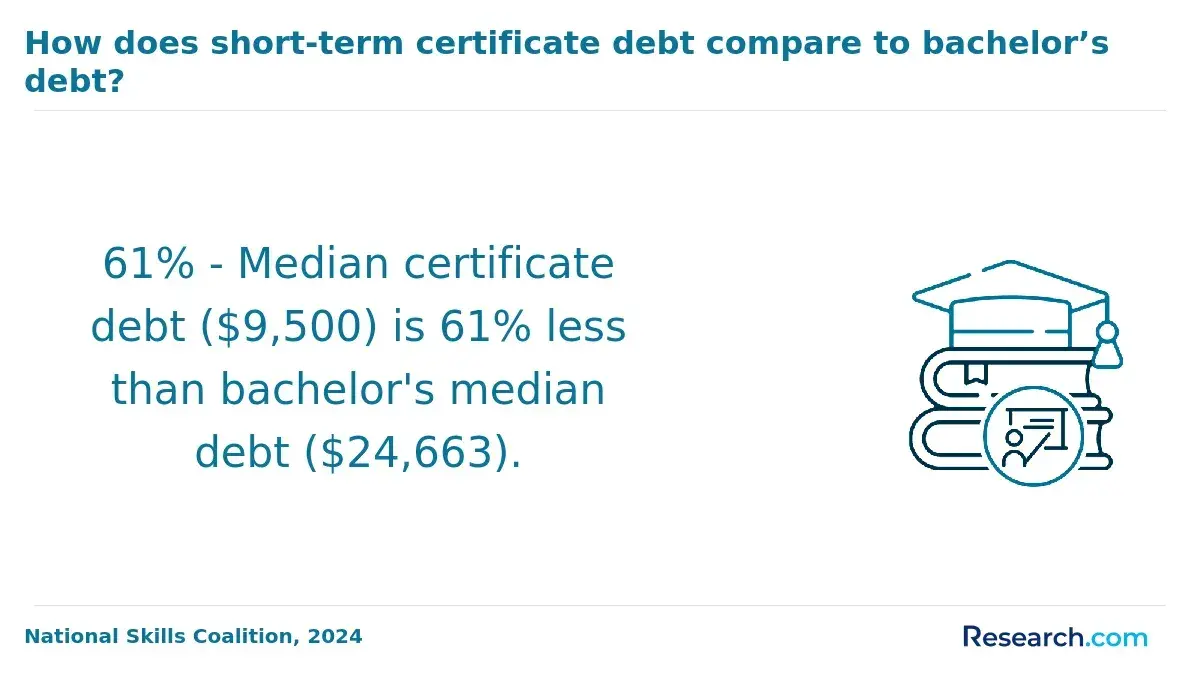
Tuition costs play a critical role when choosing between pursuing an animation degree and obtaining a certificate, as the financial investment can significantly affect long-term affordability and career decisions. Comparing average tuition ranges helps prospective students align their educational choices with personal budgets and professional goals.
Below is a detailed comparison of average tuition costs for animation degree programs versus certificate programs in the United States.
Average Tuition for Animation Degree Programs
- Tuition Range: Bachelor's degree programs in animation typically range from $50,000 to over $100,000 in total tuition, with private institutions generally charging higher fees, sometimes exceeding $26,000 per semester.
- Public vs. Private Institutions: Public colleges offer more affordable rates, often between $2,700 and $3,500 per semester for in-state students, while out-of-state students may face $8,200 to $10,800 per semester.
- Online vs. On-Campus: Online bachelor's degree programs in animation can be more economical, with reputable online schools charging around $50,000 for the complete degree.
- Associate Degrees: Two-year associate degrees usually cost between $40,000 and $50,000 total, offering a shorter and less expensive alternative.
- Additional Fees: Students should also budget for extra costs such as departmental fees, technology charges, and health insurance, which may add thousands to overall expenses.
Average Tuition for Animation Certificate Programs
- Tuition Range: Animation certificate program tuition comparison shows significantly lower costs, generally ranging from $1,000 to $10,000 depending on program type and length.
- Community Colleges: Many community colleges offer certificates for $1,000 to $4,000 total, especially accessible for in-district or in-state students.
- Private or Specialized Schools: Private art schools tend to charge between $5,000 and $10,000 for certificate programs.
- Program Length: These programs usually last from a few months up to a year, greatly reducing tuition compared to degree paths.
- Online Options: Affordable online certificates often cost less than $2,000, making them the least expensive route.
This detailed breakdown of the average animation degree tuition cost in the United States versus certificate programs highlights the need for students to weigh educational depth against financial commitments.
For those curious about educational duration, a useful resource explains what is the shortest phd program available online, which might inform broader educational planning.
Can You Transfer Certificate Credits Toward a Animation Degree Later On?
You can sometimes transfer certificate credits toward an animation degree, but it depends on several key factors. Primarily, the institution granting your degree must recognize credits from a regionally accredited program, and the courses need to align closely with its curriculum.
Different schools have varying policies, with some evaluating each course individually to determine its relevance and acceptance. Accreditation plays a significant role, as credits from non-accredited certificates are rarely accepted.
Overall, transferring credits hinges on institutional guidelines, course content, and the quality of the original program.
Additional important points include transfer limits and grade requirements. Many schools cap the number of transfer credits allowed for degree completion, such as up to 38 units at certain institutions. A minimum grade-often a C or better-is usually necessary to qualify for credit transfer.
Because policies vary widely, it's essential to check with the degree-granting school before enrolling in a certificate program. Confirming transferability in advance helps ensure your educational efforts contribute toward your long-term academic goals.
From a student's perspective, the transfer process can feel both hopeful and complex. One individual I spoke with completed an animation certificate with the hope of counting those credits toward a bachelor's degree.
She shared that the detailed review by the degree program was initially nerve-wracking, wondering which credits would count. However, after submitting syllabi and transcripts, she felt relief and pride when many courses were accepted, reducing her remaining degree workload.
Reflecting on her journey, she emphasized the importance of patience and proactive communication with advisors, noting, "It's worth the effort to make those connections early so your prior work truly supports your degree path."
Are Certificate Programs Accredited the Same Way as Animation Degrees?
Animation degrees, such as associate or bachelor's programs, are generally offered by accredited colleges or universities that meet strict standards set by recognized accreditation agencies. These agencies evaluate curriculum, faculty, and resources to ensure national educational quality.
In contrast, animation certificate programs can vary widely in accreditation status. Some certificates come from accredited institutions and undergo similar quality reviews, allowing credits to transfer and be recognized by employers.
However, many certificate programs-often from private training centers or online platforms-may not hold traditional academic accreditation but might be endorsed by industry organizations focusing on practical skills rather than academic rigor.
Accreditation is important because it guarantees a program meets established standards, which supports credit transfer and employer acceptance.
Accredited degree programs usually offer more comprehensive coursework and experienced faculty, while accredited certificates can provide valuable skill-based training with some formal recognition.
When assessing animation programs, students should verify the accrediting agency, ensure credits can transfer if needed, and examine curriculum quality and instructor credentials. Confirming accreditation through recognized accrediting bodies helps students make informed decisions that align with their career objectives.
What Jobs Can You Get with a Animation Degree vs. a Certificate?
Both animation degrees and certificates offer pathways to employment in creative industries, though they often prepare graduates for different roles and levels of responsibility. While a degree generally leads to advanced or leadership positions, a certificate tends to focus on technical skills suited to entry-level jobs.
Below is a comparison of typical career options associated with each credential.
Jobs You Can Get with a Animation Degree
- Animator: Develops and creates animated sequences for film, television, or digital platforms, often collaborating with creative teams to bring stories to life.
- Character Designer: Crafts the visual appearance and personality of characters used in animations or games, working closely with directors and artists.
- Art Director: Oversees the visual style and artistic elements of animation projects, ensuring consistency across all media.
- Storyboard Artist: Illustrates sequences and scenes before production, helping to visualize narratives and camera angles.
- Visual Effects Artist: Creates digital effects to enhance live-action footage or animation in films and videos.
- Production Designer: Manages the overall look and design for theater, television, or film productions, coordinating various artistic departments.
Jobs You Can Get with a Animation Certificate
- Junior Animator: Assists senior animators with creating animation assets, focusing on learning and refining technical skills.
- Motion Graphics Artist: Designs animated graphics primarily for advertising, social media, or corporate videos.
- 3D Animation Technician: Handles technical aspects of 3D modeling and animation, ensuring quality and functionality.
- Digital Media Assistant: Supports digital content production, often handling editing and media management tasks.
- Assistant Character Designer: Works alongside lead designers to develop character models and concepts, usually in a supportive capacity.
- Advertising Animator: Creates animations specifically tailored for marketing and promotional campaigns.
What Is the Average Starting Salary for a Certificate vs. Animation Degree Graduates?
Salary potential often varies between animation certificate holders and degree graduates, reflecting differences in education, experience, and career opportunities. Understanding these variations can help prospective students make informed decisions based on their goals and resources.
Below is a side-by-side comparison of the average starting salaries for graduates of each program type along with factors influencing their earnings and career outlook.
- Typical Salary Range: Animation certificate program graduate salary comparison shows starting salaries usually range from $35,000 to $45,000 annually, primarily for entry-level roles like junior animator or video editor.
- Animation Degree Graduates: The average starting salary for animation degree graduates in the US typically falls between $35,000 and $40,000, with a median early-career pay around $35,421. With experience, salaries can rise to about $48,560 within five years.
- Influencing Factors: Experience from internships or freelance work can increase starting salaries. Industry choice plays a role; entertainment, gaming, and advertising sectors generally offer higher pay than education or nonprofit roles.
- Location Impact: Urban areas such as Los Angeles, New York, and San Francisco usually provide higher wages to animate a greater demand and increased cost of living.
- Career Outlook: While certificate holders often enter technical roles, animation degree graduates have broader prospects and typically experience faster salary growth and higher long-term earning potential.
For those seeking quick entry into animation careers, exploring entry level certifications that pay well can be a strategic choice alongside considering degree pathways.
Here's What Graduates of Animation Programs Say About Their Degree or Certificate
- Lennon: "Choosing the animation certificate program was perfect for me because I wanted to dive right into practical skills without the lengthy commitment of a full degree. The pace was intense but manageable, and the cost was significantly lower-saving me thousands compared to an average degree program. This path gave me a solid portfolio that helped me land freelance gigs quickly, making it a smart choice for a fast career start. "
- Forest: "My animation degree journey was a thorough and transformational experience that balanced technical theory with creative exploration. While it took longer and was more costly, the depth of knowledge I gained opened doors to senior roles that wouldn't have been accessible with just a certificate. Reflecting on it, the investment was worthwhile for the career stability and networking opportunities it provided. "
- Kendra: "Having completed both the animation certificate and degree programs, I can confidently say that each fulfilled different needs at different times. The certificate offered a quick, affordable entry into essential skills, while the degree expanded my understanding and industry connections. Balancing cost against career goals was key, and combining both gave me versatility that accelerated my growth in ways a single track couldn't. "
Other Things You Should Know About Animation Degrees
The choice between an animation degree and a certificate in 2027 should depend on your career goals, time commitment, and budget. A degree offers comprehensive education and networking, while a certificate provides focused skills and quicker entry into the job market. Both require consideration of employer expectations and industry demands.
Transferability of credits from animation certificate programs to degree programs varies by institution. Some schools allow credit transfers, so review specific policies of each college or university. Consulting with academic advisors at the institutions you’re considering can provide clarity on this aspect.
Employers often view animation degrees as evidence of comprehensive training and formal education, which can be preferred for roles requiring theoretical knowledge.
Certificates are valued for demonstrating specific skills and practical experience, often appealing for entry-level or specialized technical positions. The choice between the two depends largely on the job requirements and employer preferences.
References
- Certificate in 2D & 3D Digital Animation Production | DkIT https://www.dkit.ie/courses/certificate-in-2d-3d-digital-animation-production
- Animator Certifications https://www.nobledesktop.com/careers/animator/certifications
- 10 Most Affordable Schools to Score an Animation Degree | Animation Career Review https://www.animationcareerreview.com/articles/10-most-affordable-schools-score-animation-degree
- Arena Animation Kolkata - Premium Arena Institute in Kolkata https://www.arenash.com/certification-vs-degree-in-animation-vfx/
- Diploma vs Degree in Animation: Which One Should You Choose? | Education https://vocal.media/education/diploma-vs-degree-in-animation-which-one-should-you-choose
- University Pathway Programs at College for Arts and Technology https://collegeforartsandtech.com/programs/pathways/
- Animation & Gaming Program - Degrees & Certificates https://www.mtsac.edu/animation/degrees-certificates.html
- Beyond the Studio: Unique Career Paths with an Animation Degree - RMCAD https://www.rmcad.edu/blog/beyond-the-studio-unique-career-paths-with-an-animation-degree/
- AnimationCertificates https://www.aims.edu/degrees-certificates/animation-certificate
- Is It Better To Pursue A 3-Year Graduation Course In Animation Or Simply Get A Short Term Certificate? https://learnanimation.wordpress.com/2019/07/10/is-it-better-to-pursue-a-3-year-graduation-course-in-animation-or-simply-get-a-short-term-certificate/


