2027 Art History Internship Requirements: Hours, Placements, and Supervision

Co-Founder and Chief Data Scientist
What do internship requirements entail for art history students preparing to enter professional environments? Approximately 62% of art history graduates complete internships to enhance employment prospects within museums, galleries, or cultural institutions. These internships often mandate specific hour commitments, carefully coordinated placements, and dedicated supervision to ensure meaningful learning. Understanding how many hours to complete, where placements typically occur, and what supervision entails is essential for academic and career planning.
This article examines the key components of internship requirements in art history programs and offers clarity to students navigating these critical experiential learning steps.
Key Things to Know About Art History Internship Requirements
- Most art history internships require 120-150 hours, demanding careful scheduling to balance coursework, often completed over one semester or summer.
- Placement depends on site availability and specialty areas; limited museum or gallery positions mean competitive selection and sometimes off-site remote options.
- Supervision involves regular mentor check-ins and standardized evaluations, critical for skill development and often influencing academic credit eligibility.
Do All Art History Degrees Require an Internship?
Internships play a crucial role in many art history curricula by providing valuable hands-on experience in real-world settings, such as museums and galleries. Approximately 64% of humanities majors, including those studying art history, engage in at least one internship during their academic journey, underscoring their significance. The necessity of an internship varies based on several factors.
- Program Type: Undergraduate art history degrees often include internships as optional electives, granting students flexibility. Conversely, some master's programs, especially in curatorial or museum studies, may mandate internships to meet their professional training goals.
- Accreditation Expectations: Certain accrediting agencies require experiential learning components within degree programs, making internships compulsory to fulfill these standards and ensure comprehensive education.
- Specialization Tracks: Concentrations within art history that target museum work, conservation, or archival research tend to have stricter internship requirements compared to broader theoretical or academic-focused tracks.
- Alternative Experiential Learning: Some programs offer substitutes for internships, such as approved research projects, study abroad opportunities, or independent studies, providing comparable preparation without a formal internship.
Prospective and current students seeking clarity on art history degree internship requirements should evaluate how these variables align with their academic pathways and career objectives. For those exploring flexible learning options, examining related fields such as online BCBA programs may provide useful insights into program structures and experiential components across disciplines.
What Requirements Must Be Met Before Starting a Art History Internship?
Internship programs set prerequisites to ensure students are academically and professionally prepared to contribute meaningfully. In fact, a survey by the National Association of Colleges and Employers found that 65% of coordinators require prior relevant coursework before onboarding. These requirements help maintain quality standards and match interns with appropriate responsibilities. Below are common eligibility criteria typically expected before starting an art history internship:
- Minimum GPA: Most programs require a cumulative GPA between 2.5 and 3.0 to demonstrate academic competency and responsibility, ensuring candidates can manage internship demands effectively.
- Completed Coursework: Students usually must have finished core art history classes such as art historical methods, critical theory, and survey courses. These build the analytical skills and contextual knowledge necessary for grasping internship assignments.
- Application Approval: Submitting a complete application package-including a resume, statement of interest, and sometimes recommendation letters-is essential. Institutions review these materials to assess motivation and suitability for the internship role.
- Background Checks: For internships involving contact with museum collections or public outreach, background screenings or proof of work eligibility are often required to comply with institutional policies and safety protocols.
How Many Internship Hours Are Required for Art History Degrees?
Internship hours are established within art history degree programs to provide students with hands-on experience that complements their academic studies. Typically, institutions convert these hours into credit equivalents, with a common scale of 40 to 60 hours per credit, meaning a 3-credit internship could involve roughly 120 to 180 hours of work. Several factors shape how many hours students must complete.
- Academic Credit Equivalencies: Internship hours correspond to academic credits, which vary by school policies. This conversion ensures the practical work meets credit requirements aligned with the institution's curriculum structure.
- Program Type: Undergraduate programs generally require fewer internship hours, often ranging from 100 to 150, while graduate programs tend to mandate more extensive time commitments to reflect advanced study and professional preparation.
- Accreditation Expectations: Accrediting bodies may set minimum internship thresholds to uphold educational standards, influencing program requirements to maintain compliance and quality assurance.
- Scheduling Flexibility: Full-time students often complete internships within a single semester, making the hours more concentrated, whereas part-time students might spread their internship hours across a longer period to balance other responsibilities.
Reflecting on how many internship hours are required for art history degrees, a recent graduate shared that balancing nearly 150 hours amid coursework and part-time work was challenging yet rewarding. He described the process as initially overwhelming due to the strict hourly expectations but highlighted that clear guidance from advisors helped him plan effectively. The experience deepened his understanding of the field and reinforced the importance of time management for fulfilling degree requirements.
Where Do Art History Students Complete Internships?
Internship placement environments provide crucial experiential learning opportunities by allowing art history students to connect academic theories with hands-on work. Nearly 40% of internships occur in museums, highlighting popular sectors where students gain practical experience. The following overview presents typical settings for art history internship placement options.
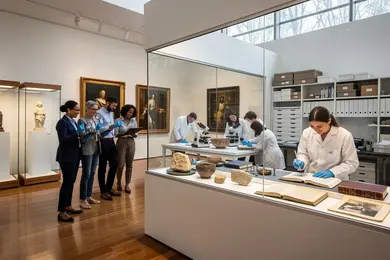
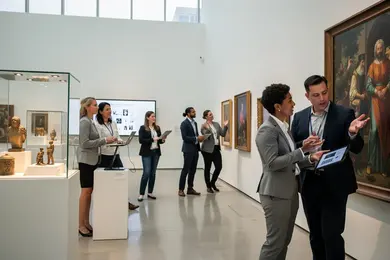
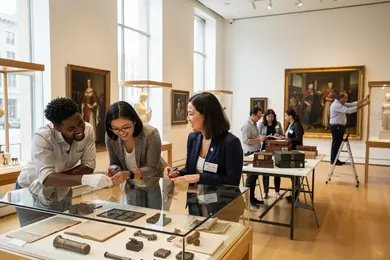
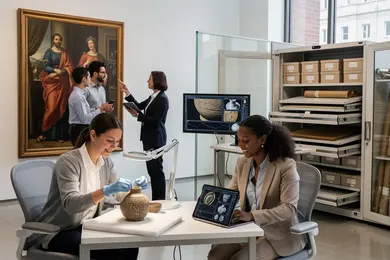
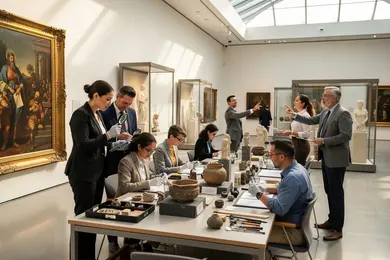
- Museums: These institutions serve as primary locations where students assist with curatorial duties, collections care, and educational outreach, offering exposure to diverse museum operations.
- Nonprofit and Cultural Institutions: Organizations such as art foundations, historic sites, and advocacy groups provide internships centered on arts education, program development, and community engagement.
- Government Agencies: Agencies managing cultural heritage and public arts programs offer placements that involve policy support, heritage preservation, and administrative tasks related to the arts.
- Corporate Organizations: Businesses with art collections or public relations departments focused on arts sponsorship provide internships that blend art history with marketing and corporate communication strategies.
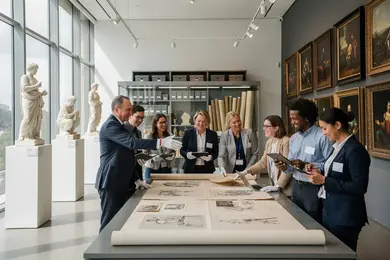
- Libraries and Archives: These environments emphasize preservation, cataloging, and research services, allowing students to work directly with historical documents and artifacts.
Understanding typical art history internship locations supports students in choosing positions aligned with their career goals, while also fostering skill development applicable across various sectors. For those seeking information on bachelor degrees that pay well, this knowledge aids in selecting fields that combine passion with professional viability. Learn more at bachelor degrees that pay well.
How Are Internship Placements Assigned in Art History Programs?
Internship placements in art history programs are carefully designed to align students' academic goals with available opportunities, ensuring meaningful learning experiences. According to a recent study, nearly 60% of programs incorporate multiple methods to optimize placement success. Below are common approaches used by institutions to match students with internships.
- Faculty-Guided Matching: Professors often recommend students based on their interests and strengths, leveraging existing connections with museums and archives to find suitable placements.
- Student-Driven Applications: Students may be encouraged to submit applications or proposals for positions that fit their career goals, requiring them to demonstrate enthusiasm and relevant skills.
- Centralized Placement Systems: Some programs utilize internal databases or career centers to streamline and administer internship assignments, balancing student preferences and organizational needs.
- Partnership-Based Assignments: Formal agreements with cultural institutions frequently guide placements, allowing programs to reserve internship spots that reflect the curriculum focus and program capacity.
When asked about how internship placements were assigned in her program, an Art History degree student shared that the process was both exciting and daunting. She recalled, "I felt supported by my advisor, who suggested options that aligned with my interests, yet I had to actively prepare tailored applications to stand out."
The combination of faculty input and her own efforts gave her confidence, although navigating deadlines and institutional preferences required careful planning. She noted that, "Knowing that my placement was thoughtfully arranged helped me focus on the experience rather than the process." This dual approach made the placement feel personalized and purposeful, reflecting her growth as a developing professional.
Are Virtual or Remote Internships Available?
Remote and hybrid internships have become a significant component of experiential learning, reflecting a wider shift in both education and workforce practices. Recent data shows that approximately 60% of internship programs across various fields now integrate some form of virtual participation, boosting opportunities for students unable to relocate. Within art history programs, these formats offer practical alternatives to traditional onsite roles, helping students overcome geographic and financial constraints. This trend reshapes how students connect with institutions and gain professional experience.
Virtual internships in art history leverage digital tools such as video calls, cloud-based collaboration platforms, and online archives to facilitate remote engagement with curators, educators, and researchers. This approach provides interns with greater scheduling flexibility and the convenience of working from diverse locations, though access to such opportunities often depends on the specific design of each program.
Tasks typically involve activities like digital documentation, research, and supporting online exhibitions, with supervision maintained through regular virtual check-ins. Nevertheless, some hands-on roles still require physical presence, which influences the availability and structure of remote placements.
Are Part-Time Internships Allowed for Working Students?
Many working students enrolled in art history programs seek part-time internship options to balance their job commitments with academic goals. According to the National Center for Education Statistics, nearly 40% of undergraduate students work while enrolled, which emphasizes the need for flexible internship formats. This reality has led many institutions to offer adaptable arrangements to support these students. The following points outline key aspects of part-time internships in art history programs.
- Scheduling Flexibility: Part-time internships often allow students to spread required hours across several weeks or work during specific days that do not conflict with their employment, making it easier to manage both responsibilities.
- Employer Accommodations: Academic partners frequently provide options such as adjustable hours or remote internship placements to help working students maintain balance while gaining valuable experience.
- Academic Workload Balance: Students must coordinate with advisors to ensure internships fit within their semester course loads. Programs may set minimum total hours but permit flexible pacing to avoid overextension during busy periods.
- Program-Specific Restrictions: Some art history departments require on-site participation in museums or galleries, yet many increasingly accept part-time formats that preserve learning quality while accommodating diverse student needs.
What Supervision Is Required During a Art History Internship?
Supervision during an art history internship is essential for ensuring students gain meaningful professional experiences while meeting academic standards. Research shows that 70% of students receiving structured mentorship report greater confidence in career readiness, highlighting the importance of guidance throughout internships. Key supervision elements shape a supportive learning environment and uphold professional accountability.
- Faculty Oversight: Faculty supervisors connect the internship with the academic goals and curriculum of the art history program. They conduct periodic check-ins to review progress, clarify learning objectives, and provide scholarly advice that integrates theory with practical experience.
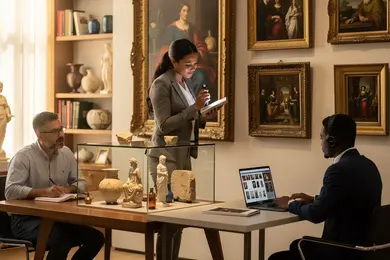
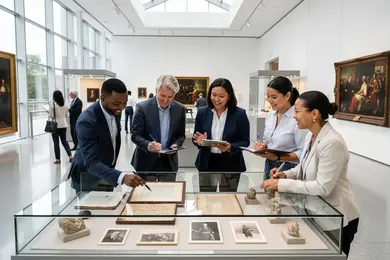
- Workplace Mentors: On-site mentors, often curators or researchers, offer daily guidance and specialized knowledge relevant to the internship setting. They supervise tasks, provide constructive feedback, and assist in skill development to prepare students for future roles in art-related fields.
- Progress Monitoring: Documentation through reflections, meetings, or reports allows for consistent tracking of accomplishments and challenges. This ongoing assessment helps address issues promptly and ensures students remain aligned with their learning goals during the internship.
- Professional Accountability: Effective supervision fosters a workplace environment that encourages ethical conduct, responsibility, and active engagement. Such accountability supports the development of essential professional competencies expected in art history careers.
These supervisory roles in art history internships form a comprehensive structure that bridges academic mentorship and practical workplace experience. Students aspiring to enhance their expertise might also explore affordable online masters programs to advance their qualifications.
How Are Art History Internships Evaluated?
Evaluating art history internships is essential to ensure that experiential learning aligns with academic and professional goals. Nearly 70% of programs report that structured internship assessments significantly improve student preparedness for post-graduate careers. The following methods highlight common approaches to assessing student performance and learning outcomes during internships.
- Supervisor Reviews: Supervisors at museums, galleries, or cultural institutions provide detailed feedback on interns' work quality and professionalism. These reviews often assess research skills, communication, and teamwork applied in real-world art history contexts.
- Reflective Assignments: Interns submit journals, essays, or reports detailing their experiences and challenges. These reflections foster critical thinking and allow faculty to measure student engagement with internship material and environments, which is a key part of methods for assessing art history internship performance.
- Performance Benchmarks: Completion of projects like cataloguing collections, curating exhibits, or creating digital archives is evaluated for accuracy, creativity, and adherence to professional standards. This helps verify the practical application of art history knowledge.
- Faculty Evaluations: Academic supervisors review all submitted materials, including supervisor feedback and reflections, to ensure that internships meet curricular objectives and contribute effectively to academic progression.
- Quality Assurance: Regular assessment frameworks help maintain high standards and reinforce the value of experiential learning within art history programs. For students considering career pathways, some institutions integrate internship evaluation with broader academic advising and may offer resources like the best MBA programs without GMAT to support interdisciplinary advancement.
What Challenges Do Art History Students Face During Internships?
Art history internships provide valuable hands-on experience but often come with significant pressures. Studies show many students report high stress due to balancing academic and internship demands. These challenges can shape the overall success and learning of an internship, making certain obstacles common among art history students. Below are some key difficulties frequently encountered.
- Time Management: Juggling internship hours with coursework and personal commitments is a major challenge. Meeting required hours while maintaining academic performance often leads to stress and burnout.
- Practical Experience Gap: Some students find it difficult to transition from theoretical study to practical tasks in galleries or museums, especially when faced with art history internship placement challenges that limit exposure to diverse collections.
- Financial Strain: Many internships are unpaid or low-paid, increasing financial pressure. Travel and materials costs add to this burden, which can deter students from fully engaging or completing their internships.
- Workplace Adaptation: Interns face supervision difficulties for art history interns, such as navigating professional expectations and developing communication skills within institutional environments for the first time.
- Limited Program Options: Finding suitable placements can be complicated; some students turn to options like online college with no GPA requirements to maintain flexibility while still fulfilling internship obligations.
What Graduates Say About Art History Internship Requirements
- Romeo: "My internship in art history required a minimum of 120 hours, which I completed at a local museum's archives. The supervised setting allowed me to gain hands-on experience with curatorial work, and the staff mentors were always available to guide me through complex projects. This internship was pivotal in shaping my career, providing me with not only practical skills but also vital industry connections."
- Aidan: "Reflecting on my art history degree internship, I value the structured supervision that helped me grow professionally. Placements varied from galleries to research libraries, offering a broad understanding of the field's diverse opportunities. These experiences reinforced my passion for art history and equipped me with the confidence to enter the competitive job market."
- Luke: "As a professional, I see clearly how my art history internship influenced my trajectory. The program included extensive supervised hours, ensuring meaningful engagement rather than just routine tasks. I was placed in an institution that aligned with my interests, which significantly enhanced both my knowledge and my resume in this specialized field."
Other Things You Should Know About Art History Degrees
Yes, many art history programs allow internships to count as elective credits toward degree completion. The number of credits awarded typically depends on the total internship hours completed and the learning outcomes documented during the placement. Students should consult their academic advisor to ensure the internship meets the program's credit criteria.
Art history internships focus on enhancing research, curatorial, and archival skills relevant to the discipline. Interns often gain experience in cataloging, exhibition design, and provenance research. Communication and critical thinking skills tailored to art historical analysis are also key objectives during these placements.
Prior direct experience with artwork handling is not universally required but can be beneficial. Many internships provide training on proper handling and conservation practices during the placement. However, basic knowledge of art materials and preservation principles may improve an applicant's competitiveness for certain positions.
References
- Open Forum https://community.aam-us.org/communities/community-home/digestviewer/viewthread
- The Internship Divide: The Promise and Challenges of Internships in the Arts https://www.academia.edu/13297906/The_Internship_Divide_The_Promise_and_Challenges_of_Internships_in_the_Arts
- Search https://arthistory.dartmouth.edu/careers-opportunities/internships-museums-galleries-auction-houses/internships-and-field-experience
- How to Get an Internship at an Art Museum: My Unofficial Guide https://www.zenmuseum.com/en/finder/page/how-to-get-an-internship-at-an-art-museum/
- Fall 2016 Art History/Museum Studies Student Interns https://artgallery.uleth.ca/fall-2016-art-historymuseum-studies-student-intern-testimonials/
- Internships, Jobs, & Opportunities â ARIAH â Association of Research Institutes in Art History https://www.ariah.info/news-opportunities/internships-jobs-opportunities
- Internship Program Evaluation - Ithaka S+R https://sr.ithaka.org/publications/internship-program-evaluation/
- Art History Internships - Department of Visual Arts https://wagner.edu/art/academic-programs/art-history/node-236/
- Art History Internships | Ithaca College https://www.ithaca.edu/academics/school-humanities-and-sciences/department-art-art-history-and-architecture/internships-and-student-employment/art-history-internships
- Art Internships: Your Complete Guide | Sotheby's Institute of Art https://sothebysinstitute.com/articles/art-internships-your-complete-guide/