
2027 Associate to Bachelor's in Real Estate: Transfer Pathways Explained

Co-Founder and Chief Data Scientist
The real estate industry faces a unique challenge in maintaining consistent competency standards amid diverse educational backgrounds. Many professionals begin with an associate degree but encounter difficulties when transferring credits to bachelor's degree programs, slowing career advancement. This transfer hurdle is compounded by the industry's demand for comprehensive knowledge in areas such as finance, law, and property management, which bachelor's curricula cover more extensively.
According to recent data, only about 45% of students who start in an associate Real Estate program successfully transfer to a bachelor's program within four years, indicating significant gaps in articulation agreements and credit recognition. This article will explore the pathways available to students moving from associate to bachelor's degrees in Real Estate and provide practical guidance on overcoming transfer barriers to support career growth in this competitive field.
Key Points About Transferring from an Associate to Bachelor's in Real Estate
- Transfer pathways offer working professionals flexible scheduling options, including part-time and online courses, supporting career continuity while advancing academic credentials.
- Accelerated credit transfer policies allow students to complete bachelor's degrees faster by recognizing prior associate coursework, reducing overall time to graduation.
- Lower tuition costs arise from completing foundational courses at community colleges before transferring, making the bachelor's pathway more affordable compared to starting at four-year institutions.
Why should you consider an associate to a bachelor's in real estate transfer pathway?
Transferring from an associate degree to a bachelor's in real estate offers a strategic blend of affordability and academic readiness that can significantly boost career prospects. Research shows that professionals with a bachelor's degree earn notably higher incomes and secure advanced roles more frequently than those holding only an associate degree.
For example, 70% of senior real estate professionals have a bachelor's degree or higher. The following benefits highlight why pursuing transfer requirements for a real estate bachelor's degree is a smart choice:
- Expanded Knowledge: A bachelor's program deepens understanding through advanced topics like real estate investment analysis and urban planning, equipping students with skills for higher-level positions.
- Career Advancement: Employers increasingly prefer candidates with bachelor's-level credentials, leading to stronger prospects for management, consultancy, and specialized roles.
- Networking Opportunities: Access to internships and industry connections becomes more accessible, providing valuable real-world experience and professional contacts.
- Certification Preparation: A bachelor's degree better prepares students for certification exams and advanced licenses that can enhance professional credibility.
Those exploring options for continued education may find additional insights in best online degrees that pay well across various fields, including real estate.
What are the academic requirements to transfer from an associate to a bachelor's in real estate?
While specific criteria vary by institution, successful transfer into a bachelor's in Real Estate program from an associate degree generally hinges on demonstrated academic consistency and completion of foundational prerequisites.
Below are some key academic pillars that frequently define admission criteria for real estate bachelor's degree transfer pathways.
- Minimum GPA: Programs typically require maintaining a cumulative GPA between 2.5 and 3.0 on a 4.0 scale. This standard is essential to prove readiness for more advanced coursework within the bachelor's curriculum.
- Credit Hours Completed: Transfer students usually need to complete between 60 and 75 semester credit hours, which equals about two years of full-time study. These credits often include core general education classes like English composition, math, and social sciences that lay the groundwork for specialized real estate courses.
- Prerequisite Coursework: Completion of key real estate or related courses such as principles of real estate, real estate finance, business law, and economics is often required. Students must earn a grade of C or better in these courses to demonstrate sufficient mastery before entering upper-level classes.
- Course Transferability: It is vital that transfer credits align well with the receiving bachelor's program's curriculum. Consulting academic advisors can help ensure that courses taken at the associate level satisfy the transfer requirements and fit the institution's degree plan.
Carefully meeting these academic benchmarks supports a smooth transition and positions students for success in more specialized real estate studies. For those interested in continued education pathways beyond a bachelor's, exploring an accelerated MSW program online may offer flexible options for further career advancement in related fields.
What documents do you need for a real estate transfer application?
Preparing your documents early plays a crucial role in ensuring a smooth credit evaluation when transferring from an associate degree to a bachelor's in real estate. Gathering all required paperwork in advance can help prevent delays and provide clarity on your credit eligibility. Below are key documents often requested during the transfer process.
- Academic Transcripts: Official transcripts from your current and any prior colleges are essential to verify completed coursework and grades. These records allow admissions teams to evaluate which credits can be applied toward your bachelor's degree.
- High School Records: Some programs may ask for high school transcripts to review your early academic background, especially if your college transcripts are limited or incomplete.
- Professional Resume: Highlighting relevant real estate internships, certifications, or work experience can give your application added weight. This document helps demonstrate practical skills and commitment to the field.
- Statement of Purpose: A brief essay outlining your career goals in real estate helps admissions understand your motivation and how you plan to benefit from the program.
When asked about what documents were necessary, one student who successfully navigated the transfer from an associate to a bachelor's in real estate reflected on the process: "I didn't realize how detailed the transcript evaluation would be. It was a bit overwhelming at first, having to track down every transcript and ensure they were official."
He added that the statement of purpose took several drafts before it felt clear and personal enough. "The resume was straightforward once I gathered my internship experiences, but keeping everything organized and submitting on time was the main challenge." Despite these hurdles, he emphasized that staying proactive eased the stress and made the transfer feel achievable.
Can prior work experience in real estate count toward your bachelor's credits?
Real estate programs often recognize professional expertise, allowing students to avoid retaking foundational courses they have already mastered. Studies show that prior learning credits can shorten degree completion by as much as 30%, emphasizing their significant value. Here are common ways credit can be earned when applying prior real estate experience to bachelor's degree requirements:
- Professional Certifications: Industry-recognized certifications demonstrate verified knowledge, enabling institutions to grant credit for specific real estate subjects without additional coursework.
- Portfolio Review: A documented portfolio showcasing real estate projects and accomplishments allows evaluators to assess practical skills and award appropriate credit hours.
- Employer Evaluations: Letters or assessments from supervisors verify job-related competencies that align with academic outcomes, supporting credit for experience gained on the job.
- Standardized Exams: Exams designed to test subject mastery enable students to bypass classes they already know, streamlining the transition from an associate degree.
Students exploring transfer credits for real estate work experience should also consider related programs such as office management degrees, which may complement their educational goals depending on career interests and course offerings.
How much can you save if you take a real estate transfer pathway?
Opting to transfer from an associate to a bachelor's degree in real estate offers a practical strategy to minimize overall education expenses without sacrificing quality. Public two-year colleges typically charge about $3,700 annually, whereas four-year public universities average close to $10,000 per year, creating a significant tuition gap.
Beyond lower tuition, students often benefit from reduced institutional fees and campus-related costs during their initial two years, which can also lead to smaller student loans and less interest accrued over time. This approach helps many keep education debt manageable while earning a respected degree in the real estate field.
When asked about his experience, a student who chose this transfer route shared that navigating credit transfers was initially daunting but ultimately rewarding. "The paperwork took patience, and I wasn't sure if all my credits would count," he recalled.
"But saving close to $20,000 made every step worthwhile." He emphasized that careful planning and persistence were key, noting how this path eased financial stress and allowed him to focus more on his studies.
Are there scholarships available for students transferring to a bachelor's in real estate?
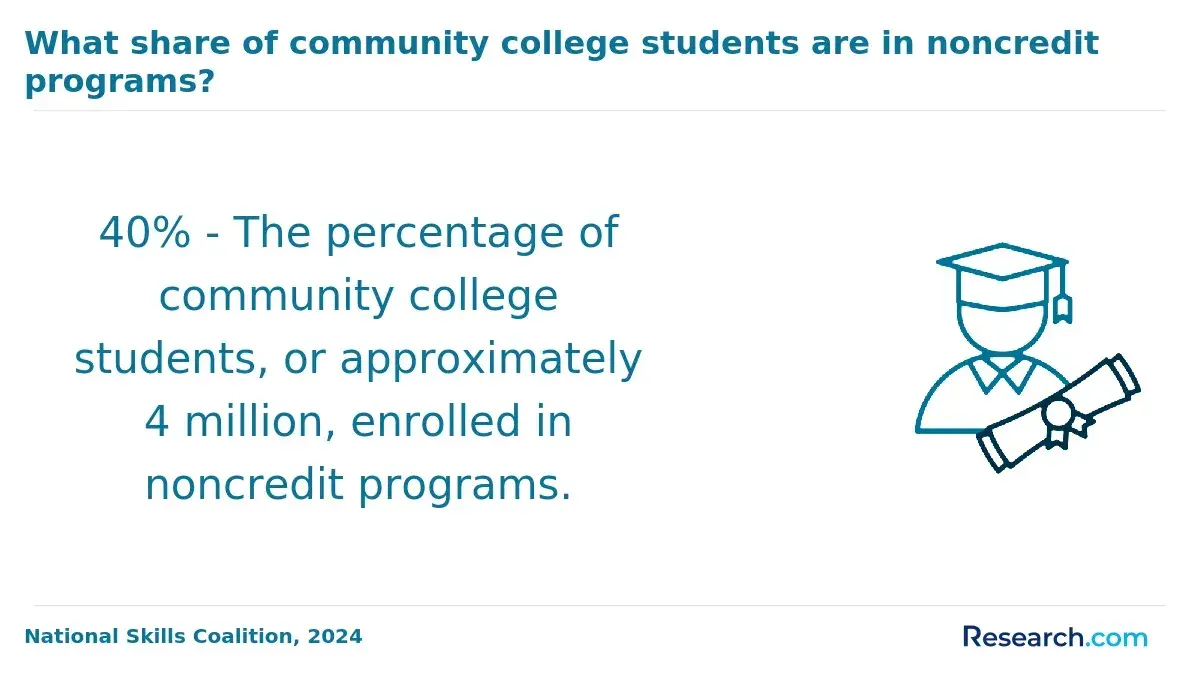
Many colleges, universities, and professional groups provide targeted financial support to encourage students transferring from an associate degree to a bachelor's program in real estate. Around 40% of transfer students pursuing bachelor's degrees receive dedicated financial assistance tailored to their transfer status.
Below are some common scholarship categories available to these students.
- Institutional Transfer Awards: Offered by colleges to reward students who have completed an associate degree and maintain a minimum GPA, often around 3.0. These awards usually require transferring a specified number of credits, typically between 30 and 60, and support continued studies in real estate.
- State-Funded Grants: Designed for residents pursuing degrees in fields like real estate that are in high demand. Eligibility is usually based on residency, academic performance, and demonstrated financial need, helping to make the transfer process more affordable.
- Professional Organization Scholarships: Available through national real estate associations and industry groups, these awards recognize strong academic achievement and commitment to real estate careers. Some also consider leadership roles, community engagement, or a student's intended specialization within the sector.
- Performance-Based Aid: Scholarships in this category reward academic excellence and career promise, often requiring a GPA benchmark and evidence of real estate-related experience or aspirations. This type of aid encourages students to build skills aligned with industry demands.
Are real estate transfer pathways eligible for employer tuition reimbursement?
Many professionals pursuing a bachelor's degree in real estate can significantly reduce their tuition costs by utilizing employer tuition reimbursement programs designed to support degree advancement.
Approximately 56% of U.S. employers provide some form of educational assistance, typically offering up to $5,250 in tax-free tuition reimbursement annually. Here are important factors to consider when exploring these benefits:
- Annual Benefit Caps: Employers often limit tuition reimbursement to between $5,000 and $10,000 per year to control program expenses. These yearly maximums help employees plan their funding while pursuing a bachelor's after completing an associate degree.
- Minimum Grade Requirements: Most programs require students to maintain satisfactory academic progress, generally defined as a GPA of 2.5 or higher. Meeting this benchmark is essential to continue receiving tuition support throughout the transfer pathway.
- Employment Tenure: Eligibility usually depends on completing a minimum period of employment, commonly six months to a year, before benefits become available. Additionally, some employers mandate staying with the company for one to two years post-graduation to avoid tuition repayment obligations.
- Degree Completion Support: Many companies prioritize tuition assistance specifically for employees finishing their bachelor's degree after earning an associate degree, recognizing the value of career advancement aligned with educational growth.
By understanding these typical eligibility rules and financial limits, students transferring to a bachelor's in real estate program can better navigate their employer's education benefits and reduce out-of-pocket expenses effectively.
How will accreditation standards affect your real estate degree transfer?
Accreditation serves as a key quality assurance mechanism, confirming that an associate degree in Real Estate meets the rigorous academic standards necessary for smooth progression to a bachelor's degree. Over 90% of four-year institutions prioritize accreditation status when evaluating credit transfer, highlighting its critical role in credit mobility.
Institutional accreditation evaluates the overall quality of an educational institution, ensuring broad academic standards are met, while programmatic accreditation focuses specifically on the Real Estate curriculum itself. This dual accreditation is essential because regional accreditation often determines if receiving universities accept transferred credits, making it crucial for students to verify both to protect their educational investment and fulfill accreditation requirements for transferring real estate credits.
Moreover, programmatic accreditation impacts eligibility for professional licensing boards, which require candidates to complete coursework from accredited programs. Staying within accredited pathways helps prevent credit loss, preserving the value of a Real Estate degree over time. Students seeking a bachelor's in Real Estate should carefully consider accreditation status to maximize credit acceptance and career opportunities.
For those interested in advancing their education further in social work or related fields, reputable options include an online masters in social work. This reflects the broader importance of accredited degrees in professional credibility.
What careers are available to graduates after completing a bachelor's in real estate?
Transferring from an associate degree to a bachelor's in real estate significantly expands career options, preparing graduates for leadership and niche roles that require deeper expertise. Employment for real estate brokers and sales agents is expected to grow 4% between 2022 and 2032, reflecting ongoing demand for professionals with bachelor's credentials. Below are several career paths where a bachelor's degree is particularly valuable.
- Real Estate Market Analyst: This role demands strong analytical skills to evaluate market trends and investment opportunities. A bachelor's degree provides essential knowledge of finance and economics to accurately interpret data and advise clients or companies.
- Commercial Property Manager: Managing large commercial properties requires understanding complex lease agreements and tenant relationships. A bachelor's education equips individuals with leadership skills and familiarity with legal frameworks vital for this position.
- Urban and Regional Planner: Professionals in this field develop long-term plans for land use and community development. A bachelor's degree is crucial to grasp zoning laws, environmental regulations, and urban economics.
- Development Project Manager: Overseeing real estate development projects involves coordinating multidisciplinary teams and budgets. Advanced education ensures proficiency in project planning, finance, and regulatory compliance.
- Real Estate Investment Analyst: This career focuses on assessing the profitability of investment properties and portfolios. A bachelor's-level background in financial analysis and market research is needed to make informed investment recommendations.
What are the most common pitfalls to avoid in a real estate transfer?
While transferring from an associate degree to a bachelor's program in real estate is generally streamlined, administrative oversights can cause significant delays or credit loss. Studies indicate that students lose an average of 43% of their credits during transfers, emphasizing the need for careful preparation. Below are common pitfalls students should avoid to ensure a smoother transition.
- Missed Deadlines: Failing to meet application deadlines or submit required documentation can delay admission and disrupt academic planning, extending the time needed to complete a real estate degree.
- Ignoring Transfer Guides: Overlooking articulation agreements or credit transfer guides may result in unexpected credit rejection, forcing students to retake courses and increasing educational costs.
- Specialization Changes: Selecting a different real estate specialization without verifying course equivalencies can necessitate additional coursework, prolonging degree completion.
- Financial Aid Overlooked: Underestimating the financial aid implications when transferring can reduce available funding, making affordability a challenge during the transition.
Credit transfer issues often stem from varying curricula between programs, which may misalign course content and prerequisites. To navigate these challenges effectively, students pursuing a real estate degree should seek early credit evaluations and maintain close communication with admissions and academic advisors.
This proactive approach ensures they understand degree requirements, course equivalencies, and financial aid changes, avoiding delays common among those unfamiliar with real estate transfer admission requirements pitfalls to avoid in 2024.
Those interested in a data science degree may also find it helpful to explore related affordable programs, available through resources like data science degree rankings, offering insight into efficient transfer pathways within STEM fields.
What Graduates Say About Transferring from an Associate to Bachelor's in Real Estate
- Cade: "Choosing to transfer from an associate degree to a bachelor's in real estate was a pivotal decision for me. I needed a program that offered more comprehensive knowledge without the exorbitant cost of starting over entirely. The transfer pathway made advancing my career goals attainable and affordable, which was essential for me as I balanced work and study."
- Mohamed: "Looking back, the real estate transfer pathway provided me with a clear roadmap from my associate degree to a full bachelor's qualification. The structured curriculum helped me deepen my understanding of market dynamics and investment analysis, which has proven invaluable in my professional life. This pathway really lifted my confidence and expanded my opportunities."
- Axel: "I appreciated how streamlined the transfer process was, saving both time and money compared to entering a bachelor's program from scratch. The practical focus of the bachelor's courses connected well with what I learned in my associate degree, making the transition smooth. Completing this pathway has positioned me well for advanced roles within the real estate industry."
Other Things You Should Know About Real Estate Degrees
Yes, many real estate-related courses like property management, real estate law, and finance can transfer, but acceptance depends on the bachelor's program's curriculum alignment. Some programs may require course descriptions and syllabi for evaluation. It is important to review the transfer policies of the target bachelor's school to understand which real estate courses qualify for credit.
Transfer agreements between community colleges and universities outline which credits will transfer and how they apply toward bachelor's degree requirements in real estate. These agreements simplify the transfer process and reduce credit loss. Students benefit by following these pathways to ensure a smoother and more predictable progression toward the bachelor's degree.
Many institutions offer fully online bachelor's in real estate programs that accept transfer students from associate degrees. Online bachelor's pathways provide flexibility for working students or those who cannot relocate. Prospective students should verify that the online program is accredited and supports transfer credits from their associate coursework.
References
- Top 5 Mistakes When Transferring Real Estate Assets To The Next Generation | Inman Real Estate News https://www.inman.com/2017/02/07/top-5-mistakes-when-transferring-real-estate-assets-to-the-next-generation/
- Transfer with an Associate Degree - BC Transfer Guide https://www.bctransferguide.ca/learn-more-about/associate-degrees/transfer/
- 35 Associate Degree Property Management Scholarships available https://www.hotcoursesabroad.com/study/international-scholarships/all/associate-degree/property-management/cid/123/c9/scholarship.html
- 10 Common Pitfalls for Transfer Students and How to Avoid Them https://learn.neumann.edu/neudirections/10-common-pitfalls-for-transfer-students-and-how-to-avoid-them
- Careers in real estate: paths beyond buying and selling homes https://www.glion.edu/magazine/careers-in-real-estate/
- Real Estate Scholarships https://www.collegescholarships.com/major-degree/real-estate-scholarships
- Transfer Pathways Steer Students and Institutions to Undergraduate Success https://agb.org/trusteeship-article/transfer-pathways-steer-students-and-institutions-to-undergraduate-success/
- Associate Degree Transfer to Bachelor Degree - Transfering Your Credits https://www.tuw.edu/school-news/associate-degree-to-bachelor-degree-transfer-friendly-college/
- Careers in Real Estate https://www.nar.realtor/membership/careers-in-real-estate
- Earning Associate Degree Before Transferring to 4-Year College Has Advantage https://www.edweek.org/teaching-learning/earning-associate-degree-before-transferring-to-4-year-college-has-advantage/2013/07


