
2027 Can You Get a Real Estate Bachelor's Degree After 30?

Co-Founder and Chief Data Scientist
Returning to college for a real estate bachelor's degree after 30 often confronts barriers not faced by traditional students—balancing family, work, and finances complicates enrollment and completion.
Over 40% of adult learners report concerns about time management and affordability, impacting their educational persistence in specialized fields like real estate. The growing demand for experienced professionals in real estate intensifies the pressure to upskill efficiently.
This article explores how adults over 30 can navigate program selection, credit transfer, financing, and career outcomes—equipping them with practical strategies to earn a real estate bachelor's degree without sacrificing their current responsibilities.
Key Things to Know About Getting a Real Estate Bachelor's Degree After 30
- Admission typically requires a high school diploma or equivalent; many programs accept prior college credits and professional experience, offering accelerated paths suited for adult learners.
- Financial aid options include federal aid, scholarships targeting nontraditional students, and employer tuition assistance. Balancing cost with flexible part-time or online formats helps manage family commitments.
- Graduates over 30 often see enhanced earning potential—real estate roles valuing maturity and experience can yield a 10-15% salary increase within five years post-degree.
Can You Really Get a Real Estate Bachelor's Degree After 30?
Data from the National Center for Education Statistics (NCES) indicates that adult learners aged 25 and older are accounting for a growing share of students enrolled in bachelor's degree programs, including those pursuing real estate degrees.
Returning to college after 30 is increasingly common, as many institutions now offer programs specifically designed for adult students balancing work and family life. Millions of adults successfully complete bachelor's degrees each year, demonstrating that earning a real estate bachelor's degree as an adult learner is attainable, despite challenges.
- Enrollment Trends: More learners over 30 are enrolling nationwide, fueled by career transitions and lifelong learning. Real estate programs have adapted with flexible schedules and online courses tailored to adult commitments.
- Time Commitment: Managing studies alongside jobs and family requires strong time management. Many schools offer part-time, evening, or accelerated courses, allowing students to progress at a comfortable pace.
- Financial Considerations: Financing education remains a concern, but multiple scholarships, flexible payment plans, and employer tuition assistance programs frequently support adult learners.
- Career Impact: Obtaining a bachelor's degree in real estate after 30 can improve job prospects, boost earning potential, and open doors in housing and commercial property sectors.
- Support Services: Tailored advising, veteran programs, and peer networks help create a supportive environment that fosters both academic success and personal growth.
For those seeking the fastest credentialed pathway, exploring options such as the cheapest online doctorate in educational leadership can provide insight into accelerated programs and credit transfer strategies useful in real estate degree pathways.
Why Are More Adults Over 30 Pursuing a Real Estate Bachelor's Degree?
More adults over 30 are pursuing a real estate bachelor's degree, reflecting a nationwide surge in adult learners returning to complete bachelor's credentials.
Data from the Lumina Foundation and the National Center for Education Statistics reveal a steady increase, particularly in business-related fields like real estate, validating the growing interest among career changers and nontraditional students.
This trend reassures those seeking a practical, rewarding credential later in life, as the infrastructure supporting adult learners has never been stronger.
- Career Transitions: Many adults choose real estate to access fresh professional opportunities. The field's diversity—from property management to commercial brokerage—caters to various skill sets and interests.
- Employer Tuition Benefits: Tuition reimbursement and assistance programs offered by employers help working adults overcome financial hurdles and progress faster toward degree completion.
- Layoffs and Workforce Shifts: The post-pandemic economic landscape triggered reevaluations of career paths. Real estate's rising demand, fueled by remote work and housing market changes, opens doors for those over 30 seeking stable careers.
- Increased Online Program Availability: Flexible, accredited online bachelor's programs accommodate adults balancing jobs and family obligations. Many adults also benefit from affordable online MFT programs that serve as examples of accessible education adapting to mature learners' needs.
- Wage Premiums: Earning a bachelor's degree in real estate-related fields frequently results in higher wages and stronger job security, motivating adults to invest in education well past age 30.
This combination of drivers supports adult learners pursuing real estate bachelor's degree credentials as a viable route. The benefits of earning a real estate degree after 30 now include economic incentives and an expanding educational landscape designed to fit adult lifestyles.
What Are the Most Common Challenges Adults Over 30 Face When Pursuing a Real Estate Degree?
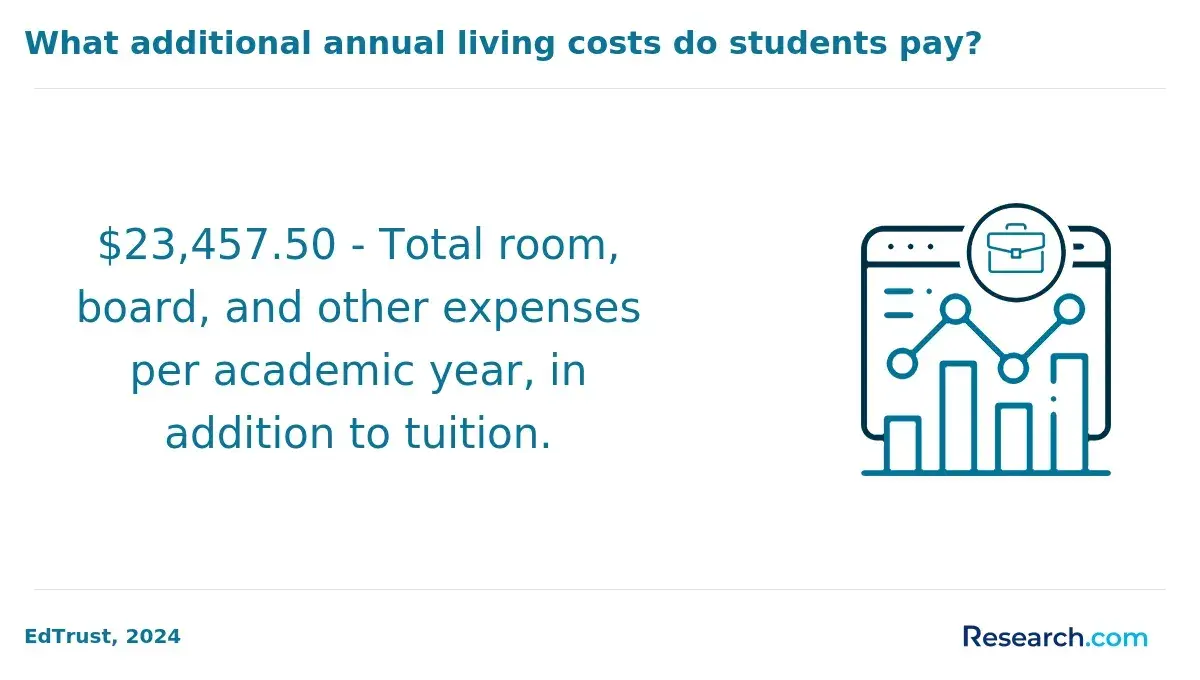
Returning to school for a real estate bachelor’s degree after 30 can be a strategic step toward career advancement, but it often comes with a unique set of challenges. Adult learners must balance academic demands with work, family responsibilities, and financial commitments while adapting to modern learning environments.
Understanding these common obstacles—and the resources available to address them—can help students prepare for a more manageable and successful educational experience.
- Time Constraints: Balancing work duties, family care, and schooling demands creates a significant challenge. Many adult learners handle full-time jobs alongside parenting or caregiving responsibilities, cutting sharply into available study time. Research from Complete College America highlights that such time pressures often lead adult students to pause or drop out, underscoring the value of flexible course scheduling and part-time options.
- Financial Pressures: Managing tuition payments while supporting a household or settling debts adds substantial stress. Insights from the Bill & Melinda Gates Foundation reveal that financial hurdles are a leading cause of interruption in adult education journeys. Yet, scholarships, employer tuition reimbursement, and federal aid programs frequently help to alleviate these burdens.
- Technology Gaps: Adjusting to online platforms and digital tools-now common in real estate programs-can be intimidating for adults returning to academia. Institutions often provide targeted technical support and orientation sessions tailored to ease this transition.
- Imposter Syndrome: Feelings of self-doubt and insecurity are widespread among adult students, particularly those changing careers or reentering education after a long break. They may fear not measuring up to younger classmates, but peer mentoring and support groups can help address this psychological barrier.
- Academic Bureaucracy: Navigating enrollment protocols, credit transfers, and degree requirements can be complex and frustrating. Schools with advisors specialized in adult learner needs can greatly simplify this often-confusing process.
Reflecting on his experience, a professional who enrolled in a real estate bachelor's program after 30 shared that juggling family commitments with coursework was often "overwhelming"—especially during exam weeks.
He recalled feeling uncertain about mastering new software, which initially made assignments daunting. Despite moments of doubt, he found that connecting with peers and seeking guidance from dedicated advisors helped him "stay on track and regain confidence."
His journey reinforced that perseverance through these obstacles is achievable and that institutional support makes a tangible difference.
What Types of Real Estate Bachelor's Degree Programs Are Best Suited for Adults Over 30?
Adult learners pursuing a bachelor's degree in real estate over 30 can select from diverse program formats tailored to fit their schedules and responsibilities.
- Fully Online: These options provide complete remote access with no campus visits, ideal for balancing family and work life. Institutions like Western Governors University and Southern New Hampshire University offer solid frameworks for such learners.
- Hybrid: These programs blend online coursework with occasional in-person classes, providing some direct interaction while maintaining a degree of flexibility.
- Evening and Weekend On-Campus: Designed for working adults, these schedules hold in-person classes outside normal business hours, allowing daytime employment alongside traditional classroom experiences.
- Competency-Based Education (CBE): Focusing on skill proficiency over time spent in class, CBE enables motivated students-including military veterans and transfer students-to accelerate degree completion by leveraging prior knowledge.
- Accelerated Cohort Models: Fast-paced, group-oriented programs intended for career changers offering immersive schedules that shorten the time to graduation.
Matching your lifestyle with flexible real estate degree options for learners over 30 helps ensure success. Those seeking the shortest associate degree program pathways can also benefit from considering how prior learning credits and scheduling intensity fit their goals.
How Long Does It Take to Earn a Real Estate Bachelor's Degree After 30?
Completion times for adults over 30 pursuing a real estate bachelor's degree vary widely, often influenced by enrollment status, transferred credits, and program design. Full-time adult learners typically require about four to five years to graduate, reflecting additional responsibilities outside school.
Those attending part-time can expect to take six years or more, as balancing work and family often demands a slower pace. Accelerated or flexible programs tailored to adults—featuring online and evening classes—can reduce this timeframe to two or three years for dedicated students.
Leveraging prior learning assessments (PLAs), CLEP exams, and military credit transfers can significantly shorten degree completion by awarding credit for relevant experience and knowledge.
This is particularly valuable for veterans and professionals wanting to avoid redundant coursework. As a result, students with substantial transfer credits sometimes finish in under three years, even on a full-time schedule.
When estimating personal timelines, adults should assess their existing credits, weekly availability, and the pace of their chosen program. NCES data indicates that nearly 60% of bachelor's students over age 25 enroll part-time, underscoring the increasing demand for flexible real estate education options.
- Enrollment Intensity: Full-time students generally graduate in four to five years, while part-time learners may take six or more due to external commitments.
- Accelerated Options: Programs with online or evening classes enable motivated adult students to complete degrees in as little as two to three years.
- Credit Transfer: Prior learning credits—including PLAs, CLEP, and military service—can reduce coursework and time-to-degree substantially.
- Personal Timelines: Factoring in transferable credits, weekly study hours, and program pace helps create realistic graduation goals.
- Adult Enrollment Trends: About 60% of students over 25 attend part-time, highlighting the need for adaptable learning formats.
Speaking with a professional who earned her real estate bachelor's degree after age 30 reveals how pivotal credit transfer and flexible scheduling were in her journey.
Juggling a full-time job and parenting, she appreciated how prior learning recognitions credited her extensive industry experience, allowing her to skip introductory courses. Evening classes became her sanctuary, fitting education around family routines.
Her approach wasn't without stress—balancing deadlines and personal life required resilience—but completing the degree in under four years made her confident in pursuing a robust real estate career with renewed purpose.
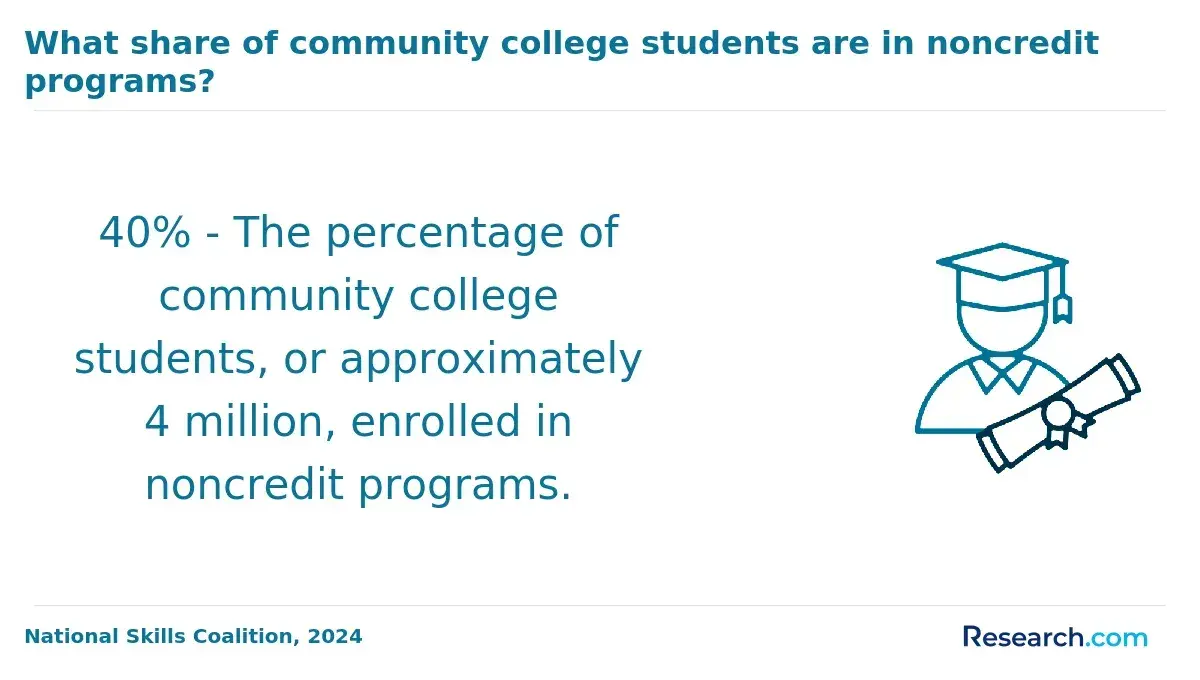
How Can Adults Over 30 Pay for a Real Estate Bachelor's Degree?
Many adults pursuing a bachelor's degree in Real Estate worry federal financial aid isn't accessible to them, but the Federal Student Aid office confirms eligibility depends on meeting FAFSA requirements-not age. This opens multiple funding routes for those over 30.
- Federal Financial Aid: Pell Grants provide need-based funds that don't require repayment, while subsidized and unsubsidized loans offer affordable borrowing options with low interest rates for tuition and expenses.
- Employer Tuition Assistance: Numerous companies support continuing education through reimbursement or aid programs, especially in fields related to business. Employees should contact their HR department to learn about qualifying offerings.
- State Adult Learner Grants: Several states offer grants tailored for adult students returning to college, often with flexible eligibility and meaningful reductions in tuition costs.
- Scholarships from Real Estate Professional Associations: Industry groups frequently grant scholarships prioritizing students aiming to enter or advance their careers in Real Estate.
- Income-Share Agreements: Some schools allow payment based on a fixed share of future income over a set period, easing upfront financial burdens during the program.
Compared to on-campus programs, online degrees often come with lower tuition costs and the added benefit of eliminating commuting expenses. Public universities generally charge less than private institutions, making them appealing options for cost-conscious adult learners.
To make the most of aid before considering loans, prospective students should file the FAFSA early and yearly, seek out scholarships targeting Real Estate and adult learners, explore employer tuition support, and compare costs across delivery formats and institution types.
Currently, about 40% of undergraduate students are aged 25 and older, reflecting an increasing number of adults actively securing bachelor's credentials-a trend that confirms financial aid is widely attainable beyond traditional college-age demographics.
Will Employers Respect a Real Estate Bachelor's Degree Earned After 30?
Employers consistently value a regionally accredited real estate bachelor's degree regardless of the graduate's age or how long the program took to complete. According to data from the Society for Human Resource Management (SHRM), hiring managers prioritize the legitimacy of credentials and relevant skills over the age at which the degree was earned.
This means a degree completed after 30 holds equal weight on resumes and during credential verification processes as one earned at 22.
- Employer Perspective: Many employers actively appreciate adult learners due to their professional maturity, real-world experience, and proven perseverance balancing education with life obligations.
- Industry Requirements: In real estate sectors such as commercial brokerage, property management, and development firms, a bachelor's degree often serves as a non-negotiable baseline requirement-making completion timing irrelevant.
- Age-Related Concerns: Surveys by LinkedIn Workforce Insights show growing acceptance and even preference for candidates returning to education later in life, recognizing their diverse skills and stable work histories.
- Credential Relevance: On official records and professional applications, the degree itself confers status, not the graduate's age, ensuring equal opportunity in hiring processes.
- Recent Trends: The National Association of Colleges and Employers (NACE) reports a 14% increase in employers recruiting candidates with degrees earned later in life over five years, reflecting evolving attitudes toward adult education.
How Does Prior Work Experience Factor Into a Real Estate Bachelor's Degree Program After 30?
Adult learners pivoting into the real estate field often benefit from mechanisms that recognize prior work experience credit for real estate bachelor's degree programs, enabling them to accelerate their studies.
Many colleges and universities assess professional experience through several pathways connecting real-world skills to academic credit.
- Prior Learning Assessment (PLA): This formal evaluation allows learners to demonstrate competencies through interviews, exams, or portfolio reviews. Many institutions collaborate with standardized programs to award between 15 and 30 semester hours based on demonstrated expertise.
- Portfolio Evaluation: Students compile comprehensive portfolios detailing career achievements, certifications, and training related to real estate fields such as property management and real estate law. Academic advisors then grant credit for equivalent university coursework.
- CLEP and DSST Exams: Nationally recognized exams in areas like Principles of Marketing or Business Ethics enable real estate students to bypass introductory classes, potentially earning up to 30 credits depending on performance.
- ACE-Recommended Credit: The American Council on Education (ACE) endorses college credit for professional credentials such as Certified Property Manager (CPM) and Certified Commercial Investment Member (CCIM). Institutions following ACE guidelines may award academic credit recognizing these certifications' rigor.
Institutions with robust PLA processes-including regionally accredited universities offering online or hybrid real estate programs geared toward adult learners-typically grant 20 to 30 credits according to the Council for Adult and Experiential Learning (CAEL), equating to nearly half a year of full-time study.
Admissions offices evaluating non-traditional applicants focus on how well candidates articulate links between their experience and course objectives. Applicants over 30 are advised to submit detailed resumes, letters of recommendation, and clear descriptions of job responsibilities as academic assets rather than gaps.
Years of professional experience in or adjacent to real estate-such as urban planning or real estate finance-can significantly reduce degree requirements, shortening time to graduation while minimizing tuition costs.
Career changers, military veterans, and parents reentering the workforce seeking flexible credentials can explore streamlined pathways supported by these credit conversion options to attain a degree faster. Those interested may also consider related programs, including an online master's in communications, to complement their real estate career.
What GPA and Admission Requirements Apply to Real Estate Bachelor's Programs for Adult Learners?
Adult learners pursuing a real estate bachelor's degree encounter admission criteria designed to accommodate their diverse backgrounds. Requirements commonly reflect flexibility to support career changers, military veterans, transfer students, and parents reentering the workforce.
- Minimum GPA: Most programs expect a cumulative GPA between 2.0 and 2.5 from prior college coursework. However, many adult-oriented curricula permit standardized test waivers or exceptions when previous grades are dated or insufficient in credit hours, recognizing the unique challenges faced by nontraditional students.
- Standardized Test Waivers: Applicants over 25 or 30 typically have SAT or ACT requirements waived. Institutions with rolling or open admissions often prioritize professional experience, letters of recommendation, and personal statements rather than test scores—traits especially valued in real estate bachelor's programs for adult learners.
- Letters of Recommendation: Endorsements from employers or community leaders carry significant weight, illustrating applicants' readiness and commitment to succeed in real estate studies.
- Personal Statements: A well-written statement provides adult applicants the opportunity to convey motivation, career goals, and past academic challenges overcome, helping their application stand out
- .Residency and Transfer Credit Policies: Many programs accept transfer credits from previous colleges or recognize professional and military training as academic credit. This can shorten time-to-degree, appealing to those seeking accelerated completion.
- Academic Renewal and Grade Forgiveness: Policies often allow students to exclude low early grades from GPA calculations or pursue conditional admission, offering a fresh academic start for those with past academic struggles.
Adult learners researching GPA requirements for adult learners in real estate bachelor's programs and admission criteria for real estate bachelor's degrees for nontraditional students should also explore alternative degree options, such as the MS in applied artificial intelligence, which may offer complementary career pathways.
How Do Family and Work Responsibilities Affect Completing a Real Estate Degree After 30?
Employer flexibility is critical; adjustable work hours and remote options enable learners to better blend academic and professional demands. Support from spouses or family members can ease domestic pressures, providing both emotional encouragement and practical help.
Additionally, campus resources like childcare services and emergency financial aid address logistical and monetary barriers, improving retention and completion rates.
Prospective students should carefully assess their personal support networks and communicate early with their institution's adult learner services to identify available accommodations and resources tailored to their needs.
Caregiving Demands: Managing children or elderly relatives limits study availability and heightens stress, so adaptable planning is essential.Work Flexibility: Flexible employer policies like remote work make integrating coursework with jobs more achievable.Time Management Strategies: Techniques such as time-blocking increase study efficiency amid competing responsibilities.Family Support: Assistance from partners and relatives reduces stress and helps balance multiple roles successfully.Campus Resources: Childcare and emergency aid programs remove barriers, promoting continuous enrollment and degree completion.
What Campus and Online Support Services Help Adults Over 30 Succeed in a Real Estate Program?
Research from the National Student Clearinghouse and Complete College America shows that adult learners benefit greatly from focused advising, which significantly boosts degree completion rates.
For students over 30 pursuing a real estate degree, the availability of specialized campus and online support is a key factor in navigating academic and personal challenges.
- Dedicated Adult Learner Advisors: These advisors understand the unique balancing act adults face, helping with course choices, degree planning, and overcoming obstacles related to work, family, and returning to school after a break.
- Prior Learning Assessment Offices: By evaluating professional, military, or experiential learning, these offices can award academic credit that shortens the time and cost required to earn the degree.
- Evening and Weekend Tutoring: Flexible tutoring sessions accommodate busy schedules so students can receive help at convenient times beyond regular hours.
- Virtual Library Access: 24/7 access to databases and research materials supports study needs without requiring physical visits to campus facilities.
- Career Services for Career Changers: Tailored career counseling connects students pivoting into real estate with internships, job opportunities, and networking events designed for those entering the industry late.
- Peer Networks for Non-Traditional Students: Communities focused on adult learners create support systems that reduce isolation and promote persistence through shared experiences.
Prospective students should inquire specifically about these support services when evaluating real estate programs. Adult learner support infrastructure is one of the strongest predictors of success and timely graduation in these specialized degree tracks.
What Graduates Say About Getting a Real Estate Bachelor's Degree After 30
- Cade: "Choosing to pursue my bachelor's in real estate after 30 was a game changer. The program's accreditation gave me confidence in the quality of education I was receiving-something I didn't want to compromise as a working professional. Plus, the financial support options made it manageable to balance both studies and daily life without overwhelming debt."
- Mohamed: "Returning to school later in life felt intimidating at first, but the career outcomes I've seen since graduation have made it worth every effort. Thanks to the real estate bachelor's program's strong network and practical curriculum, I secured a role that truly matches my skills and ambitions. I also appreciated the supportive financial aid which helped ease the transition from full-time work to full-time study."
- Axel: "My experience in the real estate bachelor's degree program was both challenging and rewarding. Financial support was crucial for me, especially juggling family responsibilities, and the accreditation assured me the credential would be respected industry-wide. The program opened doors to professional opportunities I had only dreamed about before enrolling."
Other Things You Should Know About Real Estate Degrees
Yes, many colleges and universities offer accelerated real estate bachelor's programs or grant credit for relevant professional experience. These programs acknowledge prior learning in areas like sales, property management, or finance, allowing adults over 30 to complete their degrees faster. Online and hybrid formats are common, providing flexibility for working adults balancing education with other responsibilities.
One common misconception is that earning a degree later in life is less valuable or harder to achieve. In reality, adult learners often outperform younger students by applying practical insights gained from work or life experience. Another myth is that employers prefer only recent graduates; however, many value the maturity and diverse background that older students bring to real estate roles.
Adults should consider programs that offer flexible scheduling, online options, and recognition of prior learning to fit their busy lives. Evaluating curriculum relevance to current real estate industry trends and career goals is crucial. Additionally, choosing accredited institutions with strong career support services can improve job placement and networking opportunities within the real estate sector.
References
- Bachelor degree holders more likely to own homes by age 30 - RE/MAX of Cherry Creek https://rmcherrycreek.com/bachelor-degree-holders-more-likely-to-own-homes-by-age-30
- How Long Does It Take To Become A Real Estate Agent? https://www.uopeople.edu/blog/how-long-does-it-take-to-become-a-real-estate-agent/
- 15 Free Online Real Estate Courses That’ll Actually Help You Grow https://www.easyagentpro.com/blog/15-free-online-real-estate-courses-thatll-actually-help-grow/
- Finding Balance: Working in Real Estate While Raising a Family https://www.unitedcountryok.com/articles/real-estate/finding-balance--working-in-real-estate-while-raising-a-family
- Real Estate Degrees | What Degree Will You Need? (Full Guide) https://www.allbusinessschools.com/real-estate/degrees/
- Champions School of Real Estate - Licensing Classes and Online Courses https://www.championsschool.com/
- 10 Best Degrees for Real Estate | What to Study for a Career in Real Estate https://www.collegeconsensus.com/degrees/best-degrees-real-estate/
- 7 Challenges of Being a Real Estate Agent and How To Avoid Them — Rev Real Estate School: SOI Real Estate Coaching https://www.revrealestateschool.com/tips/challenges-of-real-estate
- Recognition of Prior Learning (RPL) - Convert Your Work Experience into University Credits https://www.libt.co.uk/prospective-students/rpl
- Study: College graduates more likely to own their own home https://corridorbusiness.com/study-college-graduates-more-likely-to-own-their-own-home/


