
2027 Community College to Real Estate Bachelor's Degree Transfer Guide

Co-Founder and Chief Data Scientist
Many community college students aiming to transfer into a real estate bachelor's degree program face challenges navigating differing credit requirements and application processes. Nearly 40% of community college transfers in business-related fields encounter credit transfer issues that delay graduation. This uncertainty can lead to wasted time and increased costs, complicating the path toward real estate careers.
Understanding how to align community college coursework with real estate bachelor's degree prerequisites is critical. This article outlines practical strategies for successful credit transfer, selection of suitable programs, and informed decision-making to ensure a smooth transition and timely degree completion in real estate studies.
Key Benefits of Community College to Real Estate Bachelor's Degree Transfer
- Transferring from community college enhances academic accessibility by allowing students to complete foundational coursework affordably before specializing in real estate bachelor's degree programs.
- Cost efficiency is significant, as community colleges average nearly 60% lower tuition, enabling savings that reduce overall student debt during real estate degree completion.
- Established articulation agreements streamline credit transfers, facilitating smoother degree completion pathways with fewer redundant courses in real estate curricula.
Who Should Consider Transferring to a Real Estate Bachelor's Degree?
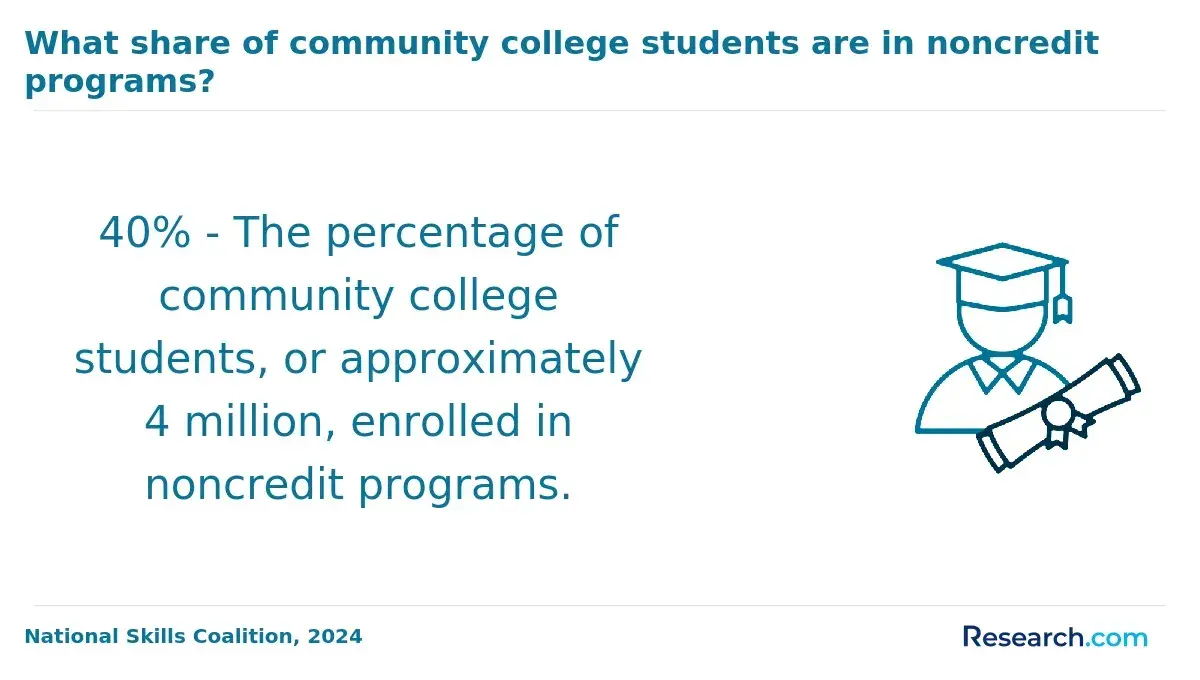
Transferring from a community college to a real estate bachelor's degree program offers a strategic pathway for students aiming to build advanced skills and improve career prospects. Nearly 40% of community college students transfer to four-year institutions within six years, highlighting the significance of transfer options for those seeking career advancement. For students exploring transfer eligibility for real estate bachelor's programs, certain groups find this route especially beneficial.
- Advanced Opportunities: Students aiming to move beyond entry-level roles can benefit from a bachelor's degree that offers comprehensive training and stronger industry recognition, enhancing their competitiveness in the real estate market.
- Associate Degree Completers: Individuals who have completed or are nearing completion of an associate degree in business, finance, or related fields often transfer to specialize further in real estate, aligning their credentials with their career goals.
- Career Changers: Those shifting from other fields into real estate investment, development, or brokerage may require formal education in real estate to support this transition and meet industry expectations.
- Licensure Seekers: Students pursuing real estate licenses or certifications often find that a bachelor's degree meets or exceeds recommended educational requirements, improving their eligibility for professional credentials.
- Leadership Aspirants: Those aiming for management, entrepreneurial, or leadership positions within real estate firms increasingly need a bachelor's degree as a foundational qualification to succeed.
Students focused on real estate degree transfer requirements for community college students should also consider the broader academic landscape, including affordable advanced degrees in related fields. For those interested in continued postgraduate study, exploring the cheapest PhD programs can present future opportunities for specialization and career growth.
What Are the Transfer Requirements for a Real Estate Bachelor's Degree?
Transferring from a community college to a bachelor's degree program in real estate involves meeting specific academic and administrative criteria designed to ensure readiness for advanced coursework. Recent data shows that about 35% of business-related bachelor's degree students, including those pursuing real estate degrees, enter programs as transfer students. Meeting these requirements helps streamline the transition and supports academic success.
Typical transfer prerequisites include the following:
- Minimum GPA: Students must maintain a cumulative GPA that meets the receiving institution's standards, demonstrating their academic preparedness. This threshold varies between schools but is essential for credit evaluation and acceptance.
- Completed Coursework: Foundational classes such as general education and introductory real estate or business courses need to be finished to provide the academic background necessary to succeed in upper-division real estate studies.
- Official Transcripts: Submitting transcripts from all previously attended colleges is required to verify coursework and grades, facilitating accurate credit transfer based on community college credit transfer policies for real estate degrees.
- Application Materials: Transfer applicants must provide completed forms, personal statements, and sometimes letters of recommendation, explaining their motivation and goals within real estate.
- Additional Program Requirements: Some institutions may require meeting credit-hour minimums or course equivalencies specific to their real estate curriculum.
Students aiming to transfer should also consider researching the least expensive online bachelor's degree options in real estate, which can offer flexible and cost-effective pathways to completing their education.
2026 Update: Match Your Real Estate Bachelor's Program to Licensing and Career Goals
This 2026 update adds guidance on evaluating whether a real estate bachelor’s program supports your intended career path after transfer, not just whether your credits will apply.
- Confirm whether the program helps prepare students for your state’s real estate licensing or broker education requirements.
- Check for concentrations in areas such as commercial real estate, property management, real estate finance, or development.
- Look for internships, practicum courses, or project-based learning tied to local real estate markets.
- Review whether courses include valuation, market analysis, contracts, investment analysis, and real estate technology tools.
- Ask how transfer students access career advising, employer events, alumni contacts, and placement support.
- Consider whether online or hybrid formats still require in-person site visits, exams, or field experiences.
Looking beyond transfer approval helps you choose a program that fits both your academic timeline and your real estate career goals.
Can I Transfer All My Community College Credits to a Real Estate Bachelor's Degree?
Many students wonder if they can transfer all their community college credits toward a real estate bachelor's degree. While transferring a large portion is often possible, the total number accepted varies based on how closely the coursework aligns with the receiving institution's curriculum and specific program needs. Institutional policies and accreditation status also influence credit acceptance. According to the National Student Clearinghouse Research Center, around 64% of community college transfer students successfully move credits to four-year colleges, though full credit transfer is rarely achieved.
Several factors affect whether credits will transfer. Universities assess course equivalency, comparing completed classes with their real estate curriculum to ensure appropriate content and academic level. Credits from regionally accredited community colleges typically have a higher transfer value than those from other institutions.
Additionally, coursework must be relevant to the major or general education requirements; unrelated classes may be excluded. After submission, transcripts undergo a detailed review by faculty or advisors who determine which credits fit the program, sometimes assigning them as electives instead of required classes.
When I spoke with a graduate who transferred from community college into a real estate bachelor's program, he described the process as both encouraging and frustrating. "I hoped most of my credits would count, but some classes didn't line up exactly," he explained. He emphasized the importance of patience during transcript evaluations and noted that academic advisors played a key role in guiding him through what transferred and what didn't. "It felt like a puzzle, trying to figure out how my completed courses fit into the new program, but I appreciated that some credits at least counted toward electives."
What Classes Should I Take at Community College for a Real Estate Bachelor's Degree?
Choosing appropriate community college courses early can significantly ease the transfer process and improve chances of completing a real estate bachelor's degree on time. Research shows that nearly 60% of students who finish foundational coursework before transferring have better success finishing their bachelor's within four years. Below are key classes recommended to help build a strong academic base.
- General Education: Courses in English composition and college-level math develop essential skills in writing, critical thinking, and quantitative analysis, which are necessary in further real estate studies.
- Business Fundamentals: Introductory business classes introduce corporate and economic concepts vital for understanding real estate market operations and decision-making.
- Economics: Both microeconomics and macroeconomics provide insights into market forces and economic trends affecting property values and investments.
- Accounting and Finance: Basic accounting helps with financial literacy tied to real estate transactions, while elective finance classes support knowledge needed for property valuation and investment analysis.
- Communication Skills: Electives like public speaking enhance negotiation and client interaction capabilities, which are crucial in real estate careers.
These transferable classes for real estate degree programs serve as prerequisites for complex topics such as real estate law and property management. For those exploring options, consider an online degree for construction management as a related pathway that complements real estate expertise.
What Should I Do Before Transferring to a Real Estate Bachelor's Degree?
Properly preparing before transferring to a real estate bachelor's program can significantly boost your chances of success and ease your academic transition. Studies show that students who plan ahead have about a 20% higher retention rate in their new program. Below are some important steps to help you get ready before making the move.
- Review Coursework Check your completed classes to ensure they meet the real estate program's requirements. This helps identify any missing prerequisites or credits, avoiding surprises that could delay your progress.
- Consult Academic Advisors Speak with advisors from both your community college and your target institution. Their guidance can help align your courses and academic goals with the expectations of a real estate bachelor's curriculum.
- Organize Application Materials Gather transcripts, recommendation letters, and any other documents needed for your transfer application. Being prepared reduces stress and helps avoid last-minute complications.
- Understand Program Demands Learn about course loads, assessment types, and potential career paths connected to the real estate degree. Anticipating these challenges mentally prepares you for the program's rigor.
When I asked a student currently enrolled in a real estate bachelor's degree program about her transfer experience, she described it as both challenging and rewarding. She mentioned having to adjust to a more structured and fast-paced academic environment than she was used to. "It wasn't just about coursework; managing deadlines and networking felt like a whole new skill set," she shared.
Yet, the most valuable part for her was the confidence that came from thoroughly preparing before the transfer-"knowing I was organized and informed made the hectic transition manageable and kept me motivated." This perspective highlights the importance of readiness beyond just academics in successfully moving from community college to a real estate degree program.
When Should I Apply for Transfer to a Real Estate Bachelor's Degree?
Timing your transfer application is essential to ensure a seamless shift into a real estate bachelor's degree program and to maintain steady academic progress. Research indicates that about 60% of community college students who apply early during transfer periods face fewer complications with registration and credit evaluations. Keeping these factors in mind can make a significant difference in your transfer experience.
Consider the following key points when planning your application submission:
- Academic Readiness: Completing relevant prerequisite courses before applying enhances your admission prospects and minimizes the need for catch-up classes after transfer.
- Application Timing: Universities typically have established application windows in the fall and spring semesters. Submitting your materials ahead of these deadlines allows ample time for processing and notification.
- Document Preparation: Organizing transcripts, recommendation letters, and other files well in advance helps prevent last-minute setbacks that could delay your application.
- Advising Consultations: Discuss your credit transfer eligibility and remaining required courses with academic advisors before applying to tailor your application effectively.
- Program Availability: Since real estate bachelor's programs may have limited enrollment, applying early can improve your chances of securing a place in competitive cohorts.
Is It Cheaper to Transfer to a Real Estate Bachelor's Degree From Community College?
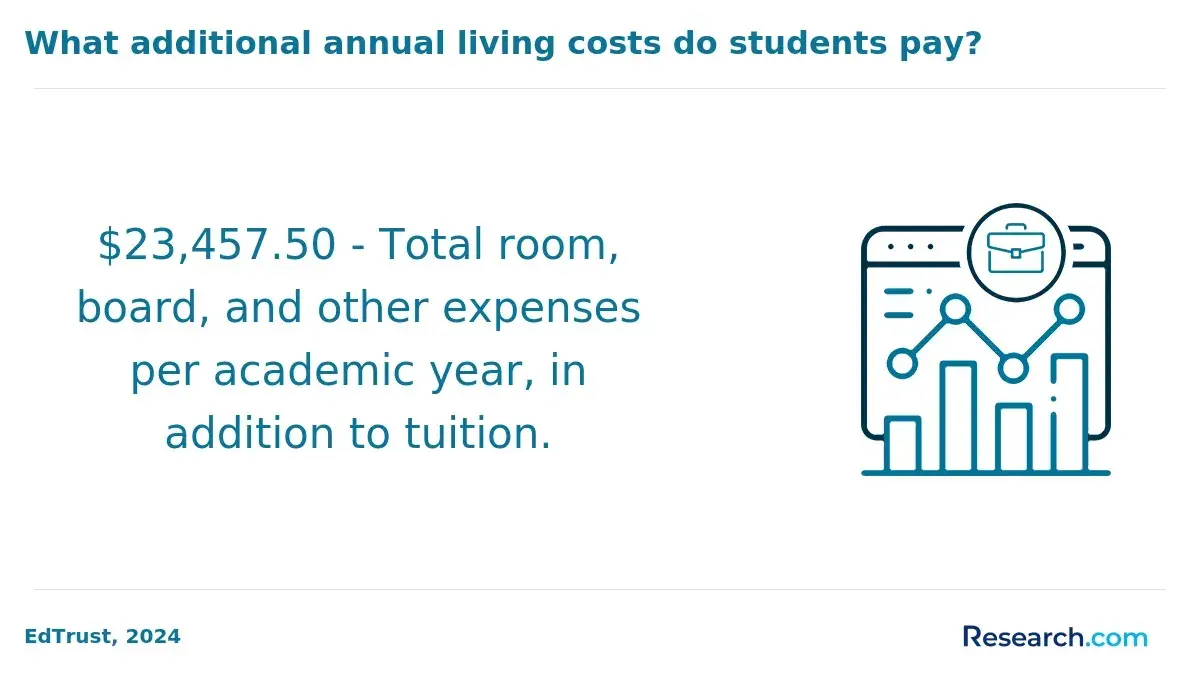
Beginning a college education at a community college before transferring to a bachelor's degree program in real estate is frequently seen as an effective way to reduce overall educational expenses. On average, tuition per credit hour at community colleges is less than half of that at four-year institutions. These savings can add up significantly during the initial years of study. Below are several key cost-benefit factors to consider when pursuing this transfer path.
- Lower Tuition Rates: Community colleges offer substantially lower tuition costs for general education and foundational courses, making the first two years more affordable compared to starting at a four-year university.
- Reduced Degree Expenses: Completing general requirements early means fewer credits must be paid at the higher tuition rates of a four-year institution, lowering the total costs required to earn a real estate bachelor's degree.
- Housing and Commute Savings: Staying local while attending community college can minimize living expenses such as rent and transportation, which often rise after transferring to a distant four-year campus.
- Delayed Higher Costs: Transferring allows students to postpone paying for the more expensive fees and housing associated with four-year institutions, effectively spreading out expenses over time.
Choosing community college as the starting point for a real estate bachelor's degree offers a financially prudent route, provided students manage credit transfer efficiently and stay on track to complete their degrees.
What Financial Aid Is Available for Real Estate Bachelor's Degree Transfer Students?
Transfer students entering bachelor's degree programs in real estate often have access to a variety of financial aid resources to help manage the cost of continuing their education. Nearly 60% of transfer students receive some form of financial assistance, underscoring the widespread availability of support. These options can significantly offset expenses and make earning a real estate degree more affordable.
Common financial aid opportunities include:
- Need-Based Aid is awarded according to a student's financial situation and family income. It helps reduce out-of-pocket costs and is particularly valuable for transfer students who qualify for assistance based on demonstrated need.
- Federal Support includes grants and loans available through the Free Application for Federal Student Aid (FAFSA). These programs provide critical funding regardless of where students completed their community college credits, as long as they enroll in a four-year real estate program.
- State-Level Programs often offer additional grants, tuition waivers, or scholarships specifically designed for students transferring into real estate degrees within the state's university system, providing another layer of financial relief beyond federal aid.
- Institutional Aid is provided by the receiving college or university and may include scholarships or grants tailored to transfer students advancing in real estate studies. Schools recognize the importance of attracting transfer students and often create aid packages to support them.
- Work-Study Opportunities enable students to earn income through part-time jobs related to real estate or similar fields. This not only helps cover education costs but also offers practical experience in real estate sectors.
Students interested in cost-effective educational paths may also explore online MBA programs no GMAT low-cost, which can complement a real estate career with valuable business credentials.
These financial aid options provide essential support for students transferring into bachelor's real estate programs, making the goal of completing their degree more attainable.
Are There Scholarships for Transfer Students in Real Estate Bachelor's Degree Programs?
Scholarships for transfer students pursuing a bachelor's degree in Real Estate are available to help ease the financial burden associated with higher education. Approximately 60% of community college transfer students receive scholarships or financial aid when enrolling in four-year programs, demonstrating substantial support for these students. Below are common types of scholarships that can assist transfer students in Real Estate bachelor's degree programs.
- Merit-Based Scholarships: These scholarships reward students for strong academic performance, leadership, or community involvement demonstrated during their time at community college. They often encourage continued excellence during the transfer to a four-year institution.
- Need-Based Scholarships: Financial aid targeted toward students facing economic challenges can provide crucial assistance to transfer students pursuing Real Estate degrees. Eligibility typically depends on demonstrated financial need rather than academic criteria.
- Transfer-Specific Scholarships: Some colleges offer scholarships exclusively for transfer students, recognizing their prior academic achievements and motivating degree completion within the Real Estate field.
- Institutional and External Scholarships: Certain universities allocate funds specifically for incoming Real Estate transfer students, while external organizations and industry groups related to Real Estate also offer scholarships independently of the institution.
Students looking into community college transfer scholarships for Real Estate degrees should also explore various financial aid options for Real Estate bachelor's transfer students broadly. To complement scholarship opportunities, consider pursuing quick masters degrees online after completing the bachelor's program to enhance career prospects in this competitive industry. Resources for such advanced programs are available at quick masters degrees online.
What Problems Do Students Face When Transferring to a Real Estate Bachelor's Degree?
Transferring from a community college into a bachelor's degree program in real estate can open doors but often includes obstacles that affect student success. About 61% of transfer students persist in their bachelor's programs, suggesting many face difficulties that can delay or derail their completion. These obstacles span academic, administrative, and adjustment challenges. Below are some common issues transfer students encounter.
- Credit Transfer Issues: Many students find that previous credits do not fully apply to the new program, forcing them to take extra courses and lengthening their time to graduate.
- Academic Adjustment: Real estate bachelor's courses demand specialized knowledge and rigor, especially in topics like finance and property law, which may require a steep learning curve compared to broader community college classes.
- Administrative Barriers: Transfer processes often involve extensive paperwork and processing delays, creating stress and uncertainty during the transition period.
- Curriculum Misalignment: Foundational courses from community colleges may not align with the expectations of a real estate degree, causing students to retake prerequisites or additional courses.
What Graduates Say About Community College to Real Estate Bachelor's Degree Transfer
- Cade: "Transferring from a community college to a real estate bachelor's degree program was a game changer for me. I was initially drawn by the comprehensive curriculum that aligned perfectly with my career aspirations in property management. The cost was surprisingly manageable, especially compared to other four-year programs, making it a smart investment in my future."
- Mohamed: "Reflecting on my transfer journey, choosing a real estate bachelor's degree program offered me access to industry-specific resources that my previous college couldn't provide. Although the tuition was higher, scholarships and financial aid helped ease the transition. This move has significantly boosted my confidence in negotiating deals and understanding market dynamics."
- Axel: "From a professional standpoint, transferring into a real estate bachelor's degree program provided the specialized knowledge and networking opportunities I needed to advance. The affordable transfer process from community college made it feasible without overwhelming debt. Thanks to this program, I now feel equipped to navigate both residential and commercial sectors with professionalism."
Other Things You Should Know About Real Estate Degrees
The path involves transferring credits from a community college, typically reducing the total study time to about two additional years. Students should consult academic advisors to ensure their credits align with the Real Estate program's requirements for a smooth transition.
Many Real Estate bachelor's degree programs include a required internship or practicum to provide hands-on experience in the field. Transfer students should check their prospective school's curriculum to confirm whether they need to participate in such experiential learning components before graduation.
A bachelor's degree in Real Estate can prepare students to sit for licensing exams required to become a real estate agent or broker. However, licensing requirements vary by state, so it is important to research the specific state's real estate commission rules where you intend to work.
References
- Improving the Experience for Community College Transfer Students https://changinghighered.com/improving-the-experience-for-community-college-transfer-students/
- Why Transfer from a Community College to a 4-Year University? https://www.edvisorly.com/student-guides/why-transfer-from-a-community-college-to-a-4-year-university
- B.S. Real Estate Development? Any money in it? - Business Majors - College Confidential Forums https://talk.collegeconfidential.com/t/b-s-real-estate-development-any-money-in-it/602900
- Transferring from a Community College | Tiffin University https://go.tiffin.edu/blog/can-you-transfer-from-a-community-college-to-a-university/
- Comprehensive Guide to Financial Aid for Real Estate School https://www.colibrirealestate.com/career-hub/blog/financial-aid-real-estate-school/
- Transferring from community college to a four-year school isn't often successful — it's 'terribly unfortunate,' expert says https://www.cnbc.com/2024/02/13/community-college-transfer-pathway-doesnt-work-for-everyone.html
- Advantages of Starting at a Community College | San Juan College https://www.sanjuancollege.edu/blog/benefits-of-transferring-from-community-college/
- When Community Colleges Offer Bachelor’s Degrees, Grads Get Leg up on the Future – The 74 https://www.the74million.org/article/when-community-colleges-offer-bachelors-degrees-grads-get-leg-up-on-the-future/
- Transfer Scholarships and Financial Aid for Transfer Students from Spark Admissions https://www.sparkadmissions.com/blog/transfer-scholarships-and-financial-aid/
- The Value of Transferring From a Community College to a University https://sopa.tulane.edu/blog/value-transferring-community-college-university


