
2027 Different Types of Real Estate Bachelor's Degrees: Specializations, Careers, and Salaries

Co-Founder and Chief Data Scientist
Imagine a student aiming for a career in property development but uncertain which Real Estate bachelor's degree specialization best fits their goals. This confusion is common, as the U. S. Bureau of Labor Statistics reports that employment in real estate-related occupations is expected to grow 4% from 2022 to 2032, influenced by varying demands for specialists like appraisal experts, brokers, and property managers.
Choosing the right focus can significantly impact job prospects and earning potential. This article will explore different types of Real Estate bachelor's degrees, detailing their specializations, associated careers, and typical salaries to help students make informed decisions.
Key Things to Know About Different Types of Real Estate Bachelor's Degrees
- Bachelor's degrees in real estate often specialize in finance, development, or asset management, each preparing students for specific career tracks such as investment analysis, property development, or portfolio oversight.
- Typical careers include real estate agent, property manager, or real estate analyst, with roles varying by specialization and industry demand within commercial and residential markets.
- Salary expectations generally range from $50,000 to over $100,000 annually, influenced by specialization, geographic location, and years of experience in the field.
What Are the Different Types of Real Estate Bachelor's Degrees?
Real estate bachelor's degrees in the US come in various program formats tailored to different student needs, learning preferences, and pacing requirements. Approximately 30% of undergraduate programs now offer online or hybrid options, highlighting the increasing demand for flexible real estate bachelor's degree options. These diverse formats also accommodate the evolving specializations in real estate undergraduate programs, making it easier for students to find a path that fits their goals and schedules.
Traditional Full-Time: This format follows a structured, on-campus curriculum over four years, providing immersive classroom experiences and direct faculty interaction. It's well-suited for students seeking the classic college environment with a steady pace.
Accelerated Degree Paths: These programs compress the curriculum into a shorter period through intensive or year-round courses. They appeal to motivated learners aiming to complete their degree faster and enter the workforce sooner, comparable to some of the fastest degree to get options available.
Online Bachelor's Degrees: Online programs offer flexibility with self-paced or scheduled classes, ideal for working professionals or those balancing other commitments. The quality of these programs continues to improve, closely matching traditional on-campus versions.
Hybrid Learning Models: Combining online coursework with periodic campus visits, hybrid formats deliver a balance of convenience and face-to-face engagement. This option supports students looking for a blend of remote and in-person learning experiences.
Part-Time Study Options: Designed for students who need to extend their studies over multiple years, these usually provide evening or weekend classes to fit around jobs or family responsibilities.
What Specializations Are Available in a Real Estate Bachelor's Degree?
Many real estate bachelor's degree programs offer multiple specializations to help students focus on specific industry sectors. Recent surveys show that over 60% of real estate degrees in the U.S. include specialization options, highlighting the demand for focused expertise. These tracks enable students to develop targeted skills suited for various professional roles within real estate. Below are some common specializations found in such programs:
- Real Estate Finance and Investment: This specialization emphasizes financial markets, property valuation, and investment analysis. Students gain skills in risk assessment, cash flow evaluation, and making data-driven investment decisions.
- Property Development and Construction Management: Focused on the building and planning side, this track covers project management, construction processes, and principles of urban development, preparing students to oversee property creation and renovation projects.
- Real Estate Marketing and Sales: Emphasizing knowledge of consumer behavior and negotiation strategies, this specialization equips students to effectively market and sell properties, connecting buyers and renters with appropriate offerings.
- Real Estate Law and Policy: This area centers on understanding legal frameworks, contracts, and government regulations affecting property transactions, strengthening students' abilities in legal interpretation and compliance.
- Sustainable Real Estate and Environmental Planning: Addressing the growing importance of sustainability, this specialization explores energy efficiency, green building standards, and eco-friendly urban planning practices.
Students who are non-real estate majors interested in further education can explore online real estate master's admission criteria for non-majors to transition smoothly into advanced studies. Furthermore, applicants should review requirements for non-real estate majors applying to online master's programs to understand prerequisites and prepare accordingly. For those considering undergraduate options, programs in other fields, such as bachelors in psychology online, showcase how specialization can also enhance employability across disciplines.
2026 Update: Licensing and Credential Pathways
For 2026, this section was added to help students compare how different real estate bachelor’s degree paths connect to licensing, exams, and professional credentials after graduation.
- Check whether the curriculum includes coursework that may support your state’s real estate salesperson, broker, or appraisal licensing requirements.
- Review whether the program explains state-by-state licensing differences, since requirements can vary depending on where you plan to work.
- Look for exam preparation support, especially for students pursuing brokerage, appraisal, property management, or finance-related roles.
- Ask whether internships or supervised field experiences can count toward practical experience expectations for certain career tracks.
- Consider whether faculty or career advisors have current industry experience with licensing boards, brokerages, appraisal firms, or development companies.
- Review how well the degree aligns with optional credentials in areas such as commercial real estate, property management, or valuation.
Understanding these requirements early can help students choose a degree path that supports both immediate job goals and long-term professional advancement.
What Entry-Level Jobs Can I Get With a Real Estate Bachelor's Degree?
A bachelor's degree in real estate equips graduates to enter various entry-level positions within the industry. Data shows that nearly 75% of these graduates secure jobs in their field within six months, reflecting strong market demand. Below are some common roles for new professionals starting out.
- Real Estate Agent: Agents guide clients through buying, selling, or leasing properties, sharpening negotiation and market evaluation skills while building client relationships and industry networks.
- Property Manager: This role involves overseeing rental properties, managing tenant communications, maintenance tasks, and budgeting, which enhances organizational and operational problem-solving abilities.
- Leasing Consultant: Leasing consultants promote rental units and assist applicants through leasing procedures, developing expertise in sales, customer service, and communication.
- Real Estate Analyst: Analysts study market trends, appraise property values, and support financial modeling efforts, cultivating strong analytical and data interpretation skills critical for roles in investment and development.
- Assistant to a Real Estate Developer: Assistants support planning, budgeting, and coordination of development projects, gaining valuable experience in project management and understanding the development process.
Speaking with a professional who earned a real estate bachelor's degree offers additional insight. He described the initial job search as daunting, especially balancing expectations with market realities. "Landing my first position wasn't just about the diploma but proving I could apply what I learned in real-world scenarios," he shared. He emphasized the importance of adaptability and continual learning, recalling how early assignments tested his problem-solving under pressure. These experiences, he noted, laid a foundation for career growth far beyond the classroom.
What Industries Pay the Most for Real Estate Graduates?
Certain industries are known to offer higher compensation for real estate bachelor's degree holders, with roles in investment firms earning up to 20% more than traditional property management positions. These top-paying sectors reward graduates who combine financial expertise, market knowledge, and management capabilities. Below are key industries that maximize earning potential for real estate graduates.
- Commercial Real Estate: This sector deals primarily with office, retail, and industrial properties. Graduates often engage in leasing, property management, and market research, requiring strong analytical skills and negotiation abilities to succeed.
- Investment Firms: Including real estate investment trusts (REITs) and private equity companies, this industry hires graduates for acquisition evaluation, risk assessment, and portfolio management. Expertise in finance, asset valuation, and forecasting is crucial to excel in these higher-paying roles.
- Property Development: Specializing in planning and constructing new properties, this field demands skills in project management, zoning, and budgeting. Graduates benefit from strategic planning knowledge and regulatory compliance experience to lead successful developments.
Graduates looking to maximize their career success should consider these industries, as they represent the best opportunities for those pursuing different types of real estate bachelor's degrees. For those interested in related fields, exploring cyber security degrees may also offer promising career paths.
What Is the Average Salary for Real Estate Bachelor's Degree Graduates?
Salaries for bachelor's degree holders in real estate can differ greatly based on factors such as industry segment, years of experience, and location. Entry-level professionals in the United States usually start with an annual salary between $55,000 and $60,000. Several important attributes influence these salary ranges, including the following considerations:
- Industry Sector: Roles within commercial real estate and property management firms generally offer higher initial pay compared to residential brokerage positions.
- Experience Progression: Income tends to rise notably after several years on the job, with many seasoned experts earning six-figure salaries in senior or specialized fields.
- Geographic Location: Metropolitan areas with strong real estate markets such as New York, Los Angeles, and Chicago typically provide greater compensation than smaller or rural regions.
- Market Conditions: Economic fluctuations can impact salary growth, where downturns may temporarily slow or reduce earning potentials.
- Certifications: Additional credentials like CCIM or a real estate broker license often boost earning potential by signaling advanced expertise.
Speaking with a professional holding a bachelor's degree in real estate, she shared that the early stages of her career involved adapting to fast-paced market changes and networking extensively to build client relationships. Although initial salaries were modest, she emphasized how continuing education and earning certifications over time played a crucial role in advancing her compensation. She recalled how the uncertainty of market cycles was challenging but also motivated her to develop a diverse skill set, which ultimately supported her steady career growth and financial improvement.
How Do Salaries Compare Across Real Estate Specializations?
Earnings within real estate can differ substantially based on the chosen area of focus, reflecting the variety of roles and markets involved. For instance, professionals working in commercial real estate frequently earn median salaries exceeding $80,000 annually, while those in residential brokerage generally see incomes ranging from $50,000 to $60,000. Other specializations, like real estate development, often command higher pay due to the complexity and responsibility associated with managing large development projects from start to finish. These salary ranges highlight the diverse financial opportunities available depending on career specialization.
Several elements drive the variation in salaries across real estate fields. Advanced skill sets such as financial analysis, negotiation, and project management tend to be essential in commercial real estate and development, which can lead to greater compensation. The scale and nature of transactions, especially in commercial markets, usually involve corporate clients and larger deals, resulting in higher commissions and bonuses. Meanwhile, roles like appraisal and property management may provide more stable but typically lower earnings, reflecting the difference between performance-based income and fixed salary structures.
Are Salaries Different for Online vs On-Campus Real Estate Graduates?
Salaries for online versus on-campus real estate bachelor's degree graduates tend to be quite similar, reflecting comparable core knowledge gained in topics like property management, real estate law, finance, and market analysis. Employers increasingly view online degrees, especially those from accredited programs, as equally rigorous and effective in skill development compared to traditional degrees. A survey by the National Association of Realtors found that graduates of online real estate programs earn salaries within 5% of their on-campus peers after five years in the profession. However, online programs often emphasize digital communication and time-management skills, while on-campus programs provide in-person networking and collaboration with faculty and peers.
Factors influencing any salary differences include access to internships and practical experience, which are typically more abundant on-campus and can enhance job prospects. Networking opportunities and mentorship, often stronger in face-to-face settings, can also impact early career advancement and salary growth. Additionally, specialization areas within the real estate sector, such as commercial or residential markets, and geographic flexibility available to many online graduates, contribute to varied career paths and earnings. Ultimately, proficiency and accumulated experience tend to have a greater effect on salary trajectories than whether the degree was earned online or on campus.
Do Costs Vary Across Real Estate Bachelor's Degree Programs?
Tuition and fees for real estate bachelor's degree programs can vary significantly depending on several factors. Average annual costs range from about $9,000 at public universities to over $30,000 at private institutions. These cost differences in real estate bachelor's degree programs reflect the diversity of options available to students nationwide. Below are key contributors to tuition and fee variations:
- Institution Type: Public universities typically offer lower tuition rates for in-state students, often between $10,000 and $20,000 annually. Private colleges usually charge higher and more uniform fees regardless of residency, sometimes exceeding $30,000 per year.
- Program Format: Online real estate degree programs may have different pricing structures than on-campus equivalents. Some online programs provide reduced tuition or fees to enhance flexibility for working students, but others have costs comparable to traditional formats depending on the school's reputation and resources.
- Program Length: The total credits and specialized coursework required can impact overall expenses. Accelerated programs that shorten graduation time might have higher per-credit costs but ultimately reduce total tuition by limiting enrollment duration.
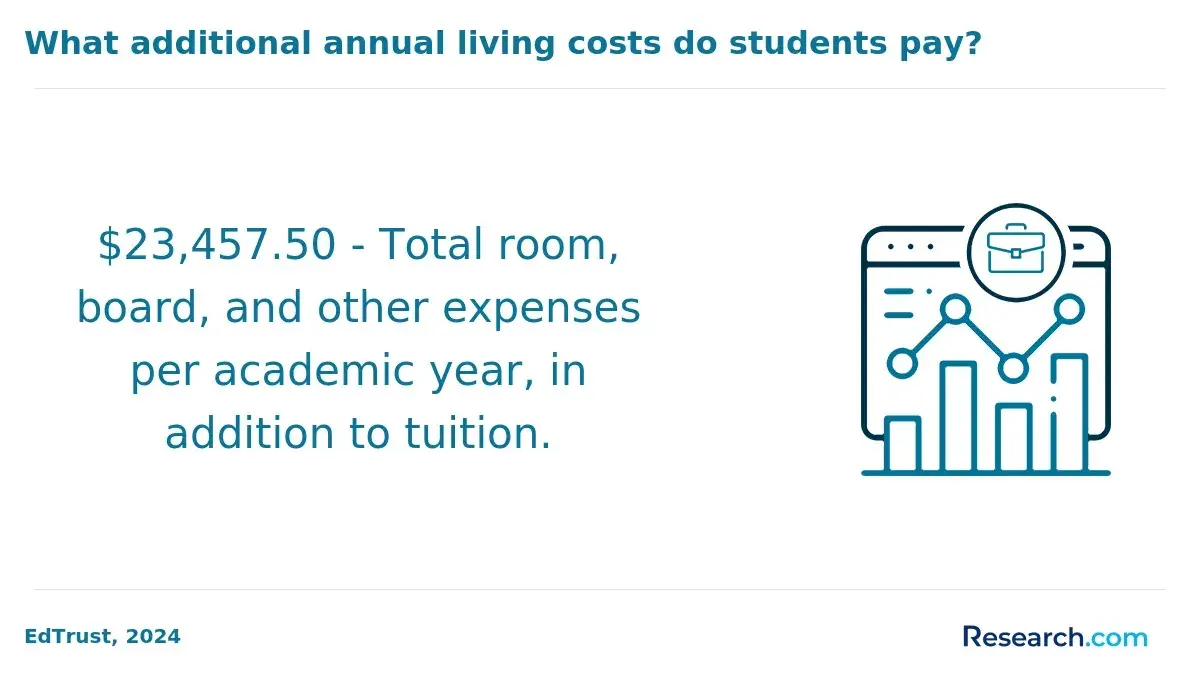
- Additional Costs: Programs with extensive specializations can include fees for materials, technology, or fieldwork, which increase overall costs. Geographic location may also affect living expenses, though tuition mainly depends on institutional policies.
Students exploring tuition and fees for real estate bachelor's degrees should carefully consider these factors to choose the program that best fits their goals and budget. For further study options with flexible, affordable formats, consider exploring online masters in communications programs, which offer insights into diverse educational pricing models.
What Financial Aid Options Are Available for Real Estate Students?
Students pursuing a real estate bachelor's degree can access a variety of financial aid resources to help offset tuition and related expenses. Approximately 85% of undergraduate students in the U.S. receive some form of financial assistance, making these options essential for many. Exploring available financial aid programs for real estate students can significantly ease the cost of their education. Key types of aid include:
- Federal Grants: Need-based grants such as the Pell Grant do not require repayment and provide vital support to students demonstrating financial need.
- Student Loans: Both federal and private loans offer funds that must be repaid with interest. These loans often feature flexible repayment plans and may have lower interest rates compared to other borrowing options.
- Scholarships: Merit-based and need-based scholarships are available from various organizations targeting real estate students or those in related fields. Scholarships and grants for real estate degrees help reduce reliance on loans while rewarding academic achievements.
- Work-Study Programs: Federally funded work-study jobs allow students to earn money through part-time employment on or off campus, providing financial relief alongside valuable work experience.
- Institutional Aid: Colleges sometimes offer their own grants or scholarships specifically for real estate majors, adding further financial support beyond federal and private aid.
By combining these aid options, students can build a funding package that lessens financial strain throughout their studies. Early application and research are recommended to maximize eligibility and benefits. For those considering further education, reviewing the best masters degree to get can provide insight into advanced career opportunities in the field.
What Factors Should I Consider When Selecting a Real Estate Degree?
Selecting a bachelor's degree in real estate requires careful consideration of both academic interests and personal factors to find a program that fits your career goals. Recent surveys reveal that nearly 60% of students prioritize specialization options when choosing their major. These aspects can significantly shape your educational experience and professional trajectory.
Key points to assess include:
- Academic Alignment: Focus on a program offering courses that spark your curiosity, such as property management, urban planning, or finance. This enhances motivation and mastery of essential skills.
- Specialization Choices: Many degrees provide distinct tracks like commercial real estate or appraisal. Selecting the right niche can deepen expertise and influence job prospects.
- Program Delivery: Consider if you will thrive in traditional classes, online learning, or a hybrid format. Balancing study style with your lifestyle is critical for sustained success.
- Career Relevance: Ensure the curriculum reflects the skills needed in your desired role, such as brokerage or real estate investment analysis, to prepare you effectively.
- Professional Goals: Evaluate which specializations offer stronger advancement or salary potential and whether the program connects you with industry networks supporting growth.
What Graduates Say About Different Types of Real Estate Bachelor's Degrees
- Catherine: "Choosing a real estate bachelor's degree specialization in property management really set me apart in the competitive market. It provided me with hands-on experience and the skills needed to handle complex leasing deals right after graduation. Since then, I've seen significant career advancement and a noticeable boost in my earnings, which I attribute directly to the focused education I received."
- Mark: "I chose the development and urban planning track because I wanted to make a tangible impact on city landscapes. The program's real-world projects helped me secure an internship that turned into a full-time position quickly. This degree not only fast-tracked my career but also opened doors to higher salary brackets much sooner than I expected."
- Axel: "The analytical and investment analysis specialization was the perfect fit for my interests in finance and property markets. The bachelor's degree offered me a solid foundation in market trends, which made transitioning into commercial real estate finance seamless. The education was instrumental in increasing my income and positioning me for leadership roles in the industry."
Other Things You Should Know About Real Estate Degrees
Real estate bachelor's degree programs commonly focus on developing skills in property valuation, market analysis, finance, and law. Students also gain expertise in negotiation, risk assessment, and project management, which are essential for success in various real estate careers. Communication and analytical thinking skills are emphasized to prepare graduates for client interactions and decision-making.
Yes, internships provide practical experience and professional networking opportunities that enhance job prospects after graduation. They allow students to apply classroom knowledge to real-world situations, often leading to valuable industry connections and potential job offers. Many programs encourage or require internships to better prepare students for the workforce.
In 2027, real estate bachelor's degree graduates can pursue careers as real estate agents, property managers, real estate analysts, or urban planners. The demand for professionals in sustainable urban development and real estate technology is expected to grow, offering competitive salaries and diverse opportunities for career advancement.
References
- Top Real Estate and Property Management degree programs in Universities in United States of America | GoToUniversity https://www.gotouniversity.com/programs/bachelors/united-states-of-america/applied-sciences-and-professions/real-estate-and-property-management
- Top 15 Highest Paying Real Estate Careers in the UK (2025 Salary Guide) https://apexlearning.org.uk/highest-paying-real-estate-jobs-uk-2025/
- Real Estate Degrees - What Matters (& What Doesn't) - Break Into CRE https://breakintocre.com/real-estate-degrees-what-matters-what-doesnt/
- Types Of Real Estate Jobs: Different Industry Career Paths https://www.explorerealestate.org/types-of-real-estate-careers-what-is-right-for-you/
- What is the highest-paying job in the property sector? - INSEEC https://www.inseec.com/en/guides/career-path-guide/what-is-the-highest-paying-job-in-the-property-sector/
- How To Choose The Right Real Estate Course For You https://www.maekhawtom.com/how-to-choose-the-right-real-estate-course-for-you
- Real Estate Degree: Your Complete 2025 Guide to Careers & Salary - Open Future World https://openfutureworld.co.uk/real-estate-degree-your-complete-2025/
- Entry-Level Position in Real Estate: Breaking Through the No Experience Barrier https://www.adventuresincre.com/entry-level-position-in-real-estate/
- How much can you make with a real estate degree? https://www.pinterest.com/pin/612559986804495151/
- How Much Does Real Estate School Cost? A Beginner's Guide https://in.pinterest.com/pin/how-much-does-real-estate-school-cost-a-beginners-guide--337629303333630337/


