
2027 Best Addiction Psychology Degrees for Working Adults

Co-Founder and Chief Data Scientist
Many working adults struggle to find addiction psychology degree programs that accommodate full-time jobs while providing a credible pathway to career advancement in addiction treatment and counseling. With the U. S. Bureau of Labor Statistics projecting a 23% growth in substance abuse counselors from 2021 to 2031, timely education is crucial. Balancing work, family, and study demands flexibility and accessible course formats tailored to adult learners.
This article explores top accredited addiction psychology degrees designed for working professionals, highlighting programs that support career growth without sacrificing employment responsibilities, ultimately helping readers make informed decisions about their education and future.
Key Things to Know About Addiction Psychology Degrees for Working Adults
- Flexible scheduling and online or hybrid formats enable working adults to balance professional and academic commitments, with over 60% of addiction psychology programs offering such options.
- Many programs offer accelerated pacing, allowing completion in as little as 18 months, which suits professionals seeking rapid career advancement.
- Support services like career counseling and employer partnerships enhance relevance and employability, aligning degrees with evolving addiction treatment workforce demands.
What Are the Best Addiction Psychology Degrees for Working Adults?
The best addiction psychology degrees for working adults vary widely, depending on factors such as schedule flexibility, alignment with career goals, and return on investment. Many professionals prioritize part-time enrollment or fully online formats to accommodate full-time employment. A notable trend in top accredited addiction psychology programs for professionals is the growing emphasis on online education, which provides flexible pacing and removes geographic barriers.
Several degree options stand out for working adults seeking practical skills and career advancement. These include:
- Online Master's in Addiction Psychology: Designed for employed students, these programs offer asynchronous classes and part-time options, enabling learners to complete coursework without disrupting their job responsibilities.
- Hybrid Bachelor's or Graduate Programs: These combine online learning with occasional in-person sessions, balancing convenience with experiential opportunities that enhance practical understanding.
- Specialized Certificates in Addiction Counseling: Short-term programs focused on counseling techniques and evidence-based interventions, ideal for professionals looking to upskill quickly.
- Dual Degree Programs in Psychology and Social Work: Provide comprehensive knowledge and flexible scheduling, preparing students for expanded roles in clinical or community addiction services.
- Graduate Certificates in Behavioral Health: Complement full-time work by emphasizing practical competencies relevant to addiction intervention strategies.
Each of these routes supports adults balancing career and education, providing applicable content and flexible delivery. For those interested in accelerated pathways beyond addiction psychology, online options such as the edd degree offer fast-track program formats suited for working professionals seeking efficient advancement.
What Are the Admission Requirements for Working Adults in Addiction Psychology Degree Programs?
Admission requirements for working adults pursuing addiction psychology degrees often differ significantly from those for traditional students to accommodate real-world experience and life responsibilities. Nearly 40% of graduate students enroll part-time, which underscores the growing need for flexible admission policies that help balance study with full-time employment and other commitments. These programs frequently adjust criteria to recognize the unique backgrounds of adult learners.
Common admission requirements or considerations for working adults in addiction psychology programs include:
- Relevant Experience: Prior work in counseling, healthcare, or social services is highly valued as it demonstrates practical skills and commitment to the field, often strengthening an application beyond academic metrics.
- GPA Expectations: A minimum undergraduate GPA around 3.0 is commonly required, though some programs may offer conditional admission for slightly lower GPAs to widen access for motivated working adults.
- Standardized Test Waivers: Many programs waive GRE or other standardized testing requirements for applicants with substantial professional experience or a strong academic record, reducing barriers for nontraditional students.
- Letters of Recommendation: Recommendations typically emphasize professional skills and work ethic, highlighting an applicant's readiness for graduate-level study that aligns with addiction psychology careers.
- Flexible Study Options: Availability of part-time or online formats is crucial, allowing working adults to pursue their degree without disrupting their careers or personal lives.
To explore affordable options and flexible formats, adult learners might consider an online business degree as an alternative or complementary pathway to enhance their career prospects alongside their addiction psychology studies. These choices align well with the specific admission criteria for addiction psychology degrees designed for working adults seeking practical, accredited programs.
What Coursework Is Required in Addiction Psychology Degree Programs for Working Adults?
Coursework in addiction psychology degree programs for working adults is carefully structured to balance career relevance, practical skills, and flexible learning formats such as online or evening classes. This design supports employed students in applying new knowledge quickly while managing full-time jobs. Nearly 60% of students in addiction psychology programs are working adults pursuing advancement or career changes, underscoring the demand for flexible, focused education.
Common required classes in addiction psychology programs for working adults typically include:
- Foundations of Addiction Psychology: Introduces core theories and models that underpin addictive behaviors, forming the essential knowledge base critical for professionals in the field.
- Assessment and Diagnosis: Focuses on techniques for identifying substance use disorders and related conditions, enabling accurate diagnosis and individualized treatment planning.
- Counseling Techniques and Interventions: Covers evidence-based therapeutic methods designed to facilitate recovery and support behavioral change in clients.
- Ethical and Legal Issues in Addiction Treatment: Explores confidentiality, clients' rights, and regulatory standards to promote ethical and lawful practice.
- Research Methods and Program Evaluation: Equips students with skills to analyze treatment efficacy and integrate data-driven improvements in clinical or community settings.
For working professionals assessing program options, exploring affordable online mft programs can provide insight into flexible degree paths in related areas.
Breakdown of All 4-Year Online Title IV Institutions

How Long Does It Take to Complete a Addiction Psychology Degree While Working?
Completion times for an addiction psychology degree vary widely among working adults due to differences in program design and the need to juggle job commitments. Data shows that part-time students often take around four years to finish, while those studying full-time may complete their degrees in two to three years. This gap highlights how employment responsibilities can extend academic timelines.
Several key factors affect how long it takes to complete an addiction psychology degree while working:
- Program format: Flexible online or hybrid models allow students to adjust their study schedules around work, making it easier to progress steadily without sacrificing job hours.
- Course load: Enrolling in fewer classes each term helps balance work and study but lengthens the overall duration of the program.
- Prior credits: Students who transfer credits from previous college work reduce the number of courses needed, speeding up graduation.
- Work schedule: The intensity and flexibility of a student's job influence their ability to dedicate time to coursework and study effectively.
- Accelerated options: Some programs offer intensive sessions or compressed terms, enabling faster advancement for those able to commit extra effort.
I spoke with a professional who completed an online addiction psychology degree while maintaining full-time employment. He shared that balancing deadlines with work demands was "a constant challenge," requiring early mornings and late nights. Despite the pressure, he appreciated the program's flexible format, which made it possible to attend to family and job responsibilities simultaneously. He recalled feeling overwhelmed at times but emphasized that structured pacing and support from faculty were crucial. Ultimately, he described the experience as "rewarding," noting that finishing the degree while working shaped his resilience and time-management skills significantly.
How Much Does a Addiction Psychology Degree Cost for Working Adults?
Cost remains a major concern for working adults pursuing an addiction psychology degree, especially as part-time enrollment among adult learners has grown by more than 20% over the last ten years. Balancing tuition with work and personal expenses requires careful consideration of various cost factors.
Several elements affect the overall expenses involved in earning an addiction psychology degree for employed students:
- Tuition per Credit: Programs typically charge tuition based on credit hours. The total cost depends on both the number of credits required to graduate and the cost assigned to each credit.
- Program Duration: Longer degrees usually come with higher overall costs but often include part-time scheduling options to fit around work commitments.
- Additional Fees: Expenses such as technology fees, lab costs, and textbooks can significantly raise the total investment required.
- Program Format: Online coursework can reduce costs related to commuting and housing, while campus-based programs generally have higher fees but may offer enhanced in-person support.
- Financial Aid Options: Employer tuition reimbursement, scholarships, and federal grants are valuable resources that working adults can leverage to decrease their education costs.
What Financial Aid Options Are Available for Working Adults in Addiction Psychology Degree Programs?
Balancing work, education, and personal commitments often makes financial aid a vital resource for adults pursuing an addiction psychology degree. Access to funding can ease the strain of tuition costs while managing multiple responsibilities.
Below are some primary financial aid options tailored to support working adults in these programs:
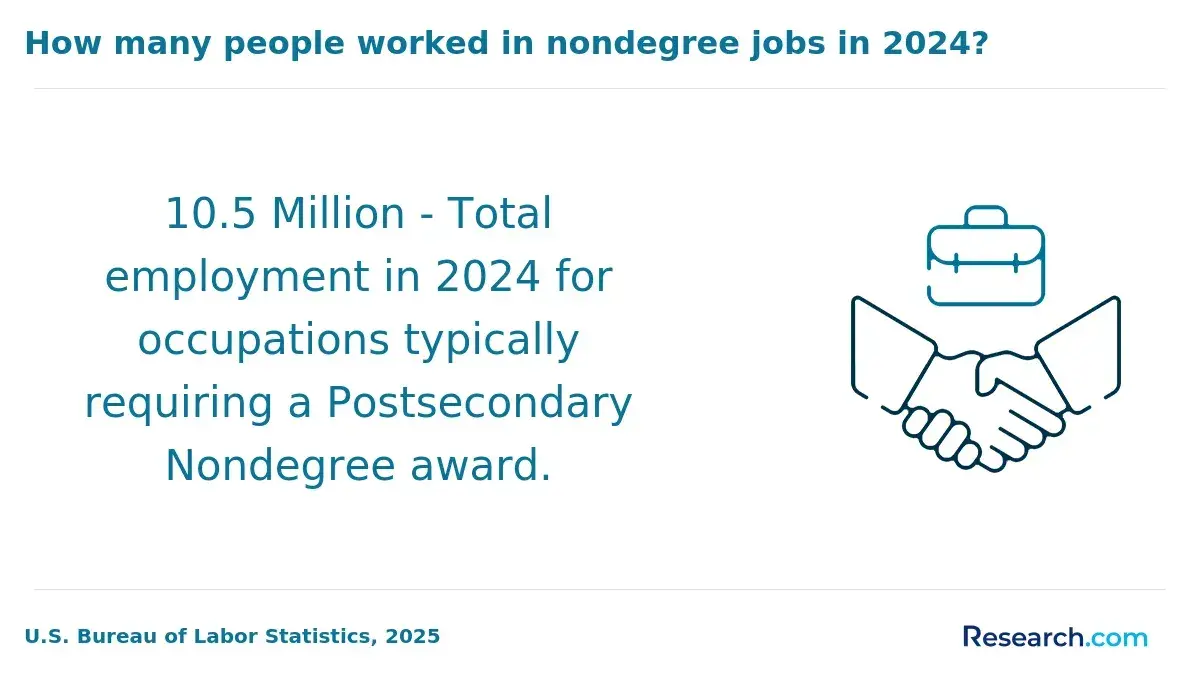
- Federal Financial Aid: Includes Pell Grants and government-backed student loans that provide essential funding based on income and enrollment. These options typically offer competitive interest rates and flexible repayment plans designed to accommodate adult learners.
- Employer Tuition Assistance: Many employers encourage career development by offering tuition reimbursement or direct financial aid for job-related degrees, helping reduce out-of-pocket expenses while advancing professional goals.
- Scholarships for Adult Learners: Several organizations and colleges present scholarships specifically for non-traditional students juggling work and school, rewarding academic achievement and commitment to continuing education.
- Grants: Available at federal and state levels, these funds do not require repayment and are often awarded based on financial need or program relevance, helping to lessen the overall cost burden.
- Payment Plans: Flexible tuition payment options allow learners to break down costs into manageable installments, offering budgeting relief without large upfront payments.
When I spoke with a professional who completed her addiction psychology degree while maintaining full-time employment, she reflected, "It felt overwhelming at times, especially managing course deadlines alongside work shifts. But learning about employer tuition benefits early on was a game-changer. Applying for scholarships specifically aimed at adult learners took some effort, but every bit helped." She highlighted that "having access to flexible payment options allowed me to focus on studying without constant worry about finances." Her experience shows how combining available aid opportunities can transform a challenging journey into a feasible and rewarding one.
What Support Services Help Working Adults Succeed in a Addiction Psychology Program?
Working adults enrolled in an addiction psychology program often face the challenge of balancing coursework with full-time jobs and personal commitments. These demands make institutional support services essential for helping students stay on track and succeed academically.
- Flexible Scheduling: This allows students to choose class times or assignment deadlines that fit around busy work and family lives, minimizing conflicts and stress.
- Academic Advising: Personalized guidance helps students select courses that align with their career objectives and manage their workload effectively to meet graduation requirements.
- Online Learning Support: Technical assistance and instructional resources enable students to navigate virtual platforms smoothly, which is crucial for remote or hybrid learning environments.
- Cohort-Based Learning: Participating in peer groups fosters collaboration and motivation, creating a supportive community that shares similar professional and educational goals.
- Mental Health Resources: Counseling and wellness services help address stress and burnout, promoting a healthy balance that supports sustained academic performance.
Are Addiction Psychology Degrees for Working Adults Accredited?
Accreditation signifies that an addiction psychology program meets rigorous academic and professional standards, ensuring quality education for working adults. For those managing both jobs and studies, choosing an accredited program guarantees that their degree is respected by employers and recognized within the field. Additionally, accredited programs often qualify students for federal financial aid, making it more feasible for adults to fund their education. Notably, about 40% of graduate students in the U.S. are aged 30 or older, highlighting the growing demand for accessible, credible programs designed for adult learners.
The long-term value of an addiction psychology degree heavily depends on its accreditation status. Accredited degrees allow smoother transfer of academic credits between schools, offering flexibility for learners who may need to change programs or institutions. They also meet essential requirements for state licensure and certification, which are critical for professional practice and advancement. Maintaining accreditation helps working adults protect their investment by aligning their education with recognized career pathways and industry standards.
Does a Addiction Psychology Degree Increase Salary for Working Adults?
Salary growth is a key motivator for working professionals considering an addiction psychology degree, with annual earnings typically ranging from $40,000 to $75,000 depending on role, experience, and location. For many adults balancing work and education, understanding how this degree can impact pay is crucial for career planning.
- Industry Demand: The healthcare and rehabilitation sectors increasingly require qualified addiction specialists, which drives up salary potential. A high demand for trained professionals in addiction psychology can lead to more competitive compensation packages.
- Role Advancement: Holding an addiction psychology degree often opens doors to supervisory or specialized roles. Career growth with addiction psychology degree credentials grants access to positions with greater responsibility and better pay.
- Employer Policies: Many organizations value continuing education and may offer salary incentives or bonuses for employees who obtain relevant degrees. These policies can directly increase earnings for degree holders.
- Years of Experience: Combining job experience with academic achievements typically results in progressive salary increases. Working adults who earn a degree while maintaining employment position themselves for long-term financial benefits.
- Specialization: Focusing on niche areas within addiction psychology, such as adolescent treatment or managing co-occurring disorders, often yields higher pay. Specialized expertise addresses critical needs within the field and can enhance earning potential.
For those seeking flexible, accredited programs that accommodate full-time work, researching options like the most affordable online colleges can be a strategic step toward achieving both professional and financial goals.
What Jobs Can Working adults Get With a Addiction Psychology Degree?
An addiction psychology degree enables working adults to qualify for higher-level, more specialized, and leadership-oriented roles beyond typical entry-level positions. This degree provides advanced knowledge in behavioral health and treatment frameworks that experienced professionals can leverage to accelerate their career advancement.
Common advanced job opportunities for working adults with an addiction psychology degree include:
- Clinical Supervisor: This role involves overseeing counselors and therapists, emphasizing leadership and program development responsibilities rather than only direct client care. Holding this position reflects a career step up into management within behavioral health settings.
- Addiction Counselor Specialist: Specialists handle more complex cases with intensive therapy and often supervise junior counselors. The degree equips professionals with the expertise necessary for these advanced clinical responsibilities.
- Behavioral Health Program Coordinator: Coordinators manage entire addiction treatment programs, combining clinical insight with administrative skills. This transition into program management marks significant career progress.
- Substance Abuse Treatment Director: Directors lead treatment facilities or departments, managing staff, budgets, and regulatory compliance. This position represents a pinnacle of leadership in the addiction treatment field.
- Research Analyst in Addiction Studies: Analysts use psychological principles to assess treatment effectiveness and develop evidence-based strategies, influencing policy and advancing the profession.
Each of these roles demands a solid foundation in addiction psychology, which this degree provides, enabling career advancement for working adults balancing full-time employment. For those seeking flexible, accredited programs that fit their lifestyle, exploring the easiest online degree options can be a practical step toward securing these rewarding positions.
What Graduates Say About Their Addiction Psychology Degrees for Working Adults
- Dina: "Choosing to enroll in an online addiction psychology degree program while working full-time was a challenging decision, but the flexibility truly made it feasible. The cost, around $15,000 on average, felt like a valuable investment compared to traditional programs. Since graduating, I've seen a noticeable boost in my ability to support clients effectively and advance my role within the counseling team. "
- Casey: "After much reflection, I decided that a part-time addiction psychology degree was the best path to balance my job and education without sacrificing either. The affordability, averaging $12,000, was a pleasant surprise, fitting my budget as a working professional. Completing the program has not only deepened my understanding but also opened doors to supervisory positions in mental health services."
- Hugh: "Embarking on an online addiction psychology degree program while maintaining my career was a strategic move to gain specialized knowledge with manageable cost-typically near $14,500. This educational journey has profoundly impacted my professional growth, allowing me to implement evidence-based practices and connect with a wider client base. I highly recommend this route for anyone serious about advancing their expertise."
Other Things You Should Know About Addiction Psychology Degrees
Online addiction psychology degrees offer flexibility, allowing working adults to balance career and education. In 2027, these programs often include asynchronous classes, which enable students to learn at their own pace, and provide access to a wider range of schools and accredited programs, enhancing learning opportunities while maintaining employment.
Licensing requirements vary by state but typically require completing a graduate degree in addiction psychology or a related field, accumulating supervised clinical hours, and passing a state-recognized exam. Working adults should verify specific state licensing boards to plan for post-degree steps such as internships or continuing education.
Yes, many universities offer online addiction psychology degrees specifically designed for working adults. These programs provide flexible schedules and virtual coursework, allowing students to advance their education without sacrificing their current job commitments.
In 2027, working adults can take advantage of flexible learning options like online courses, night classes, and accelerated programs. These formats accommodate busy schedules, allowing students to balance their educational goals with work and family commitments while obtaining an addiction psychology degree.
References
- Addiction Psychotherapy - KUL with accreditation https://www.kul.pl/addiction-psychotherapy-kul-with-accreditation,art_104835.html
- Careers https://addictionprofessionals.org.uk/careers
- Help People Recover from Addiction with a Degree in Drug Rehabilitation Services - UNCF https://uncf.org/the-latest/help-people-recover-from-addiction-with-a-degree-in-drug-rehabilitation-services
- What Can You Do With A Psychology Degree? | Psychology.org https://www.psychology.org/resources/alternative-careers-for-psychology-majors/
- 35 Best Bachelor’s Programs in Addiction Counseling https://addiction-counselor.org/degrees/bachelors/
- 3 Career Paths to Pursue After an Addictions Worker Program https://aolcollege.com/blog-post/possible-career-opportunities-you-can-pursue-after-an-addictions-worker-program
- Mental Health and Addictions Care Worker | Sprott Shaw College https://sprottshaw.com/child-family/addictions-worker-program/
- Certificate Programs https://www.naadac.org/certificate-programs
- Substance Abuse Counselor Salary and Career Profile https://online.fit.edu/degrees/undergraduate/applied-psychology/clinical-psych/substance-abuse-counselor-salary-and-career-profile/
- Do You Have What It Takes to Be an Addiction Counselor? https://www.pyramid-healthcare.com/blog/2016/12/29/addiction-treatment-counselor-qualifications/


