
2027 Different Types of Addiction Psychology Degrees and Their Salaries

Co-Founder and Chief Data Scientist
The demand for skilled professionals in addiction psychology continues to rise as the nation confronts increasing substance use challenges and behavioral health issues. Employment in this specialized field is projected to grow significantly, reflecting a broader need for trained experts capable of delivering effective treatment and support. Understanding the educational paths available within addiction psychology is critical for those seeking to align their academic pursuits with promising career opportunities. This article provides a comprehensive overview of the diverse degree options in addiction psychology and offers insight into the earning potential for graduates across various specializations, helping prospective students make informed decisions in a competitive job market.
Key Points About Different Types of Addiction Psychology Degrees and Their Salaries
- Individuals with an associate degree in addiction psychology typically qualify for entry-level positions such as addiction counselors or support specialists, earning an average annual salary between $35,000 and $45,000, reflecting more limited career advancement without further education.
- A bachelor's degree in addiction psychology opens doors to a wider range of roles including case management and prevention specialist positions, with median salaries around $45,000 to $55,000 and stronger prospects for career growth in community health and social service fields.
- Obtaining a master's degree or higher in addiction psychology significantly increases earning potential, with salaries often exceeding $60,000 to $75,000 annually, and enables graduates to pursue advanced clinical roles, licensure as counselors, and leadership positions in treatment programs and research.
What Are the Different Types of Addiction Psychology Degrees Available?
Understanding the different types and levels of addiction psychology degrees is crucial for students to select a program that matches their career ambitions and educational histories. Each degree offers distinct coursework and depths of study, catering to various professional pathways within the addiction counseling field.
Below is an overview of the main types of addiction psychology degrees and what distinguishes each, including typical courses and areas of focus.
- Associate Degree in Addiction Counseling: This entry-level degree covers foundational concepts in psychology and addiction, teaching basic counseling techniques and theories related to substance abuse. Coursework usually includes general psychology, introduction to addiction studies, and ethics in counseling.
- Bachelor's Degree in Addiction Psychology or Counseling: Bachelor's programs provide a broad understanding of psychological principles, human behavior, and addiction-specific topics. Students often study cognitive psychology, personality development, substance abuse prevention and treatment, and clinical psychology.
- Master's Degree in Addiction Psychology, Counseling, or Social Work: Master's degrees delve into specialized addiction psychology content, including assessment, intervention strategies, and evidence-based therapies. Advanced coursework covers counseling techniques, research methods, psychopathology, and supervised practicum experiences.
- Doctoral Degree (Ph.D. or Psy.D.) in Addiction Psychology: Doctoral studies emphasize research, teaching, and clinical leadership. The Ph.D. focuses on scientific research and theory, while the Psy.D. is designed for clinical practice and executive client services. Coursework involves advanced research methods, clinical supervision, teaching, and complex case management.
Choosing the right addiction psychology degree plays a pivotal role in preparing for various salary levels, with median wages for counselors around $49,710 in 2024 and potential to reach between $60,000 and $80,000 for those with advanced qualifications.
For those balancing work and study, exploring options like the best accelerated online associates business degree can offer flexible pathways into the field.
What Specializations Are Available in Addiction Psychology Degrees?
Specialization is an important factor when choosing an addiction psychology degree because it helps tailor your education to specific career interests and goals. Aligning your studies with a focused track not only enhances your expertise but also increases your employability in targeted roles within the addiction treatment field.
Below are some common Addiction Psychology specializations that illustrate the variety of career pathways available to graduates and the key skills each area develops.
- Addiction Psychology: Focuses on understanding the psychological and biological mechanisms behind both substance use and behavioral addictions. Key skills include clinical assessment and evidence-based interventions, preparing graduates for work in clinical settings, research institutions, or public health agencies.
- Addiction Counseling: Emphasizes direct counseling services for individuals and families dealing with addiction. Training centers on treatment models, prevention strategies, recovery planning, and relapse prevention, leading to roles as substance abuse counselors, private practitioners, or community agency staff.
- Clinical Psychology With Addiction Focus: Combines clinical psychology principles with specialized addiction training, including diagnosing co-occurring mental health disorders and employing therapies such as cognitive-behavioral therapy. Graduates often find opportunities in hospitals, rehabilitation centers, or private practice.
- Health Psychology With Addiction Emphasis: Examines the interaction of psychological, social, and biological factors influencing health and addiction. This specialization promotes behavioral change and stress management, preparing students for careers as health psychologists in clinical or wellness program settings.
- Applied Psychology With Addictions Studies Option: Applies psychological research methods and ethical practice to addiction-related challenges. Key competencies include scientific reasoning and quantitative analysis, leading to positions such as substance abuse social workers, social service assistants, or program managers in community organizations.
For those considering a graduate degree, exploring the easiest masters programs related to addiction psychology can be a helpful step in making an informed decision about your educational path.
How Long Does It Take to Complete Each Type of Addiction Psychology Degree?
Understanding how long it takes to complete an addiction psychology degree is crucial for students who need to plan their education and career timelines effectively. Knowing typical program lengths helps set realistic expectations and allows for better financial and personal scheduling.
Below is an overview of the main addiction psychology degree types and their usual completion times.
- Associate Degree in Addiction Psychology: Typically completed in 2 years of full-time study, this degree provides foundational knowledge in addiction counseling and behavioral health. Part-time enrollment can extend the timeline, while some schools offer accelerated tracks or online classes to help students finish sooner.
- Bachelor's Degree in Addiction Psychology: Usually requires 4 years to complete, focusing on a broader understanding of psychology with specialization in addiction studies. Transfer credits from an associate degree or previous college coursework can shorten this period. Many programs offer flexible online or hybrid formats to accommodate working students.
- Master's Degree in Addiction Psychology: Most master's programs take 2 to 3 years, depending on full-time or part-time status. Some universities provide accelerated options that reduce the time to around 18 months, particularly in online or hybrid settings. Research and practicum requirements may also impact the duration.
- Doctoral Degree in Addiction Psychology: Earning a PhD or PsyD typically spans 4 to 7 years, involving extensive research, coursework, clinical training, and dissertation work. Full-time enrollment speeds completion, but part-time study or additional research commitments can lengthen it. Some programs allow for online coursework but require in-person clinical hours.
Are There Accelerated Addiction Psychology Degree Programs?
Accelerated addiction psychology degree programs do exist in the United States, offering students the opportunity to complete their studies in a shorter timeframe compared to traditional routes. These programs often combine the bachelor's and master's degrees into a streamlined five-year plan instead of the usual six or more years if pursued separately.
Common formats for acceleration include condensed courses-sometimes as short as eight weeks-year-round terms that eliminate lengthy summer breaks, and the integration of graduate-level coursework during the final undergraduate year. This approach allows students to earn credits that count toward both degrees simultaneously, enabling them to begin licensure pathways sooner and enter the workforce faster.
When considering these accelerated pathways, it's important for prospective students to understand the increased workload intensity. Accelerated programs compress the same academic content into a shorter period, demanding a high level of time-management skills and dedication. Eligibility requirements typically include maintaining a solid GPA (often 3.0 or higher), completing prerequisite coursework, and applying formally to the accelerated track during the junior year.
While these programs can save considerable time and tuition costs, the intensity and pace may not suit every learner, requiring a strong academic foundation and personal commitment.
Are Online Addiction Psychology Degrees as Credible as Traditional Ones?
Online addiction psychology degree programs offered by accredited institutions uphold the same academic standards as traditional on-campus programs. Both require rigorous coursework, supervised practicum experiences, and adherence to state licensure requirements such as a minimum of 315 hours of approved education, 255 hours of practicum, and passing certification exams. Increasingly, online programs incorporate modern training elements including telehealth, AI, and digital therapeutics, reflecting current trends in addiction treatment.
Hybrid programs, blending online classes with in-person labs or clinical placements, are common, ensuring practical experience essential for professional competence. Accreditation by recognized bodies like CACREP, NAADAC, and state licensing boards remains a key factor in maintaining these standards across all formats.
Employer acceptance of online addiction psychology degrees has grown significantly. The Bureau of Labor Statistics projects a 19% growth in addiction counselor jobs through 2033, partly driven by the integration of technology in treatment settings. Employers prioritize degrees from accredited, reputable institutions, valuing clinical experience, certifications, and practical skills rather than the delivery format.
Data shows that most graduates of online master's and doctoral programs secure competitive salaries ranging from $50,000 to $100,000+ for licensed addiction psychologists, varying by degree level and region. Ultimately, the credibility of an addiction psychology degree depends more on the institution's accreditation and reputation than on whether the coursework was completed online or in person.
How Much Does Each Type of Addiction Psychology Degree Typically Cost?
Understanding the differences in tuition costs across addiction psychology degree levels is essential for effective budgeting and long-term financial planning. These costs vary widely depending on the type of degree pursued, institution type, and other factors.
Below is an overview of the typical tuition ranges for each type of Addiction Psychology degree that can help prospective students make informed decisions.
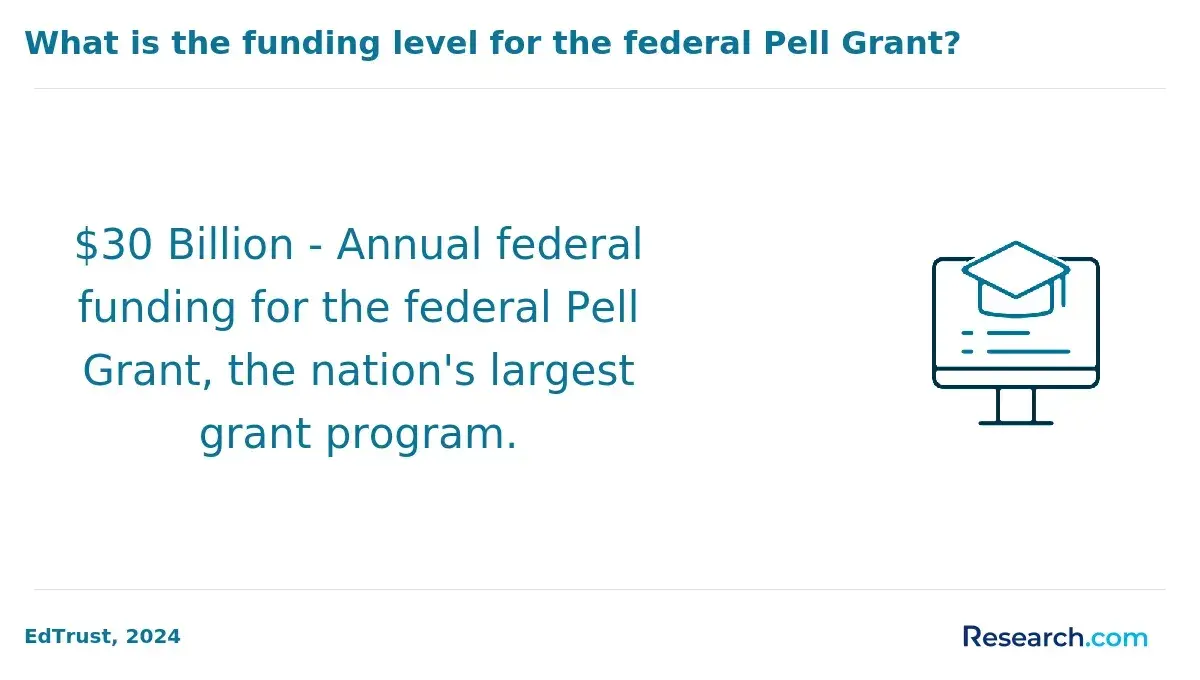
- Associate Degree in Addiction Psychology: The average annual tuition ranges from about $8,600 to $35,700, with community colleges and public institutions generally offering more affordable rates. Programs usually last two years, culminating in total costs near $38,000. Financial aid often includes federal grants, scholarships, and work-study options primarily available to in-state students.
- Bachelor's Degree in Addiction Psychology: Tuition varies significantly, typically around $10,700 annually for in-state students at public universities and potentially exceeding $27,500 at private institutions. Online programs can offer more cost-effective alternatives, averaging about $22,500 per year. Students can explore federal and state grants, scholarships, and work-study programs to offset expenses.
- Master's in Addiction Psychology: These programs usually range from $8,700 to $66,300 total tuition, with public universities tending to offer lower prices for in-state students. Graduate assistantships, federal loans, and specialized scholarships-like the NBCCF Minority Master's Fellowship-provide avenues for financial support.
- Doctorate (Ph.D. or Psy.D.) in Addiction Psychology: Doctoral tuition spans roughly $12,700 to $45,500 depending on the school's public or private status. While public institutions average around $20,500 per year, many students finance their education through grants, fellowships, teaching assistantships, and scholarships. Doctoral graduates often benefit from higher earning potential in their careers.
- Certificate Programs in Addiction Psychology: These shorter programs are usually more affordable, averaging about $4,000. Certificates offer quick entry into the field and may qualify for some financial aid or scholarship opportunities for eligible students.
What Jobs Can You Get with Each Type of Addiction Psychology Degree?
The level of an addiction psychology degree significantly influences the types of career opportunities available, with higher degrees opening doors to more advanced roles and greater earning potential. Graduates at each level qualify for distinct positions, responsibilities, and work environments.
Below is a breakdown of common jobs associated with each type of addiction psychology degree to help guide your career planning.
- Associate degree in addiction psychology: Graduates typically hold entry-level positions such as behavioral health technician, recovery coach, or resident assistant. These roles focus on supporting clients in treatment facilities, assisting with daily living tasks, and facilitating therapeutic activities under supervision. Common work settings include residential treatment centers, hospitals, and community organizations.
- Bachelor's degree in addiction psychology: Holders of this degree often work as substance abuse counselors (with required state certification), case managers, or assessment specialists. They help clients develop coping strategies, provide individual or group support, and connect individuals to community resources. According to the U.S. Bureau of Labor Statistics, the median annual wage for substance abuse counselors was $49,710 in 2023. Bachelor's-level roles are generally found in outpatient or community health settings, and students interested in exploring earnings can see which bachelor's degree pays the most.
- Master's degree in addiction psychology: With a master's and relevant licensure, professionals often become licensed professional counselors, clinical mental health counselors, or marriage and family therapists specializing in addiction. These roles involve conducting assessments, providing therapy, and developing treatment plans, often with a degree of independent practice. Salary ranges for licensed counselors can vary between $58,000 and over $70,000 annually depending on experience and location.
- Doctoral degree (PhD or PsyD) in addiction psychology: Doctoral graduates frequently pursue careers as psychologists, university professors, or researchers. They may lead clinical research projects, teach at the university level, or influence public policy related to addiction treatment. These positions typically offer the highest salaries and influence but require substantial education and experience.
How Do Salaries Differ by Addiction Psychology Degree Type?
Degree level often plays a crucial role in determining earning potential in addiction psychology. Understanding these salary differences can help students make informed decisions about their education and career path.
Below is an overview of typical salary ranges for each major addiction psychology degree type, highlighting how education influences income and opportunities.
- Associate Degree in Addiction Psychology: Entry-level positions such as substance use disorder technicians or associate counselors generally offer salaries around $42,590-$47,170 per year. These roles are typically in residential treatment centers or community organizations, with pay reflecting entry-level responsibilities and less clinical involvement.
- Bachelor's Degree in Addiction Psychology: Graduates with a bachelor's degree often become substance use disorder counselors, earning an average salary near $59,190 annually. Location affects pay significantly, with higher wages common in urban areas, specific states like Alaska or Oregon, and private healthcare settings. However, advanced leadership roles typically require a master's degree or higher.
- Master's Degree in Addiction Psychology: Holding a master's degree opens access to clinical counseling and supervisory roles, with salaries ranging from approximately $76,230 to $98,210 or more. Factors influencing pay include specialization, licensing, and work experience. Additionally, master's degree holders have the option to establish private practices, potentially increasing their income.
- Doctoral Degree (PhD or PsyD) in Psychology with Addiction Specialization: Doctoral-level psychologists focusing on addiction usually have median salaries between $96,100 and $117,750, with potential to surpass $150,000 in private practice or academic posts. These positions often involve research or high-level clinical supervision, reflecting advanced expertise and leadership responsibilities.
Students looking into programs can consider options offered by non profit regionally accredited online colleges to pursue their addiction psychology degrees with recognized credentials that align with their career goals.
Is There High Demand for Addiction Psychology Degree Holders in the Job Market?
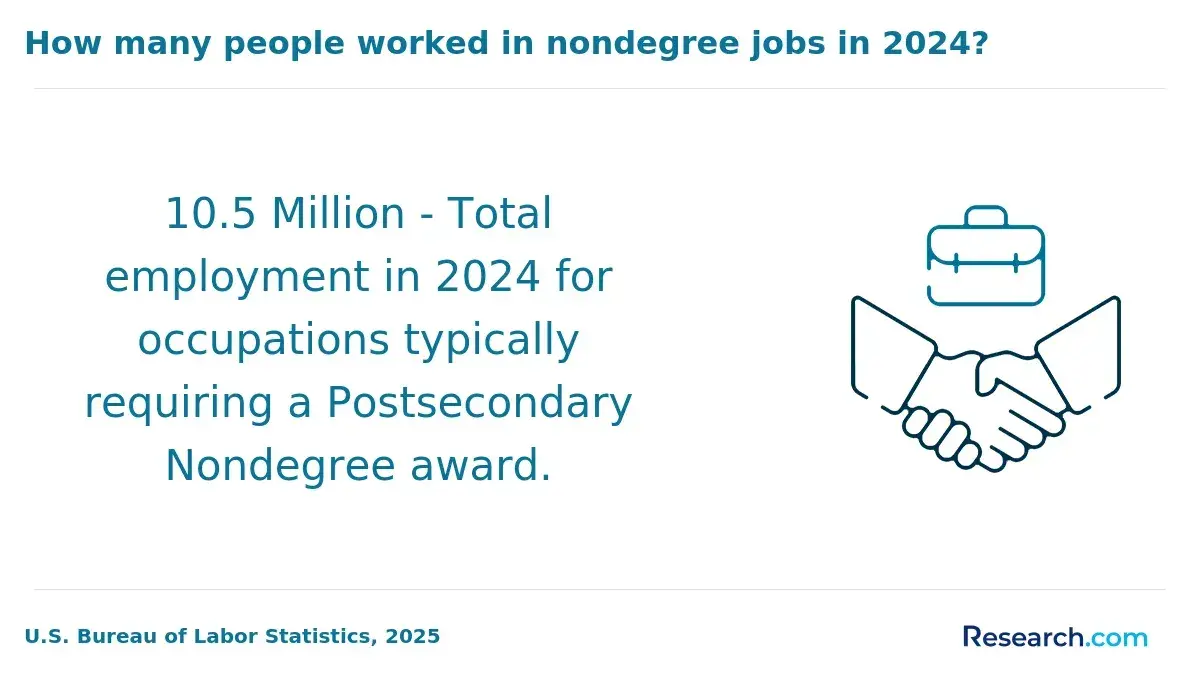
There is notably high demand for addiction psychology degree holders in the U.S. job market, driven by several key factors. Growth in public awareness about mental health and substance use issues, combined with legislative changes and updated treatment methods, has created an expanding need for trained professionals. The U.S. Bureau of Labor Statistics forecasts a 17% increase in employment for substance use, behavioral disorder, and mental health counselors from 2024 to 2034, which is significantly above the average growth rate of 3% for all occupations.
This surge translates to approximately 48,300 new job openings annually. Regional differences play a critical role as well, with areas hardest hit by the opioid epidemic and rural communities experiencing especially acute shortages of behavioral health services. Emerging digital health technologies and teletherapy platforms are also transforming the field, creating opportunities for degree holders to engage with innovative treatment delivery methods.
Furthermore, advanced credentials and licensure are increasingly important, giving those with specialized addiction psychology training a competitive advantage in the workforce.
Salary prospects for addiction psychology graduates generally improve with higher degrees and specialized expertise, particularly in high-demand regions. Additionally, professionals can boost earning potential through supervisory roles or by focusing on niche areas within the field. As many states require certification or licensure for clinical positions, pursuing certifications that pay the most can be a strategic step for candidates aiming to maximize opportunities.
Overall, the employment outlook for addiction psychology degree holders remains robust, with sustained growth expected across healthcare, community services, and counseling sectors over the next decade, making this a promising area for students planning their educational and career paths.
What Factors Should You Consider When Picking a Type of Addiction Psychology Degree?
Choosing the right degree level in addiction psychology is a critical decision that shapes your career trajectory, earning potential, and personal life balance. Aligning your education with your professional goals and circumstances requires careful consideration of several important factors.
Below are key aspects to evaluate when selecting an addiction psychology degree:
- Career Goals: Different degree levels open varied career paths. A bachelor's degree may lead to entry-level roles like case manager, while a doctorate (Ph.D. or Psy.D.) is essential for licensure as a clinical psychologist or university faculty. Understanding your desired role helps determine the degree level needed.
- Educational Investment: Degree programs demand significant time and money. Bachelor's degrees generally take four years, whereas doctoral programs require five to seven years plus internships. Consider the trade-off between time spent studying and long-term salary benefits.
- Program Accreditation: Accreditation ensures education quality and eligibility for licensure. APA accreditation is particularly vital for doctoral programs since some states require it for clinical practice licensure.
- Licensing and Certification: Licensed positions often mandate specific degrees and approved coursework. Research your state's licensing rules early to avoid costly mistakes and ensure your degree meets legal requirements.
- Flexibility and Format: Online, hybrid, and in-person options differ in accessibility. Working adults or those with family needs may prefer flexible formats but should verify any mandatory residency or practical training components.
- Financial Considerations: Tuition and fees vary widely across degree levels. Look into financial aid, scholarships, or employer tuition reimbursement options while weighing the cost against future earnings in addiction psychology.
- Personal Interests and Strengths: Advanced degrees often involve research, assessment, or teaching. Reflect on your passion for these activities versus direct client care to choose a degree aligned with your skills and interests.
What Addiction Psychology Graduates Say About Their Degree and Salary
- Lysand: "Completing my bachelor's degree in addiction psychology opened doors I never anticipated. The program's strong focus on both behavioral theory and community outreach equipped me with practical skills that made transitioning into a youth counselor role seamless. I feel deeply fulfilled knowing I contribute to improving the lives of young people facing substance challenges. This degree not only provided academic knowledge but also ignited a passion for advocacy that continues to grow daily."
- Emryn: "After earning my master's degree in addiction psychology, I noticed a significant shift in my professional capabilities and opportunities. The advanced coursework and research experience helped me secure a position as a clinical specialist much faster than I expected. I appreciate how this degree challenges you to think critically and develop individualized treatment plans, which are vital in this field. The journey has been rigorous but incredibly rewarding in terms of career growth and personal insight."
- Stetson: "Pursuing a doctorate in addiction psychology was a transformative experience that broadened my understanding of complex addiction behaviors and treatment modalities. The program's emphasis on evidence-based practices and leadership aroused a strong desire to impact policy and education within local health communities. Professionally, it has positioned me as a respected researcher and educator, enabling me to mentor aspiring clinicians and advocate for comprehensive support systems. This degree truly expanded my ability to affect change on both a micro and macro level."
Other Things You Should Know About Addiction Psychology Degree Programs & Salaries
In 2027, addiction psychology professionals can expect a salary range between $45,000 and $95,000 annually. Factors influencing this range include level of education, specific job role, and geographic location. Urban areas or regions with a higher demand for mental health services often offer higher salaries.
Entry requirements vary by degree. Bachelor's programs generally require a high school diploma or equivalent, while master's and doctoral degrees often require a relevant undergraduate degree and potentially GRE scores. Some programs may also require professional experience in psychology or a related field.
References
- Top 5 Highest-Paying Psychology Careers - Rivier Academics https://www.rivier.edu/academics/online/resources/program-resources/top-5-highest-paying-psychology-careers-rivier-university/
- Addiction Studies and Mental Health AAS Degree Completion Program | CHCP https://www.chcp.edu/degrees-certificates/online/addiction-studies-and-mental-health-aas-degree/
- Psychological Treatment of Alcohol and Other Psychoactive Substance Use Disorders https://www.apa.org/ed/graduate/specialize/alcohol
- 10 Most Affordable Master's In Addiction And Recovery - GradSchoolHub.com https://www.gradschoolhub.com/affordable/online/masters/addictions-recovery/
- What Do Substance Abuse & Addictions Counselors Do? https://www.psychology.org/careers/substance-abuse-addiction-counseling/
- Four Things to Consider When Choosing a Substance Use Disorder Treatment Program - Pine Rest Newsroom https://www.pinerest.org/newsroom/articles/four-things-to-consider-when-choosing-a-substance-use-disorder-treatment-program/
- 2025 Most Affordable Online Substance Abuse Counseling Degrees https://www.onlineu.com/most-affordable-colleges/substance-abuse-counseling-degrees
- Careers In Addiction Counseling https://www.affordablecollegesonline.org/degrees/counseling-programs/addiction-counseling/careers/
- Credentialing in Addiction Psychology https://addictionpsychology.org/education-training/certification
- Substance Abuse Counselor Median Salaries https://www.allpsychologyschools.com/substance-abuse-counseling/salary/


