
2027 Best Career Pivot Options for People With an Architecture Degree

Co-Founder and Chief Data Scientist
An architecture graduate who wants to change direction does not need to start from zero. The harder task is choosing a pivot that uses the degree well, then proving to employers outside architecture that studio training, technical documentation, project coordination, visual communication, and client-facing work are business-relevant skills.
This guide is for recent graduates, early-career professionals, and experienced architecture degree holders who are reconsidering traditional practice because of market conditions, burnout, compensation goals, licensure concerns, or changing interests. Nearly 30% of Architecture graduates consider career pivots within five years after graduation, and many underestimate how valuable their spatial reasoning, software fluency, systems thinking, and deadline discipline can be in adjacent fields.
Below, you will find practical pivot options, industries that hire architecture-trained professionals, ways to translate your skills for non-architecture employers, credential strategies, freelance entry points, and networking tactics that can turn an architecture background into a credible career-change story.
Key Things to Know About the Best Career Pivot Options for People With a Architecture Degree
- Transferable skills such as spatial reasoning, project management, and technical software proficiency provide a strong foundation for pivoting into urban planning, construction management, or sustainable design-fields growing at 11% annually.
- Entry-level roles like CAD technician or BIM specialist offer accessible entry points requiring credential updates through targeted certifications-boosting employability by up to 25% according to recent labor market data.
- Networking through industry associations and resume reframing to emphasize problem-solving and collaboration can significantly improve long-term career outcomes in emerging sectors like smart cities and green infrastructure.
What Career Pivot Options Are Available to People With a Architecture Degree?
Architecture degree holders can pivot into many roles that still reward design judgment, technical precision, project coordination, and the ability to explain complex ideas visually. The best option is usually not the one that sounds closest to architecture; it is the one where your existing evidence—portfolio work, software tools, internships, studio projects, construction knowledge, or client presentations—matches what employers already need.
Career switching has become more common as technology, economic shifts, and personal priorities reshape work. Data from the Bureau of Labor Statistics (BLS) shows workers often change careers multiple times, while National Association of Colleges and Employers (NACE) research emphasizes the growing value of transferable skills over narrow specialization. In that context, an architecture background can function as a flexible professional foundation rather than a narrow credential.
Common pivot paths for architecture graduates
- Design and creative roles: Interior design, environmental graphics, exhibition design, UX/UI support, visual communications, and brand experience roles often value an architecture graduate’s eye for proportion, user movement, visual hierarchy, and presentation quality.
- Construction and project management: Architecture graduates often understand drawings, coordination, budgets, schedules, and stakeholder communication, which can support entry into construction coordination, estimating, owner’s representation, facilities projects, or real estate development support.
- Technology and design systems: BIM coordination, CAD support, digital fabrication, product visualization, design technology, and software implementation roles may fit graduates who enjoy tools, workflows, modeling, and technical problem-solving more than traditional practice.
- Urban planning, public policy, and sustainability: Graduates with interests in cities, climate, housing, transit, or environmental impact can move toward planning assistant, sustainability coordinator, resiliency analyst, or community development roles, though some paths may require additional credentials.
- Business, consulting, and entrepreneurship: Client communication, research, design thinking, and presentation skills can translate into consulting, operations, marketing, business development, and independent design services.
A useful first step is to decide whether you want a role pivot, an industry pivot, or both. Moving from architecture into construction project coordination changes the employer type but keeps many familiar tasks. Moving into data analytics, product management, or finance requires more translation and often more training. Readers still comparing educational routes before committing to the field can review an architecture degree pathway to understand the baseline skills employers may expect.
If you are considering a broader professional reset, keep credentials in perspective. Options such as BCBA online masters programs may be relevant for people intentionally moving into behavior-focused fields, but most architecture graduates will benefit first from mapping their current skills to roles that already value design, documentation, coordination, analysis, and stakeholder communication.
Which Industries Outside the Traditional Architecture Field Hire Architecture Degree Holders?
Industries outside architecture hire architecture degree holders when the work involves space, systems, assets, projects, visual decision-making, or coordination among technical and nontechnical stakeholders. Some sectors immediately understand the degree; others require candidates to explain how studio and project experience translate into business outcomes.
Industries where architecture training is often relevant
- Real estate development: Architecture graduates can support site analysis, feasibility studies, design coordination, entitlement research, and development presentations. Common entry points include development analyst, project coordinator, and design consultant roles.
- Construction management: Employers may value candidates who can read drawings, understand building systems, communicate with designers, and track project details. Practical site exposure, estimating knowledge, or scheduling experience can improve competitiveness.
- Urban planning and development: Architecture graduates may move into land use, community design, environmental analysis, zoning support, or housing-related work. Additional planning coursework or certifications can help when roles are policy-heavy.
- Interior design and environmental graphics: Spatial planning, material awareness, visual storytelling, and documentation skills transfer well. A targeted portfolio is often more persuasive than the degree alone.
- Real estate finance and investment: Architecture training can help with property evaluation and development feasibility, but candidates usually need to add finance, Excel modeling, market analysis, or investment terminology.
- Facilities and property management: Space planning, maintenance project oversight, vendor coordination, and capital improvement planning are logical fits, especially for graduates who like operations and built-environment problem-solving.
- Building technology research and development: Sustainable materials, construction innovation, digital twins, building performance, and fabrication research can suit graduates with strong technical curiosity. Some roles may require deeper engineering, data, or research skills.
- Historic preservation and cultural resource management: This niche values architectural history, documentation, conservation thinking, and field research. Specialized preservation expertise may be expected for more advanced roles.
The practical question is not only “Which industries hire architecture graduates?” but “Which employers already hire people with mixed design, technical, and coordination backgrounds?” Search alumni profiles, job descriptions, and employee spotlights to identify organizations that have already made similar hires.
Also separate compensation research from role fit. Resources on what degrees make the most money can provide broader context, but pivot decisions should also weigh training time, portfolio requirements, promotion paths, work-life expectations, and whether the day-to-day work is genuinely appealing.
What Transferable Skills Does a Architecture Degree Provide for Career Changers?
An architecture degree builds a mix of creative, technical, analytical, and interpersonal skills. For career changers, the challenge is not simply having these skills; it is presenting them in the language of the target industry. Employers outside architecture may not understand studio culture, design reviews, construction documents, or thesis projects unless you translate them into recognizable work outcomes.
Key transferable skills from architecture training
- Spatial reasoning and systems thinking: Architecture graduates learn how people, structures, circulation, materials, regulations, and constraints interact. This can support work in planning, UX, logistics, facilities, product design, and built-environment technology.
- Project management: Studio and practice-based work require schedules, milestones, revisions, coordination, and deadline management. These experiences can translate to operations, construction coordination, product support, event planning, and project analyst roles.
- Problem-solving and critical thinking: Iterative design teaches graduates to test options, respond to constraints, accept critique, and improve solutions. This mindset is valuable in consulting, policy work, research, and technology teams.
- Technical software proficiency: CAD, BIM, rendering, modeling, Adobe tools, and documentation platforms can support roles in design technology, construction tech, visualization, digital media, and technical coordination.
- Visual and verbal communication: Architecture students learn to present ideas, defend decisions, and make complex information understandable through drawings, diagrams, models, and presentations.
- Research and data synthesis: Site research, precedent studies, code review, environmental analysis, and user research can translate into market research, UX research, policy analysis, and planning support.
- Attention to detail: Documentation, code sensitivity, material specifications, and drawing coordination can support quality assurance, compliance, technical writing, and operations roles.
- Collaboration: Architecture work often involves instructors, clients, consultants, contractors, peers, and community stakeholders. This experience helps in cross-functional teams.
To make these skills credible, connect each one to proof. Instead of saying “strong project management,” describe a studio or internship project where you coordinated deadlines, managed revisions, produced documentation, presented to stakeholders, or resolved competing constraints. A hiring manager should be able to see how your architecture experience reduces risk in the role you want next.
How Do Employers in Adjacent Fields Evaluate a Architecture Degree During Hiring?
Employers in adjacent fields usually evaluate an architecture degree through three questions: Does this candidate understand our work? Can they perform the required tasks quickly enough? Can they explain why their architecture background is an advantage rather than a detour? Your application materials should answer those questions before the interview.
- Credential translation: Hiring managers outside architecture may not immediately connect an architecture degree to business needs. Use resume language that emphasizes project coordination, technical documentation, stakeholder communication, research, visual analysis, software tools, and measurable outcomes. A short, curated portfolio can help when visual or technical proof matters.
- Degree type and institution reputation: Some employers pay attention to degree type and school reputation, especially in competitive or prestige-driven sectors. Smaller organizations may focus more on applied skills, adaptability, and evidence that you can solve their immediate problems.
- GPA and degree relevance: GPA can matter more for entry-level roles, but it usually becomes less important as experience grows. If your target role is technical, highlight relevant coursework, capstone projects, internships, software, and certifications rather than relying on the degree title alone.
- Portfolio quality: For design-adjacent roles, a portfolio should be tailored rather than comprehensive. A UX employer may care about process and user logic; a construction technology employer may care about BIM workflows and documentation; a planning employer may care about research, community context, and policy awareness.
- Cross-disciplinary bias: Some hiring managers may default to business, engineering, planning, or computing majors for roles outside architecture. Counter this by showing direct evidence: job-specific projects, certifications, freelance work, internships, case studies, or recommendations from people in the target field.
- Employer targeting: Early pivot success is easier when you target organizations that already hire people with varied academic backgrounds. Use LinkedIn alumni searches, employee profiles, job descriptions, and informational interviews to find these employers.
If the target field is technology-heavy, you may need an additional proof point beyond architecture software. For example, candidates exploring security, systems, or technical operations may compare the skills expected in a cybersecurity online degree with the requirements listed in job postings before deciding whether a formal program, certificate, or self-directed portfolio is necessary.
What Entry-Level Pivot Roles Are Most Accessible to Architecture Degree Graduates?
The most accessible entry-level pivot roles are those that use architecture graduates’ existing strengths while allowing them to learn industry-specific content on the job. These roles usually involve coordination, documentation, research, client communication, visual materials, data organization, or technical support.
- Operations coordinator: This role often involves scheduling, vendor communication, workflow tracking, documentation, and process improvement. Architecture graduates can connect studio and project experience to deadline management, coordination, and problem-solving.
- Project coordinator: Construction firms, real estate companies, nonprofits, technology teams, and design-adjacent organizations hire coordinators to keep projects moving. The role can be a strong bridge into project management.
- Communications specialist: Architecture graduates who write clearly and design strong visuals can support content, proposals, presentations, public relations, and digital communications. A portfolio of writing and visual samples matters.
- Entry-level data analyst: Graduates with strong quantitative coursework, research experience, Excel skills, SQL exposure, or visualization ability can move toward analytics. Architecture’s evidence-based design process can support the transition, but candidates should build job-specific technical proof.
- Policy analyst assistant: This path fits graduates interested in housing, zoning, sustainability, transportation, community development, or land use. Research, synthesis, briefing, and stakeholder awareness are central.
- Sales engineer or technical sales associate: Architecture graduates who understand building systems, software, materials, or technical products can explain value to clients. Strong communication and comfort with measurable goals are important.
- Product coordinator: This role supports product managers through schedules, research, testing, documentation, and cross-functional communication. It can fit graduates interested in software, design tools, construction technology, or built-environment products.
- BIM/CAD technician or design technology assistant: These roles may be close to architecture but can lead toward construction technology, digital delivery, implementation, or technical product support.
For accessibility, look for roles where the job posting emphasizes “coordination,” “documentation,” “research,” “stakeholder communication,” “visualization,” “project support,” or “process improvement.” If a posting requires several years of direct industry experience, use it as a skill map rather than an immediate target.
What Are the Highest-Paying Career Pivot Options for People With a Architecture Degree?
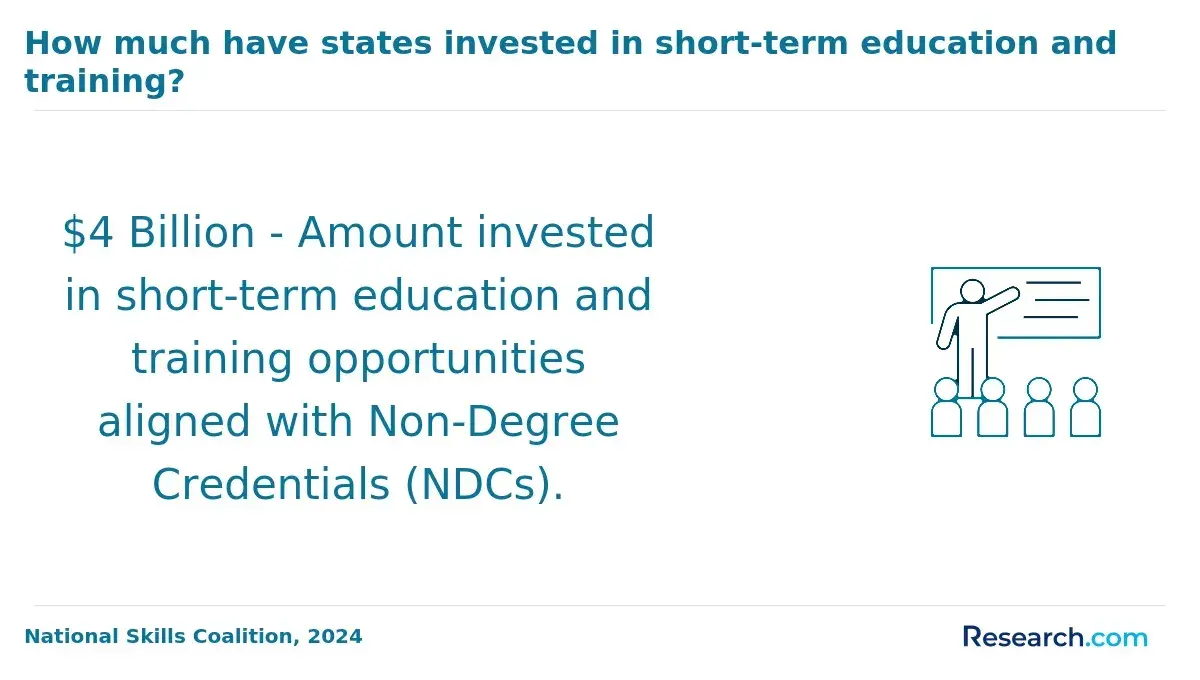
The highest-paying pivot options for architecture degree holders tend to be in sectors with higher margins, scalable products, large transaction values, or performance-based compensation. Pay can vary widely by location, employer, experience, and market conditions, so salary research should be role-specific rather than based only on industry reputation.
- Financial services and real estate investment: Early-career salaries can exceed traditional architecture median pay by 30-50%, especially in roles tied to real estate investment, development finance, asset analysis, or risk analysis. Candidates usually need finance, modeling, and market analysis skills.
- Management consulting: Architecture graduates can apply problem-solving, research, presentation, and systems thinking to strategy, operations, real estate, construction, or sustainability consulting. Compensation may include base salary, performance bonuses, and sometimes equity.
- Enterprise technology: Product management, UX/UI design, design operations, technical sales, customer success, BIM software, construction technology, and workflow implementation can offer strong compensation growth for candidates who combine design literacy with business and technical fluency.
- High-growth startups: Startups may offer equity and faster responsibility, but income can be volatile. Base pay may start lower, and equity value is uncertain. This path is better for candidates who can tolerate risk and ambiguity.
- Real estate development leadership tracks: Graduates who move from coordination into development management, owner’s representation, or acquisitions-related work may access higher long-term earning potential, especially if they build finance and negotiation skills.
- Sustainability and infrastructure consulting: Compensation depends heavily on employer type and client base. Private-sector consulting may pay more than nonprofit or public-sector roles, while government roles may offer stability and benefits.
Evaluate total compensation, not just base salary. Bonuses, equity, retirement benefits, healthcare, professional development budgets, remote flexibility, travel expectations, and promotion timelines all affect the real value of a pivot. Higher-paying options may also require added education, certifications, networking, portfolio work, or a temporary step back in title.
Which High-Growth Sectors Are Actively Recruiting Professionals With a Architecture Background?
High-growth sectors recruit architecture-trained professionals when they need people who can work across design, technology, space, infrastructure, users, regulations, and project delivery. The strongest opportunities often sit at the intersection of the built environment and emerging tools, sustainability demands, or urban change.
- Green building and sustainable construction: Environmental priorities and evolving regulations create demand for professionals who understand energy-efficient design, materials, documentation, and project coordination. Entry points may include sustainability coordinator, green building analyst, or consulting assistant roles.
- Technology and smart infrastructure: Smart cities, IoT-enabled buildings, digital twins, and building information modeling (BIM) systems need people who understand both spatial systems and digital workflows.
- Real estate development and urban planning: Urbanization, housing demand, redevelopment, and infrastructure investment create roles in site research, project coordination, community planning, entitlement support, and development analysis.
- Manufacturing and product design: Architecture graduates with prototyping, 3D modeling, fabrication, materials, and visualization skills may fit industrial design support, fabrication coordination, or product development roles.
- Technology-driven creative industries: Gaming, virtual reality, augmented reality, immersive exhibits, and multimedia environments can value spatial cognition, scene composition, and experience design.
- Renewable energy infrastructure: Solar, wind, and related infrastructure projects require site evaluation, permitting awareness, technical drawing interpretation, environmental coordination, and stakeholder communication.
- Construction technology: Companies building software for project management, estimating, documentation, field coordination, BIM, or digital delivery often need employees who understand the pain points of architecture and construction teams.
High-growth does not automatically mean stable or easy to enter. Some sectors offer fast advancement but greater volatility. Others, especially government-adjacent or regulated areas, may move slowly but provide steadier work. Match the sector to your risk tolerance, preferred pace, and willingness to learn new tools.
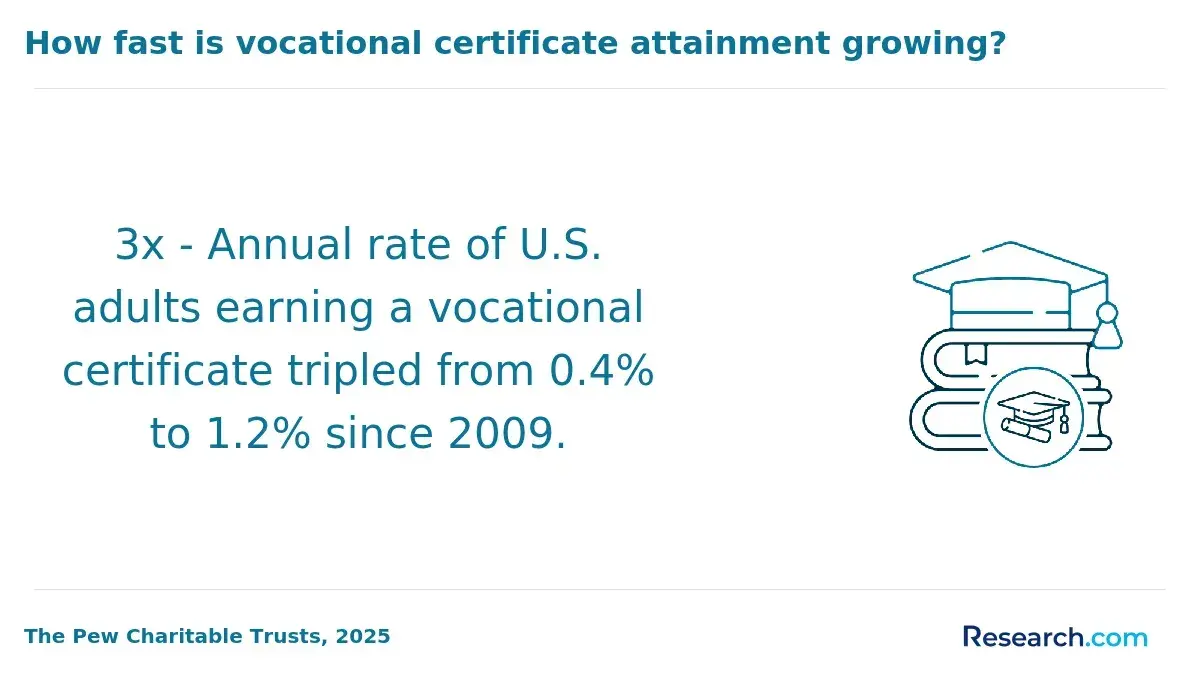
How Does Earning a Graduate Certificate Help Architecture Degree Holders Pivot Successfully?
A graduate certificate can help an architecture degree holder pivot by adding a clear, targeted signal to a broad design education. It is most useful when employers in the target field recognize the credential, the curriculum builds job-ready skills, and the certificate fills a specific gap that appears repeatedly in job postings.
According to the National Center for Education Statistics (NCES), these certificates generally require 6 to 12 months of study, which is significantly less than the two or more years typical of master's programs. That shorter duration and often lower cost can make a certificate useful for professionals who need a faster skills update than a full degree.
When a graduate certificate can be worth it
- You need a recognizable bridge credential: A certificate in project management, data analytics, UX research, sustainability, public health, nonprofit management, or financial analysis can make your pivot easier to understand.
- The field has a clear skills gap: If job descriptions consistently request analytics tools, research methods, financial modeling, GIS, sustainability frameworks, or project management methods, a certificate may provide structure and proof.
- You need confidence and language for interviews: Coursework can help you speak the target industry’s vocabulary and connect your architecture experience to its priorities.
- You are not ready to commit to a full graduate degree: A certificate can test interest before making a larger investment.
The American Council on Education warns about credential inflation, so not all certificates carry equal value. Before enrolling, check accreditation, curriculum relevance, employer recognition, alumni outcomes, instructor experience, cost, schedule flexibility, and whether the program produces portfolio-ready work.
Labor market data shows certificates in project management and data analytics yield some of the highest average salary increases and are most favored by hiring managers targeting pivot roles. Recent trends highlight a 20% increase in demand for hybrid professionals combining architecture with project management or data skills. Even so, a certificate should support a defined target role rather than serve as a vague attempt to look more qualified.
If you are exploring a pivot far outside architecture, compare the certificate with full degree options, licensing expectations, and the opportunity cost of additional schooling. Some readers also compare unrelated career routes, such as a sports management degree, but architecture graduates should first test whether a shorter credential can get them close enough to interview for the roles they want.
What Role Do Professional Certifications Play in Validating a Architecture Career Pivot?
Professional certifications can validate a career pivot by proving job-specific competence that an architecture degree may not clearly signal. They are most valuable when a certification is frequently named in job postings, respected by employers, and tied to skills you will actually use in the target role.
Certifications are different from academic degrees. A degree shows broader education; a certification usually verifies a narrower set of professional skills, methods, or tools. For architecture graduates, the right certification can reduce employer uncertainty by showing that the pivot is intentional and supported by training.
Certifications architecture graduates may consider
- Project Management Professional (PMP): Requires 35 hours of formal project management education and 4,500-7,500 hours of project experience. Exam fees are about $555. It can be useful in consulting, construction management, operations, and corporate project roles.
- Certified Analytics Professional (CAP): Requires a bachelor's degree plus related experience. Preparation varies from 3 to 6 months with exam fees near $695. It may support pivots into analytics, business intelligence, or data-informed strategy roles.
- SHRM Certified Professional (SHRM-CP): Focuses on HR knowledge and requires several months of study. Fees vary by membership status. It may fit graduates moving toward talent, workplace strategy, HR operations, or organizational roles.
- Salesforce Administrator: Self-paced or formal courses take 1-3 months. Exam costs about $200. This can support pivots into customer operations, sales systems, tech-enabled business roles, and implementation support.
- LEED Green Associate: Targets sustainability knowledge with 2-3 months of preparation and exam fees around $350. It is relevant for green building consulting, sustainability coordination, and environmentally focused built-environment roles.
Do not collect certifications randomly. Start with 10 to 20 job postings in your target role, identify the credentials that appear repeatedly, and talk with professionals already doing the work. If a certification is only “nice to have,” it may not be worth the time and cost unless it also helps you build a portfolio project or professional network.
If you are still completing a certification, list it as “in progress” with an expected completion date only when you are actively enrolled or preparing. Candidates using creative retraining options such as online graphic design programs should apply the same rule: show how the credential connects to the target job, not just that additional coursework exists.
How Can Architecture Degree Holders Leverage Freelance or Contract Work to Break Into a New Field?
Freelance, contract, and project-based work can help architecture degree holders build evidence in a new field before a full-time employer is ready to take a chance on them. With nearly 59 million Americans engaged in gig roles in 2023, project-based work is a realistic bridge for graduates who need portfolio samples, references, and role-specific outcomes.
- Choose work that supports the target pivot: Do not freelance randomly. If you want UX work, pursue research, wireframing, or usability support. If you want development or planning, look for site research, feasibility support, mapping, or presentation work. If you want operations, seek coordination and documentation projects.
- Package architecture strengths clearly: Services can include CAD cleanup, 3D modeling, rendering, presentation design, space planning, design research, proposal graphics, project coordination, technical documentation, or sustainability research.
- Build proof, not just income: Each freelance project should produce a deliverable you can discuss: a dashboard, client presentation, research memo, process map, model, case study, or before-and-after workflow improvement.
- Set rates carefully: Early rates may be competitive while you build credibility, but underpricing can signal low value and create unsustainable work. Consider project scope, revision rounds, timeline pressure, software requirements, and your experience level.
- Protect yourself with basic agreements: Clarify scope, deliverables, deadlines, payment terms, ownership, revisions, and confidentiality before starting. This is especially important when using work samples in a portfolio.
- Translate freelance work on your resume: Describe outcomes using the language of the target role. For example, “coordinated vendor documentation,” “created stakeholder presentation materials,” or “analyzed site constraints for decision-making” is more useful than a vague freelance title.
Freelancing is not ideal for every pivot. Regulated, public-sector, or highly credentialed roles may offer fewer freelance entry points. It also requires financial runway and self-management. But for design technology, visualization, communications, research, UX, project coordination, and small-business consulting, contract work can shorten the distance between “architecture graduate” and “experienced candidate.”
What Networking Strategies Are Most Effective for Architecture Graduates Pursuing a Career Change?
Networking is especially important for architecture graduates changing fields because employers may not immediately understand the credential. A referral, informational interview, or alumni conversation can help translate your background before your resume is screened out by narrow keyword filters. LinkedIn's 2023 Workforce Report confirms that 85% of jobs are secured through networking or referrals, underscoring why relationship-building matters during a pivot.
- Activate alumni networks: Search for graduates from your architecture program who now work in planning, technology, development, consulting, sustainability, product, or other target areas. Ask for advice, not a job.
- Run informational interview campaigns: Request 15 to 20 minutes with professionals in your target roles. Ask about daily responsibilities, required tools, hiring expectations, entry-level titles, and mistakes career changers make.
- Use specific outreach messages: A simple message works better than a long biography: “I’m an architecture graduate exploring a transition into [field]. Your path from [background] to [role] stood out to me. Would you be open to a brief conversation about the skills employers value most?”
- Join professional associations: Attend webinars, local events, portfolio reviews, committee meetings, or volunteer opportunities in the target field. Showing up repeatedly builds recognition.
- Build weak ties: Research into labor markets highlights the value of weak ties—acquaintances rather than only close contacts—in uncovering opportunities. Former classmates, adjunct instructors, consultants, vendors, contractors, and community partners can all be useful bridges.
- Contribute before asking: Share useful articles, ask thoughtful questions, volunteer at events, or offer a small skill such as visual documentation or presentation support. Credibility grows through repeated, low-pressure interaction.
- Track outreach: Keep a simple list of contacts, dates, notes, follow-ups, and referrals. Networking becomes less intimidating when treated as a weekly process rather than a high-stakes favor request.
Many architecture graduates feel imposter syndrome when entering a new industry. Preparation helps. Know your pivot story, name the skills you bring, acknowledge what you are learning, and ask informed questions. The goal is not to convince every person you meet; it is to find the employers and professionals who already see value in cross-disciplinary talent.
What Graduates Say About the Best Career Pivot Options for People With a Architecture Degree
- : "Graduating with an architecture degree showed me that design thinking was useful beyond traditional practice. When I focused on transferable skills like spatial awareness, research, and project management, urban planning became a realistic path. Building a professional network early made the biggest difference because people helped me understand which entry-level roles were actually accessible. — Louie"
- : "My move from architecture into sustainable construction became easier once I added targeted credentials. Certifications helped employers see that I was serious about the pivot, but reframing my resume mattered just as much. I stopped listing only technical tasks and started showing how I solved problems, coordinated work, and supported better project decisions. — Zamir"
- : "When I moved into digital fabrication and 3D modeling, networking opened doors that applications alone did not. I started with accessible technical roles, built a portfolio of practical work, and used each project to show that my architecture background could support innovation in a different setting. — Matthew"
Other Things You Should Know About Architecture Degrees
Architecture degree holders possess transferable skills like project management, critical thinking, and creative problem-solving. These skills are valuable in industries like urban planning, real estate development, and technology. Understanding the built environment, regulations, and spatial design can aid positions in sustainability and green building consultancy.
Graduate programs in fields such as urban planning, construction management, or real estate development provide Architecture graduates a credentialed pathway to new careers. These programs offer specialized knowledge and valuable internships or connections that facilitate entry into alternative sectors. Earning an advanced degree can also signal commitment to a new role and help overcome any perceived experience gaps.
Graduates leverage their technical skills-especially in computer-aided design and modeling-to transition into roles like BIM specialist, software developer for design tools, or data analyst in construction technology. They often supplement their expertise with coding languages or data science courses. Demonstrating an understanding of both architecture principles and digital tools makes candidates attractive to tech firms focused on built environment solutions.
References
- Top 10 jobs for architecture majors and who's hiring https://joinhandshake.com/blog/students/architecture-degree-jobs/
- U.S. Architecture Market Trends: The Fastest-Growing Sectors and Regions http://www.csgtalent.com/insights/blog/u-s--architecture-market-trends--the-fastest-growing-sectors-and-regions/
- The essential networking guide for architects and designers - Bespoke Careers https://www.bespokecareers.com/articles/the-essential-networking-guide-for-architects-and-designers/
- Architecture Careers That Actually Pay Well | ArchitectureCourses.org https://www.architecturecourses.org/learn/career-opportunities-architecture
- How to build a best-in-class job architecture for your organisation https://ravio.com/blog/job-architecture
- Beyond Traditional Education: Alternative Paths to a Career in Architecture and Design | Archipro https://archipro.com/blog/beyond-traditional-education-alternative-paths-to-a-career-in-architecture-and-design/
- What careers can you do with an architecture degree? | University for the Creative Arts https://www.uca.ac.uk/blogs/careers-with-an-architecture-degree/
- Top 10 Highest Paying Architect Careers | Brighton College https://brightoncollege.com/blog/top-10-highest-paying-architect-careers/
- Architect Certification: A Complete Guide to Top Credentials | ArchiVinci|ArchiVinci https://www.archivinci.com/blogs/architect-certification-guide
- How to Set and Track Professional Development Goals for Architects https://www.vectorsolutions.com/resources/blogs/architect-professional-development/


