
2027 Best Higher Education Degrees for Working Adults

Co-Founder and Chief Data Scientist
Balancing full-time work and pursuing a degree often feels overwhelming for many adults. Approximately 41% of working adults in the U. S. express concerns about managing education alongside employment demands. This challenge leads to stalled career progress and missed opportunities for higher salaries. Finding flexible and accredited higher education programs tailored to adult learners is essential to overcoming these barriers.
This article explores the best degree options designed specifically for working adults, highlighting programs that accommodate busy schedules while enabling meaningful career advancement and long-term professional growth.
Key Things to Know About Higher Education Degrees for Working Adults
- Flexible scheduling and online or hybrid formats enable working adults to balance education with professional and personal responsibilities efficiently.
- Degrees aligned with employer needs enhance job relevancy, increasing opportunities for career advancement and salary growth.
- Accelerated pacing and dedicated support services improve degree completion rates, with 70% of working adults citing these as essential factors for success.
What Are the Best Higher Education Degrees for Working Adults?
The best higher education degrees for working adults vary greatly depending on factors such as schedule flexibility, career alignment, and expected return on investment. A key trend for many adult learners is the growth of online education, which expands access and supports balancing studies with full-time employment. This makes flexible learning options essential when choosing a program.
Several degree choices stand out for employed students seeking to advance or change careers. These degrees typically offer practical curricula and accommodate part-time enrollment or asynchronous formats.
- Business Administration: Delivers essential skills in leadership, finance, and management, often through online or accelerated programs, helping working professionals progress in corporate environments.
- Information Technology: Provides training in high-demand tech fields with flexible scheduling such as evening or asynchronous classes, well suited for those entering or expanding careers in IT.
- Healthcare Administration: Combines healthcare knowledge with organizational skills, appealing to those aiming for leadership roles in the growing healthcare sector.
- Education: Supports credential advancement or teacher career changes with many part-time course options designed for working adults.
- Project Management: Offers widely applicable skills across industries, commonly available as certificates or degrees with flexible pacing suited to professionals.
For adult learners seeking top online degree programs for adult learners in specialized fields, options such as the online slp program provide targeted, accessible pathways to career advancement.
What Are the Admission Requirements for Working Adults in Higher Education Degree Programs?
Admission requirements for working adults entering higher education degree programs often differ from those for traditional students because adult learners typically juggle full-time employment, family, and school. Reflecting this shift, nearly 40% of graduate students now enroll part-time, highlighting a trend toward more flexible pathways for career advancement.
When considering admission criteria for working adults in higher education, institutions often focus on factors that accommodate their unique needs. Common requirements include:
- Prior Work Experience: Applicants are frequently evaluated based on relevant professional history that showcases skill development and career progression, sometimes offsetting traditional academic benchmarks.
- GPA Adjustments: GPA expectations may be adapted or supplemented by professional accomplishments, recognizing that prior work success can demonstrate readiness for advanced study.
- Standardized Test Waivers: Many programs waive GRE or other test requirements for candidates with significant work experience or prior graduate coursework, reducing barriers for adult learners.
- Professional Recommendations: Letters often emphasize practical skills, leadership, and job-related competencies rather than purely academic references, aligning with the needs of working professionals.
- Flexible Scheduling: To support work commitments, programs typically offer flexible course formats, including online or evening classes. Those seeking an online business degree frequently benefit from such accommodations.
What Coursework Is Required in Higher Education Degree Programs for Working Adults?
Coursework in higher education degree programs designed for working adults focuses on balancing career relevance, practical skills, and flexible learning formats that accommodate full-time employment. A growing trend reveals that over 40 percent of adult learners seek programs featuring online or hybrid courses to effectively manage work and study commitments, enhancing the appeal of such courses for career changers and professionals. This emphasis on flexible curricula is a key aspect of course requirements for working adult degree programs.
Typical coursework areas in higher education for adult learners include the following:
- Business Management: Concentrates on leadership, organizational behavior, and strategic planning, equipping students with tools to increase workplace efficiency and prepare for managerial roles in diverse industries.
- Information Technology: Covers programming, cybersecurity, and data analytics, providing critical technical skills that support rapid advancements and demand within the tech sector.
- Communication: Focuses on professional writing, public speaking, and interpersonal communication skills, essential for effective collaboration and career advancement across fields.
- Project Management: Introduces methodologies such as Agile and Lean, helping students lead projects efficiently and achieve business objectives in dynamic environments.
- Health Sciences: Includes healthcare administration and public health, addressing the expanding need for qualified professionals in the health sector.
Adult learners interested in specialized options can explore programs such as an online masters in psychology, which align with the practical and career-focused approach typical of higher education coursework for adult learners.
How Long Does It Take to Complete a Higher Education Degree While Working?
The time working adults need to finish a higher education degree varies greatly due to multiple factors impacting their schedules. Recent data shows that part-time students often take about six years to complete their degree, compared to the typical four years for full-time learners.
Several key elements influence the duration of degree completion for those balancing employment and study:
- Program format: Flexible delivery methods like online or hybrid courses allow students to adapt their pace, which can either shorten or extend the time needed based on personal circumstances.
- Course load: Enrolling in fewer classes per semester is common among working adults to manage their responsibilities, but it naturally prolongs the total time to graduate.
- Prior credits: Transfer credits or previous college coursework can reduce the length of study by fulfilling some degree requirements earlier.
- Work schedule: Jobs with unpredictable hours or heavy overtime commitments can limit available study time, often slowing academic progress.
- Accelerated options: Some programs offer fast-track or competency-based models that permit motivated students to complete requirements more quickly.
When asked about his experience, a professional who earned his degree online while employed described the journey as a "challenging but rewarding balancing act." He noted that managing deadlines amid work demands required strict organization and occasional sacrifices in social time. "There were moments when fatigue set in, but the flexibility of the program helped me keep moving forward," he said. He emphasized the importance of self-discipline and support from family to stay committed. "Seeing the light at the end of the tunnel made all the hard work worth it," he reflected.
How Much Does a Higher Education Degree Cost for Working Adults?
Working adults often weigh cost heavily when considering a higher education degree, as balancing full-time jobs and other responsibilities limits time and financial resources. Nearly 40% of part-time postsecondary students hold full-time employment, underscoring the need for affordable, flexible programs.
Several elements influence the overall expense of earning a higher education degree for working professionals:
- Tuition per credit: Tuition rates vary widely by school and program, with many part-time students charged based on the number of credits per semester. The total cost depends on how many credits are taken and the per-credit price.
- Program length: The number of credits required impacts total tuition. Accelerated and competency-based programs can shorten time to completion, reducing overall expenses.
- Additional fees and materials: Costs beyond tuition-such as registration fees, technology charges, and textbooks-add to the financial burden. Digital textbooks and resources may help cut these costs.
- Delivery format: Online programs often eliminate commuting and housing expenses, making them a more affordable choice for employed students.
- Financial aid: Options like employer tuition reimbursement, scholarships, and grants can significantly lower out-of-pocket costs, easing the financial load for working learners.
What Financial Aid Options Are Available for Working Adults in Higher Education Degree Programs?
Balancing work, family, and school creates unique financial challenges for adults pursuing higher education, making financial support essential to managing these responsibilities. Several financial aid options can help ease this burden and make achieving a degree more attainable.
Key types of assistance available include:
- Federal Financial Aid: This includes Pell Grants and subsidized student loans geared toward those with financial need. Eligibility is determined by income, enrollment status, and completing the FAFSA application.
- Employer Tuition Assistance: Many employers offer programs to help cover tuition costs, often requiring that coursework aligns with the employee's current role or professional development goals.
- Scholarships for Adult Learners: Various organizations provide scholarships focused on adult students balancing education with work and other duties, rewarding dedication and perseverance.
- Grants: Beyond federal offerings, some states and schools grant funds to adults in specialized or continuing education programs that do not require repayment.
- Payment Plans and Tax Benefits: Payment plans allow tuition to be paid in installments, easing financial pressure. Tax credits like the Lifetime Learning Credit also help reduce tax owed for qualifying expenses.
When I spoke with a professional who completed her degree while working full-time, she emphasized how "juggling deadlines at work and school was overwhelming, but the flexibility of payment plans really helped." She recalled carefully managing each semester's costs with her employer's tuition reimbursement and how "applying for scholarships felt like a daunting process, but it was worth it to get that extra support." She also noted the peace of mind that came from knowing the tax credits helped offset her expenses come tax season. Her experience reflects the importance of combining multiple aid sources to stay on track toward educational and career goals while managing real-world responsibilities.
What Support Services Help Working Adults Succeed in a Higher Education Program?
Balancing coursework, employment, and personal commitments presents significant challenges for working adults pursuing higher education. Institutional support services are essential for helping these students navigate their responsibilities while maintaining steady academic progress.
- Academic Advising: Provides individualized planning to help students pick courses that align with their work schedules and career objectives, reducing overload and promoting efficient advancement toward degree completion.
- Flexible Scheduling and Online Learning: Offers access to classes and materials at convenient times, empowering students to integrate their studies smoothly around job and family duties.
- Tutoring and Study Support: Supplies targeted academic assistance to clarify complex topics, reinforcing knowledge retention and boosting learner confidence.
- Career Services: Connects educational achievements to professional growth through services like resume development and job search guidance, facilitating career progression.
- Mental Health Resources: Addresses stress and work-life challenges by providing counseling and wellness support, fostering sustained motivation and academic focus.
Are Higher Education Degrees for Working Adults Accredited?
Accreditation signifies that higher education programs meet established quality standards set by recognized agencies, ensuring the degree is credible and respected. For working adults, accreditation is essential because it impacts the rigor of the curriculum, how employers perceive the qualification, and access to federal and state financial aid. Over 40% of graduate students in the U.S. are adults balancing careers and studies, reflecting rising demand for flexible, accredited options. Choosing accredited programs helps safeguard the integrity and value of the education received.
The long-term worth of a higher education degree is heavily influenced by accreditation, affecting several practical factors for working adults. These include the ability to transfer credits smoothly between institutions and eligibility to sit for professional licensure or certification exams. Accreditation also supports career advancement by providing assurance to employers about the quality of qualifications held. This reliability makes it easier for adult learners to pursue further education or navigate career changes with confidence.
Does a Higher Education Degree Increase Salary for Working Adults?
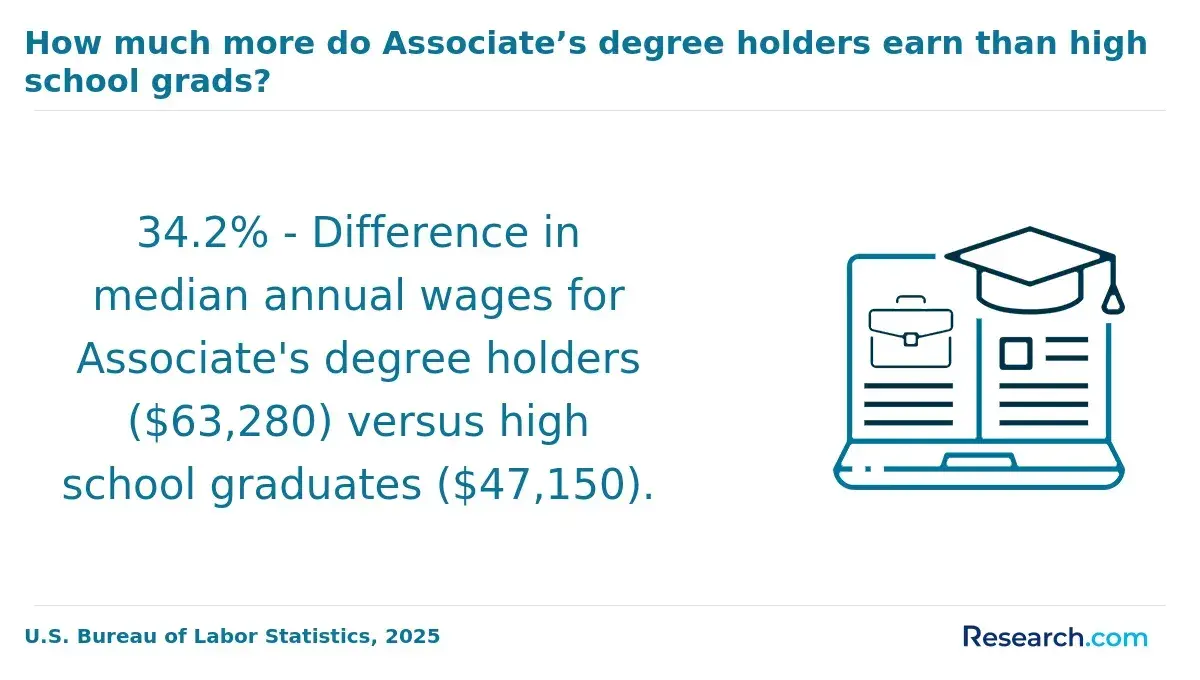
Salary growth remains a primary motivator for working professionals considering a higher education degree, with many adults holding degrees earning between $50,000 and $100,000 annually. This financial incentive reflects how a higher education degree salary increase can significantly impact lifetime earnings and career opportunities.
- Industry Demand: Fields such as technology, healthcare, and finance are more likely to reward degree holders with higher salaries due to strong market demand and specialized knowledge requirements.
- Role Advancement: Many management and specialized positions require formal higher education credentials for promotion, making degree completion integral to career growth for working adults.
- Employer Policies: Some employers offer tuition reimbursement or bonuses tied to degree attainment, which can directly increase an employee's salary or lead to future raises.
- Experience Integration: Combining years of professional experience with a degree often amplifies earning potential more than either factor alone, highlighting the value of practical skills alongside formal education.
- Specialization: Certain degree specializations command premium pay because of scarce expertise or specific market needs, affecting the overall salary increase a degree holder may achieve.
Adults balancing work and study benefit from flexible, accredited higher education programs designed to minimize income disruption. Considering these factors helps clarify the impact of degree on career growth for working adults and supports informed decisions about investing time and resources.
For those exploring options, researching the most affordable online colleges can be an effective way to find programs that offer both flexibility and value while pursuing a higher education degree salary increase.
What Jobs Can Working adults Get With a Higher Education Degree?
A higher education degree enables working adults to qualify for advanced, specialized, or leadership roles rather than remaining in entry-level positions. These degrees demonstrate not only mastery of essential knowledge but also enhance critical thinking, management, and strategic decision-making abilities, which are vital for career advancement.
Common career opportunities with higher education for adults include the following roles:
- Project Manager: Overseeing projects from start to finish requires organizational skills and leadership, which are strengthened through higher education. Professionals in this role manage teams, deadlines, and resources to ensure successful outcomes, marking clear career progression.
- Healthcare Administrator: This position involves managing healthcare operations and ensuring compliance with regulations. Advanced education equips individuals with knowledge of healthcare policies and business management, supporting their move into this vital leadership role.
- Financial Analyst: By evaluating financial data to inform investment strategies, this role demands strong analytical skills and an understanding of economics, which higher education programs provide. It represents a step up from more junior financial roles toward decision-making influence.
- Information Technology Manager: Charged with supervising IT teams and aligning technology with organizational goals, this role requires both technical expertise and management capabilities gained through higher education.
- Human Resources Director: Leading talent management and policy implementation, this leadership position benefits from studies in organizational behavior and labor law typical of advanced degree curricula.
Each of these high-paying jobs for working adults with degrees exemplifies career advancement through increased responsibility and leadership. Adult learners can find flexible, accredited options such as 1 year graduate programs designed to fit around full-time employment, supporting their career mobility and professional growth.
What Graduates Say About Their Higher Education Degrees for Working Adults
- Tracy: "Deciding to enroll in an online higher education degree program while working full-time was a game changer for me. Considering the average cost for working adults can be upwards of $20,000, I was initially concerned about the investment, but the flexibility justified the expense. Completing the program not only boosted my confidence but also led to a promotion within my company, proving the value of continuing education."
- Kristen: "Balancing work and a part-time higher education program forced me to rethink my priorities, but the cost-though significant at around $15,000 to $25,000-felt more manageable spread over time. Reflecting on the experience, I realize this degree opened doors and expanded my professional network in ways I hadn't anticipated. "
- Ezekiel: "Choosing a part-time higher education degree while working was a strategic move to deepen my expertise without sacrificing financial stability. The financial commitment was considerable, but much less daunting when you understand that many working adults face similar figures for tuition and fees. Professionally, completing the program solidified my credibility and accelerated my career trajectory."
Other Things You Should Know About Higher Education Degrees
In 2027, many institutions allow working adults to transfer college credits from prior coursework. This process typically involves an evaluation of transcripts to determine eligibility. Working adults should research schools with flexible transfer policies to maximize their previously earned credits toward completing a degree.
In 2027, flexible degree programs like Business Administration, Computer Science, and Healthcare Administration are ideal for working adults. These degrees offer online and part-time options, ensuring adaptability with work schedules, while providing skills highly valued in the job market.
In 2027, working adults should consider flexibility, transferability of credits, return on investment, and relevance to current job markets when choosing a degree. Balancing work and study requires programs with adaptable schedules and online options. Degrees that align with future industry trends offer the best opportunities for career advancement.
References
- Top 19 Bachelor Degree Programs for Working Adults | NEIT https://www.neit.edu/blog/degrees-for-working-adults
- A Complete Guide To All College Degree Levels https://thebestschools.org/degrees/college-degree-levels/
- How does a college degree improve graduates’ employment and earnings potential? - APLU https://www.aplu.org/our-work/4-policy-and-advocacy/publicuvalues/employment-earnings/
- How Much is Tuition? Online Tuition Costs | SNHU https://www.snhu.edu/tuition-and-financial-aid/online
- Helping Adult Learners Thrive - ReUp Education https://reupeducation.com/
- Mature students and access courses https://www.liverpool.ac.uk/undergraduate/applying/applying-through-ucas/mature-students-and-access-courses/
- Mature students | Widening participation student support | University of Exeter https://www.exeter.ac.uk/students/wp-support/supportfor/maturestudents/
- Financial Aid for Adult Learners: Your Step-by-Step Guide | National University https://www.nu.edu/blog/financial-aid-for-adult-learners/
- 10 Best Online Degree Programs for Working Adults | UoPeople https://www.uopeople.edu/blog/online-programs-working-adults/
- 7 Questions to Ask Before Going to College as a Working Adult https://learn.msmu.edu/7-questions-to-ask-before-going-to-college-as-a-working-adult


