
2027 Which Higher Education Degree Careers Offer the Best Long-Term Salary Growth?

Co-Founder and Chief Data Scientist
Which careers stemming from a Higher Education degree tend to yield the most substantial salary growth over time? This question becomes increasingly relevant as industries evolve and workers seek not just competitive entry salaries but sustainable income advancement. Data from the U.S. Bureau of Labor Statistics indicates that professionals with advanced degrees often see salary increases surpassing 15% over a decade compared to their counterparts with only bachelor's degrees.
Understanding how various roles within Higher Education influence long-term earning potential can guide students in making more informed choices. This article explores which Higher Education degree careers offer the best salary growth and why.
Key Benefits of Higher Education Degree Careers That Offer Long-Term Salary Growth
- Careers linked to higher education degrees typically feature steady salary increases, with STEM fields reporting average wage growth of 3-5% annually over 20 years.
- Skill development and accumulating experience directly correlate with salary progression, as professionals gain expertise and take on higher-level responsibilities.
- Long-term advancement opportunities in higher education degree careers foster financial stability, enabling individuals to access leadership roles and specialized positions with significant pay raises.
Which Higher Education Careers Have the Highest Long-Term Salary Growth?
Careers within higher education that align with academic leadership, research administration, and technological innovation often show the strongest long-term salary growth compared to other roles. A 15% average increase in salaries for senior higher education administrators over the past decade highlights the upward earning potential in these fields. Such trends emphasize how strategic roles within institutions offer sustained salary progression tied to organizational impact and evolving priorities.
Key career paths that drive this dynamic include the following:
- Academic Leadership: Professionals in positions such as deans and directors experience consistent salary growth as they take on expanded responsibilities and manage complex academic and operational functions. Their compensation increases reflect their vital role in driving institutional success over time.
- Research Administration: Those overseeing grant management, regulatory compliance, and research initiatives benefit from steady salary advancements aligned with growing funding and institutional focus on research priorities. This area is a strong component of long-term salary growth trends in higher education careers.
- Educational Technology Specialists: With rising investment in digital learning and online programs, careers in instructional design and educational technology display significant upward salary momentum. Their expanding influence on academic delivery contributes to attractive long-term compensation growth.
Prospective professionals seeking to enhance career prospects may also explore what certifications can I get online that support advancement and salary growth in these higher education degree careers with greatest salary growth.
How Does Salary Growth Progress Over Time in Higher Education Careers?
Salary growth in higher education careers generally follows a steady upward trajectory throughout a professional's working life, characterized by gradual and consistent increases rather than abrupt jumps. Annual wage growth in related fields typically ranges from 3% to 5%, with the U.S. Bureau of Labor Statistics reporting an approximate 3.4% yearly increase over recent decades. These modest but sustained improvements reflect incremental progress in earnings that accumulate steadily over time.
Throughout a career in higher education, salary growth often begins with steady increases as experience and responsibility develop. This consistent pace usually continues into mid-career, maintaining a pattern of gradual rises that build on previous gains. Later stages of the career may witness slower growth or plateaus, although compensation levels generally remain well above those seen in earlier years, illustrating a long-term upward trend in earnings.
Which Entry-Level Higher Education Jobs Lead to High-Paying Careers?
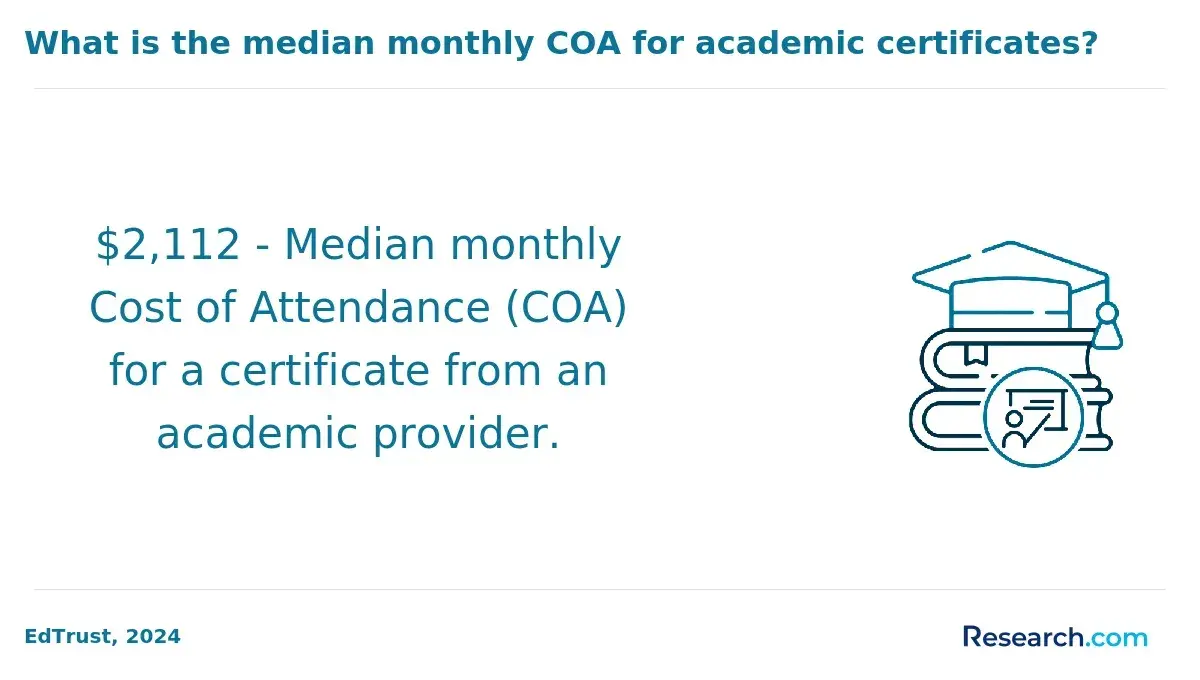
Entry-level jobs in higher education often act as stepping stones to roles with significantly higher salaries. On average, these positions pay between $40,000 and $55,000 annually, laying a solid foundation for future income growth through increased responsibilities and leadership opportunities.
The following roles are commonly linked with strong long-term earning potential:
- Academic Advisor: Guiding students through course selection and academic planning, academic advisors often advance into administrative or leadership positions focused on student services, supporting steady wage increases over time.
- Admissions Counselor: Managing recruitment and enrollment, admissions counselors develop institutional outreach skills that frequently lead to higher-paying roles in enrollment management or administrative departments.
- Financial Aid Counselor: By assisting students with financial aid applications and eligibility, these counselors gain expertise that can lead to senior financial aid or compliance positions with greater earning potential.
- Student Affairs Coordinator: Supporting campus activities and student engagement programs, coordinators typically move upward into director-level roles with more responsibility and higher pay.
When asked about which entry-level roles typically lead to higher salaries, a new graduate with a higher education degree reflected on the early career experience: "Starting out was overwhelming because there's a lot to learn about institutional processes and student needs. However, the hands-on experience helped me understand how important these support roles are. I realized that excelling in an entry-level position like academic advising could really open doors to leadership roles, even if it takes time and persistence to get there." This perspective highlights how foundational experiences contribute to longer-term career advancement and financial growth.
What Industries Offer the Best Salary Growth for Higher Education Graduates?
Certain industries provide higher education graduates with superior long-term salary growth due to expanding market demands and evolving pay structures. For instance, employment in computer and information technology occupations is expected to increase by 15% from 2021 to 2031, reflecting strong potential for wage growth in related fields. This trend highlights some of the best sectors for long-term salary increase in higher education careers.
Here are some key industries recognized for their robust salary growth:
- Technology: Rapid industry growth and innovation drive steady compensation increases as professionals advance into leadership roles, making it a prime sector for sustained earnings growth.
- Finance and Insurance: Complex financial products and heightened regulations lead to significant salary boosts, especially at mid-to-senior levels where expertise greatly impacts business outcomes.
- Healthcare: Rising service demand and medical technology advancements contribute to consistent salary progression for those in specialized and administrative roles.
- Engineering and Manufacturing: Technological advancements and infrastructure projects support increased pay as engineers develop technical mastery and leadership skills.
- Professional, Scientific, and Technical Services: This sector, including consulting and research, rewards specialized knowledge with notable long-term salary growth.
For students interested in counseling careers, exploring an LMFT program online can also offer valuable pathways with promising income potential.
What Factors Influence Long-Term Salary Growth in Higher Education Careers?
Long-term salary progression in higher education careers depends on multiple workplace and career growth factors that shape how earnings develop over the years. These elements work together to influence the overall financial rewards professionals receive throughout their tenure.
Several key aspects affect this gradual increase in pay:
- Experience Accumulation: Years spent within an institution allow individuals to build specialized knowledge and reliability, which often results in salary enhancements. This growing expertise makes employees more valuable and typically leads to better compensation offers.
- Promotion and Advancement: Transitioning into roles with greater responsibility or leadership positions generally brings higher salaries. Progressing along a career ladder within or across institutions can significantly boost earning potential compared to remaining in one role.
- Performance and Merit-Based Rewards: Consistently meeting or exceeding expectations tends to be recognized with raises and bonuses. Such performance-driven incentives contribute cumulatively to long-term salary growth.
- Institutional and Economic Factors: Budget conditions, funding availability, and economic health affect wage increases. Institutions with strong financial backing are better positioned to provide regular salary improvements.
- Union Influence: Collective bargaining can set salary scales and increments, offering structured pay growth and added protections depending on negotiated terms.
When speaking with a professional holding a Higher Education degree about what shapes salary growth over time, she reflected on the complexity of navigating these factors. She mentioned that while experience was invaluable, "advancement wasn't always straightforward," requiring patience and strategic effort. The impact of economic shifts meant salary increases could sometimes feel unpredictable, adding concern but also motivation to perform well. She shared that the reward system based on merit felt "both challenging and fair," pushing her to continually improve. Overall, she viewed the journey as a mix of perseverance and adaptation, where understanding institutional dynamics was key to sustaining financial progress.
How Do Skills and Specializations Affect Salary Growth?
Developing specialized skills plays a crucial role in enhancing long-term salary growth within higher education careers. Research shows that professionals with niche expertise can earn around 15% more over their careers compared to those with general skill sets. This advantage stems from the unique value these skills provide to institutions.
Several key factors explain how specialization influences earnings:
- Innovation and Efficiency: Specialized knowledge allows individuals to address complex challenges and streamline processes, which often leads to higher compensation as institutions recognize their impact.
- Negotiation Advantage: Skill sets that are rare in the sector reduce competition for those talents, giving employees greater leverage when seeking raises or promotions.
- Alignment with Institutional Goals: Professionals whose specializations match strategic priorities, such as diversity initiatives or digital learning, are more likely to receive leadership opportunities that boost income potential.
- Market Value: Continuously refining relevant skills increases professional marketability, helping individuals maintain upward salary trajectories despite shifting demands in higher education environments.
Overall, targeted skill development directly supports stronger, sustained earnings growth by increasing an individual's importance within their organization and the sector at large.
Do Advanced Degrees or Certifications Increase Long-Term Earnings?
Advanced degrees and certifications significantly influence long-term earnings in higher education careers by opening doors to expanded responsibilities and leadership roles. Professionals who pursue master's, doctoral degrees, or specialized certifications often command higher compensation as they demonstrate deeper expertise and the ability to contribute to sophisticated institutional goals. Research suggests that those with advanced qualifications tend to earn between 20% to 40% more over their careers than individuals with only bachelor's degrees. This wage premium underscores the financial value of investing in continued education within the higher education sector.
The extent to which advanced degrees and certifications boost salaries varies considerably depending on career specialization and institutional context. For example, academic administrators, specialized counselors, and research coordinators frequently experience more significant salary growth linked directly to additional credentials. In contrast, some teaching-focused roles may see less immediate financial impact unless the advanced degree supports tenure or promotion to higher academic ranks. Certifications in niche areas such as student affairs or educational technology also enhance earning potential by signaling specialized skills valued in supervisory and strategic positions.
How Does Job Stability Impact Long-Term Salary Growth?
Job stability significantly influences long-term salary growth in higher education careers by providing a foundation for steady income increases and sustained earnings progression. Research from the U.S. Bureau of Labor Statistics shows that employees with higher job retention rates experience stronger overall wage growth compared to those with frequent job changes or interruptions in employment. Maintaining consistent employment in higher education roles typically results in gradual salary increases tied to years of service and institutional policies. This steady employment is a key factor in shaping reliable long-term salary growth in higher education careers.
Stable employment in higher education often leads to predictable patterns of incremental compensation increases over the span of a career. Continuous work experience allows individuals to build skills, qualify for tenure or promotions, and leverage institutional benefits rewarding commitment. Irregular employment or frequent transitions tend to interrupt this progression, causing potential delays in salary advancement. The relationship between job stability and earnings progression in higher education highlights how steady engagement within this field supports maximizing income growth, especially for those pursuing advanced credentials such as an MSW degree.
What Are the Highest-Paying Career Paths After 10+ Years?
Certain careers in higher education reach their highest earning potential after a decade or more of professional experience due to advanced expertise and leadership roles. Data from the U.S. Bureau of Labor Statistics indicates that professors with 10+ years of experience typically earn median annual wages exceeding $100,000, with top earners above $150,000. These outcomes highlight the importance of patience and specialization for long-term financial reward in the sector.
Below are some of the best long-term salary growth careers after higher education that consistently show strong earnings after 10+ years:
- Senior Academic Leaders: University presidents, provosts, and deans manage complex institutional operations. Their leadership responsibilities often place them in the highest salary brackets, frequently exceeding $200,000 annually.
- Tenured Professors: Especially in professional or STEM fields such as law, business, medicine, and engineering, tenured professors establish reputations that lead to lucrative research grants and publications, boosting their compensation significantly.
- Research Center Directors: Overseeing university-affiliated research institutes, these professionals combine administrative leadership with specialized knowledge, commanding substantial salaries based on expertise and organizational impact.
- Senior Administrators: Roles in admissions, finance, or advancement require seasoned managerial skills. These positions often yield high compensation as professionals guide key institutional functions.
- Policy Analysts and Consultants: Higher education policy experts and consultants leverage years of experience to advise universities and governmental bodies, which positions them for considerable long-term earnings.
Prospective students interested in advanced fields may explore blockchain degrees and other innovative programs that align with some of the highest paying higher education degree careers in the United States.
How Do You Choose a Higher Education Career Path With Strong Salary Growth?
Assessing the long-term earning potential is essential when choosing higher education career paths with strong salary growth. Median salaries for higher education administrators can vary widely, with some roles experiencing over 30% growth across a decade. This range emphasizes the need to look beyond starting salaries to predict future financial advancement accurately.
Key factors play a crucial role in identifying the best higher education careers for long-term salary growth:
- Long-Term Earning Potential: Investigate salary trends and industry demand to forecast future pay increases and identify positions likely to offer sustained growth.
- Role Progression Patterns: Recognize typical promotional pathways within the field and whether the chosen career supports advancement to higher-paying roles.
- Geographical and Institutional Demand: Consider how location and type of institution influence salary increases, as funding and priorities vary regionally.
- Specialization Impact: Certain specialized skills or focus areas within higher education may command premium compensation over more generalist roles.
Aligning career choices with these considerations can significantly enhance long-term financial stability. For those looking to accelerate their qualifications, exploring a fastest masters degree may also improve earning potential in this competitive field.
What Graduates Say About Higher Education Degree Careers That Offer Long-Term Salary Growth
- Esteban: "Choosing a higher education degree was a pivotal decision for me, especially considering the long-term salary potential in my field. I found that focusing on careers aligned with industry demand really maximized my return on investment. Looking back, the knowledge and credentials I gained have opened doors I never imagined, proving the true value of a higher education degree."
- Alexis: "Reflecting on my journey, investing in a higher education degree was not just about the immediate paycheck but the sustainable growth it offers over time. The degree provided me with critical skills that employers prioritize, which has translated into consistent salary increases. It's clear to me now that the impact of this degree extends far beyond my first job."
- Eli: "From a professional standpoint, my higher education degree has been instrumental in shaping my career trajectory and earning potential. I realized early on that sectors offering the best long-term salary growth often require advanced qualifications, making this investment a strategic one. The confidence and expertise gained have been invaluable assets throughout my career."
Other Things You Should Know About Higher Education Degrees
Geographic location significantly affects salary growth in careers requiring a higher education degree. Regions with higher costs of living or greater demand for specialized skills typically offer better salary progression. Urban centers and tech hubs often provide faster salary increases compared to rural or less economically developed areas.
Career advancement milestones, such as promotions, attaining certifications, and gaining specialized skills, significantly affect salary growth. By hitting these milestones, professionals can unlock higher pay scales and access new opportunities, which enhances their long-term earning potential in 2027.
Yes, career advancement milestones such as managerial promotions, acquiring leadership roles, or transitioning into specialized positions often lead to significant jumps in salary. Professionals who actively pursue these opportunities typically see stronger long-term salary growth compared to those who remain in entry-level or non-supervisory roles.
Networking plays a crucial role in sustaining long-term salary growth, as it can open doors to better job opportunities, mentorship, and insider knowledge about salary trends. Building professional relationships helps individuals access roles with higher compensation and can lead to career advancements that support ongoing salary increases.
References
- How does a college degree improve graduates’ employment and earnings potential? - APLU https://www.aplu.org/our-work/4-policy-and-advocacy/publicuvalues/employment-earnings/
- The UK Degrees With The Best Earning Potential | Oxford Learning College https://www.oxfordcollege.ac/news/the-uk-degrees-with-the-best-earning-potential/
- Which College Majors Make the Most Money in 2026? | StraighterLine https://straighterline.com/blog/the-12-highest-paying-college-majors
- Navigating Higher Education Horizons: A Comprehensive Guide to Launching Your Academic and Career Journey - Dare Greatly Foundation https://daregreatlyfoundation.org/navigating-higher-education-horizons/
- Research Summary: Education and Lifetime Earnings https://www.ssa.gov/policy/docs/research-summaries/education-earnings.html
- Navigating the Impact of Gainful Employment on Higher Education https://bibliu.com/blog/navigating-the-impact-of-gainful-employment-on-higher-education
- How to Choose the Best Career to Study: A Practical Guide for Future Students https://urbeuniversity.edu/blog/how-to-choose-the-best-career-to-study-a-practical-guide-for-future-students
- Top 10 jobs for higher ed majors and who’s hiring https://joinhandshake.com/blog/students/top-jobs-for-higher-ed-majors/
- Which University Degrees Offer the Highest Earning Potential? 2026 Analysis – Chief Jobs | The C-Suite Job Board | Senior Executive Jobs https://www.chiefjobs.com/which-university-degrees-offer-the-highest-earning-potential-2026-analysis/
- The value of advanced education in a competitive job market - Keele University - Study online https://online.keele.ac.uk/the-value-of-advanced-education-in-a-competitive-job-market/


