2027 Best Online Fine Arts Degrees for Jobs

Co-Founder and Chief Data Scientist
Choosing the best online fine arts degree can be daunting-accreditation standards and curriculum rigor vary widely, affecting both educational quality and career prospects. Many programs neglect hands-on experience and robust student support, crucial for career readiness. Cost and return on investment add further complexity; 42% of fine arts graduates report underemployment within three years of graduation, raising questions about program value.
This article evaluates top online fine arts degrees-analyzing accreditation, practical training, career outcomes, and support systems-to help prospective students make data-driven decisions. Readers will gain clarity on distinguishing premier programs from less impactful options across key success factors.
Key Things to Know About the Best Online Fine Arts Degrees for Jobs
- Accreditation ensures programs meet industry standards-regional accreditation often corresponds with higher post-graduate employment rates, boosting job prospects by up to 15% within two years.
- Curriculum rigor-with balanced theory and studio practice-prepares graduates for diverse careers, as 65% of employers value portfolio quality over degree prestige.
- Cost and return on investment matter-affordable programs with strong alumni networks tend to yield better salary outcomes, with median starting salaries around $42,000 annually.
What Is a Fine Arts Degree, and What Can It Do for Your Career?
Fine Arts is a discipline dedicated to nurturing both creative expression and technical skills across visual and performing arts. Accredited organizations like the National Association of Schools of Art and Design (NASAD) recognize fine arts as covering painting, sculpture, drawing, printmaking, photography, theater, dance, and music-distinct from applied arts that focus on commercial or functional design. This differentiation is important for students seeking the best online fine arts degree programs for career advancement.
The curriculum is structured to build foundational knowledge in art history, artistic theory, and critical analysis while developing practical competencies such as studio techniques, performance skills, and digital media production. Graduates emerge with a personal artistic voice and a deep understanding of cultural and historical contexts shaping creative work, which highlights the value of an online fine arts degree in professional careers.
- Associate's Degree: Entry-level roles and community arts opportunities or a stepping stone to advanced study.
- Bachelor's Degree: Prepares students for professional practice or further academic pursuits.
- Master's Degree: Advanced artistic development, research, and leadership positions.
- Doctoral Degree: Focused on scholarly contributions, pedagogy, and original research.
This guide centers on the online fine arts degree pathway-an increasingly popular option offering flexible, accessible formats. It assesses programs through accreditation standards, curriculum depth, cost-efficiency, career outcomes, practical experience components, and student support infrastructure. These criteria help prospective students evaluate programs rigorously and confidently, much like how one might explore the cheapest MSW online programs, to ensure the best return on investment and long-term career success.
How Do Online Fine Arts Degree Programs Compare to Traditional Campus Programs?
Accredited online fine arts degree programs often match the curriculum depth and rigor of traditional campus programs-offering core courses and project standards that align with industry expectations. Data from accreditation agencies confirm that many online programs maintain complexity and scope comparable to their campus counterparts, making them a strong option for students evaluating the difference between online and campus fine arts degrees.
- Faculty Qualifications: Most online offerings employ faculty with terminal degrees who often teach on campus as well, ensuring expert guidance and professional mentorship irrespective of delivery mode.
- Student-Faculty Interaction: Although online formats limit face-to-face immediacy, institutions utilize video conferencing, live critiques, and forums to foster meaningful engagement, partially offsetting the reduced spontaneity.
- Peer Collaboration: Cohort models combined with digital platforms support peer feedback and joint creative projects-though on-campus proximity can still enhance informal networking opportunities.
- Practical and Residency Requirements: Hands-on experience remains indispensable. Many online programs incorporate mandatory or optional residencies, internships, or practicums to bridge studio access gaps.
- Employer Perception: Surveys show growing acceptance of graduates from accredited online fine arts degree programs vs traditional campus programs, especially when portfolios demonstrate strong technical and creative skills; institutional reputation often weighs more than delivery format.
- Structural Advantages for Learners:
- Working adults benefit from the scheduling flexibility online courses offer without compromising quality.
- Caregivers and remote learners gain access to degrees that might otherwise be inaccessible due to geography or time constraints.
- Documented Limitations and Responses: While some challenges around hands-on instruction and community-building persist, leading programs address these through hybrid models, on-campus intensives, and enhanced digital tools replicating studio environments.
For those assessing their options, understanding these factors is crucial to making an informed choice. Working adults, military veterans, and professionals seeking advanced credentials can find programs tailored to their unique needs. Additionally, prospective students may explore related opportunities such as the best online business degree offerings to complement their skills in arts administration or entrepreneurship.
What Are the Accreditation Standards That Define a Reputable Online Fine Arts Degree?
Accreditation serves as a critical benchmark in judging the value of an online fine arts degree. Regional accrediting agencies assess institutions based on rigorous standards involving curriculum, faculty expertise, student services, and measurable outcomes-all factors that influence credibility with employers and graduate programs. Degrees from regionally accredited schools generally command greater respect and trust.
- Middle States Commission on Higher Education: Oversees schools in states like New York, New Jersey, and Pennsylvania, verifying adherence to high academic and operational criteria.
- Southern Association of Colleges and Schools Commission on Colleges: Covers institutions in the Southeast, including Texas and Florida, focusing on student achievement and educational quality.
- Northwest Commission on Colleges and Universities: Accredits schools in the Northwestern U.S., ensuring compliance with best practices in education.
- New England Commission of Higher Education: Maintains standards of continuous improvement and institutional integrity for New England schools.
Beyond regional oversight, the National Association of Schools of Art and Design (NASAD) plays a specialized role-certifying that fine arts curricula meet professional and creative standards valued by hiring managers and graduate programs alike.
Enrolling in an unaccredited or poorly accredited program can lead to serious hurdles: restricted eligibility for licensure or certification in the arts, difficulty transferring credits between institutions, and diminished recognition by employers skeptical of the degree's legitimacy.
Prospective students can confirm a program's accredited status through the U.S. Department of Education's Database of Accredited Postsecondary Institutions and Programs and the Council for Higher Education Accreditation (CHEA) Directory, both publicly accessible and current.
Ultimately, accreditation must be a non-negotiable foundation when selecting any online fine arts degree-taking precedence over cost or convenience-to ensure the diploma opens professional and academic doors.
Reflecting on these standards, a professional who completed his fine arts degree shared, "Navigating accreditation wasn't just a bureaucratic step-it was a reassurance during the hardest times. I remember worrying if the degree would truly hold weight when I applied for jobs. Confirming the program's regional and NASAD accreditation gave me the confidence to invest fully. It wasn't easy balancing work and coursework, but knowing the credential was respected made every challenge worthwhile."
Which Types of Fine Arts Degrees Are Available Online-Bachelor's, Master's, or Doctoral?
Associate's Degrees: Tailored for recent high school graduates and individuals switching careers, these programs typically require a high school diploma or GED and take about two years. They emphasize hands-on studio work and foundational art theory. Graduates can either enter entry-level roles or transfer credits toward accredited online fine arts degrees bachelor's programs.
Bachelor's Completion Programs: Geared toward students with prior college credits or associate degrees, these programs suit working adults aiming to enhance credentials. They generally take two years, offering focused study in areas like digital media, studio art, or art history. Graduates often benefit from stronger career prospects and salary growth.
Master's Degrees: Requiring a bachelor's degree and portfolio review, these typically span two to three years. Candidates pursue advanced skills in creative practice, arts administration, or education, blending research and application. Master's credentials can lead to leadership roles and increased wages.
Doctoral Programs: The highest credential level demands a master's degree and robust experience, with completion ranging from three to six years. Emphasizing original research and critical analysis, doctorates prepare graduates for academic or elite professional positions. For those exploring advanced research options, it's useful to compare the cheapest EdD programs online to balance costs.
Post-Baccalaureate Certificates: Focused and shorter than degrees, these require a bachelor's degree and often transfer credits toward higher-level programs. This stackable credential path helps students accelerate progress while managing time and expenses.
IPEDS data reflects that as programs increase in complexity and length, such as from associate's to doctoral, completion rates generally decrease. The flexible design of accredited online fine arts degrees bachelor's, master's, and doctoral programs accommodates working adults and career changers-ensuring alignment with individual goals and maximizing return on investment in the fine arts field.
What Is the Typical Cost of an Online Fine Arts Degree, and How Can You Finance It?
Costs for an online fine arts degree vary significantly by institution type and associated expenses. Public universities typically offer the lowest tuition rates for in-state students-ranging from about $5,000 to $15,000 annually-while out-of-state learners often face higher fees. Private nonprofit colleges tend to charge between $20,000 and $40,000 per year, with for-profit institutions sometimes positioned in the mid to upper range, though concerns about program quality at some for-profit schools persist.
In addition to tuition, students should budget for supplemental costs such as technology fees and course materials, which online programs often require. Certain fine arts programs also include mandatory residencies or campus visits for hands-on learning that add travel and accommodation expenses. Evaluating the overall financial commitment beyond just the per-credit-hour cost is crucial before enrolling.
Several federal financial aid options can help ease the burden:
- Pell Grants: Need-based grants that don't need repayment and can cover part of tuition for qualifying students.
- Federal Loans: Subsidized loans offer interest pauses while enrolled; unsubsidized loans accumulate interest from disbursement, both providing federal borrower protections and flexible repayment plans.
- GI Bill Benefits: Eligible veterans and active military members can use various GI Bill programs to fund tuition, fees, and related expenses.
Besides federal aid, many scholarships specifically target fine arts students. These include awards from professional arts entities, state workforce programs, and merit- or need-based institutional scholarships. Early, thorough research and broad applications enhance scholarship prospects.
Prospective students should leverage tools like the College Scorecard's net price calculator to estimate total out-of-pocket costs after aid-offering a more precise financial picture than sticker prices alone. This empowers informed comparisons aligned with personal career goals and budgets.
Reflecting on the question, "What is the typical cost of an online fine arts degree, and how can you finance it?", a professional who built her career post-graduation shared that managing expenses was often a balancing act. She recalled, "Juggling tuition deadlines with work and family wasn't easy, but accessing a mix of federal aid and arts-specific scholarships made continuing my education possible." She emphasized the importance of "starting the financial aid process early and using available calculators to avoid surprises." Her experience underscores that while costs may seem daunting upfront, careful planning and resourcefulness can make an online fine arts degree financially feasible and rewarding.
How Long Does It Take to Complete an Online Fine Arts Degree Program?
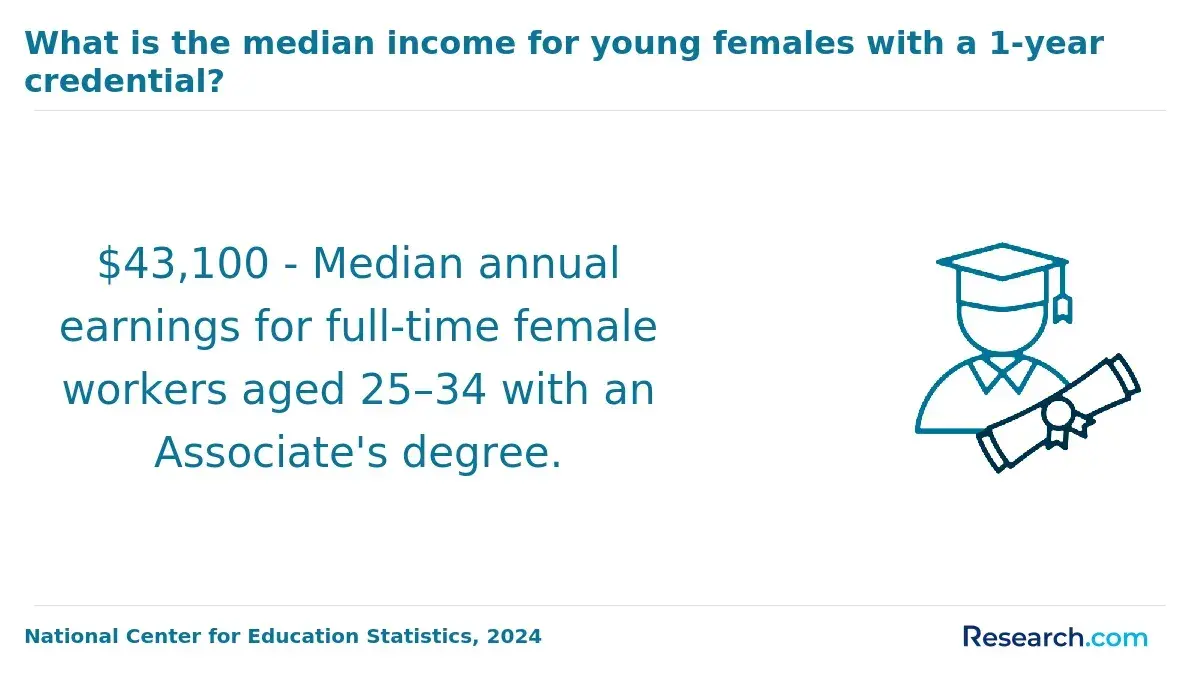
Program lengths for online fine arts degrees vary significantly by credential. Associate's degrees typically require about two years of full-time study, while bachelor's degrees generally span four years. Graduate programs show more variability-master's degrees often take between one and three years, and doctoral studies usually range from three to five years.
- Program Level: Completion times differ by degree type, with associate and bachelor's degrees following more predictable timelines and graduate-level programs offering greater flexibility and variation.
- Transfer Credits: Accepting previous college work or relevant professional experience, many institutions allow transfer credits that can shorten degree duration by a year or more.
- Enrollment Status: Full-time study accelerates progress, whereas part-time enrollment accommodates work and life commitments but extends time to degree.
- Program Pace and Format: Some online fine arts programs offer accelerated or competency-based formats and year-round enrollment, enabling motivated students to complete degrees faster than traditional semester schedules.
- Prior Learning Assessment (PLA): Credit for professional experience or portfolio reviews helps working adults reduce time to completion in certain programs.
- Minimum and Maximum Duration: Students should be aware that programs often enforce minimum study periods for academic rigor, as well as maximum time limits-important for maintaining financial aid eligibility and meeting satisfactory academic progress standards.
- Average Time to Completion: Actual graduation timelines often exceed catalog estimates, reflecting the balance many students maintain between studies, employment, and personal responsibilities.
Students evaluating online fine arts degrees should incorporate these factors to build realistic expectations for their educational timeline-vital for informed decision-making and effective academic planning.
What Core Curriculum and Coursework Should a Quality Online Fine Arts Program Include?
High-quality online fine arts programs conform to rigorous curriculum standards set by accrediting bodies such as the National Association of Schools of Art and Design (NASAD). These programs emphasize foundational courses that build technical skills, creative thinking, and professional development across diverse disciplines-including drawing, painting, sculpture, digital media, and art history. Typically, curricula require students to first master fundamental techniques before progressing to specialized and interdisciplinary studies.
Essential elements include:
- Fundamental Skill Development: Courses in drawing, color theory, design principles, and two- and three-dimensional composition establish core artistic competence.
- Art History and Criticism: Exploration of artistic movements, cultural contexts, and critical theory enhances analytical abilities essential for meaningful creative work and communication.
- Digital and Contemporary Practices: Instruction in software literacy, digital imaging, and emerging media ensures readiness for evolving industry tools.
- Capstone or Integrative Project: Culminating projects or portfolios synthesize technical skill with conceptual insight, often incorporating community engagement or professional exhibition preparation.
- Professional Practices: Training in art marketing, grant writing, intellectual property, and career management prepares students for entrepreneurial and real-world challenges.
Graduates should demonstrate measurable competencies such as technical mastery, critical thinking, visual communication, and project management-skills valued by galleries, museums, media companies, and design studios. These translate into workplace abilities like collaboration, problem-solving, and adaptability.
Leading programs maintain relevance through regular curriculum reviews-typically annual or biennial-and input from industry advisory boards comprising practicing artists, educators, and arts administrators. This ongoing evaluation ensures curricula keep pace with shifting artistic trends, technological advances, and regulatory updates.
Prospective students are encouraged to request sample course sequences, syllabi, and learning outcomes maps from programs they are considering to assess curricular depth and rigor beyond promotional materials.
According to the National Endowment for the Arts, employment in fine arts occupations is projected to grow by 6% through 2031-highlighting the career value of comprehensive, contemporary fine arts education.
Which Online Fine Arts Programs Offer the Best Return on Investment for Working Adults?
Evaluating the best ROI online fine arts degree programs for career advancement requires balancing program costs with graduate outcomes such as post-graduation salaries, employment rates, and student loan default rates. Public universities with competitive tuition-especially those offering in-state tuition reciprocity agreements-stand out for delivering strong value. Their affordable fees combined with established employer connections often result in graduates securing rewarding jobs without accumulating excessive debt.
- Program Affordability: Public institutions tend to have lower tuition rates, which can be further reduced through in-state reciprocity or employer tuition reimbursement programs. For working adults, these financial advantages can substantially improve the return on investment by lowering out-of-pocket expenses.
- Employment Outcomes: Programs linked closely with arts communities typically report high job placement rates in relevant fields. Graduates from these programs often earn median salaries that meet or exceed national averages for fine arts professionals at six and ten years after enrollment.
- Scholarships and Tuition Reimbursement: Many institutions offer scholarships or facilitate access to employer tuition reimbursement, helping students reduce reliance on loans and minimizing default risk over time.
- Program-Specific Data: Rather than relying on broad rankings, it's important to examine detailed outcome reports including median earnings and employment rates. This data-driven method empowers prospective students to select programs aligned with their financial priorities and career goals.
- Curriculum and Support Services: Programs with rigorous academic standards paired with strong student support-such as career advising and networking opportunities-promote lasting career growth and graduate success.
For working adults seeking their first degree or a career change, probing beyond reputation to the outcomes of each program ensures a more informed decision. Veterans and professionals leveraging education benefits should especially consider these ROI factors to maximize long-term financial and career gains. Those exploring degree options can also investigate specialized tracks-such as the LMFT online program-that may offer tailored experiences aligned with specific goals.
What Admissions Requirements Do the Top Online Fine Arts Programs Typically Require?
Top online fine arts degree admissions criteria typically include several core components designed to assess an applicant's academic readiness and artistic potential.
- GPA Minimums: Competitive bachelor's and master's programs usually require a minimum GPA ranging from 2.5 to 3.0 on a 4.0 scale. Graduate programs, particularly at research-intensive institutions, often expect higher undergraduate GPAs in arts-related coursework.
- Standardized Tests: While many programs have adopted test-optional policies-eliminating the need for SAT or GRE scores-some selective graduate programs continue to require GRE scores or equivalent assessments to evaluate academic preparedness.
- Letters of Recommendation: Strong letters from professors, mentors, or supervisors familiar with the applicant's artistic and academic background are often necessary for advanced study.
- Personal Statement and Portfolio: Applicants must usually submit a written statement that outlines their artistic goals and background along with a portfolio showcasing their creative work, which can be in digital or physical form.
- Professional Experience and Prerequisite Coursework: Graduate-level programs may require relevant professional experience or academic background in the arts. For those without formal fine arts education, prerequisite courses such as drawing fundamentals, art history, or digital media may be necessary before enrollment.
Admissions requirements vary significantly across tiers of online fine arts programs. Open-enrollment community college options allow entry with fewer academic barriers, accommodating beginners, career changers, and veterans leveraging education benefits. In contrast, research-driven master's programs enforce selective admissions stressing prior experience, academic achievement, and creative promise. This variation underscores the importance of self-assessing your credentials to find where you are most competitive within the broad spectrum of requirements for top accredited fine arts programs.
Applicants pursuing advanced credentials should also consider cost and return on investment, curriculum rigor, and student support infrastructure when evaluating options. Staying updated by contacting admissions advisors directly is crucial, as policies on test submission, GPA standards, and prerequisites regularly evolve. For those interested in accelerated pathways, exploring options such as the quickest cheapest masters degree programs can be beneficial.
What Career Paths and Job Titles Are Available to Online Fine Arts Degree Graduates?
Graduates of online fine arts degree programs have access to a spectrum of career opportunities spanning creative, educational, and institutional domains. Entry-level roles commonly include graphic designer, illustrator, or studio artist positions-providing essential experience in portfolio development and client engagement. Progression may lead to leadership roles such as art director, senior designer, or creative lead within advertising firms, media outlets, and design studios.
- Visual Arts: Initial jobs focus on hands-on artistic production and client projects, evolving into supervisory and creative strategy roles over time.
- Arts Education: Many graduates start as teaching assistants or community art instructors, advancing to certified teacher positions or curriculum development roles. Those earning advanced degrees often pursue university faculty or specialized education careers integrating teaching with scholarly research.
- Museums and Galleries: Careers begin with support positions such as gallery assistant or collections technician, with experienced professionals moving into curator, registrar, or museum education specialist roles, which often require additional certification or expertise.
- Creative Industries: Paths include animation, video game artwork, and multimedia production. Entry-level posts like junior artist or production assistant can progress to animator lead, art supervisor, or creative producer positions.
- Freelance and Entrepreneurship: Independent careers involve commissioned work, graphic design consulting, or building creative agencies and studios-demanding a blend of artistic talent and business skills.
- Career Transitions and Upskilling: Fine arts degrees also facilitate movement from sectors such as marketing, technology, or education into arts-focused roles, supported by supplementary certifications like digital design tools or arts therapy credentials.
- Career Growth and Mobility: Over five to ten years, graduates often ascend from junior roles to managerial or specialized positions. Lateral shifts are common-moving between gallery work, education, or design fields-to adapt to changing market demands and personal interests.
What Is the Salary Outlook for Professionals with an Online Fine Arts Degree?
The compensation for professionals with an online fine arts degree varies significantly based on degree attainment, experience, specialization, industry, and geographic location. Median and mean salaries for entry-level positions generally align with arts-related occupation averages but can rise notably as individuals gain skills and professional credibility.
- Degree Level: Bachelor's degree holders typically earn more than those with associate degrees, while master's degree recipients often secure senior or specialized roles commanding higher pay.
- Experience: Beginners commonly start with hourly wages around $20-$25; however, artists with 5 to 10 years of experience can achieve 25% to 40% salary increases influenced by portfolio strength and reputation.
- Industry Sector: Commercial fields such as advertising, graphic design, and entertainment usually provide better financial rewards than nonprofit or educational arts sectors.
- Geographic Market: Compensation tends to be higher in major urban centers or regions with vibrant artistic communities, whereas rural or smaller markets may offer limited opportunities and lower salaries.
- Specialization: Creatives skilled in digital media, animation, or UI design typically command higher wages than those focusing on more traditional fine arts practices like painting or sculpture.
- Certifications and Credentials: Earning recognized qualifications-such as Adobe Certified Expert or Project Management Professional-often brings measurable salary premiums. Online graduates can advance their credentials through accredited programs and professional associations to boost earning potential after graduation.
- Salary Projections: Arts and design occupations are expected to grow moderately, with average wage increases of 3%-5% annually in thriving creative markets, though funding fluctuations and industry trends may influence future gains.
- Data Verification: Regular consultation of current Bureau of Labor Statistics data and industry salary reports is advised to stay informed of market changes, inflation impacts, and technological developments that affect compensation.
What Graduates Say About the Best Online Fine Arts Degrees for Jobs
- Otto: "Choosing an online fine arts degree that met stringent accreditation standards was crucial for me-it guaranteed that my education was recognized by employers and professional bodies alike. The ability to balance rigorous coursework with my own pace made the experience challenging yet rewarding. I truly believe the investment paid off when I landed my first job thanks to how credible and respected my program was."
- Colsen: "Reflecting on my time in the program, what stood out most was the practical experience requirements-they ensured I wasn't just learning theory but applying skills in realistic settings. The comprehensive student support infrastructure made all the difference-whether it was academic advising or technical help, I always felt backed. This combination gave me confidence to transition smoothly into the workforce."
- Isaiah: "When I researched programs, cost and return on investment were top of mind, and I found a fine arts degree that aligned with both my budget and career goals. The curriculum rigor pushed me beyond my comfort zone and prepared me thoroughly for the demands of creative professions. Ultimately, the career outcomes speak volumes-graduates from this program consistently connect with meaningful roles in their fields."
Other Things You Should Know About Fine Arts Degrees
The top online fine arts programs focus on developing a blend of creative and technical skills. Graduates gain proficiency in visual communication, artistic techniques, and digital tools relevant to their discipline. Additionally, programs emphasize critical thinking, project management, and professional presentation skills-competencies essential for success in the job market.
Many online fine arts programs incorporate internships or practicum experiences as an integral part of their curriculum. These placements are often arranged locally to the student and coordinated through the school's career services. This ensures students gain hands-on experience in real-world settings, bridging theory and practice while building professional networks within the arts community.
Leading online fine arts programs provide a range of student support services-including academic advising, career counseling, and technical support tailored to online learners. Networking opportunities often come in the form of virtual art exhibitions, alumni events, and collaboration platforms where students can connect with peers, faculty, and industry professionals to enhance career prospects.
In 2027, the best online fine arts degrees stand out through comprehensive digital tools, expert faculty known for industry connections, and robust alumni networks. Programs offering unique virtual experiences and scalable skills in digital arts also distinguish themselves, aligning closely with current job market demands.
References
- Online Degree vs. Traditional | University of Arkansas Grantham https://www.uagrantham.edu/blog/pros-cons-online-degree-vs-traditional-university/
- Complete guide to studying Fine Arts - TAI Arts https://taiarts.com/en/blog/guide-to-studying-fine-arts/
- How to Get Accepted to Top Art and Design Colleges - International College Counselors https://internationalcollegecounselors.com/how-to-get-accepted-to-top-art-and-design-colleges/
- Accreditation - Lyme Academy of Fine Arts https://lymeacademy.edu/about-us/accreditation/
- Online BA vs Traditional BA: Which is Best for Arts Students? - Blog https://paruluniversity.online/blogs/online-ba-vs-traditional-ba/
- Online Bachelors in Fine Arts | AcademicEarth.org https://academicearth.org/bachelors-in-fine-arts/
- Standards & Guidelines » CAA Guidelines https://www.collegeart.org/standards-and-guidelines/guidelines/bfa
- 10 University Art Classes You Can Take for Free Online | Artsy https://www.artsy.net/article/artsy-editorial-10-university-art-classes-free-online
- How long does it take to complete a degree program? - ArtCenter College of Design https://www.artcenter.edu/about/get-to-know-art-center/frequently-asked-questions/details/how-long-does-it-take-to-complete-a-degree-program.html
- Monroe Community College https://www.monroecc.edu/etsdbs/mccatwip.nsf/OnlineCatalog-Programs/13DAB9B33538DEF88525853800072321