
2027 Best Online Interior Design Degree Master's Programs for Working Professionals

Co-Founder and Chief Data Scientist
Working professionals aiming to advance in interior design face significant challenges balancing career, education, and personal commitments. According to the National Center for Education Statistics, enrollment in master's programs has grown by 15% over the last five years, reflecting increased demand for flexible advanced degrees. Simultaneously, the interior design workforce is projected to expand by 7% through 2030, intensifying competition for top roles. This article addresses these issues by evaluating top online interior design master's programs tailored for busy professionals. It examines accreditation, curriculum, cost, and career outcomes to guide informed decisions that align with each reader's goals and circumstances.
Key Things to Know About the Best Online Interior Design Degree Master's Programs for Working Professionals
- Eligibility often requires a bachelor's degree in interior design or related fields; applicants should prepare portfolios and meet GPA thresholds to navigate competitive admission processes.
- Programs typically offer asynchronous courses with flexible schedules, allowing professionals to balance work; verify transfer credit policies and required practicum or internships.
- Compare programs based on tuition costs, accreditation by relevant design bodies, faculty expertise, student services, and alumni employment rates to ensure strong career outcomes.
What Are the Best Online Interior Design Master's Programs Available for Working Professionals Today?
The interior design sector projects a 4% employment growth from 2022 to 2032, highlighting the value of advanced education for career progression. Working professionals seeking the best online interior design master's programs for working professionals must balance program rigor with flexibility to suit their schedules. Below is a list of five nationally recognized and accredited online interior design master's programs that combine comprehensive curricula with formats designed for career advancement.
- Savannah College of Art and Design (SCAD): SCAD's fully online Master of Fine Arts in Interior Design emphasizes advanced design strategies and sustainability. The program features asynchronous learning and strong industry ties, supporting alumni networking and accommodating working adults' schedules.
- Academy of Art University: Their Master of Interior Architecture is fully online, offering flexible pacing. Accredited by the WASC Senior College and University Commission, it integrates theory with practical digital modeling and client communication skills, tailored for professional development.
- New York School of Interior Design (NYSID): NYSID's Master of Professional Studies blends asynchronous coursework with live instructor sessions. Known for a rigorous curriculum, it prepares students for leadership roles and offers career services devoted to working professionals transitioning within the field.
- Texas Tech University: Offering a Master of Science in Design with an interior design focus, Texas Tech delivers courses online with synchronous and asynchronous options. The NAAB-accredited program stresses research, critical thinking, and project management, ideal for those balancing work and study.
- University of Florida: Their fully remote Master of Interior Design integrates theory with applied projects. Flexible scheduling and access to expert faculty enhance career counseling, making the program suitable for credential advancement without relocating.
Programs were selected based on national accreditation, curriculum quality, delivery methods suited to working professionals, and measurable student outcomes such as graduation and employment rates. Faculty expertise and strong alumni networks further differentiate these options, ensuring comprehensive support for career advancement. For working adults seeking affordable options, exploring cheap MSW programs online may offer additional financial insight related to graduate studies cost management.
What Accreditation Standards Should an Online Interior Design Master's Program Meet?
Accreditation is essential for online interior design master's program students, as it impacts degree recognition by employers, professional organizations, and eligibility for federal financial aid. With employment for interior designers projected to grow 4% from 2022 to 2032, verifying a program's accreditation status is vital. Below are key points to consider when evaluating accreditation for accredited interior design graduate programs for working professionals.
- Regional Accreditation: This verifies overall institutional quality and ensures eligibility for federal financial aid. Common accrediting bodies include the Southern Association of Colleges and Schools Commission on Colleges (SACSCOC) and the Higher Learning Commission (HLC).
- Programmatic Accreditation: Specialized accreditation, such as from the Council for Interior Design Accreditation (CIDA), confirms that the curriculum aligns with industry standards and prepares students for professional certification.
- Accreditation Benefits: Accredited degrees are more widely recognized by employers and can improve access to scholarships and financial aid, which is particularly important for working professionals balancing cost and education.
- Verification Methods: Prospective students should confirm accreditation status using the U.S. Department of Education's database or the Council for Higher Education Accreditation (CHEA) website to avoid programs with unverified claims.
- Warning Signs of Diploma Mills: Watch for vague or unverifiable accreditation, quick degree completion promises, lack of clear faculty credentials, and unusually high fees, as these are red flags.
For those exploring financial support options, it is helpful to research online schools that accept FAFSA, which may broaden affordable pathways to advanced degrees in this field.
What Is the Minimum GPA Requirement for an Online Interior Design Master's Program?
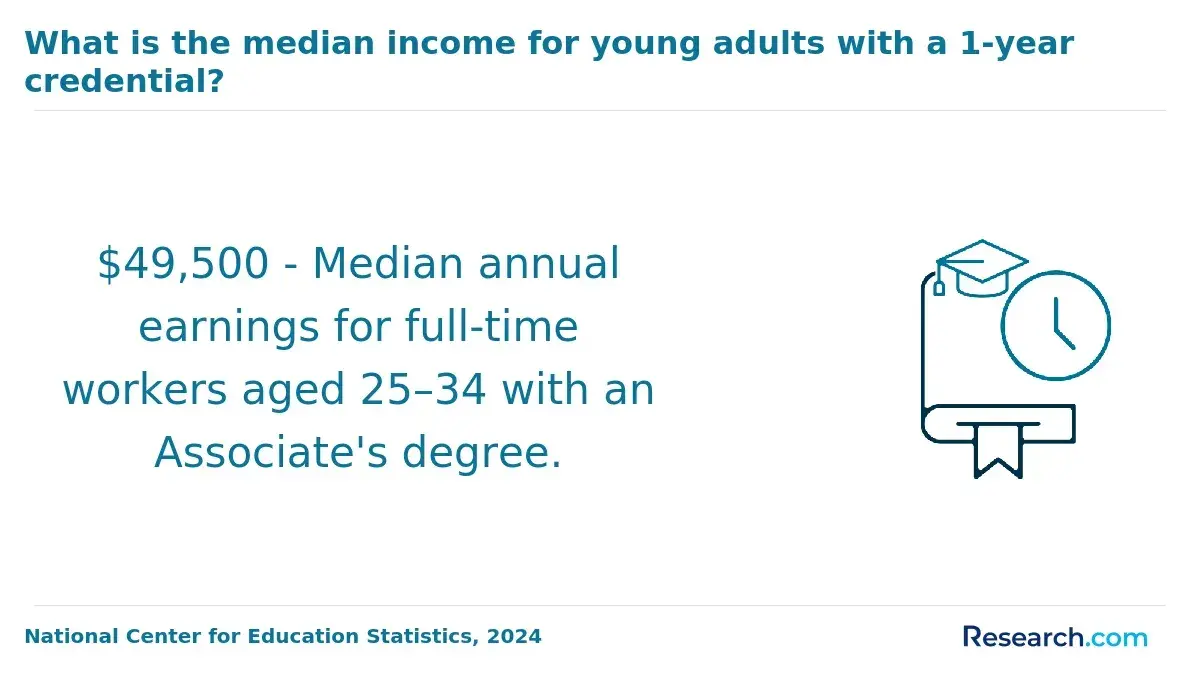
For working professionals pursuing career growth through online interior design master's programs, knowing GPA expectations helps tailor applications strategically. Approximately 70% of such programs require a minimum GPA near 3.0 on a 4.0 scale, with some allowing provisional admission if this is slightly unmet. Below is a summary of important factors and options related to GPA requirements:
- Typical GPA Thresholds: Most programs set around 3.0 as the baseline. Highly selective schools may demand GPAs exceeding 3.5, while more accessible programs sometimes consider applicants with GPAs as low as 2.7.
- Holistic Admissions Approach: Academic scores are balanced with professional experience, recommendation letters, and personal statements. Demonstrated industry skills often help offset marginal GPA shortcomings.
- Strengthening Applications: Enrolling in post-baccalaureate or certificate courses can bolster academic credentials. Professional certifications further illustrate dedication and specialized expertise valued by admissions committees.
- Conditional Admission Options: Some schools provide provisional acceptance allowing students to prove capabilities through early coursework or skills assessments despite GPA gaps.
A graduate of an interior design master's program recently shared how their GPA fell slightly below most stated requirements. They emphasized that showcasing extensive professional experience and clear career goals was crucial in gaining admission. Despite initial anxiety about academic standing, the program's flexible criteria and supportive faculty eased their transition. "Balancing work and studies was challenging, but the admissions team's encouragement made me confident my real-world skills mattered just as much as grades," they recalled. This perspective highlights how applicants can strategically navigate GPA requirements while leveraging their professional background to succeed in advancing their careers.
What Prerequisites and Prior Educational Background Are Required for an Online Interior Design Master's Program?
Working professionals interested in an online interior design master's program should carefully evaluate their prior educational background for interior design master's admissions. This helps ensure they meet key academic prerequisites and can successfully engage in graduate-level coursework. Below is a checklist outlining typical undergraduate degree fields, prerequisite courses, and options for filling any gaps before enrollment.
- Undergraduate Degree in Interior Design or Related Field: Most programs require a bachelor's degree in interior design, architecture, or a closely related discipline. This foundational knowledge provides essential design principles and technical skills that advanced study will build upon.
- Prerequisite Coursework: Common required courses include design fundamentals, drawing, computer-aided design (CAD), color theory, and materials science. Having completed these classes helps maintain a baseline competency critical for graduate success.
- Bridge or Leveling Courses: For applicants holding degrees in adjacent disciplines such as fine arts or engineering, many programs offer bridge courses. These help fill gaps in core interior design knowledge and prepare students for master's-level curriculum.
- Professional Experience: Relevant work experience may sometimes substitute for missing academic prerequisites, especially in practice-oriented programs. Demonstrated project work or leadership roles can strengthen applications where formal coursework is limited.
- Portfolio Submission: A portfolio showcasing design work is often required. This enables programs to evaluate an applicant's practical skills and creativity, supplementing academic records.
Prospective students balancing career and study commitments should also consider cost and flexibility when choosing a program. For those exploring affordable options related to advancing their career, it can be helpful to review resources like business degree guides to gain insights on cost-effective pathways to graduate-level education.
What Does the Curriculum of an Online Interior Design Master's Program Look Like for Working Professionals?
Working professionals aiming to qualify for an online interior design master's degree should carefully examine the curriculum structure to balance rigorous learning with career demands. Understanding core courses, elective choices, and delivery formats helps optimize the educational experience and timely completion.
Key curriculum elements include:
- Core Required Courses: Programs typically cover advanced subjects such as sustainable design, lighting strategies, building systems, and CAD software, ensuring foundational expertise across critical areas.
- Elective Tracks: Specialization options often focus on sectors like residential, commercial, or hospitality design, allowing students to tailor their studies to particular professional interests.
- Capstone and Thesis Options: Many programs offer a culminating project or thesis for students to apply knowledge to a concrete design challenge or in-depth research, reinforcing mastery and creativity.
- Practicum or Internship Components: To build practical skills, some curricula integrate virtual practicums or partnerships with local firms, providing hands-on experience essential for career readiness.
- Flexible Scheduling: Modular formats such as 8-week terms, weekend intensives, or asynchronous classes are common, facilitating continued full-time employment alongside degree progress.
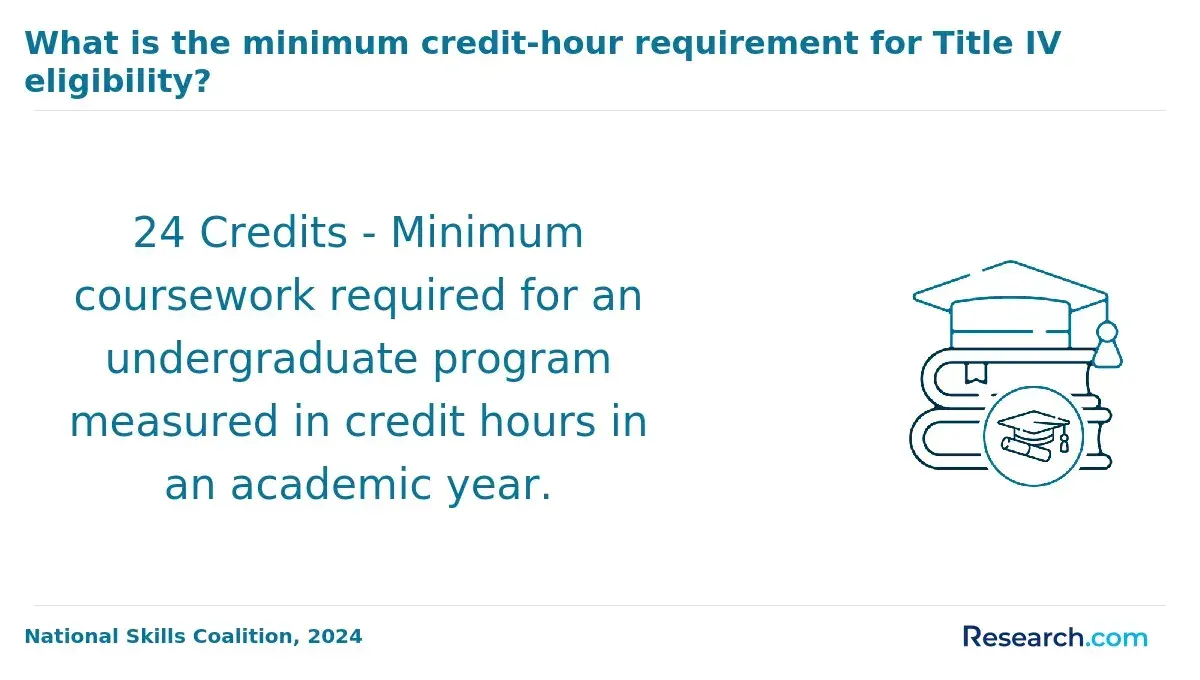
- Curriculum Models: Traditional credit-hour models emphasize set coursework hours, while competency-based education (CBE) allows students with prior experience to advance faster by demonstrating mastery. CBE suits self-driven learners; credit-hour programs may benefit those preferring defined timelines.
- Curriculum Alignment: Prospective students should review sample syllabi and consult academic advisors to confirm that course content matches individual career goals and learning preferences.
A graduate I spoke with described how the program's asynchronous structure made juggling full-time work and study manageable. "It was challenging at first to keep pace," they said, "but having the freedom to complete assignments on my own schedule removed a lot of stress." The inclusion of a capstone project helped deepen their understanding beyond theory. They appreciated how practicum connections, arranged locally, translated design concepts into real-world applications. Overall, flexibility combined with rigorous coursework enabled steady progress without sacrificing professional responsibilities.
How Long Does It Take to Complete an Online Interior Design Master's Degree?
Online master's programs in interior design typically range in duration depending on the student's enrollment status and program structure. Full-time students often complete their degrees within 12 to 18 months by taking a heavier course load each term. Part-time students, balancing work and study, usually take 2 to 3 years to finish. Accelerated pathways are available at some schools, allowing completion in under a year for highly motivated learners.
Various strategies can shorten the time needed to graduate. Credit transfer policies recognize prior academic work, while prior learning assessments may grant credit for relevant experience. Dual-enrollment options let students begin graduate-level courses early, further speeding up progress.
Several challenges often delay finishing a degree. Many students juggle work-life demands that limit study hours. Financial difficulties can cause interruptions, and shifting program requirements may necessitate additional coursework. Planning realistically and accounting for these factors is crucial to avoid setbacks.
Data from educational research indicates that more than 60% of graduate students in online programs pursue part-time study to balance education with other responsibilities. Below is a summary of key considerations for managing time-to-completion in online interior design master's programs:
- Program Track Selection: Choose between full-time, part-time, or accelerated tracks based on your schedule. Understanding the demands and pacing of each can help set achievable goals.
- Credit Transfers and Prior Learning: Investigate how your previous coursework or professional experience can reduce required credits. This can significantly shorten your study timeline.
- Common Delays: Anticipate obstacles such as workload balance, funding gaps, or curriculum changes. Being aware of these can help with proactive planning.
- Realistic Timeline Planning: Develop a schedule that accommodates work and personal commitments. Allow buffer time for unforeseen challenges to maintain steady progress.
How Much Does an Online Interior Design Master's Program Cost and What Are the Total Expenses for Working Professionals?
Tuition for online interior design master's programs is most commonly charged per credit hour, with rates varying significantly between institutions. Costs generally range from $400 to $1,200 per credit, and most programs require 30 to 45 credits, bringing total tuition between $12,000 and $54,000. Recently, many universities have adopted a flat online tuition rate that does not differentiate between in-state and out-of-state students, which simplifies budgeting for working professionals pursuing advanced degrees.
Additional fees can increase the overall expense beyond tuition. Technology fees are a typical charge, ranging from $100 to $500 each semester depending on the school. Some programs require students to pay thesis submission fees, usually between $200 and $400. Occasionally, residency requirements for certain courses may involve extra travel and lodging expenses, adding to the complexity of total costs.
Indirect costs are often overlooked yet essential to consider. Textbooks, specialized software subscriptions such as CAD and 3D modeling tools, professional organization memberships, and licensing or certification exam fees can cumulatively add several thousand dollars to a student's total investment. Prospective candidates should factor these into the total expenses and financial aid options for online interior design master's programs to evaluate affordability accurately.
To navigate these complex costs, it is recommended students use reliable resources such as the College Scorecard and individual university Net Price Calculators. These tools provide personalized tuition estimates based on residency, financial circumstances, and other variables, helping to make informed decisions.
Admissions to online interior design graduate programs are growing rapidly, with a 15% increase noted by the Council for Interior Design Accreditation, reflecting rising demand for flexible and career-oriented study formats. Below are important cost factors to consider:
- Tuition Rates: Most programs charge per credit hour, typically between $400 and $1,200, with total costs from $12,000 to $54,000 for the full program.
- Flat Tuition Models: Many institutions offer flat online tuition regardless of residency, benefiting working professionals who move or study across state lines.
- Additional Fees: Technology fees, thesis fees, and potential residency requirements add to base tuition, influencing total expenses significantly.
- Indirect Costs: Essential materials like textbooks, CAD software subscriptions, professional memberships, and exam fees often increase financial commitments beyond tuition.
- Financial Aid and Resources: Utilizing tools such as the College Scorecard and Net Price Calculators helps estimate personalized costs and discover financial aid solutions tailored to individual needs.
For working professionals evaluating how much does an online interior design master's degree typically cost for working professionals, understanding the full scope of these expenses is crucial. Those exploring advanced degrees can also compare similar fields like EDD programs to gauge affordability and flexibility across career paths.
What Financial Aid, Scholarships, and Employer Tuition Benefits Are Available for Online Interior Design Master's Programs?
For working professionals pursuing an online interior design master's degree, understanding financial aid options can ease the burden of tuition expenses. Various funding sources exist to support graduate students balancing employment with further education. Below is a breakdown of key financial aid opportunities to consider.
- Federal Loans: Graduate students can access Direct Unsubsidized Loans and Graduate PLUS Loans, both intended to cover the cost of advanced study. Applying requires submitting the Free Application for Federal Student Aid (FAFSA), which evaluates financial need and eligibility. Early FAFSA submission each year ensures access to the widest array of aid.
- Scholarships and Fellowships: Interior design students may qualify for targeted awards through platforms like Fastweb and Scholarships.com, as well as professional organizations including the American Society of Interior Designers. Eligibility often depends on program accreditation, academic performance, and portfolio strength. Awards range from several hundred to thousands of dollars, with deadlines commonly falling from early fall through spring.
- Employer Tuition Reimbursement: Many companies offer reimbursement plans that cover part or all of tuition costs. Negotiating these benefits involves coordinating course timing with the employer's reimbursement schedule and demonstrating how the degree supports career advancement.
- Graduate Assistantships and Fellowships: Even predominantly online programs may offer assistantships or fellowships that provide stipends or tuition reductions in exchange for research or administrative work. According to national data, about 60% of graduate students in design-related fields utilize some form of aid, highlighting the availability of these opportunities.
How Do Online Interior Design Master's Programs Support Working Professionals Through Flexible Scheduling and Delivery Formats?
Working professionals require flexible learning options that accommodate their busy schedules without compromising educational quality. Online Interior Design master's programs have adapted to these needs by offering diverse scheduling methods and tailored support services. The following features highlight how such programs can fit into a working professional's lifestyle.
- Varied Scheduling Formats: Many programs feature synchronous (live) classes for real-time interaction, asynchronous materials that students can access anytime, or hybrid approaches blending both styles. Cohort-based formats encourage peer engagement while allowing flexibility around work obligations.
- Evening and Weekend Classes: To avoid conflicts with traditional work hours, courses are often scheduled during evenings and weekends. This arrangement supports professionals who maintain standard office hours or shift-based jobs.
- Recorded Lectures and On-Demand Materials: Offering recorded sessions and extensive resource libraries enables learners to revisit complex topics and study at a personalized pace, fitting coursework around professional and personal responsibilities.
- Mobile-Optimized Learning Platforms: Access to mobile-friendly LMS interfaces allows students to engage with coursework on smartphones or tablets during commutes or breaks, maximizing study opportunities throughout the day.
- Dedicated Support and Mentoring: Many programs provide specialized academic coaches and support teams, along with peer mentoring networks, designed to assist non-traditional students and enhance retention and academic success.
- Trial Access to LMS: Prospective students should take advantage of demo sessions or open houses to explore the learning platform prior to enrolling. Familiarity with the LMS ensures it aligns with their technological comfort and study habits.
What Technology, Tools, and Technical Requirements Are Needed for an Online Interior Design Master's Program?
Preparing for an online Interior Design master's degree involves ensuring your technology setup can support rigorous graphic-intensive coursework. This overview highlights key hardware, software, and accessibility requirements, helping working professionals meet essential digital tools for online Interior Design degrees.
- Hardware Requirements: A reliable laptop or desktop with at least 8GB of RAM and a multi-core processor is necessary to run design software smoothly and handle large files.
- Operating Systems: Current versions of Windows or macOS are typically required, with specific compatibility details outlined by programs.
- Internet Speed: A stable high-speed connection of 25 Mbps or more is crucial for streaming lectures, participating in virtual workshops, and uploading design projects.
- Specialized Software: Tools such as AutoCAD, SketchUp, Adobe Creative Suite, or Revit are commonly used. Some programs provide access or discounts, but often students must purchase licenses independently.
- Accessibility: Compliance with ADA standards ensures programs offer assistive technologies like screen readers, captioning, and keyboard navigation for students with disabilities.
- Technology Readiness Assessment: Completing a self-assessment helps prospective students determine if their current setup meets program needs or requires upgrading before enrollment.
For additional insight into flexible advanced degrees, consider exploring PsyD programs USA as a reference for evaluating online graduate program options that balance career advancement and study.
What Career Outcomes and Salary Expectations Follow an Online Interior Design Master's Degree for Working Professionals?
For working professionals considering an online interior design master's program, understanding career outcomes is essential to evaluate return on investment and future prospects. This section outlines critical data points and trends tied to salary, job growth, and role advancement that help applicants gauge the value of advanced study in this field.
- Salary Impact: According to the U.S. Bureau of Labor Statistics, interior designers with extensive experience earn a median annual income near $60,000. Those holding master's degrees or who develop specialized expertise often surpass this average, reflecting higher earning potential linked to advanced education.
- Upward Mobility and Job Titles: Graduates with a master's degree frequently qualify for senior roles such as project manager, design director, or consultant. These positions typically involve increased responsibility, strategic decision-making, and commensurate compensation.
- Leverage in Salary Negotiations: Professionals aiming to progress within their current organizations use their degree and enhanced skill set to strengthen bargaining power for raises and leadership roles, facilitating career acceleration.
- Career Pivot Advantages: For those transitioning into new sectors like sustainable design or corporate branding, the program expands knowledge and broadens job market access, enabling entry into emerging niches.
- Value of Outcome Data: Prospective students should request detailed employment outcomes from admissions, including graduate employment rates, median starting salaries, and names of prominent employers. This data aids in assessing a program's effectiveness in supporting professional objectives.
What Graduates Say About Getting Accepted in Online Interior Design Degree Master's Programs for Working Professionals
- Raul: "Applying for an online interior design master's program while working full-time felt daunting at first, but finding a program tailored for professionals like me truly made all the difference. The ability to balance my job and studies gave me confidence, and the admission process was straightforward and transparent. This journey has genuinely elevated my career, and I'm proud to have completed it successfully."
- Elisha: "Exploring different accredited institutions offering online interior design master's programs was a challenging yet rewarding experience. I valued how each school emphasized flexibility for working professionals, which helped me narrow down my choices effectively. Reflecting on this process, I realized how important it is to trust official academic catalogs and accrediting agencies to ensure quality education that fits your needs."
- Michael: "Relying on federal education resources and official academic catalogs was essential for me to navigate the requirements of my online interior design master's degree. This professional approach allowed me to plan my coursework efficiently without surprises. Looking back, I feel that understanding accreditation and program specifics firsthand helped me achieve academic success while managing my work commitments."
Other Things You Should Know About Interior Design Degrees
In 2027, online interior design master's programs offer comparable quality to on-campus programs. They provide flexibility for professionals while maintaining rigorous curricula. Employers increasingly recognize these degrees due to advancements in virtual learning and program accreditation, which ensure standards align closely with traditional education.
In 2027, some of the top online interior design master's programs offering exceptional networking opportunities include Savannah College of Art and Design, the New York School of Interior Design, and Academy of Art University. These institutions provide virtual networking events, industry connections, and alumni networks to help working professionals forge valuable industry ties.
To choose the best online interior design master's program, consider accreditation, curriculum strength, flexibility, and specialization options. Assess program reputation through alumni reviews and rankings, and verify if it supports your career goals with faculty expertise and networking opportunities tailored for working professionals.
References
- Online Master of Interior Design – Curriculum – Brenau https://online.brenau.edu/programs/ma-interior-design/courses/
- What Are the Steps to Gaining Interior Design Accreditation? https://www.sbid.org/what-are-the-steps-to-gaining-interior-design-accreditation/
- Technology in interior design: tools and trends that shape the future - ALMA de LUCE https://www.almadeluce.com/blog/technology-in-interior-design-tools-and-trends-that-shape-the-future/
- Post Professional Master of Interior Design https://www.torontomu.ca/sid/graduate/pp-mid/
- Accreditation https://www.belmont.edu/omore/accreditation.html
- Interior Design Job Outlook | Interior Design Career Path | NYIAD https://www.nyiad.edu/courses/interior-design/job-outlook
- What You Need to Know About Studying Interior Design Online - HomeByMe https://home.by.me/en/decor-magazine/professionals/becoming-pro/what-need-to-know-studying-interior-design-online/
- Faculties - Academy of Film, Art and Design in Łódź - the only private university of its kind in Poland that educates in the field of architecture, design, photography and film https://www.afad.com.pl/faculties.php
- MA Interior Design (Online) https://aub.ac.uk/graduate-courses/ma-interior-design-online


