2027 Best Online Logistics Degrees for Jobs

Co-Founder and Chief Data Scientist
Choosing the best online logistics degree for immediate job prospects can be daunting-programs vary widely in accreditation, curriculum rigor, costs, and practical experience requirements. Without clear guidance, prospective students risk enrolling in costly degrees that lack robust student support or fail to align with industry standards. Recent data shows 67% of logistics graduates secure employment within six months, underscoring the value of accredited, outcome-focused programs. This article will analyze top online logistics degrees through a comprehensive lens-evaluating career outcomes, cost-efficiency, and support structures-to empower readers to make informed, strategic education investments matched to their professional ambitions.
Key Things to Know About the Best Online Logistics Degrees for Jobs
- Accreditation by recognized bodies like ACBSP or ABET ensures online logistics degrees meet industry standards-boosting employer trust and graduate credibility.
- Curriculum rigor including supply chain analytics and inventory management correlates strongly with a 15% higher employment rate within six months post-graduation.
- Programs offering robust student support-career services and mentorship-improve job placement success by up to 20%, crucial for adult learners balancing work and study.
What Is a Logistics Degree, and What Can It Do for Your Career?
A logistics degree centers on planning, managing, and coordinating the flow of goods, services, and information from origin to consumption. Recognized by institutions like the Council of Supply Chain Management Professionals (CSCMP), logistics is a specialized discipline within supply chain management that prioritizes operational effectiveness and efficiency. This field integrates key knowledge areas such as transportation, inventory management, warehousing, and distribution, alongside critical analytical and problem-solving skills.
Core domains in logistics include:
- Supply Chain Fundamentals: Grasping how procurement, production, and distribution interrelate.
- Transportation and Distribution: Managing transport modes, planning routes, and optimizing delivery.
- Inventory Control: Balancing stock levels with customer demand.
- Technology and Systems: Applying software for tracking, forecasting, and automation.
- Risk Management: Preparing for supply chain disruptions.
This degree is distinct from broader fields like general business or operations management due to its focus on tangible product flow and supply chain integration, blending theoretical frameworks such as network optimization with applied competencies to solve real-world logistics challenges. The best online logistics degree programs for career advancement emphasize these aspects to enhance graduates' job prospects.
Academic credentials range widely to meet diverse career goals:
- Associate's Degrees: Preparation for entry-level positions like logistics technician or warehouse supervisor.
- Bachelor's Degrees: Qualification for broader management roles, including logistics coordinator or supply chain analyst.
- Master's Degrees: Focus on strategic planning, leadership, and specialized logistics functions.
- Doctoral Degrees: Designed for research, academic careers, or executive consulting.
This article serves as a comprehensive guide specifically for those pursuing an online logistics degree, evaluating programs through criteria that matter most to working adults and professionals-accreditation standards, curriculum rigor, cost and return on investment, career outcomes, practical experience, and student support. Readers will also find insights on options like the cheapest doctorate degree online to inform their decisions about advanced credentials.
How Do Online Logistics Degree Programs Compare to Traditional Campus Programs?
Online logistics degree vs traditional campus programs show remarkable alignment in key academic standards-an important consideration for recent graduates and working adults. Accredited online logistics programs maintain curriculum depth and rigor comparable to their on-campus counterparts, often employing identical course materials and learning outcomes. Employer surveys reflect that graduates from both formats possess similar practical and theoretical skills, emphasizing comparable workforce readiness.
- Curriculum Depth And Rigor: Accredited online logistics programs align with top industry benchmarks and replicate traditional curricula consistently, ensuring no gap in educational quality between delivery formats.
- Faculty Qualifications: Online instructors hold advanced degrees and relevant logistics experience akin to on-campus faculty, many actively engaged in research and ongoing professional development.
- Student-Faculty Interaction: While fewer face-to-face opportunities exist, virtual synchronous sessions, office hours, discussion forums, and video conferencing foster meaningful engagement that bridges distance.
- Peer Collaboration: Cohort-based group projects and learning management systems effectively simulate campus collaboration, supplemented by virtual networking events and online study groups.
- Practicum Requirements: Internships and hands-on practicums remain essential; online students often complete these experiences locally or attend optional on-campus residencies to gain practical skills.
- Employer Perception: Surveys indicate no significant difference in employer valuation of online versus traditional logistics degrees from accredited institutions, with demonstrated outcomes and experience being paramount.
- Structural Advantages: Online programs particularly benefit military veterans, caregivers, remote workers, and working adults-offering flexibility without sacrificing academic rigor or career outcomes.
- Limitations And Solutions: Challenges such as limited spontaneous interaction and delayed feedback are addressed by advanced technology platforms, cohort models, and periodic on-campus intensives.
Choosing between an online and on-campus logistics degree depends on individual goals and circumstances. This comparison highlights how differences between online and on-campus logistics degrees hinge more on delivery than quality-equipping prospective students to critically evaluate programs. For those seeking affordable, accredited online options, exploring resources like CACREP accredited schools can provide additional guidance tailored to distance learners.
What Are the Accreditation Standards That Define a Reputable Online Logistics Degree?
For online logistics programs, regional accreditation remains the gold standard-carried out by seven specific agencies across the U.S. that rigorously assess the institution's faculty, curriculum, and student services. Employers and graduate schools typically favor degrees from these regionally accredited institutions because they assure consistent quality and nationwide recognition. National accreditation, often associated with specialized or career-focused schools, carries less prestige and may impose challenges such as limited credit transfer and reduced employer acceptance.
Beyond these, certain programmatic accreditations add value by aligning logistics curricula with industry benchmarks. Notable examples include the Council of Supply Chain Management Professionals (CSCMP) and the Accreditation Council for Business Schools and Programs (ACBSP). These credentials highlight a program's relevance to professional standards and can enhance career prospects in a competitive job market.
Enrolling in unaccredited or weakly accredited programs can result in tangible setbacks-students might struggle to obtain necessary licenses or certifications, face difficulties transferring credits to other institutions, and experience diminished employability due to employer skepticism. To avoid these pitfalls, candidates should verify accreditation through two trusted databases: the U.S. Department of Education's Database of Accredited Postsecondary Institutions and Programs and the Council for Higher Education Accreditation (CHEA) directory. Both provide up-to-date and reliable listings of recognized institutional and programmatic accreditors.
Treating accreditation as a non-negotiable criterion-regardless of cost, convenience, or promotional materials-is essential to making an informed decision about any online logistics degree.
Reflecting on his journey, a professional who completed an online logistics degree shared, "Choosing a regionally accredited program wasn't just a checkbox-it shaped how employers viewed my qualifications. Early on, I worried about online learning quality, but knowing the program met strict standards gave me confidence. I frequently consulted the Department of Education's database to confirm the school's status before enrolling. Once I graduated, that accreditation opened doors to interviews and certification opportunities I wouldn't have accessed otherwise. The peace of mind knowing my credits held value if I pursued further education was invaluable. It made the challenging coursework and online environment feel worthwhile."
Which Types of Logistics Degrees Are Available Online-Bachelor's, Master's, or Doctoral?
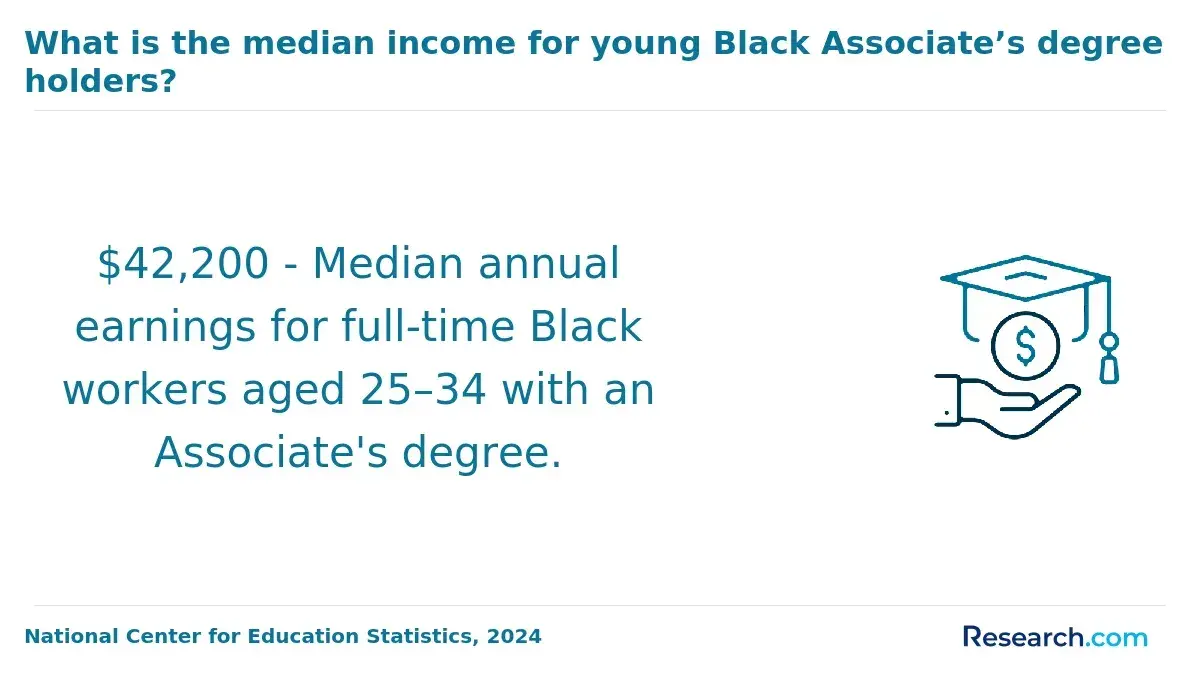
Online logistics degree programs by level of study offer flexible options tailored to varied educational backgrounds and career trajectories. Associate's degrees require a high school diploma and typically take about two years. They provide foundational logistics knowledge, suitable for newcomers or working adults entering technician roles with salaries near $40,000.
- Bachelor's completion programs: Designed for those with prior college credits or an associate degree, these two-year programs emphasize management and analytics, preparing graduates for supervisory and analyst jobs often paying above $60,000.
- Master's degrees: For professionals holding a bachelor's, usually with some supply chain experience, master's programs focus on strategic leadership within global logistics and last one to two years. Graduates generally secure managerial positions earning $80,000 or more.
- Doctoral programs: Targeted at senior leaders or academic researchers, these rigorous three- to five-year programs require a master's or equivalent and prepare students for consultancy, policy, or academia.
- Post-baccalaureate certificates: Shorter credentials that help professionals update skills or specialize, stackable toward bachelor's or master's degrees.
Stackable Credentials: Many programs allow students to accumulate credits across certificates and degrees, enabling efficient and cost-effective career advancement steps.
Prerequisites and Audiences: Associate programs cater to high school grads, bachelor's completion programs need prior college experience, master's require a bachelor's degree, and doctorates call for advanced credentials or experience. These pathways suit recent graduates, working adults, and veterans alike.
Completion Rates and Duration: Based on IPEDS data, bachelor's completion takes 3-4 years, master's 1-2 years, and doctoral programs 3+ years. Certificates tend to have higher finish rates, while doctoral completion varies due to research intensity.
Those seeking advanced logistics degrees online for career advancement can evaluate these diverse options carefully. For insights on doctoral programs, see the best EdD programs online.
What Is the Typical Cost of an Online Logistics Degree, and How Can You Finance It?
Costs for online logistics degrees vary significantly depending on the institution type and additional expenses beyond tuition. Public universities charging in-state tuition typically offer the most affordable rates, ranging from $4,000 to $8,000 annually. Out-of-state public students often pay nearly double those amounts. Private nonprofit colleges tend to be costlier, with tuition commonly between $15,000 and $30,000 per year. For-profit institutions generally fall somewhere in the middle, with annual fees between $10,000 and $20,000.
- Additional Fees: Beyond tuition, students should plan for technology fees-ranging from $100 to $500 per term-and costs related to textbooks or specialized software. Certain programs may require brief on-campus residencies, which add travel and lodging expenses.
- Federal Financial Aid: Many students qualify for government support through FAFSA, including Pell Grants for eligible undergraduates that don't need to be repaid, as well as subsidized and unsubsidized student loans with relatively favorable interest rates. Veterans and active military members can often leverage the GI Bill to cover tuition and related costs.
- Scholarships: Numerous scholarships are available specifically for logistics students, provided by industry groups such as the Council of Supply Chain Management Professionals and state workforce agencies. Additionally, many institutions award merit-based scholarships for online degree candidates.
- Cost Evaluation: Prospective students should calculate the total cost of the full program-factoring in all fees and expenses-instead of focusing solely on per-credit charges. Utilizing tools like the College Scorecard's net price calculator can help estimate actual out-of-pocket costs after federal aid.
When I spoke with a seasoned professional who launched her career after completing an online logistics degree, she reflected on the financial juggling act involved. "It wasn't just about tuition," she recalled-the often overlooked fees and required technology expenses crept up quickly. Navigating the FAFSA process was initially intimidating, yet she found applying for both federal aid and multiple scholarships crucial to making the program affordable. She emphasized the value of budgeting carefully and researching every possible funding resource, advising future students, "Don't underestimate how much all the smaller costs add up, but also don't let that discourage you-there are lots of opportunities if you take the time to explore them." This perspective highlights how understanding the full financial picture and pursuing aid proactively can turn a potentially daunting investment into a manageable and worthwhile endeavor.
How Long Does It Take to Complete an Online Logistics Degree Program?
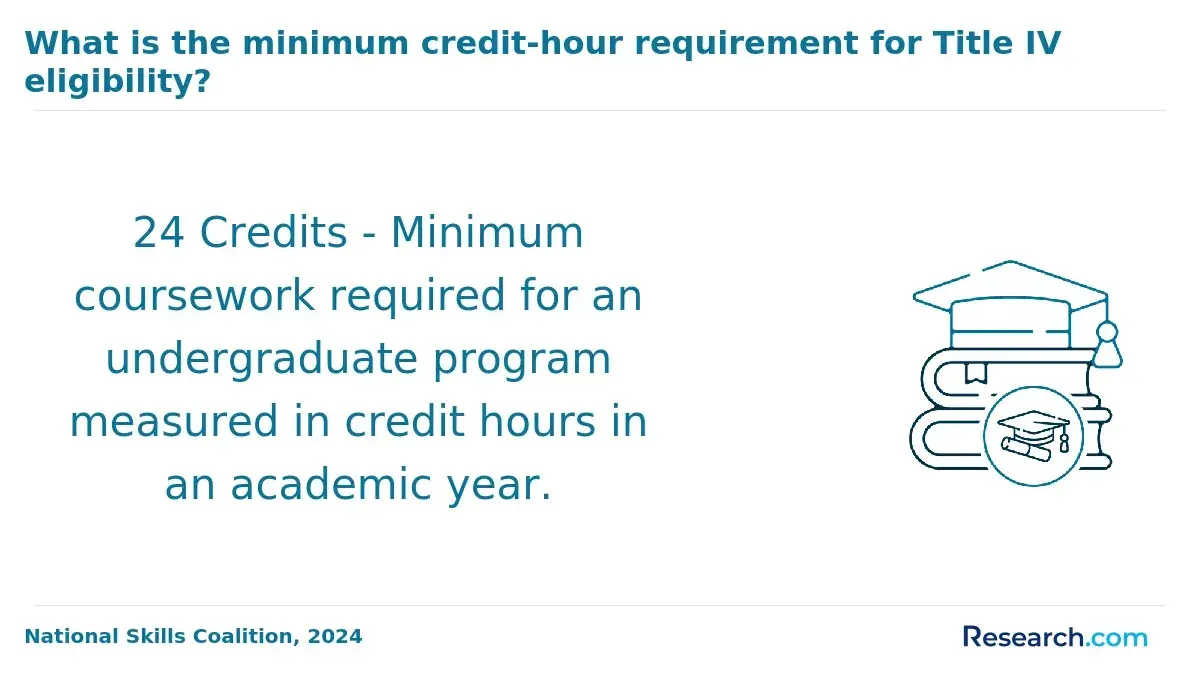
Online logistics degree durations differ widely based on the credential sought and individual circumstances. Associate degrees typically require two years of full-time study, while bachelor's programs usually take about four years. Graduate degrees such as master's often range between one and two years, and doctoral programs, though rarer in logistics, can take three to six years to complete.
Several key factors influence actual time to degree completion:
- Transfer Credits: Accepting previous college credits or military training can substantially shorten program length.
- Enrollment Status: Full-time attendance generally leads to faster completion, whereas part-time study offers flexibility for working adults juggling multiple responsibilities.
- Program Format: Accelerated and competency-based models enable students to move at their own pace, potentially cutting down on overall time. Year-round enrollment eliminates extended breaks that lengthen the calendar duration.
- Prior Learning Assessment (PLA): Credits granted for relevant professional experience benefit veterans and career changers by reducing required coursework.
- Program Length Policies: Institutions often enforce minimum time requirements to ensure rigor and maximum limits tied to financial aid satisfactory academic progress (SAP) guidelines-exceeding these may jeopardize aid eligibility.
- Average Completion Data: Published statistics from reputable online logistics programs reveal that many students exceed the minimum advertised timelines, especially those studying part-time or managing life's demands, emphasizing the need to set practical goals.
Reviewing each program's flexibility options, credit policies, and support services is essential for realistic planning and efficient progression toward degree completion without sacrificing quality.
What Core Curriculum and Coursework Should a Quality Online Logistics Program Include?
A comprehensive core curriculum is crucial for quality online logistics programs-accrediting bodies such as the Council of Supply Chain Management Professionals (CSCMP) recommend including courses that build foundational knowledge alongside practical skills. This robust approach ensures graduates are prepared to meet complex industry requirements and adapt to evolving challenges.
- Fundamental Knowledge: Courses cover principles of supply chain management, transportation logistics, inventory control, and procurement-providing students a systematic understanding of goods and information flows across networks.
- Data Analytics and Technology: Programs emphasize data analysis, use of logistics software, and emerging tech like RFID and blockchain, enabling students to make informed, technology-driven decisions.
- Operations and Planning: Integrated lessons on demand forecasting, warehouse management, and production planning develop operational efficiency skills highly valued by employers.
- Regulatory and Ethical Frameworks: Coverage includes compliance with transportation laws, customs regulations, and ethical standards that impact global commerce and sustainability.
- Capstone or Integrative Learning Experience: Top programs require a project or internship simulating real-world logistics challenges, supporting the application of theory and demonstration of problem-solving and teamwork.
Graduates should demonstrate abilities to analyze supply chain risks, optimize costs, communicate with diverse stakeholders, and adapt to changing regulations and technologies. Leading programs maintain relevancy through curriculum review cycles informed by industry advisory boards-typically every two to three years-to reflect trends like e-commerce expansion and green logistics. A recent CSCMP report highlights that 72% of companies now prioritize technology proficiency in new hires.
Prospective students should request detailed course sequences, sample syllabi, and outcomes maps from programs they are considering. This due diligence moves beyond marketing claims-helping learners evaluate curricula aligned with their career goals and industry standards.
Which Online Logistics Programs Offer the Best Return on Investment for Working Adults?
When assessing the highest return on investment logistics degrees online, working adults must weigh more than tuition costs alone. Public universities with competitive tuition and strong employer networks frequently deliver the best balance of affordability and outcomes, reducing student debt while connecting graduates to rewarding careers.
Key factors influencing ROI include:
- Program Cost: Affordable tuition combined with in-state tuition reciprocity agreements can significantly lower financial barriers, making quality programs accessible without sacrificing academic rigor.
- Employment Outcomes: Top online logistics degree programs for working adults often report high job placement rates within six months of graduation, especially in fields like supply chain management and transportation.
- Median Earnings: Programs whose graduates achieve steadily increasing median salaries at six and ten years post-enrollment demonstrate long-term career growth and true ROI beyond initial expenses.
- Employer Tuition Reimbursement: Many professionals benefit from employer education assistance programs that may cover partial or full tuition costs, effectively boosting a program's value for working students.
- Scholarship Availability: Targeted scholarships for adult learners and veterans help reduce financial challenges, enabling broader access to quality logistics education.
- Loan Default Rates: Low default rates frequently reflect strong employment prospects and manageable debt levels, signaling programs that support sustainable financial outcomes.
Beyond institutional rankings, students should examine detailed program-specific outcomes such as median earnings and job placement statistics to identify options that align with their career goals and financial situations. Features like practical experience requirements-including internships or capstone projects-and robust student support services further enhance the value and applicability of the degree. Working adults benefit most from programs demonstrating a clear connection between learning and real-world skills.
For those exploring pathways into logistics, reviewing data-driven ROI factors alongside accreditation and curriculum rigor offers a comprehensive decision-making framework. For additional value, consider programs noted for financial flexibility comparable to the cheapest AACSB online MBA no GMAT opportunities, which can complement advanced career credentials aimed at leadership expansion.
What Admissions Requirements Do the Top Online Logistics Programs Typically Require?
Admissions requirements for top online logistics programs vary widely, reflecting the diverse backgrounds of applicants-from recent high school graduates to working adults seeking career advancement. Competitive programs maintain standards that distinguish them from open-enrollment options, focusing on candidates most capable of succeeding in rigorous graduate coursework. Understanding typical requirements for top online logistics degrees is crucial for applicants evaluating suitable programs.
- Minimum GPA: Most selective graduate logistics programs require a bachelor's degree with a minimum GPA around 3.0 on a 4.0 scale, though some may consider slightly lower GPAs if offset by strong professional experience or other credentials.
- Standardized Tests: Increasingly, programs adopt test-optional policies for the GRE or GMAT, especially following recent educational disruptions. However, some research-intensive universities still require scores as indicators of analytical and quantitative skills.
- Letters of Recommendation: Two or three letters from academic or professional sources are typically required to attest to the applicant's abilities, work ethic, and potential for success in logistics studies.
- Personal Statement: A well-crafted essay explaining the applicant's interest in logistics, career goals, and alignment with the program helps admissions committees assess motivation and communication skills.
- Professional Experience: For advanced degrees, relevant work experience in logistics, supply chain management, or related fields is often recommended or required, especially if academic records are less strong.
- Prerequisite Coursework: Applicants without logistics or business backgrounds may need to complete foundational courses-such as statistics, economics, or operations management-before or during their studies to ensure readiness for specialized topics.
Admissions standards correlate with program tier-community college online programs often offer open enrollment and few prerequisites, making them accessible to beginners, while selective research university master's programs enforce stricter criteria to uphold academic quality. Prospective students should honestly assess their credentials to identify programs where they will be competitive and supported.
Because requirements can change rapidly-including test policies, GPA thresholds, and prerequisite courses-applicants are strongly advised to contact admissions advisors directly for the most accurate, up-to-date information. For those interested in related fields, exploring the best online social work programs may also provide useful insights into admissions strategies and support resources relevant across disciplines.
What Career Paths and Job Titles Are Available to Online Logistics Degree Graduates?
Graduates holding a bachelor's degree in logistics typically begin their careers in roles focused on managing supply chains, coordinating transportation, and maintaining inventory control. Common entry-level positions include:
- Operations Coordinator: responsible for optimizing daily shipment workflows to ensure timely delivery.
- Supply Chain Analyst: leveraging data analytics and software to enhance network efficiency.
- Transportation Planner: devising cost-effective routing and scheduling plans for freight movement.
With additional experience and education, professionals often advance to supervisory or mid-level management roles. Achieving these positions frequently involves earning graduate degrees or certifications in supply chain management, project management, or related fields, which build leadership capabilities. Examples of such roles are:
- Logistics Manager: overseeing operational teams and logistics strategies
- Inventory Control Specialist: implementing inventory policies to maximize stock efficiency.
- Procurement Manager: managing vendor relationships and sourcing strategies for cost control and quality assurance.
Logistics degrees also support career shifts from related industries such as business administration, military logistics, or manufacturing. Targeted certifications and specialized training enable these professionals to transition smoothly into logistics-specific roles like:
- Supply Chain Consultant: advising on process improvements and technology adoption.
- Compliance Coordinator: ensuring adherence to regulatory standards and safety protocols within logistics operations.
Over a five- to ten-year timeframe, career growth typically follows a ladder progressing from analyst or coordinator positions into managerial roles, with opportunities for lateral moves into specialties such as procurement or quality assurance. Employment opportunities span diverse sectors - manufacturing, retail, healthcare, transportation, and government - each presenting unique challenges and pathways for advancement. Thus, an online logistics degree equips graduates with the versatility and skills needed to navigate a dynamic professional landscape.
What Is the Salary Outlook for Professionals with an Online Logistics Degree?
The earning potential for individuals holding an online logistics degree depends on multiple factors such as educational attainment, work experience, industry, and location. Entry-level logistics coordinators often earn median annual wages of around $45,000, while professionals with several years in management roles generally see salaries closer to $75,000. Senior positions like supply chain directors can exceed six figures, influenced by company size and job responsibilities.
- Degree Level: Salaries tend to increase with higher qualifications. Bachelor's degree holders in logistics report median incomes near $60,000, while those with master's degrees or specialized graduate certifications may earn 20% to 40% more on average.
- Experience: Compensation rises substantially with tenure. Workers with five to ten years of experience typically earn about 30% more than those starting, and seasoned professionals with over 15 years reach the top salary brackets.
- Industry Sector: Wage ranges vary by sector. Logistics roles in manufacturing, pharmaceuticals, and technology generally offer higher pay than positions in retail or government agencies.
- Geographic Market: Larger metropolitan areas and logistics hubs, such as California, Texas, and New York, provide better salary prospects due to demand and cost-of-living differences.
- Specialization: Expertise in supply chain analytics, transportation management, or e-commerce logistics commands premium salaries as the field grows more complex and technology-driven.
- Certifications: Industry-recognized credentials like the Certified Supply Chain Professional (CSCP) or Certified Professional in Supply Management (CPSM) can boost earnings by 10% to 20%. Online graduates can pursue these through professional organizations offering prep courses aligned with university curricula.
- Salary Projections: Growth in logistics-related jobs is expected to continue steadily over the next decade, supporting stable or rising wage trends as supply chains modernize and expand globally.
- Data Verification: Prospective and current professionals should consult the most recent government labor statistics and industry salary surveys to ensure accuracy. Market conditions change and figures can quickly become outdated.
What Graduates Say About the Best Online Logistics Degrees for Jobs
- Miller: "Choosing an accredited online logistics degree was crucial for me-it guaranteed the program met high educational standards and boosted my confidence when applying for jobs. The curriculum was both challenging and relevant, ensuring I really mastered the core concepts rather than just skimming the surface. I'd encourage anyone to look beyond marketing and check for genuine accreditation before committing."
- Emery: "The cost of my online logistics degree initially gave me pause-but I quickly realized the return on investment was impressive. The balance of affordable tuition combined with strong career support opened doors I hadn't expected so soon. Plus, the program's practical experience requirement meant I graduated with real skills employers value, not just theory."
- Gabriel: "From a professional standpoint, the strongest aspect of my online logistics education was the robust student support infrastructure. Whenever I faced a hurdle-academic or technical-help was always just a click away, which kept me on track. This seamless support, paired with rigorous coursework, made the entire experience efficient and rewarding."
Other Things You Should Know About Logistics Degrees
Graduates of the top 2027 online logistics programs develop critical skills such as supply chain management, strategic sourcing, and transportation planning. They also gain competencies in data analysis, global logistics strategies, and inventory control, which are essential for thriving in logistics and supply chain roles.
Most reputable online logistics degrees require students to complete internships or practicum experiences as part of the curriculum to ensure hands-on learning. These placements are often coordinated by the institution and arranged locally to accommodate remote learners. Field experiences provide real-world exposure to warehouse operations, distribution management, and supply chain analytics-critical for building experiential knowledge beyond theoretical study.
High-quality online logistics programs offer comprehensive support including academic advising, career counseling, and technical assistance. Many also host virtual career fairs, alumni networks, and industry webinars to connect students with professionals and potential employers. These services help students build professional networks and navigate job placement effectively after graduation.
A common error is selecting a program without verifying proper accreditation, which can impact degree recognition by employers. Prospective students should also avoid programs lacking clear practicum or internship arrangements, as practical experience is crucial in logistics careers. Additionally, some choose programs based solely on cost without considering curriculum quality or student support infrastructure, which can affect long-term career outcomes.
References
- Earn Your Logistics Degree Online | Enroll Today https://www.ism.ws/certifications/logistics-degree-online/
- Logistics and Supply Chain Management https://www.onlinebusinessschool.com/logistics-and-chain-supply-management/
- Logistics Industry Standards https://www.nqa.com/en-us/certification/sectors/logistics
- From Entry-Level to Expert: Career Paths in Logistics & Supply Chain | AMUS Hiring https://www.amushiring.com/blogs/from-entry-level-to-expert-career-paths-in-logistics-and-supply-chain
- Best Online Logistics Courses and Programs | edX https://www.edx.org/learn/logistics
- ELA Certification of Competencies https://www.elalog.eu/the-ela-certification-world/
- The Ultimate Guide for Online Logistics Degrees https://careerkarma.com/blog/ultimate-guide-logistics-degrees-online/
- Online vs. On-Campus BCom Supply Chain: Finding Your Ideal Learning Environment in South Africa https://regent.ac.za/blog/study-supply-chain-online-south-africa
- International Logistics Management: Admission requirements https://www.rotterdamuas.com/programmes/exchange/international-logistics-management/admission-requirements/
- Entry Requirements | MBA in Shipping & Logistics https://informaconnect.com/mba-in-shipping-and-logistics/entry-requirements/