
2027 Best Pediatric Care Nurse Practitioner Degrees for Working Adults

Co-Founder and Chief Data Scientist
Balancing full-time work with advancing education presents a significant challenge for aspiring pediatric care nurse practitioners. Many adults find traditional programs too rigid, resulting in delays or career stagnation. The pediatric nurse practitioner workforce is expected to grow by 31% over the next decade, reflecting increasing demand for specialized healthcare providers.
Yet, flexible degree options remain limited, especially for working professionals. This article explores the best pediatric care nurse practitioner degree programs designed to accommodate working adults, focusing on flexibility, accreditation, and career support to help learners achieve their goals without sacrificing employment or personal commitments.
Key Things to Know About Pediatric Care Nurse Practitioner Degrees for Working Adults
- Many pediatric care nurse practitioner programs offer flexible, online, or hybrid formats, allowing working adults to balance studies with employment and family responsibilities effectively.
- Accelerated pacing options enable quicker degree completion, with some programs finishing within 18-24 months, meeting workforce demands for pediatric specialists.
- Support services such as career advising and clinical placement assistance are increasingly tailored to working professionals, improving employment outcomes in pediatric healthcare settings.
What Are the Best Pediatric Care Nurse Practitioner Degrees for Working Adults?
The best pediatric care nurse practitioner degrees for working adults vary based on schedule flexibility, career goals, and return on investment. A key trend is the rise of online and hybrid programs that enable adult learners to balance work, study, and clinical experience effectively. These formats are especially important for professionals seeking advancement without disrupting their full-time employment.
Several degree options stand out for employed students:
- Pediatric Nurse Practitioner - Primary Care (PNP-PC): Offers flexible part-time and online formats that allow students to complete coursework while gaining essential pediatric clinical hours, ideal for managing work commitments.
- Pediatric Acute Care Nurse Practitioner (PNP-AC): Tailored for those interested in acute or hospital settings, often providing evening or weekend classes to fit shift work schedules while ensuring practical skill development.
- Family Nurse Practitioner with Pediatric Focus: Combines pediatric and family care and is frequently available in hybrid formats, helping professionals widen their practice scope without sacrificing work-life balance.
- Pediatric Nurse Practitioner Post-Master's Certificate: Designed for nurses with graduate degrees who want pediatric specialization, typically offered online or through condensed formats to minimize time away from work.
These programs emphasize career-applicable curricula and flexible pacing. For those also interested in foundational nursing progressions, exploring RN to BSN online programs without clinicals can provide additional flexibility and streamlined pathways to advanced practice roles. Identifying the best online pediatric nurse practitioner degrees for professionals involves balancing these factors carefully to support career advancement.
What Are the Admission Requirements for Working Adults in Pediatric Care Nurse Practitioner Degree Programs?
Admission requirements for working adults pursuing pediatric care nurse practitioner degrees often differ from those for traditional students because these adults must balance employment, family, and education simultaneously. Recent statistics show that nearly 40% of graduate students enroll part-time. This trend shapes prerequisites for pediatric nurse practitioner degrees for employed students, emphasizing flexibility and relevant experience.
Key admission considerations for working adults include:
- Prior Work Experience: Programs commonly require clinical nursing experience to ensure candidates are prepared for advanced pediatric care practice and can apply their hands-on skills during studies.
- GPA Expectations: Most schools expect a minimum undergraduate GPA around 3.0, although conditional admission is sometimes possible if candidates demonstrate strong professional qualifications.
- Standardized Test Waivers: Many programs waive GRE requirements for experienced nurses, recognizing that professional background and expertise can better predict success than test scores.
- Professional Recommendations: Letters from employers or clinical supervisors are crucial in verifying the applicant's commitment, clinical competence, and readiness for graduate-level pediatric nurse practitioner education.
- Flexible Scheduling: Admission pathways often support part-time enrollment and online learning options, helping employed students manage coursework alongside full-time jobs. Options like online DNP programs without dissertation are increasingly common for adult learners.
What Coursework Is Required in Pediatric Care Nurse Practitioner Degree Programs for Working Adults?
Coursework in pediatric care nurse practitioner degree programs for working adults is carefully designed to balance career relevance, practical skills, and flexible learning options. Over 60% of students in these programs pursue their studies part-time. This flexibility supports career progression without requiring students to pause their employment.
Common required classes in pediatric nurse practitioner programs focus on core competencies essential to pediatric healthcare. These courses prepare students for the demands of clinical practice while accommodating the needs of working professionals.
Below are key coursework areas frequently included in these programs:
- Advanced Pediatric Assessment: Develops comprehensive skills to evaluate the health of children from infancy through adolescence, enhancing diagnostic and clinical decision-making capabilities.
- Pediatric Pharmacology: Covers the safe management, dosing, and administration of medications specific to pediatric populations, essential for accurate prescribing and patient safety.
- Child and Adolescent Development: Explores physical, cognitive, and emotional growth stages to help tailor treatment plans that respect developmental needs and promote effective care.
- Evidence-Based Pediatric Care: Encourages applying current research findings to clinical practice, sharpening critical thinking and improving healthcare outcomes for pediatric patients.
- Health Promotion and Disease Prevention: Focuses on educating families and communities, preparing practitioners to lead initiatives in preventive pediatric health care.
This approach delivers coursework designed for working adults seeking pediatric nurse practitioner coursework for working adults while maintaining full-time employment. Those exploring options to enter nursing may also consider the easiest BSN program to begin their healthcare careers.
Breakdown of All 2-Year Online Title IV Institutions

How Long Does It Take to Complete a Pediatric Care Nurse Practitioner Degree While Working?
The time required to complete a pediatric care nurse practitioner degree while managing a job varies widely due to several personal and program-related factors. On average, part-time students in nurse practitioner programs take about 3.5 years to graduate, reflecting the careful balance working adults maintain between study and employment.
Several elements can affect this timeline:
- Program format: Online and hybrid options provide more scheduling flexibility, enabling students to move through coursework at a comfortable pace compared to rigid on-campus classes.
- Course load: Choosing part-time study often extends program length but helps manage workload, while full-time enrollment shortens duration but may not be practical for all working professionals.
- Prior credits: Receiving credit for previous nursing courses or relevant clinical experience can decrease the overall time spent in the program.
- Work schedule: Irregular or shift-based jobs may limit consistent study time, which can lead to slower progress through the degree.
- Accelerated tracks: Some programs offer intensive semesters aimed at quicker completion, requiring a strong time commitment and focused effort.
When asked about his experience completing an online pediatric care nurse practitioner degree while working full-time, a professional shared, "Juggling night shifts and coursework was often exhausting, but the flexibility of the online platform made it manageable.
There were moments I doubted if I could keep up, especially during clinical rotations, but establishing a routine helped me stay on track. The hardest part was balancing family responsibilities alongside assignments, yet knowing the end goal made the sacrifices worthwhile."
How Much Does a Pediatric Care Nurse Practitioner Degree Cost for Working Adults?
For working adults pursuing a pediatric care nurse practitioner degree, managing expenses is crucial as part-time enrollment often extends program duration and raises total costs. In fact, many adult learners spend more over time due to longer timelines despite lower per-semester charges.
Several factors shape the overall financial commitment required for these programs. Key influences on the total cost include:
- Tuition per Credit: Tuition rates vary significantly depending on whether the school is public or private and if students qualify for in-state tuition. This expense generally represents the most substantial portion of the total cost.
- Program Length and Format: Flexible part-time or online formats designed for employed students tend to extend the time to completion, increasing cumulative tuition and fees compared to full-time paths.
- Additional Fees and Materials: Requirements like clinical supplies, lab fees, and textbooks add to costs. Specialized resources and technology fees may also apply, especially for online learners.
- Online versus On-Campus: Online programs can cut expenses related to commuting and housing, though technology charges may offset some savings.
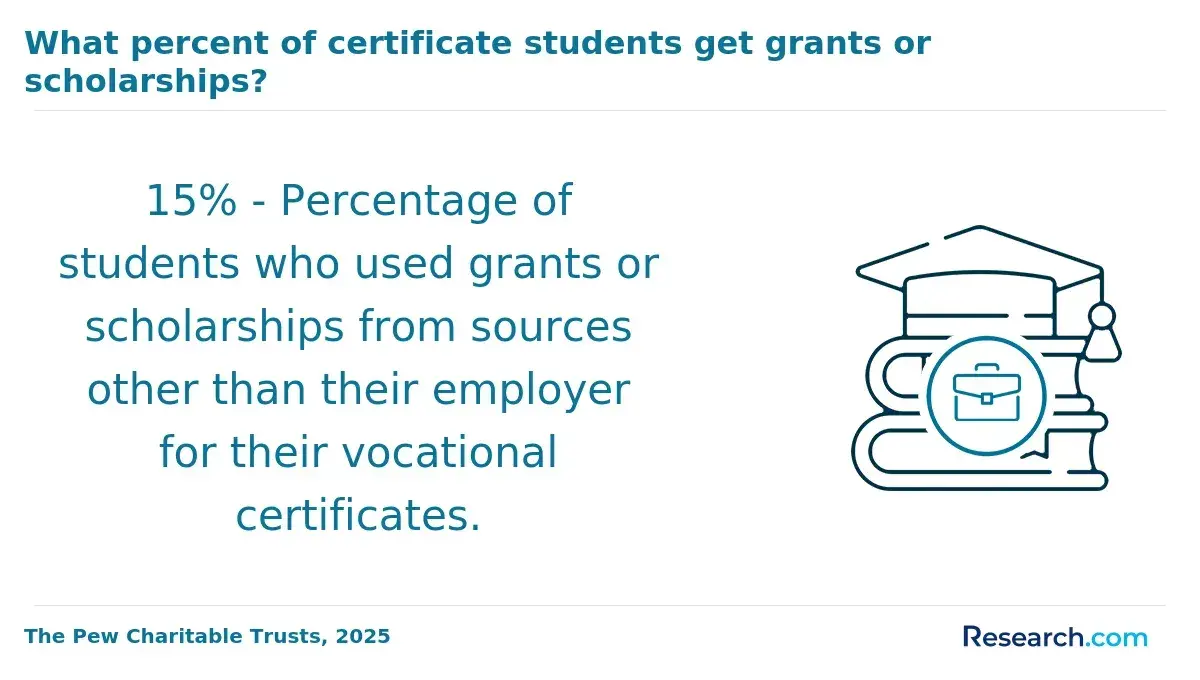
- Financial Aid Options: Employer tuition assistance, scholarships, and grants are critical tools that can substantially reduce the financial burden for working adult students.
What Financial Aid Options Are Available for Working Adults in Pediatric Care Nurse Practitioner Degree Programs?
Balancing full-time work, family duties, and pursuing a pediatric care nurse practitioner degree can place substantial financial pressure on adult learners. Securing financial aid is essential to help reduce stress and allow students to prioritize their academic and professional goals.
Several financial assistance options are tailored to support working adults navigating these challenges:
- Federal Financial Aid: This includes programs such as Pell Grants and federal loans that allocate funds either based on income level or credit history, making tuition and other educational costs more manageable.
- Employer Tuition Assistance: Many healthcare organizations offer reimbursement or tuition support for employees advancing their expertise in pediatric care, alleviating educational expenses while encouraging career development.
- Scholarships for Adult Learners: Targeted scholarships from nursing bodies and educational groups help minimize out-of-pocket costs specifically for adult students furthering their nursing credentials.
- Grants: State-sponsored and private grants frequently aid working students in healthcare fields, requiring proof of enrollment and financial need but not obligating repayment.
- Payment Plans: Flexible school payment schedules allow students to divide tuition into smaller installments, easing the burden of lump-sum payments.
A professional who completed her pediatric care nurse practitioner studies while maintaining a demanding job shared her perspective. She recalled the initial overwhelm of juggling late-night coursework with daytime shifts and family responsibilities.
Her employer's tuition reimbursement program was a game-changer, providing financial relief that made it possible to stay focused without sacrificing income. She emphasized how gaining access to scholarships created breathing room in her budget, reducing stress and enabling her to commit fully to the program.
Reflecting on her experience, she noted, "Without these financial supports, I'm not sure how I would have managed both work and school. They made my goals feel achievable. It's about finding the right resources and being willing to seek them out." This personal insight highlights the vital role diverse aid options play for working adults advancing their careers in pediatric care.
What Support Services Help Working Adults Succeed in a Pediatric Care Nurse Practitioner Program?
Working adults enrolled in pediatric care nurse practitioner programs face the challenge of balancing their studies with job demands and personal life. Institutional support services are vital to help these students successfully navigate their academic journey while managing multiple responsibilities.
- Academic Advising: Tailored guidance assists students in designing their course schedules to align with work commitments and long-term goals, helping maintain steady progress toward graduation.
- Flexible Scheduling: Offering evening, weekend, and asynchronous classes allows learners to attend coursework without interrupting their employment or family obligations, promoting better time management.
- Online Learning Support: Providing access to technical assistance and training ensures students can confidently use digital platforms, which is essential for completing remote or hybrid pediatric care nurse practitioner courses.
- Tutoring and Study Groups: These resources encourage deeper understanding of challenging pediatric topics and foster collaboration, keeping students engaged and motivated throughout their program.
- Mental Health Resources: Counseling and stress management services help students maintain their well-being during intensive study periods, contributing to sustained academic performance.
By leveraging these support systems, working professionals can effectively balance their multiple roles while advancing in their pediatric care nurse practitioner studies.
Are Pediatric Care Nurse Practitioner Degrees for Working Adults Accredited?
Accreditation signifies that pediatric care nurse practitioner programs have undergone a thorough evaluation by authorized agencies to meet established academic and clinical standards. For working adults, this ensures the program delivers quality education that aligns with professional expectations.
Graduates benefit from employer recognition, improving job prospects, while accreditation also impacts eligibility for federal financial aid, a crucial factor for many balancing work and study. Recent data shows that over 40% of nursing graduate students are adults seeking flexible education options, highlighting the importance of accredited programs tailored to their needs.
Holding a degree from an accredited pediatric care nurse practitioner program enhances its long-term value and professional credibility for working adults. Accreditation supports the transfer of academic credits if students change schools and is typically required to qualify for licensure or certification necessary for clinical practice.
Moreover, career growth and advancement often depend on degrees recognized by nursing boards and healthcare employers. This underscores the significance of accreditation in maintaining both immediate and sustained career opportunities.
Does a Pediatric Care Nurse Practitioner Degree Increase Salary for Working Adults?
Salary growth is a key motivator for working professionals pursuing a pediatric care nurse practitioner degree, with annual earnings typically ranging between $90,000 and $130,000 depending on experience and location. This degree often leads to increased salary potential by qualifying adults for more specialized, higher-paying clinical roles compared to registered nurses or general nurse practitioners.
- Industry demand: Growing healthcare needs continuously raise the demand for pediatric specialists. This increased demand often drives salaries upward as institutions compete to attract qualified pediatric care nurse practitioners.
- Role advancement: Completing this advanced degree opens doors to leadership and specialized clinical positions. These roles generally offer better compensation compared to general nursing positions.
- Years of experience: Salary growth is closely tied to experience, with practitioners seeing higher earnings as they gain expertise in pediatric care settings, enhancing their clinical proficiency and responsibility.
- Employer policies: Variations in institutional compensation strategies, including bonuses or differential pay for advanced credentials, can impact salary increases for degree holders. Some employers provide additional financial incentives for pediatric care nurse practitioners.
- Specialization: Focusing on areas like neonatal or adolescent health can further boost earning potential. Specialty roles often come with premium salaries due to the higher skill and knowledge required.
For working adults balancing employment and education, the impact of a pediatric nurse practitioner degree on earnings can be significant, making it a strategic career investment. Flexible, accredited programs such as online nursing programs are particularly suited for those seeking to advance without disrupting their full-time work commitments.
What Jobs Can Working adults Get With a Pediatric Care Nurse Practitioner Degree?
A pediatric care nurse practitioner degree enables working adults to qualify for specialized, leadership, and higher-level roles beyond standard nursing duties. This advanced degree equips professionals with pediatric expertise and clinical skills that support career advancement in diverse healthcare settings.
Common upward career options with pediatric care nurse practitioner degree include:
- Pediatric Nurse Practitioner: This role offers direct patient care focusing on diagnosing and managing both acute and chronic illnesses in children. It represents a significant progression from entry-level nursing by demanding specialized pediatric knowledge and advanced clinical skills.
- Clinical Nurse Specialist - Pediatrics: Professionals in this role lead efforts to improve pediatric care outcomes by developing protocols, mentoring nursing staff, and applying their deep clinical expertise gained through the degree.
- Nurse Educator - Pediatric Focus: Combining clinical experience with teaching skills, nurse educators prepare future pediatric practitioners through courses and professional development programs, promoting best practices in pediatric nursing.
- Healthcare Administrator - Pediatric Services: This leadership position involves managing pediatric departments and coordinating care teams, using both clinical insight and organizational skills to influence policy and improve service delivery.
- Research Nurse - Pediatric Studies: Focused on evidence-based practice, research nurses contribute to advancing pediatric treatment strategies by participating in clinical research initiatives.
Each of these pediatric nurse practitioner job opportunities for working adults signals a step toward greater responsibility and expertise within pediatric healthcare. For those pursuing career options with pediatric care nurse practitioner degree, finding flexible, accredited programs that fit full-time work schedules is crucial. Resources such as the cheapest RN to BSN program online can help adult learners identify affordability without sacrificing quality.
What Graduates Say About Their Pediatric Care Nurse Practitioner Degrees for Working Adults
- Joey: "Choosing to enroll in an online pediatric care nurse practitioner program while maintaining my full-time job was a challenging yet rewarding decision. Although the average cost hovered around $35,000, the flexibility and quality of education made it worthwhile. Completing the program has significantly expanded my clinical skills, allowing me to provide more comprehensive care and advance into a leadership role at my hospital. "
- Morgan: "Balancing work and study was difficult, but opting for a part-time pediatric care nurse practitioner degree allowed me to manage both without overwhelming stress. The cost, which I found to be around $30,000 to $40,000, was a major investment, but the long-term career benefits made it worthwhile. Reflecting back, I see how this degree enhanced my confidence and opened doors to specialized pediatric care positions I hadn't considered before. "
- Hudson: "As a working professional, pursuing a pediatric care nurse practitioner degree online was a strategic move to augment my expertise while earning. The program's cost, typically near $35,000, was a calculated investment in my future. Upon completion, I witnessed tangible growth in my clinical practice and was able to secure a higher-paying role that values advanced pediatric knowledge. The experience was professional and pragmatic from start to finish. "
Other Things You Should Know About Pediatric Care Nurse Practitioner Degrees
Clinical experience is a critical part of pediatric care nurse practitioner programs, typically requiring 600 to 1,000 supervised hours in pediatric settings. Working adults can often complete these hours through flexible arrangements, including part-time clinical rotations or weekend and evening shifts at approved healthcare sites. This hands-on training ensures students gain the practical skills necessary to provide specialized care to children and adolescents.
Many programs offer online coursework tailored to working adults, allowing for flexible study schedules. However, due to the clinical nature of pediatric care, a fully online degree is rare; students must complete in-person clinical practicums or residencies. These hybrid models balance remote learning with essential, supervised patient care experiences.
The 2027 top schools for pediatric care nurse practitioner degrees catering to working adults include the University of Pennsylvania, Duke University, and Rush University. These programs are noted for their flexibility, online components, and strong clinical training, accommodating the unique scheduling needs of working professionals.
References
- Online MSN - Pediatric Primary Care Nurse Practitioner - UTA https://academicpartnerships.uta.edu/healthcare-nursing-online-programs/msn-pediatric-care/pcnp/
- FNP-to-PNP https://www.pncb.org/fnp-pnp
- Pediatric Nurse Practitioner-Primary Care https://online.missouri.edu/degrees-programs/mu/nursing/pediatric-nurse-practitioner-primary-care/ms
- Scholarships & Financial Aid https://www.aacnnursing.org/students/scholarships-financial-aid
- How to Become a Pediatric Nurse Practitioner (PNP) https://nursinglicensemap.com/advanced-practice-nursing/nurse-practitioner/pediatric-nurse-practitioner-pnp/
- Inside Pediatric Nurse Practitioner Online Programs https://www.edumed.org/online-schools/nurse-practitioner-programs/pediatric-nursing/
- Pediatric Primary Care Nurse Practitioner https://www.uthsc.edu/nursing/dnp/pediatric-primary-np.php
- Answering 10 FAQs About Online Nurse Practitioner Programs https://onlinenursing.cn.edu/news/online-nurse-practitioner-program-faqs
- Top 10 Pediatric Nurse Practitioner Programs 2025 https://nurse.org/articles/top-pediatric-nurse-practitioner-programs/
- Pediatric Acute Care Nurse Practitioner https://www.nursing.upenn.edu/pediatric-acute-care-nurse-practitioner/


