
2027 Do Employers Pay for Pediatric Care Nurse Practitioner Degrees: Tuition Reimbursement and Sponsorship Options

Co-Founder and Chief Data Scientist
Many aspiring pediatric care nurse practitioners face the challenge of financing their advanced degrees while managing existing job responsibilities. The average tuition and fees for a pediatric care nurse practitioner program can exceed $25,000 annually, creating substantial financial barriers. Moreover, recent data shows that nearly 40% of nurse practitioner graduates carry student loan debt surpassing $50,000. This financial burden can deter capable professionals from advancing their qualifications.
This article explores whether employers offer tuition reimbursement or sponsorship programs for pediatric care nurse practitioner degrees. It aims to clarify available options and guide prospective students on how to leverage employer support to reduce education costs.
Key Benefits of Employers Paying for Pediatric Care Nurse Practitioner Degrees
- Employers often offer tuition reimbursement covering up to 100% of pediatric care nurse practitioner degree costs, reducing average student debt exceeding $40,000 in nursing graduate programs.
- Sponsorship programs may include stipends and paid clinical hours, easing financial burden while gaining practical experience essential for pediatric care.
- Employer-funded education strengthens workforce loyalty, with over 70% of nurses remaining with sponsoring organizations for at least two years post-graduation.
Do Employers Pay for Pediatric Care Nurse Practitioner Degrees?
Many employers across various industries offer education support, with approximately 54% of U.S. employers providing tuition reimbursement programs for employees pursuing further education. Companies often invest in employee education when it aligns with their workforce needs, and pediatric care nurse practitioner degrees are frequently supported because these roles are vital in pediatric patient care.
Employer tuition reimbursement for pediatric nurse practitioner degrees can help healthcare organizations retain skilled staff, improve patient outcomes, and reduce turnover expenses.
Employer payment trends vary significantly depending on the industry, role relevance, and workforce demand. Healthcare providers and large hospital systems are among the most likely to offer company sponsorship options for pediatric care nurse practitioner programs, as these degrees directly enhance job performance and address critical shortages in pediatric specialists.
Students considering such degrees should factor in potential employer support to reduce educational costs and maximize return on investment. For those weighing nursing education options, alternative pathways with less clinical requirement can also be attractive, such as RN to BSN no clinicals programs that may align with personal circumstances and employer incentives.
What Types of Tuition Assistance Do Employers Offer for Pediatric Care Nurse Practitioner Degrees?
Employer-provided tuition assistance is a valuable resource for professionals pursuing pediatric care nurse practitioner degrees, helping to reduce significant out-of-pocket costs and financial risk. Such support can make balancing work, study, and expenses more manageable, enhancing the overall return on investment in advanced nursing education.
Typical employer tuition assistance programs for pediatric nurse practitioner degrees include:
- Tuition reimbursement: Employers repay all or part of tuition fees after courses are completed successfully, often requiring proof of passing grades. This support usually covers a portion of the tuition and can significantly lower the financial burden over the program's duration.
- Tuition sponsorship or upfront payment: Some companies sponsor tuition by paying fees in advance, reducing or eliminating the need for employees to self-fund their education upfront. This option is particularly beneficial for accredited pediatric care nurse practitioner programs with high costs.
- Loan forgiveness or repayment assistance: Employers may assist graduates in repaying student loans related to their nurse practitioner education over time. This type of aid helps reduce long-term debt after completing the degree.
- Scholarships or grants: Occasionally, employers offer scholarships or grants that do not require repayment, specifically targeting advanced nursing fields such as pediatric care nurse practitioner degrees.
These strategies vary widely among employers, but many programs set annual limits on the amount reimbursed or paid directly. Professionals exploring their options may also consider how companies sponsor pediatric care nurse practitioner education beyond tuition assistance, including benefits and flexible scheduling.
For those early in their healthcare careers, researching accelerated options like the medical assistant program can serve as a valuable stepping stone toward advanced nursing roles.
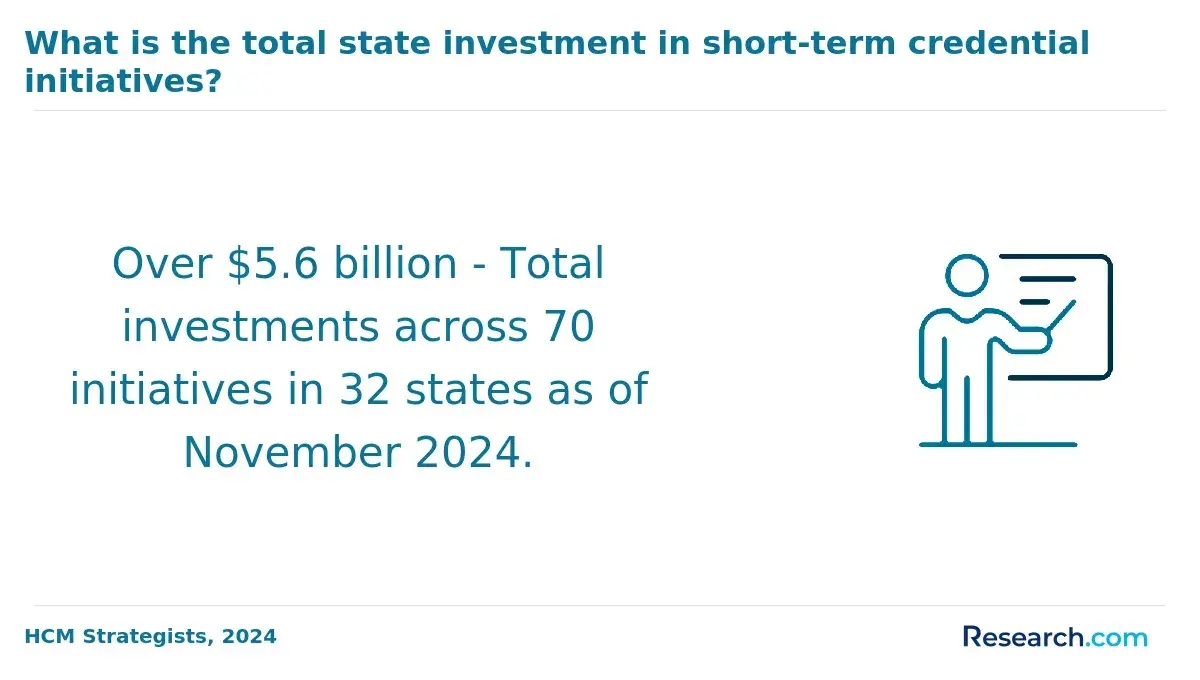
Who Is Eligible for Employer Tuition Reimbursement for Pediatric Care Nurse Practitioner Degrees?
Employer tuition reimbursement for pediatric care nurse practitioner degrees can significantly reduce educational costs, making understanding eligibility requirements essential for maximizing benefits. These requirements influence when you can enroll, which programs qualify, and how your return on investment (ROI) will unfold.
Careful planning around these factors ensures that funding supports a degree aligned with your career goals and employer policies.
- Employment status: Eligibility typically requires maintaining a full-time or qualifying part-time position. Employers want to invest tuition assistance in staff who are actively contributing to their workforce.
- Minimum tenure: Most employers impose a minimum period of continuous employment-ranging from six months to a year-before tuition reimbursement benefits take effect. This threshold demonstrates commitment to the organization.
- Program relevance to job duties: The pediatric care nurse practitioner degree usually must relate directly to your current role or anticipated career path within the company, emphasizing the importance of aligning your education with professional advancement.
- Academic achievement requirements: Maintaining a satisfactory academic performance, such as a minimum GPA, is often required to continue receiving funding. This ensures the investment supports successful degree completion.
- Formal approval and documentation: Employees generally need to submit an education plan or formal application for review, securing management or human resources approval before tuition benefits begin.
- Commitment to continued employment: Many employers require a pledge to remain with the company for a defined period after completing the program, reducing turnover and safeguarding the investment.
For those researching financial options, exploring a low cost medical coding and billing online program can also complement pediatric nurse practitioner education pathways by improving administrative knowledge related to healthcare billing and coding.
How Do Employer Tuition Reimbursement Programs Work for Pediatric Care Nurse Practitioner Degrees?
For employees pursuing a pediatric care nurse practitioner degree, knowing how employer tuition reimbursement programs operate can significantly impact financial planning and career development. These programs often have specific requirements and steps that influence eligibility and the amount reimbursed.
A clear grasp of the process helps maximize these benefits while minimizing unexpected costs.
- Approval process: Most employers require prior authorization before course enrollment. This usually entails submitting a study plan or program outline to human resources to verify the degree's relevance to the employee's current or future role.
- Payment and reimbursement timing: Employees typically pay tuition upfront and receive reimbursement after successfully completing courses. The payout timeline varies, but it generally requires submitting proof of payment and satisfactory completion.
- Documentation requirements: Commonly needed documents include official tuition receipts, enrollment confirmation, and sometimes transcripts showing a minimum grade standard, often a B or higher, to qualify for reimbursement.
- Reimbursement limits: Limits differ by employer and may cap annual or total program amounts. Coverage usually focuses on tuition and often excludes other expenses such as textbooks or supply fees.
- Academic and employment obligations: Besides maintaining good grades, employees may need to stay with the company for a defined period post-completion. Employers also evaluate whether the coursework aligns with job responsibilities to approve funding.
Are Online Pediatric Care Nurse Practitioner Degrees Eligible for Company Sponsorship?
Many employers have become increasingly receptive to sponsoring online pediatric care nurse practitioner degrees, reflecting improved perceptions of online education quality. A study revealed that nearly 62% of employers provided some form of tuition reimbursement for online programs, indicating gradual acceptance within the workforce.
This shift stems from the growing availability of accredited and rigorous online programs that meet traditional academic standards. Healthcare organizations especially value such degrees for their role in workforce development and retention, although skepticism remains in some sectors.
When considering sponsorship, employers typically evaluate several key factors. Accreditation and the program's reputation are essential, as employers prefer degrees from institutions with recognized credentials. The relevance of the coursework to an employee's current role and career progression also plays a major role.
Additionally, employers assess whether the program's content aligns with organizational goals, clinical standards, and professional licensure requirements. This careful scrutiny ensures that sponsorship investments support both individual growth and the employer's mission effectively.
When I spoke with a professional who completed an online pediatric care nurse practitioner degree through employer sponsorship, he shared valuable insights. He described navigating a thorough approval process that involved demonstrating the program's alignment with his job responsibilities and organizational standards. There were moments of uncertainty, particularly around justifying the online format's credibility. Ultimately, he found that clear communication with supervisors and submitting detailed program documentation helped secure sponsorship.
Reflecting on his experience, he noted, "It wasn't just about enrolling-it was about proving that this would enhance my contribution at work." This journey illustrates the importance of persistence and strategic advocacy when seeking employer support for online degrees.
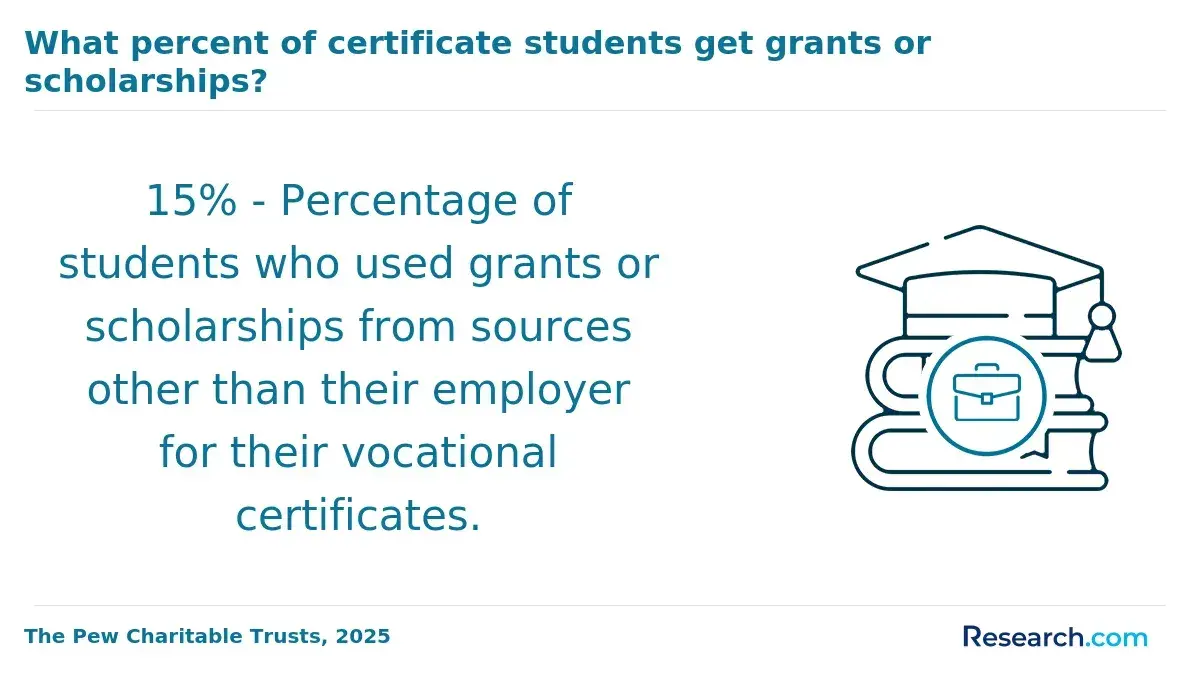
How Much Tuition Reimbursement Can You Get for Pediatric Care Nurse Practitioner Degrees?
Tuition reimbursement limits play a key role in determining the true affordability and return on investment of pursuing a pediatric care nurse practitioner degree. These limits affect how much financial support employees actually receive, influencing out-of-pocket costs.
According to a report from the Society for Human Resource Management, about 60% of employers provide some form of tuition assistance, though the extent of coverage varies significantly. Understanding these variations helps students realistically assess the economic benefits of employer-sponsored education.
Typically, employer tuition reimbursement for pediatric care nurse practitioner programs ranges from $3,000 to $5,250 annually, with some organizations offering up to $10,000 depending on factors like employer size, industry, and job relevance. Many employers also impose lifetime caps, often between $20,000 and $40,000, which set an overall limit on support.
Additionally, up to $5,250 per year in educational assistance may be excluded from taxable income under federal tax regulations, potentially enhancing the financial advantage without creating tax liabilities.
Are There Penalties for Leaving an Employer-Sponsored Pediatric Care Nurse Practitioner Program Early?
Employees considering an employer-sponsored pediatric care nurse practitioner degree should be aware that leaving the program early often comes with financial consequences. Nearly 60% of tuition reimbursement agreements include clauses that require repayment or impose penalties if the participant does not fulfill the program's terms, highlighting the importance of understanding these obligations before enrolling.
- Repayment of tuition: If a participant withdraws before completing the degree, they are frequently required to return all or part of the tuition reimbursed. This ensures employers recover funds invested in education when the program is not finished.
- Prorated repayment schedules: Many agreements calculate repayment amounts based on the portion of the program completed. The less time spent in the program, the higher the amount potentially owed, discouraging early exits.
- Early termination clauses: These provisions specify strict windows, often one to two years after finishing the program, within which repayment must be made if employment ends. Missing this deadline can trigger additional penalties or full reimbursement demands.
- Impact on future benefits: Leaving the program prematurely or ending employment may disqualify individuals from accessing other employer-sponsored education perks, including future tuition assistance or professional development opportunities.
The author spoke with a professional who completed a pediatric care nurse practitioner degree through an employer's tuition assistance program. She recalled facing uncertainty early in the program about balancing work, study, and potential financial risks. "Knowing the repayment rules upfront made me cautious, but it also motivated me to commit fully," she said.
Despite challenges like demanding clinical hours and tight deadlines, her decision to remain with the company "felt like an investment not only in my career but in the support system they provided." Reflecting on her experience, she emphasized how important it was that the employer's guidance and clear policies helped her navigate the process smoothly and avoid any penalties, ultimately making the educational opportunity rewarding and worthwhile.
Can Employer-Paid Pediatric Care Nurse Practitioner Degrees Improve Long-Term Earning Potential?
Evaluating the impact of employer-sponsored education on career earnings is especially important for working professionals considering a pediatric care nurse practitioner degree. Studies show that nurse practitioners with advanced degrees earn 20-30% more over their careers compared to those with only registered nursing qualifications.
Employer tuition reimbursement for pediatric nurse practitioner degrees can accelerate educational access and significantly boost long-term salary benefits of employer-paid nurse practitioner education, making this an appealing option.
- Increased promotion opportunities: Employer support often leads to faster career advancement by enabling nurses to gain specialized pediatric care nurse practitioner degrees, positioning them for leadership roles within healthcare settings.
- Faster career progression: Tuition reimbursement reduces financial barriers, allowing professionals to focus on skill development and move more quickly into advanced practice roles with higher responsibilities and pay.
- Access to higher-paying roles: Advanced credentials gained through employer-paid programs open doors to positions that offer substantially improved compensation and expanded job functions.
- Enhanced skills and qualifications: Specialized pediatric care nurse practitioner programs increase marketability by equipping professionals with in-demand expertise, which employers highly value.
- Return on investment: Employer-funded education minimizes upfront costs and maximizes financial benefits, balancing time and effort spent on education with increased earning potential over a career.
For professionals exploring affordable educational options, programs offering affordable accredited healthcare administration degrees can complement nursing credentials by broadening management skills and career pathways. Considering the combined impact of employer sponsorship and complementary education can be vital to optimizing both professional growth and financial outcomes.
How Do You Ask Your Employer to Pay for a Pediatric Care Nurse Practitioner Degree?
Proactive communication and thorough preparation are essential when requesting employer tuition reimbursement for pediatric nurse practitioner degrees. With 57% of employers offering some form of tuition assistance in recent surveys, understanding how to navigate the request process can significantly improve your chances of securing support.
The following strategies can help you make a clear and professional case.
- Research Tuition Policies: Begin by reviewing your company's specific tuition reimbursement policies. Eligibility criteria, coverage limits, and application steps can vary widely, so knowing these details upfront helps tailor your request.
- Prepare a Business Case: Develop a persuasive argument that demonstrates how pursuing a pediatric care nurse practitioner degree benefits both you and your employer. Highlight improved patient care, the ability to assume advanced roles, or addressing skill gaps relevant to your workplace.
- Schedule a Formal Meeting: Arrange a dedicated discussion with your manager or HR representative to present your proposal. A formal meeting shows professionalism and allows you to clearly convey the mutual advantages of your educational goals.
- Show Program Relevance: Emphasize how the degree aligns with or enhances your current job responsibilities and supports your career growth. This connection helps justify the investment from your employer's perspective.
- Follow Up with Documentation: Provide comprehensive details about the program's costs, duration, and curriculum after your meeting. Clear documentation supports your case and facilitates the evaluation of your request.
For additional educational options that may complement your career path, consider exploring affordable RN to BSN online programs which can be a strategic step before advancing to more specialized nurse practitioner programs.
Mastering how to request employer sponsorship for nurse practitioner programs can lead to substantial financial support and enhance your professional development.
What To Do If Your Employer Doesn't Pay for a Pediatric Care Nurse Practitioner Degree?
Securing funding for a pediatric care nurse practitioner degree without employer sponsorship requires proactive planning to avoid financial strain. Since nearly 85% of graduate students depend on financial aid, identifying alternative resources is crucial for managing education expenses effectively.
Here are practical approaches to consider when employer support isn't available.
- Federal and state financial aid: Completing the Free Application for Federal Student Aid (FAFSA) opens the door to loans, grants, and work-study opportunities that can significantly offset tuition costs.
- Scholarships and grants: Targeted awards for nursing and healthcare students provide non-repayable funding, helping reduce overall education expenses.
- Personal savings and loans: Using saved funds can minimize borrowing, but if loans are needed, it's important to evaluate terms carefully to avoid excessive debt.
- Income-share agreements (ISAs): These plans let students repay educational costs as a percentage of future income, making payments more manageable based on earnings after graduation.
- Part-time, online, or hybrid programs: Choosing flexible learning formats can lower tuition and living expenses by allowing students to work while studying and spread costs over a longer period.
What Graduates Say About Employers Paying for Their Pediatric Care Nurse Practitioner Degrees
- Maia: "Completing my pediatric care nurse practitioner degree was a significant financial investment, with the average cost hovering around $35,000. Thanks to my employer's generous tuition assistance program, I was able to cover a large portion of this cost, making the process far less stressful. This sponsorship not only eased my financial burden but also opened doors for advancement within my hospital, allowing me to take on more specialized pediatric roles with confidence. "
- Catherine: "The pediatric care nurse practitioner program was more affordable than I expected, yet still a hefty expense for someone balancing work and life. My employer's sponsorship covered most of my tuition fees, which was an incredible help and motivated me to excel in my studies. This support turned into real career growth, as I transitioned smoothly into a specialized pediatric care position, gaining respect and new opportunities in my workplace. "
- Cerise: "Pursuing the pediatric care nurse practitioner degree cost about $30,000 on average, which initially felt overwhelming. Employer tuition assistance transformed this challenge into a manageable journey by funding a substantial portion of my education. The program not only expanded my clinical skills but also elevated my professional standing, enabling me to contribute meaningfully to pediatric healthcare in my community. "
Other Things You Should Know About Pediatric Care Nurse Practitioner Degrees
In 2027, employers may offer financial assistance options like tuition reimbursement, scholarships, or sponsorships for pediatric care nurse practitioner degrees. These programs often have specific eligibility requirements and could involve service commitments after graduation.
Many employers that sponsor pediatric care nurse practitioner degrees require participants to commit to working for the organization for a specified period after graduation. This service obligation typically ranges from one to three years and helps the employer recoup their investment in education. Failure to fulfill the commitment may result in repayment of tuition assistance funds.
References
- Online Post-Master's PNP Program https://nursing.maryville.edu/online-programs/post-masters-nurse-practitioner-certificate/pnp
- Employers https://www.pncb.org/employers
- Nursing Programs | 1199SEIU Funds https://www.1199seiubenefits.org/nursing/
- Top Online Pediatric NP Programs (2026 PNP Rankings) https://www.npschools.com/rankings/all-online-pnp-programs
- Online Resources & Scholarships for Nurse Practitioner Students https://www.edumed.org/financial-aid/scholarships/nurse-practitioner-programs/
- How to Become a Pediatric Nurse Practitioner (PNP) | Salary https://nurse.org/resources/pediatric-nurse-practitioner/
- Paying for Nurse Practitioner School - BoardVitals Blog https://www.boardvitals.com/blog/paying-for-nurse-practitioner-school/
- Tuition Reimbursement for Nursing https://www.brighthorizons.com/employers/benefits/tuition-reimbursement-for-nursing
- Compare Affordable Pediatric NP Programs | Toledo, OH | NursePractitionerOnline.com https://www.nursepractitioneronline.com/articles/cheap-pnp-toledo-ohio/
- Tuition Reimbursement - General Nursing Support https://allnurses.com/tuition-reimbursement-t509051/


