
2027 Different Types of Pediatric Care Nurse Practitioner Degrees and Their Salaries

Co-Founder and Chief Data Scientist
The demand for skilled pediatric care nurse practitioners continues to grow rapidly due to increasing healthcare needs for children and advancements in pediatric medicine. Employment in this field is projected to expand significantly over the next decade, reflecting both heightened patient demand and the critical role these professionals play in healthcare systems. Selecting the right educational path is essential for those seeking to maximize their career opportunities and earning potential within this specialized area of nursing. This article provides a detailed overview of the various pediatric care nurse practitioner degrees and explores the salary prospects associated with each, offering a clear guide for prospective students and graduates to make informed decisions about their professional futures.
Key Points About Different Types of Pediatric Care Nurse Practitioner Degrees and Their Salaries
- Most pediatric care nurse practitioners obtain a master's degree, which opens the widest range of job opportunities and tends to yield higher salaries, with average annual earnings around $110,000 compared to approximately $70,000 for those holding only a bachelor's degree.
- While associate degrees can provide entry-level nursing roles, they rarely qualify graduates to become pediatric nurse practitioners, limiting career advancement and resulting in significantly lower salary potential.
- Doctoral degree holders, such as those with a Doctor of Nursing Practice (DNP), often have access to leadership or specialized clinical roles, which can increase their earning potential to over $130,000 per year and provide stronger long-term growth in the competitive healthcare market.
What Are the Different Types of Pediatric Care Nurse Practitioner Degrees Available?
Understanding the different pediatric care nurse practitioner degree types and levels is crucial before choosing a program because each pathway caters to various career goals and educational backgrounds. Knowing these distinctions helps students select the option that best fits their prior experience and professional aspirations.
The main types of pediatric care nurse practitioner degrees and what makes each unique include the following:
- Registered Nurse to Nurse Practitioner (RN to NP): This degree path is intended for nurses with an associate degree who want to advance to nurse practitioner status without first obtaining a bachelor's degree. It combines foundational BSN coursework with advanced pediatric topics, blending core nursing principles with pediatric-focused clinical training.
- Master of Science in Nursing (MSN): The MSN degree is the most common route to becoming a pediatric care nurse practitioner and emphasizes advanced health assessment and clinical decision-making. Coursework typically covers pediatric primary or acute care, preparing students for direct patient care and certification exams.
- Doctor of Nursing Practice (DNP): As the highest clinical degree, the DNP focuses on leadership, policy, and advanced clinical skills. It integrates evidence-based practice and healthcare innovation, addressing complex pediatric care while preparing graduates to lead clinical transformations.
- Post-Graduate Certificate: Designed for nurses with an existing graduate degree, this certificate offers a condensed, specialized curriculum concentrated on pediatric assessment, diagnosis, and management. It provides a focused pathway for obtaining pediatric nurse practitioner board certification without completing another full degree.
Salary potential for pediatric care nurse practitioners varies by degree level, with advanced degrees often leading to higher earnings. For those interested in shorter programs with strong earning potential, exploring 6 month online certificate programs for high paying jobs may offer useful insights.
What Specializations Are Available in Pediatric Care Nurse Practitioner Degrees?
Specialization is a crucial factor when choosing a pediatric care nurse practitioner degree because it determines the specific patient populations and clinical settings you will work with, directly impacting your career path and expertise. Aligning your education with a clear specialization helps you develop the focused skills and certifications needed for your desired role and long-term professional growth. Understanding the available options allows you to select a program that best fits your interests and goals, especially if you are seeking the easiest online degree to get in this field.
The most common pediatric care nurse practitioner specializations include:
- Neonatal Nurse Practitioner: This specialization focuses on the care of newborns during their first 28 days of life, particularly premature infants or those with health complications. It requires advanced knowledge of neonatal physiology, critical care technologies, and providing supportive education to families during high-stress situations.
- Pediatric Primary Care Nurse Practitioner: Emphasizing preventive health and long-term management, this specialization deals with routine check-ups, immunizations, and managing chronic pediatric conditions. Graduates often work in outpatient clinics or community settings, fostering strong relationships with children and families over time.
- Pediatric Acute Care Nurse Practitioner: Acute care specialists manage children with severe or complex illnesses in fast-paced hospital settings such as pediatric ICUs and emergency departments. Key skills include rapid clinical assessments, crisis intervention, and collaboration with multidisciplinary healthcare teams.
- Pediatric Mental Health Nurse Practitioner: Focused on psychiatric care, this specialization addresses mental health disorders in children and adolescents, including anxiety, depression, and ADHD. Professionals here provide counseling, therapy coordination, and medication management, emphasizing communication and therapeutic skills.
- Pediatric Oncology Nurse Practitioner: This path concentrates on caring for children with cancer, coordinating treatments like chemotherapy, and supporting patients and families emotionally through difficult clinical journeys. Strong knowledge of oncology protocols and compassionate care are essential in this role.
How Long Does It Take to Complete Each Type of Pediatric Care Nurse Practitioner Degree?
Understanding the duration of pediatric care nurse practitioner degree programs is crucial for students to effectively plan their education and career paths. Knowing how long each program typically takes helps in managing expectations and aligning timelines with professional goals. The following list outlines the main types of pediatric care nurse practitioner degrees along with their average completion times and relevant factors affecting their duration.
Here are the primary pediatric care nurse practitioner degree types and what students can generally expect in terms of program length:
- Associate Degree in Pediatric Care Nurse Practitioner: This entry-level degree usually takes about two years to complete when attending full-time. Part-time study can extend the timeline, while transfer credits may shorten it. Accelerated options are rare, and online programs are limited at this level.
- Bachelor's Degree in Pediatric Care Nurse Practitioner: Typically requiring four years of full-time study, bachelor's programs form the foundation for advanced practice roles. Some students shorten this by attending accelerated programs or by transferring credits from previous college work. Online and hybrid formats are increasingly available to provide flexibility.
- Master's in Pediatric Care Nurse Practitioner: Master's programs commonly take two to three years, depending on whether students enroll full-time or part-time. Many schools offer accelerated tracks for students with relevant undergraduate degrees, and online options are widely available to accommodate working professionals.
- Doctor of Nursing Practice (DNP) in Pediatric Care Nurse Practitioner: The DNP typically requires three to four years to complete, particularly for students pursuing the degree part-time while working. Some programs offer accelerated routes for those with a master's degree, and online formats make it easier to balance education with career obligations.
Are There Accelerated Pediatric Care Nurse Practitioner Degree Programs?
Accelerated pediatric care nurse practitioner degree programs provide a faster pathway to advanced practice by significantly reducing the time required for completion. These programs commonly achieve this through condensed coursework formats, offering year-round terms without extended breaks, and accepting transfer credits or prior nursing experience to bypass some requirements.
For instance, programs like those at Herzing University and the University of Texas at Arlington feature intensive, often online or hybrid, courses that last around 8 weeks each. They maintain continuous enrollment options and multiple start dates per year to help students progress rapidly. Some programs even allow students to transition directly from a bachelor's degree to a doctorate (DNP), streamlining the educational process further. This acceleration means students can enter the workforce sooner, which is especially valuable in meeting the demand for pediatric nurse practitioners in various healthcare settings.
However, these accelerated formats come with important considerations. Because of the compressed schedules, the workload intensity is significantly higher, often requiring strong time management and commitment to balance clinical practicums alongside theoretical study.
Eligibility for these programs generally includes holding an active, unrestricted RN license, having a minimum GPA-usually around 3.0 or higher-and, for acute care tracks, recent clinical experience in pediatric or acute care settings. Prospective students should carefully evaluate these demands against their personal and professional circumstances.
Despite the challenges, accelerated pediatric care nurse practitioner programs can lead to advanced roles with competitive salaries; median annual wages for pediatric nurse practitioners were $121,000 in 2024, with acute care specialists often earning toward the higher end of this range.
When asked about his experience, a graduate of an accelerated pediatric care nurse practitioner degree program reflected on the journey as both demanding and rewarding. He shared, "The pace was intense-I often felt like I was juggling more than I imagined possible, especially with the clinical rotations overlapping my coursework." Yet, he emphasized how the program's structure kept him engaged year-round, reducing downtime and allowing him to maintain momentum. "It was challenging to stay focused through back-to-back terms, but knowing I would graduate months earlier than traditional paths kept me motivated," he said. Balancing family responsibilities added another layer of complexity, but he appreciated the flexible online components that accommodated his schedule. Ultimately, the accelerated program matched his goal to quickly advance his career, and he recommends this route for highly motivated nurses ready for a fast-paced, immersive learning experience.
Are Online Pediatric Care Nurse Practitioner Degrees as Credible as Traditional Ones?
Online pediatric care nurse practitioner degree programs uphold academic standards that closely mirror those of traditional, on-campus programs. Leading universities such as UAB and Duke structure their online MSN and DNP pediatric nurse practitioner curricula to include the same core coursework, evidence-based practice, and clinical requirements as their campus-based counterparts. For instance, hybrid online MSN and DNP programs at UAB involve on-campus intensives and substantial in-person clinical practica, ensuring students gain advanced skills in pediatric assessment, diagnosis, and management.
Similarly, fully online options from institutions like Maryville and Baylor offer BSN-to-DNP and post-master's certificates with clinical hours completed at approved local sites under direct supervision. This blended learning approach, which combines synchronous or asynchronous online classes with mandatory in-person clinical experiences, has become the standard and is essential for licensure regardless of the program format.
Recent trends demonstrate growing employer acceptance of online pediatric care nurse practitioner degrees, especially when the degrees come from reputable, accredited institutions. Graduates of online programs must fulfill the same in-person clinical requirements and pass identical credentialing examinations as those in traditional programs, thus maintaining consistent practice standards.
According to a 2023 report by U.S. News & World Report, top-ranked programs such as Baylor's confer the same degrees to both online and on-campus students, with similar job placement rates and starting salaries often exceeding $129,000 annually for specialized roles. Ultimately, the credibility of a pediatric care nurse practitioner degree depends less on whether it was earned online or on-campus and more on the institution's reputation, accreditation, and the rigor of its academic and clinical components.
How Much Does Each Type of Pediatric Care Nurse Practitioner Degree Typically Cost?
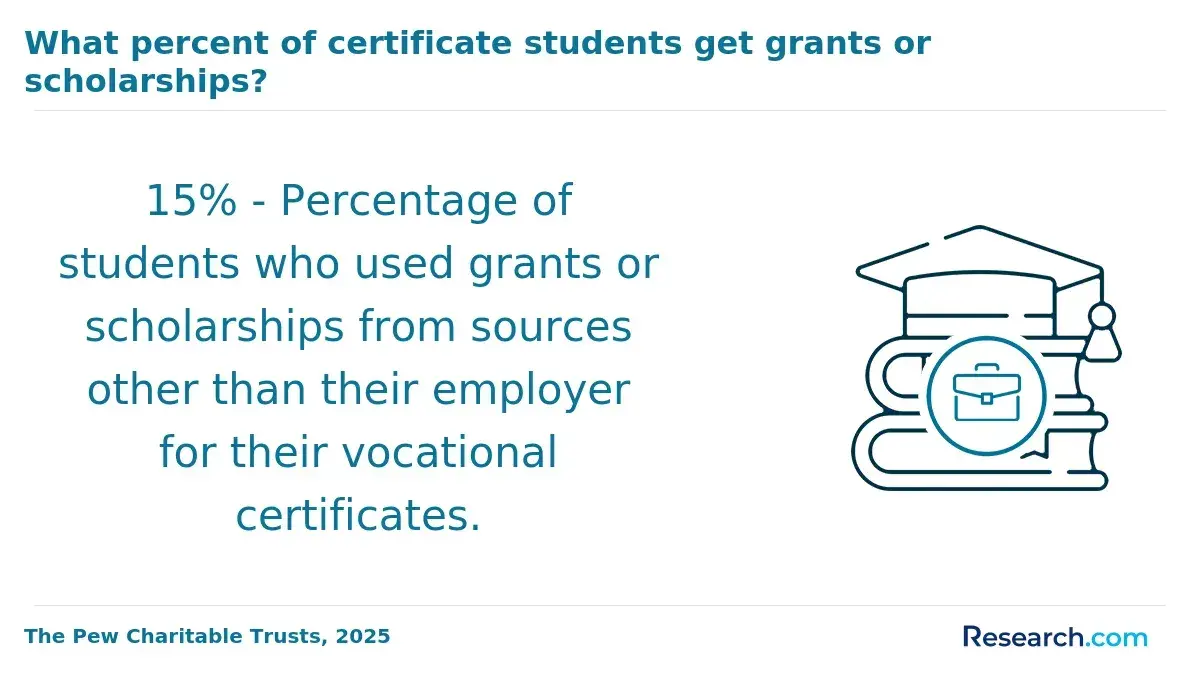
Understanding the differences in tuition costs across pediatric care nurse practitioner degree levels is vital for effective budgeting and making informed financial decisions. Tuition can vary widely depending on factors such as program type, institution, and delivery method. Below is an overview of the typical tuition ranges for each type of Pediatric Care Nurse Practitioner degree to help prospective students prepare financially.
- Master's in Pediatric Care Nurse Practitioner: Tuition for a master's degree generally ranges from $29,000 to $49,000, with private or online programs often at the higher end of this scale. Public universities may offer more affordable in-state rates but charge considerably more for out-of-state students. Many students access federal loans, scholarships, and grants to offset these expenses.
- Post-Master's Pediatric Care Nurse Practitioner Certificate: These certificate programs typically cost between $20,000 and $35,000 and are designed for nurses who already hold advanced degrees. Usually shorter in duration and often delivered online, they can qualify for employer tuition assistance or specialized nurse scholarships.
- Doctor of Nursing Practice (DNP) in Pediatric Care Nurse Practitioner: DNP programs represent the highest tuition range, from approximately $28,000 to $89,000, influenced by factors such as residency status and school prestige. Some programs may cost upwards of $90,000 for part-time study, though in-state discounts and financial aid opportunities including work-study are available to reduce the cost.
When discussing costs, a graduate of a Pediatric Care Nurse Practitioner degree program shared her experience navigating these financial commitments. She reflected that while the tuition was a significant investment, careful planning and leveraging multiple aid sources made it manageable. She remarked, "Applying early for scholarships and federal aid was a game changer for me." Despite initial concerns, she found the program's cost worthwhile given the career growth and satisfaction she achieved afterward. Her journey highlights that understanding tuition budgeting early and exploring various funding options can greatly ease the financial pressure while advancing one's professional goals.
What Jobs Can You Get with Each Type of Pediatric Care Nurse Practitioner Degree?
The level of education attained in pediatric care nurse practitioner programs significantly influences the career opportunities available and the types of roles graduates can pursue. Higher degrees generally open doors to more advanced positions with increased responsibility, autonomy, and earning potential. Below is an overview of common jobs associated with each type of pediatric care nurse practitioner degree.
Understanding these roles can help prospective students choose the best educational path to match their career goals.
- Associate Degree in Nursing (ADN): Graduates with an ADN typically work as registered nurses (RNs) in pediatric settings, including children's hospitals, clinics, and community health centers. Their duties commonly involve administering medication, monitoring patient progress, assisting with procedures, and educating patients and families.
- Bachelor of Science in Nursing (BSN): A BSN prepares nurses for more advanced roles such as pediatric staff nurse, charge nurse, or case manager. These nurses often take on leadership responsibilities, coordinate care, and work in specialized pediatric units like neonatal or intensive care. BSN nurses may also play a role in advocating for child health policies and supervising RN teams.
- Master of Science in Nursing (MSN) - Pediatric Nurse Practitioner: MSN graduates become pediatric nurse practitioners (PNPs) providing primary or acute care to children, adolescents, and young adults. Common job titles include primary care pediatric nurse practitioner and acute care pediatric nurse practitioner, with employment in private practices, specialty clinics, or urgent care centers. Pediatric nurse practitioners with graduate degrees report median annual salaries ranging from $110,000 to $130,000, depending on role and setting, demonstrating the financial advantages of advanced education.
- Doctor of Nursing Practice (DNP): DNP holders qualify for senior clinical and executive roles such as chief nursing officer, clinical nurse educator, or pediatric nursing director. These professionals lead healthcare teams, shape policy, and oversee clinical programs, contributing to system-wide improvements in pediatric care.
- Post-Master's Certificate: This credential allows MSN or DNP nurses to specialize further and qualify for roles like pediatric nurse scientist, nurse consultant, or professional development specialist. These practitioners often influence patient outcomes, clinical standards, and health policy through research, education, or administrative roles.
To explore degree options that are among the highest paid 4 year degree programs, students can visit highest paid 4 year degree resources that highlight educational paths with strong career and salary prospects.
How Do Salaries Differ by Pediatric Care Nurse Practitioner Degree Type?
Degree level often influences the earning potential of a pediatric care nurse practitioner, making it an important consideration for students planning their educational paths. Understanding how salaries differ by degree type can help prospective students make informed decisions about their career and investment in education. Below is an overview of typical salary ranges associated with each degree level, offering insight into how education impacts income and future opportunities.
These salary estimates provide a helpful guide as you explore options, alongside consulting a comprehensive list of best universities online for nursing programs that fit your goals.
- Associate Degree in Nursing (ADN) to Registered Nurse (RN): Nurses beginning with an ADN and working as pediatric RNs typically earn around $70,000 per year. Salaries at this level vary depending on employer, location, and healthcare setting, but advanced practice roles usually require further education beyond an ADN.
- Bachelor of Science in Nursing (BSN): BSN-prepared pediatric nurses tend to have a higher starting salary, often ranging from $70,000 to $80,000 annually. However, becoming a nurse practitioner requires graduate study, and regional demand can influence pay within this range.
- Master of Science in Nursing (MSN) - Pediatric nurse practitioner: Earning an MSN is the standard path to becoming a pediatric care nurse practitioner, with typical salaries between $98,000 and $127,000 per year. Most MSN-trained pediatric NPs earn near $119,000, with factors like experience and employer affecting compensation.
- Doctor of Nursing Practice (DNP): The highest clinical degree, a DNP, offers pediatric nurse practitioners increased earning potential, averaging about $135,830 annually and reaching up to $186,000 for some. DNP holders often pursue leadership roles, aided by their advanced training and expertise.
Is There High Demand for Pediatric Care Nurse Practitioner Degree Holders in the Job Market?
There is a high demand for pediatric care nurse practitioner degree holders in the United States, driven by a combination of workforce needs and healthcare trends. The U.S. Bureau of Labor Statistics projects nurse practitioner jobs will grow by 38% to 46% between 2022 and 2033, highlighting this role as one of the fastest growing in healthcare. However, only a small fraction-about 3.7%-of nurse practitioners are certified in pediatrics, despite nearly 25% of the population being under 18 years old.
This gap is more pronounced in rural and underserved areas, where access to specialized pediatric providers remains limited. Additionally, the rise in chronic health conditions among children and new pediatric challenges, such as post-pandemic inflammatory disorders, have intensified the need for skilled pediatric care nurse practitioners.
Emerging technologies also play a significant role in expanding demand. Telehealth and AI-powered patient care tools enable nurse practitioners to manage more complex cases efficiently and extend their reach to patients in remote locations. Regional differences further shape job opportunities, with states like Texas, California, and Tennessee expecting 58%-60% growth in pediatric nurse practitioner roles over the next decade.
Educational programs are responding by offering flexible, low-residency, or online options to attract students from underserved areas, helping to close workforce gaps. For those exploring career options, investigating certifications online that pay well can also be a strategic step. Overall, pediatric care nurse practitioner degree holders entering the workforce can anticipate strong job prospects and the ability to make a meaningful impact on child health nationwide.
What Factors Should You Consider When Picking a Type of Pediatric Care Nurse Practitioner Degree?
Choosing the right degree level in pediatric care nurse practitioner programs is a critical decision that shapes both your professional path and personal life. The right choice ensures your education aligns closely with your career ambitions and your current circumstances. To make an informed decision, consider the following key factors:
- Career Goals: Your long-term professional aspirations should guide your degree choice. While a Master of Science in Nursing (MSN) is generally required to become a pediatric care nurse practitioner, pursuing a Doctor of Nursing Practice (DNP) may open up advanced leadership, faculty, or policy roles. If you want to influence healthcare systems or engage in research, a DNP might be essential.
- Time Commitment: MSN programs typically take two to three years of full-time study, whereas DNP programs can require an additional two years. Consider your ability to balance this timeline with work, family, or other responsibilities before deciding.
- Program Cost and Accessibility: Tuition for MSN programs ranges from about $35,000 to $70,000, while DNP programs often exceed $100,000. Online and hybrid offerings can provide more flexible and affordable options, especially if you have work obligations or live in rural areas.
- Salary Expectations: Median salaries for MSN-prepared pediatric nurse practitioners hover around $118,000, but DNP holders may earn higher salaries in executive or academic roles. Keep in mind that subspecialties and geographic location also influence earning potential.
- Certification and Subspecialties: Ensure your chosen program prepares you for board certification and offers training in subspecialties that interest you, such as acute or primary care. Some areas may require extra coursework or certification beyond the degree.
- Personal Interests and Patient Population: Reflect on which pediatric populations excite you most, whether infants, adolescents, or children with chronic conditions. Your degree should support focused work with your preferred patient groups.
What Pediatric Care Nurse Practitioner Graduates Say About Their Degree and Salary
- Mina: "Completing my master's degree as a pediatric care nurse practitioner opened doors I hadn't imagined possible. The program's in-depth focus on both clinical skills and community health prepared me thoroughly to start working in a busy urban children's hospital with confidence. I've been able to contribute directly to improving pediatric care workflows and patient outcomes, which has been incredibly rewarding. This degree truly accelerated my professional development while fueling my passion for serving vulnerable populations."
- Xavi: "After graduating with a Doctor of Nursing Practice in pediatric care, I found that my career opportunities expanded dramatically. The advanced training I received enabled me to take on leadership roles in pediatric clinics and advocate for policy changes that benefit children's health. Earning this degree challenged me intellectually and personally, helping me grow into a more effective clinician and mentor. I now feel empowered to make a lasting positive impact on community health systems."
- Karen: "Earning my post-graduate certificate as a pediatric care nurse practitioner was a pivotal step in transitioning from general nursing to specialized pediatric care. I appreciated how focused and efficient the program was, allowing me to quickly apply new skills in my outpatient pediatric practice. This degree enhanced my confidence in managing complex cases and deepened my commitment to nurturing the well-being of my young patients and their families. It was a meaningful journey that enriched both my personal and professional life."
Other Things You Should Know About Pediatric Care Nurse Practitioner Degree Programs & Salaries
In 2027, pediatric care nurse practitioners can pursue degrees like Master of Science in Nursing (MSN), Doctor of Nursing Practice (DNP), and post-graduate certificates. Salaries vary: MSN holders earn around $95,000 to $115,000 annually, while DNP graduates can earn $105,000 to $130,000, reflecting their advanced training and qualifications.
To enroll in a pediatric care nurse practitioner degree program in 2026, candidates typically need a Bachelor of Science in Nursing (BSN), an active RN license, and clinical experience. Some programs may also require GRE scores and specific undergraduate coursework in sciences.
References
- Pediatric Nursing Specialties And Career Paths | Davis & Elkins https://www.dewv.edu/top-pediatric-nursing-specialties-and-career-paths-explained/
- Pediatric Nurse Practitioner – Acute Care Specialty https://nursing.vanderbilt.edu/programs/specialties/pnpac/
- Primary Care Pediatric Nurse Practitioner | Frances Payne Bolton School of Nursing | Case Western Reserve University https://case.edu/nursing/programs/msn/msn-majors/primary-care-pediatric-nurse-practitioner
- Evaluating the Practice of Pediatric Nurse Practitioners: Is It Time for Dual Primary and Acute Care Preparation? - ScienceDirect https://www.sciencedirect.com/science/article/pii/S0891524522002383
- Pediatric Primary Care Nurse Practitioner https://www.marquette.edu/grad/pediatric-primary-care-nurse-practitioner-cert-msn-dnp.php
- Pediatric Nurse Practitioner—Primary Care (PNP-PC) Certificate https://www.apu.edu/programs/pediatric-nurse-practitioner/
- The Growing Need for Pediatric Nurse Practitioners https://www.registerednursing.org/articles/growing-need-pediatric-nurse-practitioners/
- Types of Nurse Practitioners: Complete Guide to NP Specialties and Salaries https://npdegrees.org/careers/type-of-nurse-practitioners/
- How Much Do Pediatric Nurses Make? | NursingEducation https://nursingeducation.org/careers/pediatric-nurse/salary/
- Highest Paying Specialties For Pediatric Nurses - NurseJournal.org https://nursejournal.org/articles/careers-for-pediatric-nurses/


