
2027 Return on Investment (ROI) of a Pediatric Care Nurse Practitioner Degree Program

Co-Founder and Chief Data Scientist
Many prospective students question whether investing time and money in a pediatric care nurse practitioner degree will lead to tangible career benefits. With the national average salary for pediatric nurse practitioners rising above $110,000 annually, demand in this specialty continues to grow by 26% over the next decade, according to the U.S. Bureau of Labor Statistics.
However, the substantial tuition and program length can make this decision complex. This article explores the return on investment for pediatric care nurse practitioner degrees by analyzing costs, employment prospects, and salary trends to help readers make informed educational and career choices.
Key Things to Know About Pediatric Care Nurse Practitioner Degree ROI
- Graduates with a pediatric care nurse practitioner degree report median salaries exceeding $110,000 annually, reflecting significant earning potential compared to registered nurses.
- The degree offers enhanced job security, with pediatric healthcare roles growing 15% faster than average occupations through 2030.
- Career advancement is bolstered by specialized expertise, enabling practitioners to pursue leadership roles or transition across diverse healthcare settings with long-term salary growth.
How Is ROI Calculated for a Pediatric Care Nurse Practitioner Degree Program?
Return on investment (ROI) in higher education measures the financial gain a student obtains relative to the cost and time invested in earning a degree. It helps prospective students compare the value of a pediatric care nurse practitioner degree against other career options to determine if the benefits outweigh the expenses.
Several important factors are considered when calculating ROI for pediatric nurse practitioner programs. These include:
- Tuition and Fees: This factor accounts for the total direct expenses such as tuition, books, and institutional fees required to complete the program. These costs form the initial financial investment a student must evaluate.
- Opportunity Cost: The income a student sacrifices by choosing education over full-time work impacts overall ROI. Programs with shorter duration typically reduce this opportunity cost.
- Time to Completion: The length of the degree affects when students can start earning a full salary. Faster completion times can improve ROI by minimizing time away from the workforce.
- Post-Graduation Salary Outcomes: Average salaries that pediatric care nurse practitioners earn after finishing the program provide a benchmark for expected income gains compared to previous employment.
- Career Advancement and Long-Term Earnings: Consideration of job stability, promotion potential, and salary growth over time helps forecast sustained financial benefits after graduation.
Those interested in exploring the best options for advancing their careers might consider reviewing reputable dnp programs that focus on efficient pathways. Careful assessment of these factors allows students to calculate the return on investment of pediatric nurse practitioner degree choices and select programs aligned with their career and financial goals.
How Much Does a Pediatric Care Nurse Practitioner Degree Program Cost?
Calculating the full cost of a pediatric care nurse practitioner degree is vital for accurately assessing its return on investment, especially since graduate tuition and fees have surged over 30% in the last ten years, pushing average graduate student debt past $50,000. Recognizing the various expenses involved can help prospective students make informed decisions.
The main factors influencing ROI typically include:
- Tuition and fees: Often the most significant portion, these costs range widely depending on the program, potentially exceeding $60,000 for the entire degree. This variability can greatly impact overall financial planning.
- Books and materials: Beyond tuition, specialized textbooks and necessary clinical supplies contribute additional costs that may total several hundred to a few thousand dollars.
- Living and relocation expenses: If the program requires moving or attending in-person classes far from home, housing and relocation fees can substantially increase expenses.
- Opportunity cost: Time dedicated to full-time study can reduce income opportunities, particularly for students who must limit work hours or accept unpaid clinical placements.
- Hidden or indirect costs: These encompass application fees, testing and licensing expenses, technology needs, and ongoing certifications, which often are overlooked but add to the financial burden.
A graduate I spoke with described balancing the financial stress with personal motivation: "It wasn't just the tuition. I had unexpected fees like exam registration and technology upgrades that added up quickly. Juggling work, school, and family drained both time and resources." He emphasized how carefully tracking these costs helped him manage his budget and ultimately value the degree's long-term benefits despite the challenges.
What Financial Aid Is Available for Pediatric Care Nurse Practitioner Degree Programs?
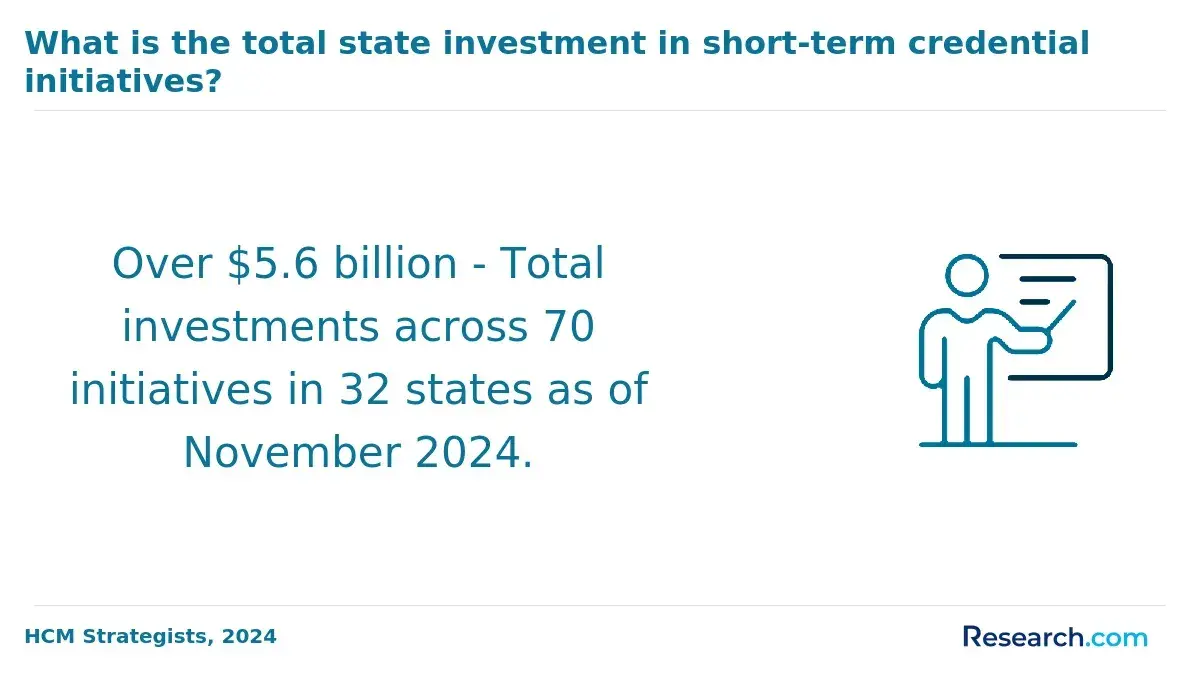
Financial aid can significantly reduce the initial cost of pediatric care nurse practitioner degree programs and improve the long-term return on investment by lowering overall debt. With more than 60% of graduate students borrowing to finance their education, effectively utilizing available aid is essential to manage expenses and enhance career value.
Common financial support options include:
- Scholarships: These awards, based on merit or financial need, help decrease tuition expenses without requiring repayment, directly reducing the total amount borrowed and increasing ROI.
- Grants: Typically provided by government or private entities, grants offer financial assistance that doesn't need to be repaid, lessening reliance on loans and decreasing debt load post-graduation.
- Fellowships: Offering stipends in exchange for research or clinical duties, fellowships help cover living costs and may accelerate degree completion, improving financial outcomes.
- Employer Tuition Assistance: Many healthcare employers reimburse part or all of tuition fees, which can make education more affordable when coordinated with work responsibilities, boosting financial feasibility.
- Federal Loans: Although loans increase repayment obligations, federal options tend to have lower interest rates and more flexible repayment plans than private loans, allowing borrowers better debt management and potentially better long-term financial health.
How Long Does It Take to Complete a Pediatric Care Nurse Practitioner Degree?
The length of time it takes to finish a pediatric care nurse practitioner degree directly influences its return on investment through factors like opportunity cost, earning potential, and overall expenses. Completing the degree sooner allows graduates to start earning earlier and reduces time-based costs, while longer programs may increase financial burdens and delay income.
Several key elements impact how quickly students can complete their pediatric care nurse practitioner programs:
- Enrollment Status: Full-time students generally complete their studies faster but often face intensified financial pressure and time demands. Part-time students may balance other responsibilities better but extend their study period, affecting ROI.
- Program Format: Online and accelerated courses provide flexible scheduling and can shorten completion time. However, they require strong self-discipline and may not be suitable for everyone.
- Transfer Credits: Accepting previous relevant coursework reduces the number of required classes, cutting down both time and tuition costs, enhancing the program's cost-effectiveness.
- Practical Requirements: Internships or thesis projects typically add time but are crucial for skill development and employment readiness, potentially improving career outcomes despite a longer program length.
- Scheduling Flexibility: Evening or weekend classes accommodate working students but may prolong total study duration, balancing life demands with educational progress.
When asked about her experience completing this degree, a graduate reflected on the journey's ups and downs. She described juggling work and family commitments while navigating a part-time schedule that stretched over nearly four years. "It was challenging to maintain motivation when progress felt slow," she shared, "but the hands-on clinical experiences truly deepened my confidence and preparedness."
She noted that, despite the longer timeline, the flexible structure was essential to her success. "I realized that finishing efficiently isn't just about speed-it's about fitting education into your life so you can thrive professionally and personally."
Is ROI Higher for Online or On-Campus Pediatric Care Nurse Practitioner Programs?
The return on investment (ROI) for Pediatric Care Nurse Practitioner degree programs can differ substantially depending on whether students choose an online or on-campus format. These differences arise from variations in tuition costs, program flexibility, and career opportunities. Notably, online enrollment in graduate health programs has risen over 20% in the past five years, reflecting increased acceptance of remote learning options that often impact ROI.
Key comparison points between online and on-campus pediatric care nurse practitioner program ROI include:
- Tuition and Fees: Online programs generally have lower tuition and fees, as they reduce overhead expenses related to campus facilities. This can lead to a more affordable education compared to on-campus options.
- Opportunity Cost: Many online learners can maintain employment while studying part-time, minimizing income loss during their studies. This factor improves the overall ROI by reducing financial strain.
- Time to Completion: Online programs often offer flexible pacing, allowing students to accelerate or extend their studies based on personal schedules. This flexibility can affect time to degree and related costs.
- Networking and Career Services: On-campus programs tend to provide stronger face-to-face networking and job placement support, which may enhance career outcomes after graduation.
- Employer Perception and Long-Term Earnings: Some employers still favor degrees earned on-campus, which can influence salary offers and advancement opportunities over time.
For students researching related healthcare programs, exploring options such as medical billing and coding online schools can provide additional pathways in the medical field.
What Is the Average Salary After Earning a Pediatric Care Nurse Practitioner Degree?
Post-graduation salary plays a central role in evaluating the return on investment (ROI) of a pediatric care nurse practitioner degree by directly affecting how quickly graduates can pay off their educational costs and achieve financial stability. In the United States, the average pediatric nurse practitioner salary ranges between $85,000 and $120,000 annually.
Several key elements shape salary outcomes and, consequently, the ROI for this degree:
- Industry setting: Pediatric nurse practitioners may work in hospitals, private practices, or outpatient clinics. Hospital roles often provide higher compensation, but salaries can vary widely based on the healthcare facility type and organizational structure.
- Geographic location: Salaries tend to be higher in urban centers and regions with increased cost of living, while rural areas generally offer lower pay but sometimes less competition for roles.
- Prior healthcare experience: Those with previous nursing or clinical backgrounds often command better starting salaries and advance more rapidly within their careers.
- Specialization: Focusing on specific areas such as neonatal or adolescent care can lead to premium pay due to specialized expertise.
- Career level and credentials: Advanced certifications and leadership positions typically enhance earning potential over time.
Prospective students evaluating a pediatric care nurse practitioner salary by state will find these factors important for understanding local financial prospects in relation to educational investment. For those considering broader education options in this field, exploring a healthcare management degree online can also complement clinical roles and potentially improve long-term earnings.
Does a Pediatric Care Nurse Practitioner Degree Lead to Promotions?
Promotions play a crucial role in enhancing the ROI of a pediatric care nurse practitioner degree through salary increases, expanded responsibilities, and improved career mobility. These factors collectively strengthen the financial benefits of earning the degree over time. A significant trend in healthcare workforce development is the shift toward credential-based promotions, where obtaining advanced degrees increasingly determines eligibility for higher-level roles.
Key ways a pediatric care nurse practitioner degree may impact promotion opportunities and ROI include:
- Credential Requirements: Many specialized roles and management positions require advanced credentials as a baseline. Earning this degree helps meet those formal qualifications, allowing nurses to compete for promotions that might otherwise be inaccessible.
- Leadership Preparation: The degree enhances clinical and administrative skills tailored to pediatric care settings, preparing graduates for leadership responsibilities that come with higher pay and influence.
- Employer Support: Some organizations provide tuition assistance for employees pursuing this advanced degree, making internal promotions more achievable while reducing the net cost of education.
- Career Mobility: With a pediatric care nurse practitioner degree, professionals can transition more easily across diverse healthcare environments where pay scales and advancement opportunities differ, improving overall career growth potential.
- Experience Synergy: Combining professional experience with this specialized education strengthens a candidate's appeal for promotion, as employers favor nurses demonstrating both practical knowledge and formal qualifications.
For those considering advancing a pediatric nurse practitioner career advancement, exploring an online nursing program can offer flexible pathways to earn this degree while working. Promotions for pediatric nurse practitioners are often linked to formal education, making the degree a critical factor for career growth and financial returns.
Which Industries Offer the Best ROI for Pediatric Care Nurse Practitioner Graduates?
The return on investment (ROI) for a pediatric care nurse practitioner degree varies significantly by industry due to differences in salary levels, career progression opportunities, and demand for specialized skills. These factors jointly influence the financial and professional rewards that graduates can expect over time.
Several industries tend to offer some of the highest paying pediatric nurse practitioner roles and the strongest career fields for pediatric nurse practitioner ROI. These industries include:
- Hospital systems: These environments typically offer competitive salaries and clear opportunities for advancement into leadership or specialized clinical roles. With high demand for pediatric expertise in both inpatient and outpatient care, hospital systems support strong job stability and wage growth.
- Private pediatric practices: Focused settings where practitioners can develop close patient relationships. Compensation often ties closely to performance and patient retention, providing a stable career path in a growing market driven by pediatric preventative care.
- Community health centers: These centers benefit from increasing public funding and a focus on accessible pediatric care. Nurse practitioners gain a diverse range of skills and experience, which can open doors to public health and policy roles.
- Educational institutions: Positions like school nursing or pediatric health education combine practice with teaching or policy development. Rising attention to child wellness programs delivers steady demand and benefits in this sector.
For those considering cost-effective pathways to enter these rewarding industries, exploring the cheapest dnp programs can be a strategic step toward maximizing ROI and advancing career goals.
Does Accreditation Affect ROI for a Pediatric Care Nurse Practitioner Degree?
Accreditation in pediatric care nurse practitioner degree programs signifies that the curriculum meets rigorous standards established by recognized agencies, ensuring quality education aligned with current clinical and regulatory practices. This validation matters for return on investment because employers often favor graduates from accredited programs, associating them with readiness for professional duties and compliance with licensure requirements.
Additionally, accreditation can affect graduates' eligibility for national certification exams, which is a critical step in the licensing process. Workforce trends continue to highlight the importance of verified competencies, making accreditation a key factor in graduate employment prospects.
Beyond initial employment, accreditation influences long-term ROI by enhancing trust among employers and facilitating career advancement opportunities. Students in accredited programs often qualify for federal financial aid, lowering financial barriers and upfront costs.
Furthermore, credit transferability between institutions is generally smoother with accredited credentials, enabling further education with less difficulty and expense. These benefits collectively support sustained career mobility and help ensure that the degree's value endures throughout a nurse practitioner's professional journey.
Is a Pediatric Care Nurse Practitioner Degree Worth It?
The return on investment for a pediatric care nurse practitioner degree depends on factors like tuition costs, program duration, expected salary, and potential career growth. Completing this graduate program typically requires two to three years of full-time study, with some flexibility through part-time or online options.
Graduates can expect salaries ranging from $90,000 to $120,000 annually, with opportunities for higher earnings based on experience and geographic location. The field also offers advancement into leadership roles, educational positions, and specialized pediatric care, enhancing long-term career prospects. Employment growth for nurse practitioners is projected at about 45% over the next decade, highlighting strong industry demand.
Deciding if this degree is worthwhile varies by individual circumstances. Financial aid, scholarships, and employer tuition support can help balance initial expenses, while program format impacts time commitment and accessibility.
Those facing significant personal obligations or pursuing careers outside clinical pediatric care might find the investment less beneficial. Aligning educational choices with personal goals and understanding job market trends are essential to maximizing the degree's value and ensuring a positive return on investment.
What Graduates Say About The ROI of Their Pediatric Care Nurse Practitioner Degree
- Joey: "Choosing to pursue a pediatric care nurse practitioner degree through a traditional program was one of the best decisions I've made. The cost, while significant at around $40,000, felt like a worthwhile investment given the strong career growth and salary potential in this specialty. Since graduating, I've seen a real return on investment both financially and in my ability to make a meaningful difference in children's healthcare. "
- Morgan: "Opting for an online pediatric care nurse practitioner program allowed me to balance work and study without breaking the bank. At roughly $35,000 total, the program was affordable compared to other options, and the flexibility made it invaluable for my busy schedule. Completing this degree has profoundly impacted my career, opening doors to advanced positions and greater job satisfaction. It was definitely worth it for me. "
- Hudson: "As a part-time student in the pediatric care nurse practitioner program, I was initially concerned about the prolonged timeline and the costs accumulating to around $37,000. Reflecting back, the financial and time investment made a concrete difference in my professional trajectory, equipping me with specialized skills that employers highly value. The credential has enhanced my career stability and patient care expertise, confirming that the program was a smart, long-term choice. "
Other Things You Should Know About Pediatric Care Nurse Practitioner Degrees
In 2027, the work setting significantly affects the ROI of a pediatric care nurse practitioner degree. NPs in urban hospitals typically earn higher salaries than those in rural clinics, potentially enhancing ROI. However, rural areas may offer loan forgiveness programs, which could also impact the overall financial return.
Yes, ROI can vary significantly by geographic location. Regions with higher demand for pediatric care-such as urban areas with larger child populations or regions facing pediatric provider shortages-tend to offer higher salaries and more job openings. Conversely, some rural areas may offer loan repayment incentives but generally have lower salaries, which affects overall ROI.
Non-financial benefits significantly influence the ROI of a pediatric care nurse practitioner program. Opportunities such as job satisfaction, professional development, and the ability to impact patient outcomes can enhance career fulfillment, adding intangible value that complements financial returns in 2027.
References
- Pediatric Nurse Practitioner-Primary Care Tuition and fees https://online.missouri.edu/degrees-programs/mu/nursing/pediatric-nurse-practitioner-primary-care/ms/financial
- Scholarships & Financial Aid https://www.aacnnursing.org/students/scholarships-financial-aid
- Top 10 Pediatric Nurse Practitioner Programs 2025 https://nurse.org/articles/top-pediatric-nurse-practitioner-programs/
- 10 PNP Specialties for Career Growth & Better Pay - EduMed https://www.edumed.org/articles/10-pnp-specialties-for-career-growth-better-pay/
- How much does a pediatric nurse practitioner make? https://www.herzing.edu/faq/how-much-does-pnp-make
- 6 Best Pediatric Primary Care Nurse Practitioner Programs | ThriveAP https://provider.thriveap.com/blog/6-best-pediatric-primary-care-nurse-practitioner-programs
- Pediatric Primary Care Nurse Practitioner https://www.nursing.upenn.edu/pediatric-primary-care-nurse-practitioner/
- Pediatric Nurse Practitioner (PNP) - Certification & Pay https://www.nursingcolleges.com/careers/nurse-practitioner/pediatric
- 10 Most Affordable Nurse Practitioner Programs 2025 Including Online Options | NursePractitionerOnline.com https://www.nursepractitioneronline.com/articles/most-affordable-nurse-practitioner-programs/
- Day in the Life of a Primary Care Pediatric NP | SMNP Reviews https://blog.npreviews.com/a-day-in-the-life-of-a-nurse-practitioner-primary-care-pediatrics/


